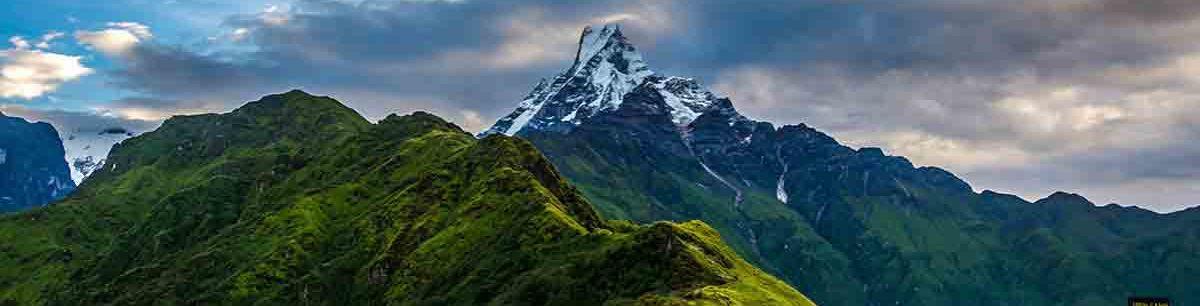
Annapurna Circuit Trek for Beginners: How to Trek Without Prior Altitude Experience Safely

The Annapurna Circuit Trek is one of the most celebrated trekking routes in Nepal, renowned for its breathtaking Himalayan panoramas, diverse landscapes, and cultural richness. A common question among aspiring trekkers is whether beginners—with no prior altitude trekking experience—can successfully and safely complete this challenging trek. The short answer is yes, beginners can do the Annapurna Circuit Trek without previous altitude experience, but it demands careful preparation, acclimatization, physical fitness, and awareness of altitude sickness. This detailed article explores the feasibility, challenges, preparation tips, and safety considerations for beginners tackling this iconic Himalayan trek.

Understanding the Annapurna Circuit Trek

The Annapurna Circuit is a lengthy high-altitude trek that typically spans 12 to 15 days and covers approximately 160 to 230 kilometers. It ranges in elevation from around 1,000 meters in the lower valleys to a maximum height of 5,416 meters at the Thorong La Pass. The trek crosses diverse terrains including lush forests, rocky pathways, remote villages, glacial moraines, and snowy mountain passes. The high altitude combined with varied physical demands places the trek in the moderate to challenging category.

Challenges for Beginners Without Altitude Experience

Altitude Sickness Risk

One of the most significant challenges is altitude sickness, medically known as Acute Mountain Sickness (AMS). Symptoms often begin at elevations as low as 2,500 meters and become more pronounced above 3,000 meters, with serious risks increasing further after 4,000 meters. The Thorong La Pass altitude of over 5,400 meters presents a critical zone where acclimatization is essential to avoid severe AMS, High Altitude Pulmonary Edema (HAPE), or High Altitude Cerebral Edema (HACE).

Beginners without altitude experience are usually more vulnerable because their bodies have not adapted to lower oxygen levels. Mild symptoms include headaches, nausea, fatigue, dizziness, and shortness of breath. Severe symptoms require immediate descent and medical attention.

Physical Endurance and Trek Duration

The trek involves long days of walking—up to 7-8 hours daily—including steep ascents and descents. Physical stamina and endurance are crucial. Beginners with no prior trekking experience may find the repetitive long-distance walking taxing, especially without fitness training. The extended duration (nearly two weeks) means physical endurance and mental resilience are tested continuously.

Remote Wilderness and Limited Services

The Annapurna Circuit traverses remote Himalayan regions where access to medical facilities, communications, and luxurious accommodations is limited. Most nights are spent in simple teahouses offering basic amenities. This remoteness can intimidate newcomers and necessitates careful logistical planning and emergency preparedness.

Unpredictable High-Altitude Weather

Weather in the high mountains can change drastically, with clear days turning into snowstorms or heavy winds rapidly. Seasonal timing is critical. Spring (March to May) and Autumn (September to November) are preferred for stable weather, and beginners should avoid monsoon or winter seasons when conditions are more volatile and treacherous.

Key Preparations for Beginners Without Altitude Experience

Physical Fitness Training

Beginners should start physical training months before the trek focusing on cardio endurance, strength, and hiking practice. Training includes walking long distances, stair climbing, running, cycling, and strength training to boost the cardiovascular system and leg muscles. Practicing with a loaded backpack also helps prepare for trek conditions.

Acclimatization and Trek Pacing

Gradual ascent is the most effective way to prevent altitude sickness. Beginners should follow itineraries that include acclimatization days, especially in key locations like Manang (around 3,500 meters), to allow the body to adapt to altitude changes. No more than 500 meters of elevation gain per day above 3,000 meters is recommended. Pacing the trek slowly and listening to the body’s signals are critical safety measures.

Hiring Guides or Porters

Having a licensed guide is strongly advised, as guide support is mandatory in Nepal’s trekking regions as of recent years. Guides help monitor altitude sickness symptoms, manage pacing and acclimatization, provide local knowledge, and coordinate emergency responses if needed. Porters can lessen the physical burden by carrying heavy gear, allowing beginners to conserve energy.

Equipment and Supplies

Proper trekking gear is essential: layers of clothing suited for temperatures ranging from warm lower valleys to icy passes, sturdy hiking boots, trekking poles, hydration systems, and altitude sickness medication like Diamox (under medical advice). Nutrition should be balanced with foods rich in carbohydrates and proteins to maintain energy levels.

Safety Tips for Managing Altitude Illness on the Trek

Beginners must be vigilant about altitude sickness symptoms and never ignore headaches, nausea, or excessive fatigue. If mild symptoms appear, resting and delaying ascent is critical. Moderate to severe symptoms warrant immediate descent to lower altitude. Emergency evacuation options should be pre-arranged through travel insurance covering high-altitude trekking above 5,000 meters and helicopter evacuation services. Staying hydrated, avoiding alcohol, and not rushing the climb also reduce risk.

Is Annapurna Circuit Suitable for Beginners?

While the Annapurna Circuit Trek is undoubtedly challenging and includes the risks of high altitude, it is accessible to beginners who prepare thoroughly. The trek has well-established trails, numerous teahouses, and cultural highlights, making it an excellent introduction to Himalayan trekking. Many first-timers complete the circuit successfully with proper training, acclimatization, guide support, and realistic expectations.

Beginners who respect the altitude, prepare physically and mentally, follow a cautious pace, and heed safety advice can relish the unique adventure of the Annapurna Circuit and its stunning natural and cultural beauty without prior altitude experience.

Frequently Asked Questions (FAQs)

Can beginners do the Annapurna Circuit Trek without prior altitude experience?

Yes, beginners can do the Annapurna Circuit Trek without previous altitude experience, but it requires careful physical preparation, gradual acclimatization, hiring a guide, and awareness of altitude sickness symptoms to ensure safety and success.

How can beginners prepare physically for the Annapurna Circuit Trek?

Beginners should engage in cardiovascular exercises, strength training, and practice hiking with a loaded backpack for several months before the trek. Building endurance and leg strength helps manage long walking days and steep terrain.

What is altitude sickness, and how can it be prevented on the trek?

Altitude sickness occurs due to reduced oxygen at high elevations, causing headaches, nausea, fatigue, and dizziness. To prevent it, follow a slow ascent rate, include acclimatization days especially at Manang, stay well-hydrated, avoid alcohol, and listen to your body.

Is it necessary to hire a guide or porter for beginners?

Hiring a licensed guide is highly recommended for beginners as guides monitor altitude sickness signs, help with navigation, and coordinate emergencies. Porters can ease the load by carrying heavy bags, helping beginners conserve energy.

What is the typical duration and distance of the trek suitable for beginners?

The trek duration varies from 12 to 15 days covering approximately 160 to 230 kilometers. Beginners should choose itineraries that incorporate rest days for acclimatization and avoid rushing the trek.

What time of year is best for beginners to do the Annapurna Circuit Trek?

The best seasons for beginners are spring (March to May) and autumn (September to November) because of stable weather, clear skies, and moderate temperatures. Avoid the monsoon and winter seasons to reduce risks linked to weather and trail conditions.

What gear is essential for beginners on this trek?

Essential gear includes layered clothing for varying temperatures, sturdy hiking boots, trekking poles, a sleeping bag rated for cold weather, water purification methods, and altitude sickness medication, ideally taken after consulting a doctor.

Can beginners with no trekking experience safely complete the trek?

While it is possible, complete novices should consider gaining some lower-altitude trekking practice first. The Annapurna Circuit is a moderate to challenging trek and requires good fitness and mental readiness to manage long days and altitude effects.

What should beginners do if they experience altitude sickness symptoms during the trek?

If symptoms are mild, rest and avoid gaining altitude for a day or two. If symptoms worsen (severe headache, vomiting, confusion), descend immediately to a lower altitude and seek medical help. Carry travel insurance covering high-altitude emergencies and evacuation.

Are there medical facilities along the Annapurna Circuit?

Basic medical facilities and first aid are available in towns along the route, but advanced care may require evacuation to larger towns or cities like Pokhara. Hence, having travel insurance and a guide is crucial for quick assistance in emergencies.

These FAQs provide concise answers to common concerns beginners face about doing the Annapurna Circuit Trek without prior altitude experience, supporting safe and informed trekking decisions.


This comprehensive guide underscores that although beginners can do the Annapurna Circuit Trek without previous altitude experience, success depends on preparation, pacing, acclimatization, and safety awareness. With the right attitude and planning, this iconic trek can become a fulfilling and life-changing achievement for first-time high-altitude trekkers.

Best Route to Motorbike in Nepal: An Ultimate Guide for Adventurers

Nepal is one of the most coveted destinations in the world for motorbike enthusiasts. Featuring soaring Himalayan peaks, serpentine mountain roads, and landscapes full of vibrant culture, the country offers a range of exhilarating routes that captivate riders of every level. Every motorbike journey in Nepal promises not only adrenaline but also incredible natural beauty and encounters with timeless traditions. Whether you are a seasoned rider looking for a challenging adventure or a casual traveler eager to explore in style, Nepal’s motorbike routes cater to every taste.

This comprehensive guide highlights some of the best motorbike routes worth tackling in Nepal. Alongside route summaries, it explores the unique charms, difficulties, and cultural features that make each ride an unforgettable experience.


Exploring the Spectrum of Nepal’s Motorbike Routes

Nepal’s motorbike routes range dramatically—from smooth highways linking major cities to rugged mountain paths threading remote valleys. Understanding this variety is key to picking the best route for your preferences and skills.

  • Scenic Highways: These well-maintained roads connect important hubs such as Kathmandu and Pokhara. They offer relatively easy rides but reward travelers with stunning Himalayan backdrops and cultural sites.
  • Mountain and Off-road Trails: More demanding routes take riders to isolated regions like Upper Mustang, Annapurna Circuit, and Rara Lake. These trails feature dirt roads, high altitudes, unpredictable weather, and breathtaking views.
  • Metro Area Day Trips: Shorter excursions from Kathmandu, such as rides to Nagarkot or Manikhel, offer quick mountain getaways with forested hills and waterfalls, ideal for day riders without long distances.

Each category invites riders into different worlds, varying in difficulty and atmosphere. Choose routes based on your riding ability, desired experience, and time available.


Unmissable Motorbike Routes in Nepal

Kathmandu to Pokhara via Daman: A Legendary Himalayan Journey

The mountainous ride from capital city Kathmandu to lakeside Pokhara remains one of the most favored routes in Nepal. Stretching approximately 200 kilometers, this ride balances adventure and accessibility.

Riders journey through lush hill country and winding roads. The highlight is Daman, a beautiful hill station boasting sweeping views of Himalayan giants such as Annapurna and Dhaulagiri. The road is predominantly paved, but its twists and turns demand attentive riding.

Upon arrival, Pokhara enchants visitors with serene Phewa Lake, the Peace Pagoda, and vibrant lakeside cafés—perfect places to relax and rejuvenate. This route is a great starting point for motorbikers new to Nepal, combining manageable terrain with irresistible scenery.

Upper Mustang: The Forbidden Kingdom Awaits

For the intrepid rider, the Upper Mustang route offers an unparalleled adventure. Revered as Nepal’s “last forbidden kingdom,” Mustang presents an eerie, ancient Tibetan landscape of barren hills, deep canyons, and traditional villages frozen in time.

The trip begins with a ride from Pokhara to Jomsom and then deeper into Mustang. Riders traverse dusty, rocky trails where few motorbikes dare venture. High altitude terrain above 3,800 meters challenges even experienced riders with thinner air and unpredictable weather.

The journey takes you past spiritual monasteries, vibrant Tibetan festivals, vast caves like the 44-room Chhosar Cave, and the ancient capital of Lo Manthang. From the breathtaking Kaligandaki Gorge to the sunlit desert plains, this region offers an immersive cultural and natural experience unlike any other.

Trips typically last one to two weeks, requiring sturdy bikes—often Royal Enfields—and careful acclimatization.

Annapurna Circuit: A Symphony of Nature and Culture

Known worldwide for trekking, the Annapurna Circuit also converts into an enthralling motorbike adventure. The route loops around the Annapurna massif, enveloping riders in a parade of landscapes—from subtropical jungles to alpine meadows.

The challenge lies in the mixture of paved highways and demanding, unpaved stretches. In some cases, riders must navigate road construction or landslide areas. However, the payoff is exceptional: close encounters with stunning peaks like Machapuchare (“Fishtail”), Dhaulagiri, and Annapurna, along with remote mountain villages rich in Gurung and Tibetan culture.

Thrilling passes like Thorong La, standing at 5,416 meters, form the zenith of this route, although most motorcyclists bypass the hiking trail summits. The Annapurna Circuit motorbike tour blends raw natural beauty, physical challenge, and cultural richness.

Rara Lake: Discover Nepal’s Hidden Serenity

Rara Lake lies in far western Nepal, at an elevation of 2,990 meters, offering motorcyclists a journey into one of Nepal’s least explored regions. This multi-day tour delivers both off-road excitement and peaceful solitude.

The 13-day route follows rugged mountain trails, weaving through pristine national parklands filled with biodiversity. The lake itself is a breathtaking sight—its crystal-clear waters mirror lush green hillsides, inviting reflection and calm.

The cultural immersion is no less rich. Riders visit Karnali villages with warm, welcoming inhabitants who sustain traditional lifestyles far from crowded tourist paths. Stops might include Jumla and Surkhet, showcasing Nepal’s diverse ethnic tapestry.

Though remote and physically demanding due to rough roads, the Rara Lake motorbike tour rewards adventurers with tranquility, wildlife, and unforgettable Himalayan panoramas.

Kathmandu Valley Short Rides: The Charm of Nagarkot and Manikhel

Ideal for those pressed for time or seeking gentler excursions, short day rides from Kathmandu around Nagarkot and Manikhel offer easy access to Himalayan vistas.

Nagarkot stands out as a dawn destination, famous for epic sunrises peeking over distant Himalayan summits, including Mount Everest. The ride takes about two to three hours, passing through softly rolling hills and verdant forests.

Manikhel provides a quieter, less touristy route with a combination of paved and rugged roads culminating near the scenic Simba Falls. These outings blend fresh mountain air with cultural glimpses into rural Nepalese life, perfect for novices or casual riders.


Essential Tips for Riding in Nepal

  • Choose the Right Bike: The Royal Enfield Himalayan 411 and Honda CRF 250 are revered for their ruggedness and capability on Nepal’s demanding terrain.
  • Acclimatize Gradually: High-altitude routes need preparation. Take rest days upon ascending and watch for altitude sickness.
  • Get Required Permits: Regions like Upper Mustang require special permits, necessitating advance planning.
  • Travel Seasons: Spring (March-May) and autumn (September-November) offer the best weather for clear, stable riding conditions.
  • Respect Local Culture: Motorbiking is not just about the ride—interact respectfully with communities and embrace local traditions.

Summary: Your Gateway to Nepal’s Motorbike Adventure

Nepal’s motorbike routes represent a world apart, inviting riders into realms of breathtaking scenery and rich cultural tapestries. From comfortable highway journeys connecting vibrant cities to demanding Himalayan trails threading ancient kingdoms and tranquil lakes, the choices are diverse and rewarding.

Prepare carefully, respect the environment, and immerse yourself rhythmically in the road. Nepal’s motorbike routes promise more than travel—they offer transformative experiences. Gear up, choose your route, and embark on the two-wheel adventure of a lifetime.

Life Along the Road: Stories from Nepal’s Remote Roadside Villages

Nestled within the steep folds of the Himalayas, Nepal’s roadside villages offer far more than mere places of rest for weary trekkers; they are living chapters of history, culture, and serenity that define the essence of this mystical kingdom. Each village along Nepal’s trekking routes acts as a vibrant waypoint, where the natural beauty of soaring peaks and lush landscapes converges with the warmth of local traditions and stories passed down through generations. This article journeys through these roadside villages, reflecting on their unique characters, the lives of their inhabitants, and the meaningful experiences they gift travelers.

1.The Soul of Nepal: Life in Roadside Villages

Roadside villages in Nepal are often remote hamlets perched on narrow mountain ledges or tucked within lush valleys accessible by winding trails and rough roads. Rather than mere transit points, they embody the lifestyle of ethnic groups such as the Gurung, Tamang, Sherpa, and Magar, among others, offering visitors a glimpse into the authentic mountain way of life.

For instance, the villages along the Annapurna Circuit—such as Landruk, Dhampus, and Pothana—are home to tight-knit Gurung communities. These settlements are characterized by traditional stone houses, terraced farmlands, and community teahouses that serve as social hubs for both locals and travelers. Here, the rhythms of daily life revolve around agriculture, livestock, and seasonal festivals, with locals often welcoming trekkers like guests of honor. Such hospitality allows visitors to immerse themselves in age-old customs, from participating in local dances to sampling homemade dishes crafted from organic produce.

Similarly, in the Langtang Valley and Gosainkunda region, predominantly inhabited by Tamang and Sherpa communities, trekkers encounter a blend of spirituality and resilience. The village of Kyanjin Gompa, nestled at over 3,800 meters, is famed for its ancient Buddhist monastery and stunning views of glacial peaks. These villages exemplify harmonious coexistence with nature and spiritual devotion, reflected in prayer flags fluttering against the crisp mountain air and locals’ gentle smiles.

2. Rest Stops as Cultural Crossroads

Each roadside village serves as a cultural crossroads where stories and traditions mingle with the coming and going of adventurers from around the globe. These villages are more than just geographical rest stops; they are vibrant stages where cultural exchange unfolds naturally.

Take Bandipur, a hilltop village overlooking the Marsyandi River, often hailed as an undiscovered gem by travelers taking the highway between Pokhara and Kathmandu. Its preserved Newari architecture, bustling bazaars, and panoramic mountain views offer a rich tapestry of Nepali history and daily life. Trekkers resting here find themselves drawn into storytelling sessions over cups of local tea or invited to witness traditional festivals, turning a brief stop into a memorable cultural immersion.

In far-flung destinations like the Ruby Valley, situated between Langtang National Park and Manaslu Conservation Area, the blend of cultural heritage and breathtaking landscapes is even more intimate. Trekking here is punctuated by homestays that replace hotels, allowing travelers to live alongside local families, partake in their meals, and gain firsthand insight into village routines and Himalayan ecology.

3. Nature and Scenery: An Everlasting Backdrop

The natural beauty surrounding Nepal’s roadside villages enhances the allure of these stops. Trekkers often describe how moments of rest become opportunities to absorb spectacular mountain vistas, alpine forests filled with rhododendrons and magnolias, and serene rivers running alongside dirt paths.

For example, during a trek from Pokhara to villages like Dhampus and Landruk, hikers ascend through rhododendron forests that burst into bloom in spring, before reaching villages perched to afford commanding views of the Annapurna and Lamjung Himal ranges. This natural splendor, combined with the warmth of local hospitality, recharges the spirit as effectively as any rest.

Similar experiences await those on the Ganesh Himal village trek, where the pristine mountain environment mingles with vibrant rhododendron groves and conifer forests. The juxtaposition of fresh pine air, panoramic peaks named after Hindu deities, and the simplicity of village life creates a unique harmony treasured by nature lovers and cultural explorers alike.

4. Stories Behind the Stops: Human Tales of Nepal’s Roadside Villages

The true magic of Nepal’s roadside villages lies in the stories of their people—tales of endurance, joy, tradition, and transformation that travelers carry with them long after leaving the mountain trails.

One poignant narrative is that of Ghale Gaun in the Lamjung district, a Gurung village located atop a hill with striking views of multiple Himalayan giants including Machhapuchhre (Fishtail). Villagers here preserve their cultural heritage through dance, music, and craftsmanship. Many trekkers recount heartfelt interactions with families whose lifestyles beautifully preserve the balance between modernity and tradition.

Other stories emerge from smaller hamlets like Balthali, near Kathmandu. Though relatively small, Balthali captivates visitors through its color-changing rhododendron forests, local monasteries, and views of the Manaslu range. Locals here recount histories of religious devotion tied to sacred stones known as Shaligrams, blending nature spirituality with everyday life.

During evening rests or midday breaks, these villages transform into venues for storytelling—where anxious climbers find comfort, and curious tourists become part of a shared human experience woven into the Himalayan fabric.

5. Practical Reflections: Tips for Enjoying Nepal’s Roadside Villages

For travelers eager to delve deep into Nepal’s roadside village culture, some practical insights can enhance the experience:

  • Choose homestays when possible: Staying with local families invites richer cultural exchange and supports sustainable tourism.
  • Interact respectfully: Though welcoming, locals appreciate when visitors show genuine interest in their customs and lifestyles.
  • Travel light and prepared: Many villages remain remote, so be equipped with essentials and supportive footwear for uneven paths.
  • Learn basic Nepali greetings: Simple phrases foster goodwill and open doors to friendships.
  • Support local artisans: Purchasing handmade crafts or local produce benefits communities economically and preserves traditions.

Conclusion: More Than a Rest Stop

Nepal’s roadside villages stand as living monuments to the country’s extraordinary cultural diversity and natural grandeur. Far beyond mere waypoints on trekking routes, they are intimate spaces of connection between mountain peoples and the world. Travelers who pause here gain more than rest—they gather stories, friendships, and unforgettable insights into the Himalayan way of life that linger as lasting reflections.

In every stone house, every shared meal, and every glance at snow-capped peaks, these villages embody the very soul of Nepal’s mountains. For adventurers seeking more than just the summit, stopping to absorb the essence of these roadside havens is a journey equally rewarding.

6 Powerful Reasons Trekkers Love Langtang Valley More Than Everest & Annapurna Trails

The Langtang Valley, cradled to the north of Kathmandu, is a Himalayan gem that has quietly grown in popularity among trekkers seeking authentic mountain experiences in Nepal. While Everest and Annapurna treks continue to draw adventurers from around the world, the Langtang route repeatedly stands out for its blend of accessibility, serenity, cultural immersion, natural beauty, and affordability. This article explores six compelling, humane reasons why thousands of trekkers now choose Langtang over Nepal’s more famous mountain trails.

1. Peaceful Trails: Escape the Crowds

One of Langtang’s strongest appeals is its tranquility. The region sees fewer trekkers than Everest and Annapurna, offering a calm, almost meditative atmosphere—quite unlike the bustling tea houses and crowded paths of the famous base camps.

  • In peak trekking seasons, Everest and Annapurna can grow congested, with crowded lodges and frequent trekking “traffic jams.”
  • Langtang’s trails wind through forests and villages where trekkers can genuinely connect with nature and locals, far from the mass tourism feel that sometimes marks the other two destinations.
  • Solitude can boost appreciation of the region’s beauty, deepen reflection, and offer space for wildlife encounters.
  • For trekkers needing time and space to process personal journeys—whether grieving, celebrating, or self-discovering—Langtang Valley’s “room to breathe” is invaluable.

2. Authentic Cultural Immersion

Langtang is renowned for intimate interaction with the Tamang people, the valley’s primary inhabitants. Their culture, rooted in Tibetan tradition, is woven into every aspect of life and visible in stone houses, prayer wheels, Buddhist festivals, and warmly welcoming smiles.

  • The Tamang community’s hospitality is legendary—many trekkers recount being invited for tea, homemade bread, and local cheese in family homes.
  • Ancient monasteries such as Kyanjin Gompa offer spiritual depth and historical intrigue, with chanting monks and vibrant prayer flags.
  • Compared to Everest, dominated by the Sherpa culture, and Annapurna, marked by Gurung and Magar influences, Langtang’s homogeneity fosters a focused, immersive cultural experience.
  • Village stays provide rich insight and help sustain local livelihoods, strengthening bonds between guests and hosts.

3. Accessibility: Quick Start from Kathmandu

Langtang’s proximity is a major draw—a direct 6–7 hour drive from Kathmandu leads trekkers right to Syabrubesi, the route’s gateway. There are several advantages to this:

  • No risky internal flights are required (unlike Everest, which begins with a notoriously turbulent flight to Lukla).
  • Planning is easier—travel days can be fewer, and schedules more flexible.
  • These logistics make Langtang perfect for trekkers with time constraints, such as working professionals or students.
  • Annapurna treks generally require extended travel to Pokhara, whereas Langtang puts trekkers on the trail within hours.

4. Affordable Adventure

Budget is an undeniable factor in trek planning. Langtang Valley is the most pocket-friendly among Nepal’s classic treks—with lower overall costs due to shorter duration, no flights, and modest homestay-style accommodation.

  • Average cost for a full Langtang Valley trek package (7-10 days, including transport, permits, guide, porter, food, and lodging): as low as $400-760 depending on group size and services.
  • Compare this to Everest ($1,200–1,800, factoring flights and higher-priced lodges) and Annapurna ($800–1,500).
  • For budget-conscious explorers, families, or long-term travelers, Langtang maximizes the mountain experience without straining finances.

5. Varied and Intimate Landscapes

Langtang Valley is noted for its compact diversity. Despite a shorter route (~77km), trekkers move through subtropical forests, bamboo groves, alpine meadows, dramatic glacial flows, and high peaks—all in a manageable number of days.

  • The trek usually ascends from lush forests (home to red pandas and langur monkeys) through yak pastures, waterfalls, and suspension bridges.
  • Peaks such as Langtang Lirung (7,227m), Dorje Lakpa (6,966m), and Yala Peak (5,500m) rise spectacularly from Kyanjin Ri (4,773m), offering unforgettable sunrise/sunset views.
  • High meadows around Kyanjin Gompa feel remote and wild, yet are accessible without the strain of Everest’s or Annapurna’s marathon distances.
  • Staring at golden dawn over Langtang peaks, or sipping tea on a sunlit porch, trekkers often remark on feeling present—both physically and emotionally—in the heart of the Himalaya.

6. Moderate Difficulty and Altitude Safety

Langtang is well-suited to beginners and experienced trekkers alike. With a maximum altitude around 4,984m (Tserko Ri), acclimatization is straightforward and altitude sickness unlikely for most, especially compared to Everest’s 5,364m or Annapurna’s Thorong La Pass (5,416m).

  • The trail is moderately challenging, with gradual ascents and steady terrain, making it accessible to trekkers of all ages and fitness levels.
  • Families, solo travelers, and those new to multi-day trekking often choose Langtang for its safety profile.
  • The route is flexible: rest days, side peaks, and optional extensions (Gosaikunda lakes) can tailor difficulty to personal needs.

Side-by-Side Comparison Table

FeatureLangtang ValleyEverest Base CampAnnapurna Base Camp
CrowdsLowHighMedium/High
AccessibilityRoad from KathmanduFlight to Lukla + trekDrive/fly to Pokhara
Cost (Est. USD/package)$400–760$1,200–1,800$800–1,500
Max Altitude (m)~4,984/5,0335,364 (EBC), 5,545 (Kala Patthar)4,130
Duration (days)7–1012–149–13
Cultural ExperienceTamang, BuddhistSherpa, BuddhistGurung, Magar, Hindu/Buddhist
DifficultyModerateChallengingModerate

Personal Stories & Emotional Connections

Trekkers who choose Langtang frequently describe humane experiences:

  • Being invited to a Tamang family’s evening meal after a long trek, sharing stories by firelight.
  • Stumbling on impromptu local festivals, where music and prayer wheels blend seamlessly in valley quietude.
  • Journaling in solitary meadows, or meditating beside ancient monasteries, without background noise from tourist crowds.
  • Grieving travelers remark on feeling gently “held” by welcoming hosts and peaceful landscapes—a healing friction for mind and heart.

Conclusion: Langtang’s Magic

Langtang Valley offers much more than breathtaking mountain scenery. It is a trek for those who value connection, quiet, culture, and humanity as much as altitude and adventure. While Everest impresses with magnitude and history, and Annapurna dazzles with diversity, Langtang rewards those who seek deeper encounters—with nature, themselves, and Nepal’s living spirit.

Whether you are a solo traveler searching for focus, a family balancing adventure and safety, or a seasoned trekker chasing new emotional horizons, Langtang Valley stands as a testament to the transformative power of “less is more.” Its six core draws—quiet, culture, easy access, affordability, landscape intimacy, and moderate challenge—have built a reputation for unforgettable Himalayan journeys, proving that sometimes, the road less traveled truly does make all the difference.

Everything You Need to Know About the NMA and Nepal Peak Climbing in 2026–2027

NMA( Nepal Mountaineering Association) , established on 1 November 1973, is a non‑governmental, non‑profit, and non‑political organization serving as Nepal’s national alpine association .Its mission encompasses promoting mountain tourism and climbing sports, protecting the mountain environment, and preserving the cultural heritage of mountain communities.

Historically, the NMA held exclusive authority to issue climbing permits for 27 designated peaks, known as “trekking peaks,” until October 2015, when the Government transferred permitting authority for these peaks to the Ministry of Culture, Tourism and Civil Aviation (MoTCA) .Despite this change, the NMA continues playing a vital supportive and coordinative role in Nepal’s mountaineering sector.


NMA’s Key Functions and Capabilities

Training and Human Capital Development

The NMA actively conducts structured mountaineering training programs, producing skilled human resources who ensure safety and professionalism in climbing.

  • Basic Mountain Guide Course (BMT) and Advance Mountaineering Training (AMT) prepare support staff and high-altitude guides respectively.
  • Since 1979, BMT began with only 20 trainees, initially in cooperation with the Yugoslavia Alpine Club. Post-2000, Nepalese instructors led fully domestically .
  • As of data up to 2017, the NMA had trained 1,304 individuals via BMT and 392 via AMT .
  • NMA has produced 60 international-standard mountain guides affiliated with the International Federation of Mountain Guide Associations (IFMGA) .

Environmental Stewardship and Clean‑Up Initiatives

Recognizing the fragile high-altitude ecosystems, the NMA organizes:

  • Cleaning and garbage-management campaigns in trails and base camps .
  • Environmental conservation awareness among climbers and communities .
  • Active environmental protection by coordinating with stakeholders and advocating sustainable tourism policies .

Infrastructure, Policy Advocacy, and Peak Development

Under its broad objectives, NMA:

  • Builds porter shelters, fixes ropes on risky sections, and constructs new trails for safer access .
  • Developed infrastructure such as the International Mountain Museum in Pokhara (IMM), climbing sports training schools in Kakani and Manang, and even a climbers memorial park .
  • Works on developing peak profiles for unexplored or unnamed peaks in coordination with government authorities .
  • Engages in policy building: offering recommendations to government on ethical tourism, climate change adaptation, safety enhancement, and disaster preparedness .
  • Organizes promotional and cultural events, e.g., World Tourism Day, International Everest Day, and represents Nepal in international bodies like UIAA, UAAA, and iFSC .

Advocacy and Representation

The NMA serves as a leading voice of the Nepalese mountaineering community:

  • Advocating for climbers’ and support staff’s rights and interests .
  • Working as a platform between government, local communities, and international stakeholders .
  • Organizing search-and-rescue operations and improving communication infrastructure in remote areas for emergency support .

Context for 2026–2027: Changing Landscape of Peak Climbing in Nepal

Permit Policy and New Regulations

New legislative reforms are reshaping how climbers access iconic peaks—especially Mount Everest:

  • A draft law proposes that climbers seeking Everest permits must have prior experience scaling at least one of Nepal’s 7,000 m peaks to ensure safety and reduce overcrowding in the death zone .
  • The regulation also mandates that expedition leaders and mountain guides on Everest be Nepali citizens .
  • These reforms reflect growing concerns over fatalities—2023 saw at least 12 deaths and 5 missing climbers on Everest .

Fee Structures and Economic Incentives

To manage demand and promote less crowded areas:

  • Everest permit fees are scheduled to increase by 35–36%, raising South route seasonal permits from USD 11,000 to USD 15,000 starting September 2025
  • Fees for peaks between 7,001 m and 7,500 m will nearly double to USD 800, and for 5,400 m–7,000 m peaks to USD 500—but a group of 97 remote western peaks will be exempt from permit fees .
  • The goal is to divert climbers toward remote regions (Karnali & Sudurpashchim), aiding economic development and decongestion of Everest .

Sustainability and Clean‑Up Emphasis

  • At the Everest Summiteers Summit, officials reaffirmed commitment to safety and environmental protection, highlighting clean‑up operations that removed 11 tons of waste and bodies from Everest slopes the prior season .

Role of NMA in 2026–2027: Enhanced Significance

Training and Certification

With new Everest experience requirements and fee restructuring:

  • NMA’s training programs (BMT and AMT) become indispensable—both for Nepalese and international climbers preparing for major peaks.
  • The production of more IFMGA-standard mountain guides aligns with stricter leadership criteria.

Exploring and Promoting Newly Accessible Peaks

The 97 permit-exempt peaks in the western region present a golden opportunity:

  • NMA can lead exploration and infrastructure development, including:
    • Developing peak profiles.
    • Establishing or improving trails, porter shelters, and safety rope sections.
    • Conducting environmental clean‑up and promotion.
  • These activities fit squarely within NMA’s mandate and offer much-needed regional tourism diversification.

Environmental Stewardship in Peak Expansion

As climbing interest shifts to remote peaks:

  • Environmental management, including waste cleanup, trail maintenance, and awareness campaigns, will be critical.
  • NMA’s prior work in cleaning, rope safety, and environmental outreach positions it as a key facilitator in these areas.

Infrastructure and Community Development

  • Promoting safer, regulated access via trail-building and local training will help ensure remote climbing regions are economically sustainable.
  • NMA could support local communities by:
    • Training local youth as guides and porters.
    • Building necessary infrastructure like porter shelters, information centers, and emergency support services.

Advocacy and Policy Interface

NMA will likely continue advising government policy as climbing regulations evolve:

  • Input on peak profile development, permit guidelines, safety protocols, and tourism sustainability can shape how these new peaks are managed.
  • It acts as a liaison among climbers, local communities, and policymakers.

International Promotion

By emphasizing newly opened regions—highlighting unique cultural and natural attractions—NMA can:

  • Attract international climbers through promotional campaigns and presence at global mountaineering events.
  • Leverage its connections with UIAA, UAAA, and others to bring attention to diverse, less-crowded peaks.

Looking Forward: NMA’s Strategic Vision for 2026 & 2027

In view of shifting policy, market, and safety landscapes, NMA’s potential strategies include:

  1. Scale Training Capacity: Adding more sessions, upgrading infrastructure, and training more mountain leaders/guides to meet rising demand and new experience prerequisites.
  2. Lead Mountain Opening Initiatives: Partner with government to survey, map, and profile new peaks; collaborate with local communities for safe access and amenities.
  3. Deploy Environmental Protocols: Establish a conservation framework for new climbing zones, including waste management, trail preservation, and clean‑ups.
  4. Support Local Resilience: Work with district authorities to create livelihood opportunities (guiding, lodging, logistics) in western and far-west regions.
  5. Policy Advocacy: Shape rules around permit hierarchy, guide qualifications, permit flexibility, and emergency response.
  6. Global Marketing: Present newly accessible peaks as sustainable, adventurous alternatives; attract ethical tourism while reducing Everest congestion.

Summary & Conclusion

Founded in 1973, the NMA has grown into a multi‑dimensional institution—spanning training, environmental protection, infrastructure, cultural preservation, advocacy, and tourism promotion. While the Government now issues most climbing permits, NMA remains central to safety standards, training, cleanliness, and policy guidance.

As Nepal enters 2026–2027:

  • Permit reforms require new levels of climber preparedness and experience.
  • Fee policies and incentives aim to spread mountaineering tourism into underdeveloped regions.
  • Environmental sustainability and decongestion are weaving into policymaking.

In this evolving scenario, NMA’s role is more crucial than ever—from training and environmental stewardship to community mobilization, policy shaping, and international branding.

With vision and collaboration, NMA can ensure that peak climbing in Nepal during 2026 and 2027 remains safe, sustainable, inclusive, and respectful of mountain heritage—turning challenges into opportunities for growth and responsible exploration.