Understanding Trekking Risks in the Himalayas: Complete Safety and Risk Management Guide

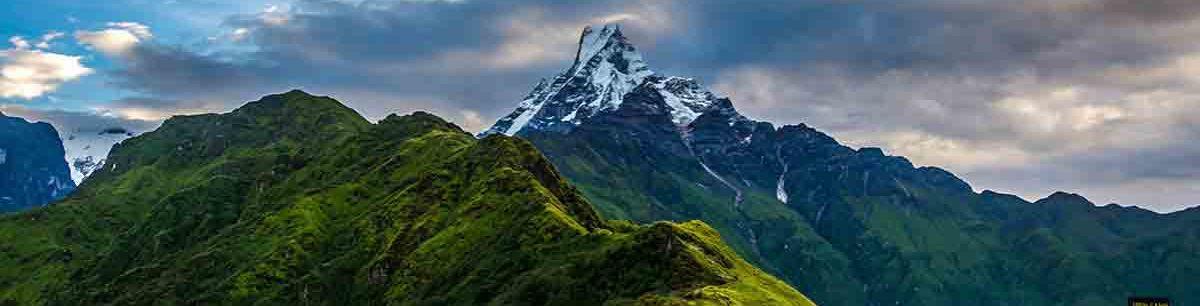
Trekking in the Himalayas is one of the most extraordinary travel experiences in the world. Towering snow-capped peaks, ancient mountain villages, breathtaking valleys, and diverse cultures attract thousands of adventure seekers every year. However, while the beauty of the Himalayan region is unmatched, trekkers must also understand the trekking risks in the Himalayas before planning their journey.

From unpredictable weather conditions to altitude sickness and remote terrain, trekking in this region requires careful planning, proper training, and awareness of potential hazards. A well-prepared trekker can enjoy the adventure safely while minimizing risks. This comprehensive guide explains the major trekking risks in the Himalayas and provides professional risk management strategies to ensure a safe and memorable trekking experience.


Why Understanding Trekking Risks in the Himalayas Is Important

The Himalayan mountain range stretches across several countries including Nepal, India, Bhutan, Tibet (China), and Pakistan. Many trekking routes pass through remote areas where medical facilities, transportation, and communication networks are limited.

Understanding trekking risks in the Himalayas is essential for several reasons:

  • Ensures safety in high-altitude environments
  • Helps trekkers prepare physically and mentally
  • Reduces chances of accidents or health emergencies
  • Improves decision-making during challenging conditions

Even experienced hikers can face difficulties in the Himalayas due to the region’s extreme altitude and weather conditions. Therefore, proper risk awareness is the first step toward a safe adventure.


Major Trekking Risks in the Himalayas

Although trekking is generally safe with proper preparation, certain risks are common in the Himalayan environment. Being aware of these risks allows trekkers to take preventive measures.

Altitude Sickness

Altitude sickness, also known as Acute Mountain Sickness (AMS), is one of the most significant risks in Himalayan trekking. As trekkers ascend to higher elevations, the oxygen level decreases, which can cause various health problems.

Common symptoms include:

  • Headaches
  • Nausea or vomiting
  • Dizziness
  • Fatigue
  • Difficulty sleeping
  • Loss of appetite

Severe forms of altitude sickness include High Altitude Pulmonary Edema (HAPE) and High Altitude Cerebral Edema (HACE), both of which require immediate medical attention.

Risk Management Tips

  • Ascend gradually and follow the “climb high, sleep low” principle
  • Take regular acclimatization days
  • Drink plenty of water
  • Avoid alcohol and smoking
  • Descend immediately if symptoms worsen

Proper acclimatization significantly reduces the risk of altitude sickness during Himalayan treks.


Unpredictable Weather Conditions

Weather in the Himalayas can change dramatically within a short time. A clear morning can quickly turn into heavy snowfall, rain, or strong winds. Such sudden weather changes are common, particularly at higher altitudes.

Potential weather-related risks include:

  • Hypothermia
  • Snowstorms
  • Reduced visibility
  • Slippery trails
  • Cold-related illnesses

Risk Management Tips

  • Always check weather forecasts before starting a trek
  • Carry proper clothing layers
  • Avoid trekking during extreme weather conditions
  • Start trekking early in the morning
  • Always carry emergency gear

Planning your trek during the spring (March–May) or autumn (September–November) seasons can reduce weather-related risks.


Difficult Terrain and Trail Conditions

Himalayan trekking routes often include steep climbs, narrow trails, rocky terrain, and high mountain passes. Some trails also cross suspension bridges, glaciers, or landslide-prone areas.

Trekkers may face:

  • Slips and falls
  • Loose rocks
  • Steep descents
  • River crossings
  • Snow-covered paths

These conditions require good balance, stamina, and proper trekking techniques.

Risk Management Tips

  • Use trekking poles for stability
  • Wear high-quality trekking boots
  • Walk at a steady pace
  • Avoid rushing on steep or slippery trails
  • Hire experienced local guides when trekking in unfamiliar regions

Careful navigation and proper equipment can greatly reduce accidents on Himalayan trails.


Remote Locations and Limited Medical Facilities

Many Himalayan trekking routes pass through isolated villages where modern healthcare facilities are limited. In case of serious illness or injury, evacuation may require helicopter rescue, which can be expensive.

Common issues include:

  • Delayed medical assistance
  • Limited pharmacies
  • Lack of advanced treatment facilities

Risk Management Tips

  • Purchase comprehensive travel insurance covering helicopter evacuation
  • Carry a personal first aid kit
  • Trek with experienced guides or trekking agencies
  • Inform someone about your trekking itinerary

Being prepared for emergencies is crucial when trekking in remote mountain areas.


Physical Exhaustion and Fatigue

Trekking in the Himalayas demands high physical endurance. Long walking hours, steep ascents, heavy backpacks, and high altitude can lead to exhaustion.

Physical fatigue may increase the risk of:

  • Injuries
  • Poor decision-making
  • Dehydration
  • Reduced stamina

Risk Management Tips

  • Train before your trek with hiking or cardio exercises
  • Maintain a steady walking pace
  • Take regular rest breaks
  • Eat nutritious meals and stay hydrated

Proper physical preparation helps trekkers maintain energy levels throughout the journey.


Navigation and Getting Lost

While many popular trekking routes are well-marked, some remote trails can be confusing, especially during fog, snowfall, or landslides.

Trekkers may face risks such as:

  • Losing the main trail
  • Poor visibility during storms
  • Incorrect route decisions

Risk Management Tips

  • Carry offline maps or GPS devices
  • Use reliable trekking guidebooks
  • Trek with experienced guides
  • Avoid trekking alone in remote regions

Navigation awareness plays an important role in reducing trekking risks in the Himalayas.


Landslides and Natural Hazards

Certain Himalayan regions are prone to landslides, avalanches, and rockfalls. These natural hazards are often triggered by heavy rain, earthquakes, or melting snow.

Trekkers should remain cautious when passing through:

  • Steep slopes
  • Narrow mountain trails
  • Landslide-prone valleys
  • Glacier zones

Risk Management Tips

  • Follow local guide instructions
  • Avoid trekking during monsoon season
  • Move quickly but carefully through landslide zones
  • Stay updated on local conditions

Understanding regional hazards can help trekkers make safer route choices.


Essential Trekking Safety Equipment

Having the right gear is critical for minimizing trekking risks in the Himalayas. Proper equipment ensures comfort, safety, and preparedness for emergencies.

Important trekking gear includes:

  • Waterproof trekking boots
  • Thermal clothing layers
  • Down jacket
  • Sleeping bag for cold temperatures
  • Trekking poles
  • Headlamp or flashlight
  • First aid kit
  • Water purification tablets
  • GPS or offline map applications
  • Emergency whistle

Investing in quality trekking gear can make a significant difference in safety and comfort during high-altitude adventures.


The Role of Professional Guides and Porters

Hiring professional trekking guides and porters is strongly recommended for Himalayan expeditions. Local guides have extensive knowledge of the terrain, weather patterns, and emergency procedures.

Benefits of trekking with guides include:

  • Better route navigation
  • Cultural insights and local knowledge
  • Faster emergency response
  • Assistance with logistics and accommodations

Professional guides also monitor trekkers for symptoms of altitude sickness and help maintain a safe trekking pace.


Best Seasons for Safe Himalayan Trekking

Choosing the right trekking season is one of the most effective ways to reduce trekking risks in the Himalayas.

Spring (March–May)

Spring is one of the best seasons for trekking due to:

  • Mild temperatures
  • Clear mountain views
  • Blooming rhododendron forests
  • Stable weather conditions

Autumn (September–November)

Autumn is another popular trekking season because:

  • Skies are generally clear
  • Trails are dry and stable
  • Mountain visibility is excellent

Seasons to Avoid

  • Monsoon (June–August): heavy rain, landslides, slippery trails
  • Winter (December–February): extreme cold and heavy snowfall in high passes

Selecting the right season significantly improves safety and trekking enjoyment.


Mental Preparation and Responsible Trekking

Physical preparation is important, but mental readiness also plays a crucial role in safe trekking. High-altitude journeys can be mentally challenging due to long walking days, cold temperatures, and unpredictable conditions.

Responsible trekking practices include:

  • Respecting local culture and traditions
  • Avoiding environmental damage
  • Following “Leave No Trace” principles
  • Supporting local communities

A responsible mindset enhances both safety and sustainability in the Himalayas.


Emergency Preparedness in the Himalayas

Even with careful planning, emergencies can occur during trekking. Knowing how to respond quickly can save lives.

Essential emergency preparation includes:

  • Learning basic first aid skills
  • Carrying emergency contacts
  • Using satellite communication devices in remote regions
  • Having evacuation insurance coverage

Many trekking companies also provide satellite phones and emergency response systems for remote expeditions.


Conclusion

Trekking in the Himalayas offers breathtaking scenery, cultural encounters, and unforgettable adventure. However, the region’s extreme altitude, challenging terrain, and unpredictable weather conditions make it essential to understand the trekking risks in the Himalayas.

By preparing properly, choosing the right season, hiring experienced guides, and following professional risk management strategies, trekkers can safely explore some of the world’s most spectacular mountain landscapes.

Awareness, preparation, and responsible decision-making are the keys to minimizing risks and maximizing the rewards of Himalayan trekking. With the right approach, your journey through these majestic mountains can become a safe, inspiring, and life-changing experience.

Quick Inquiry Form

Is Kailash Mansarovar Yatra Safe for Heart Patients? A Complete Medical & Safety Guide

The question “Is Kailash Mansarovar Yatra safe for heart patients?” is one of the most critical concerns for pilgrims planning this sacred Himalayan journey. The pilgrimage to Mount Kailash and Lake Mansarovar, widely known as the Kailash Mansarovar Yatra, takes devotees to extreme altitudes in a remote and oxygen-deficient environment. While spiritually transformative, the journey can place significant strain on the cardiovascular system — especially for individuals with pre-existing heart conditions.

This comprehensive medical and safety guide explains the altitude risks, physiological impact on heart patients, medical eligibility criteria, and expert recommendations to help you make an informed decision.


Understanding the Altitude Factor

The Kailash Mansarovar Yatra takes place in the Tibet Autonomous Region, where elevations typically range from:

  • 4,500 meters (14,764 ft) at Lake Mansarovar
  • 5,630 meters (18,471 ft) at Dolma La Pass (during Mount Kailash Parikrama)

At these elevations, oxygen levels drop to nearly 50–60% of sea-level concentration. This condition is known as hypobaric hypoxia, and it significantly increases cardiovascular workload.

For heart patients, this means:

  • Increased heart rate (tachycardia)
  • Elevated blood pressure
  • Reduced oxygen saturation
  • Greater strain on coronary circulation

The body must work harder to deliver oxygen to tissues, which can aggravate underlying heart conditions.


Why High Altitude Is Risky for Heart Patients

High-altitude environments affect the cardiovascular system in several ways:

Increased Cardiac Output

The heart pumps faster to compensate for low oxygen levels. In patients with coronary artery disease or heart failure, this can trigger chest pain (angina) or breathlessness.

Pulmonary Pressure Rise

Low oxygen causes constriction of pulmonary vessels, increasing pulmonary artery pressure. This may worsen conditions like pulmonary hypertension.

Dehydration & Blood Thickening

Cold weather and dry air increase dehydration risk, making blood thicker and potentially increasing clot formation risk.

Risk of High-Altitude Illness

Heart patients are more vulnerable to:

  • Acute Mountain Sickness (AMS)
  • High-Altitude Pulmonary Edema (HAPE)
  • High-Altitude Cerebral Edema (HACE)

These conditions can become life-threatening without rapid descent and medical care.


Can Heart Patients Do Kailash Mansarovar Yatra?

The answer depends on the type and severity of the heart condition.

Generally NOT Recommended For:

  • Recent heart attack (within last 6–12 months)
  • Unstable angina
  • Severe coronary artery disease
  • Congestive heart failure (NYHA Class III or IV)
  • Severe arrhythmias
  • Uncontrolled hypertension
  • Severe valvular heart disease

May Be Considered With Strict Medical Clearance:

  • Mild, stable coronary artery disease
  • Controlled hypertension
  • Successfully treated heart conditions with stable status
  • Post-angioplasty or bypass surgery (after full recovery and cardiologist approval)

A cardiologist must evaluate:

  • Stress test results
  • Echocardiogram findings
  • Oxygen tolerance
  • Exercise capacity

Without formal clearance, undertaking the yatra can be dangerous.


Medical Tests Required Before Planning the Yatra

If you are a heart patient considering Kailash Mansarovar Yatra, undergo the following tests:

  1. Treadmill Stress Test (TMT)
  2. Echocardiogram
  3. ECG
  4. Blood pressure evaluation
  5. Oxygen saturation testing
  6. Lipid profile and blood sugar screening

Many official yatra organizers require a medical fitness certificate. Even if not mandatory, it is medically essential.


Physical Demands of the Mount Kailash Parikrama

The Mount Kailash Parikrama involves:

  • 3 days of trekking
  • Walking 15–22 km per day
  • Steep ascents and rocky terrain
  • Crossing Dolma La Pass at 5,630 meters

For heart patients, even moderate exertion at this altitude can feel extremely strenuous. The oxygen deficit combined with cold temperatures amplifies cardiac stress.

Pilgrims unable to trek sometimes use horses or porters, but altitude stress still remains.


Warning Symptoms Heart Patients Must Watch For

During the yatra, seek immediate medical attention or descend if you experience:

  • Persistent chest pain
  • Severe breathlessness at rest
  • Dizziness or fainting
  • Irregular heartbeat
  • Swelling in legs
  • Oxygen saturation below 80%
  • Severe headache with confusion

Ignoring symptoms at high altitude can be fatal due to limited emergency medical facilities in remote Tibetan regions.


Safety Measures for Heart Patients (If Cleared to Travel)

If your cardiologist gives clearance, follow strict precautions:

1. Gradual Acclimatization

Choose routes that allow gradual altitude gain, such as Nepal-overland routes rather than rapid helicopter ascents.

2. Slow Pace

Walk slowly and avoid sudden exertion.

3. Stay Hydrated

Drink 3–4 liters of fluids daily.

4. Carry Essential Medicines

Bring:

  • Prescribed heart medications
  • Nitroglycerin (if advised)
  • Blood pressure medicines
  • Portable pulse oximeter
  • Oxygen cylinder (if recommended)

5. Travel with Reputed Operator

Choose operators providing:

  • Medical support staff
  • Oxygen cylinders
  • Emergency evacuation backup

Best Route for Heart Patients

There are multiple routes to Kailash Mansarovar:

  1. Nepal Overland Route
  2. Helicopter Route via Simikot
  3. Government-organized route via India

For heart patients, the gradual ascent route from Nepal is generally safer because it allows better acclimatization compared to rapid helicopter access.

However, even gradual routes involve significant altitude exposure.


Age Factor and Cardiac Risk

Advanced age increases cardiovascular vulnerability. Pilgrims above 55–60 years with heart disease face:

  • Reduced physiological reserve
  • Slower acclimatization
  • Higher complication risk

Age combined with heart disease significantly elevates overall risk.


Psychological & Emotional Considerations

The Kailash Mansarovar Yatra is emotionally powerful. Some pilgrims feel compelled to undertake it despite health risks. However, spirituality should never override medical safety.

Consult:

  • Cardiologist
  • High-altitude medicine specialist
  • Family members

A medically unsafe pilgrimage can lead to long-term complications or emergency evacuation.


Alternative Spiritual Options

If your doctor advises against the journey, consider:

  • Virtual darshan experiences
  • Visiting nearby sacred Himalayan destinations at lower altitude
  • Participating in local religious rituals

Spiritual fulfillment does not require risking your life.


Emergency Medical Limitations in Tibet

Remote areas of the Tibet Autonomous Region have:

  • Limited ICU facilities
  • Restricted emergency evacuation
  • Weather-dependent helicopter rescue
  • Communication delays

Cardiac emergencies require immediate advanced care, which may not always be available.


Insurance & Medical Evacuation

Heart patients must purchase:

  • High-altitude travel insurance
  • Emergency evacuation coverage
  • Coverage for pre-existing conditions

Without insurance, evacuation costs can be extremely high.


Final Medical Verdict: Is Kailash Mansarovar Yatra Safe for Heart Patients?

In medical terms:

  • Severe or unstable heart disease → Not safe
  • Stable, mild, well-controlled condition → Possible with strict medical clearance
  • No cardiac history → Still requires fitness evaluation

High altitude remains inherently risky for cardiovascular patients. Safety depends on individual medical status, acclimatization, preparation, and risk tolerance.


Key Takeaways

  • Kailash Mansarovar Yatra reaches altitudes above 5,600 meters.
  • Oxygen levels are significantly lower than sea level.
  • Heart patients face increased cardiovascular stress.
  • Cardiologist clearance is mandatory.
  • Emergency care is limited in remote regions.
  • Careful planning and risk assessment are essential.

Conclusion

The spiritual magnetism of Mount Kailash and Lake Mansarovar attracts thousands of pilgrims every year. However, for heart patients, the question “Is Kailash Mansarovar Yatra safe?” must be answered with medical realism, not emotion.

If you have any cardiovascular condition, consult your cardiologist and undergo comprehensive evaluation before committing to this journey. High altitude can turn manageable heart conditions into medical emergencies.

Spiritual devotion is meaningful — but your health and life are irreplaceable.

Himalayan Skydiving Adventure: Experience the World’s Highest Skydive in Nepal

Skydiving is often described as the ultimate thrill — but imagine jumping from a plane above some of the tallest mountains on Earth. Himalayan skydiving in Nepal combines extreme adventure with unparalleled scenery, making it one of the most bucket-list experiences for adrenaline seekers and mountain lovers alike. In this comprehensive guide, we explore what makes this skydive extraordinary, how to prepare, safety standards, booking tips, timing, and what to expect on the day.


What Is Himalayan Skydiving?

Himalayan skydiving refers to a specialized form of skydiving conducted over the Nepalese Himalayas, most famously near Pokhara. Unlike traditional skydives from 10,000–15,000 feet, this jump reaches altitudes of over 20,000 feet (up to ~24,000 ft / 7,315 m) — making it the world’s highest commercial skydive exit point. Because of this extreme height and the striking backdrop of the Annapurna range, Himalayan skydiving draws thrill seekers from across the globe.

Key characteristics of the Himalayan skydive include:

  • Exit altitude: ~20,000–24,000 feet
  • Scenic views: Annapurna, Dhaulagiri, Machapuchare, and more
  • Flight duration: Longer ascent and extended freefall time
  • Temperature: Much colder than sea-level jumps
  • Logistics: Often requiring oxygen systems and weather checks

Why Nepal Offers the Ultimate Skydiving Experience

Nepal’s towering mountain ranges, deep valleys, and dramatic landscapes make it unique among skydiving destinations. Here’s why:

Unmatched Mountain Views

From the skydive plane and during freefall, skydivers see snow-capped peaks that define the Himalayas — notably Annapurna South, Machapuchare (Fishtail), and Dhampus Peak. This visual spectacle transforms a typical skydive into a once-in-a-lifetime sensory experience.

High-Altitude Exit Points

Most commercial skydiving sites worldwide operate well below 15,000 feet — often around 10,000–13,000 ft. In Nepal, advanced pilots fly higher to allow for prolonged freefall time and unique aerial views. This elevates the challenge and appeal of the jump.

Cultural and Adventure Synergy

Nepal is already an adventure tourism hub — trekkers, climbers, paragliders, and rafting enthusiasts flock here. Himalayan skydiving adds another dimension to this mix, pairing cultural immersion with peak adrenaline.


Where Does Himalayan Skydiving Take Place?

The most established spot for this experience is Pokhara, a city famous for its lakes, paragliding, trekking access to Annapurna, and adventure tourism infrastructure. Flights typically start with a drive from Pokhara to a military airstrip several thousand feet higher, where the aircraft departs.

Key location advantages:

  • Proximity to major peaks
  • Reliable adventure tourism support
  • Stunning landing site landscapes
  • Accessible from Kathmandu (flight or road)

How the Skydive Works: Step-by-Step

Step 1: Arrival & Briefing

Participants gather at the operations base near Pokhara. Before boarding, instructors provide:

  • Safety briefing
  • Altitude and oxygen use overview
  • Equipment fitting
  • Jump signals and procedures

Step 2: Flight to Altitude

The aircraft ascends to ~20,000–24,000 feet, often requiring supplemental oxygen due to thin air. This ascent gives skydivers time to absorb the scenery and mentally prepare.

Step 3: Freefall Thrill

Once you exit the plane, the freefall can last up to 60–90 seconds — considerably longer than typical skydives. As you fall, the Himalayas unfold beneath you in breathtaking detail.

Step 4: Parachute Deployment

At the prescribed altitude, the parachute opens, and you enjoy a slower descent toward the landing area. The serene glide contrasted with the high-octane freefall makes this experience uniquely dramatic.

Step 5: Landing & Celebration

Landings are typically gentle and guided by skilled instructors if tandem. Afterward, participants often receive certificates and have time to relive the experience with photos and videos.


Who Can Do the Himalayan Skydiving Adventure?

While this adventure is accessible to many, physical and age requirements apply:

Age & Fitness

  • Minimum age: Usually 18 (with parental consent for teens in some programs)
  • Maximum age: Varies by operator; generally up to 60s with medical clearance
  • Fitness level: Good overall health recommended; cardiovascular fitness helps

Tandem vs. Solo (AFF)

Most first-timers choose tandem skydiving (attached to an instructor). More experienced jumpers who meet training requirements may pursue Accelerated Freefall (AFF) options with advanced training.

Medical Clearance

Some participants may need a doctor’s sign-off, especially those with:

  • Heart or blood pressure concerns
  • Respiratory issues
  • Recent injuries or surgeries

Always check operator policies in advance.


Best Time to Skydive Over the Himalayas

Weather and visibility are critical for Himalayan skydiving:

Ideal Seasons

  • Autumn (September–November): Clear skies, stable weather
  • Spring (March–May): Mild conditions, excellent visibility

These periods offer the best mix of clear views, calm winds, and safe flying conditions.

Monsoon Season (June–August)

Heavy rains and cloud cover make skydiving unreliable or unsafe. Many operators reduce flights or cancel scheduled jumps during this time.

Winter (December–February)

Clear skies can still occur, but cold temperatures and high winds are more common. If you plan a winter jump, be prepared for frigid conditions.


Safety First: Standards and Tips

High-altitude skydiving requires strict safety protocols.

Operator Accreditation

Choose companies that follow guidelines from:

  • Fédération Aéronautique Internationale (FAI)
  • Local aviation authorities
  • International skydiving safety standards

Equipment Standards

Look for:

  • Well-maintained aircraft
  • Quality harnesses and reserve parachutes
  • Oxygen systems for high altitude

Instructor Experience

Experienced tandem masters should have:

  • Thousands of jumps logged
  • High-altitude jump experience
  • Positive reviews from previous participants

Safety Tips for Participants

  • Follow all briefing instructions
  • Wear layered clothing (it gets extremely cold)
  • Stay hydrated and well-rested
  • Ask questions if unsure

What to Expect on the Day: Practical Tips

1. Arrive Early

Horizons and weather can change quickly. Being early ensures you’re briefed and prepared without rush.

2. Dress Appropriately

Temperatures drop significantly at altitude. Wear:

  • Thermal underlayers
  • Windproof jacket
  • Gloves and sturdy shoes

3. Capture the Moment

Most operators offer:

  • Photo packages
  • Helmet cameras
  • Photographer jumpers

These let you relive the jump with footage and photos to share.

4. Mental Preparedness

Even experienced jumpers feel nerves before a first high-altitude exit. Focus on breath, trust your instructor, and take in the views — this combination makes the experience unforgettable.


Cost Breakdown: What You Can Expect to Pay

Himalayan skydiving is pricier than standard jumps due to:

  • High altitude flight logistics
  • Specialized equipment
  • Weather and safety considerations

Approximate pricing (varies by operator and season):

ServiceEstimated Cost (USD)
Tandem jump at ~20,000–24,000 ft$400 – $600+
Photo/video package$80 – $150
Transportation from PokharaVariable

Some operators offer combo packages (transport, photos, certificates included) that may be more economical.


Testimonials: Why People Choose Himalayan Skydiving

Many recount the experience as life-changing. Common themes in traveler feedback include:

  • “The views made me forget I was falling.”
  • “It feels like flying over a postcard that’s real.”
  • “The freefall was longer than anything I’ve done before.”
  • “Landing with the Himalayas in sight was surreal.”

These personal reflections point to both the emotional and visual impact of the jump.


Combining Skydiving With Nepal Travel

Most people pair their skydive with other Nepal highlights:

Trekking Routes

  • Annapurna Base Camp
  • Poon Hill
  • Everest Base Camp (if time permits)

Adventure Activities

  • Paragliding over Pokhara
  • White-water rafting
  • Mountain biking

Cultural Exploration

  • Kathmandu’s UNESCO temples
  • Pokhara lakeside villages
  • Traditional Nepalese cuisine

This makes Himalayan skydiving part of a larger experiential journey.


Conclusion: Is Himalayan Skydiving Worth It?

If you love adventure and want a skydiving experience unlike any other, Himalayan skydiving in Nepal delivers unmatched scenery, high altitude thrill, and a deep sense of accomplishment. With the right preparation, a certified operator, and awareness of safety protocols, this experience sits at the pinnacle of extreme tourism worldwide.

Whether you’re a seasoned jumper or a first-timer ready for the leap, the adventure above the Himalayas is unforgettable — and absolutely worth considering for your next big travel story.

Exploring Nepal’s Art, Architecture, and Sacred Sculptures: A Complete Guide for International Tourists

Exploring Nepal’s art, architecture, and sacred sculptures is an unforgettable journey into one of the world’s richest living cultural landscapes. While Nepal is globally known for Mount Everest and Himalayan trekking, its artistic and architectural heritage offers international tourists a deeper, more meaningful travel experience rooted in spirituality, craftsmanship, and centuries-old tradition.

From intricately carved wooden temples and royal palace courtyards to monumental stupas and finely cast bronze deities, Nepal presents a rare fusion of Hindu and Buddhist artistic expression. These sacred monuments are not relics preserved behind glass—they remain active centers of worship, community gatherings, and vibrant festivals. For international travelers seeking authentic cultural tourism in Nepal, understanding its architectural styles and sacred iconography enhances both appreciation and connection.

This guide provides a comprehensive overview of Nepal’s historic cities, temple architecture, religious symbolism, and sculptural mastery—helping visitors experience Nepal not just as a destination, but as a living gallery of sacred art and design


Why Nepal’s Art and Architecture Attract International Tourists

Nepal stands at the crossroads of Hindu and Buddhist civilizations. For centuries, artisans, monks, and royal patrons have shaped cities into sacred landscapes where religion, craftsmanship, and daily life intertwine.

International tourists are particularly drawn to Nepal because:

  • It hosts multiple UNESCO World Heritage Sites.
  • Sacred monuments are still active places of worship.
  • Medieval urban planning remains intact in heritage cities.
  • Traditional craftsmanship continues through family lineages.
  • Art and religion coexist in every public square.

Unlike many countries where heritage is confined to museums, Nepal’s architecture and sculptures function within living traditions.


Kathmandu Valley: The Cultural Epicenter of Nepal

The Kathmandu Valley is the heart of Nepal’s artistic and architectural legacy. Within a relatively small geographical area, travelers encounter palace complexes, pagoda temples, Buddhist stupas, stone sculptures, and monastic courtyards.

Kathmandu

Kathmandu serves as the primary gateway for international tourists. Its historic core, Kathmandu Durbar Square, reflects centuries of royal patronage and Newar craftsmanship.

Architectural Characteristics:

  • Multi-tiered pagoda temples
  • Intricately carved wooden windows
  • Brick-paved courtyards
  • Stone guardian sculptures
  • Palace complexes such as Hanuman Dhoka

The pagoda style, widely believed to have originated in Nepal before spreading across Asia, dominates much of the valley’s temple architecture.

Kathmandu’s heritage spaces remain active, especially during festivals, when chariots, masked dancers, and sacred images transform public squares into open-air ritual theaters.


Bhaktapur

Bhaktapur is often described as Nepal’s best-preserved medieval city. Walking through its narrow brick lanes feels like stepping into a historical manuscript written in stone and wood.

Key Highlights:

  • Nyatapola Temple, a five-tiered pagoda masterpiece
  • 55-Window Palace with detailed wooden carvings
  • Pottery Square, where traditional craftsmanship thrives
  • Stone statues guarding temple staircases

Bhaktapur exemplifies Newar urban design—organized around central squares (Durbar Squares), with temples forming the social and spiritual nucleus of city life.

For international tourists interested in architectural symmetry, structural engineering of ancient temples, and decorative carving traditions, Bhaktapur offers unmatched authenticity.


Patan

Patan, also known as Lalitpur (City of Fine Arts), is widely considered Nepal’s artistic capital.

Unlike Kathmandu’s dense royal core or Bhaktapur’s preserved medieval ambiance, Patan is especially renowned for its sculptural and metal casting traditions.

Cultural Features:

  • Krishna Mandir (stone shikhara-style temple)
  • Golden Temple (Hiranya Varna Mahavihar)
  • Patan Durbar Square’s harmonious temple complex
  • Traditional bahal (monastic courtyards)

Patan Museum provides one of South Asia’s finest collections of sacred metal sculptures, explaining iconography, symbolism, and artistic techniques in detail—ideal for international tourists seeking scholarly insight.


Sacred Buddhist Architecture in Nepal

Buddhism has profoundly influenced Nepal’s artistic development. Monasteries, stupas, and prayer structures dominate the spiritual skyline.

Boudhanath Stupa

Boudhanath is one of the largest spherical stupas in the world and a major center of Tibetan Buddhism.

Architectural Elements:

  • Massive white dome symbolizing the cosmos
  • Harmika with Buddha’s all-seeing eyes
  • Spire representing stages of enlightenment
  • Surrounding prayer wheels and monasteries

International tourists often participate in “kora,” the ritual circumambulation performed clockwise around the stupa, enhancing spiritual engagement.

Swayambhunath

Swayambhunath, perched on a hilltop, blends Hindu and Buddhist symbolism.

Distinctive Features:

  • Ancient stupa structure
  • Stone carvings and shrines
  • Monasteries surrounding the main dome
  • Panoramic views of Kathmandu Valley

Its layered symbolism reflects Nepal’s religious harmony and architectural diversity.


Sacred Hindu Architecture and Ritual Spaces

Hindu temples in Nepal reflect both indigenous and Indian subcontinental influences.

Pashupatinath Temple

Pashupatinath Temple is one of the most sacred Shiva temples in the Hindu world.

Architectural and Cultural Highlights:

  • Two-tiered pagoda roof with golden finish
  • Silver-plated temple doors
  • Sacred lingam representing Shiva
  • Cremation ghats along the Bagmati River

Although non-Hindus cannot enter the inner sanctum, international tourists can explore the expansive complex and observe rituals from designated areas.

The temple complex demonstrates how architecture and spirituality merge in daily life.


Traditional Architectural Styles in Nepal

Understanding architectural typology enhances appreciation for Nepal’s built heritage.

Pagoda Style

  • Multi-layered roofs
  • Broad projecting eaves
  • Carved wooden struts
  • Brick foundations

This style originated in Nepal and influenced East Asian temple architecture.

Shikhara Style

  • Vertical tower-like structure
  • Stone construction
  • Inspired by North Indian temple design

Krishna Mandir in Patan exemplifies this form.

Stupa Architecture

  • Hemispherical dome
  • Square harmika
  • Central spire with symbolic tiers

Stupas represent Buddhist cosmology and spiritual ascent.


Sacred Sculptures of Nepal: Craft, Iconography, and Symbolism

Nepal is internationally respected for its bronze and copper alloy sculptures.

Common Deities Depicted:

  • Shiva in meditative and dancing forms
  • Vishnu reclining on serpent Ananta
  • Buddha in dhyana (meditation) posture
  • Avalokiteshvara (Bodhisattva of compassion)
  • Durga slaying Mahishasura

Nepali artisans follow precise iconographic guidelines derived from ancient scriptures, ensuring symbolic accuracy in proportion, gesture (mudra), and expression.

The Lost-Wax Casting Tradition

The lost-wax technique (cire perdue) remains central to metal sculpture production in Patan.

Process Overview:

  1. Creation of a wax model
  2. Clay mold formation
  3. Melting and draining wax
  4. Pouring molten metal
  5. Finishing and polishing

This centuries-old technique ensures high precision and durability, making Nepali sculptures highly valued in international art markets and museums.


Festivals as Living Art Exhibitions

Nepal’s art and architecture are most vibrant during festivals.

Major cultural celebrations include:

  • Indra Jatra (Kathmandu)
  • Bisket Jatra (Bhaktapur)
  • Rato Machhindranath Jatra (Patan)

During these events:

  • Chariots are intricately decorated.
  • Sacred masks are displayed.
  • Statues are paraded through city streets.
  • Traditional music and dance accompany rituals.

International tourists visiting during festival seasons witness art in dynamic motion rather than static display.


Museums for Cultural Understanding

For structured learning, international tourists can explore:

  • Patan Museum (metal sculptures and iconography)
  • National Museum of Nepal (historical artifacts)
  • Taragaon Museum (architectural documentation)

These institutions provide contextual knowledge essential for appreciating Nepal’s sacred heritage.


Responsible Cultural Tourism in Nepal

Sustainable tourism is vital for preserving Nepal’s art and architecture.

International visitors should:

  • Dress modestly in religious sites.
  • Remove shoes before entering temples.
  • Avoid touching sacred sculptures.
  • Support local artisans by purchasing authentic crafts.
  • Hire licensed cultural guides for deeper interpretation.

Post-earthquake restoration efforts have rebuilt many heritage monuments, and tourism revenue continues to support conservation initiatives.


Suggested Cultural Itinerary for International Tourists

4–6 Day Cultural Focus Plan:

Day 1: Kathmandu Durbar Square and Swayambhunath
Day 2: Patan Durbar Square and Museum
Day 3: Bhaktapur Durbar Square
Day 4: Boudhanath and Pashupatinath
Optional Extension: Lumbini (Birthplace of Buddha)

This itinerary allows travelers to experience architectural diversity, sacred sculptures, and living religious traditions within a manageable timeframe.


The Global Importance of Nepal’s Artistic Heritage

Nepal’s art is not confined to history; it is a living, evolving tradition. Artisans continue carving wood, casting metal statues, painting paubha artworks, and restoring temples using traditional methods.

Monks chant in monasteries. Priests conduct daily rituals. Devotees circumambulate stupas. Sculptures remain sacred objects rather than museum artifacts.

For international tourists, exploring Nepal’s art, architecture, and sacred sculptures is an immersive journey into a civilization where spirituality and craftsmanship are inseparable.


Conclusion

Exploring Nepal’s art, architecture, and sacred sculptures offers international tourists a rare opportunity to engage with one of the world’s most culturally concentrated regions. From pagoda temples and stone shrines to monumental stupas and bronze deities, Nepal’s heritage landscape is both visually stunning and spiritually profound.

Whether you are a cultural traveler, historian, photographer, or spiritual seeker, Nepal invites you to explore its sacred artistry—where architecture tells stories, sculptures embody devotion, and history lives within every courtyard.

Nepal is not merely a trekking destination; it is a living gallery of sacred design and timeless craftsmanship waiting to be discovered.

Destination Wedding in Nepal: Celebrate Love While Exploring the Best Nepal Tour Packages

A destination wedding in Nepal offers couples an extraordinary opportunity to combine sacred traditions, Himalayan scenery, and immersive travel experiences into one unforgettable celebration. Unlike conventional wedding destinations, Nepal allows you to exchange vows surrounded by ancient temples, serene lakes, or majestic mountain ranges—while seamlessly integrating your ceremony with curated Nepal tour packages.

For couples seeking romance, cultural depth, and adventure, Nepal presents the perfect balance between meaningful rituals and world-class tourism experiences. This guide explores why a wedding in Nepal is becoming a top choice for international couples and how it can elevate Nepal’s tourism appeal.


Why Choose Nepal for a Destination Wedding?

Nepal stands at the intersection of spirituality, natural beauty, and heritage. From UNESCO-listed monuments to panoramic Himalayan views, the country provides diverse wedding settings suited to different styles and budgets.

Key Advantages:

  • Dramatic Himalayan backdrops
  • Deep-rooted Hindu and Buddhist traditions
  • Affordable luxury compared to other global destinations
  • Warm hospitality and professional event services
  • Easy integration with honeymoon and Nepal tour packages

A destination wedding in Nepal is not just about a single-day event—it is a multi-day cultural and travel experience for couples and guests alike.


Top Wedding Destinations in Nepal

Kathmandu – Heritage and Spiritual Grandeur

Kathmandu, Nepal’s cultural capital, is rich with ancient temples, monasteries, and palace squares. Couples who desire a traditional and spiritually significant ceremony often choose this city.

Popular wedding backdrops include:

  • Pashupatinath Temple
  • Boudhanath Stupa
  • Kathmandu Durbar Square

A Kathmandu wedding can be paired with heritage tours, monastery visits, and guided explorations of local markets, creating a culturally immersive experience for guests.

Pokhara – Lakeside Romance with Mountain Views

Pokhara is widely recognized as Nepal’s most romantic city. Nestled beside Phewa Lake and framed by the Annapurna mountain range, it offers a serene and picturesque setting for wedding ceremonies.

Couples often choose:

  • Lakeside resort venues
  • Sunset vow exchanges at Sarangkot
  • Intimate garden ceremonies

Pokhara also allows guests to enjoy adventure tourism activities such as paragliding, boating, and short mountain hikes, making it ideal for combining a wedding with Nepal tour packages.

Annapurna Region – Intimate Himalayan Ceremonies

For couples seeking exclusivity and adventure, the Annapurna region provides boutique mountain resorts and breathtaking natural backdrops. These weddings are typically smaller, focused on close family and friends.

After the ceremony, couples can explore:

  • Scenic trekking routes
  • Helicopter tours over the Himalayas
  • Wellness retreats with panoramic views

This combination of celebration and exploration enhances Nepal’s appeal as a premier destination wedding location.


Types of Destination Weddings in Nepal

Traditional Hindu Wedding

Traditional Nepali Hindu weddings include sacred fire rituals (Agni), priest-led chanting, and vibrant cultural attire. These ceremonies are deeply symbolic and rooted in centuries-old traditions.

Buddhist Blessing Ceremony

Held at monasteries, Buddhist wedding blessings emphasize peace, harmony, and spiritual unity. These ceremonies are ideal for couples seeking mindfulness and simplicity.

Luxury Resort Wedding

Modern venues across Kathmandu and Pokhara offer full-service wedding planning, catering, décor, and entertainment for upscale celebrations.

Elopement Wedding

Minimalist ceremonies in mountain or lakeside settings cater to couples who prefer privacy and intimacy over large gatherings.


Best Nepal Tour Packages to Combine with Your Wedding

A destination wedding in Nepal naturally transitions into an unforgettable honeymoon or group tour. Below are popular Nepal tour options that complement wedding celebrations.

Cultural Heritage Tour

Explore the historic landmarks of the Kathmandu Valley, visit ancient temples, and experience traditional Nepali cuisine.

Everest Scenic Flight

A mountain flight provides a close-up view of Mount Everest without trekking, making it ideal for guests with limited time.

Annapurna Short Trek

Perfect for adventurous couples seeking light trekking experiences after the wedding festivities.

Wildlife Safari in Chitwan National Park

Chitwan offers jungle safaris, canoe rides, and opportunities to observe rhinoceroses and other wildlife. It adds diversity to wedding travel itineraries.

Luxury Romantic Retreat

Mountain-view resorts in Pokhara and Dhulikhel provide spa treatments, wellness programs, and private suites designed for honeymooners.


Legal Requirements for a Wedding in Nepal

Foreign nationals can legally marry in Nepal by completing specific administrative procedures:

  • Obtaining a temporary residence certificate
  • Submitting passport copies
  • Providing proof of single status
  • Registering the marriage at the district court

Professional wedding planners typically assist with documentation to ensure a smooth process.


Estimated Cost of a Destination Wedding in Nepal

One of Nepal’s strongest advantages is affordability. Compared to destinations like Bali or Europe, Nepal provides high-value wedding experiences at competitive prices.

Estimated Budget Range:

  • Intimate wedding: $3,000–$7,000
  • Mid-size wedding: $8,000–$15,000
  • Luxury wedding: $20,000+

Costs depend on venue, guest count, décor, catering, photography, and tour package inclusions.

Bundling wedding arrangements with Nepal tour packages often results in cost efficiencies and added value.


Best Time for Weddings and Nepal Tours

Nepal’s climate varies by season, but the most favorable months are:

  • Spring (March–May): Clear skies and blooming rhododendrons
  • Autumn (September–November): Stable weather and excellent mountain visibility

These seasons offer ideal conditions for outdoor ceremonies and sightseeing tours.


Enhancing Guest Experience Through Cultural Activities

A destination wedding in Nepal can become a multi-day celebration enriched with cultural immersion:

  • Traditional dance performances
  • Mehendi and Sangeet ceremonies
  • Guided heritage walks
  • Meditation sessions
  • Nepali cooking classes

These experiences deepen guests’ appreciation of Nepal’s culture while supporting local communities.


Sustainable Wedding Tourism in Nepal

Sustainability is increasingly important for modern couples. Nepal supports responsible tourism initiatives, including:

  • Eco-friendly décor options
  • Organic catering
  • Community-based tourism projects
  • Support for local artisans

Choosing Nepal for your destination wedding contributes directly to local employment and heritage preservation.


Photography and Cinematic Opportunities

Nepal offers unmatched visual diversity for wedding photography:

  • Himalayan sunrise backdrops
  • Temple courtyard rituals
  • Lakeside reflections
  • Monastery blessings

Professional photographers in Nepal specialize in combining cultural storytelling with natural landscapes.


How Destination Weddings Boost Nepal Tourism

Destination weddings significantly contribute to Nepal’s tourism economy by:

  • Increasing international arrivals
  • Extending guest stays
  • Promoting tour package bookings
  • Supporting hospitality and travel businesses
  • Encouraging repeat visits

When couples integrate their wedding celebration with Nepal tour packages, they create long-term tourism benefits for the country.


Final Thoughts

A Destination Wedding in Nepal: Celebrate Love While Exploring the Best Nepal Tour Packages is more than a romantic event—it is a culturally rich journey through one of the world’s most scenic countries.

Whether you choose a heritage ceremony in Kathmandu, a lakeside celebration in Pokhara, or an intimate Himalayan wedding in the Annapurna region, Nepal offers authenticity, affordability, and adventure in one seamless experience.

By combining your wedding with curated Nepal tour packages, you transform your celebration into a meaningful exploration of culture, nature, and romance—creating memories that last a lifetime while contributing to Nepal’s thriving tourism industry.