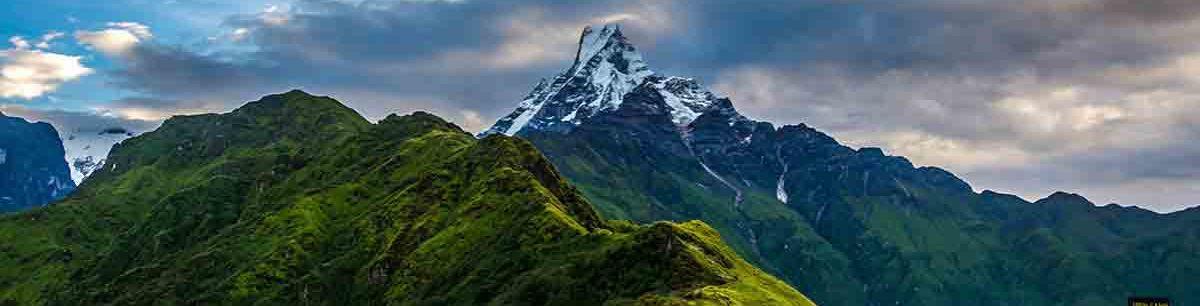
Private vs Group Manaslu Circuit Trek: Which Is Best for You?

The Manaslu Circuit Trek has rapidly become one of Nepal’s most sought-after trekking adventures. Offering breathtaking Himalayan scenery, rich Tibetan-influenced culture, and a quieter alternative to the Everest and Annapurna regions, this restricted-area trek attracts trekkers seeking an authentic mountain experience. However, before booking your journey, one important question arises: Should you choose a private trek or join a group Manaslu Circuit Trek?

Both options provide access to the same spectacular landscapes, including ancient monasteries, remote villages, glacial rivers, alpine forests, and the challenging Larkya La Pass (5,106 m). Yet the trekking experience can differ significantly depending on the type of trip you choose. Your budget, travel style, fitness level, flexibility, and personal preferences all play an important role in making the right decision.

This comprehensive guide compares private vs group Manaslu Circuit Trek experiences, highlighting the advantages, disadvantages, costs, flexibility, safety, and overall value of each option. By the end, you’ll have a clear understanding of which trekking style best suits your Himalayan adventure.


Understanding the Manaslu Circuit Trek

Before comparing trekking styles, it’s helpful to understand what makes the Manaslu Circuit so unique.

Located in western Nepal, the Manaslu region circles Mount Manaslu (8,163 m), the world’s eighth-highest mountain. Unlike Nepal’s more commercial trekking routes, the Manaslu Circuit remains relatively untouched, preserving its natural beauty and cultural heritage.

Trekkers pass through:

  • Traditional Gurung and Tibetan villages
  • Buddhist monasteries and mani walls
  • Suspension bridges over deep river gorges
  • Dense rhododendron and pine forests
  • High alpine meadows
  • Snow-covered mountain passes
  • Spectacular Himalayan panoramas

Since this is a restricted trekking region, Nepal requires all visitors to trek with a licensed guide and obtain special permits. This regulation naturally makes travelers consider whether joining a group or arranging a private trek offers better value.


What Is a Private Manaslu Circuit Trek?

A private trek is organized exclusively for you or your own travel companions.

Your itinerary, accommodation preferences, walking pace, departure date, and daily schedule are customized according to your needs.

A private trek generally includes:

  • Licensed trekking guide
  • Porter(s)
  • Private transportation when available
  • Customized itinerary
  • Flexible acclimatization schedule
  • Personalized support throughout the journey

Whether you’re traveling solo, as a couple, with family, or with friends, a private trek provides complete control over your Himalayan adventure.


What Is a Group Manaslu Circuit Trek?

A group trek combines multiple trekkers into one organized departure.

Participants usually come from different countries and backgrounds but follow the same itinerary under one trekking guide or guide team.

Group departures generally feature:

  • Fixed departure dates
  • Shared transportation
  • Shared logistics
  • Standard itinerary
  • Shared guide and porter services
  • Lower overall cost per participant

Group sizes commonly range from 4 to 12 trekkers, although some operators organize smaller or larger groups depending on demand.


Cost Comparison: Private vs Group Manaslu Circuit Trek

Budget is often the first factor travelers consider.

Group Trek Costs

Group treks are generally more affordable because many expenses are shared among participants.

Shared costs include:

  • Transportation
  • Guide services
  • Permits
  • Administrative expenses
  • Logistics coordination

This makes group treks particularly attractive for:

  • Budget-conscious travelers
  • Backpackers
  • Solo travelers looking for economical options

Although prices vary depending on the trekking company and inclusions, joining a scheduled group departure often reduces the overall cost compared to arranging an individual trip.

Private Trek Costs

Private treks usually cost more because the services are tailored specifically to your group.

Higher costs may include:

  • Dedicated guide
  • Customized logistics
  • Private transportation
  • Flexible scheduling
  • Personalized itinerary planning

However, if you’re traveling with several friends or family members, the price difference becomes much smaller because many expenses are shared within your own group.

Winner for Budget: Group Trek


Flexibility: One of the Biggest Differences

If flexibility matters, private trekking has a clear advantage.

Benefits of Private Trek Flexibility

With a private trek, you can:

  • Choose your own departure date
  • Add extra acclimatization days
  • Spend longer in villages you enjoy
  • Walk faster or slower
  • Modify daily distances
  • Include side trips
  • Adjust the itinerary if weather changes

This flexibility becomes especially valuable at higher elevations where acclimatization is essential.

Group Trek Scheduling

Group departures follow a fixed itinerary.

This means:

  • Daily departure times are predetermined.
  • Walking pace follows the group’s average speed.
  • Rest days cannot usually be adjusted.
  • Extra sightseeing opportunities are limited.

While this structured schedule works well for many trekkers, it may feel restrictive for experienced hikers or photographers who prefer more time at scenic locations.

Winner for Flexibility: Private Trek


Trekking Pace and Comfort

Every trekker has a different hiking rhythm.

Some enjoy long hiking days, while others prefer frequent breaks to photograph landscapes or experience local villages.

Private Trek Pace

Private trekking allows guides to adapt each day according to your:

  • Fitness level
  • Altitude response
  • Photography interests
  • Rest requirements

You never feel pressured to keep up with others.

This greatly improves the overall trekking experience, especially for older trekkers or families.

Group Trek Pace

In a group, guides must balance everyone’s abilities.

This often means:

  • Faster hikers wait.
  • Slower hikers feel pressure.
  • Daily schedules remain fixed.
  • Rest stops follow group consensus.

Professional guides manage these situations well, but the pace may not perfectly suit every participant.

Winner: Private Trek


Social Experience

Not every traveler enjoys trekking alone.

For many people, the friendships formed on the trail become one of the trip’s highlights.

Advantages of Group Trekking

A group trek offers excellent opportunities to:

  • Meet international travelers
  • Share trekking experiences
  • Encourage one another
  • Build lifelong friendships
  • Enjoy evenings together in tea houses

Many solo travelers prefer group departures because they create a supportive community throughout the trek.

Advantages of Private Trekking

Private treks provide a quieter experience.

They’re ideal for:

  • Couples
  • Families
  • Close friends
  • Honeymoon travelers
  • Photographers seeking solitude
  • Travelers who value privacy

Rather than following group dynamics, you enjoy uninterrupted time immersed in nature.

Winner for Social Experience: Group Trek


Safety Considerations

The Manaslu Circuit reaches elevations above 5,000 meters, where weather, altitude, and physical endurance become significant factors.

Fortunately, both private and group treks are safe when organized by experienced trekking companies with licensed guides.

Safety on a Private Trek

Private trekking provides more individualized attention. Your guide can closely monitor your health, pace, hydration, and acclimatization throughout the journey. If you experience symptoms of altitude sickness or fatigue, adjustments can often be made immediately without needing to consider the schedule of a larger group. This personalized approach is especially reassuring for first-time high-altitude trekkers or those with specific health concerns.

Safety on a Group Trek

Group treks offer safety in numbers. Fellow trekkers can provide encouragement and assistance, and established group departures are typically well-coordinated with experienced guides who know the route thoroughly. However, because the guide’s attention is shared among multiple participants, individualized support may be somewhat more limited compared to a private trek.

For both options, choosing a reputable trekking operator, following your guide’s advice, and allowing sufficient time for acclimatization are the most important factors for a safe and enjoyable journey.

Accommodation and Food Experience

One question many trekkers ask is whether accommodation differs between private and group departures.

Private Trek Accommodation

With a private trek, your guide can often secure the best available rooms when tea houses become crowded. During the peak trekking seasons of spring and autumn, popular villages such as Samagaun, Samdo, Dharamsala, and Bimthang can fill quickly.

Benefits may include:

  • Better room selection when available
  • Greater flexibility in choosing tea houses
  • Easier accommodation adjustments during itinerary changes
  • More personalized meal planning

Group Trek Accommodation

Group trekkers typically stay together in the same tea houses. Reputable operators reserve accommodation in advance, but room assignments are usually standardized across the group.

Advantages include:

  • Streamlined logistics
  • Shared meal times
  • Easier coordination with guides
  • Social dining experience

In practice, both private and group trekkers generally stay in similar tea houses along the Manaslu route. The difference lies more in flexibility than in luxury.

Permit Requirements: Important for Every Trekker

The Manaslu region is a restricted area, and permit regulations apply regardless of whether you trek privately or in a group.

Trekkers generally require:

  • Manaslu Restricted Area Permit (RAP)
  • Manaslu Conservation Area Permit (MCAP)
  • Annapurna Conservation Area Permit (ACAP)

Nepal also requires trekkers to travel with a licensed guide, and the permit process is usually handled through a registered trekking agency.

For solo travelers, this is particularly important: you cannot legally complete the Manaslu Circuit completely independently without a guide and permit arrangements through an authorized operator.

Cultural Immersion: Which Option Feels More Authentic?

Many travelers choose the Manaslu Circuit because it offers a deeper cultural experience than some of Nepal’s busier trekking routes.

Private Trek Cultural Experience

A private trek often allows more meaningful interactions with local communities because:

  • You can spend extra time in villages.
  • Your guide can translate conversations.
  • You can visit monasteries at a slower pace.
  • The itinerary can adapt to local events or festivals.
  • You have more opportunities to engage with residents individually.

Group Trek Cultural Experience

Group treks still provide rich cultural exposure, but interactions may be shorter because the group follows a fixed schedule. Larger groups can also be less spontaneous when visiting local homes, monasteries, or community gatherings.

For travelers who prioritize cultural learning and photography, private trekking often feels more immersive.

Winner for Cultural Immersion: Private Trek

Environmental Impact

Responsible trekking matters in fragile Himalayan ecosystems.

Group Trek Environmental Advantages

From a sustainability perspective, group treks can be efficient because transportation and logistics are shared among multiple travelers. This can reduce the environmental footprint per person.

Private Trek Environmental Considerations

Private treks may involve additional transportation or logistics, though the overall impact remains relatively small when using local tea houses and existing trekking infrastructure.

Regardless of trek type, responsible trekkers should:

  • Carry reusable water bottles.
  • Avoid single-use plastics.
  • Respect local customs.
  • Stay on established trails.
  • Support local businesses and tea houses.

Winner for Sustainability: Slight advantage to Group Trek

Who Should Choose a Private Manaslu Circuit Trek?

A private trek is usually the better choice if you:

  • Want maximum flexibility.
  • Prefer a customized itinerary.
  • Travel with a partner, family, or friends.
  • Enjoy a quieter, more personal experience.
  • Have a slower or faster trekking pace than average.
  • Need additional acclimatization flexibility.
  • Are a photographer, filmmaker, or researcher.
  • Value privacy over social interaction.
  • Are comfortable paying a bit more for personalized service.

For many couples and small groups, the extra cost is often outweighed by the comfort and flexibility gained.

Who Should Choose a Group Manaslu Circuit Trek?

A group trek is usually the better choice if you:

  • Want to minimize costs.
  • Are traveling solo.
  • Enjoy meeting new people.
  • Like structured itineraries.
  • Prefer shared experiences and group motivation.
  • Are comfortable adapting to a common pace.
  • Want an easier booking process with fixed departures.
  • Are undertaking your first major Himalayan trek and appreciate group support.

Many solo travelers find that group treks offer an excellent balance of affordability, safety, and companionship.

Side-by-Side Comparison

FactorPrivate TrekGroup Trek
CostHigherLower
FlexibilityExcellentLimited
PacePersonalizedGroup average
Social interactionLowerHigher
PrivacyExcellentLimited
Cultural immersionExcellentGood
Logistics convenienceExcellentExcellent
CustomizationExcellentMinimal
Environmental efficiencyGoodExcellent
Best forCouples, families, small groupsSolo travelers, budget travelers

Frequently Asked Questions

Can I do the Manaslu Circuit Trek completely alone?

No. Nepal requires trekkers in the Manaslu restricted area to travel with a licensed guide and obtain permits through a registered trekking agency.

Is a private trek safer than a group trek?

Both can be very safe when organized by reputable operators. Private treks provide more individualized attention, while group treks offer safety through shared support and established logistics.

Is a group trek always cheaper?

Usually yes, especially for solo travelers. However, when traveling with several friends or family members, the cost difference between private and group options can become much smaller.

Which option is better for altitude acclimatization?

Private treks generally offer greater flexibility to add rest days or adjust the pace, which can be beneficial for acclimatization.

Which option is better for photographers?

Private treks are often preferred because they allow more time for sunrise, sunset, wildlife, and village photography without needing to follow a group schedule.

Final Verdict: Which Is Best for You?

There is no single answer that fits every trekker.

Choose a Private Manaslu Circuit Trek if flexibility, comfort, privacy, personalized pacing, and deeper cultural immersion matter most. It is especially ideal for couples, families, small groups, photographers, and trekkers who want complete control over their Himalayan journey.

Choose a Group Manaslu Circuit Trek if affordability, companionship, and a structured itinerary are your priorities. It is often the smartest choice for solo travelers and budget-conscious adventurers who enjoy sharing the experience with others.

For many trekkers, the decision comes down to one question:

Would you rather optimize for freedom or for shared experience and savings?

If your answer is freedom, go private. If your answer is companionship and value, join a group departure.

Whichever option you choose, the reward is the same: an unforgettable journey through one of the Himalaya’s most spectacular and least crowded trekking routes, beneath the towering presence of Mount Manaslu.

Quick Inquiry Form

FAQ: Frequently Asked Questions about Manaslu Circuit Trek

The Manaslu Trek is situated between two major hiking routes in Nepal, the Annapurna and Langtang. It is Nepal’s newest and least-traveled cultural trekking trail. The Manaslu Circuit trip takes you around the world’s eighth highest summit. Views of additional gorgeous mountains will be available along the way.

The Manaslu Circuit is a challenging trek in Nepal that circles Mount Manaslu, the 8th highest mountain in the world. The trek offers spectacular views of the Himalayas and an opportunity to experience traditional village life and diverse cultural influences. The route starts in Arughat, a small town in the Gorkha district, and follows the Budhi Gandaki River, before turning west and climbing to the Larkya La Pass at an elevation of 5,106 meters. From the pass, trekkers descend into the Marsyangdi River valley before returning to Arughat. The total distance of the trek is approximately 177km and takes 8-12 days to complete.

Manaslu Circuit Trek: A complete Guide:

Manaslu Circuit Trekking is a relatively new trekking destination, with fewer trekkers than other popular trekking sites. The Manaslu Circuit Trek offers breathtaking views of Mount Manaslu (8163 m) and the Ganesh Himal Range, which includes Mt Manaslu (8163 m), Ngadi Chuli (7871 m), Himalchuli (7893 m), and Shringi (7187 m). The Manaslu Circuit Trek, which passes across Larkya La Pass at 5545 meters, is the greatest for distinct culture and Buddhism. Beginning at roughly 700 meters, the vistas are immensely diverse, ranging from lush forests and verdant plains to breathtaking high altitude landscapes bordering massive glaciers.

Contact Us For Manaslu Trekking Package

Top 10 Reason To Choose Manaslu Circuit Trek

  1. Stunning mountain scenery: The Manaslu Circuit trek offers breathtaking views of the Manaslu massif, as well as other peaks in the Himalayas, including Annapurna South, Hiunchuli, and Lamjung Himal.
  2. Cultural diversity: The Manaslu Circuit trek takes you through a variety of ethnic communities, including Gurung, Magar, and Tamang villages, offering the opportunity to learn about and experience the local cultures firsthand.
  3. Off the beaten path: The Manaslu Circuit is a less crowded alternative to some of the more popular trekking routes in Nepal, offering a more authentic and peaceful trekking experience.
  4. Varied terrain: The Manaslu Circuit trek takes you through a range of landscapes, including forests, meadows, and high-altitude passes. This diversity makes for an interesting and varied trekking experience.
  5. Adventure: The Manaslu Circuit trek offers plenty of opportunities for adventure, including the option to summit Larkya La, a high-altitude pass that offers panoramic views of the surrounding peaks.
  6. Community-based tourism: Many of the accommodations along the Manaslu Circuit trek are run by local communities, which helps to support the local economy and promote sustainable tourism practices.
  7. Spiritual significance: The Manaslu Circuit trek takes you through several Buddhist monasteries and holy sites, adding a spiritual dimension to the trek.
  8. Natural hot springs: The Manaslu Circuit trek is home to several natural hot springs, which provide a welcome respite after a long day of trekking.
  9. Good for all levels: The Manaslu Circuit trek is suitable for trekkers of all levels, from beginners to experienced hikers. There are a variety of routes and options available, making it possible for everyone to find a trek that is suitable for their fitness and experience level.
  10. Fascinating flora and fauna: The Manaslu Circuit trek takes you through a variety of ecosystems, including sub-tropical forests, temperate forests, and alpine meadows. This diversity of habitats supports a rich variety of flora and fauna, including rare and endangered species such as the snow leopard and the red panda.

Contact Us For Manaslu Trekking Package

The Manaslu Circuit Trek Itinerary in a Nutshell:

The journey from Kathmandu to Soti Khola takes approximately 8/9 hours, and the journey back from Soti Khola to Kathmandu takes approximately 7/8 hours. The trek takes 9 days to reach the last village of Larkya Phedi, including two full days of relaxation and acclimatization at the same overnight village. Our hike to MachhaKhola begins the following day. We’ll be going through gorgeous forests, climbing ridges, passing rice terraces, and over suspension bridges along the excursion. After around four days of walking, we will arrive to Deng, which will begin to resemble snow peaks. As we continue walking, we will pass through a tiny village before arriving at Namrung village, which offers a spectacular view of Ganesh Himal (7,422m) and Mt. Himalchuli (7,893m). We will arrive at Samagaon village, the tallest village in the Budi Gandaki valley, after trekking a little further. The following day, we will acclimate in this village before continuing our walk to Samdo and ultimately Dharamsala. After ascending for one day to the 5160m high point of Larkya La (with spectacular views of Himlung Himal, Cheo Himal, Kang Guru, and Annapurna II), the descent takes three days.

Contact Us For Manaslu Trekking Package

Manaslu Circuit Trek via Larkya Pass 12 Days Itinerary:

  • Day 01: Drive from Kathmandu to Macchakhola – Altitude: 700-m/2296 ft. | Drive: 8/9 hours.
  • Day 02: Trek from Machhakhola Gaon to Jagat – Altitude: 2340 m/7676 ft. | Trek: 7/8 hrs.
  • Day 03: Trek to Deng – Altitude: 1870m/6170 ft.| Trek: 6-7 hrs.
  • Day 04: Trek to Ghap – Altitude: 2,160m/7,086ft. | Trek: 4-5 hrs.
  • Day 05: Trek to Lho- Altitude: 3150m/10395 ft. | Trek: 6/ hrs.
  • Day 06: Trek to Sama Gaon – Altitude: 3500m/11550 ft. | Trek: 3-4 hrs.
  • Day 07: Rest day at Sama Gaon – Altitude: 3500m/11550 ft. | Trek: 3-4 hrs.
  • Day 08: Trek to Samdo – Altitude: 3,690m/12,106 ft. | Trek: 6/7 hrs.
  • Day 09: Trek to Larkya Phedi – Altitude: 4,470m/14,665ft. | Trek: 6/7 hrs.
  • Day 10: Trek to Bimtang (3,720m/12,204ft. ) crossing Larkya La Pass – Altitude: 5153 m/ 17005 ft. | Trek: 8/9 hrs.
  • Day 11: Trek to Dharapani – Altitude: 1,860m/6,102ft. | Trek: 5/6 hrs.
  • Day 12: Drive to Besisahar in a Sharing Jeep – Altitude: 60 m/2,493ft | Private car drive back to Kathmandu. End of the trip.

Contact Us For Manaslu Trekking Package

Difficulty of the Manaslu Circuit Trek (Altitude Sickness, Acclimatization and Training)

The Manaslu Circuit trek is located in Gorkha districts, in the northern Himalayan range. Manaslu Circuit Trekking takes roughly 12 days on average. All Manaslu trekking routes reach altitudes of up to 5160 meters. As a result, trekkers may get altitude sickness. Before starting your Manaslu trip, you should be aware of the signs and symptoms of altitude sickness, as well as the acclimatization process. Also, keep in mind that all of the hiking in Manaslu is moderate yet tough. However, a trekker aged 58 to 65 years old can successfully complete this trek if sufficient acclimatization is taken during the adventure. Below are few trainings to follow before your trek:

  • Manaslu Trekking requires both physical and mental preparation.
  • Train yourself to walk on uneven surfaces
  • Have a basic technical knowledge about the climbing Equipment
  • Pack light and only important stuff
  • Don’t walk too fast nor too slow
  • Stay Hydrated
  • Carry Energy Drinks and Energy Bars

Contact Us For Manaslu Trekking Package

Accommodation on the Manaslu Circuit Trek:

Unless guests express a preference for tents, the journey will be based on lodges and tea houses owned by local families. Each lodge features a central communal space with a stove, as well as unheated bedrooms with two beds, mattresses, and pillows. You’ll need to bring a sleeping bag (3 seasons is usually sufficient), and the lodge will provide you with a blanket if necessary. The showers are usually gas-powered, and the toilets are the famed ‘drop’ toilets, however some lodges now use a flush system. The Manaslu region is not as populous or linked as the popular Khumbu or Annapurna regions, which is part of the attraction. However, the location’s remoteness means that connectivity to phones and the outside world is less frequent or can take days. You won’t find the same pizza or burger alternatives as in other parts of the country, but the authentic and delicious food, warm greeting, and breathtaking scenery are the main charms!

Contact Us For Manaslu Trekking Package

Trek length and terrain on the Manaslu Circuit

The trek’s terrain is on a well-traveled trail the entire time, albeit this can be rough and difficult in certain places. There is no equipment-required rock climbing or “mountaineering,” and the terrain is not particularly steep. Even though parts of the slopes can seem endless and steep, the entire route is on foot. The 180 km (110 mi) Manaslu Circuit hike is quite short. Along the route, you will encounter both people and yaks. When approaching an approaching yak, there is just one law of the road: always make sure to walk to one side, toward the interior of the track, to avoid the cliff edge on the other side! Depending on whether you have knee issues and whether you personally enjoy utilizing poles, they can be advantageous. The path is relatively simple to follow, although higher up, the wide slopes and moraine may provide you with additional assurance with a pole. Care must be taken as the Larkya La Pass, which rises to a height of 5135 meters, is the highest point of the walk. But the route is well-traveled, and the ascent is not particularly challenging.

Contact Us For Manaslu Trekking Package

Manaslu Trek: Meals during the Trek

Your body requires adequate sustenance because this captivating trip in Nepal takes you through high altitudes close to the eighth-highest peak in the world. Although you won’t have as many options as you would in big cities, you will still have access to enough delicious, hygienic, and healthy cuisine. The trip regions will serve 16 breakfasts, 16 lunches, and 15 suppers. Among the well-liked menu items are:

Breakfast: Oatmeal, Corn Flakes, French toast with Jam, Butter, and Cheese, Tibetan bread or Chapati, and local Tsampa porridge are among the sixteen breakfast options. Fruits, vegetables, cereal breads, eggs, pancakes, and hot beverages

Lunch: Various soups, Sherpa stew, steaks, sandwiches, momo (dumplings), macaroni dishes, Tenduk spaghetti noodles, thukpa, pasta, vegetable curry, potatoes, vegetables, salad pizza (tomato, mushroom, mixed), snacks (papad, prawn), desserts (rice pudding, apple pie), etc. are among the sixteen lunches offered.

Dinner: Various soups, Sherpa stew, steaks, sandwiches, momo (dumplings), macaroni, tenduk spaghetti, noodles, thukpa, pasta, vegetable curry, potato items, vegetable and salad pizza (tomato, mushroom, mixed), snacks (papad, prawn), Korean raman, desserts (rice pudding, apple pie), hard drinks, steaks, etc. are among the fifteen dinners.

Contact Us For Manaslu Trekking Package

Manaslu Trek: Travel Insurance

The difficulty of the Manaslu expedition is a result of the dangers of high altitude trekking, the chance for altitude sickness, and other unforeseen circumstances, such as abrupt climate changes. Therefore, travel insurance is required for this expedition. Before the trip, all trekkers are required to give their travel agency a copy of their certificate of comprehensive travel insurance. Your insurance must pay for medical and emergency repatriation, including high-altitude helicopter rescue and evacuation costs. We will use the insurance policy and informational papers you supplied us in an emergency. This will assist us in setting up an efficient rescue operation, a transfer for immediate medical assistance, etc.

Contact Us For Manaslu Trekking Package

What is unique about the Manaslu Circuit Trek?

Professional trekkers rank the Manaslu Circuit Trek as one of the top treks in Nepal. The Manaslu Trek remains secluded and less congested than the well-known teahouse treks in Nepal, despite its recent growth in popularity. The hike around Mount Manaslu, the eighth-highest summit in the world at 8,163 meters. This trek’s main characteristics are:

  • In comparison to competitors like the Annapurna Circuit or Everest Base Camp, it is quite popular yet still less congested. Manaslu is becoming more well-known, yet there are still roughly ten times fewer hikers on the Manaslu Trail.
  • Manaslu Circuit is a tea house walk rather than a camping trek, however it offers wild and wilderness experiences with genuine local culture and people.
  • This journey satisfies every craving for Nepal: you’ll ascend from subtropical jungle at lower elevations to alpine zone via Himalayan foothills and brave the cold and windy Larkya Pass at a height of 5100 meters.

Contact Us For Manaslu Trekking Package

Manaslu Circuit Trek Packing List:

The primary concept behind the clothing you’ll bring is to keep you warm, dry, sun-protected, able to move freely in the mountains, and comfortable in the evenings and at night. Thamel is the greatest area to look for the essential Gears because it is home to hundreds of equipment businesses, each of which is a veritable treasure trove of new, old, high-quality, and counterfeit gear available for rental and purchase at very reasonable prices. Almost any item required for a hike may be purchased. Below is the basic required list of the Gears:

  • BAGS – Large Duffle bag/Rucksack ~80L (for a porter to carry) + Medium Daypack ~40L (carried by you)
  • SHELL – Top and bottoms to keep off wind/rain
  • INSULATION – Warm layered system to keep you warm- body hands & Head
  • BASELAYER – Thin layers to wick away sweat and to strip down to when it gets hot
  • FEET – Comfortable, Waterproof boots to support your ankles over rough terrain. Lighter footwear to change into in the evenings.
  • SLEEPING – Warm sleeping bag & Bedroll to get a good night’s sleep at the lodges & camps
  • EATING/DRINKING – Water bottles & favorite snacks for during the day
  • WASHING & MEDICAL – To allow you to wash and maybe stave off a headache or blister

Contact Us For Manaslu Trekking Package

Manaslu Circuit Trek Cost and Package:

So, how much should you save aside for a Manaslu Circuit trek? Your overall budget will be determined by a number of things. We’ll start with a rough estimate for both the do-it-yourself approach and an all-inclusive tour, then break down the expenditures for permits, guides and porters, lodging and meals, and transportation. A regular 12-day tour with a local hiking operator starts at roughly $1300 USD per person. The majority of packages range from $1100 to $1600 and can last anywhere from 12 to 18 days. If you’re considering taking a tour, make sure to look through all of the details, ask questions of the operator, and read reviews before making a decision.

Manaslu Trek Departure Dates:

Click here to check the departure dates

Manaslu Circuit Trek Route Map:

Manaslu Circuit Trek Route Map

Manaslu Trek FAQs:

How should I apply for Manaslu Trekking Permit?

There are 3 types of Permit (Manaslu RAP, MCAP Permit, ACAP Permit and You cannot apply individually for those permits; Your Travel Agency will do that for you.

Do we need a guide and porter for Manaslu trekking?

Yes guide is Mandatory trekking to Manaslu region because you cannot travel as an individual trekker; you need to be accompanied by one government authorized license holder guide or porter at the very least.

How difficult is Manaslu Trekking?

This is a trek that is moderately tough. The difficulty of the Manaslu Circuit Trek is mostly determined by the trekker’s physical condition. The Manaslu Trek is one of Nepal’s most arduous hikes, taking you through remote Himalayan villages. It is one among Nepal’s off-the-beaten-path treks.

How long is the Manaslu Circuit Trek?

The Manaslu Circuit trek is 180 Kms/ 110 Miles in length. You could enjoy the breath taking views and yak shed on the way.

Do I need permission to trek in Manaslu?

Yes! you need a special permission to trek in Manaslu. The route is situated in a remote and restricted area which is protected under the Manaslu Conservation Plan. The permits and the trekking costs are mentioned below.
• RAP $70 first week + $10/d thereafter- The checkpoint is in Jagat and checkpoint out at Dharapani.
• MCAP & ACAP permits Rs. 2000 $20 each- You need both as the check for ACAP at Dharapani. If you don’t have one you will have to pay double. Stupid, but there you go. ACAP and MCAP stand for Annapurna / Manaslu Conservation Area Project.
• 4 x PP photos- Get in Kathmandu quite cheaply for 12 or 24. Or send your guide/company a photo of you in daylight against a white wall and they can print.

Which is the best season to for manaslu circuit trek?

Manaslu can be trekked in any seasons. But the best season for the trekking is Autumn (September- November) Season as during this season the weather is clear and no rainfall making the trail less slippery and clear sky.

How do I prepare for Manaslu Circuit Trek?

Below are few tips to follow to prepare yourself for the trek:
• Train strategically.
• Pack like a pro.
• Bring altitude meds.
• Pack the right footwear.
• Bring trekking poles.
• Take things at your own pace.
• Drink lots and eat everything.
• Protect your skin and eyes.
• Tuck electronics in your sleeping bag
• Take a rest day on the up climb

How much does it cost to trek Manaslu Circuit?

For a trek of 12- 18 days, the cost per person can range from US$1250- $1875 (Excluding International flight). The package includes domestic transportation, trek permits, accommodation, and meals.

How long does it take to do Manaslu Circuit trek?

Manaslu Circuit treks takes about 12 days to complete and you can enjoy the views of many eight thousand peaks from the circuit.

How long is the Manaslu Circuit trek?

The Manaslu Circuit is 177 kilometers long in total (110 miles). However, the distance may vary from itinerary to itinerary. While some trekking organizations prefer to begin in Arughat Bazar, others only begin in Soti Khola.

Why Manaslu is called Killer mountain?

Manaslu is named killer mountain by the locals because of the number of deaths this mountain has seen in comparison to the other peaks in the region.

Where is Manaslu Base Camp located?

Manaslu Base Camp is located in the Manaslu Conservation Area of Nepal, in the Gorkha district. It lies in the western part of Nepal, near the border with Tibet.

How long does it take to complete the Manaslu Base Camp Trek?

The duration of the trek varies depending on the itinerary chosen. On average, it takes around 14 to 16 days to complete the Manaslu Base Camp Trek. This duration includes acclimatization days and allows trekkers to enjoy the scenic beauty of the region.

What is the level of difficulty for the Manaslu Base Camp Trek?

The Manaslu Base Camp Trek is considered moderately challenging. It involves steep ascents and descents, as well as crossing high-altitude passes. Prior trekking experience and good physical fitness are recommended. Acclimatization days are included in the itinerary to help adjust to the altitude.

Is a special permit required for the Manaslu Base Camp Trek?

Yes, a special permit is required to trek in the Manaslu region. The trek falls under a restricted area, and trekkers need to obtain a Manaslu Restricted Area Permit and a Manaslu Conservation Area Permit (MCAP). These permits are issued through a registered trekking agency.

What is the best time to trek to Manaslu Base Camp?

The best time to undertake the Manaslu Base Camp Trek is during the spring (March to May) and autumn (September to November) seasons. These months offer stable weather conditions, clear skies, and moderate temperatures, providing optimal trekking conditions.

Are tea houses available along the trekking route?

Yes, tea houses or lodges are available along the Manaslu Base Camp Trek route. However, the availability and facilities may vary from one village to another. It is advisable to book accommodation in advance, especially during peak trekking seasons.

Is it necessary to hire a guide and porter for the trek?

Hiring a guide and porter is not mandatory, but it is highly recommended, especially for those with limited trekking experience. A guide can provide valuable insights about the region, ensure your safety, and assist with navigation. A porter can help carry your backpack, allowing you to trek with less weight and fatigue.

What are the highlights of the Manaslu Base Camp Trek?

The Manaslu Base Camp Trek offers stunning mountain vistas, diverse landscapes, and a glimpse into the unique culture of the region. Some highlights include the magnificent views of Mt. Manaslu (8,156m), crossing the Larkya La Pass (5,160m), exploring traditional villages, and experiencing the warm hospitality of the local people.

Is it possible to combine the Manaslu Base Camp Trek with other treks in the region?

Yes, it is possible to combine the Manaslu Base Camp Trek with the Tsum Valley Trek, which is known for its cultural significance and remote beauty. The combined trek provides a comprehensive experience of both regions.

Do I need travel insurance for the Manaslu Base Camp Trek?

Yes, it is strongly recommended to have travel insurance that covers trekking activities at high altitudes. The insurance should include emergency medical evacuation, trip cancellation/interruption, and coverage for high-altitude trekking.
Remember to consult with a professional trekking agency or a local guide for the most accurate and up-to-date information regarding the Manaslu Base Camp Trek, permits, and safety precautions.

FEEL FREE TO CONTACT US