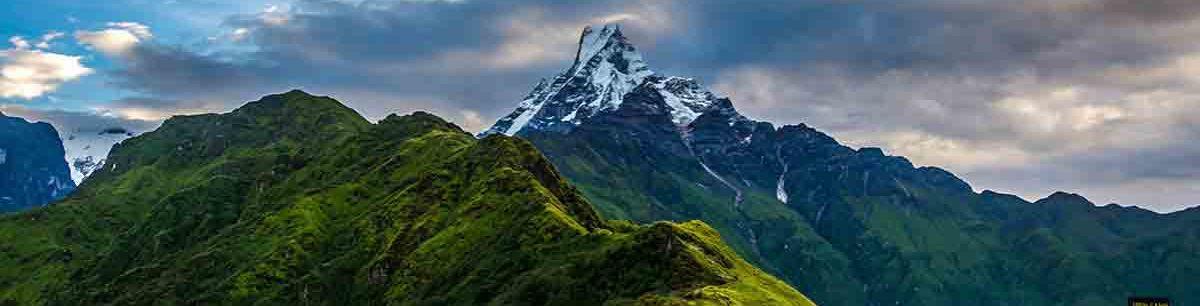
Private vs Group Manaslu Circuit Trek: Which Is Best for You?

The Manaslu Circuit Trek has rapidly become one of Nepal’s most sought-after trekking adventures. Offering breathtaking Himalayan scenery, rich Tibetan-influenced culture, and a quieter alternative to the Everest and Annapurna regions, this restricted-area trek attracts trekkers seeking an authentic mountain experience. However, before booking your journey, one important question arises: Should you choose a private trek or join a group Manaslu Circuit Trek?

Both options provide access to the same spectacular landscapes, including ancient monasteries, remote villages, glacial rivers, alpine forests, and the challenging Larkya La Pass (5,106 m). Yet the trekking experience can differ significantly depending on the type of trip you choose. Your budget, travel style, fitness level, flexibility, and personal preferences all play an important role in making the right decision.

This comprehensive guide compares private vs group Manaslu Circuit Trek experiences, highlighting the advantages, disadvantages, costs, flexibility, safety, and overall value of each option. By the end, you’ll have a clear understanding of which trekking style best suits your Himalayan adventure.


Understanding the Manaslu Circuit Trek

Before comparing trekking styles, it’s helpful to understand what makes the Manaslu Circuit so unique.

Located in western Nepal, the Manaslu region circles Mount Manaslu (8,163 m), the world’s eighth-highest mountain. Unlike Nepal’s more commercial trekking routes, the Manaslu Circuit remains relatively untouched, preserving its natural beauty and cultural heritage.

Trekkers pass through:

  • Traditional Gurung and Tibetan villages
  • Buddhist monasteries and mani walls
  • Suspension bridges over deep river gorges
  • Dense rhododendron and pine forests
  • High alpine meadows
  • Snow-covered mountain passes
  • Spectacular Himalayan panoramas

Since this is a restricted trekking region, Nepal requires all visitors to trek with a licensed guide and obtain special permits. This regulation naturally makes travelers consider whether joining a group or arranging a private trek offers better value.


What Is a Private Manaslu Circuit Trek?

A private trek is organized exclusively for you or your own travel companions.

Your itinerary, accommodation preferences, walking pace, departure date, and daily schedule are customized according to your needs.

A private trek generally includes:

  • Licensed trekking guide
  • Porter(s)
  • Private transportation when available
  • Customized itinerary
  • Flexible acclimatization schedule
  • Personalized support throughout the journey

Whether you’re traveling solo, as a couple, with family, or with friends, a private trek provides complete control over your Himalayan adventure.


What Is a Group Manaslu Circuit Trek?

A group trek combines multiple trekkers into one organized departure.

Participants usually come from different countries and backgrounds but follow the same itinerary under one trekking guide or guide team.

Group departures generally feature:

  • Fixed departure dates
  • Shared transportation
  • Shared logistics
  • Standard itinerary
  • Shared guide and porter services
  • Lower overall cost per participant

Group sizes commonly range from 4 to 12 trekkers, although some operators organize smaller or larger groups depending on demand.


Cost Comparison: Private vs Group Manaslu Circuit Trek

Budget is often the first factor travelers consider.

Group Trek Costs

Group treks are generally more affordable because many expenses are shared among participants.

Shared costs include:

  • Transportation
  • Guide services
  • Permits
  • Administrative expenses
  • Logistics coordination

This makes group treks particularly attractive for:

  • Budget-conscious travelers
  • Backpackers
  • Solo travelers looking for economical options

Although prices vary depending on the trekking company and inclusions, joining a scheduled group departure often reduces the overall cost compared to arranging an individual trip.

Private Trek Costs

Private treks usually cost more because the services are tailored specifically to your group.

Higher costs may include:

  • Dedicated guide
  • Customized logistics
  • Private transportation
  • Flexible scheduling
  • Personalized itinerary planning

However, if you’re traveling with several friends or family members, the price difference becomes much smaller because many expenses are shared within your own group.

Winner for Budget: Group Trek


Flexibility: One of the Biggest Differences

If flexibility matters, private trekking has a clear advantage.

Benefits of Private Trek Flexibility

With a private trek, you can:

  • Choose your own departure date
  • Add extra acclimatization days
  • Spend longer in villages you enjoy
  • Walk faster or slower
  • Modify daily distances
  • Include side trips
  • Adjust the itinerary if weather changes

This flexibility becomes especially valuable at higher elevations where acclimatization is essential.

Group Trek Scheduling

Group departures follow a fixed itinerary.

This means:

  • Daily departure times are predetermined.
  • Walking pace follows the group’s average speed.
  • Rest days cannot usually be adjusted.
  • Extra sightseeing opportunities are limited.

While this structured schedule works well for many trekkers, it may feel restrictive for experienced hikers or photographers who prefer more time at scenic locations.

Winner for Flexibility: Private Trek


Trekking Pace and Comfort

Every trekker has a different hiking rhythm.

Some enjoy long hiking days, while others prefer frequent breaks to photograph landscapes or experience local villages.

Private Trek Pace

Private trekking allows guides to adapt each day according to your:

  • Fitness level
  • Altitude response
  • Photography interests
  • Rest requirements

You never feel pressured to keep up with others.

This greatly improves the overall trekking experience, especially for older trekkers or families.

Group Trek Pace

In a group, guides must balance everyone’s abilities.

This often means:

  • Faster hikers wait.
  • Slower hikers feel pressure.
  • Daily schedules remain fixed.
  • Rest stops follow group consensus.

Professional guides manage these situations well, but the pace may not perfectly suit every participant.

Winner: Private Trek


Social Experience

Not every traveler enjoys trekking alone.

For many people, the friendships formed on the trail become one of the trip’s highlights.

Advantages of Group Trekking

A group trek offers excellent opportunities to:

  • Meet international travelers
  • Share trekking experiences
  • Encourage one another
  • Build lifelong friendships
  • Enjoy evenings together in tea houses

Many solo travelers prefer group departures because they create a supportive community throughout the trek.

Advantages of Private Trekking

Private treks provide a quieter experience.

They’re ideal for:

  • Couples
  • Families
  • Close friends
  • Honeymoon travelers
  • Photographers seeking solitude
  • Travelers who value privacy

Rather than following group dynamics, you enjoy uninterrupted time immersed in nature.

Winner for Social Experience: Group Trek


Safety Considerations

The Manaslu Circuit reaches elevations above 5,000 meters, where weather, altitude, and physical endurance become significant factors.

Fortunately, both private and group treks are safe when organized by experienced trekking companies with licensed guides.

Safety on a Private Trek

Private trekking provides more individualized attention. Your guide can closely monitor your health, pace, hydration, and acclimatization throughout the journey. If you experience symptoms of altitude sickness or fatigue, adjustments can often be made immediately without needing to consider the schedule of a larger group. This personalized approach is especially reassuring for first-time high-altitude trekkers or those with specific health concerns.

Safety on a Group Trek

Group treks offer safety in numbers. Fellow trekkers can provide encouragement and assistance, and established group departures are typically well-coordinated with experienced guides who know the route thoroughly. However, because the guide’s attention is shared among multiple participants, individualized support may be somewhat more limited compared to a private trek.

For both options, choosing a reputable trekking operator, following your guide’s advice, and allowing sufficient time for acclimatization are the most important factors for a safe and enjoyable journey.

Accommodation and Food Experience

One question many trekkers ask is whether accommodation differs between private and group departures.

Private Trek Accommodation

With a private trek, your guide can often secure the best available rooms when tea houses become crowded. During the peak trekking seasons of spring and autumn, popular villages such as Samagaun, Samdo, Dharamsala, and Bimthang can fill quickly.

Benefits may include:

  • Better room selection when available
  • Greater flexibility in choosing tea houses
  • Easier accommodation adjustments during itinerary changes
  • More personalized meal planning

Group Trek Accommodation

Group trekkers typically stay together in the same tea houses. Reputable operators reserve accommodation in advance, but room assignments are usually standardized across the group.

Advantages include:

  • Streamlined logistics
  • Shared meal times
  • Easier coordination with guides
  • Social dining experience

In practice, both private and group trekkers generally stay in similar tea houses along the Manaslu route. The difference lies more in flexibility than in luxury.

Permit Requirements: Important for Every Trekker

The Manaslu region is a restricted area, and permit regulations apply regardless of whether you trek privately or in a group.

Trekkers generally require:

  • Manaslu Restricted Area Permit (RAP)
  • Manaslu Conservation Area Permit (MCAP)
  • Annapurna Conservation Area Permit (ACAP)

Nepal also requires trekkers to travel with a licensed guide, and the permit process is usually handled through a registered trekking agency.

For solo travelers, this is particularly important: you cannot legally complete the Manaslu Circuit completely independently without a guide and permit arrangements through an authorized operator.

Cultural Immersion: Which Option Feels More Authentic?

Many travelers choose the Manaslu Circuit because it offers a deeper cultural experience than some of Nepal’s busier trekking routes.

Private Trek Cultural Experience

A private trek often allows more meaningful interactions with local communities because:

  • You can spend extra time in villages.
  • Your guide can translate conversations.
  • You can visit monasteries at a slower pace.
  • The itinerary can adapt to local events or festivals.
  • You have more opportunities to engage with residents individually.

Group Trek Cultural Experience

Group treks still provide rich cultural exposure, but interactions may be shorter because the group follows a fixed schedule. Larger groups can also be less spontaneous when visiting local homes, monasteries, or community gatherings.

For travelers who prioritize cultural learning and photography, private trekking often feels more immersive.

Winner for Cultural Immersion: Private Trek

Environmental Impact

Responsible trekking matters in fragile Himalayan ecosystems.

Group Trek Environmental Advantages

From a sustainability perspective, group treks can be efficient because transportation and logistics are shared among multiple travelers. This can reduce the environmental footprint per person.

Private Trek Environmental Considerations

Private treks may involve additional transportation or logistics, though the overall impact remains relatively small when using local tea houses and existing trekking infrastructure.

Regardless of trek type, responsible trekkers should:

  • Carry reusable water bottles.
  • Avoid single-use plastics.
  • Respect local customs.
  • Stay on established trails.
  • Support local businesses and tea houses.

Winner for Sustainability: Slight advantage to Group Trek

Who Should Choose a Private Manaslu Circuit Trek?

A private trek is usually the better choice if you:

  • Want maximum flexibility.
  • Prefer a customized itinerary.
  • Travel with a partner, family, or friends.
  • Enjoy a quieter, more personal experience.
  • Have a slower or faster trekking pace than average.
  • Need additional acclimatization flexibility.
  • Are a photographer, filmmaker, or researcher.
  • Value privacy over social interaction.
  • Are comfortable paying a bit more for personalized service.

For many couples and small groups, the extra cost is often outweighed by the comfort and flexibility gained.

Who Should Choose a Group Manaslu Circuit Trek?

A group trek is usually the better choice if you:

  • Want to minimize costs.
  • Are traveling solo.
  • Enjoy meeting new people.
  • Like structured itineraries.
  • Prefer shared experiences and group motivation.
  • Are comfortable adapting to a common pace.
  • Want an easier booking process with fixed departures.
  • Are undertaking your first major Himalayan trek and appreciate group support.

Many solo travelers find that group treks offer an excellent balance of affordability, safety, and companionship.

Side-by-Side Comparison

FactorPrivate TrekGroup Trek
CostHigherLower
FlexibilityExcellentLimited
PacePersonalizedGroup average
Social interactionLowerHigher
PrivacyExcellentLimited
Cultural immersionExcellentGood
Logistics convenienceExcellentExcellent
CustomizationExcellentMinimal
Environmental efficiencyGoodExcellent
Best forCouples, families, small groupsSolo travelers, budget travelers

Frequently Asked Questions

Can I do the Manaslu Circuit Trek completely alone?

No. Nepal requires trekkers in the Manaslu restricted area to travel with a licensed guide and obtain permits through a registered trekking agency.

Is a private trek safer than a group trek?

Both can be very safe when organized by reputable operators. Private treks provide more individualized attention, while group treks offer safety through shared support and established logistics.

Is a group trek always cheaper?

Usually yes, especially for solo travelers. However, when traveling with several friends or family members, the cost difference between private and group options can become much smaller.

Which option is better for altitude acclimatization?

Private treks generally offer greater flexibility to add rest days or adjust the pace, which can be beneficial for acclimatization.

Which option is better for photographers?

Private treks are often preferred because they allow more time for sunrise, sunset, wildlife, and village photography without needing to follow a group schedule.

Final Verdict: Which Is Best for You?

There is no single answer that fits every trekker.

Choose a Private Manaslu Circuit Trek if flexibility, comfort, privacy, personalized pacing, and deeper cultural immersion matter most. It is especially ideal for couples, families, small groups, photographers, and trekkers who want complete control over their Himalayan journey.

Choose a Group Manaslu Circuit Trek if affordability, companionship, and a structured itinerary are your priorities. It is often the smartest choice for solo travelers and budget-conscious adventurers who enjoy sharing the experience with others.

For many trekkers, the decision comes down to one question:

Would you rather optimize for freedom or for shared experience and savings?

If your answer is freedom, go private. If your answer is companionship and value, join a group departure.

Whichever option you choose, the reward is the same: an unforgettable journey through one of the Himalaya’s most spectacular and least crowded trekking routes, beneath the towering presence of Mount Manaslu.

Quick Inquiry Form

10 Reasons to Go on Manaslu Region Trekking in 2026

The Manaslu Region Trekking in 2026 is shaping up to be one of Nepal’s most rewarding Himalayan adventures. This Himalayan trek circles Mount Manaslu, the eighth-highest peak in the world, and reveals landscapes, cultures, and experiences untouched by mass tourism. As interest in remote Himalayan trails grows, the Manaslu region stands out for its raw beauty, authentic culture, and controlled trekking environment. The coming year is expected to be ideal for trekkers. Weather patterns are stabilizing. Trails are being improved. Local communities are preparing for a rise in sustainable tourism.

If you have been dreaming of a Himalayan adventure, here are the 10 biggest reasons to go on Manaslu Region Trekking in 2026.


Unspoiled Trail Experience – A Top Reason for Manaslu Region Trekking in 2026

The Manaslu Region Trekking in 2026 gives you something very rare in Nepal: a pristine, less-crowded trail. While Everest and Annapurna continue to attract thousands, Manaslu offers more space, tranquility, and silence on the trail. In 2026, improved conservation efforts and controlled permit numbers help maintain this exclusivity.

You walk through dense forests, high alpine valleys, and remote Tibetan-inspired villages without the rush of tourist traffic. The region remains a sanctuary for those who love natural wilderness. Every step feels peaceful, allowing for deep connection with the landscape.

This unspoiled environment is a big reason trekkers are choosing the Manaslu region for next year.


Stunning Himalayan Views – A Major Attraction of Manaslu Region

The views along the Manaslu Region Trekking in 2026 route are unforgettable. Mount Manaslu rises to 8,163 meters and stands as the crown jewel of the region. But the trek also offers clear views of Himalchuli, Ganesh Himal, Ngadi Chuli, and even parts of the Annapurna range.

In 2026, trekkers can expect especially clear conditions. Weather experts suggest more stable spring and autumn skies compared to recent years. That means better sunrise views, better photography opportunities, and clearer landscapes.

If you enjoy mountains, the Manaslu region is an undisputed masterpiece.


Authentic Local Culture – An Essential Feature of Manaslu Region Trekking in 2026

One of the top reasons to choose Manaslu Region Trekking in 2026 is the authentic culture. The trail passes through Gurung, Magar, and Tibetan Buddhist communities. These villages preserve traditions practiced for centuries, untouched by mass tourism.

Trekkers can witness:

  • Stone-built villages
  • Monasteries and prayer walls
  • Tibetan-style houses
  • Traditional farming practices
  • Sherpa and Lama spiritual traditions

In 2026, cultural tourism in this region is expected to expand. Local homestay programs are improving. More communities are offering cultural demonstrations, local cuisine, and traditional music. This adds depth to the trekking experience.


Controlled Permit System – Why Manaslu Region Trekking in 2026 Feels Safer and More Exclusive

The Manaslu region is classified as a Restricted Area. For the Manaslu Region Trekking in 2026, trekkers still need a special permit and a registered guide. While some see this as a hurdle, it actually enhances the trekking experience.

The controlled permit system provides:

  • Fewer trekkers
  • A safer environment
  • Better maintained trails
  • Stable income for local communities
  • Environmental protection

In 2026, the government plans to strengthen safety protocols and improve checkpost monitoring. That means a more secure experience for trekkers. Those who want an exclusive Himalayan trek appreciate the low-traffic advantage created by permit restrictions.


A More Sustainable Trekking Option – A Rising Trend for Manaslu Region Trekking in 2026

Sustainable travel is growing globally. The Manaslu Region Trekking aligns perfectly with this trend. Since the trek is controlled by conservation rules, its natural environment has remained intact.

New sustainability actions planned for 2026 include:

  • Better waste management systems
  • More eco-friendly lodges
  • Local-run tea houses
  • Encouragement of reusable gear
  • Community involvement in conservation

This trek supports local economies while minimizing environmental impact. For travelers who value responsible tourism, Manaslu is one of Nepal’s most ethical trekking options.


The Adventurous Larkya La Pass – A Highlight of Manaslu Region Trekking in 2026

Crossing the Larkya La Pass (5,160m) is one of the biggest achievements of the Manaslu Region Trekking . The pass offers thrilling alpine adventure, breathtaking views, and a sense of accomplishment for trekkers.

Why it’s special:

  • The ascent is gradual but rewarding
  • Snow-covered landscapes surround you
  • The glacier views are unmatched
  • The descent leads to a stunning valley

Improved trail conditions expected in 2026 make the pass more accessible than in previous years. Trekkers can expect better signage, safer sections, and more experienced guides familiar with updated routes.


Diverse Ecosystems – A Natural Wonder on Manaslu Region

One major reason trekkers choose the Manaslu Region is the incredible diversity in ecosystems. The trek covers everything from subtropical forests to high-altitude tundra.

You will walk through:

  • Rhododendron forests
  • Pine and oak forests
  • Alpine meadows
  • Rocky terrain
  • Snowy mountain landscapes

The region is also rich in wildlife. Trekkers may see Himalayan musk deer, blue sheep, marmots, and if lucky, the elusive snow leopard. Birdlife is abundant, including pheasants and Himalayan griffons.

By 2026, conservation programs are expected to boost wildlife populations further, making sightings more common.


Improved Tea Houses and Trail Facilities – A Practical Benefit of Manaslu Region Trekking

Compared to 10 years ago, the Manaslu region has significantly better accommodations. This trend continues into Manaslu Region Trekking in 2026 as more tea houses are upgrading rooms, dining areas, and hygiene standards.

Expect the following improvements:

  • Cleaner rooms
  • More comfortable bedding
  • Reliable meals with better hygiene
  • More charging stations
  • Better toilets

These upgrades will make the trek more comfortable for both beginners and experienced trekkers. The region strikes a good balance between authenticity and comfort.


Perfect for Adventure in 2026 – Ideal Weather for Manaslu Region Trekking

Weather forecasts for 2026 show favorable conditions for Himalayan trekking. This makes Manaslu Region Trekking in 2026 one of the best choices for trekking next year.

The ideal seasons offer:

Best Time for Manaslu Region Trekking in 2026 (Spring & Autumn)

Spring (March to May):

  • Clear skies
  • Moderate temperatures
  • Flower-filled forests
  • Great for photography

Autumn (September to November):

  • Stable weather
  • Crisp mountain views
  • High visibility
  • Pleasant trekking conditions

Because 2026 is expected to have slightly warmer conditions and less rainfall than average, trekkers will benefit from smoother trails and safer passes.


A Once-in-a-Lifetime Himalayan Experience – Why 2026 Is the Perfect Year

The final reason to go for Manaslu Region Trekking in 2026 is simple: it promises a once-in-a-lifetime adventure. The region has kept its authenticity. Trails are safer. Local communities are better prepared. And Nepal’s tourism board is promoting Manaslu as a top adventure destination for the coming year.

In 2026, trekkers can expect:

  • Better infrastructure
  • More experienced guides
  • Stable visa and permit systems
  • Improved local services
  • Enhanced communication networks

All these factors combine to make 2026 one of the best years in recent memory for exploring the Manaslu Circuit.


Conclusion: Why You Should Choose Manaslu Region Trekking in 2026

The Manaslu Region Trekking in 2026 offers untouched beauty, challenging mountain passes, authentic Himalayan culture, and sustainable tourism practices. It remains less commercialized than Everest and Annapurna and gives trekkers a rare chance to explore the Himalayas in their purest form.

If you’re planning a Himalayan adventure for 2026, the Manaslu region deserves to be at the top of your list. Its combination of natural beauty, cultural richness, adventure, and exclusivity makes it one of the most rewarding treks in Nepal.

Everything You Need to Know Before Trekking Manaslu

Trekking in Nepal is one of the most enriching travel experiences in the world, and among its many legendary routes, the Manaslu Circuit Trek stands out for its pristine landscapes, cultural authenticity, and off-the-beaten-path allure. Named after Mount Manaslu, the eighth-highest mountain in the world at 8,163 meters, this trek offers a perfect balance of breathtaking scenery, remote village life, and Himalayan adventure.

If you’re considering the Manaslu Trek, this comprehensive guide covers all the essential things you need to know—from permits and best seasons to trekking highlights, difficulty, logistics, and what makes it one of Nepal’s best-kept secrets.


Why Choose the Manaslu Trek?

While the Everest and Annapurna regions attract tens of thousands of trekkers annually, the Manaslu Circuit offers a more peaceful and unspoiled alternative. Opened to trekkers only in the early 1990s, it still retains a sense of isolation and authenticity that’s hard to find elsewhere in the Himalayas.

What Makes It Special?

  • Less crowded than Annapurna and Everest regions
  • Remote villages and rich Tibetan-influenced culture
  • Epic mountain scenery, glaciers, and river valleys
  • Larke La Pass (5,106 m) – one of the most beautiful Himalayan passes
  • Opportunities to observe diverse ecosystems and wildlife
  • Traverses the Manaslu Conservation Area, rich in biodiversity

Trek Overview

FeatureDetails
Duration14–18 days (typical itinerary)
Highest PointLarke La Pass – 5,106 meters (16,752 ft)
Trek DistanceApprox. 177 km (110 miles)
Starting PointSoti Khola (or Arughat)
Ending PointDharapani (connects with Annapurna trail)
Difficulty LevelModerate to challenging
Best Time to TrekMarch–May & September–November
Accommodation TypeTeahouses (basic lodges)
Permits RequiredYes – Restricted Area Permit + others

Permits You Need

The Manaslu region is classified as a Restricted Area by the Government of Nepal, meaning that independent trekking is not allowed. You must be part of a registered group and accompanied by a licensed guide.

Required Permits:

  1. Manaslu Restricted Area Permit (RAP)
    • Cost: $100 for the first 7 days (Sept–Nov), $15 per day after
    • Lower rates from Dec–Aug
  2. Manaslu Conservation Area Permit (MCAP) – NPR 3,000 (~$25)
  3. Annapurna Conservation Area Permit (ACAP) – NPR 3,000 (~$25)
  4. TIMS Card is not required if you have a RAP

Permits can be obtained through a registered trekking agency, and solo trekking is not permitted in the Manaslu region due to safety concerns.


Best Time to Trek the Manaslu Circuit

The ideal seasons for the Manaslu trek are:

1. Autumn (September–November)

  • Most popular and stable trekking season
  • Clear skies, mild temperatures, and great mountain visibility
  • Festive season in Nepal—Dashain and Tihar fall during this time

2. Spring (March–May)

  • Blooming rhododendrons and wildflowers
  • Longer days and warmer weather
  • Good mountain visibility, though occasional haze

Avoid:

  • Monsoon (June–August) – Heavy rain, landslides, and leeches
  • Winter (December–February) – Snowfall can close Larke Pass

Trekking Itinerary (Standard 14-16 Days)

Here’s a popular 14-day itinerary. It can be extended or shortened depending on your pace and acclimatization needs.

Day 1: Drive from Kathmandu to Soti Khola (700m)

  • 7–8 hour jeep or bus ride
  • Overnight stay in a teahouse

Day 2–4: Trek through Machha Khola → Jagat → Deng

  • River crossings, waterfalls, and terrace farming
  • Enter the restricted area at Jagat
  • Deng offers views of Shringi Himal

Day 5–6: Deng to Namrung → Lho

  • Climb through pine and rhododendron forests
  • First panoramic views of Mount Manaslu from Lho
  • Lho is a beautiful Tibetan village with a large monastery

Day 7–8: Lho to Samagaun (3,530m)

  • Rest and acclimatization day at Samagaun
  • Side trip: Manaslu Base Camp or Pungyen Gompa

Day 9: Samagaun to Samdo (3,860m)

  • Short, gradual climb
  • Samdo is the last permanent settlement before the pass
  • Close to the Tibetan border

Day 10: Acclimatization in Samdo or hike to Dharamsala (Larke Phedi)

Day 11: Cross Larke La Pass (5,106m) to Bimthang (3,590m)

  • Long, challenging day with early morning start
  • Stunning panoramic views from the pass
  • Descend to Bimthang for overnight rest

Day 12–13: Trek to Dharapani via Tilje → Drive to Besi Sahar or Kathmandu

  • Reconnects with the Annapurna Circuit trail
  • Jeep or bus from Dharapani or Besi Sahar back to Kathmandu

Top Sights and Highlights

Mount Manaslu (8,163 m)

Visible from various points, this majestic peak dominates the landscape and inspires awe.

Ribung and Pungyen Gompa

Ancient Buddhist monasteries offering cultural insight and panoramic views of the Manaslu range.

Larke La Pass (5,106 m)

The high point of the trek and a physically demanding but incredibly rewarding climb with sweeping views of Himlung Himal, Cheo Himal, and more.

Remote Tibetan Villages (Samagaun, Lho, Samdo)

Experience local hospitality, Tibetan-style architecture, prayer wheels, and mani walls.

Wildlife and Biodiversity

  • Snow leopards (rarely seen)
  • Himalayan tahr, blue sheep, marmots, eagles
  • Varied flora—pine, birch, rhododendron, medicinal herbs

Food and Accommodation on the Trek

Accommodation:

  • Teahouses are available in most villages
  • Basic rooms with shared bathrooms
  • Heating usually available only in the dining hall

Food:

  • Dal Bhat (lentils & rice) – staple meal
  • Momos, noodles, pasta, Tibetan bread, fried rice
  • Expect rising prices and reduced menus at higher elevations
  • Bring snacks, protein bars, or instant coffee for variety

What to Pack

Essentials:

  • Sturdy hiking boots
  • Thermal layers, waterproof jacket
  • Sleeping bag (0°C to -10°C comfort rating)
  • Trekking poles
  • Headlamp, water purifier/tablets
  • Sunscreen, sunglasses, lip balm
  • Personal medications and basic first-aid
  • Extra cash (no ATMs on the trail)

Pack light but smart—porters (if hired) typically carry up to 15 kg.


Guide and Porter Info

  • Licensed guide is mandatory for the restricted area
  • Hiring a porter is optional but helpful
  • Many agencies offer guide + porter packages
  • Ensure your guide is experienced and fluent in English

Hiring locals not only enhances your safety but also contributes to the local economy.


Responsible Trekking Tips

  • Respect local customs—ask before taking photos of people or religious sites
  • Avoid plastic bottles—bring a reusable water bottle with purification options
  • Leave no trace—carry your waste out of the conservation area
  • Support local teahouses and businesses
  • Be mindful of altitude—acclimatize properly and don’t rush the itinerary

Alternative Routes & Extensions

  • Tsum Valley Extension: Add 5–7 days to explore this secluded valley with sacred monasteries and Tibetan heritage
  • Combine with Annapurna Circuit: After reaching Dharapani, continue the Annapurna trail westward

Final Thoughts: Is the Manaslu Trek Right for You?

If you’re looking for a Himalayan trek that offers solitude, cultural immersion, and dramatic mountain scenery without the crowds, the Manaslu Circuit is an outstanding choice. It demands good fitness, some experience with altitude, and a sense of adventure—but the rewards are truly unforgettable.

From ancient Buddhist villages to panoramic glacier views, and from deep gorges to high passes, the Manaslu region is a raw and authentic slice of Nepal. Plan well, trek responsibly, and you’ll come away with memories that last a lifetime.

Manaslu Circuit Trek Cost and Difficulty

Rating: 5 out of 5.

For adventure seekers, the Manaslu Circuit Trek is the greatest option. This is a hike that is moderately tough. The difficulty of the Manaslu Circuit Trek is mostly determined by the trekker’s physical condition. This journey allows you to cross through multiple rivers and waterfalls, as well as see beautiful mountain vistas. The Manaslu Circuit is a lengthier journey than some of Nepal’s other expeditions. In 13 to 17 days, the Manaslu may be conquered. The Manaslu Circuit is quite unique. Along the steep-sided Budhi Gandaki river, the hike follows an ancient salt-trading route. While climbing through the Manaslu region, ten peaks taller than 6,500 meters (21,300 feet) are visible, including summits taller than 7,000 meters (23,000 feet).

Manaslu Circuit Trek Difficulty

The Manaslu Circuit Trek is an excellent option for anyone looking to explore the remote region. Geographically, it is located in the lonely Himalayan foothills on the Tibetan border. This trekking area is in Nepal’s protected and restricted regions. As a result, you’ll learn about the well-preserved natural environment as well as the indigenous tribes’ culture. When it comes to difficulty, the grade is severe. As a result, it is somewhat tough for novice trekkers. However, any rookie lever trekker may do it if they are well prepared in ahead; if they are adequately prepared, they will quickly reach their target. You should be aware of its complexity, but rest assured that no technical climbing abilities are required for this trek.

Things that Determine the Difficulty of the Manaslu Circuit Trek

Allow us to go through a few factors that determine the difficulty of the Manaslu Circuit Trek.

  1. The Trek’s Distance:The Manaslu Circuit Trek is located in Gorkha district, in the northern Himalayan range. The overall distance is around 177 kilometers. On a typical 19-day tour, you’ll be walking for 10-12 days, covering an average distance of 15-20 kilometers each day, which can be exhausting for you. The trek becomes challenging after the first few days because the Budhi Gandaki Gorge is incredibly steep. You’ll travel along winding paths and over suspension bridges that span the Budhi Gandaki River. At 5,213 meters above sea level, crossing the Larkya La Pass is a difficult task. Trekking via the uneven terrain and rocky trail also requires stamina and endurance.
  2. Weather of Manaslu Region: The weather can make a major impact in the difficulty of your Manaslu Circuit trek. On your 19-day trekking trip, you may encounter heavy rain, chilly nights, scorching sun, and biting winds. The days are usually warm and dry, and the nights are usually mild. Make sure to bring warm clothing for the evening and night, as well as a good sleeping bag. Layering is crucial when it comes to clothing. The autumn season is the best time to walk the Manaslu Circuit because of the pleasant weather. The weather is excellent, with consistent temperatures, and the magnificent mountain vistas are breathtaking!!! As a result, you should aim for the spring and fall seasons, when the weather should not be too bad.
  3. Altitude Sickness: Altitude sickness, sometimes known as acute mountain sickness, makes hiking difficult, particularly at high altitudes. The altitude of the Manaslu Trek varies greatly. As a result, one of the most challenging challenges you may experience throughout the Manaslu Circuit Trek is adjusting to high altitudes. You should take the following precautions to avoid altitude sickness: Slowly climb, bring plenty of energy bars, plenty of nutrients and carbohydrates, stay hydrated, and avoid alcoholic and cigarette products. Don’t take sleeping pills because they exacerbate altitude sickness.

Manaslu Circuit Trek Cost

Because the majority of international visitors to Nepal arrive in Kathmandu, they are more likely to hike in areas other than Annapurna or Manaslu. To do so, one must travel to Pokhara. By default, all trekking companies provide transportation from Kathmandu to Pokhara. Some travel by bus, while others travel by plane. Most itineraries include hotel accommodations in Pokhara as well as transportation from Pokhara to Ghorepani. This is where some of the expenses are incurred. Depending on the provider you choose, even the same trekking package can cost differently. In Kathmandu, for example, there are five-star hotels that are far beyond the average tourist level. They go from Kathmandu to Sotikhola and Dharapani using either a private jeep or a local bus, depending on the client’s budget. In this hiking trail, many trekkers stay in local tea houses, while some prefer to tent for better service and unique experiences. As a result, we are unable to provide a precise price for the Manaslu circuit trekking. The Things that may have an impact on the same product with a different price are: The size of your group, the number of persons in your group, the duration of the journey, In Kathmandu, request a certain night and hotel category. Request a trekking mode (camping or tea house trekking), Is it possible to request the number of trekking guides and porters? Transportation modes (either private jeep or local bus), In the mountains, follow the trekking route and duration.

Even though you are not required to pay an entrance charge, you must still pay for permits. Hiking in the Nepal Himalayas is impossible without it. Three types of permits are required for the Manaslu Circuit:

The cost of a Manaslu Trek permit is determined on the month and number of days you plan to spend in the region. To trek in the Manaslu region, you’ll need one of three types of permits from the Nepalese government.

Manaslu Restricted Permit:

From September to November, the Manaslu trek permit costs USD 70.00 for the first seven days and USD 10.00 for each extra day. From December to August, a Manaslu trek permit costs USD 50.00 for the first 7 days and USD 7.00 for each additional day.

The Manaslu Conservation Area Permit (MCAP)

costs 200 NPR per person for SAARC nationals and 2,000 NPR per person for other nationals.

You will also require an Annapurna Conservation Area Permit (ACAP) because you will be entering the Annapurna Conservation Area.

Your trekking company will take care of all permissions. The Manaslu Circuit Trip is a more expensive trek in Nepal due to its typical time and exclusivity. Per person, prices range from 1000 USD to 1900 USD (or 900 EUR to 1800 EUR).

Feel Free To Contact Us.