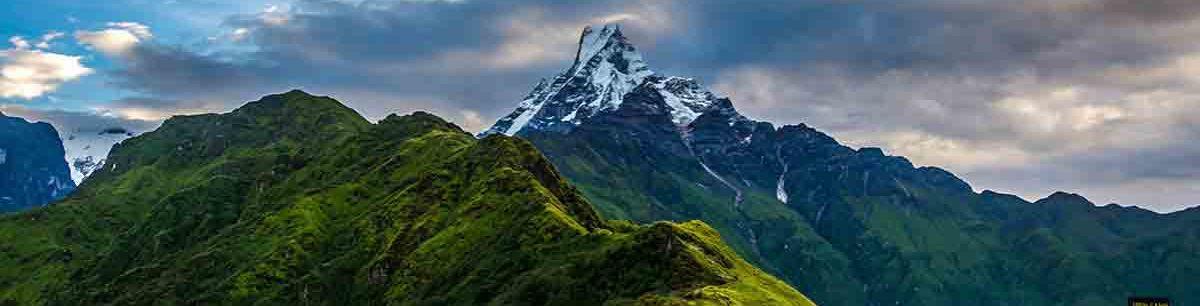
Everest Base Camp (EBC) stands as one of the most iconic trekking destinations in the world. Every year, tens of thousands of trekkers arrive in Nepal to experience the dramatic landscapes of the Khumbu region, walk among towering Himalayan peaks, and stand at the foot of Mount Everest itself. Although the journey is legendary, new trekkers often ask the same fundamental question: What is the best way to reach Everest Base Camp?
In reality, there is no single “best” way for every person. Your ideal approach depends on your interests, fitness level, trekking time frame, budget, and appetite for adventure. Some travelers prefer a short, direct route. Others seek a more scenic acclimatization path. Many choose to fly; a few prefer to trek from the lower hills. Some join guided groups, while others hire personal guides for a more flexible experience.
This comprehensive guide breaks down every major route, transportation method, cost factor, and step involved in reaching Everest Base Camp. You will also learn how to prepare, what challenges to expect, and how to select the option that best matches your goals.
Understanding Everest Base Camp Trekking Options
The Everest region offers several ways to reach Base Camp. Your journey typically begins in Kathmandu, the capital of Nepal. From there, you choose between:
Flying into Lukla Airport (most common and fastest method)
Driving to Salleri or Phaplu and trekking from there
Flying to Kathmandu–Ramechhap–Lukla (seasonal adjustment)
Trekking all the way from Jiri (classic approach used by early expeditions)
Helicopter flights to and from EBC (premium option)
Each route offers unique scenery, advantages, and challenges. Before choosing, you should understand what makes one option better for your travel style.
Flying to Lukla: The Most Popular Way to Reach Everest Base Camp
For most trekkers, the best way to reach the Everest region is flying into Tenzing–Hillary Airport in Lukla. This approach shortens the trekking duration and gives you quick access to the high mountains.
Why Lukla Flights Are the Preferred Option
Fastest access to the Everest trail
Minimizes unnecessary warm-up trekking days
Well-developed trekking infrastructure beginning from Lukla
Reliable guide and porter availability
Saves 4–8 extra days compared to overland routes
Although the Lukla airport is known for its short runway and dramatic landscapes, it is safe, well-regulated, and operated by experienced Nepali pilots.
Typical Flight Times
Kathmandu → Lukla: Approximately 30 minutes
Ramechhap → Lukla: Approximately 20 minutes
In peak seasons, many flights operate from Ramechhap Airport, a smaller domestic airfield east of Kathmandu. This is due to air traffic congestion at Tribhuvan International Airport.
Trekking from Lukla to Everest Base Camp
Once you land, the classic route to EBC begins. The standard itinerary takes 12–14 days, depending on acclimatization days and trekking speed. The route includes the following major stops:
Lukla (2,840 m)
Phakding (2,610 m)
Namche Bazaar (3,440 m) – acclimatization stop
Tengboche (3,860 m)
Dingboche (4,410 m) – acclimatization stop
Lobuche (4,910 m)
Gorakshep (5,164 m)
Everest Base Camp (5,364 m)
Many trekkers also climb Kala Patthar (5,545 m) the next morning for sunrise views of Everest.
This route is the best option for trekkers seeking a balance of physical challenge, altitude adaptation, scenic diversity, and cultural exposure. It remains the most efficient and rewarding way to reach Everest Base Camp.
Traveling by Road: Jeep or Bus to Salleri or Phaplu
If you want a more budget-friendly alternative or prefer to avoid Lukla flights, you can travel by jeep from Kathmandu to Salleri or Phaplu, located in the lower Solukhumbu region.
How Long Does the Drive Take?
Kathmandu → Salleri: 8–12 hours
Kathmandu → Phaplu: 7–10 hours
From either point, you begin trekking northward to join the main Everest trail near Namche Bazaar.
Advantages of the Salleri/Phaplu Route
Suitable for travelers nervous about flying into Lukla
Cheaper than domestic flights
Offers a more gradual ascent
Excellent for trekkers who want extra acclimatization days
Disadvantages
Adds 3–4 additional trekking days
Road conditions may be rough
Scenic but physically more demanding
This route is ideal for budget travelers or those seeking a traditional approach to EBC.
Jiri to Everest Base Camp: The Classic Trekking Route
Long before the Lukla airport existed, climbers such as Sir Edmund Hillary and Tenzing Norgay Sherpa reached the Everest region by trekking from Jiri. Today, this historic route remains one of Nepal’s most culturally rich treks.
Duration
18–22 days (depending on acclimatization)
What Makes the Jiri Route Special
Authentic Sherpa village experiences
Fewer trekkers
Beautiful landscapes
Follows the footsteps of early expeditions
However, it is physically demanding and time-consuming. Most modern trekkers skip this option unless they want a complete expedition-style experience.
Helicopter Flights to Everest Base Camp (Fastest but Most Expensive Option)
For travelers with limited time, a helicopter flight offers a convenient and scenic alternative. You can charter a helicopter:
Kathmandu → Everest Base Camp → Kathmandu
Lukla → Everest Base Camp → Lukla
Gorakshep → Lukla
Everest Base Camp → Kathmandu (return flight after trek)
Why Helicopter Options Are Popular
Provides aerial views of the Himalayas
Ideal for travelers who want luxury or time-efficient itineraries
Offers an emergency backup plan
Reduces exposure to high-altitude risks
This option is the most expensive but also the fastest way to stand at Everest Base Camp.
Which Method Is Truly the Best Way to Reach Everest Base Camp?
The “best way” depends entirely on your preferences. Below is a comparison to help you choose wisely.
Method
Best For
Travel Time
Cost Level
Flying to Lukla
Most trekkers
Fastest
Medium
Driving to Salleri/Phaplu
Budget travelers
Moderate
Low
Jiri trek
Adventure-focused trekkers
Longest
Medium
Helicopter
Luxury travelers/time-strapped visitors
Very fast
High
Most trekkers choose the Lukla flight + 12–14 day trek because it offers the ideal balance of time, cost, scenery, and safety.
How Much Does It Cost to Reach Everest Base Camp?
Because the cost varies by method, here is a breakdown to help you compare 2026 prices.
1. Flight to Lukla
$180–$220 one way from Kathmandu
$120–$180 from Ramechhap
2. Jeep to Salleri/Phaplu
$25–$40 (local)
$150–$250 (private jeep)
3. Helicopter
$450–$600 per seat (shared) from Kathmandu
$900–$1,200 for private charter
$200–$400 from Gorakshep to Lukla (return after trek)
4. Trekking Costs
Budget trek: $900–$1,200 total
Standard trek: $1,400–$2,100
Luxury lodge trek: $3,000–$6,000
Permits:
Sagarmatha National Park Entry: $30 + VAT
Khumbu Pasang Lhamu Fee: $20
Total permit cost: ~$50
Guides and porters are typically required and cost:
Guide: $25–$40 per day
Porter: $20–$28 per day
Best Time to Reach Everest Base Camp
The best seasons determine not only weather conditions but also the availability of flights to Lukla.
Spring (March–May)
Warm temperatures
Clear skies
Rhododendron forests in bloom
Autumn (September–November)
Best visibility
Stable weather
Peak trekking season
Winter (December–February)
Quieter trails
Very cold nights
Monsoon (June–August)
Frequent rain
Landslide risk
Lukla flights often delayed
For most trekkers, spring and autumn offer the best overall conditions.
Physical Preparation: Training for the EBC Trek
Reaching Everest Base Camp requires preparation. The trail is not technical, but altitude and long walking days can challenge even experienced trekkers.
Training recommendations
Hike 2–3 times a week
Carry a 6–10 kg backpack during practice
Improve leg strength and cardiovascular endurance
Take practice hikes at increasing altitude if possible
Good preparation ensures a safer and more enjoyable experience.
Safety Considerations When Reaching EBC
Travelers must stay aware of the following risks:
Altitude Sickness
Ascend slowly
Stay hydrated
Take acclimatization days seriously
Unpredictable Weather
Always carry layers
Be flexible with flight schedules
Trail Conditions
Trekking poles help during steep ascents/descents
Travel Insurance
Must include helicopter evacuation
Your guide plays a crucial role in monitoring safety and adjusting pace accordingly.
Should You Choose a Guided Trek or Independent Approach?
In 2026, trekking with a guide is required for most routes. Even if it were optional, a guide offers significant advantages:
Better navigation and cultural interpretation
Assistance with altitude management
Easier lodge booking during peak season
Added safety in emergencies
Porters also make the experience more comfortable by carrying your luggage.
Conclusion: What Is the Best Way to Reach Everest Base Camp?
The best way to reach Everest Base Camp for most travelers is:
Fly to Lukla → Trek 12–14 days → Explore EBC and Kala Patthar → Return to Lukla → Fly back to Kathmandu
This method offers the most efficient, scenic, and rewarding experience. It balances adventure with practicality and gives you the best possible Himalayan journey.
If you have more time, trekking from Salleri or Jiri offers deeper cultural immersion. If you seek convenience or luxury, a helicopter transfer provides a remarkable alternative.
Whichever route you choose, reaching Everest Base Camp is an unforgettable achievement. With the right preparation, you can experience one of the greatest trekking adventures on earth.
The Everest Base Camp Group Joining Trek is one of the most iconic adventure experiences in the world. It offers awe-inspiring Himalayan landscapes, rich cultural encounters, and the opportunity to reach the base camp of the world’s highest mountain. Moreover, joining a group makes this journey safer, more affordable, and social.
This guide will explain the importance and benefits of Everest Base Camp Group Joining Trek, provide a detailed itinerary, best seasons, cost breakdown, difficulty level, preparation tips, and highlight cultural and photographic experiences along the way.
With proper planning, a group joining trek allows both first-time trekkers and seasoned hikers to enjoy a memorable adventure in the Everest region.
Why the Everest Base Camp Group Joining Trek is Important
The Everest Base Camp Group Joining Trek is important for many reasons. First, it provides safety, especially at high altitudes. Second, it offers a cost-effective way to enjoy a professionally guided trek. Finally, it promotes social interaction and cultural exchange with fellow trekkers and locals.
1. Safety and Expert Guidance
High-altitude trekking comes with health risks like altitude sickness. When you join a group, experienced guides monitor your condition and pace. They also provide emergency support and ensure trekkers follow acclimatization schedules. Consequently, the trip becomes safer, especially for first-timers.
2. Affordable Trekking
Solo trekking can be expensive because you must cover the costs of guides, porters, and accommodation alone. In a group joining trek, these costs are shared. Therefore, you enjoy the same high-quality services at a lower price.
3. Social and Cultural Experience
Trekking in a group allows travelers from different countries to share experiences and stories. Moreover, you meet locals, visit monasteries, and learn about Sherpa traditions. This adds depth to the trekking experience.
4. Structured Itinerary
Group treks follow pre-planned itineraries that balance daily walking distances with rest and acclimatization days. This reduces the risk of altitude sickness and makes trekking manageable even for beginners.
Benefits of Everest Base Camp Group Joining Trek
Lower Cost: Shared services for guides, porters, and accommodation reduce individual expenses.
Company and Motivation: Trekking with others provides encouragement during challenging sections.
Expert Guides: Guides offer safety, cultural knowledge, and navigation expertise.
Fixed Departures: Ensures a confirmed trip without worrying about minimum group size.
Memorable Experience: You form bonds with fellow trekkers, creating lasting memories.
Furthermore, group treks often include useful extras such as welcome dinners, cultural briefings, and local insights that enhance the overall journey.
Everest Base Camp Group Joining Trek Itinerary (14 Days)
Everest Base Camp Group Joining Trek Itinerary below is designed for safe altitude progression, enjoyable trekking hours, and cultural exposure.
Day 1: Arrival in Kathmandu
Arrive in Kathmandu, the vibrant capital of Nepal. Meet your trekking team and fellow group members. Attend a briefing about the trip, check gear, and explore Thamel for trekking supplies.
Day 2: Fly to Lukla and Trek to Phakding (2,610 m)
After an early morning flight to Lukla, the adventure begins. You trek along the Dudh Koshi River and cross suspension bridges. The trek is gentle on the first day, allowing your body to adjust.
Day 3: Trek to Namche Bazaar (3,440 m)
Today, you climb steadily through pine forests and cross hanging bridges. Namche Bazaar, known as the gateway to Everest, offers shopping and cafes. It’s a hub for Sherpa culture and trekking supplies.
Day 4: Acclimatization in Namche Bazaar
Acclimatization is crucial. A short hike to Everest View Hotel or Khumjung village helps prevent altitude sickness. Enjoy views of Everest, Lhotse, and Ama Dablam.
Day 5: Trek to Tengboche (3,860 m)
Cross rhododendron forests and reach Tengboche Monastery. Witness Buddhist rituals and panoramic Himalayan views. This is also a great spot for photography.
Day 6: Trek to Dingboche (4,410 m)
The trail gradually becomes alpine. You pass small villages, mani walls, and prayer flags. Dingboche is a peaceful village offering stunning mountain vistas.
Day 7: Acclimatization in Dingboche
Hike up Nagarjun Hill to adapt to higher altitudes. Enjoy scenic views of Lhotse, Island Peak, and Ama Dablam. Rest in the afternoon and prepare for the next stage.
Day 8: Trek to Lobuche (4,940 m)
Pass memorials dedicated to climbers who lost their lives on Everest. The landscape becomes rocky and dramatic. Photographers find endless opportunities here.
Day 9: Trek to Gorakshep (5,164 m) + Everest Base Camp (5,364 m)
This is the most anticipated day. Reach Everest Base Camp, soak in the incredible atmosphere, and take memorable photos. Return to Gorakshep for an overnight stay.
Day 10: Hike to Kalapatthar (5,545 m), Trek to Pheriche
Kalapatthar offers the best sunrise views of Everest. Afterwards, descend to Pheriche for a more comfortable night.
Day 11: Trek Back to Namche Bazaar
Enjoy the downhill walk while noticing details you may have missed on the way up. Afternoon tea breaks allow for reflection and rest.
Day 12: Trek to Lukla
Celebrate the successful trek. Walking through forests and rivers, you return to Lukla for the final overnight stay.
Day 13: Fly Back to Kathmandu
Fly back to Kathmandu and enjoy a farewell dinner with your group. Share photos, memories, and reflections on the journey.
Day 14: Departure
Transfer to the airport for your onward journey or next adventure.
Best Time for Everest Base Camp Group Joining Trek
Choosing the right season ensures safer trekking, better weather, and clearer views.
Spring (March–May): Rhododendrons bloom, warm temperatures, and clear skies.
Autumn (September–November): Crisp air, high visibility, and peak trekking season.
Winter (December–February): Cold temperatures but fewer crowds; suitable for experienced trekkers.
Monsoon (June–August): Not recommended due to rain, clouds, and slippery trails.
Spring and autumn are considered the ideal seasons for an Everest adventure.
Cost Breakdown of Everest Base Camp Group Joining Trek
Permits: Sagarmatha National Park USD 30; Khumbu Municipality USD 20.
Flights: Kathmandu–Lukla round-trip USD 300–400.
Accommodation: Tea houses during trek; hotels in Kathmandu.
3. Gear Essentials: Trekking boots, down jacket, thermal layers, gloves, trekking poles, sleeping bag, and water purification tablets.
4. Altitude Awareness: Follow acclimatization days strictly. “Slow and steady” is the safest strategy.
5. Travel Insurance: Ensure coverage for high-altitude trekking up to 6,000 meters.
Sherpa Culture and Local Insights
Sherpas are famous for their mountaineering skills and hospitality.
You can observe Buddhist rituals in Tengboche and other monasteries.
Prayer flags, mani stones, and traditional houses are cultural highlights along the trail.
Visiting local villages provides insight into farming, lifestyle, and community traditions.
Photo Opportunities
Namche Bazaar sunrise and bustling markets.
Tengboche Monastery with Everest in the background.
Lobuche and Gorakshep landscapes.
Kalapatthar sunrise over Everest.
Scenic views of Ama Dablam, Lhotse, and Nuptse.
Photographers should carry lightweight gear and protect it from cold temperatures.
Who Should Join a Group Trek
Solo travelers seeking safety.
Budget-conscious trekkers wanting to share costs.
Beginners who want professional guidance.
Social travelers who enjoy meeting fellow adventurers.
A group joining trek combines adventure, culture, and community, making it ideal for most travelers.
Conclusion
The Everest Base Camp Group Joining Trek is perfect for those seeking adventure with safety, support, and social interaction. With a structured itinerary, expert guides, and the companionship of fellow trekkers, this trek becomes more manageable and enjoyable. From spectacular mountain views to Sherpa culture and memorable friendships, the experience is unforgettable.
For many Indians, trekking to Everest Base Camp (EBC) is more than just an adventure—it’s a pilgrimage of willpower, dreams, and discovery. The allure of standing face to face with the world’s highest peak, Mount Everest (8,848.86 m), is undeniable. But beyond the statistics and scenery lies a transformative journey that tests limits, nurtures humility, and offers a profound connection to nature and self.
Whether you’re a seasoned trekker from Himachal or a first-time adventurer from Chennai, the Everest Base Camp trek offers an unforgettable experience—and it’s entirely achievable for Indian travelers, with a bit of planning and the right mindset.
Why Everest Base Camp Appeals to Indian Trekkers
Proximity: Nepal is a neighboring country, making travel logistics and costs relatively manageable.
Cultural Similarities: Hindu and Buddhist traditions, language crossovers, and food similarities ease cultural transitions.
Increasing Trekking Culture in India: With the rise of Himalayan trekking in Uttarakhand, Himachal, and Sikkim, many Indian adventurers are setting their sights on higher, international goals like EBC.
Bucket List Fulfillment: For many, it’s a life goal. Touching the base of Everest is a symbolic achievement—one that doesn’t require technical mountaineering.
Understanding the Trek: Overview and Route
Duration: 12–14 days (excluding travel to/from Nepal)
Highest Altitude: Kala Patthar – 5,545 m
Base Camp Altitude: 5,364 m
Starting Point: Lukla (accessible via flight from Kathmandu)
Total Trekking Distance: ~130 km round trip
Difficulty: Moderate to Challenging
Classic EBC Route
Kathmandu to Lukla (flight)
Lukla to Phakding
Phakding to Namche Bazaar
Acclimatization Day in Namche
Namche to Tengboche
Tengboche to Dingboche
Acclimatization Day in Dingboche
Dingboche to Lobuche
Lobuche to Gorakshep to Everest Base Camp
Hike to Kala Patthar (sunrise view of Everest)
Return via same route
Best Time for Indians to Trek
Pre-monsoon (Spring): March to May
Weather: Mild to cool, with blooming rhododendrons
Visibility: Clear views of Everest and surrounding peaks
Crowds: High — popular season
Post-monsoon (Autumn): September to November
Weather: Crisp and stable
Visibility: Excellent
Festivals: Great time to combine with Nepal’s Dashain or Tihar festivals
Visa and Entry Requirements for Indians
One of the perks of being an Indian citizen is visa-free entry to Nepal.
Documents Needed:
Voter ID card or Passport (Aadhar is not accepted for entry by air)
Sagarmatha National Park Entry Permit – ~NPR 3,000
Indian citizens get discounts compared to other foreign nationals on entry permits.
Fitness & Preparation
Do Indians Need to Be Athletes?
Not at all. Many Indian trekkers, even those with desk jobs or limited trekking experience, have completed EBC successfully.
However, fitness preparation is key:
Start training 2–3 months in advance
Cardio: Jogging, swimming, cycling, or stair climbing
Strength: Bodyweight exercises and core workouts
Practice treks in the Indian Himalayas if possible (e.g., Kedarkantha, Sandakphu, Triund)
Acclimatization is Crucial
Altitude sickness (AMS) can affect anyone, regardless of fitness. Slow ascent, rest days, and hydration are your best defense.
What’s It Really Like on the Trek?
A Day in the Life
Morning: Wake up in a wooden tea house, sip hot tea, and prepare for a 5–7 hour walk
Afternoon: Trek through forests, suspension bridges, Sherpa villages, and glacier valleys
Evening: Dinner with fellow trekkers, stories shared by fire, and stargazing under Himalayan skies
Accommodation
You’ll stay in tea houses—basic lodges with twin rooms, shared bathrooms, and warm common areas. Rooms are clean but unheated, so a warm sleeping bag is a must.
Food
Food is surprisingly varied:
Dal Bhat (rice, lentils, vegetables) – all-you-can-eat energy bomb
Pasta, noodles, paratha, fried rice
Ginger lemon honey tea – the classic high-altitude beverage
Avoid meat after Namche – freshness is not guaranteed
Costs and Budgeting (in INR)
Item
Approximate Cost
Flights (India to Kathmandu)
₹8,000 – ₹15,000
Kathmandu–Lukla Flight
₹9,000 – ₹12,000 (each way)
Trekking Permits
₹2,000 – ₹3,000 total
Guide and Porter
₹1,500 – ₹2,000/day
Accommodation & Food
₹2,000 – ₹3,000/day
Gear Rental or Purchase
₹5,000 – ₹15,000 (depending on what you already own)
Total Budget (12–14 Days)
₹55,000 – ₹90,000
Trekking independently is cheaper, but guided treks are safer, especially for first-timers.
Choosing a Trekking Agency (for Indians)
Indian vs Nepali Agencies
Indian agencies (like IndiaHikes, Trek the Himalayas): Easier coordination, domestic payment, group familiarity
Nepali agencies: Often more flexible, local expertise, and cheaper
What to Look For
Licensed guides and porters
Good reviews from Indian trekkers
AMS training and emergency protocols
Transparent pricing
Packing Essentials
Clothing
Down jacket (rented or owned)
Thermals, fleece layers
Waterproof windcheater
Woolen cap, gloves, socks
Trekking pants (2–3 pairs)
Sturdy trekking shoes (broken in before trek)
Gear
60–70L backpack
Headlamp
Sleeping bag (0°C or lower)
Water purification tablets or bottle
Trekking poles (highly recommended)
Medical Kit
Diamox (for altitude)
Painkillers, ORS, band-aids
Sunscreen, lip balm, moisturizer
Any personal medication
Safety & Health
Altitude Sickness (AMS) is a real threat above 3,000 m. Symptoms: headache, nausea, loss of appetite
Stay Hydrated: 3–4 liters of water daily
No Alcohol: Avoid drinking at high altitudes
Travel Insurance: Consider insurance with high-altitude rescue coverage (especially if using a Nepali company)
Culture & Local Etiquette
Respect local customs and prayer flags, mani walls, and monasteries
Ask before photographing people
Learn a few Nepali or Sherpa phrases:
Namaste – Hello
Dhanyabad – Thank you
Bistarai – Slowly (often used to remind trekkers to take it slow)
Mental Preparation: More Than Physical Strength
What sets the EBC trek apart is not just its physical demand but its emotional depth. You will face:
Long hours of walking in isolation
Cold nights with no heaters
Unpredictable weather
Homesickness, sometimes altitude-related mood swings
But in return, you’ll gain:
Self-discovery
Spiritual clarity
New friendships
A deep respect for the mountains and your own resilience
Success Stories: From India with Grit
Ankur from Mumbai, 38, completed the trek solo with a local guide. “I was overweight and unsure, but one step at a time got me there.”
Priya from Delhi, 24, joined a group of female trekkers. “It was the most empowering experience of my life.”
A retired couple from Pune, both in their 60s, successfully completed the trek after training for six months.
Conclusion: One Journey, Many Transformations
The Everest Base Camp trek is not a race to a point on the map—it’s a personal dialogue between your willpower and nature’s grandeur. For Indian travelers, it’s an accessible yet challenging dream—one that blends spiritual humility with breathtaking Himalayan majesty.
Whether you’re a college student, a professional on sabbatical, or a couple seeking shared adventure, EBC waits patiently. And when you finally stand there, among the prayer flags and glacier winds, looking up at Sagarmatha, you won’t just see a mountain—you’ll see how far you’ve come.
Joining a group trek to the Everest Base Camp is a popular option for many trekkers looking to experience the beauty of the Himalayas and the culture of the Sherpa people. A group trek is organized by a trekking company and typically has a set departure date and a fixed itinerary.
One of the main advantages of joining a group trek is that all logistics and permits are taken care of by the trekking company. This can be a great option for trekkers who are new to the region or who want to minimize the amount of planning and preparation required for the trek. The trekking company will also provide a professional guide who is knowledgeable about the region and can provide information about the culture, history, and environment of the region. The guide will also help to ensure the safety of the group and provide assistance in case of any emergency situation.
A porter will also be provided to help with carrying equipment and provide support throughout the trek. This is a great advantage for trekkers who want to minimize the amount of gear they have to carry themselves. Joining a group trek can also be more cost-effective than arranging a trek independently, as the costs of logistics, permits, and guides are shared among the group.
Another advantage of group treks is that they are a great way to make new friends with other trekkers who share your passion for adventure. Group treks can also be flexible and can be customized based on the needs of the group. The trekking company will also handle all the stress of planning, organizing and guiding, allowing you to focus on your trek and enjoy the journey.
Here are some advantages of joining a group trek to the Everest Base Camp:
Logistics and Permits: All logistics and permits are taken care of by the trekking company, which minimizes the amount of planning and preparation required for the trek.
Professional Guide: Group treks typically have a professional guide who is knowledgeable about the region and can provide information about the culture, history, and environment of the region.
Safety: The guide will also help to ensure the safety of the group and provide assistance in case of any emergency situation.
Support: A porter will also be provided to help with carrying equipment and provide support throughout the trek.
Cost-effective: Group treks can be more cost-effective than arranging a trek independently, as the costs of logistics, permits, and guides are shared among the group.
Social Interaction: Joining a group trek is a great way to make new friends with other trekkers who share your passion for adventure.
Flexibility: Group treks are typically flexible, so you can customize the itinerary, based on the needs of the group.
Stress-free: All the stress of planning, organizing and guiding is handled by the trekking company, and you just need to focus on your trek and enjoy the journey.
Increased Confidence: For seniors who may have concerns about their physical abilities or safety, joining a group trek can increase their confidence and sense of security. Being surrounded by other trekkers and having a professional guide on hand can make the experience feel less daunting.
Cultural Immersion: Group treks provide seniors with the opportunity to immerse themselves in the culture of the local communities they will be passing through. Trekking with a guide who is familiar with the region and the people can provide a more authentic and meaningful experience.
Memory Making: Joining a group trek can be a great way for seniors to create new memories and experiences that will last a lifetime. Trekking to iconic places like the Everest Base Camp can be a once in a lifetime opportunity and a group trek will allow seniors to share that experience with others.
Mind and Body benefits: Trekking can provide seniors with a wide range of physical and mental health benefits. Group trekking can be especially beneficial for seniors who may be looking for an opportunity to improve their fitness and well-being in a supportive and social environment.
Age doesn’t Matter: Joining a group trek with people of different ages can be a great way for seniors to break down stereotypes and age barriers. Trekking is a great equalizer, and seniors will likely find that they have more in common with their fellow trekkers than they thought.
Unique Experience: Group trekking can be a unique experience as it will give seniors an opportunity to interact with other people of different ages, cultures, and backgrounds. This can be a great way to broaden perspectives and make new friends.
Adventure: Group trekking can be an adventure of a lifetime for seniors. It will give them an opportunity to challenge themselves physically and mentally, and to experience a sense of accomplishment that comes with completing a difficult trek.
Safety in Numbers: Being in a group can be a safety measure for seniors, in case of an emergency, having other people around can be a great help.
Cost-effective: Group treks can be more cost-effective than arranging a trek independently, as the costs of logistics, permits, and guides are shared among the group.
Flexibility: Group treks can be customized based on the needs of the group, so seniors can participate in a trek that is tailored to their abilities and interests.
Safety: Group treks are typically led by experienced guides who are able to ensure the safety of all members of the group. This can be especially important for seniors who may have health or mobility concerns.
Support: Group treks often include porters who can assist with carrying equipment and provide support throughout the trek. This can be especially beneficial for seniors who may have difficulty carrying a heavy backpack.
The Everest Base Camp Trek is one of the most popular trekking routes in the world, and for good reason. This trek offers trekkers the opportunity to see some of the most spectacular mountain scenery on Earth, as well as to experience the culture and way of life of the Sherpa people. Here are some of the highlights of what you can expect to see during the Everest Base Camp Trek:
Mount Everest: Of course, the main attraction of the Everest Base Camp Trek is the chance to see Mount Everest, the highest mountain in the world, up close. The trek takes you to the base camp of the mountain, where you can see the Khumbu Glacier and the Western Cwm, as well as get a sense of the scale of the mountain.
Other Himalayan peaks: The Everest Base Camp Trek also offers the chance to see other famous Himalayan peaks such as Lhotse, Nuptse, Ama Dablam, and Pumori.
Sherpa Villages: The trek takes you through the traditional Sherpa villages of Namche Bazaar, Khumjung, and Tengboche, where you can learn about the unique culture of the Sherpa people and see traditional architecture, monasteries and temples.
High altitude landscapes: The trek takes you through a variety of landscapes, from lush subtropical forests to arid high-altitude deserts. Along the way, you will see rhododendron and other Himalayan wildflowers, as well as glaciers and snow-capped peaks.
Sagarmatha National Park: The trek passes through the Sagarmatha National Park, a UNESCO World Heritage Site that is home to a variety of rare and endangered species, including the Himalayan tahr, musk deer, and snow leopard.
Monasteries: The trek offers the chance to visit several Buddhist monasteries, including the famous Tengboche Monastery, which is the largest in the Khumbu region.
Khumbu Icefall: The trek takes you close to the Khumbu Icefall, which is one of the most dangerous sections of the standard route to the summit of Mount Everest. You will get a sense of the scale of the icefall and the skill required to climb the mountain.
The view from Kalapatthar: Kalapatthar is a viewpoint at an altitude of 5,550m from where you can get the most spectacular panoramic view of the mountain range including Mount Everest.
The trek can be challenging, but the rewards are well worth it. The views are breathtaking, and the experience of being in the shadow of the world’s highest peak is truly unforgettable.
The trekking season in September to November, the weather is clear and dry, and the skies are usually blue, which offers the best views of the mountains. The temperature is also moderate and comfortable for trekking.
The trekking season in March to May, the temperature is warmer and the rhododendron and other wildflowers are in bloom, adding a splash of color to the landscape. However, the weather can be unpredictable, and there is a higher chance of rain and clouds, which can affect visibility.
It’s important to note that the weather in the Himalayas can be unpredictable and can change quickly. Even during the best seasons, trekkers should be prepared for a range of conditions and be flexible in case of changes to the itinerary.
It’s also crucial to acclimatize properly and take necessary precautions to avoid altitude sickness. It’s always advisable to do your research and consult with a trekking company or tour operator that specializes in the Everest Base Camp trek to ensure you have the best experience possible.
Best Itinerary For Group Joining Trek To Everest Base Camp
Here is a suggested 16-day itinerary for a group joining trek to Everest Base Camp:
Day 1: Arrival in Kathmandu, transfer to hotel
Day 2: Sightseeing in Kathmandu, trek briefing and preparation
Day 3: Fly to Lukla (2800m/9186ft), trek to Phakding (2610m/8563ft)
Day 4: Trek to Namche Bazaar (3440m/11283ft)
Day 5: Rest day in Namche Bazaar for acclimatization
Day 6: Trek to Tengboche (3860m/12661ft)
Day 7: Trek to Dingboche (4350m/14272ft)
Day 8: Rest day in Dingboche for acclimatization
Day 9: Trek to Lobuche (4930m/16175ft)
Day 10: Trek to Gorak Shep (5170m/16961ft) and visit to Everest Base Camp (5364m/17594ft)
Day 11: Early morning hike to Kalapatthar (5555m/18225ft) and back to Gorak Shep
Day 12: Trek to Pheriche (4240m/13913ft)
Day 13: Trek to Namche Bazaar
Day 14: Trek to Lukla
Day 15: Fly to Kathmandu
Day 16: Departure from Kathmandu
Please note that this itinerary is an example and may vary depending on the trekking company, weather conditions, and the physical condition of the group. It’s always best to consult with a trekking company or tour operator that specializes in the Everest Base Camp trek for the specific itinerary and information.
Here is a suggested packing list for a trek to Everest Base Camp:
Backpack (around 60L)
Sleeping bag (4 season)
Down jacket
Waterproof jacket and pants
Warm hat and gloves
Sun hat or cap
Sunglasses
Headlamp with extra batteries
Warm thermal layers (top and bottom)
Fleece jacket
Hiking boots (waterproof, with good ankle support)
Camp shoes or sandals
Hiking socks (synthetic or wool)
Personal first aid kit (including blister treatments)
Water bottles or hydration system
Water purification tablets or a water filter
Personal hygiene items (toothbrush, toothpaste, wet wipes, hand sanitizer)
Sunscreen and lip balm
Insect repellent
Camera (with extra batteries and memory cards)
Passport, travel insurance, and other important documents
Cash and credit card
Trekking poles (optional)
Personal snacks (energy bars, chocolate, nuts, etc.)
Please note that this list is a general guide and you may need to bring additional items depending on the specific itinerary and the time of year you are trekking. It’s always best to consult with a trekking company or tour operator that specializes in the Everest Base Camp trek for their recommendations.
When trekking to Everest Base Camp, it is recommended to hire a guide and porter to ensure a safe and enjoyable experience.
A guide is responsible for leading the trek, providing information about the trail, culture, and history of the area, and ensuring that the group stays on track and follows the itinerary. They will also assist with route finding and navigation, and help to resolve any issues that may arise during the trek.
A porter is responsible for carrying some of the group’s equipment, such as camping gear, food, and other supplies. This allows trekkers to travel more comfortably and focus on their own well-being and safety, rather than carrying heavy loads.
Having a guide and porter can be beneficial for many reasons:
They have knowledge about the trail, the local culture and customs and will help you to understand the area
They will help you to adjust to the altitude and the trek
They will help you to find the best accommodation and food
They will help you to find the best viewpoint and take you to some hidden gems
They can help you to find the best way to deal with altitude sickness
They are trained in first aid and emergency response
It’s important to note that the cost of hiring a guide and porter can vary depending on the trekking company and the specific itinerary you choose. It’s always best to do your research and consult with a trekking company or tour operator that specializes in the Everest Base Camp trek to ensure you have the best experience possible.
The dates for group joining treks to Everest Base Camp can vary depending on the trekking company and the specific itinerary you choose. Typically, these treks run from September to May, with the peak season being from September to November and March to May. These months have the best weather conditions for trekking, with clear skies and warmer temperatures.
It’s best to check with the trekking company or tour operator that specializes in the Everest Base Camp trek to get specific dates and availability. They can also give you information about the best time to trek according to your travel period. Be sure to book well in advance, as group joining treks to Everest Base Camp are very popular and fill up quickly.
Why You Should book Everest base camp trek in advance
There are several reasons why it’s a good idea to book an Everest Base Camp trek in advance:
Limited spaces: Group joining treks to Everest Base Camp are very popular and fill up quickly. By booking in advance, you can ensure that you have a spot on the trek and don’t miss out on the opportunity.
Better prices: The earlier you book, the more likely you are to get a better deal on the trek. Trekking companies and tour operators often offer early bird discounts for those who book well in advance.
Better planning: By booking in advance, you can have more time to plan and prepare for the trek. This includes getting the necessary gear and equipment, obtaining the necessary permits and vaccinations, and arranging for any necessary travel arrangements.
Better accommodation: Booking in advance allows you to secure the accommodation of your choice, as the accommodation on the trail is limited and can fill up quickly.
Permits: To trek to Everest Base Camp, you need to obtain TIMS card and Sagarmatha National Park permit. Booking in advance will give you enough time to get the necessary permits.
Better Guide and Porter: The guide and porter you will be traveling with will be your companion throughout the trek. By booking in advance, you will have more time to choose a guide and porter that best suit your needs and preferences.
It is possible for a beginner to do the Everest Base Camp trek, but it is a physically demanding trek and requires a good level of fitness. The trek takes about 12-16 days to complete and involves hiking for several hours each day at high altitudes. The trail passes through rugged terrain and the altitude can make the trek more challenging.
If you are a beginner, it’s important to prepare for the trek by doing regular cardio and strength training exercises for several months before the trek. You should also be comfortable hiking for several hours at a time, carrying a backpack, and dealing with unpredictable weather conditions.
It’s also important to keep in mind that altitude sickness can be a concern on the Everest Base Camp trek, as the trek takes you to elevations above 5,000 meters. It’s important to acclimatize properly and listen to your body to avoid altitude sickness.
If you’re a beginner, it’s recommended to go with a group joining trek, led by experienced guide and porter, they will help you in acclimatization, they will take care of your health and safety, also you can learn from their experience.
Ultimately, whether or not a beginner can do the Everest Base Camp trek depends on their fitness level, prior experience, and willingness to push themselves. It’s always better to consult with your doctor before making any decision and also consult with trekking agency for more information.
What Percentage of People Make It To Everest Base Camp?
It is difficult to estimate an exact percentage of people who make it to Everest Base Camp, as data on the number of trekkers who begin the trek and the number who successfully reach the base camp is not widely available. However, it is considered a challenging trek and the altitude, rugged terrain, and unpredictable weather conditions can make it difficult for some people to complete.
However, many trekkers who are physically fit and well-prepared are able to reach the base camp successfully. Most trekkers who go on the trek with proper guidance and support, adequate time for acclimatization, and good physical preparation have a high chance of reaching the base camp.
It’s worth noting that altitude sickness can be a concern for some trekkers, and the risk increases as altitude increases. It’s important to acclimatize properly and listen to your body to avoid altitude sickness.
In general, it’s not an easy trek, but with good preparation and guidance, it’s possible for most people to reach the base camp. It’s always better to consult with your doctor before making any decision and also consult with trekking agency for more information.
The decision of whether or not to do the Everest Base Camp trek is a personal one and depends on each individual’s goals, physical abilities, and interests. However, many people find the trek to be a challenging and rewarding experience.
The trek offers spectacular views of some of the world’s highest peaks, including Mount Everest, and takes you through traditional Sherpa villages, where you can learn about the culture and way of life. The trek also provides an opportunity to experience the beauty of the Himalayas and to test your physical and mental limits.
Additionally, the trek is a great way to connect with nature, disconnect from the daily routine, and for some people it can be a life-changing experience.
However, it’s also important to keep in mind that the trek is physically demanding and can be challenging due to the altitude, rugged terrain, and unpredictable weather conditions. It’s important to be well-prepared and to consult with your doctor before making any decision.
If you are interested in the trek, it’s recommended to book the trek in advance, to choose a guided trek, and to have good physical preparation. And also consult with trekking agency for more information.
The elevation gain on the Everest Base Camp trek in Nepal varies depending on the specific route and itinerary chosen, but generally speaking, the trek starts at an elevation of 2,845 meters (9,334 feet) in Lukla and ends at an elevation of 5,364 meters (17,598 feet).
The total elevation gain over the course of the trek is around 2,519 meters (8,264 feet). This gain is spread out over a period of 10-14 days, depending on the itinerary, and includes several acclimatization days to help trekkers adjust to the increasing altitude.
t’s important to note that this trek is considered challenging due to the high altitude and the unpredictable weather conditions. The trekkers have to be physically fit and mentally prepared to face the challenges of the trek.
The view from the Base Camp of Mount Everest in Nepal is truly breathtaking. The base camp is located in the Sagarmatha National Park, which is a UNESCO World Heritage site. From the base camp, trekkers have an unobstructed view of the highest mountain in the world, Mount Everest (8,848 meters/29,029 feet), as well as several other peaks in the surrounding Himalayas.
Some of the other notable peaks that can be seen from the base camp include:
Lhotse (8,516 meters/27,940 feet)
Nuptse (7,855 meters/25,771 feet)
Pumori (7,161 meters/23,494 feet)
Ama Dablam (6,812 meters/22,349 feet)
The view from the base camp also includes glaciers, icefalls and moraines. Trekkers also can see Khumbu Icefall, Western Cwm, and the South Col from the base camp. At the base camp, trekkers can also see the traditional stone memorials of climbers who lost their lives on the mountain. The view from the base camp is an unforgettable experience and it can be considered as a life-time achievement for many trekkers.
The Everest Base Camp trek in Nepal is considered to be a challenging trek due to the high altitude and unpredictable weather conditions. The trek is physically demanding and requires a good level of fitness. The trek is a combination of steep inclines and descents, rocky terrain, and thin air due to the high altitude.
Some of the key factors that contribute to the difficulty of the trek include:
Altitude: The trek takes place at elevations ranging from 2,845 meters (9,334 feet) in Lukla to 5,364 meters (17,598 feet) at the South Base Camp. The high altitude can cause altitude sickness and can make physical exertion more difficult.
Weather: The weather in the Himalayas can be unpredictable and can change quickly. Trekkers should be prepared for cold temperatures, snow, rain, and high winds.
Terrain: The terrain on the trek is mostly rocky and can be uneven. Trekkers will need to navigate steep inclines and descents, as well as loose gravel and stones.
Duration: The trek typically takes 12-14 days, depending on the itinerary. This can be physically demanding, especially as the trekkers are carrying their own gear and supplies.
Despite the difficulty, many people of all ages and abilities have successfully completed the trek. It’s important to be well-prepared, both physically and mentally, It is also recommended to hire a local guide and porter to make the trek more manageable.
The cost of an Everest Base Camp trek can vary depending on the season, the itinerary, the level of service, and other factors. In general, the cost can range from around $1,500 to $5,000 per person, but it can be higher or lower depending on the specific trip and the included services.
The main cost that contributes to the total cost of the trip are:
Permits: TIMS (Trekkers’ Information Management System) permit, Sagarmatha National Park permit, and Local Area permit. These permits can cost around $50- $100.
Guide and Porter services: This can cost around $25 – $35 per day per person.
Transportation: Flight cost to Lukla and back to Kathmandu, transportation to and from the trailhead, and internal transportation during the trek.
Accommodation: The cost of accommodation while on the trek, either in teahouses or camping.
Meals: The cost of food while on the trek.
Equipment rental: If you don’t have your own equipment, you may need to rent gear such as sleeping bags, down jackets, and trekking poles.
It’s important to note that these are approximate costs and the actual cost may vary. It’s also important to consider that the cost does not include personal expenses such as travel insurance, tips, and souvenirs. Many travel agencies can provide you with a detailed breakdown of the cost of the trip and help you plan your budget accordingly.
Everest Base Camp Trek is a fantastic trek in Nepal’s northeastern upper elevations. The trek’s main attractions include the trek’s unusual topographical variations, a magnificent aerial excursion on the Lukla flight, and the amazing Sherpa cultural retreats. Everest Base Camp Trek is for nature lovers and those seeking a higher degree of spirituality in their lives. This journey teaches people the true value of perseverance and patience. The stunning vistas, the distinct hidden Sherpa culture, the wonderful wildlife, and the peacefulness of the monasteries all contribute to this trek being a once-in-a-lifetime event. The cost of your journey to Everest Base Camp is decided by the type of trek you are planning, the route you will take, the amount of time you will spend on the trail, and the season you will travel. The cost of a climb to Everest Base Camp can range anywhere from $900 to thousands of dollars.
Everest Base Camp Trek Cost:
Climbing Everest is significantly more expensive than trekking to the base camp. The Everest Base Camp Trek does not have a predetermined price. The trip might cost anywhere from $1899 to $4300, depending on the route, outfitter, and amenities provided. The most important decision you must make here is whether you will book a tour when you arrive through a local agency or whether you will book a package tour in advance through an internet agency. Most international and local firms use the same local guides and porters, so even if you book your tour with an international company, you are supporting the local community; just make sure you select an ethical company that pays standards. Give your money to a company you can trust, because they are ultimately accountable for your safety, and you want to deal with a company that employs the greatest people.
Costs of a Package Tour with an International Tour Operator and Local Agency
The average cost of an Everest Base Camp Trek package tour with an international agency is $1500 + $600 for food, for a total of $2100. The average cost of a package tour to Everest Base Camp with a local agency starts at $1600. The benefit of hiring a local agency is that all proceeds benefit the community. Staying in a hotel for a couple of days, using trusted guides and services, leaving your bags at the hotel while trekking, and returning to the same hotel after the trek is ideal. Luxury ($2200) and affordable ($1300) tours are also offered by several organizations. The luxury packages include stays in luxury accommodations in Kathmandu, Lukla, Namche Bazaar, and Teng Boche, as well as more expensive meals; however, the rest of your journey will be essentially comparable, as the tea houses where you dine and sleep are very standard throughout the villages.
Everest Base Camp Trek: Permit Costs
The cost of an Everest Base Camp Permit varies depending on the individual’s country. The following is detailed information on the Everest Base Camp Permit Cost for the Sagarmatha National Park Permit:
Permit costs for SAARC nationals are NRs 1500 per person (about USD 15) and NRs 3000 per person (roughly USD 30) for foreigners. To access the Khumbu region, foreigners must pay NRs 2000 per person to the Khumbu Pasang Lhamu Rural Municipality. Per person, the Khumbu Rural Municipality costs around USD 20. If you’re intending on trekking from Jiri to Everest Base Camp, here’s what you’ll need to know. The permit for Gaurishankar Conservation Area is NPR 3000 per person, or around USD 30 per person.
Everest Base Camp Trek Difficulty
A number of things contribute to the hiking activity’s difficulty. Everest Base Camp is a high-altitude climb that necessitates a great level of physical endurance, mental fortitude, and flexibility to the changing environment. Everest’s route takes in snow-capped mountains, hanging bridges, rushing rivers, dense forests, and waterfalls, as well as numerous ascents and descents on a steep and treacherous trail that makes the journey challenging. Acute Mountain Sickness, Khumbu Cough, Inclement Weather, Difficulty Level, Fitness, and Time of Visit are just a few of the primary characteristics that can make the Everest Base Camp Trek tough. Below are few other factors to determine the difficulty level of the Everest Base Camp Trek:
Length: The trek appears to be very long at 130 kilometers round trip, but when you consider that on an average guided trek, you will only be walking for 9 of the 12 days, you will be covering roughly 15 kilometers per day. However, the 15 kilometers each day will not be on a flat paved path. Instead, you’ll be trekking over rocky and sometimes icy terrain (depending on the season and height), which will certainly slow you down.
Altitude: The most difficult component of the journey is the altitude, which makes it more difficult than a typical trek of the same length. At the altitudes experienced on the trek, acute mountain sickness and other altitude-related disorders are a major risk. The trek begins after a harrowing flight to Lukla, which is barely around 3,000 meters, and continues up to Everest Base Camp, which is roughly 5,400 meters. At the highest point, Kala Pathar, you’ll reach just over 5,500m above sea level, giving you amazing views of the entire region.
Inclement Weather: Inclement weather is another important source of difficulty for hikers. The high altitude trekking is tough to finish due to the changeable weather and unknown climate conditions. While weather predictions and planning the trek for a favorable period can help, the weather in the upper elevations can still be unpredictable. An adverse environment is caused by unexpected snowfall, rain, chilly temperatures, and frosty weather. As a result, it’s critical to arrange the hike around the optimal time and weather forecasting.
Training: While you don’t need to hire a personal trainer or quit your day job to get in shape for the trek, some gym time and longer treks will help you prepare for the mountainous climb up to Everest Base Camp. We advocate completing a couple 4-6 hour treks at home to get your body adjusted to working out for that long. Spend some time in the gym concentrating on leg strength exercises. Finally, cardiovascular exercise such as jogging, sprinting, and swimming will improve your endurance and raise your body’s ability to circulate oxygen, which gets more difficult as you ascend higher in elevation.
Are you up to the challenge?
Anyone with a reasonable level of fitness may complete the Everest base camp trek. Even if you don’t think you’re ready right now, you can do it after some time spent working out. Although physical fitness is necessary for any walk, mental commitment is also required to complete it successfully. If you are serious about trekking to Everest base camp, you should begin physically preparing now. Physically, a regular workout to strengthen your cardiovascular fitness will get you ready for the journey. And believe us when we say that you can complete this walk while still enjoying the adventure’s beauty. This trek is suitable for anyone with a good level of fitness, regardless of age, who wishes to enjoy the stunning scenery.
Climate in the Everest Region
The weather is ideal for trekking throughout the spring season (March to June). The temperature goes up to 25 degrees during the summer days and lowers to -20 degrees at night, attracting a large number of tourists. The monsoon season begins in July and lasts until mid-September. This is not the best time to go hiking because the roads get more slick and dangerous during this season due to the heavy rain. Autumn (September to November) is also the finest time to trek in the Everest region. The entire region is covered in beautiful rhododendrons and other wildflowers throughout this season. November to February is the start of the winter season. This season is known for its bitter cold. January is the coldest month of the year, with temperatures as low as -36 degrees Fahrenheit and as low as -60 degrees Fahrenheit.