
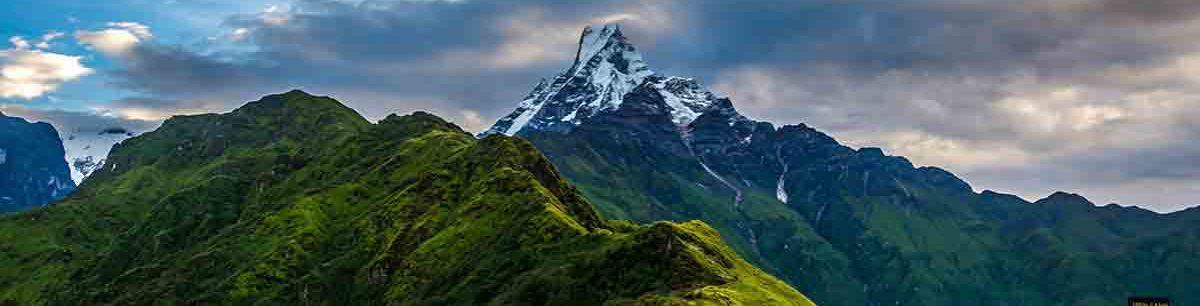

The Everest Base Camp Trek 2027 is an unforgettable Himalayan adventure that takes travelers to the base of Mount Everest (8,848.86 m), the world’s highest mountain. Located in Nepal’s Khumbu region, this iconic trek offers spectacular mountain views, traditional Sherpa villages, ancient Buddhist monasteries, and breathtaking landscapes.
Whether you are a first-time trekker or an experienced adventurer, reaching Everest Base Camp is a rewarding experience. However, proper planning is essential, particularly when considering trekking costs, transportation, accommodation, permits, and altitude acclimatization.
This guide covers everything you need to know about the Everest Base Camp Trek in 2027, including an estimated budget, a practical 14-day itinerary, the best trekking seasons, and essential preparation tips.
Everest Base Camp Trek 2027: Quick Overview
| Trekking information | Details |
| Destination | Everest Base Camp, Nepal |
| Region | Khumbu, Everest region |
| Duration | 14–16 days including Kathmandu |
| Base Camp altitude | 5,364 m |
| Highest point | Kala Patthar (5,545 m) |
| Difficulty | Moderate to challenging |
| Accommodation | Hotels and mountain teahouses |
| Transportation | Flight to Lukla |
| Best seasons | Spring and autumn |
| Trekking style | Guided trekking |
Why Choose Everest Base Camp Trek in 2027?
The Everest Base Camp Trek offers much more than an opportunity to see Mount Everest. It combines natural beauty, cultural experiences, and a rewarding physical challenge.
Some major highlights include:
- Spectacular mountain views: Enjoy breathtaking scenery of Everest, Lhotse, Nuptse, Ama Dablam, and other Himalayan peaks.
- Sherpa culture: Explore traditional villages such as Namche Bazaar, Khumjung, and Pangboche.
- Tengboche Monastery: Visit one of the most important Buddhist monasteries in the Everest region.
- Sagarmatha National Park: Experience diverse Himalayan landscapes, forests, wildlife, and glaciers.
- Everest Base Camp: Reach the famous mountaineering destination at 5,364 meters.
- Kala Patthar: Enjoy one of the finest panoramic viewpoints of Mount Everest.
Best Time for Everest Base Camp Trek 2027
The best seasons for Everest Base Camp trekking are spring and autumn, when weather conditions are generally favorable and mountain visibility is better.
Spring (March–May): Spring is one of the most popular trekking seasons. Warmer temperatures, longer daylight hours, and blooming rhododendron forests make the journey particularly enjoyable.
Autumn (September–November): Autumn offers stable weather, clear mountain views, and comfortable trekking conditions. October is especially popular among international trekkers.
Winter (December–February): Winter trekking is possible but challenging because of freezing temperatures, snow, and limited accommodation options at higher elevations.
Monsoon (June–August): Heavy rainfall, cloudy skies, slippery trails, and unpredictable flight conditions make this the least preferred season.
For 2027, March–May and September–November are the recommended periods.
Everest Base Camp Trek 2027: Complete 14-Day Itinerary
The following itinerary includes two acclimatization days to help trekkers adjust to increasing altitude. It also covers the major highlights of the Everest region.
Day 1: Arrival in Kathmandu (1,400 m)
Arrive at Tribhuvan International Airport and transfer to your hotel. Meet your trekking representative, check your equipment, and prepare for the journey.
Day 2: Fly to Lukla (2,860 m) and trek to Phakding (2,610 m)
Take an early flight to Lukla and begin trekking toward Phakding. Enjoy beautiful river valleys, suspension bridges, and traditional Sherpa settlements.
- Flight: 30–40 minutes
- Trekking: 3–4 hours
Day 3: Phakding to Namche Bazaar (3,440 m)
Follow the Dudh Koshi River, cross famous suspension bridges, and enter Sagarmatha National Park. Continue climbing toward Namche Bazaar, the main trading center of the Everest region.
– Trekking: 5–7 hours
Day 4: Acclimatization at Namche Bazaar (3,440 m)
Spend a day adjusting to the altitude. Take a short hike to Everest View Hotel or explore nearby Sherpa villages such as Khumjung before returning to Namche.
Day 5: Namche Bazaar to Tengboche (3,860 m)
Enjoy panoramic mountain views while trekking toward Tengboche. Visit the famous Tengboche Monastery and experience the spiritual atmosphere of the Khumbu region.
– Trekking: 5–6 hours
Day 6: Tengboche to Dingboche (4,410 m)
Walk through Pangboche village and continue toward Dingboche. The landscape gradually changes into an alpine environment with impressive views of Ama Dablam.
– Trekking: 5–6 hours
Day 7: Acclimatization at Dingboche (4,410 m)
Take a gradual acclimatization hike toward Nagarjun Hill. This helps prepare your body for the higher elevations ahead.
Day 8: Dingboche to Lobuche (4,910 m)
Continue through Dughla and visit the memorial area dedicated to climbers who lost their lives in the Everest region. Reach Lobuche after a challenging high-altitude walk.
– Trekking: 5–6 hours
Day 9: Lobuche to Everest Base Camp (5,364 m) via Gorak Shep (5,164 m)
Trek to Gorak Shep and continue toward Everest Base Camp along the Khumbu Glacier. Celebrate reaching the iconic destination before returning to Gorak Shep for the night.
– Trekking: 7–9 hours
Day 10: Kala Patthar (5,545 m) and trek to Pheriche (4,240 m)
Start early for the Kala Patthar hike to enjoy spectacular sunrise views of Mount Everest and surrounding peaks. Descend through Gorak Shep toward Pheriche.
– Trekking: 7–9 hours
Day 11: Pheriche to Namche Bazaar (3,440 m)
Retrace your route through Pangboche and Tengboche before reaching Namche Bazaar. Enjoy a relaxing evening after completing the highest section of the trek.
– Trekking: 6–8 hours
Day 12: Namche Bazaar to Lukla (2,860 m)
Descend through Phakding and other traditional settlements to reach Lukla. This is the final trekking day.
– Trekking: 6–8 hours
Day 13: Fly from Lukla to Kathmandu
Take a return flight to Kathmandu, subject to weather and flight operations. Transfer to your hotel and enjoy your remaining time in the city.
Day 14: Final Departure
Transfer to Tribhuvan International Airport for your international departure.
Note: An additional buffer day is strongly recommended because Lukla flights can be delayed or canceled due to weather. During some seasons, flights operate via Manthali Airport in Ramechhap, requiring an additional road transfer.
Everest Base Camp Trek Cost 2027: Complete Budget Guide
The cost of the Everest Base Camp Trek depends on group size, trekking season, accommodation, transportation, and service quality.
For 2027, a guided trek with a Nepal-based trekking company can be budgeted at approximately US$1,400–US$2,500 per person.
Estimated Everest Base Camp Trek Expenses
| Expense | Estimated cost |
| Kathmandu–Lukla round-trip flights | $450–$550 |
| Trekking permits | $40–$50 |
| Guide and porter services | $300–$500 |
| Teahouse accommodation | $100–$180 |
| Food and drinks | $250–$350 |
| Airport and road transfers | $30–$100 |
| Travel insurance | $100–$200 |
| Personal expenses | $100–$200 |
These are indicative budgeting figures, not fixed 2027 prices. Some expenses may already be included in trekking packages.
Everest Base Camp Trek Package Options
| Package type | Estimated price |
| Budget package | $1,100–$1,400 |
| Standard package | $1,400–$2,000 |
| Premium package | $2,000–$2,500+ |
A standard guided package generally provides a good balance between comfort, safety, and affordability.
Required Permits for Everest Base Camp Trek
Trekkers generally require two permits for the standard Everest Base Camp route:
- Sagarmatha National Park Entry Permit: NPR 3,000 for foreign nationals.
- Khumbu Pasang Lhamu Rural Municipality Permit: NPR 3,000 for most foreign nationals.
The combined estimated cost is NPR 6,000 per foreign trekker. Different rates may apply to SAARC nationals. Confirm the latest fees and requirements for 2027 before departure.
What Is Included in an Everest Base Camp Trek Package?
Most standard guided trekking packages include:
- Airport transfers in Kathmandu.
- Domestic flights to and from Lukla, subject to the package.
- Experienced trekking guide.
- Porter services according to the agreed arrangement.
- Required trekking permits.
- Teahouse accommodation during trekking.
- Meals during trekking, depending on the package.
- Basic trekking logistics and support.
Common exclusions:
- International airfare and Nepal visa fees.
- Personal trekking equipment.
- Travel insurance and emergency helicopter evacuation.
- Personal expenses, snacks, and beverages.
- Tips for guides and porters.
- Additional accommodation and transportation caused by flight delays.
Always check package inclusions before booking.
Difficulty Level and Physical Preparation
The Everest Base Camp Trek is considered moderate to challenging because of its high altitude, long walking days, and changing weather conditions. Technical climbing experience is not required, but good physical fitness is essential.
Trekkers should begin preparing at least 8–12 weeks before departure. Regular hiking, walking, cycling, stair climbing, and cardiovascular exercises can improve endurance.
Acclimatization is particularly important at Namche Bazaar and Dingboche. Watch for altitude sickness symptoms such as headaches, nausea, dizziness, and unusual fatigue. Inform your guide immediately if symptoms develop, and descend if necessary.
Essential Packing List for Everest Base Camp Trek
Pack suitable clothing and equipment for cold temperatures and changing mountain conditions.
- Waterproof trekking jacket and trousers.
- Warm down jacket and fleece layers.
- Thermal clothing and trekking pants.
- Waterproof trekking boots.
- Warm gloves, hats, and woolen socks.
- Sleeping bag suitable for sub-zero temperatures.
- Backpack and duffel bag.
- Trekking poles and headlamp.
- Sunglasses and sunscreen.
- Personal medication and first-aid supplies.
- Water bottles and purification tablets.
- Power bank and personal toiletries.
Many trekking items are available for rent or purchase in Kathmandu.
Important Tips for Everest Base Camp Trek 2027
- Book early: Spring and autumn are busy trekking seasons, so arrange flights and accommodation in advance.
- Choose an experienced trekking company: Verify registration, guide qualifications, safety arrangements, and package inclusions.
- Purchase suitable insurance: Ensure your policy covers high-altitude trekking above 5,500 meters and emergency helicopter evacuation.
- Carry sufficient cash: ATMs and card facilities are limited in the mountain villages.
- Keep a buffer day: Weather-related flight delays are common around Lukla.
- Stay hydrated: Drink sufficient water and maintain regular meals.
- Respect local culture: Follow monastery customs, respect local communities, and avoid littering.
Frequently Asked Questions (FAQs)
1. How much does Everest Base Camp Trek cost in 2027?
A guided trek generally costs approximately US$1,400–US$2,500 per person, depending on services, group size, and transportation arrangements.
2. How many days are needed for Everest Base Camp Trek?
Most itineraries require 12–14 days for the trekking journey. Including Kathmandu arrival and departure, plan approximately 14–16 days, plus a possible buffer day.
3. What is the highest altitude of the Everest Base Camp Trek?
Everest Base Camp is at 5,364 meters, while Kala Patthar reaches approximately 5,545 meters.
4. Is Everest Base Camp Trek suitable for beginners?
Yes. Beginners with reasonable fitness and proper preparation can complete the trek. However, acclimatization and a gradual walking schedule are essential.
5. What is the best month for Everest Base Camp Trek?
April and October are among the most popular months because of generally favorable weather and excellent mountain visibility.
6. Do I need a guide for Everest Base Camp Trek?
Trekking regulations and enforcement in the Everest region have been subject to differing interpretations. Confirm the current requirements with the Khumbu local authorities and a registered trekking company before traveling. A professional guide is strongly recommended.
7. Is travel insurance necessary?
Yes. Comprehensive insurance covering high-altitude trekking, medical treatment, and emergency helicopter evacuation is strongly recommended.
Final Thoughts
The Everest Base Camp Trek 2027 is an incredible opportunity to explore Nepal’s Himalayan beauty, experience Sherpa culture, and reach the base of the world’s highest mountain. With proper physical preparation, a suitable itinerary, adequate acclimatization, and reliable trekking arrangements, this adventure can become one of the most memorable experiences of your life.
Planning early will help you manage costs, secure transportation, and choose the right trekking package. Whether you prefer a budget-friendly adventure or a comfortable guided experience, the Everest region offers an unforgettable journey for every mountain enthusiast.