Filming in Nepal: Permits, Cost and Procedure

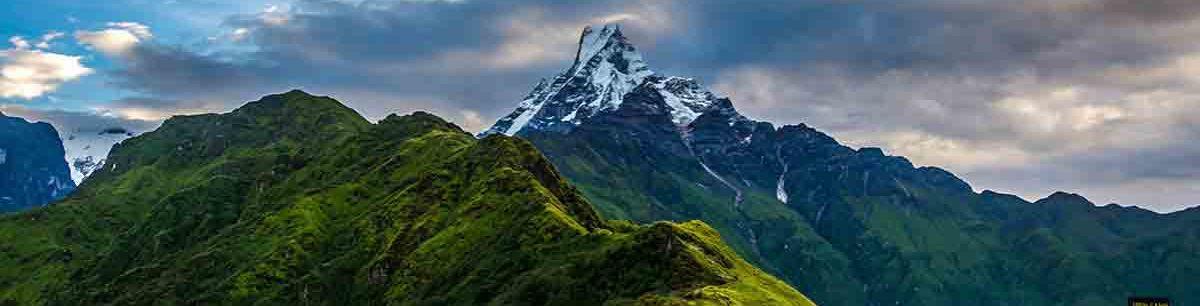
Nepal is the greatest destination for filming and documentaries for those seeking spectacular natural beauty, incredible landscapes, culture, heritage, tradition, faiths, historical, endangered people’s habitat, bio-diversity, wildlife, outdoor activities, and many other things. Filming in Nepal is becoming a popular destination for filmmakers from all over the world. Nepal’s stunning scenery, beautiful flora and fauna, and magical cultural history have drawn a large number of tourists and film crews from all over the world. This country, blessed with dramatic scenery, magnificent hills and beautiful mountains, abundant bio-diversity, and unspoiled water resources, may be described as a real-life enormous studio built by nature herself. 

It’s no surprise that Nepal has become a tremendous source of inspiration and a popular destination for both amateur and professional filmmakers from all over the world, thanks to its spectacular mountain scenery and diverse cultures. Any filming production in the country, however, must obtain a filming permit. Many filmmakers are put off by the lengthy and bureaucratic process when it comes to this. Below you may find a complete guide on how to obtain permit and required documents to do so:

Procedure to obtain Filming Permit in Nepal:

It is important to remember that if you are a foreign individual or company, you will not be able to apply for the permission on your own. It must be done through a local corporation, according to Nepalese law. As a result, the first step is to hire a local company to act as your formal representative during the entire permit application and shooting procedure. It is required that your plan for starting principal photography in various locations be approved by the local department. If you wish to shoot in World Heritage Sites, for example, you’ll require permission from the Department of Archaeology. To film in National Parks, separate letters of consent are required. Certain fees/charges can be expected depending on the various sites and the rules enforced by their individual regulating agencies. Before reaching the desk of the Ministry of Information and Communication, which will make the ultimate decision, all essential documentation must be provided to several administrative organizations.

Documents Required for Obtaining a Filming Permit:

Even if you’ve hired a local company to handle all of the paperwork for you, it’s a good idea to know what kinds of documents are required so you can help them out when they need it and speed up the process. The following documents are required:

  • A letter from the filmmaker naming a local organization as your coordinator/representative.
  • A letter to the Ministry of Information and Communications from your local agency
  • A postal stamp on an application form cost of Rs.50
  • A summary of the film
  • List of music used in the film (If you are using music)
  • A list of the crew members, together with their passport information
  • Crew members’ arrival tickets
  • Accommodation reservation for crew members
  • A detailed itinerary for filming in Nepal, including particular dates and places.
  • A list of filming equipment, along with their price (For custom clearance purpose)
  • If you’re filming in one of Nepal’s four World Heritage Sites, you’ll need permission from the Department of Archaeology: Kathmandu Valley (which includes seven individual sites: Pashupatinath Temple, Swoyambhunath Stupa, Bouddhanath Stupa, Kathmandu Durbar Square, Patan Durbar Square, Bhaktapur Durbar Square, and Changu Narayan Temple); Lumbini; Chitwan National Park
  • Approval issued by Department of Wildlife Conservation for filming in any Conservation Area
  • Approval issued by Ministry of Culture Tourism & Civil Aviation for filming in Upper Mustang and Upper Dolpo, which costs USD 5000 in each area
  • Approval issued by Lumbini Development Fund for filming in Kapilvastu and in Lumbini

Once you’ve completed all of the necessary paperwork. They should be submitted to the Ministry of Information and Communication, where they will be held until a permit is granted. You can now legally film in Nepal once the permit has been issued, but only under the supervision of a liaison officer assigned by the Ministry of Information and Communication. This officer will oversee the film crew’s filming activities to ensure that they do not have a harmful influence on the environment or the community. He or she has the discretion to halt shooting in the event of any law violations or activities deemed detrimental to the country. Furthermore, the filmmaker is responsible for the officer’s expenditures, which include a daily allowance, insurance, travel, meals, and lodging.

Conditions for obtaining a filming permit in Nepal:

Here are a few things to remember about the filming permit in Nepal, according to the Motion Picture Rules (Production, Exhibition, and Distribution 2057 B.S.):

  • The filming permit remains valid for one year only
  • License for feature film will remain valid for three years
  • Life insurance for the liaison officer should cover at a minimum of NPR 300,000
  • In case of accidents and the liaison officer is injured, an amount of up to NPR 200,000 is expected to be paid to him or her as a compensation
  • Foreign film producers who plan a public screening should seek prior permission from the nearest Nepali Embassy with a royalty of NPR 150,000.
  • Foreign film producers should submit a free copy of their production to Ministry of Information and Communication
  • The liaison officer should be present during the shooting
  • For shooting in mountain regions, necessary clothes and medical facilities should be provided to the Liaison Officer including any air transportation cost

What is the cost of obtaining a filming permit in Nepal?

In comparison to many other filming locations across the world, Nepal is a far more affordable option. To film in Nepal, the producers will need to pay around 15,000 NPR just to get a filming permit, without including the amount imposed by the contracted local agency. Depending on the sort of project, the filming permit could last anywhere from one to three years. In addition, the liaison officers should have access to the same amenities as the crew.

How to Get a Permit for UAV Filming in Nepal?

Because of Nepal’s gorgeous but difficult landscape, filming in the country is typically a herculean undertaking requiring a great deal of time, effort, and resources. Drone filming with UAVs (Unmanned Aerial Vehicles) is a good alternative at times like these. The regulations that apply to UAV filming are significantly different, as detailed below. This permit is available under two conditions:

  • You have had your filming permit (with procedures and cost explained above)
  • You have a UAV pilot license

If your UAV weighs less than 2kg, the good news is that you don’t need a permit to fly it on private land. Anything that does not fall under this category would require a special permission to fly. Otherwise, you’ll have to pay a hefty fine.

Documents required for UAV filming permit in Nepal:

Your agency will assist in the preparation of the following documents, which will be submitted for permit clearance to the Ministry of Information and Communication:

  • Filming permit
  • Approval from Ministry of Information and Culture
  • Approval from Ministry of Culture, Tourism and Civil Aviation
  • Approval from Defence Ministry
  • Approval from Home Ministry
  • Approval from other ministry and department if involved
  • Approval from Civil Aviation Authority of Nepal (CAAN)
  • UAV Pilot License of the drone operator
  • Passport and Valid Visa of the drone operator
  • A clear map of the flying area including latitude and longitude
  • Specifications of the UAV
  • Letter of commitment to fly within the conditions outlined in point 3 of UAV Flying Work Procedure 2072 BS
  • An itinerary mentioning dates, time and places of the filming activities

How long does it take to obtain the filming permit?

It takes 2 to 14 days to get a normal filming permission. In rare circumstances, obtaining a UAV permit can take much longer.

Some Basic Rules to Follow While Filming with A Drone in Nepal:

You may not use your drone to carry, transport, or drop anything.

Drones are not permitted to be flown in or near critical places such as airports, military bases, archaeological sites, government/administrative offices, and so on.

The horizontal distance between the operator and the UAV should not exceed 300 meters.

The UAV’s endurance should not exceed 15 minutes.

The operator shall be held liable for any injuries or property damage caused by his drone, and he should avoid recording on private property. A breach of privacy is frowned upon.

Drones should not be operated in inclement weather since they might cause damage and injury.

*Any breach of the Ministry of Information and Communication’s and CAAN’s laws and rules while regular/drone filming may result in severe legal consequences.

Feel Free To Contact Us.

Pilgrimage Tour in Nepal

Nepal pilgrimage tour is an amazing tour for individuals interested in visiting Nepal temples, monasteries, and stupas. Pilgrimage tours in Nepal take you on a religious journey through Nepal, allowing you to learn about Hindu, Buddhist, and other religions. Nepal is a major spiritual destination in the world, with a diversity of temples, monasteries, and stupas dedicated to various gods and goddesses. Pilgrimage tours in Nepal are a unique and amazing opportunity to learn about various religions, as well as to learn about ethnicity, culture, and religions, cultural and religious monuments and heritages, ancient arts and architectures, stone sculptures carved in and around temples and monasteries, and various stories to tell.

Distinct religious groups have varied religious sites—monasteries, temples, mosques, churches, and other types of buildings—and different religious devotees are staying in Nepal, making it a great melting pot. Nepal, which was originally entirely a Hindu state, was declared a secular country in 2008 in order to accommodate these various religious groups. As previously stated, each religious group has its own set of praying spots that are unique and interesting to visit. Each of their pilgrimage sites has a story to tell because each is linked to a mythology or belief that extols the deity’s extraordinary powers. Occasionally, different religious groups will gather at the same pilgrimage spot to pray. For example, Kathmandu is not only Nepal’s capital city, but also the capital city of temples, monasteries, and religious sites, since every step you take leads to another temple, and every day there is a festival.

Major Highlights of the Nepal Pilgrimage Tour:

  • Get a feel for what it’s like to travel in Nepal.
  • Explore the beauty of the Himalayan Kingdom
  • Get a glimpse of the sky-touching peaks
  • Take a walking tour of some of the most important Hindu and Buddhist religious sites in the city.
  • Learn about the people’s various cultures and traditions.
  • Get blessings from the most sacred temples in Nepal, such as Pashupatinath, Muktinath, and Swayambhunath.
  • Enjoy the nature spectacle while learning about religion.

Top 10 Pilgrimage Tour in Nepal:

The top ten pilgrimage tours in Nepal are listed below. The excursions listed below do not represent the entirety of Nepal. There are many other places to visit, but we’ve attempted to include only the most popular ones here.

Tour to Pashupatinath Temple:

Pashupatinath Temple, Hinduism’s most sacred temple, is a national religious treasure. The temple is a must-see destination in Kathmandu, the nation’s capital. Pashupatinath, dedicated to Lord Shiva, the most lethal Hindu god, attracts pilgrims from all over the world. The sacred temple is included as a UNESCO World Heritage Site. The temple itself is regarded as the world’s best Pagoda-style structure. The temple is thought to have been established about the 5th century after the discovery of Shiva Lingam. Around this temple region, there are roughly a thousand Shiva Lingas. People from all backgrounds of life come to this temple to be blessed.

Tour to Muktinath Temple:

The temple we’re discussing is yet another important pilgrimage place. Muktinath Temple is important to both Hindus and Buddhists and is located in the barren hills of Nepal’s Mustang district. With a height of 3,800 meters, the temple is also one of the highest. It’s also a part of the Annapurna Circuit Trek, the world’s most famous trekking circuit. Thousands of people flock to this temple in order to attain their deepest desires and get “Mukti.” For Hindus, the shrine is one of the Shakti Peethas, and they believe that a piece of Sati Devi’s body fell here. There is also a notion that bathing in the temple’s ponds and water taps (108 taps) will cleanse you of all your sins.

Tour to Lumbini:

The birthplace of Siddhartha Gautama (Lord Buddha), who introduced Buddhism to the world, is located here. For Buddhist pilgrimages, this is the site to go once in a lifetime. The location is in Nepal’s lowlands, some 282 kilometers southwest of Kathmandu. Different countries have built Buddhist gompas, temples, shrines, and stupas in varied styles. The Maya Devi Temple and its sacred lake and park, however, are the principal attractions of the area. The temple is dedicated to Gautama Buddha’s mother, and it is thought that the temple is where Buddha was born. During your tour of this temple, you will come across the historical monuments buildings from the past. The atmosphere is very quiet, relaxing, and mindfulness-oriented.

Tour to Gosaikunda:

Gosaikunda Lake is a well-known lake in Nepal. The lake is a popular tourist destination as well as a place of pilgrimage. Thousands of travelers come to this location each year to fulfill their desires. The location is in the hillocks of Nepal’s Northern Hills. Lord Shiva is said to have created this lake by hurling his trident into the hill to cool his fiery throat after swallowing poison. The remains of the Shiva memorial are thought to be a massive rock in the middle of the lake. Another fascinating aspect about this lake is that its water is retrieved through an underground passage and flows directly into Patan’s Kumbeshwar Pool.

Tour to Manakamana Temple:

If you ask someone about the must-see places in Nepal on a pilgrimage tour, they will almost certainly name Manakamana Temple. It is 105 kilometers west of Kathmandu, at the top of a hill at an elevation of 1300 meters. “Manakamana” is a two-word phrase in which “Mana” signifies heart and “Kamana” means wish. This temple dedicated to the Hindu goddess Bhagwati is said to be the most powerful in the world. Coming to this temple with a pure heart and worshipping here is said to grant wishes. The temple is one of Nepal’s most popular tourist attractions. Every year, Hindus from across the border come to worship for their wishes.

Tour to Swayambhunath Stupa:

Swayambhunath Stupa, often known as the Monkey Temple, is a famous pilgrimage destination in Nepal. It’s also a world heritage site, according to UNESCO. The temple, which is located in Nepal’s capital city, attracts many pilgrims from all over the world. The stupa is one of Nepal’s oldest of its sort. The stupa was constructed in the 13th century and has since become an important Buddhist pilgrimage site. The Gold-plated Vajra, Buddha Statue, The Sleeping Buddha, The Dewa Dharma Monastery, and Harati Temple are just a few of the major landmarks in the Swayambhunath Stupa area.

Tour to Boudhanath Stupa:

Another prominent Buddhist stupa in Kathmandu is this one. UNESCO has also designated the stupa as a World Heritage Site. The monument, which has a Mandala design built into it, is one of the most beautiful sights you’ll ever see in Nepal. The stupa was constructed in the 14th century and has since become a Tibetan Buddhist center. People have come here in the past to be inspired through meditation and Buddhist pilgrimage visits. This stupa’s design is very appealing. On all four sides, it has four eyes as a representation of Buddha’s eyes. Three enormous platforms are piled in the stupa. Each detail of this structure has a real-world application.

Tour to Namobuddha:

A popular pilgrimage tour in Nepal is the Namo Buddha Tour, which you should probably take. Thrangu Tashi Yangtse Monastery (Tibetan Monastery) is a Buddhist pilgrimage site in Nepal that is also one of the world’s holiest. It is claimed that Buddha, in a previous existence as a prince, surrendered his body to a famished tigress and her cubs around 6,000 years ago. The ruler’s remains were returned to town and interred in the tomb that currently houses the actual Namo Buddha stupa. It is also said that Gautam Buddha eventually called this location Namo Buddha, which means “honoring Buddha.”

Tour to Halesi Temple:

Halesi Mahadev is one of Nepal’s most renowned pilgrimage destinations. The temple lies 215 kilometers east of Kathmandu. Halesi Mahadev is a Hindu, Buddhist, and Kirant pilgrimage site. This temple is unique in that it is located on top of a little hilltop within the cave. The Statue of Lord Shiva can be found inside the cave. Pashupatinath Temple of Eastern Nepal is another name for the temple. Lord Shiva is said to have utilized this cave to hide from demons. At Halesi, Buddhist ascetics such as Guru Rimpoche and Padmasambhava discovered salvation meditation and achieved immortality. This is why the Hindu and Buddhist Pilgrimage from all around the world visit here.

Tour to Doleshwor Temple:

Shrawan is a holy month that falls during the monsoon season (July-August), during which devotees pay special attention to the shrines of Lord Shiva, the supreme God. One of the most prominent Hindu pilgrimages is Doleshwar Mahadev Temple, which is located in Bhaktapur, about 20 kilometers from the capital. After leaving the Araniko Highway, one must drive or trek to the temple, which is known as the head of the Kedarnath temple in Uttarakhand, India. The ride up to the temple is made quite enjoyable by the beautiful green vegetation, the uphill and downhill route, and the spectacular view of historic Bhaktapur city. For Hindus or Lord Shiva worshippers, visiting this Shiva temple and offering milk and bel leaves to Lord Shiva is an important tradition. The location, which was previously undiscovered for thousands of years, can now be referred to as a hidden gem. It is a tremendous opportunity for devotees to visit this sacred place and be blessed for a lifetime, thanks to Lord Shiva’s blessing.

Tour to Pathibhara Temple:

Pathivara temple, located at 3,750 meters in eastern Nepal, is the most famous pilgrimage place and vantage point. Hindus and Buddhists both worship the animist goddess of the ancient Limbus. Pathivara temple is situated in the foothills of Kanchanjunga, the world’s third tallest peak. Pathivara Devi shrine is a renowned pilgrimage site where devotees believe she can fulfill their long-held wishes. The Goddess of Pathibhara is said to provide her devotees’ long-cherished wishes, such as sons for those without sons and wealth for the destitute. Pathivara Devi is one of the ‘Shakti peeths,’ or sacred sites. During major occasions, worshippers from all across Nepal and India flock to the shrine. Members of the Nepalese royal family are among Pathibhara’s worshippers. Pathibhara Devi is worshipped by pilgrims who sacrifice animals and bring gold and silver as sacrifices.

Feel Free To Contact Us.

Muktinath Tour: History, Travel Guide, and Tour Packages

Muktinath Tour is a very popular pilgrimage tour in Nepal’s Annapurna Conservation Area, and is one of the most well-known Nepalese tour packages among Hindus and Buddhists. Muktinath Temple, located at an elevation of 13,000 feet above sea level in Mustang district, is also known as Mukti Chhetra, or “abode of redemption” among Hindus. Buddhists revere the god as one of the Bodhisattvas, while Hindus revere it as Mukti Kshetra. Devotees can take a brief bath in one of the 108 sacred water spouts that flow with extremely cold water. The temple of Jwala Mai, or the Goddess of Flame, sits nearby, with its incredible underground blue flame. There are numerous important places to visit in the Muktinath area. Pilgrims can witness the world’s deepest gorge, the Kaligandaki Gorge, as well as scenic Jomsom City, Marpha’s Apple Garden, and the sacred kagbeni River, which contains the shaligram stone, the physical personification of Lord Vishnu. Similarly, there are countless temples and stupas along the path where visitors can take in the local culture and traditions.

“Muktinath Tour is very popular among the hindus living all around the world especially from india, Hindus from indian cities like Chennai, Bangalore, Gorakhpur, kolkata and delhi are frequent visitors.”

Places to visit in Muktinath:

  • Muktinath Temple
  • 108 holy taps
  • Two holy pond in front of the temple
  • Jwalamai temple by Hindu and named Dhola Mebar Gompa by Buddhist
  • Mharme Lhakhang Gompa to the north of the main temple
  • Sangdo Gompa, left from the entrance gate of Muktinath complex 
  • Biggest Buddhist Statue recently built ahead of Jwalamukhi temple 
  • Ranipauwa village and monasteries built in this place

Muktinath tour: Climate and Season:

Muktinath is located in the Mustang district’s Bhote region, which enjoys an alpine climate. During the winter, the weather fluctuates from mildly warm to bitterly cold. Throughout the year, the temperature in this location varies. Muktinath is accessible all year, but the season can be classified as follows based on how easy it is to visit:

Autumn: The greatest time to visit Muktinath is in the autumn. There are a number of festivals taking place throughout these months, and as a holy location, it is safe to assume that the trail will be packed with pilgrims and visitors. In the autumn, the temperature fluctuates from 14 to 18 degrees Celsius. The environment will be perfectly clean due to the modest trail walk and monsoon rain cleaning all pollution, and the blue sky with snowcapped mountains will make your visit worthwhile and memorable.

Spring:  The best time to visit this shrine is in the spring. Temperatures range from 8 to 16 degrees Celsius, and the mild temperature makes this a second-best time to visit. The surroundings is lushly green, with a bluish bright sky and gorgeous wild flowers abound, including rhododendrons, the national flower, giving this region an utter touch of heaven at this time. The craggy mountain peaks are buried in snow, while clear and raging water runs through the many rivers along the way, making the trip worthwhile.

Summer: Summer is also a good time to visit Muktinath. The temperature fluctuates from 14 to 18 degrees Celsius. Despite the fact that it is rainy season, the trip to Muktinath can be both beautiful and adventurous. However, due to landslides, traveling to Muktinath by road might be challenging at times. Similarly, weather conditions can cause airline services to be canceled. However, the trip to Muktinath after rain can be very beautiful and memorable, as visitors can see lush green hills, snowcapped mountains, and a brilliant blue sky.

Winter: The winter season is more difficult to visit, although it is still possible to get there by plane. The routes will be coated with snow, and the temperature will range from -8 to 4 degrees Celsius. During the winter in Nepal, treks up to 3500 meters are possible, thus a Heli tour to Muktinath Temple is an option. As a result, this journey might be included as part of a luxury package to see the temple.

Special days in Muktinath:

Throughout the year, this location is very active. There are several specific days set aside for Hindus and Buddhists to pray. The Hindu festivals of Rishi Tarpani (Janai Purnima), Ram Navami, and Vijaya Dashami (Dashain) attract large throngs of Hindu pilgrims. Lhosar, Toranla, Bak chhap (Lama Dance festival), and Yartung, all held in August/September, are important days for Buddhists to assemble believers and offer special prayers.

Mythology of Muktinath Temple:

  1. According to legend, Guru Rinpoche, the founder of Tibetan Buddhism, meditated at this location while traveling to Tibet and gained lifetime spiritual wisdom. The origins of this narrative can be traced back to the 12th century.
  2. Another intriguing story about the origins of Muktinath is that, according to popular Hindu mythology, there was a battle between Lord Shiva and Jalandhar, a great demon king. Jalandhar, being evil-minded, overstepped his bounds and assaulted Kailash in order to obtain goddess Parvati. Later, he changed himself into Lord Shiva using his strength, but he couldn’t deceive goddess Parvati because she recognized it wasn’t her husband. Soon after, the gods devised a plan to disperse the immense evil, and Lord Vishnu cloned himself as Jalandhar and traveled to Vrinda (Jalandhar’s Wife). She mistook Lord Vishnu for Jalandhar since she couldn’t recognize him. Lord Shiva destroyed the demon in the meantime since she had lost her devotion. Vrinda later discovered the truth and cursed Lord Vishnu to spend the rest of his life as a shila, which is how Muktinath was formed and Lord Vishnu began to be worshipped there.
  3. The death of sati, Lord Shiva’s first wife, is another well-known mythology surrounding the genesis of Muktinath. Lord Shiva, according to the swasthani brata katha, carried the body of sati with him and travelled through several regions. While he was travelling, her bodily parts dropped to various locations, and wherever they fell, the location became known as a shakti peeth, with Muktinath being one of them. It is said that her face (called mukh in sanskrit) fell down at Muktinath, and that this is how Muktinath earned its name.

Accommodation and foods in Muktinath Tour:

There are many hotels, restaurants, and guest rooms in Ranipauwa village, which is located below the Muktinath temple. Simple guesthouses, medium-range hotels, and high-quality hotels are all available. There is now a 3-star hotel on the premises. Ordinary hotels and guest houses charge between 600 and 1500 Nepali rupees for a room.

Muktinath Tour: Requirements and Permits:

Visitors must pay a permit fee to visit Muktinath, which is located within the Annapurna conservation area. Trekking in the Annapurna Conservation Area requires an ACAP and TIMS permit. The permit costs per person are mentioned below.

ACAP PERMIT COST:

NRs. 3000 for foreign National

NRs. 1000 for SAARC National

NRs. 100 for Nepali National

TIMS PERMIT COST:

NRs. 1000 for foreign National

NRs. 300 for SAARC National

No TIMS FOR NEPALI National

Required Documents:  Your passport information, vacation itinerary, and two recent passport-sized photos.

Feel Free To Contact Us.

How to spend 5 Days in Nepal

Nepal varies in elevation from very high mountains to jungle-covered plains, making it difficult to travel swiftly around the nation despite its small size. If visiting Nepal is on your bucket list but you don’t have much time, don’t worry; the geographically dynamic Himalayan country may be explored in as little as 5 days. There are numerous activities available in Nepal. You can choose from a variety of treks and trips, from the most expensive to the most affordable. Explore the famous Katmandu and Pokhara Valleys, hike in the Annapurna region, fly to the Everest range, go on animal adventures in Chitwan and Bardiya, and participate in multisport adventure experiences such as paragliding and rafting.

Nepal is a small country with a lot of outstanding sights, and the rich culture and landscape will make you want to stay for much longer than five days. If you only have a limited amount of time, here are some suggestions for making the most of your visit to one of the last Himalayan kingdoms. The Best Itinerary for your 5 Days in Nepal is as follows:

Kathmandu and Pokhara Sightseeing:

This five-day tour plan is perfect for visitors interested in learning about Nepal’s historic Hindu and Buddhist traditions. Visit UNESCO World Heritage Sites in Kathmandu before flying to Pokhara, a picturesque lakeside city. This journey blends culture and history with some of the best views of the country’s most beautiful mountains and lakes. The journey begins with a visit to Kathmandu’s famed Buddhist shrine, Swayambhunath. Visit the Kathmandu and Bhaktapur Durbar Squares to learn about the rich heritage and history of Nepal’s unification. The next day, take a picturesque flight to Pokhara, the city of lakes, and meander around the Phewa lakeshore. The World Peace Pagoda and a thrilling paragliding ride in the blue sky from the Sarangkot Hill’s perspective are probably the highlights of the tour. A picturesque flight back to Kathmandu brings the tour to an end.

Ghandruk Village Trek:

Ghandruk Village Trek is one of Nepal’s top short treks for hikers looking to explore the Himalayan terrain near to Pokhara in about 5 days. The journey brings you to Ghandruk, one of the most famous towns in the Annapurna foothills, from which you can see Annapurna and Machhapuchre in all their glory. When you arrive in Kathmandu, go on a historical walk to see some of the city’s most famous religious sites. Then travel to Pokhara, where the hike to Pothana begins through Dhampus village’s Gurung settlement. The walk continues from the little town of Pothana to the Gurung Village of Ghandruk via the villages of Tolkha and Landruk. The hike to Nayapul passes through rice fields while taking in the Himalayan scenery. Drive to Pokhara and then fly to Kathmandu.

Ghorepani Poon Hill Short Trek:

Ghorepani Poon Hill Short Trek is a fast-paced trek through the Annapurna region’s foothills near Pokhara that leads to Poon Hill Station, which is surrounded by clouds. The short walk begins with a picturesque flight to Pokhara, followed by a drive to Nayapul, where the hike to Ulleri village begins. The walk then continues to Ghorepani village, where a short hike leads to Poon Hill Station, which offers spectacular views of the Annapurna Massif. Continue to Tadapani, then to Ghandruk, a Gurung settlement, before driving to Pokhara. The aircraft will take you to Kathmandu, where you will board your final journey.

Annapurna Panorama Village Trek:

Traveling to traditional communities in the Annapurna foothills is the greatest way to explore true Nepal in 5 days. The Annapurna Panorama Village Trek gives you the opportunity to engage with the residents in ethnic villages nestled in the hillsides, with views of the Annapurna Region. When you arrive in Nepal, take a stroll through the city’s cultural heritage sites. After a magnificent flight to Pokhara, a short drive takes you to the Brahmin settlements in Astam village. The trip then continues to Dhampus village, which is home to the Gurung community. The trip then continues to Majgaon village, where you will get the opportunity to connect with the local Chhetri and Gurung people. The following day’s hike will take you to Kande, after which you’ll drive back to Pokhara for an evening adventure along the Phewa Lakeside. The short 5-day trip in Nepal comes to an end with a picturesque flight from Pokhara to Kathmandu.

Central Nepal Multi-Sport Adventure:

On this multi-sport journey in central Nepal, adventurous tourists won’t lose out on some of Nepal’s top outdoor activities owing to a lack of time. From Kathmandu and Pokhara, try trekking, rafting, and paragliding. When you arrive in Kathmandu, you will be greeted at the airport. Spend the evening, depending on your arrival time, visiting the Thamel area and eating your first dal bhat for dinner. On the second day, leave Kathmandu for Pokhara after breakfast. Much of the drive follows the Trishuli River, and after a couple of hours of driving, you’ll stop for some white-water rafting excitement. The Trishuli features some decent medium-sized rapids, making it appropriate for beginners, but if you’d rather relax at a riverside lodge, you may skip the rafting. Continue to Pokhara, where you may see the sunset from the lakeside. On day three, there will be even more adventures. You’ll be transported up to Sarangkot Hill in the morning, which is the starting point (literally!) for paragliding above Pokhara. On a tandem flight with an instructor, take in the breathtaking mountain and lake vistas. Drive to Kande in the afternoon to begin your trip to the Australian Camp. Along the trip, you’ll get some spectacular vistas of the Annapurna Himalaya. The following day, travel from the Australian Camp to Dhampus Village and then to Phedi. At Phedi, your driver will be waiting for you. Return to Pokhara and spend the rest of the day exploring: get a post-trek massage or go for a lake paddle. On day five, take an early flight back to Kathmandu, from where you can depart Nepal or spend some time seeing the capital.

Tour to Chitwan National Park:

While many visitors associate Nepal with mountain peaks, those in the know recognize that the country also has magnificent forest national parks to visit. In the Chitwan National Park, spend five days in Nepal getting up close and personal with rhinoceros, elephants, and other magnificent creatures. Check out a handful of the city’s cultural sites after you arrive in Kathmandu, depending on how much time you have. Because of their central location, the Kathmandu Durbar Square and Swayambhunath Stupa are excellent choices. On the second day, fly to Chitwan (or, more precisely, Bharatpur, approximately an hour’s drive from the Chitwan National Park). Set up your cozy lodging with a view of the Rapti River. On the third day, go on a day of safari activities with an expert naturalist. You have a good possibility of spotting rhinoceros, deer, gharial crocodiles, and a variety of birds if you tour the park in a Jeep and on foot. Enjoy a relaxing boat journey down the Rapti and Narayani Rivers to the Tiger Tops Tharu Lodge, located in a different region of Chitwan, on day four. Relax at the resort or go on a walk through the Tharu village to discover more about the local culture. If you want to cool off in the evening, take a bullock cart ride. On day five, take a short flight from Bharatpur to Kathmandu or go overland (5-6 hours) if you want.

Namche Trek & Everest Base Camp Helicopter Tour:

Although a five-day Namche Trip and Helicopter Tour will not allow you to complete the full Everest Base Camp trek, it will allow you to see the highlights of the Everest region. Trek the first couple of days of the EBC itinerary, then take a helicopter trip the rest of the way. Spend some time getting to know the city, depending on when you arrive in Kathmandu. Because of their prominent location, Kathmandu Durbar Square and Swayambhunath Stupa are good destinations to visit for newcomers. On day two, begin your mountain adventure with an early morning flight to Lukla, the Everest region’s gateway. On your first day, trek to Phakding along the Dudh Koshi River for 3-4 hours. On day three, climb from Phakding to Namche Bazaar to get a taste of the Everest Base Camp trail. The journey is strenuous at times, but you’ll get your first look of Everest through a clearing in the forest and pass one of Nepal’s longest and highest suspension bridges along the way. After arriving, spend some time visiting Namche, which is the bustling heartland of Sherpa culture. While you won’t be able to walk all the way to the summit of Everest (this time!), you can take a helicopter tour to the base of the world’s highest mountain on day four. Ama Dablam, Thamserku, Kantega, Lhotse, Nuptse, and Everest herself are all visible. Stop at Base Camp for breathtaking vistas, but don’t stay too long because you’ll start to feel the effects of the altitude. After your tour, return all the way to Kathmandu to relax, receive a post-trek massage, shop, or do some last-minute sightseeing. On the fifth day, depart Kathmandu with some wonderful memories from your five-day tour.

In the End:

The treks and tours indicated above are ideal for travellers who only have 5 days in Nepal for their vacation. However, keep in mind that these 5-day trip and trek itineraries are not set in stone and can be tailored to your specific needs. If you’re looking for a custom Nepal travel plan or have any questions, please contact us for advice and trip management from our experts.

Feel Free To Contact Us.

Climate and Weather in Nepal

Nepal is unquestionably a naturally beautiful nation with lovely weather all year. Seasons in Nepal are split into five weather zones due to its geographical diversity: tropical, tropical zone, temperate zone, cold zone, sub artic zone, and arctic zone. Nepal’s climatic conditions differ from one location to the next due to topographical factors. Summers in the north are cold, and winters are severe, whilst summers in the south are tropical, and winters are moderate. Spring, summer, monsoon, autumn, and winter are the five major seasons in Nepal. For every 1,000 meters gained in altitude, the average temperature drops by 6°C. Summer temperatures in the Terai reach 37° C and more in some regions, while winter temperatures range from 7°C to 23°C. Summers in mountainous regions are mild, with cool hills and valleys, but winter temperatures can drop below zero. The climate of the Kathmandu valley is pleasant, with average summer and winter temperatures of 19°C–35°C and 2°C–12°C, respectively.

Autumn (September, October-November) and spring Nepal (March, April and May) are the best seasons for trekking in. Short treks and certain Tea House treks are also possible in the winter and summer. While trekking, you must be prepared for rapid weather changes. As a result, hiking equipment should be carefully selected prior to the journey. Sudden rainstorms or snowfall are always a risk that must be taken into account. During the trekking season, the weather is a little more predictable.

The four seasons of Nepal are depicted below:

Spring (March-May):

Nepal’s spring season, also known as the Pre-Monsoon season, begins in March and lasts till May. In various sections of the country, you can witness a wide variety of flowers blossoming during this season, including the national flower Rhododendron, magnolia, and other wildflowers. The months of March and April are regarded the second-best trekking months in Nepal. Because high passes are normally snow-free at that time of year, and the mountain views are still clear in April. Spring in Nepal is known for its changeable weather, with mild days and nights and temperatures that are neither too hot nor too cold.

Summer (June-August):

Summer is also Nepal’s monsoon season. In Nepal, the summer season begins in June and lasts through August. During the summer, it almost always rains, with the exception of a few thunderstorms. In some parts of Nepal, excessive rainfall during the summer can also create landslides. The temperature ranges from 20 to 35 degrees. The Terai and hilly regions, on the other hand, receive substantially greater temperatures due to the searing sun. The month of June has brought sunny and scorching days to the country. In the mountains, the weather is the most pleasant. The temperature in the center sections is around 84°F during the day and 64°F after dusk. The summer monsoon adds a lot of precipitation to the area. Precipitation levels in the north are around 375 mm, 340 mm in the center, and 45 mm to 130 mm in the south.

Autumn (September-November):

Autumn, also known as Post Monsson season in Nepal, occurs in September, October, and November. The weather in Nepal is still summer-like until the end of September. The temperature cools down in October, and the amount of precipitation decreases. In November, temperatures in various parts of the country average around 84°F during the day and 60°F at night. The temperature in the center of the country is around 70°F during the day and 44°F at night. Nepal receives a huge number of tourists throughout the autumn season. Autumn is the greatest time to visit Nepal because the weather and temperature are pleasant. Autumn is characterized by clear skies and a cool climate. Furthermore, Dashain and Tihar, Nepal’s two largest festivals, are celebrated throughout the autumn.

Winter (December-February):

The winter season in Nepal lasts from December to February. The winter days are cool and sunny. Winters are bitterly cold, with snowfall on occasion at higher elevations. The temperature in the South reaches 77°F during the day and 51°F at night. The temperature in the capital and other central cities of the country is around 66°F in the afternoons and 41°F at night. The daytime temperature in the northern parts of the country ranges from 41°F to 17°F, with a low of 26°F at night. The temperature at night is around 0°F. The air temperature in the Central regions ranges from 10°F to 36°F at this time of year. It is significantly warmer in the southern regions, with an afternoon temperature of around 73°F. The coldest region is the North-East, where the air temperature is 10°F in the daytime. In January, there are 1-2 rainy days with a total precipitation of 20-25 mm. If you want to experience snowfall, now is the best time to visit Nepal. Even in Kathmandu’s closest hill stations, such as Kalinchowk, you can enjoy snow.

Nepali Seasons:

Basanta Ritu (mid-March to mid-May):

In Nepali, the spring season is known as Basanta Ritu. It lasts two months, from the middle of March until the middle of May. It corresponds to Chaitra and Baisakh in the Nepali calendar. Basanta Ritu occurs after Shishir Ritu, during Nepal’s winter season. This season, trees have sprouted new buds and flowers have bloomed. It’s also a comfortable temperature, not too cold or too hot. During Basanta Ritu in Nepal, you can expect windy days and nights.

Grishma Ritu (mid-May to mid-July):

Grishma Ritu occurs in the English calendar from mid-May to mid-July. It is the month of Jestha and Aashad according to the Nepali calendar. Grishma Ritu (Nepal’s summer season) is the hottest of all the country’s seasons. Flowers fade and fruits ripen on trees. This is the greatest time to plant a crop in agriculture. During this season, farmers cultivate summer crops such as rice.

Barsha Ritu (mid-July to mid-September):

It lasts from mid-July to mid-September, according to the English English calendar. Similarly, according to the Nepali calendar, Barsha Ritu begins in the month of Shrawan and finishes in the month of Bhadra. In Nepal, the rainy season is known as Barsha Ritu. In English, Barsha means rain. Raindrops from the sky are virtually always present during this season. For farmers, this season is notable for paddy planting.

Sharad Ritu (mid-September to mid-November):

Nepal’s Autumn season, Sharad Ritu, begins in Ashwin and concludes in Kartik on the Nepali calendar. Sharad Ritu is observed from mid-September to mid-November on the English calendar. Sharad Ritu is the festival season. The key attractions of the season are Nepal’s major best festivals, Teej, Dashain, and Tihar. Because of the good weather, peaceful environment, neither hot nor cold, and amazing mountain vistas, Sharad Ritu is also known as the finest time to visit Nepal for adventure sports like as trekking and peak climbing.

Hemanta Ritu (mid-November to mid-January):

Ritu Hemanta, The Nepali calendar’s pre-winter season begins in the month of Mangsir and concludes in the month of Poush. It falls between mid-November and mid-January on the English calendar. The weather begins to drop, and people begin to prepare for the coming winter. Farmers are hard at work in the fields of agriculture.

Shishir Ritu (mid-January to mid-April):

Shishir Ritu, Nepal’s winter season, begins in the month of Magh and finishes in the month of Falgun on the Nepali calendar. It occurs between the middle of January and the middle of April on the English calendar. This Shishir Ritu season is the coldest of Nepal’s entire seasonal year. During this season, snow falls on a daily basis in a high-altitude locale.

Feel Free To Contact Us.