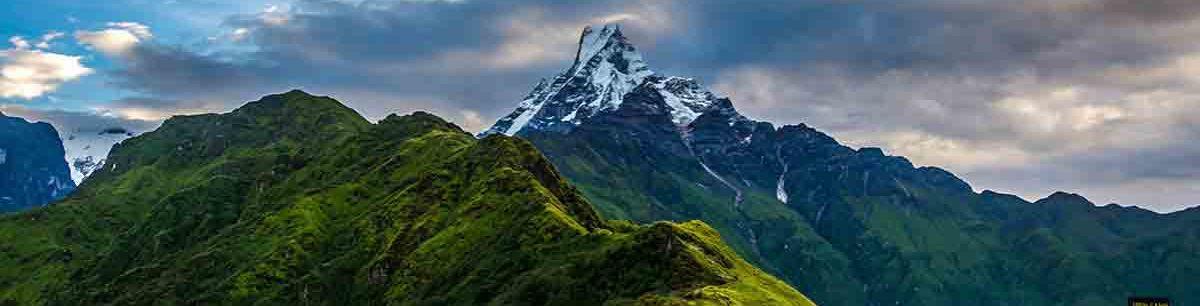
Travel Insurance for Trekking in Nepal

Rating: 5 out of 5.

Nepal is one of the most popular Himalayan adventure trekking, peak climbing, and mountain expedition destinations in the world. Without adequate travel insurance, a pleasant journey is impossible. While trekking in Nepal, it is critical for international visitors to obtain insurance coverage. Trekking is a physically demanding and often dangerous activity, especially at high altitudes, in Nepal, despite the fact that the country is typically safe. Altitude sickness is prevalent during trekking in Nepal, especially among foreign trekkers who haven’t had enough time to acclimate, and physical damage is a possibility on the steep trails. Foreign trekkers are rescued by helicopter and flown to hospitals in Kathmandu in the event of such crises. These rescue operations and following medical treatments are costly, and passengers who do not have insurance coverage will have to pay for them out of pocket. Even if there are numerous Tips for Trekking and Packing List, we cannot prevent emergencies. The reimbursement policies of travel insurance are often more lenient than those of travel providers. Although you will almost always be required to present supporting evidence, the minor expense of purchasing a policy is well worth the possible reward.

Contact Us For Trekking and Climbing Package in Nepal

Why Do you need Travel Insurance for trekking?

If you don’t have insurance when trekking in Nepal, not only is your life in jeopardy, but your health and money account will suffer as well. When traveling to Nepal and participating in activities such as trekking, peak climbing, or other adventure activities, you must have travel insurance. However, in the foreign market, there are a variety of travel insurance coverage to choose from. Unfortunately, they all come with unbeatable costs and dependability, so be sure to understand exactly what is and is not covered in the insurance plan you choose. Here’s an example of what your travel insurance policy should cover.

  • High Altitude Sickness: Altitude sickness is caused by a shortage of oxygen in your body while you are at a high altitude. Your body can adapt if you ascend slowly enough; however, if you ascend too quickly, you may become unwell. A headache and vomiting are the initial symptoms. It worsens from there, and death is a possibility. You should ask your insurance company for a policy that covers High Altitude Sickness while you’re on those trips. You should be aware of your surroundings when trekking or climbing. What is the height of the trekking trail? In the event of an emergency, should the insurance policy include helicopter evacuation?
  • Accidents: Accidents do not give you a heads-up. Accidents are the last thing any adventure traveler wants to happen while on vacation. Even if we don’t want it to, it happens. Accidents are always a possibility on Himalayan trekking and adventure, thus the policy should cover all of these scenarios, as well as when an emergency evacuation is required.
  • Sickness: Traveling to areas like Nepal carries the risk of illness because your body is not accustomed to the cuisine or cleanliness standards. As a result, you must ensure that your insurance coverage covers you in the event of a serious illness or injury. You were trekking and needed to evacuate for further treatment at the same time.
  • Lost or Stolen Luggage: Every tourist knows that this happens from time to time. Your baggage may arrive late or damaged, and you may not find it when you arrive at airports. They can be misplaced or stolen at any time, so your travel insurance should cover these losses of bags and Luggage.  
  • General Problems: Domestic flights in Nepal might be delayed or even canceled for several days, primarily in mountainous areas such as Lukla Airport. Lukla, like Jomsom for the Upper Mustang Trek, is the starting point for the Everest Base Camp Trek. Due to unflyable weather in Western Nepal and other mountain areas, your travel insurance coverage must cover these fees incurred as a result of delays, otherwise we may need to take charter helicopter flights, which are not inexpensive in Nepal. If you’re going to Nepal, your insurance should cover all of these expenses. It must cover all flight cancellations as well as those caused by circumstances beyond our control.

Contact Us For Trekking and Climbing Package in Nepal

Things to know before buying insurance policy:

We can’t stress this one sentence enough, regardless of whatever insurance company you choose. Before purchasing, please read the entire policy. If you do need to file a claim, you’ll need a lot of evidence to prove that you’re entitled to reimbursement. Putting everything on your credit card is a good idea. This is the most effective technique to demonstrate that you have paid. Make a habit of keeping receipts for everything. Also, before you do anything, attempt to call your insurance company. It is critical that you study your policy thoroughly before purchasing it.

How much is travel insurance for trekking in Nepal?

Insurance quotes are influenced by a number of factors, including where you’re from, how old you are, and where you’re going. Going to Nepal for a two-week trip below 6,000 meters’ costs roughly $75 on average.

How Do Travel Insurance Scams Like Heli Rescue Avoid Them?

Because they are big businesses with lots of consumers, the five best travel insurances we recommended for trekking in Nepal are the ones with an agent and offices there. Because there will be a significant investigation after your rescue and the insurance company will be paying a bill, these insurance companies are also aware of the bogus trekking businesses that will rescue you by making you unwell. Additionally, people who profit from bogus rescues and fake bills are unable to provide these insurance companies with Furthermore, because they are familiar with the market and price in Nepal, people who profit from phony rescue operations and fake currency are unable to present these insurance firms with large quantities of bills. They (Fake Rescue Companies) are aware of this, thus the likelihood of a fake rescue will be low if you have one of these travel insurance policies when hiking in Nepal. There won’t be any issues when these insurance companies pay the price if you truly fell ill in the mountains and the firms provided the rescue and submitted a suitable amount for the claim.

Contact Us For Trekking and Climbing Package in Nepal

How high can I trek in Nepal while having travel insurance?

You can hike as high as 6,000 meters (19,685 feet). This elevation is not reached by all treks, though.

  • 5,368 m Everest Base Camp (17,598 feet)
  • With Kala Patthar at 5,644.5 meters, Everest Base Camp (18,519 feet)
  • 5,416 meters long Annapurna Circuit (17,769 feet)
  • 3,210 meters up Ghorepani Poon Hill (10532 feet)
  • 5,000 meters in the Langtang Valley Trek (16,347 feet)
  • 5.554 meter Gokyo Ri Trek (18,222 feet)
  • Walk the Manaslu Circuit 5,213 meters (17,103 feet)
  • 5,550 meters for the Upper Dolpo Trek (18,209 feet)
  • 5,732 meters high Yala Peak Trek (18,806 feet)
  • Trek to Mardi Himal 4,500 meters (14,764 feet)
  • 3.8000 m Upper Mustang Trek (12468 feet)

Make sure your policy covers you up to the highest altitude of your trek when choosing your trekking insurance.

What Does Travel Insurance Not Cover?

It is important to keep in mind that every policy has exclusions for specific terms and conditions. Pre-existing medical illnesses are often not covered, as well as coverage for incidents that take place in areas experiencing political upheaval where you were aware of the danger beforehand and, in some situations, problems with tour operators, such as those that unexpectedly go out of business. Verify that you will be covered for your unique wants and requirements by reading the fine print.

Contact Us For Trekking and Climbing Package in Nepal

5 Best Travel Insurance for Trekking in Nepal:

  • Europ Assistance (For Europeans)
  • World Nomads (For Canadians, American and even Asians)
  • Insure and Go (For British)
  • Travel insurance consultants (For South Africans)
  • 1Cover Travel Insurance (Australians and New Zealanders)

Feel Free To Contact Us.

Rock Climbing in Nepal

Rock Climbing has become a popular adventure sport and outdoor pastime for adventure seekers all around the world. Climbing is comparable to scrambling (another sport that involves scaling hills and similar formations), but climbing differs in that it requires the climber to use his or her hands to support his or her own weight rather than just providing balance. Climbing is a physically and intellectually difficult sport that puts a climber’s strength, endurance, agility, and balance, as well as mental control, to the test. Climbing may be a risky sport, and appropriate climbing skills and the use of specialist climbing equipment are essential for completing climbs safely. For travelers looking to spend a few days or even weeks challenging themselves with some difficult climbs, this small Himalayan country offers a range of rock climbing alternatives. Some well-known outdoor rock climbing spots are listed below:

Nagarjun Forest Reserve:

The famed Buddhist scholar Nagarjun is reported to have meditated on Nagarjuna, a forested hill northwest of the Swyambhu Stupa. The travel from Thamel to the Nagarjuna Forest Reserve takes 30 minutes. The climbing location offers a diverse choice of routes and is ideal for beginners, intermediates, and experienced climbers. It is one of the closest climbing sites in the capital, with more than 22 routes ranging from grade 4a to 7b+ overhang climbing. For those looking to train themselves, there are various multi pitch 65m and single pitch 12m options. The army patrols the Nagarjun Forest Reserve. The check-out time is 5 p.m. Tourists are presently not permitted to visit this location unless accompanied by a Nepali guide.

Hattiban Rock Climbing Site:

The rock climbing site of Hattiban is located on the road to the holy shrine of Dhaskinkali. The climbing site is for experts who want to climb at the highest levels. The drive duration from Thamel, Kathmandu is 1 hour, then you will have to climb for around 30 minutes to get to the site. The grades of climbing range from 6a to 7a. This location is ideal in the winter because it faces south and receives sunlight throughout the day, but it is too hot in the spring and summer. 

Tame Rock Climbing Site:

3800m of outdoor rock climbing The Thame Everest region is located in Nepal’s eastern region, close to Mt. Everest. This town is well-known among climbers since it is the birthplace of two world-record-holding Everest climbers. There are about 17 different routes ranging from 4c to 7c multi pitch 200m height at this rock climbing destination. As this site lies in the Everest region you will get a chance to explore the Namche bazar which provides spectacular views of the Himalayan peaks, including Mt. Everest and the nearby summits.  

Bimal Nagar Rock Climbing Site:

Bimal Nagar, which is located in the south west of Kathmandu and takes nearly 5 hours by bus on the way to Pokhara, has just opened for rock climbing. Kathmandu is 140 kilometers away. If you’re coming from Pokhara, it’s 60 kilometers away, and there are several beautiful climbing routes. There are only a few fixed routes where you may go climbing; it’s a 55-meter natural rock climb with four pitches and a few single pitches that’s only 5 minutes from the road. This is one of the ideal places to climb while taking in the views of Mt. Manaslu and the Marshyandi River.

Kakani Rock Climbing Site:

On the way to Trisuli, Kakani is 29 kilometers northwest of Kathmandu. Excellent views of Ganesh Himal, Himalchuli, Annapurna, Dhaulagiri, and Gauri Shanker can be enjoyed from the hilltop. There is a single modest climbing rock with six routes on it. The rock is only approximately 20 metres high, yet it is extremely difficult and is for experienced energetic adventurers. There is also an outdoor climbing wall in the nearby Mountaineering park that is ideal for beginners of all ages, from children to adults, due to the safety equipment provided. Tents with outdoor cooking and showering amenities are available. This retreat location must be reserved ahead of time. In Kakani, rock climbing is one of the most popular adventure activities. You can choose between natural rock and a wall.

FAQ’s : Rock Climbing in Nepal

What do you mean by rock climbing?

Rock Climbing is a sport in which participants ascend, descend, or traverse natural or man-made rock structures. The objective is to reach the top of a formation or the finish of a pre-defined route without falling.

Is there rock climbing in Nepal?

Yes, there are few rock climbing sites in Nepal, some of the well-known sites are: Nagarjun Reserve, Hattiban Climbing site, Tame Climbing site, Kakani Climbing site, Bimal Nagar Climbing Site and many more.

What are the benefits of rock climbing?

Hands and forearms, biceps, shoulders, neck, traps, upper back, lats, lower back, abs, glutes, thighs, and calves are all strengthened by climbing. Climbing helps your entire body, especially your cardiovascular system. Climbing complements and improves performance in a variety of sports.

What is the difference between rock climbing and mountaineering?

Mountaineering is a more holistic sport focused on summiting mountains, whereas rock climbing is a particular activity based around rocky cliffs. Rock climbing is, in essence, a more specialized sport than mountaineering.

How is rock climbing done?

The lead climber will reach a ledge, connect a small piece of rope or webbing to an anchor in the rock, and then the two climbers will trade places. The lead climber becomes the second climber’s belayer from above. As he climbs, the second climber detaches and gathers the quick draws put by the lead climber.

What is used for rock climbing?

Carabiners, along with ropes and your harness, are the most important pieces of rock climbing equipment that can mean the difference between safety and serious injury, if not fatality.

Is rock climbing safe?

Despite the fact that rock climbing is one of the safest outdoor hobbies, there have been numerous accidents over the years. Injury is prevalent, and some are fatal, according to research, but it is no more or less harmful than other similar sports as long as safety precautions are implemented.

Feel Free To Contact Us.

10 Most Beautiful Lakes in Nepal

The Nepalese Himalayan landscape is characterized by remarkable topographic diversity, which is followed by a diversity of lakes and wetlands as one descends from the Himalayan highlands to the Terai lowlands. According to various studies and assessments, Nepal is home to over 6000 rivers, 3,252 glaciers, 2,323 glacial lakes, and a number of tectonic and ox-bow lakes. The National Lake Conservation Development Committee (NLCDC) has identified 5,358 lakes in Nepal as part of this effort. Nepal’s lakes are one of the country’s most popular tourist attractions. Here are ten stunning lakes that will urge you to add Nepal to your bucket list of places to visit.

Gokyo Lake:

Gokyo Lake is located in Nepal’s Solukhumbu district, at a staggering elevation of 4690 meters above sea level. Every year, hundreds of people visit Gokyo, which is often regarded as the most beautiful lake in the world, both in the spring and winter. The Gokyo Lakes are made up of 19 lakes, six of which are main lakes and are regarded as the world’s highest freshwater lakes. Thonak Lake is the largest of the six lakes. The major lake of Gokyo Lakes is Gokyo Cho which is also known as Dudh Pokhari with an area of 42.9 hectares. Gyazumpa Cho is 29 hectares in size, while Tanjung Cho is 16.95 hectares and Ngojumba Cho is 14.39 hectares in size. The extremely cold water reflects the majestic azure sky above, which is encircled by snow-capped peaks. It’s a sight to see!

Rara Lake:

Rara, Nepal’s deepest lake, is located at a height of 2990 meters above sea level and has an area of 10.8 kilometers2. It also has exceptional floral and faunal value, including uncommon species. Three endemic fish species and one endemic frog live in the lake. Three times a day, the color of the Rara lake changes. It appears to be blue at times, brown at others, purple at others, and scarlet at others. When Rara’s scene is combined with the shadows of the Sinje and Kanjirowa mountains, it becomes fascinating. The legendary snow trout, which can only be found in the waters of Rara, is the place’s main tourist attraction. A trip to Rara National Park‘s remote territory is a true introduction to calm and peace on a whole other level. Chuchemara Hill, at 4,087 meters above sea level, is the ideal vantage point for admiring the stunning views of the deep blue lake, wooded hillsides, and snow-capped hills that surround it.

Shey-Pokshundo Lake:

The deepest lake in Nepal, Shey-Phoksundo, is located in the Dolpa district, far west of Kathmandu, and can be seen on a trip to Dolpo. It covers 494 hectares and contains 409,000,000m3 of water. It was designated as a Ramsar site in 2007 and is recognized for its beautiful turquoise color. It features 20 stupas in the southern belt and one gompa on the eastern side of the lake, both of which are used for annual prayers and worship. The lake is one of Nepal’s most popular high-altitude and pristine trekking destinations. Because of the favorable temperature and weather, the best months to visit Shey Phoksundo Lake are March to May and September to November.

Tilicho Lake:

Tilicho lies 55 kilometers from the picturesque town of Pokhara, in the Manang district, at an elevation of 4,919 meters. It is a well-known tourist site and a glacier lake in the Himalayan Annapurna range. There is no trace of any aquatic species here, according to the Department of Hydrology and Meteorology, which is quite remarkable. It offers an exciting adventure to the daredevil who enjoys pushing the boundaries of geography. Due to light reflection, the lake surface is usually covered in a silvery glittering ice layer. This place is not for the faint of heart, as it is surrounded by intimidating stark mountains with nothing but snow.

Gosaikunda Lake:

Gosaikunda Lake is a well-known pilgrimage and spiritual site in Nepal. This beautiful lake is located in the Rasuwa district inside the Langtang National Park, at an elevation of 4,380 meters (14370 feet), and spans 13.8 hectares (34 acres). There are more than 108 exotic glacial lakes in the area, making it an important wetland. Suryakunda, Aama Kunda, and other narrow lakes can be reached after a short climb of roughly an hour from Gosaikunda. Gosaikunda is the Hindu god Shiva’s and Gauri’s home, according to Hindu mythology. The origins of Gosaikunda are thought to be linked to Hindu writings including the Bhagwat Purana, Vishnu Purana, and the great epics Ramayana and Mahabharata. Furthermore, the water of Gosaikunda is considered sacred, and it is thought that anyone who bathes in there can cleanse their spirit and mind. From this amazing location, you can see Ganesh Himal and Langtang Lirung. The lake is thought to be the source of the Trishuli River, a fast-flowing river known for rafting.

Panch Pokhari:

Panch Pokhari is one of the world’s highest altitude wetland, including five Hindu sacred lakes. The ecological diversity, natural beauty, and cultural heritage of Nepal’s Sindhupalchowk area are all represented in this lake. Every year on Raksha Bandhan, villagers and tourists from all over the world bathe in the holy waters to bring good fortune to their siblings. From the location, you can see the snow-capped mountains Dorje Lakpa (6,966 m), Phurbi Chhyachu (6,637 m), Madiya (6,257 m), Rolwaling and Langtang, as well as the Jugal Himal. To enjoy the greatest view of the brilliant blue sky and glass-pure water, visit this location in September.

Begnas Lake:

Begnas is Nepal’s third largest lake, located in the Pokhara Valley’s southeastern region. Begnas and Rupa Tal are twin-forming freshwater lakes. It is located away from the hustle and bustle of metropolitan life. It is peaceful, clean, and serene. In addition, it is home to a variety of species that have arrived in Nepal during the bird migratory season. The focal point of Begnas Tal is the shadow of the surrounding hills on the crystal clear water. The majority of visitors come to this area for boating and fishing, as it enables boating from every point on the lake. In the communities, there are some of the best accommodations and shelters where you can get a close look at how the locals live.

Phewa Lake:

Phewa Lake, also known as Phewa Tal and formerly known as Badam Tal, is Nepal’s second-largest lake and one of the country’s most visited. The lake is a popular tourist destination for both domestic and international visitors. You will also have the opportunity to observe the Tal Barahi temple, which is located in the middle of the lake, reflected in the water. It also reflects the Machhapuchhre Mountains in a magnificent way. In contrast to Lakeside’s flashy tourist presence, the upper southeastern shore is heavily vegetated and teeming with wildlife. On a beautiful day, the Annapurna mountains reflect entirely on their mirror layer, and the colorful Rani Ban gives the lake an emerald tinge. When visiting Pokhara, we recommend paying a visit to this lake and maybe taking a boat trip.

Bish Hazari Lake:

Bish Hazari Lake, also known as Beeshazari Lake, is located roughly 5 kilometers from the city of Bharatpur in Chitwan’s southern corner. It is a well-known tourist destination that was designated as a Ramsar site in 2003. It is surrounded by the Chitwan National Park and covers 3200 hectares at a height of 286 meters. The one-horned rhinoceros, Bengal tiger, sloth bear, gharial, crocodile, and white-rumped vulture are among the endangered species that call it home. This place is well-known among foreign and domestic travelers for bird watching and jungle safaris. Above all, it’s a large oxbow lake, and nature enthusiasts will be enthralled by its breathtaking beauty. This magnificent lake provides tourists with a tremendous sense of tranquility and contentment.

Imja Tsho Lake:

Imja Tsho (or Imja Lake) is a glacial lake formed when melt water began to pool at the base of the Imja Glacier on the glacier’s lower portion. Imja Tsho has been classified as one of the Himalaya’s deadliest lakes and is one of the fastest growing Lakes in the Himalayas. It is situated at 27° 53′ 55″ north latitude, 86° 55′ 20″ east longitude, at a height of 5010 m in Nepal’s Everest area. The lake is located at the toe of its mother glaciers, on the lowest section of the glacier (snout of Imja and Lhotse Shar Glaciers). The Lhotse Shar Glacier is a south-westerly flowing glacier. The Imja Glacier, on the other hand, is directed north-westerly and reaches a height of roughly 5100 meters. These two glaciers join around 3.5 kilometers above the terminus and flow westwards just beneath Imja Tse’s trekking path.

Feel Free To Contact Us.

Nepal: A Destination for Digital Nomads

Although the mountains of Nepal resemble those of the Scandinavian Arctic, few people consider Nepal to be a suitable destination for working and traveling millennials known as digital nomads. Nepal is the finest destination for working internet nomads since it boasts some of the most beautiful towns in the world, as well as a large selection of hotels and homestays with good internet and nutritious food. The country has recently made significant progress in telecommunications, which is why it offers excellent internet connection. Even in the far reaches of the Himalayas, many hotels now offer internet connectivity. Living a nomadic lifestyle is also easy here because the people are kind and the cost of living is low.

The Benefits and Drawbacks of Becoming a Digital Nomad:

A regular life isn’t better than being a digital nomad, and being a digital nomad isn’t better than a regular life, according to many digital nomads. Each of these lifestyle alternatives has its own set of benefits and drawbacks. So, let’s have a look at some of the benefits and drawbacks of living a nomadic lifestyle, because while the digital element isn’t difficult to commit to, the nomadic portion is:

When you choose to live a digital-nomadic existence, numerous issues come into play: time zone, internet, languages, cost, and so on. At the same time, you have the freedom to work from anywhere and at any time, travel wherever you choose, feel in charge of your life, draw inspiration from nature, and exercise creative control over your work. You will have complete independence and will not be subjected to office politics. Furthermore, with every dollar you spend, you will be able to assist a new community. However, there are a few drawbacks to becoming a Digital Nomad. Loneliness, interpersonal troubles, time management issues, missing anniversaries and crucial events back home, a loss of sense of connection or belonging, and losing one’s identity are just a few of the drawbacks.

Why is Nepal the ideal destination for a Digital Nomad?

Because the concept of the digital nomad is still relatively new, Nepal has all of the characteristics that digital nomads want. It has a number of beautiful spots to visit. There are several fantastic venues where one may simply open their devices, log in, and begin working. The internet connection has been excellent, especially in recent years. There is enough to do when it comes to exploring the outdoors. Many cities, like Kathmandu, Pokhara, Dharan, and Chitwan, have additional venues where you may have fun, eat, and listen to music. Whether you live in the city or in the foothills of the mountains, Nepal offers a variety of adventure activities such as paragliding, bungee jumping, and zip lining. Nepal also offers some of the world’s tallest mountains and solemn trekking trails. Nepal is a great place to go bird watching because it is home to many unique wildlife. Even if you dwell in Ghandruk, Poonhill, or another hill station, you will have access to fast internet and delectable local cuisine, making your stay memorable and your job more enjoyable. Here are a few more reasons why Nepal is the best country in the world for digital nomads:

  • Peaceful Nation with zero violence
  • Good Internet Connectivity
  • Low Cost of Living
  • Easy Visa and Hasslefree trip
  • Diversity in Culture
  • Acceptance of Co-Working Space

Digital Nomads: Best Time to Visit Nepal:

The wet season in Nepal is hot, humid, and partly cloudy, whereas the dry season is cool and usually clear. Temperatures range from 3°C to 29°C, with temperatures rarely falling below 1°C or rising over 32°C. Early April to early June, or late September to late October, are the ideal periods to visit Nepal. From April to October, the warm season lasts, with an average daily high temperature of over 27°C. June has the hottest days. The cool season lasts from December 9 to February 11, with the coldest month being January. The likelihood of rainy days in Nepal varies greatly throughout the year, although the wettest months are May to September and the driest months are September to May. The rainy season lasts approximately from April to October. Kathmandu is humid for the most of the year.

Digital Nomads: Nepal vs. Other Travel Destinations:

Nepal Visa:

Visas are issued by Immigration Offices, such as the one at Tribhuvan International Airport, in Nepal’s Visa on Arrival scheme. The procedure is straightforward and quick; nevertheless, expect some lines during peak tourist season. Prior to your arrival, you may be able to obtain a visa through Nepalese diplomatic missions stationed abroad. This saves time at the airport, but you only have six months from the date the visa is issued to enter Nepal. Beginning on the day you enter Nepal, your total stay is calculated. Be aware that some nationalities may be required to obtain a visa before to arrival, so double-check. Visas are available for 15, 30, or 90 days, with a minimum of 15 days. Depending on the duration of time, prices range from 30 USD to 125 USD.

Culture and Food in Nepal:

Momos,Thukpa Dal Bhat, Yomari, Chatamari, Juju Dhau,  are Nepal’s most famous delicacy. Every Cousin are served in various occasions and does carry a history back in the days. In terms of culture, Nepal is a truly hidden gem, offering a diverse range of arts and culture. The actual heroes contributing to the jaw-dropping magnificence are the different temples, stupas, palaces, courtyards, and streets]. Religious art is especially prominent, with masterpieces influenced by Hindus and Buddhists that are sure to captivate you. Some may be surprised to learn that Nepal has a long history of literature, music, and dance. Kathmandu offers a wide range of experiences, from jazz to meditation, and from Sanskrit to Nepali. Festivals are the best keepers of tradition and cultural activity. Many standout festivals can be encountered in Nepal, including Holi, Bisket Jatra, Dashain, Tihar, and Mani Rimdu. You’ll be engaged in a deep enriching experience, full of fun and amazing moments, throughout these festivals.

Night Life in Kathmandu, Nepal:

Kathmandu has experienced a significant surge in the popularity of nightclubs as the country’s metropolitan urban scene has grown. The nightlife is centred on Thamel, where you may choose from a variety of bars, nightclubs, and casinos, to name a few. The area, on the other hand, is regularly filled with locals and tourists dancing late into the night. Club Dejavu is a terrific alternative for the party animals among us. Pokhara Lok Dohori Naach Ghar, on the other hand, hosts more traditional events with folk music and dancing, as well as local food and wine, for culture enthusiasts.

Feel Free To Contact Us.

Gokyo Ri Trek: A Complete Guide

One of the most spectacular treks in the Everest region is the Gokyo Ri Trek. Gokyo Ri (5483) is an excellent substitute for the Everest Base Camp Trek. It has a spectacular view of the Gokyo lakes. There are many other mountains visible from Gokyo Ri on a clear day, including Lhotse (8501 m), Cho Oyu (8153 m), Everest (8850 m), and Makalu (8475 m). The views of Gokyo Ri, its treks, and its lakes are the things that make this trekking camp unique. The Gokyo Ri Trek is better than Everest Base Camp because the views from the Gokyo Ri trail are much better than the views from the Everest Base Camp. Another reason is that the Gokyo Ri Trek is less crowded than the Everest Base Camp.

Gokyo Ri Trek: Major Attractions:

A breathtaking trip to Tenzing Hillary Airport, one of the world’s most daring airports, is available. The largest glacier on the Gokyo Ri, as well as Namche Bazar, may be seen. A person can visit the Gokyo Lakes, which are freshwater lakes with water flowing from numerous glaciers and streams at the highest elevations of 4700-5000m. Many peaks above 8000 meters are visible from Gokyo Ri, as well as on the route to Gokyo Ri.  Makalu (8485 m), Mount Everest (8848 m), Lhotse (8516 m), and Cho Oyu (8201 m) are only a few of them.

Gokyo Ri Trek: Best Time to Visit:

Spring (March-May) and Autumn (September-November) are the finest seasons for Gokyo Ri Trekking. Because the sky is clear during these months, the vistas are spectacular. It is necessary to ensure that it is not raining in the trekking area. The fun of trekking is disrupted by rain, and even the safety of the trek is jeopardized. During the spring season, one may appreciate the beautiful foliage of Gokyo Ri, particularly in the lower altitude trail regions.

Gokyo Ri Trek Route Map:

Gokyo Ri Trek Route Map

Gokyo Ri Trek: Difficulty:

By Himalayan standards, the Gokyo Ri trek is considered a moderately demanding trek. Having said that, you will still be walking at a high altitude and will require sufficient acclimatization. Technical expertise or equipment are not required for climbing to the summit of Gokyo Ri. The track is not particularly steep, but it does have a constant gradient throughout, so overall fitness is essential. Even so, if you’ve already hiked all the way to Gokyo, you should have no trouble reaching the summit of Gokyo Ri if you’ve followed correct acclimatization procedures.

Gokyo Ri Trek Itinerary:

  1. Day 01: Arrival in Kathmandu
  2. Day 02: Fly to Lukla – Altitude: 2840/ 9372 ft. | Trek to Phakding – Altitude: 2610 m/8613 ft. | Flight: 30 minutes | Trek: 3/4 hrs.
  3. Day 03: Namche – Altitude; 3440 m/11352 ft. | Trek: 5/6 hrs.
  4. Day 04: Khumjung – Altitude: 3,790 m | Acclimatization day | Trek: 1/1.5 hrs.
  5. Day 05: Thame – Altitude: 3800 m/12540 ft. Trek: 5/6 hrs.
  6. Day 06: Lumde – Altitude: 4380 m/14455 ft. Trek: 5/6 hrs.
  7. Day 07: Gokyo – Altitude: 4790 m/15805 ft. via Renjo-la Pass – Altitude: 5360 m/17685 ft. | Trek: 6/7 hrs.
  8. Day 08: Gokyo Valley: Acclimatization Day – Optional Hike to Gokyo Ri: 6-7 hours – Altitude: 5,357 m. | Trek: 5/6 hrs.
  9. Day 09: Trek to Machhermo – Altitude: 4470 m | Trek: 5/6 hrs.
  10. Day 10: Trek to Phortse Thanga – Altitude: 3680 m | Trek: 4/5 hrs.
  11. Day 11: Trek to Monjo – Altitude: 2835m | Trek: 4/5 hrs.
  12. Day 12: Trek to Lukla – Altitude: 2840/ 9372 ft. | Trek: 4/5 hrs.
  13. Day 13: Fly back to Kathmandu – Altitude: 1350/4428 ft. | Flight: 30 minutes  
  14. Day 14: UNESCO Cultural Heritage sightseeing in Kathmandu
  15. Day 15: Departure Transfer

Gokyo Ri Trek: What to Pack:

  • Passport with validity of at least six months
  • Two passport size photos
  • Insurance proof
  • Airline tickets
  • Nepalese Visa
  • Headscarf
  • Sunglasses
  • Long and half sleeves T-shirts
  • Waterproof jacket
  • Thermal wear
  • Clothes comfortable for trekking
  • Trekking shoes
  • Sleeping bag
  • Travel Bag
  • Handbag for trekking
  • Mini folding knife for safety purposes
  • Guidebooks
  • Power bank
  • Torch
  • Band-aids
  • Common medicines for issues like a headache, stomachache and cough, and cold

Gokyo Ri Trek: Permits:

A permit from the Khumbu Pasang Lhamu Rural Municipality is required. This permit is not available in Kathmandu; it can only be obtained in either Lukla or Monjo. Per person, the Khumbu Pasang Lhamu Rural Municipality Permit costs around USD$18. To visit the Sagarmatha National Park, you must also have a national park permit. This permit can be obtained from the Nepal Tourism Board in Kathmandu or from Monjo directly. Per person, the Sagarmatha National Park Permit costs US$27. You’ll also need a Gaurishankar Conservation Area Project Permit(GCAP) if you want to start the Gokyo Ri Trek from the conventional Jiri route. The permit costs US$ 27 per person and can be obtained through the Nepal Tourism Board in Kathmandu.

Gokyo Ri Trek: Cost:

The trek costs between US$ 1,380 to 1,900 per person on average. Keep in mind that the cost of the trek will vary depending on a variety of criteria such as mode of transportation, route, and length of stay.

Gokyo Ri Trek: Things to Remember:

  • Carry enough cash for the trek because there are no ATMs after Namche Bazaar.
  • Make sure you have a sleeping bag with you.
  • Because the charging connections in the teahouses may not match your charger, bring a universal travel adaptor.
  • It’s also a good idea to bring a portable charger with you on the trip.
  • Engage in cardio-related exercises to be physically fit before travelling to the Himalayas.
  • Bring a nice camera with you so you can record the breathtaking vistas of the mountains.
  • Bring a thick down jacket to keep you warm at night and a rainproof hard-shell jacket to keep you dry.

Gokyo Ri Trek: FAQ’s

How hard is Gokyo Trek?

The trek around Gokyo Ri is moderately challenging. This journey will require you to be in good physical condition and stamina, since it will take you to walk for around 5 to 6 hours, omitting the acclimation days. Rugged paths, steep terrains, and high passes make the journey more demanding.

How long is Gokyo Trek?

The Gokyo Lakes trek is a 15-day trip (16 if you include the return flight from Nepal), with 13 days of trekking. There is a short flight from Kathmandu to Lukla, but you can also hike in from a lower altitude if you like.

What mountains can you see from Gokyo Ri?

Everest (8,848m), Lhotse (8,516m), Makalu (8,485m) and Cho Oyu (8,188m) are some of the highest peaks that can be seen from the Gokyo Ri Trek.

How do you get to Gokyo Ri?

The route begins in Lukla (2828 m) and continues via the Dudh Koshi valley, which must be climbed all the way to Namche, the Sherpa capital. After that, the trip continues to Tengboche Monastery (3867 m), which is surrounded by forest.

What is the depth of Gokyo lake?

The depth of the Gokyo Lake is 43 M and is the 2nd deepest lake after Fourth Lake (Thonak Cho).

Feel Free To Contact Us.