Upper Dolpo Trek- A Complete Guide

Rating: 5 out of 5.

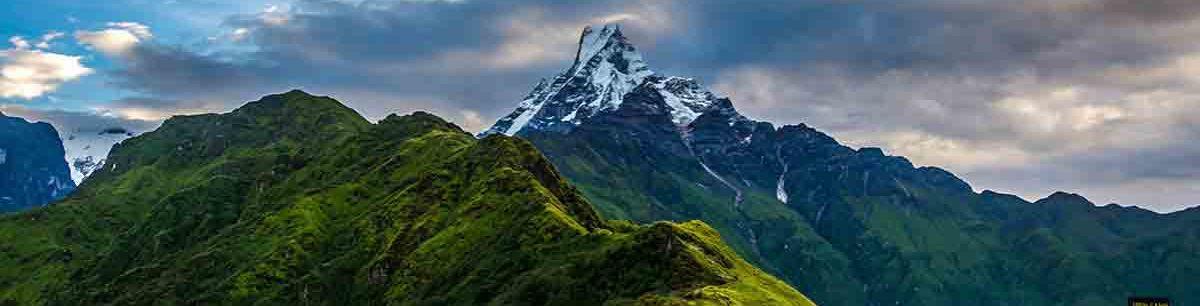
The Upper Dolpo trek is a fantastic, adventurous journey that takes you to some of Nepal’s most remote locations. It’s one of the best off-the-beaten-path trekking trails in Nepal. On this trek, you have a significant impact on the villages, gompas, and people you meet. The communities are lot more disembroiled and unadulterated, and the scenes are much more devastated. Dolpo is Nepal’s most remote and underdeveloped region. Despite the fact that the region has been surveyed by a few geographers and anthropologists, the entire area was closed to hikers until 1989, when the southern portion of Dolpo was opened to supervised trekking trips. The Upper Dolpo Trek takes you through several massive mountain ranges. The vast majority of Upper Dolpo treks begin with a Lower Dolpo trip to Dho Tarap or Phoksundo Lake. Then adding the Shey Gompa connection, which connects Saldang with Dho Tarap or Phoksundo, two lesser-known locations. Some Upper Dolpo hikes cross high passes to connect to nearby places like Mugu and Mustang. Upper Dolpo trekking is known for its wildness, solitude, and spectacular mountains.

Upper Dolpo Trek: Things you Should Know

Upper Dolpo, like many other trekking routes in Nepal, is best visited in the spring and autumn. However, because to the unpredictable nature of snowfall, early spring and late autumn may not be the best times to trek. This might make crossing the high mountains extremely difficult at this time of year. Because the majority of Dolpo is in the Dhaulagiri Range’s rain shadow, it receives little or no rain, even while the rest of the country is experiencing monsoon rains. This area is primarily a high-altitude desert as a result of this. From the beginning of August through the end of October, and sometimes even into the middle of November, the weather is excellent.

Upper Dolpo Trek: How to Get There?

We can get to the Dolpo Region by two ways:

Traveling to Juphal by Air:

For all hikers and guests, flying to Dolpo (Juphal) is the greatest alternative because it saves time and effort. Different domestic airlines, such as Buddha, Yeti, and Shree Airlines, operate regular flights to Nepalgunj from Kathmandu. From Kathmandu, take any domestic airline to Nepalgunj. Nepalgunj, a town in the western Terai near the Indian border and the Bardia National Park, is a popular tourist destination. There are regular flights from Nepalgunj to Juphal and Dolpo. The flying time is around 35 minutes. From Nepalgunj, Summit Airlines and Tara Airlines fly to Dolpo.

Drive from Nepalgunj to Dolpo through Musikot, Tallu Bagar, Khading, and Tripurakot:

Local buses and Hiace Vans are accessible from Kathmandu to Nepalganj. The ticket may be purchased in Gongabu, the capital’s well-known bus station. Morning and evening departures are on the program. By bus, it takes about 12 hours; by Hiace Vans, it takes about half that time. Nepalgunj serves as a significant transportation center for the country’s western, midwestern, and far western areas. Every day, buses travel from Nepalgunj’s Kohalpur bus terminal for Jajarkot. The road between these two points is approximately 96 kilometers long. Even in the summer, this road is excellent. From Jajarkot, local jeeps can transport you to Radi (Rari), Tallu Bagar, Khadang, and Tripura. Due to the paucity of highway crossings, the road is not blacktopped, and you will need to switch your jeep in between. Summertime is not the best time to go on this road. If you travel by land to go to Dolpo, it takes two days to reach from Nepalgunj to Dunai (2150m), a small town that serves as the district’s headquarters.

Upper Dolpo Trek Itinerary

Day 01: Arrive at Kathmandu | Altitude:  (1,300m/4,264 ft)

Day 02: Kathmandu Sightseeing and Trek Preparation 

Day 03: Fly From Kathmandu to Nepalgunj | Altitude: 518 ft / 158 m

Day 04: Fly from Nepalgunj to Jhupal and Trek to Sulighat  | Altitude: 2070m/6790ft  | Trek: 2-3 Hrs

Day 05: Trek from Sulighat to Renje  | Altitude: 3010m/9873ft  | Trek: 5-6 Hrs

Day 06: Trek from Renje to Ringmo Village  | Altitude: 3640m/11940ft  | Trek:5-6 Hrs 

Day 07: Rest day in Phoksundo Lake and explore around Ringmo village

Day 08: Trek from Phoksundo Lake to Phoksundo Khola  | Altitude: 3630m/1190ft  | Trek: 4-5 Hrs

Day 09: Trek from Phoksundo Khola to Phoksundo Bhanjyang  | Altitude: 4120m/13514ft  | Trek: 6-7 Hrs

Day 10: Trek from Phoksundo Bhanjyang to Kang La pass- Shey Gompa  | Altitude: 5160m/16925ft  | Trek: 5-6 Hrs

Day 11: Rest day at Shey Gompa the crystal monastery

Day 12: Trek from Shey Gompa to Saldang La- Namgung Village  | Altitude: 5010m/16432ft  | Trek: 6-7 Hrs

Day 13: Trek from Namgung Village to Saldang  | Altitude: 3620m/11,874ft  | Trek: 4-5 Hrs

Day 14: Trek from Saldang to Yangze Gompa  | Altitude: 4960m/16267ft  | Trek: 4-6 Hrs

Day 15: Trek from Yangze Gompa to Shibu  | Altitude: 4560m/14957ft  | Trek: 6-7 Hrs

Day 16: Trek from Shibu to Jeng La Phedi  | Altitude: 4900m/16072ft  | Trek: 5-6 Hrs

Day 17: Trek from Jeng La Phedi to Jeng La Pass- Do Tarap  | Altitude: 5090m/16695ft  | Trek: 6-7 Hrs

Day 18: Day explore and acclimatization in Do Tarap

Day 19: Trek from Do Tarap to Tarap Khola | Altitude: 3800m/12464ft  | Trek: 6-7 Hrs

Day 20: Trek from Tarap Khola to Khanigaon  | Altitude: 3150m/10332ft  | Trek: 5-6 Hrs

Day 21: Trek from Khanigaon to Tarakot- Dunai  | Altitude: 2537m/8321ft  | Trek: 5-6 Hrs

Day 22: Trek from Dunai to Jhupal  | Altitude: 2320m/7610ft  | Trek 2-3 Hrs

Day 23: Fly from Jhupal to Nepalgunj- Kathmandu  

Day 24: Departure Day

Upper Dolpo Trek: Best Season/ Time to Trek

Behind the mountains, Dolpo and Upper Mustang are in the rain shadow. Spring (Mid-March, April & May) and autumn (Mid-September, October, November) are the most popular seasons for trekking in Nepal. Trekking to Dolpo in different seasons, however, has its own charms. Always verify the weather focus of the areas you are intending to visit before planning your trek in the Himalayas and have paper copies with you.

Spring Season: March, April, May

Even though spring is an excellent time to trek in Dolpo, late snowfall can make things difficult. So, mid-April is the ideal time to arrange your trip to Dolpo. Even the month of May is pleasant, as vegetation gradually emerges and people return from places such as Kathmandu, Nepal, and Nepalgunj.

Monsoon Season: June, July, August

Summer is considered the nicest and most popular season in Nepal’s Himalayan region. Dolpo is one of them, and it is located in Nepal’s rain shadow territory, where summer is ideal for exploring the Dolpo. During that time, the weather is neither too chilly nor too hot, making it ideal for trekking. However, due to weather issues in Nepal’s lowlands, the flight from Nepalgunj to Juphal may be canceled. If you are planning your trek during the summer, we recommend adding one or two days to your itinerary in case your flight does not depart on time.

Autumn Season: September, October, November

Autumn is perhaps the finest season for trekking in Nepal, with the Annapurna, Langtang, and Everest regions being particularly congested. The clean and blue skies following the summer monsoons provide numerous wonderful panoramic views of glittering nature and the majestic Himalayas. During the Upper Dolpo hike, you can also meet with the locals, see several lovely villages, and communities during the fall harvest season.

Winter Season: December, January, February

All of Dolpo’s high passes are blocked by snow throughout the winter, and no one crosses them until the mid-spring season. As a result, going to Dolpo in the winter is not a good idea. This is not to argue that trekking in the Dolpo region during the winter is impossible. Some travelers have trekked to Phoksundo Lake in the winter, but a well-experienced guide and favorable weather are required for a successful expedition. Winter lasts for a few months, beginning in mid-November and ending in mid-late March.

Upper Dolpo Trek: Cost/ Package

Upper Dolpo trek prices vary depending on the packages given by the trekking operator. In general, the price of an Upper Dolpo Trekking package ranges from $3500 to $5500, depending on the length of your trip, the number of groups, and the Upper Dolpo Trekking package you select. The cost of the Upper Dolpo hike covers airfare, meals, lodging, insurance, gear, and the cost of hiring a guide, among other things.

Upper Dolpo Trekking: Permits Cost

Below are the required permits and their cost to trek to Upper Dolpo Region:

  • Upper Dolpo restricted permit costs USD 500 for the first ten days and USD 50 per person per day for the remaining days.
  • The entrance charge to Shey Phoksundo National Park is USD 30 for foreign visitors, NPR 1500 for SAARC nationals, and NPR 100 for Nepali visitors. It is a one-time permit that can be used indefinitely.
  • If your hike begins and ends in Dunai or Juphal, you will also need two Lower Dolpo permits, which cost USD 20 per person per week.
  • The cost of entering a monastery varies from NPR 200 to NPR 400 per person. During your visit to the monastery, you will be required to pay.

Upper Dolpo Trek: Difficulty

Upper Dolpo Trek is a difficult and little-known trek in Nepal, with only between 250 to 750 visitors travelling each year. The name alone suggests that getting to the high mountains may be tough. It takes 5 to 9 hours of trekking in a single day, reaching above 5000 meters, and spending numerous nights over 4000 meters. For those who are physically and mentally healthy, the trip is achievable.

Feel Free To Contact Us.

Mera Peak Climbing Cost and Difficulty

Rating: 5 out of 5.

Mera Peak, one of the world’s most climbable peaks, continues to enthrall climbers with its simple peak climbing approach that you can envision in a mountain. Mera Peak also boasts a variety of enticing elements that will match a climber’s demands as well as captivate your mind’s interest. It has a reputation for being a less dangerous summit, which is important to the globe. Mera Peak serves as a warm-up peak for climbers preparing to tackle Mt. Everest. Mera Peak is not as tough to climb as other Himalayan peaks. However, there are a few difficulties that make the climb tough at times. The ascent on Mera Peak is not technically tough, despite the fact that the altitude makes it physically arduous. Ascending snow slopes rarely exceed 40 degrees. The only prerequisites for climbing Mera Peak are great physical fitness and an outgoing sense of adventure.

Mera Peak Climbing Cost

The cost of a Mera Peak Climbing package is determined by the number of people in the group, the season, and the kind of hotel in Kathmandu and the trail head lodges. The price of USD 2045.00 is a typical trek pricing based on double occupancy. The climbing permit costs roughly USD250 in the spring and USD125 in the autumn, while the fee in the winter and summer is around USD70.

The pricing varies depending on the companies you choose. If you plan your trip with a local business, it might cost anything between USD2000 and USD2500. If you’re traveling with a foreign company, your price range could be as high as USD4000.

The expense of climbing Mera Peak, on the other hand, is determined by a number of factors:

  1. The number of days you choose is up to you.
  2. Your trek’s routes
  3. Permissions to enter the area
  4. During your journey, you will need to stay somewhere.
  5. During the journey, drinks and lunches will be required.
  6. Field personnel who accompany you on your journey
  7. Important climbing equipment and gear for field workers
  8. Other costs associated with your vacation

Costs and Routes for Climbing Mera Peak

  • Route 1: You board a plane bound for Lukla, Nepal. After that, you’ll walk to Tagnag and then to Mera Base Camp over the Zatrwa La Pass (4610m). Although this is one of the quickest routes, inexperienced climbers may find it difficult. This route costs roughly $2000 on average.
  • Route 2: You take a flight to Lukla. You may follow the Everest Base Camp trek path all the way to Namche Bazaar from here. Namche Bazaar is separate from Mera Base Camp. Then it’s up to the summit and back. This travel costs roughly $2300 on average. On the Everest Base Camp trek route, tea houses and lodges are slightly more expensive.
  • Route 3: You take a flight to Lukla. From here, you travel to Hinku Valley via a wild and beautiful environment. You can also hike from Tagnag to Mera Base Camp and return on the same trail. This is one of the most popular Mera Peak trails. It is a popular route that provides you adequate time to acclimate. This travel costs roughly $2550 on average. Because of the length of this route, which takes an average of 18 to 22 days, the price is significant.

Mera Peak Climbing Difficulty

Mera Peak is classified as Alpine Grade PD in the alpine grading system, indicating that it involves some technical climbing and intricate glaciers, making it a difficult climb. Mera summit was previously classed as Alpine Grade F (easy/straightforward), but now it is graded Alpine Grade PD owing to the glacier change and the last stretch of the steep technical climb (slightly difficult). Because you will be walking to greater altitudes when ascending Mera Peak, you will be at risk of altitude sickness. In addition, the snowy environment may make climbing more challenging. You can conquer this peak with adequate peak climbing skills, appropriate gear, and a physically fit body. The following are some of the major aspects that influence the difficulty level of your Mera Peak climb:

  • The length of your journey
  • The climbing path you choose
  • The total distance you travel during your journey
  • Weather conditions in the area where you’ll be climbing
  • Physical stamina during the ascent
  • Altitude sickness at the peak’s highest points

Altitude:

The biggest obstacle in ascending Mera mountain is the high altitude, and most climbers abandon the top owing to altitude-related illness. Climbers attempt Mera peak without using supplemental oxygen because the oxygen level is around 47% at 6461m, making the climb a real challenge. The risk of the climb can be reduced if a well-planned itinerary, sufficient acclimatization, a contingency day, and training are provided.

Weather Conditions:

The weather at high altitudes is notoriously unpredictable. A beautiful day might quickly transform into a blizzard. The difficulty level of this walk also fluctuates depending on the weather conditions. As a result, you must select the best season and weather in Mera for you. This way, you may be sure to have a fantastic day climbing Mera Peak. However, the ideal months to climb Mera Peak are late April, May, late September, and early October. The weather is generally the nicest during these months. The weather has been more consistent. The days are pleasant and dry, ideal for Nepal trekking.

Altitude Sickness:

Altitude sickness is a distinct possibility at a height of 6461 meters. Altitude has varied effects on different people. The most essential thing to remember is that minor symptoms can be managed with the correct drugs. However, if the symptoms persist and intensify, you must halt and descend. This illness isn’t worth the danger.

Feel Free To Contact Us.

Island Peak Climbing Cost and Difficulty

Rating: 5 out of 5.

For decades, the majestic Himalayas of Nepal have piqued the interest of avid adventurers, climbers, and nature lovers. Imja-Tse, commonly known as Island Peak, is the most well-known of Nepal’s magnificent Himalayan ranges. This magnificent peak, which stands at a height of 6189 meters, is located in the Khumbu region. Climbers believe the summit, which lies between Ama Dablam and Lhotse, to be a more difficult climbing peak. The Island Peak Climb provides breathtaking views of the Himalayan ranges, valleys, and spectacular glaciers. The Everest region’s Island Peak is well-known for its difficulty and beauty. Nuptse Peak, Lhotse Peak, Lhotse Middle, Lhotse Shar, Mt Makalu, Ama Dablam, and many more Himalayan ranges may be seen from its Peak.

Island Peak Climbing Difficulty

Climbing at a high altitude is a risky sport. It isn’t simple. At a high altitude, Island Peak is a demanding climb. Before attempting the Island Peak climb, you must be aware of the dangers of ascending to a higher altitude. Reduced down on the route, you’ll need to acclimate to the lower amounts of oxygen. The majority of people do not summit Island Peak, according to the summit data. If you opt to climb Island Peak over a 10-day period, you are increasing the risk and difficulty of the climb. This significantly reduces your chances of success. If you don’t have access to hills and must rely on the Stairmaster, treadmill, bikes, jogging, and weights, there are a variety of exercises you can do.

The ascent is physically demanding in the beginning. At a height of almost 5000 meters, you will journey through rugged terrain. Once you’ve arrived in the glacier field, you’ll need to rope up and put on crampons. The most difficult point of the climb is at the base of the headwall. The ascent is quite difficult, and the air is at its thinnest. The ascending route, however, is safe due to fixed lines. You must be responsible for your own safety while mountaineering. Climbing will not suit you if you do not maintain hygiene and safety.

Major Obstacles in Climbing the Island Peak

Before attempting this climb, you should have a good understanding of Himalayan climbing. You must be able to climb on the glacier in an Alpine way (roped to others), cross crevasses, and occasionally use ladders. You’ll also need crampons, a harness, and an ice axe. You’ll face the Head-Wall while climbing on a fixed rope strung up at 6,000 meters. Then, as you go from one anchor point to another, you’ll abseil down on a fixed line while using a figure of eight devices. Do you think you’ll be able to do this and use all of this equipment? If you answered yes, you should be technically capable. If not, you have some work ahead of you. Have you been working out 5-6 days a week for the past 6 months or more? Do you have any previous experience with high altitude and multi-day treks? You’ll be trekking up to the crampon point on Island Peak at 5,800 meters/19,000 feet, then climbing at 6,000 meters/20,000 feet on a 50 to 70-degree angle. To be able to maintain yourself well at this extreme altitude, you must have excellent physical conditioning, strength, endurance, and fitness. During the most of the trek, the high altitude weather remains tough. Throughout the trek, the weather is changeable. This makes the journey difficult for all trekkers. As you progress higher up the route, overcast skies and strong, brisk winds become more regular. As a result, you should be well-prepared with the necessary gear, equipment, and training.

Island Peak Climbing Cost

Climbing Island Peak is no laughing matter, and you can’t place a price on your life, thus we strongly encourage you to complete your homework before attempting it. Don’t scrimp on expenses to save a few dollars. A variety of factors influence the price of Island Peak Climbing. The number of days you spend, the types of accommodations you stay in, the routes you take, and so on are some of them. The cost of climbing Island Peak starts at $2100 for the first time. Transfers, a Kathmandu city tour, all meals, return flights from Kathmandu to Lukla, accommodation, Island Peak climbing permits, sleeping bag, down jacket, and all climbing gear like as boots, helmets, crampons, harness, and ascenders are mostly included. You’ll need to budget 10% of your overall trip fees for crew tips in addition to your Island Peak climb costs. This is the typical tipping rate in Nepal, and the team expects and depends on it as part of their monthly income. Make sure to include this tip in your budget and include it as a required expense so there are no unpleasant surprises on your leaving day.

Climbing Island Peak Fees and Permits

Climbing Island Peak requires a climbing permit. Permits are also required to enter the Sagarmatha National Park. Regular security checkpoints are located throughout the route. To pass past them, you must show your permits. These two permits are required:

Local Area Permit (Everest Region): nrs. 2000 (US $20

The following is the cost of an Island Peak climbing permit for each of the four seasons:

US $250 for the months of March, April, and May

US $70 in June, July, and August.

US $125 in September, October, and November

US $70 in December, January, and February.

Permits are required for the environment’s sake as well as your own safety. Avoid them at all costs. We recommend that you obtain your permit from one of Kathmandu’s affiliated organizations.

Feel Free To Contact Us.

Best Treks in Western Nepal

Rating: 5 out of 5.

Despite the fact that Kathmandu is not in the geographic center of Nepal, everything west of the city is called Western Nepal, and everything west of Pokhara is termed Far Western Nepal. And the region of Far Western Nepal is extremely isolated, wild, and difficult to reach. All of this, however, adds to the thrill of traveling there! far Western Nepal is home to some of the country’s most spectacular rivers, lakes, and landscapes. Because of the restricted road links to trailheads, the necessity of flying to small mountain airstrips from Terai communities, and occasionally because of specific permits, treks in the Far West necessitate a lot of logistical planning (which can be costly). In other regions, you’ll need to bring all of your food in with you because you won’t be able to buy supplies from locals or sit down to prepared meals in teahouses. Trekking in the Far West should only be undertaken by experienced trekkers with some Himalayan experience—this is not the place to go if you’re a newbie looking for a quick introduction to Nepal trekking.

List of Best Trekking Routes in Western Nepal

  1. Dhorpatan Hunting Reserve: The Dhorpatan Hunting Reserve is Nepal’s only hunting reserve. It was founded in 1987 and encompasses a total area of 1,325 km2 (512 sq mi) in the Rukum, Myagdi, and Baglung districts of western Nepal’s Dhaulagiri Himal. Its elevation ranges from 2,850 to 5,500 meters (9,350 to 18,040 ft). Forests, marshland (known as hor), and flat meadows make up the landscape (called patan) Throughout the year, the highest elevations are covered in snow. In the reserve, 58 vascular plants have been identified. There are 36 indigenous flowering plant species. Snow leopards, musk deer, red pandas, and blue sheep are among the 18 mammal species found on the land. The koklass pheasant, cheer pheasant, and impeyan pheasant are among the 137 bird species found here, as are two reptile species.
  2. Dhaulagiri Circuit Trek: Starting in Pokhara and following the Myagdi Khola to its source at the Chhonbardan Glacier below the world’s seventh highest mountain, the Dhaulagiri Circuit is a challenging journey to the west of the Annapurnas. You hike up the slope of the glacier and over the French Col to enter “Hidden Valley” from Dhaulagiri Base Camp at the foot of the north face. This is a very remote hanging valley, and traversing it gives the trip a more expedition-like experience. The standard route, which can be tried by individuals with ice axe and crampon experience, follows moderate snow slopes to the summit in normal conditions. After that, you’ll drop steeply to Jomsom, where you’ll encounter trekkers who have come down from the Thorong La.
  3. Simikot/Kailash Trek: Simikot to Kailash trek is a one-of-a-kind trekking journey that begins in Simikot and brings you to Tibet’s mythical Mount Kailash and Lake Manasarovar via the secluded Humla valley in Nepal’s westernmost Tibetan border. The highlight of this journey is the Kailash kora, which includes a sightseeing tour of Lhasa, the most fascinating city on the Tibetan Plateau. This worthwhile city has numerous Buddhist monasteries, notably Sera Monastery, one of Tibet’s best preserved monasteries, with several hundred monks living and studying beneath its whitewashed walls and golden roofs. Aside from that, there is always a parade of faithful Tibetans through the complex of Jhokhang temple, which is undoubtedly Tibet’s most hallowed shrine. This excursion is highly recommended for people interested in Buddhist tradition and culture.
  4. Jomsom Trek Via Upper Dolpo: Rather than following the more popular Dolpo Circuit trek, the Upper Dolpo to Jomsom trek continues farther north to a region near the Tibet border, then walks out along the tough trail to Jomsom, giving you a significant number of days on one of The Great Himalaya Trail’s most unique parts. Particularly because Upper Dolpo is a Tibetan-dominated region and one of the few remaining Bön villages and gompas (monasteries). Tibetan Buddhism predates Bön, which is a Tibetan religion. Shey Gompa, around the halfway point of the walk, is considered as one of Upper Dolpo’s most important spiritual sites. Many pilgrims come here twice a year to complete a kora (or circuit) of Crystal Mountain, which is considered in Tibet as the younger brother of Mount Kailash.
  5. Lower Dolpo Trek: Another famous trekking destination in Nepal is the Lower Dolpo Trek. If you want to make Nepal Trekking a once-in-a-lifetime experience, one of the greatest packages we recommend is a tryst with the remote Himalayan Mountains of the Dolpo Region. It is a location where Thinley, a Tibetan culture, has existed for millennia. Shey Phoksundo National Park, in actuality, is located in Lower Dolpo. This Lower Dolpo Trekking takes us through a protected region before arriving at the beautiful Phoksundo Lake. The hike begins and concludes at Juphal, and it is a moderately tough walk through the Dolpo’s lower regions.
  6. Upper Mustang Trek: Upper Mustang can alternatively be described as a glimpse into the hidden world of Mustang’s Buddhist monarchy, also known as Lo. Lo was once a part of the Tibetan empire and is so inextricably linked to Tibet, not just in terms of culture but also in terms of landscape. Mustang is largely a barren area, surrounded by rocks of all colors and odd formations, where the settlements with their brightly colored fields are like oasis in the deserts. Mustang is a lonely terrain that lies in the shadow of the Dhaulagiri range. One of the biggest draws for tourists and visitors alike is the culture of the people who live there.
  7. Api Saipal Mountain Trekking: Mount Api, at 7,132 meters, and Mount Saipal, at 7031 meters, are the two tallest mountains in Nepal’s far western region (Sudurpaschim Pradesh Province No.7). This is an off-the-beaten-path excursion that is both challenging and rewarding. If you like mountains and want to go on a remote hike, one of these mountains can be a good option for you. Without a camping crew, completing this walk is fairly tough. As a result, you should work with a local agency in Katmandu to plan an easy and understandable vacation to Saipal Himal. This summit is considered to be Nepal’s best.
  8. Rara Lake: Rara Lake is a 10-square-kilometer lake in Rara National Park in Mugu District, Karnali Pradesh, at an elevation of 2990 meters (province). With an average depth of roughly 330 feet and a length of 8.7 miles, Rara Lake is Nepal’s largest and deepest freshwater lake. Rara can be reached by air, car, or a three- to four-day walk that begins at Jumla. It is preferable to trek to Rara for a more enjoyable experience. If you want to see the entire Rara lake, climb to Murma hilltop, which is roughly a two-hour trek from the lake.
  9. Humla and Limi Valley Trek: Flights to Nepalgunj and Simikot are required to begin the distant Humla and Limi Valley trek (the latter just a mountain airstrip). It begins by following the Karnali River, which sources in Tibet, and mostly follows the traditional Tibetan salt route. Several passes with elevations of above 4000 meters must be traversed, and you will travel for several days without seeing any villages. The Limi Valley retains cultural ties to Tibet, and locals continue to trade with Tibetans. This isolated trek’s attractions are the Tibetan culture and lifestyle in the villages of Halji, Til, and Jang. You’ll come across an 800-year-old monastery, a herd of blue sheep, and perhaps even a snow leopard. Incredible vistas of Nepalese and Tibetan mountains, notably the holy Kailash (6714m), await you.

Feel Free To Contact Us.

Top Rated Places to Visit in Western Nepal

Rating: 5 out of 5.

Nepal, the land of distinct variation, welcomes all travelers wander lusting for an enjoyable trip home to the greatest spots to visit in western Nepal. Nepal’s mysterious terrain has long been known for its steep paths leading to the high Himalayas and the old city dwellers in Kathmandu Valley’s urban complexes. Many people visit each year because of the distinct culture, traditions, and natural diversity. There are thousands of tourist locations in Nepal, but it is critical to decide which ones you should visit and how much time you should spend in each one for a better and more memorable experience. A rejuvenating journey to western Nepal, which is isolated from the rest of the world, is a great opportunity to get away from the hustle and bustle of city life.

Why is Western Nepal the Best Place to Visit?

Some travelers are unlikely to be satisfied by the popular tourist destination’s jumbled buildings and infrastructure. Instead, some tourists are moved by mountains that move with the wind, hills that converse with the sky, and holy fields that sing to the animals that live there. The best of Nepal’s west lies peacefully with its wonderful natural resources to a wandering nature lover desiring to stand in awe of the beauties listed. On the best places in the far west, see the earth bloom at its best in the grassland where tigers sleep and the mountains where snow leopards wander. The rarest of earth’s secrets can be found in the diamond blue Karnali flowing west, and ancient fresh water dolphins can be seen in these waters. A massive herd of antelopes resides on the grasslands of wildlife reserves in this region, which is unrivaled by any other part of the country.

List of Places to Visit in Western Nepal

  1. Banke National Park: The Banke National Park (BNP) is Nepal’s newest protected area, having been established on July 12, 2010. BNP covers 550 square kilometers in Banke district, with a 343-square-kilometer buffer zone that includes sections of Banke, Dang, and Salyan districts. It has a western connection to Bardia National Park (BNP), which has a western connection to Katerniaghat Wildlife Sanctuary in India via the Khata corridor, national forest, and community forests. BNP is an essential part of the Terai Arc Landscape (TAL), which offers tigers with additional habitat. In reality, the government of Nepal’s dedication to biodiversity protection at a landscape level is shown in the creation of this park for the conservation of wild tigers, an endangered wildlife species.
  2. Bardiya National Park: Bardiya National Park is a protected region in Nepal that is home to thousands of species and some of the world’s unique animals. It was founded in 1988 as Royal Bardia National Park and has an area of 968 square kilometers. Although Bardiya National Park is not a commercial tourist destination, you can enjoy activities such as Jungle Safaris and Hiking, birdwatching, and spotting some of the world’s rarest species such as Bengal Tigers, One-Horned Rhinoceros, and Elephants.
  3. Shuklapanta National Park: Shuklaphanta National Park, originally known as the Royal Shuklaphanta Wildlife Reserve, is located in the Kanchanpur district of Sudurpashim Pradesh (Nepal’s Province No. 7) and covers 305 square kilometers of forest and grassland. Until it was turned to National Park, the park was used as a hunting ground for Nepalese Royal Families. From mid-September to mid-December is the optimum time to visit this location. In Shuklaphanta National Park, you can observe wild animals, take in the breathtaking splendor of the grassland and forest, go birdwatching, and much more. The best tourist site in Far-western Nepal is Shuklaphanta National Park.
  4. Khaptad National Park: The Khaptad National Park adorns Far West Nepal with lush green woods, hills, streams, moorland, and vistas. It is one of the most popular sights and excellent places to visit in Nepal’s Far West area. Khaptad National Park spans 225 square kilometers. The hilly meadows on a plateau are the main appeal of this location. It is known as Patan and is located at a height of 3000 meters. A fresh breeze from the Himalayas whips through your hair as you climb the high peaks. The number of plant and animal species has increased since the establishment of Khaptad National Park in 1984. Wild boar, musk deers, porcupines, and the birds Kalij, Danphe, Chyakhra, and Titra all live on the territory.
  5. GhodaGhodi Lake: The Ghodaghodi Lake is one of Nepal’s largest lakes, located in the country’s far western area. It’s close to the western highway that connects to Kailali. It is close to the town of Sukhan. The wetland is home to a diverse array of plants and fauna. The march is for the protection of various bird and mammal species. Twenty-three types of flora are protected by this unique habitat. Ghodaghodi Lake attracts a huge number of visitors each year. If you like, you can use boating services. This location has grown in appeal among biodiversity students, researchers, and even couples looking for a honeymoon house throughout the years.
  6. Badhimalika Temple: Badhimalika temple is a well-known temple in Nepal’s Far West area, located in the Bajura district. The Malika Chaturdashi is the primary annual celebration here. This temple is staffed by two priests, one from the Kalikot district and the other from Bajura. It is a top-rated attraction and one of the best places to visit in Nepal’s Far West area. Locals have a fair around the temple grounds during the Bhadra month. Devoted pilgrims arrive from all around India and Nepal, hoping to have their hearts’ dreams granted. Apart from fairs at Badhimalika Temple, locals celebrate Janai Purnima and Ganga Dashara.
  7. Mohana Bird Watch: The Mohana river corridor is about 1.7 kilometers west of the city, in Dhangadhi. This river protects 111 migratory and resident birds, making it a beautiful spot for bird watching and one of the best spots to visit in Nepal’s Far West region. The Burmese rock python, golden monitor lizard, Indian flap shell turtle, and elongated tortoise are among the five amphibian and reptile species. This area is home to twelve different species. This place is a delight for the eyes for persons who enjoy birds and animals, and it is one of the top-rated destinations to visit in Nepal’s Far West region.
  8. Pokhara: Pokhara is located at the base of the mountain. About 200 kilometers west of Kathmandu is Annapurna. Pokhara is known for boating on Fewa Lake, paragliding, climbing, rafting, and viewing the Himalayan range. After Kathmandu, it is Nepal’s second-largest city in terms of population. Coming from the Kathmandu Valley, visitors notice the cleaner air and pleasant environment, as well as the spectacular views of the Himalayas, Devil’s Fall, and Lake Phewa. Pokhara serves as a major entry point to the Himalayan ranges. Pokhara’s Devil’s Fall and Mahendra Cave Area are both fantastic tourist destinations.

Feel Free To Contact Us.