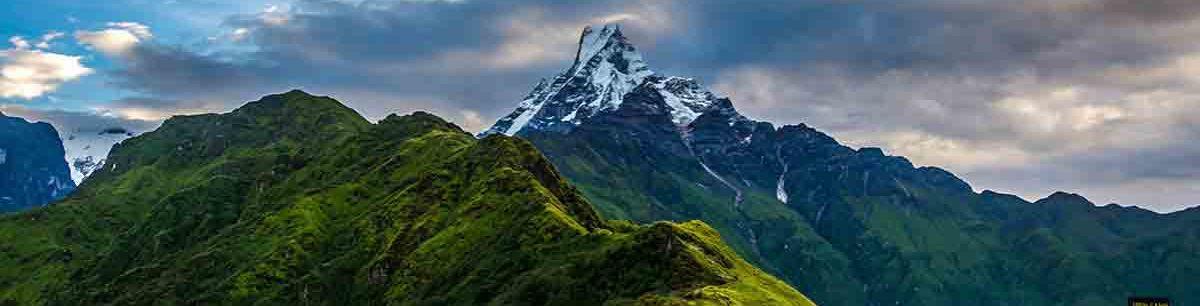
Accessible Tourism in Nepal – Complete Travel Guide for Disabled Travelers

Accessible tourism in Nepal is evolving rapidly, opening new opportunities for Disabled travelers who want to explore the country’s mountains, cultural heritage, wildlife, and spiritual landmarks. Once known primarily as a destination for adventure trekkers, Nepal is now investing in inclusive travel infrastructure, barrier-free attractions, and specialized tour services for travelers with mobility, visual, hearing, or cognitive challenges. As the country steps into 2026/27, accessibility in tourism has become a priority for both the government and private sectors.

This complete guide will help Disabled travelers plan a fully accessible, safe, and enjoyable trip to Nepal in 2026/27. It highlights best destinations, accessible accommodations, wheelchair-friendly attractions, transportation options, health and safety tips, support services, and inclusive tour packages designed for travelers with diverse needs.


 Why Accessible Tourism in Nepal Matters More in 2026/27

Nepal welcomes travelers from all over the world regardless of physical capability, age, or mobility. In recent years, Nepal has:

  • Increased wheelchair accessibility in UNESCO sites like Pashupatinath, Patan Durbar Square, and Swayambhunath (lower section).
  • Improved road networks and ramps in major tourist cities like Kathmandu, Pokhara, and Chitwan.
  • Expanded accessibility-focused hotels with elevators, wide rooms, roll-in bathrooms, and barrier-free designs.
  • Encouraged travel agencies to provide specialized guides trained for Disabledtravelers.
  • Launched accessible trekking concepts like short, wheelchair-friendly nature trails in Pokhara and Chitwan.

With these improvements, travelers with disabilities can experience Nepal’s beauty comfortably and confidently.


 Is Nepal Suitable for Disabled Travelers in 2026/27?

Absolutely—especially if your travel plan focuses on accessible routes, supported travel services, and friendly accommodations. While some rural or high-altitude areas remain challenging, many major destinations now offer:

  • Smooth pavements
  • Wheelchair ramps
  • Disability-friendly restrooms
  • Reserved room types in hotels
  • Accessible vehicles
  • Trained helpers and caregivers
  • Guided tours tailored by disability type

Whether you want a cultural journey, wildlife safari, spiritual trip, or scenic sightseeing experience, Nepal has accessible options available.


 Best Accessible Destinations in Nepal (2026/27 Edition)

 Kathmandu – Culture, Heritage & Spiritual Exploration

Kathmandu Valley, home to UNESCO World Heritage Sites, is the most accessible region for Disabledtravelers.

Accessible attractions include:

  • Pashupatinath Temple (outer premises) – wheelchair-friendly paths
  • Patan Durbar Square – improved paving & ramp access
  • Garden of Dreams – flat surfaces and calm environment
  • Boudhanath Stupa – circular flat pathway, wheelchair accessible
  • Narayanhiti Museum – accessible entrance with guides

Kathmandu also offers many hotels with elevators, accessible bathrooms, and adapted rooms.


 Pokhara – Lakeside Leisure & Adventure (Wheelchair Friendly Areas)

Pokhara is one of the most disability-friendly cities in Nepal.

Popular accessible spots:

  • Phewa Lakeside – long, flat walkway suitable for wheelchairs
  • World Peace Pagoda (viewpoint area) – accessible by vehicle
  • Lakeside Cafés and shops – barrier-free entry in most
  • Paragliding for Disabledtravelers – tandem with trained pilots

You can also opt for:

  • Accessible boat rides
  • Short nature walks
  • Scenic helicopter flights to Annapurna Base Camp

 Chitwan – Accessible Jungle Safari

Chitwan National Park offers barrier-free safari experiences, including:

  • Jeep safaris with side-step access
  • Elephant viewing from raised, accessible platforms
  • Wheelchair-friendly eco-lodges
  • Cultural shows with seating arrangements

Perfect for travelers who want nature and wildlife without long physical exertion.


 Lumbini – Accessible Pilgrimage Destination

As the birthplace of Lord Buddha, Lumbini has wide pathways, wheelchair ramps, and accessible rest areas.

You can easily visit:

  • Maya Devi Temple (outer premises)
  • Monastic zone with flat trails
  • Sacred Garden

It is one of Nepal’s most peaceful and accessible spiritual destinations.


 Accessible Activities for Disabled Travelers in Nepal

Cultural Heritage Tours

Kathmandu Valley and surrounding areas offer accessible transportation and sightseeing routes.

Scenic Helicopter Tours

A great option for travelers who cannot trek but want to see mountains like:

  • Everest
  • Annapurna
  • Langtang
  • Mardi Himal

Helicopters are wheelchair-friendly during boarding with staff assistance.

Paragliding in Pokhara

Special tandem paragliding for disabled travelers includes:

  • Secure harness setup
  • Specialized trained pilots
  • Smooth takeoff support from staff

Wildlife Safaris

Chitwan and Bardia provide:

  • Accessible jeeps
  • Trained naturalists
  • Easy boarding support

Spiritual & Pilgrimage Visits

Pashupatinath, Boudhanath, Lumbini, and Swargadwari are especially accommodating.


 Best Accessible Hotels in Nepal (2026/27)

Kathmandu

  • Accessible elevators
  • Wide doorways
  • Wheelchair-friendly bathrooms
  • Rooms on lower floors

Pokhara

  • Lakeside hotels with ramps
  • Garden-level rooms
  • Accessible restaurants

Chitwan & Lumbini

  • Eco-lodges with accessible pathways
  • Accessible bathrooms
  • Rooms close to reception

Before booking, always check:

  • Elevator availability
  •  Roll-in showers
  •  Grab bars
  •  Stair-free entrances
  •  Room width for wheelchairs

 Accessible Transportation Options in Nepal

 Wheelchair-Friendly Vehicles

Tour operators provide:

  • Modified vans
  • Ramps for wheelchairs
  • Low-floor vehicles
  • Trained drivers and helpers

 Domestic Flights

Major airlines assist with:

  • Wheelchair boarding
  • Pre-boarding services
  • Extra seating assistance

 Helicopter Access

Private helicopter companies offer easy boarding solutions for:

  • Senior travelers
  • Wheelchair users
  • People with limited mobility

 City Transportation

Taxis and private cars are more reliable than public buses for Disabledtravelers.


 Accessible Trekking in Nepal (light & beginner-friendly)

While high-altitude trekking may be physically demanding, Nepal now offers accessible trekking alternatives, including:

1. Sarangkot Accessible Viewpoint

Drive to the top and enjoy panoramic Annapurna views.

2. Australian Camp Accessible Drive

Reach the viewpoint area by jeep (depending on road condition).

3. Nagarkot Viewpoint by Car

Accessible sunrise views near Kathmandu.

4. Accessible Nature Trails

Short, flat, and scenic paths around Pokhara and Chitwan.

These options allow Disabled travelers to enjoy the Himalayan scenery without physical strain.


 Essential Tips for Disabled Travelers Visiting Nepal

  Hire an Accessible Tour Specialist

They provide support like:

  • Wheelchair-friendly vehicles
  • Accessible hotel booking
  • Caregivers or helpers
  • Guided assistance

  Bring Necessary Medical Supplies

Nepal has pharmacies, but specialized items may be limited.

  Consider Travel Insurance

Choose a policy that covers:

  • Mobility devices
  • Medical emergencies
  • Air evacuation (optional)

  Plan Extra Time for Travel

Traffic and road conditions may cause delays.

  Carry a Portable Wheelchair or Mobility Aid

Useful for uneven surfaces.

  Communicate Your Needs Clearly

Most Nepali guides and hotel staff are helpful and accommodating.


 Recommended Accessible Tour Itinerary (7 Days)

Day 1 – Arrival in Kathmandu

Airport wheelchair assistance → Accessible hotel → Relax.

Day 2 – Kathmandu Heritage Tour

Boudhanath → Patan Durbar Square → Garden of Dreams.

Day 3 – Scenic Drive or Flight to Pokhara

Settle at Lakeside → Wheelchair-accessible lakeside walk.

Day 4 – Accessible Adventure Day

Paragliding (optional) → Lakeside boat ride → Peace Pagoda viewpoint.

Day 5 – Drive to Chitwan

Evening village tour and Tharu cultural show.

Day 6 – Accessible Jungle Safari

Jeep safari → Birdwatching tower (accessible area).

Day 7 – Return to Kathmandu

Shopping & departure.

This itinerary balances comfort, accessibility, and Nepal’s best cultural and natural experiences.


Why Choose an Accessible Tour Company in Nepal?

An experienced accessible tour operator will provide:

  • Accessible vehicles
  • Helper or caregiver service
  • Disability-friendly hotel selection
  • Customized itinerary
  • Support during sightseeing
  • Emergency medical assistance

This ensures peace of mind and a safe, enjoyable journey.


 Conclusion

Accessible tourism in Nepal in 2026/27 is not only possible—it is rapidly improving and becoming more inclusive every year. Disabled travelers can now enjoy Nepal’s top attractions, wildlife experiences, scenic views, spiritual sites, and cultural richness with confidence and comfort.

Whether you’re a wheelchair user, visually impaired traveler, senior tourist, or anyone with mobility challenges, Nepal offers inspiring experiences, hospitable people, and supportive travel systems designed to make your journey memorable.

10 Scenic Treks in Nepal: The Ultimate Guide to Nepal’s Most Beautiful Trails

Nepal is one of the most visually breathtaking trekking destinations in the world, and the country’s dramatic landscapes attract trekkers from around the globe. If you love mountain scenery, cultural encounters, alpine lakes, and peaceful nature, then the scenic treks in Nepal should be at the top of your adventure list. Nepal offers treks for every level of hiker, from beginners seeking shorter hikes with big views to experienced adventurers craving high-altitude challenges. This article explores 10 scenic treks in Nepal, each offering its own unique beauty and unforgettable experiences.


 Why Choose Scenic Treks in Nepal?

With eight of the world’s highest mountains, diverse ecosystems, and centuries-old Himalayan culture, Nepal has become a global trekking paradise. The scenic treks in Nepal are known for long stretches of mountain panoramas, charming villages, dramatic glaciers, and pristine natural valleys. Many treks also provide deep cultural immersion as you pass through villages influenced by Tibetan Buddhism, Hindu traditions, and Sherpa heritage.

Whether you prefer lush forests, high-altitude deserts, or snowy alpine passes, Nepal delivers breathtaking scenery at every step.


 Everest Base Camp Trek – The Classic Scenic Trek in Nepal

The Everest Base Camp Trek remains one of the most iconic scenic treks in Nepal, attracting thousands of trekkers who dream of standing at the foot of Mount Everest. This journey offers powerful views of peaks like Everest, Lhotse, Ama Dablam, and Nuptse. Trekkers also explore Sherpa villages, ancient monasteries, and the famous Namche Bazaar.

What Makes It Scenic?

  • Jaw-dropping mountain views throughout the trek
  • Tengboche Monastery overlooking Ama Dablam
  • Scenic suspension bridges and deep river valleys

Highlights

  • Everest Base Camp
  • Kala Patthar viewpoint
  • Khumbu Icefall

 Annapurna Base Camp (ABC) Trek – A Stunning Amphitheater of Mountains

Another one of the most popular scenic treks in Nepal is the Annapurna Base Camp Trek, where trekkers reach the heart of a natural amphitheater surrounded by towering Himalayan peaks. This trek combines lush forests, terraced fields, and snow-covered giants in one journey.

What Makes It Scenic?

  • The Annapurna Sanctuary, ringed by 360° mountains
  • Machhapuchhre (Fishtail), a sacred and iconic peak
  • Bamboo forests and glacial rivers

Highlights

  • Annapurna Base Camp
  • Hot springs at Jhinu Danda
  • Beautiful Gurung culture in Chhomrong and Ghandruk

 Manaslu Circuit Trek – A Remote and Wild Scenic Trek in Nepal

For trekkers who want a quiet trail with dramatic scenery, the Manaslu Circuit Trek is ideal. It is one of the most astonishing scenic treks in Nepal, taking trekkers near Mount Manaslu, the eighth-highest mountain on Earth. This trek feels untouched and peaceful compared to more crowded routes.

What Makes It Scenic?

  • Remote valleys and rugged landscapes
  • Larke La Pass, one of Nepal’s most dramatic high passes
  • Tibetan-influenced cultures and ancient monasteries

Highlights

  • Samagaon Village
  • Birendra Lake
  • Crossing Larke Pass (5,160m)

 Langtang Valley Trek – The Valley of Glaciers

The Langtang Valley Trek is one of the closest scenic treks in Nepal from Kathmandu. In just a few days, trekkers are immersed in spectacular mountain scenery, quaint villages, and glacial valleys. Despite being easily accessible, Langtang offers powerful views comparable to longer treks.

What Makes It Scenic?

  • High-altitude meadows at Kyanjin Gompa
  • Langtang Lirung dominating the skyline
  • Scenic yak pastures and glacial rivers

Highlights

  • Kyanjin Ri and Tsergo Ri viewpoints
  • Langtang National Park wildlife
  • Tamang heritage villages

 Upper Mustang Trek – A Dramatic Desert Landscape

If you’re seeking a completely different environment, the Upper Mustang Trek stands out among the most unique scenic treks in Nepal. This region lies in the rain shadow of the Himalayas, creating desert-like landscapes, colorful cliffs, and ancient cave settlements.

What Makes It Scenic?

  • Colorful rock formations
  • The ancient walled city of Lo Manthang
  • Tibetan Buddhist culture preserved for centuries

Highlights

  • Sky caves of Mustang
  • Monasteries like Thubchen and Choser
  • Windswept desert valleys

 Ghorepani Poon Hill Trek – Short but Extremely Scenic

For beginners or travelers short on time, the Ghorepani Poon Hill Trek is one of the best short scenic treks in Nepal. A sunrise view from Poon Hill is considered one of the best mountain panoramas in the country.

What Makes It Scenic?

  • Stunning sunrise over Dhaulagiri and Annapurna
  • Terraced fields and rhododendron forests
  • Charming villages and short hiking days

Highlights

  • Poon Hill viewpoint
  • Colorful rhododendron blooms (spring season)
  • Beautiful Gurung and Magar communities

 Mardi Himal Trek – Offbeat and Beautiful Scenic Trek in Nepal

The Mardi Himal Trek is gaining popularity as one of the more peaceful and beautiful scenic treks in Nepal. It offers spectacular ridge-top hiking with close-up views of Machhapuchhre and Annapurna South.

What Makes It Scenic?

  • Dramatic ridge walks with clear mountain views
  • Remote forests and alpine cliffs
  • Quiet trails with fewer trekkers

Highlights

  • Mardi Himal Base Camp
  • Forest Camp and High Camp
  • Fishtail Mountain up close

 Gokyo Lakes Trek – Scenic Trek with Sparkling Turquoise Lakes

The Gokyo Lakes Trek is another incredible journey in the Everest region and ranks high among the most visually striking scenic treks in Nepal. The six turquoise lakes of Gokyo are surrounded by dramatic mountains and glaciers.

What Makes It Scenic?

  • Stunning blue high-altitude lakes
  • The giant Ngozumpa Glacier
  • 360° panorama from Gokyo Ri

Highlights

  • Gokyo Ri viewpoint
  • Renjo La Pass (optional)
  • Gokyo’s lake system

Kanchenjunga Base Camp Trek – Remote, Wild, and Magnificent

The Kanchenjunga Base Camp Trek takes you to the remote eastern region of Nepal, home to the world’s third-highest mountain. This trek is considered one of the most stunning scenic treks in Nepal for adventure lovers seeking untouched wilderness.

What Makes It Scenic?

  • Deep forests and wild landscapes
  • Towering Himalayan massifs
  • Remote communities with Tibetan influences

Highlights

  • North and South Kanchenjunga Base Camp
  • Yalung Glacier
  • Rare wildlife such as red pandas

 Helambu Trek – A Peaceful and Accessible Scenic Trek in Nepal

The Helambu Trek is a short but culturally rich route that takes trekkers through Sherpa and Hyolmo villages north of Kathmandu. It is among the most accessible scenic treks in Nepal suitable for beginners and families.

What Makes It Scenic?

  • Peaceful forests and rolling hills
  • Snow-covered mountain backgrounds
  • Traditional monasteries and village life

Highlights

  • Sermathang Village
  • Melamchi Valley
  • Buddhist monasteries and stupas

 Choosing the Best Scenic Trek in Nepal for You

With so many incredible scenic treks in Nepal, choosing the right one may depend on your trekking experience, available time, fitness level, and interest in culture or landscapes.

Best for Beginners

  • Ghorepani Poon Hill
  • Helambu
  • Mardi Himal

Best for Culture Lovers

  • Upper Mustang
  • Langtang Valley
  • Manaslu Circuit

Best for High-Altitude Adventure

  • Everest Base Camp
  • Gokyo Lakes
  • Kanchenjunga

 Tips for Trekking the Scenic Treks in Nepal

To make the most of these beautiful treks:

  • Choose the right season (spring and autumn are ideal).
  • Prepare physically for multi-day trekking.
  • Use local guides and porters for better safety and cultural understanding.
  • Pack proper gear including jackets, layers, and trekking boots.
  • Respect local cultures and natural environments.

The scenic treks in Nepal reward travelers with unforgettable landscapes, cultural immersion, and deep personal satisfaction.


 Final Thoughts on Scenic Treks in Nepal

Nepal is a paradise for trekkers, and its diverse landscapes ensure that every trip becomes memorable. These 10 scenic treks in Nepal offer everything from alpine lakes and dramatic mountain ridges to desert valleys and lush forests. Whichever trek you choose, the Himalayan beauty and cultural richness will stay with you for a lifetime.

10 Reasons to Go on Manaslu Region Trekking in 2026

The Manaslu Region Trekking in 2026 is shaping up to be one of Nepal’s most rewarding Himalayan adventures. This Himalayan trek circles Mount Manaslu, the eighth-highest peak in the world, and reveals landscapes, cultures, and experiences untouched by mass tourism. As interest in remote Himalayan trails grows, the Manaslu region stands out for its raw beauty, authentic culture, and controlled trekking environment. The coming year is expected to be ideal for trekkers. Weather patterns are stabilizing. Trails are being improved. Local communities are preparing for a rise in sustainable tourism.

If you have been dreaming of a Himalayan adventure, here are the 10 biggest reasons to go on Manaslu Region Trekking in 2026.


Unspoiled Trail Experience – A Top Reason for Manaslu Region Trekking in 2026

The Manaslu Region Trekking in 2026 gives you something very rare in Nepal: a pristine, less-crowded trail. While Everest and Annapurna continue to attract thousands, Manaslu offers more space, tranquility, and silence on the trail. In 2026, improved conservation efforts and controlled permit numbers help maintain this exclusivity.

You walk through dense forests, high alpine valleys, and remote Tibetan-inspired villages without the rush of tourist traffic. The region remains a sanctuary for those who love natural wilderness. Every step feels peaceful, allowing for deep connection with the landscape.

This unspoiled environment is a big reason trekkers are choosing the Manaslu region for next year.


Stunning Himalayan Views – A Major Attraction of Manaslu Region

The views along the Manaslu Region Trekking in 2026 route are unforgettable. Mount Manaslu rises to 8,163 meters and stands as the crown jewel of the region. But the trek also offers clear views of Himalchuli, Ganesh Himal, Ngadi Chuli, and even parts of the Annapurna range.

In 2026, trekkers can expect especially clear conditions. Weather experts suggest more stable spring and autumn skies compared to recent years. That means better sunrise views, better photography opportunities, and clearer landscapes.

If you enjoy mountains, the Manaslu region is an undisputed masterpiece.


Authentic Local Culture – An Essential Feature of Manaslu Region Trekking in 2026

One of the top reasons to choose Manaslu Region Trekking in 2026 is the authentic culture. The trail passes through Gurung, Magar, and Tibetan Buddhist communities. These villages preserve traditions practiced for centuries, untouched by mass tourism.

Trekkers can witness:

  • Stone-built villages
  • Monasteries and prayer walls
  • Tibetan-style houses
  • Traditional farming practices
  • Sherpa and Lama spiritual traditions

In 2026, cultural tourism in this region is expected to expand. Local homestay programs are improving. More communities are offering cultural demonstrations, local cuisine, and traditional music. This adds depth to the trekking experience.


Controlled Permit System – Why Manaslu Region Trekking in 2026 Feels Safer and More Exclusive

The Manaslu region is classified as a Restricted Area. For the Manaslu Region Trekking in 2026, trekkers still need a special permit and a registered guide. While some see this as a hurdle, it actually enhances the trekking experience.

The controlled permit system provides:

  • Fewer trekkers
  • A safer environment
  • Better maintained trails
  • Stable income for local communities
  • Environmental protection

In 2026, the government plans to strengthen safety protocols and improve checkpost monitoring. That means a more secure experience for trekkers. Those who want an exclusive Himalayan trek appreciate the low-traffic advantage created by permit restrictions.


A More Sustainable Trekking Option – A Rising Trend for Manaslu Region Trekking in 2026

Sustainable travel is growing globally. The Manaslu Region Trekking aligns perfectly with this trend. Since the trek is controlled by conservation rules, its natural environment has remained intact.

New sustainability actions planned for 2026 include:

  • Better waste management systems
  • More eco-friendly lodges
  • Local-run tea houses
  • Encouragement of reusable gear
  • Community involvement in conservation

This trek supports local economies while minimizing environmental impact. For travelers who value responsible tourism, Manaslu is one of Nepal’s most ethical trekking options.


The Adventurous Larkya La Pass – A Highlight of Manaslu Region Trekking in 2026

Crossing the Larkya La Pass (5,160m) is one of the biggest achievements of the Manaslu Region Trekking . The pass offers thrilling alpine adventure, breathtaking views, and a sense of accomplishment for trekkers.

Why it’s special:

  • The ascent is gradual but rewarding
  • Snow-covered landscapes surround you
  • The glacier views are unmatched
  • The descent leads to a stunning valley

Improved trail conditions expected in 2026 make the pass more accessible than in previous years. Trekkers can expect better signage, safer sections, and more experienced guides familiar with updated routes.


Diverse Ecosystems – A Natural Wonder on Manaslu Region

One major reason trekkers choose the Manaslu Region is the incredible diversity in ecosystems. The trek covers everything from subtropical forests to high-altitude tundra.

You will walk through:

  • Rhododendron forests
  • Pine and oak forests
  • Alpine meadows
  • Rocky terrain
  • Snowy mountain landscapes

The region is also rich in wildlife. Trekkers may see Himalayan musk deer, blue sheep, marmots, and if lucky, the elusive snow leopard. Birdlife is abundant, including pheasants and Himalayan griffons.

By 2026, conservation programs are expected to boost wildlife populations further, making sightings more common.


Improved Tea Houses and Trail Facilities – A Practical Benefit of Manaslu Region Trekking

Compared to 10 years ago, the Manaslu region has significantly better accommodations. This trend continues into Manaslu Region Trekking in 2026 as more tea houses are upgrading rooms, dining areas, and hygiene standards.

Expect the following improvements:

  • Cleaner rooms
  • More comfortable bedding
  • Reliable meals with better hygiene
  • More charging stations
  • Better toilets

These upgrades will make the trek more comfortable for both beginners and experienced trekkers. The region strikes a good balance between authenticity and comfort.


Perfect for Adventure in 2026 – Ideal Weather for Manaslu Region Trekking

Weather forecasts for 2026 show favorable conditions for Himalayan trekking. This makes Manaslu Region Trekking in 2026 one of the best choices for trekking next year.

The ideal seasons offer:

Best Time for Manaslu Region Trekking in 2026 (Spring & Autumn)

Spring (March to May):

  • Clear skies
  • Moderate temperatures
  • Flower-filled forests
  • Great for photography

Autumn (September to November):

  • Stable weather
  • Crisp mountain views
  • High visibility
  • Pleasant trekking conditions

Because 2026 is expected to have slightly warmer conditions and less rainfall than average, trekkers will benefit from smoother trails and safer passes.


A Once-in-a-Lifetime Himalayan Experience – Why 2026 Is the Perfect Year

The final reason to go for Manaslu Region Trekking in 2026 is simple: it promises a once-in-a-lifetime adventure. The region has kept its authenticity. Trails are safer. Local communities are better prepared. And Nepal’s tourism board is promoting Manaslu as a top adventure destination for the coming year.

In 2026, trekkers can expect:

  • Better infrastructure
  • More experienced guides
  • Stable visa and permit systems
  • Improved local services
  • Enhanced communication networks

All these factors combine to make 2026 one of the best years in recent memory for exploring the Manaslu Circuit.


Conclusion: Why You Should Choose Manaslu Region Trekking in 2026

The Manaslu Region Trekking in 2026 offers untouched beauty, challenging mountain passes, authentic Himalayan culture, and sustainable tourism practices. It remains less commercialized than Everest and Annapurna and gives trekkers a rare chance to explore the Himalayas in their purest form.

If you’re planning a Himalayan adventure for 2026, the Manaslu region deserves to be at the top of your list. Its combination of natural beauty, cultural richness, adventure, and exclusivity makes it one of the most rewarding treks in Nepal.

Nepal Waives Climbing Permit Fees for 97 Peaks: Key Benefits, and Important Details

The announcement that Nepal will waive climbing permit fees for 97 peaks marks a major shift in the country’s mountaineering and tourism policy. The decision isn’t just headline-grabbing: it reflects a strategic effort to redirect climbing traffic, support remote communities and promote lesser-known Himalayan summits. This article unpacks the key aspects of the “Nepal waives climbing permit fees for 97 peaks” programme — what it means, why it’s happening, the conditions, opportunities for climbers and the challenges that come with it.


What exactly happened?

Key decision details

  • On 17 July 2025, the Nepali government approved a policy that permits will be waived for 97 Himalayan peaks for a two-year period.
  • These peaks are located primarily in the remote provinces of Karnali Province (77 peaks) and Sudurpashchim Province (20 peaks).
  • The peaks range in elevation roughly from 5,870 metres (19,258 feet) up to 7,132 metres (23,398 feet).
  • Meanwhile, climbing permit fees for more popular mountains (including Mount Everest) are being raised. For example, Everest fees will go from US$11,000 to US$15,000 in the popular April-May season.
  • The waiver programme is explicitly aimed at boosting tourism in remote, under-developed regions and promoting “off-the-beaten-track” climbing.

Why did Nepal waive climbing permit fees for 97 peaks?

Diversifying mountaineering traffic

The primary motivation is to redirect climbers away from the overcrowded mainstream peaks and towards lesser-visited regions. As one tourism official put it:

“The idea is to encourage climbers to go to unexplored yet scenic areas and mountain peaks.”

By doing so, Nepal hopes to reduce pressure on popular routes (both environmental and logistical) and spread tourism benefits more broadly.

Economic and regional development

The provinces of Karnali and Sudurpashchim are among the country’s most remote and least developed. According to reporting:

  • These areas have “scarcely visited” peaks and poor infrastructure.
  • The government hopes the fee waiver will create jobs, generate income and strengthen local economies in those provinces.

Managing Everest and other major peaks

At the same time that the waiver was announced, Nepal is increasing permit fees for its most prominent peaks. This dual strategy helps to:

  • Deter some of the overwhelming numbers of climbers heading to Everest.
  • Provide an incentive for climbers to consider other summits.
  • Ensure the revenue from major peaks remains robust while giving alternatives to the climbing community.

Training ground and regulatory linkage

There’s also a regulatory angle: Nepal is considering requiring that climbers attempting Everest have first summited a 7,000-metre peak. Some of the waived 97 peaks are around or above that threshold (e.g., Api Himal at 7,132 m).


What it means for climbers

Opportunity for adventure on “hidden peaks”

For mountaineers seeking something different, the “Nepal waives climbing permit fees for 97 peaks” initiative opens up major new possibilities:

  • Peaks in the 5,800-7,100 m range that were previously little visited.
  • The chance to explore remote corners of Nepal not saturated with commercial expedition traffic.
  • Potentially lower overall costs for climbing permit royalties (though other costs remain).

But it’s not totally “free climbing”

Important caveats:

  • The waiver is for royalty or permit-fee components, but many other costs (liaison officers, insurance, logistics, transport, guide/porter services) still apply. Experts point out the royalty fee is often a small part of total costs.
  • Access to these remote regions is more challenging: limited infrastructure, fewer services, longer travel time from base (Kathmandu) to climbing approach.
  • The waiver is for two years only, so climbers should act within that window if they want this benefit.

Strategic considerations for climbing

If “Nepal waives climbing permit fees for 97 peaks” is the policy, then climbers should:

  1. Choose a peak from the 97-list (confirm whether your chosen one is included)
  2. Factor in approach logistics (remote western provinces may require flights, longer drives, less support)
  3. Budget for full expedition costs, not just permit fees
  4. Consider skill/experience level: remote peaks may require self-sufficiency and technical ability
  5. Check that support services (guides, porters, gear, evacuation) are available in the region

Impact on Nepal’s tourism and mountain-economy

Spread of tourism development

By opening up new climbing destinations, Nepal hopes to reduce its reliance on the well-worn trekking and climbing circuits and spread tourism revenues to more remote areas. That can lead to:

  • Increased job opportunities for local guides, porters, lodges, transport services.
  • Greater awareness and appreciation of the natural landscapes of Karnali and Sudurpashchim.
  • Reduced crowding and environmental strain on the popular peaks.

Financial and ecological balancing act

While the waiver removes one fee, Nepal still depends on climbing permit revenues (e.g., Everest and popular peaks). According to one source the climbing fees generated about US$5.9 million last year with Everest making up over three-quarters of that.
By raising fees on Everest while waiving the lesser peaks, Nepal seems to be re-balancing its mountaineering economy.

Infrastructure challenge

However, the impact will depend on the infrastructure catch-up. Experts warn that the remote western areas may lack the necessary services and support for a surge in mountaineering tourism.
If access remains difficult and services limited, the waiver alone may not be enough to attract large numbers of climbers.


What are the terms and conditions?

Duration

The permit fee waiver applies for two years, starting from the official approval.

Geographical and altitude scope

The 97 waived peaks are specifically in Karnali and Sudurpashchim provinces. They range from 5,870 m to 7,132 m.

What is waived

The waiver relates to royalty/permit fees for the peaks in question. It does not necessarily cover all costs associated with climbing (logistics, guide/porter fees, insurance, etc.).

What remains unchanged or increased

  • For other peaks (outside the 97-list), permit fees have been increased – e.g., smaller mountains rising from US$250 to US$350.
  • Everest permit fees will rise significantly.

Opportunities and caveats

Opportunities

  • Less crowded environment: Climbers willing to venture to remote western Nepal can avoid traffic jams seen on Everest and other popular peaks.
  • Unique landscapes: The western Himalayas offer pristine, less-explored terrain with spectacular scenery.
  • Cost savings: For the permit component at least, there is a tangible saving when “Nepal waives climbing permit fees for 97 peaks.”
  • Training for bigger peaks: Some of the waived peaks are around 7,000 m; these could function as stepping-stones for climbers aiming for higher goals (especially if the proposed law requiring a 7,000 m summit before Everest passes).

Caveats

  • Infrastructure and support: Remote regions may lack robust rescue/emergency services, lodging, transport, communications. This raises risk and cost.
  • Access difficulties: Getting to the base of these peaks may involve longer, harder travel from Kathmandu, or multiple flights/drives.
  • Still substantial costs: The permit fee is only a part of total expedition cost; travel, gear, logistics may dominate budget. Expert commentary warns that the waiver of a few hundred dollars in royalty will not in itself make a remote expedition cheap.
  • Time-limited: The waiver is only for two years, after which normal permit fees may apply again. Climbers should plan accordingly.
  • List specificity: Not all peaks are necessarily included in the 97; climbers must verify that their desired peak is part of the waiver list.

FAQ: Common questions about “Nepal waives climbing permit fees for 97 peaks”

Q: Does this mean I can climb one of the 97 peaks totally free of charge?
A: Not entirely. It means the government royalty/permit fee is waived. You will still need to cover guide/porter costs, insurance, travel, logistics, equipment, and other expedition expenses.

Q: Which peaks are included in the 97-list?
A: The full list has not always been widely published, but we know the peaks range from ~5,870 m to ~7,132 m and are located in Karnali and Sudurpashchim provinces. For example, peaks like Api Himal (7,132 m) are among them.

Q: Is this waiver permanent?
A: No — the policy is set for two years. After that, standard permit fees may return unless the government extends the policy or modifies it.

Q: Will this reduce overcrowding on Everest and other peaks?
A: That is one of the goals of the policy. By raising fees on Everest and offering free/waived permits on other peaks, Nepal hopes to redistribute climbers. Whether the effect will be large depends on how many climbers choose the remote western peaks.

Q: Should I hurry to climb one of these peaks now?
A: If you are interested in climbing a remote peak in western Nepal, yes—it makes sense to plan soon while the waiver is in effect. But also assess logistics, experience level, expedition budget and support.


Strategic advice for expedition planners

If you’re a mountaineer or expedition operator thinking: “So Nepal waives climbing permit fees for 97 peaks — how do I exploit this?”, here are strategic pointers:

  1. Select your peak carefully
    Choose a peak included in the waiver list. Cross-check with a trusted local operator or the Nepal Mountaineering Association (NMA) or the Ministry of Culture, Tourism & Civil Aviation.
  2. Investigate logistics in Karnali/Sudurpaschim
    Many of these peaks lie in remote zones with limited infrastructure. Assess approach (road/air), altitude acclimatisation, base camp access, rescue options and guides/porters availability.
  3. Calculate full expedition cost
    Even with permit fee waived, costs like transportation, gear, food, staff, insurance can add up. Be realistic about budget and contingencies.
  4. Factor in experience and season
    Some peaks may be technically challenging or under-resourced. Make sure your team has the skills, acclimatisation plan and support for remote alpine climbing.
  5. Leverage marketing and novelty
    As the “Nepal waives climbing permit fees for 97 peaks” initiative gains attention, there may be opportunity to market a “hidden Himalayan gem” expedition. For adventure travel companies, this could be a selling point.
  6. Community engagement and sustainability
    Since one goal of the policy is to benefit local communities, engage locally: hire local guides/porters, use local lodges, respect cultural/environmental norms. This strengthens the social licence and may increase local support.
  7. Monitor renewal/extension of policy
    Since the waiver is time-bound (two years), check if the policy is extended or modified. Plan accordingly for fees, deadlines and permit applications.

Potential long-term ramifications for Nepali mountaineering

The “Nepal waives climbing permit fees for 97 peaks” policy could lead to several longer-term changes:

  • New climbing routes & alternate hubs: The western Himalayas may become more popular, leading to new base camps, lodges and tourist infrastructure.
  • Reduced pressure on Everest/Annapurna regions: If climbers shift into the less-crowded zones, environmental and logistical burdens on the most popular peaks may ease.
  • Greater regional equity: By bringing mountaineering income to under-developed provinces, the tourism benefit may spread more evenly across Nepal.
  • Training ground for serious climbers: If the proposed 7,000 m summit-before-Everest rule is implemented, some of these waived peaks may play a bigger role in climber progression.
  • Increased competition: As more climbers attempt these remote peaks, the “undiscovered” status may diminish, and fees or regulations may evolve accordingly.
  • Infrastructure development necessity: The success of the initiative will depend on improving access, safety, accommodation and logistical support in remote areas — a major challenge and cost.

Challenges and criticisms

While the policy is bold and promising, a number of criticisms and concerns have been raised:

  • Some mountaineers argue that the royalty fee waiver won’t significantly change expedition costs, because the royalty was only a small proportion of overall cost.
  • Others point out that infrastructure is the real obstacle, not permit fees. Remote western Nepal suffers from poor roads, limited flight connectivity, less search/rescue capability and minimal support.
  • Some operators worry that the influx of climbers, if unsupported, may lead to negative impacts (environmental, cultural) on these fragile regions.
  • Since the waiver is limited to two years, there is concern about what happens when the period ends: Will fees rebound? Will momentum be lost?
  • Marketing and awareness: Many international climbers may simply not know about the opportunity or may still prefer the prestige of climbing Everest or Annapurna, limiting the shift.

Conclusion

In summary:
The decision that “Nepal waives climbing permit fees for 97 peaks” is a strategic and significant move by the Nepali government. It offers climbers new opportunities in less-visited regions and holds the promise of distributing tourism benefits more broadly within Nepal. Yet the opportunity comes with practical caveats — remote access, full expedition costs, support infrastructure and time-limited nature of the policy. For serious climbers and expedition planners, these waived-permit peaks represent an intriguing alternative to the well-trod routes.

If you’re considering an expedition under this policy, begin planning soon: select your peak, assemble your team, assess costs and logistics, and leverage the novelty while it lasts. For Nepal, the success of this initiative may depend on how well the remote regions can scale up to meet increased interest—both in terms of support and sustainability.

Base Camp Services vs Full Board Services – Which Trekking Option Should You Choose?

When planning a trek in Nepal, one of the most important decisions is choosing between Base Camp Services vs Full Board Services. These two service packages determine how your trek will be organized, what level of support you will receive, and how much flexibility or comfort you can expect. Understanding the difference between base camp and full board services helps trekkers choose the right option for their needs, budget, and trekking style.

Both service types are widely offered by trekking companies in Nepal. However, the inclusions, costs, and overall experiences vary significantly. This guide provides a complete comparison of Base Camp Services vs Full Board Services, helping you make an informed choice before you begin your Himalayan adventure.


Understanding Base Camp Services vs Full Board Services

Before choosing between Base Camp Services vs Full Board Services, it is essential to understand what each package includes. While both options involve the same trekking routes and destinations, they differ in terms of logistics, meals, accommodation management, and personal involvement during the trek.

What Are Base Camp Services?

Base camp services are designed for trekkers who prefer more independence. In this model, the trekking agency provides the essential groundwork for your trek. This usually includes obtaining trekking permits, arranging guides and porters, and organizing transportation to and from the trailhead.

Accommodation and meals during the trek are generally not included in base camp services. Instead, trekkers are responsible for selecting teahouses and ordering meals along the route. This gives more control over daily expenses and meal preferences.

Base camp services are popular among experienced trekkers who want flexibility. You can choose where to stay, what to eat, and how much to spend each day.

What Are Full Board Services?

Full board services offer a more structured and inclusive trekking package. When you choose full board, the trekking agency arranges almost everything for you. This typically includes accommodation, three meals a day, guide and porter services, transportation, permits, and sometimes even airport transfers.

With full board services, trekkers can focus on enjoying the journey without worrying about logistics. Meals and lodging are pre-arranged, and the guide handles daily coordination. This option is ideal for first-time trekkers, families, or anyone seeking comfort and ease during the trek.


Key Differences: Base Camp Services vs Full Board Services

The debate of Base Camp Services vs Full Board Services centers around four major factors: cost, flexibility, comfort, and responsibility. Understanding these differences helps trekkers decide which package suits their expectations.

Cost Comparison

Base camp services are usually more affordable. Since accommodation and meals are paid for directly by trekkers along the way, you can manage your spending based on personal choices. Some trekkers prefer simple teahouses and budget meals, which keeps overall costs low.

Full board services are priced higher because the trekking agency includes all meals, accommodation, and additional services in the package. However, this can be more cost-effective for those who prefer fixed pricing and do not want to deal with daily payments.

Flexibility During the Trek

Base camp services offer maximum flexibility. You decide where to sleep and what to eat, which is perfect for trekkers who like making spontaneous choices or adjusting their itinerary on the go.

Full board services provide less flexibility, as most accommodations and meals are pre-booked. The benefit is convenience, but it can limit the freedom to explore alternative lodges or dining options along the trail.

Comfort and Convenience

With full board services, you can expect more comfort and less stress. The trekking company handles everything, allowing you to focus on walking and enjoying the scenery. Your guide ensures that meals are served on time and rooms are ready when you arrive at each stop.

Base camp services require more involvement from trekkers. You must find accommodation, negotiate prices, and order meals yourself. For experienced trekkers, this is part of the adventure. For beginners, it can be tiring after long trekking days.

Level of Personal Responsibility

Base camp services involve higher personal responsibility. You handle daily logistics, which requires basic Nepali communication skills or confidence in navigating local systems. This option suits independent trekkers who want more control.

Full board services involve minimal personal responsibility. The guide and agency take care of the logistics, ensuring a smoother overall experience.


Base Camp Services vs Full Board Services: Typical Inclusions

Here is a breakdown to help you understand what is usually included in each service:

Service ItemBase Camp ServicesFull Board Services
Trekking permits✔ Included✔ Included
Guide & porter✔ Included✔ Included
Accommodation during trek❌ Paid by trekker directly✔ Included in package
Meals during trek❌ Paid by trekker directly✔ Three meals per day
Transportation to trailhead✔ Usually included✔ Usually included
Airport transfers❌ Sometimes not included✔ Often included
Flexibility✔ High flexibility❌ Limited flexibility
Price structure💲 Lower base cost, variable daily expenses💲 Higher upfront cost, fewer variable expenses

This clear comparison of Base Camp Services vs Full Board Services helps trekkers visualize the difference between the two trekking service models.


Who Should Choose Base Camp Services?

Choosing Base Camp Services vs Full Board Services depends on your trekking style and experience level. Base camp services are best for:

  • Experienced trekkers who are familiar with Nepal’s teahouse system.
  • Budget travelers who want to control daily expenses.
  • Independent trekkers who prefer flexible itineraries.
  • Adventure seekers who enjoy handling logistics themselves.

If you love making spontaneous decisions and value the freedom to adjust your route, base camp services give you the independence you want. This option is especially popular on well-trodden routes like Everest Base Camp and Annapurna Base Camp.


Who Should Choose Full Board Services?

Full board services are ideal for:

  • First-time trekkers who want a hassle-free experience.
  • Families or groups who prefer pre-planned arrangements.
  • Trekkers with limited time who do not want to spend time organizing logistics daily.
  • Travelers seeking comfort and safety with experienced local support.

For those new to trekking in Nepal, the language, culture, and unfamiliar teahouse system can be overwhelming. Full board services offer a structured experience where everything is organized for you, ensuring a smoother journey.


Base Camp Services vs Full Board Services: Cost Examples

To illustrate the price difference between Base Camp Services vs Full Board Services, here is an example for a 12-day trek to Annapurna Base Camp:

  • Base Camp Services Package:
    • Trekking permits: $50
    • Guide & porter: $350
    • Accommodation (paid directly): approx. $120
    • Meals (paid directly): approx. $180
    • Transportation: $50
    • Total estimated cost: around $750
  • Full Board Services Package:
  • All permits, guide, porter, meals, and accommodation included.
  • Transportation and airport transfers included.
  • Package price: around $1,100

While base camp services appear cheaper at first, the total cost depends on how you manage daily expenses. Full board services offer clarity with fixed pricing, which can be helpful for budgeting.


Pros and Cons: Base Camp Services vs Full Board Services

Here’s a quick overview of the pros and cons:

Base Camp Services – Pros

  • High flexibility
  • Lower base cost
  • More authentic interaction with locals
  • Freedom to choose meals and lodges

Base Camp Services – Cons

  • Requires more effort and planning
  • Daily expenses can vary
  • May be confusing for first-time trekkers
  • No guaranteed accommodation during peak season

Full Board Services – Pros

  • Convenience and comfort
  • Meals and accommodation pre-arranged
  • Time-saving and stress-free
  • Ideal for beginners and families

Full Board Services – Cons

  • Less flexibility
  • Slightly higher cost
  • Dependent on agency’s arrangements
  • Less room for spontaneous choices

How to Decide Between Base Camp Services vs Full Board Services

When deciding between two kind services, ask yourself the following questions:

  1. What is my trekking experience level?
    If you’re new, full board services may be better. Experienced trekkers may enjoy base camp services.
  2. How important is flexibility to me?
    If you want to choose where to eat and sleep daily, base camp services are ideal.
  3. What is my budget?
    Base camp services can be cheaper, but full board services offer predictable costs.
  4. Do I enjoy planning logistics?
    Base camp services require involvement, while full board services let you relax.

Conclusion: Choosing the Right Service for Your Trek

The decision between Base Camp Services vs Full Board Services depends on your personal preferences, budget, and trekking style. Base camp services suit independent and experienced trekkers seeking flexibility and cost control. Full board services are perfect for those who prefer a hassle-free, comfortable trekking experience with everything arranged in advance.

Whichever option you choose, both provide unforgettable journeys through Nepal’s breathtaking landscapes. By understanding the difference between base camp and full board services, you can select the trekking package that matches your adventure goals.