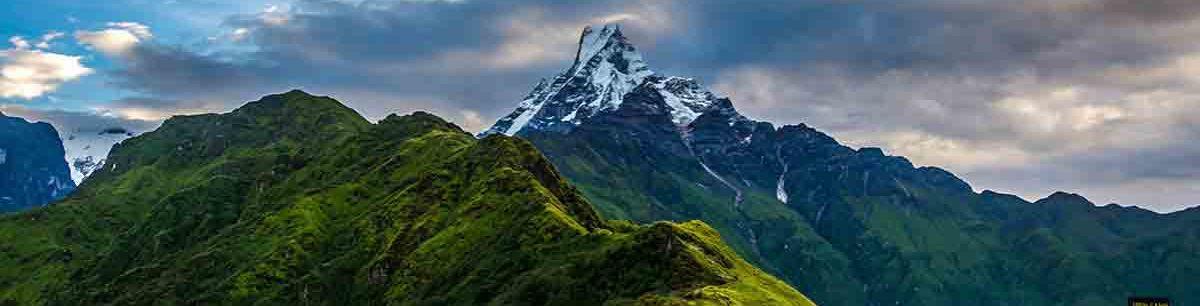
Reason to go on an Everest Base Camp Trek

Rating: 5 out of 5.

The Everest Base Camp Trek is a renowned trekking adventure that takes you to the base camp of Mount Everest, the highest peak in the world. Located in the Khumbu region of Nepal, the trek offers an incredible opportunity to witness the stunning beauty of the Himalayas, immerse yourself in Sherpa culture, and experience the thrill of being in the presence of the world’s most iconic mountain.

Embarking on the Everest Base Camp Trek is a bucket-list adventure that offers a unique and unforgettable experience. Here are several compelling reasons why you should consider going on the Everest Base Camp Trek:

Contact us for Everest base camp trekking Package

Spectacular Scenery: The Everest Base Camp Trek takes you through the breathtaking landscapes of the Everest region. You’ll witness majestic mountains, pristine glaciers, deep valleys, and charming Sherpa villages. The panoramic views of Everest, Lhotse, Nuptse, and other Himalayan peaks are simply awe-inspiring.

Everest Base Camp: Standing at an elevation of 5,364 meters (17,598 feet), Everest Base Camp is the starting point for climbers attempting to summit Mount Everest. Visiting this iconic location allows you to soak in the atmosphere and gain a firsthand experience of the mountaineering culture. It’s a humbling and inspiring feeling to be in the presence of such a legendary peak.

Physical and Mental Challenge: The Everest Base Camp Trek is a physically demanding adventure that requires endurance, strength, and mental resilience. It offers an opportunity to push your limits and discover what you’re truly capable of. The sense of accomplishment upon reaching the base camp is immense and can boost your confidence in all aspects of life.

Contact us for Everest base camp trekking Package

Cultural Immersion: The Everest region is home to the Sherpa people, renowned for their mountaineering prowess and unique culture. During the trek, you’ll have the chance to visit traditional Sherpa villages, interact with locals, and gain insights into their way of life. You can immerse yourself in their warm hospitality, taste delicious local cuisine, and explore ancient monasteries, adding a cultural dimension to your adventure.

Trekking Infrastructure: The Everest Base Camp Trek is one of the most popular and well-established trekking routes in the world. As a result, the trekking infrastructure along the trail is well-developed. You’ll find comfortable tea houses, lodges, and basic amenities throughout the route, making it a more accessible and manageable trek compared to other remote regions.

Contact us for Everest base camp trekking Package

Camaraderie and Community: The Everest Base Camp Trek attracts adventurers from all over the world, creating a vibrant and diverse community of trekkers. Along the trail, you’ll have the opportunity to meet like-minded individuals, share stories, and forge new friendships. The sense of camaraderie and support among fellow trekkers is a memorable aspect of the journey.

Personal Growth and Reflection: Trekking to Everest Base Camp is not just a physical challenge but also an opportunity for personal growth and self-reflection. The serene and awe-inspiring environment allows for introspection, offering a chance to disconnect from the hectic pace of everyday life and reconnect with yourself. It’s a journey that can provide clarity, perspective, and a renewed appreciation for nature’s beauty.

Adventure of a Lifetime: The Everest Base Camp Trek is an adventure that will stay with you for a lifetime. It’s an opportunity to create lasting memories, overcome obstacles, and witness the grandeur of the Himalayas. The sense of achievement, the stunning landscapes, and the bonds formed along the way make it an unparalleled experience that you’ll cherish forever.

Contact us for Everest base camp trekking Package

Starting Point and Route:

The trek usually begins with a scenic flight from Kathmandu, the capital of Nepal, to Lukla, a small mountain town situated at an elevation of 2,860 meters (9,383 feet). From Lukla, trekkers set foot on the famous trail that winds its way through the Khumbu region. The route passes through a series of villages, including Phakding, Namche Bazaar, Tengboche, Dingboche, Lobuche, Gorak Shep, and finally reaches Everest Base Camp.

Challenges and Considerations:

The Everest Base Camp Trek is considered a moderate to strenuous trek. Altitude sickness is a significant concern, and proper acclimatization is essential to minimize its risks. Adequate physical fitness and stamina are recommended, as the trek involves long hiking days and steep ascents and descents. It’s important to be prepared for varying weather conditions, with cold temperatures and potential rainfall or snowfall.

Contact us for Everest base camp trekking Package

Guides and Permits:

While it is possible to trek independently, many trekkers opt for hiring experienced guides or joining organized tours. Guides provide valuable support, knowledge, and assistance throughout the trek. Additionally, obtaining a TIMS (Trekkers’ Information Management System) card and a Sagarmatha National Park entry permit is mandatory for trekking in the Everest region.

Hospitality and Teahouse Accommodation:

Throughout the trek, you’ll find cozy teahouses and lodges that offer basic but comfortable accommodation and meals. These teahouses provide a warm refuge after a day of trekking, where you can relax, enjoy delicious Nepali and international cuisine, and interact with fellow trekkers and locals.

Conclusion:

The Everest Base Camp Trek is a remarkable adventure that combines natural beauty, cultural immersion, physical challenge, and personal growth. It offers an opportunity to witness the world’s highest peaks up close, immerse yourself in Sherpa culture, and forge lifelong memories. If you’re seeking an adventure that pushes your limits and leaves you with a profound sense of accomplishment, the Everest Base Camp Trek is an experience of a lifetime.

Feel Free To Contact Us.

Things You Should Know Before You Go to Tibet: A Guide to an Enchanting Land

Rating: 5 out of 5.

Tibet, often referred to as the “Roof of the World,” is a mystical and captivating destination that offers breathtaking landscapes, rich cultural heritage, and spiritual enlightenment. Before embarking on a journey to Tibet, it is essential to gather information and prepare for the unique challenges and experiences that await. This article aims to provide you with valuable insights and practical tips to enhance your understanding and ensure a smooth and fulfilling visit to this extraordinary land.

Entry Permits and Travel Restrictions:

Tibet has specific travel regulations, and obtaining the required permits is mandatory. To enter Tibet, you need both a Chinese visa and a Tibet Travel Permit. The permit can only be obtained through a registered travel agency in Tibet. Additionally, certain areas in Tibet may require additional permits, such as the Alien’s Travel Permit and the Military Permit. Ensure that you have all the necessary permits well in advance of your trip.

Altitude Considerations and Acclimatization:

Tibet’s high altitude can present challenges to visitors. Lhasa, the capital city, is situated at an altitude of approximately 3,650 meters (11,975 feet). It is crucial to allow ample time for acclimatization to prevent altitude sickness. Gradually ascend to higher altitudes, stay hydrated, avoid strenuous activities in the first few days, and listen to your body. Consult with your healthcare provider regarding medication and preventive measures for altitude sickness.

Best Time to Visit:

Tibet experiences diverse weather conditions throughout the year. The ideal time to visit Tibet is during the spring (April to June) and autumn (September to October) seasons. These months offer milder temperatures, clear skies, and vibrant landscapes. The summer months bring warmer temperatures and occasional rain, while winter brings cold temperatures and limited accessibility due to snow and ice.

Cultural Sensitivity and Respect:

Tibet holds deep religious and cultural significance for its people. It is crucial to respect local customs, traditions, and religious practices. Dress modestly, particularly when visiting monasteries and religious sites. Seek permission before photographing monks, sacred artifacts, or religious ceremonies. Avoid discussing sensitive political topics, as it can be considered disrespectful.

Transportation and Road Conditions:

Tibet’s remote location and challenging terrain may pose transportation challenges. Domestic flights from major cities in China, such as Beijing, Chengdu, and Kathmandu (Nepal), offer access to Lhasa. Alternatively, the Qinghai-Tibet Railway is an incredible journey to Lhasa, showcasing breathtaking landscapes. Within Tibet, consider hiring a local guide or travel agency to arrange transportation and navigate the region’s road conditions, which can be rough and remote.

Packing Essentials:

Pack appropriate clothing and essential items for your trip to Tibet. As the weather can vary significantly, layering is key. Include warm clothing, including thermal layers, a good-quality insulated jacket, hats, gloves, and comfortable walking shoes. Sunscreen, sunglasses, and a hat are crucial to protect against the intense sunlight at high altitudes. It’s also advisable to carry personal medications, as some medicines may not be readily available in Tibet.

Currency and Banking Facilities:

The official currency in Tibet is the Chinese Yuan (CNY). It is recommended to carry sufficient cash, as credit cards may not be widely accepted, especially in remote areas. ATM facilities can be limited, so it’s advisable to withdraw cash in major cities before venturing into more remote regions.

Internet and Communication:

Access to the internet and mobile networks may be limited in certain areas of Tibet. It’s advisable to check with your mobile service provider about international roaming options or consider purchasing a local SIM card for communication purposes.

Environmental Conservation and Responsible Tourism:

Tibet’s pristine natural beauty and delicate ecosystem require responsible travel practices. Respect the environment by not littering and disposing of waste properly. Support local businesses and communities, and choose accommodations and tour operators that prioritize sustainable and responsible tourism practices.

Development of tourism in Tibet and Nepal

Tibet and Nepal are both renowned destinations for tourists seeking unique cultural experiences, breathtaking landscapes, and spiritual encounters. While Tibet has seen significant development in terms of tourism, surpassing Nepal in some aspects, several factors contribute to this disparity:

Political Factors:

Tibet is an autonomous region of China, which has invested resources and infrastructure development to promote tourism in the region. The Chinese government has made efforts to improve accessibility by constructing airports, highways, and the Qinghai-Tibet Railway, making it easier for travelers to reach Tibet. Additionally, China’s tourism policies and promotional campaigns have focused on highlighting Tibet’s cultural heritage, religious significance, and natural beauty, attracting a large number of domestic and international tourists.

In contrast, Nepal has faced political instability and transitional phases, which have impacted tourism development. Periods of political unrest, including the Maoist insurgency and frequent changes in government, have hindered the country’s ability to fully leverage its tourism potential.

Infrastructure and Accessibility:

Tibet has invested significantly in infrastructure development to facilitate tourism. The Qinghai-Tibet Railway, one of the world’s highest railways, connects major Chinese cities to Lhasa, Tibet’s capital, making it more accessible to visitors. Tibet also has modern airports and an extensive road network, enabling easier transportation within the region.

Nepal, while having made progress in improving its infrastructure, still faces challenges in terms of road connectivity, especially in remote mountainous areas. The country’s sole international airport, Tribhuvan International Airport in Kathmandu, has limitations in handling larger volumes of air traffic, impacting accessibility.

Cultural and Religious Appeal:

Tibet’s deep-rooted Tibetan Buddhism and its association with the Dalai Lama have captured the fascination of travelers worldwide. The region is home to iconic Buddhist monasteries, such as the Potala Palace and Jokhang Temple in Lhasa, attracting pilgrims and tourists seeking spiritual experiences.

Nepal, on the other hand, is renowned for its diverse cultural heritage, including Hindu and Buddhist traditions. It is home to numerous UNESCO World Heritage Sites, such as the Kathmandu Durbar Square and the birthplace of Lord Buddha in Lumbini. While Nepal’s cultural and religious appeal is significant, Tibet’s association with Tibetan Buddhism has garnered more global attention.

Marketing and Promotion:

China has invested in extensive marketing campaigns to promote Tibet as a tourist destination, showcasing its unique cultural heritage, stunning landscapes, and spiritual traditions. This targeted promotion has increased awareness and attracted tourists from both domestic and international markets.

Nepal, despite its rich cultural and natural offerings, has faced challenges in marketing and promoting itself effectively on a global scale. Limited resources and fragmented marketing efforts have impacted its visibility and reach compared to Tibet.

It’s important to note that while Tibet may be more developed in terms of tourism infrastructure and promotion, Nepal offers its own distinct charm and attractions. Nepal’s trekking opportunities in the Himalayas, including the world-famous Everest Base Camp trek, its vibrant cultural festivals, and warm hospitality continue to draw adventure seekers and cultural enthusiasts.

Both Tibet and Nepal have unique offerings for travelers, and the development of tourism in each region is influenced by a combination of political, geographical, and cultural factors. It’s the diversity and authenticity of these destinations that make them truly special and captivating for tourists around the world.

Conclusion:

A journey to Tibet is a profound and transformative experience. By familiarizing yourself with the necessary information and adequately preparing for your visit, you can fully immerse yourself in the region’s mesmerizing landscapes, vibrant culture, and spiritual heritage. Embrace the opportunity to connect with the Tibetan people, explore ancient monasteries, and marvel at the awe-inspiring beauty of this enchanting land. Keep an open mind, respect the local customs, and approach your journey with curiosity and reverence, and you are sure to create lasting memories of your time in Tibet.

Feel Free To Contact Us.

Tips to Help You Prepare for High-Altitude Hiking: Conquer the Heights with Confidence

Rating: 5 out of 5.

High-altitude hiking offers breathtaking views, thrilling adventures, and a unique sense of accomplishment. However, venturing into high-altitude environments requires proper preparation to ensure your safety, comfort, and enjoyment. This article presents essential tips to help you prepare for high-altitude hiking, from physical training and acclimatization to packing the right gear and staying hydrated. By following these tips, you can embark on your high-altitude adventure with confidence and make the most of your experience.

Physical Fitness and Training:

Preparing your body for high-altitude hiking is crucial to avoid altitude sickness and fatigue. Incorporate cardiovascular exercises, such as running, hiking, or cycling, into your regular routine. Focus on building leg strength and endurance through activities like stair climbing and uphill hiking. Engage in strength training exercises to strengthen your core and upper body, which will help you carry a backpack and maintain balance on challenging terrain.

Gradual Altitude Acclimatization:

Ascending to high altitudes too quickly can lead to altitude sickness, a potentially dangerous condition. Allow your body time to adjust by gradually increasing your elevation over several days. If possible, plan a few days for acclimatization at intermediate altitudes before reaching the highest point of your hike. During acclimatization, avoid excessive physical exertion, stay hydrated, and listen to your body for any signs of altitude sickness.

Contact us for trekking package

Proper Gear Selection:

Invest in high-quality hiking gear designed for high-altitude conditions. Your gear should include a sturdy and comfortable backpack, hiking boots with ankle support, moisture-wicking clothing for layering, waterproof outerwear, and a warm sleeping bag suitable for low temperatures. Additionally, carry essential items like a map, compass, headlamp, first aid kit, sunscreen, sunglasses, and a hat to protect against sun exposure.

Hydration and Nutrition:

Staying properly hydrated and nourished is vital for high-altitude hiking. Drink plenty of water throughout the day to combat dehydration caused by the dry air and increased exertion. Carry a water bottle or hydration pack and make a conscious effort to sip water regularly. Additionally, maintain a balanced diet rich in carbohydrates, proteins, and healthy fats to fuel your body and aid in altitude adaptation.

Contact us for trekking package

Learn and Recognize Altitude Sickness Symptoms:

Familiarize yourself with the symptoms of altitude sickness, including headaches, nausea, dizziness, fatigue, and difficulty sleeping. Monitor your own well-being and the well-being of your hiking partners. If symptoms worsen or become severe, descend to lower altitudes immediately. It’s essential to prioritize your health and safety over completing the hike.

Mindful Breathing and Pace:

At high altitudes, the air is thinner, making it more challenging to breathe. Practice mindful breathing techniques, such as deep inhalations and slow exhalations, to maximize oxygen intake. Additionally, maintain a steady pace while hiking, avoiding rapid ascents that can lead to fatigue. Take frequent breaks to rest and catch your breath, allowing your body to adjust to the altitude.

Contact us for trekking package

Weather Monitoring and Preparedness:

Weather conditions at high altitudes can change rapidly. Stay informed about the forecast and be prepared for sudden temperature drops, strong winds, or precipitation. Pack appropriate layers to adjust to changing weather conditions and ensure you have a reliable shelter or tent for protection. Always carry a lightweight emergency kit, including a whistle, emergency blanket, and fire-starting materials, in case of unexpected situations.

Hiking with Experienced Partners or Guides:

Consider hiking with experienced partners or hiring a knowledgeable guide for your high-altitude adventure. They can provide valuable insights, navigate challenging terrain, offer support during emergencies, and share their expertise in altitude adaptation. Their experience can enhance your safety and enjoyment during the hike.

Contact us for trekking package

Best time to go on a high-Altitude Hiking

The best time to go high-altitude hiking in Nepal is during the spring (March to May) and autumn (September to November) seasons. These months offer favorable weather conditions, clear skies, and stable temperatures, making them ideal for trekking in the high-altitude regions of Nepal, including the popular trails in the Everest and Annapurna regions. Here are some key reasons why these seasons are recommended:

Spring Season (March to May):

  • Mild temperatures: The weather is relatively warm and pleasant, with daytime temperatures ranging from 10 to 20 degrees Celsius (50 to 68 degrees Fahrenheit) at higher altitudes.
  • Blooming flora: The hills and valleys come alive with colorful blooms, including rhododendrons, magnolias, and various wildflowers, creating a picturesque landscape.
  • Longer days: Days are longer during spring, providing more daylight hours for hiking and exploration.
  • Festive atmosphere: Spring is a festive season in Nepal, with the celebration of various cultural and religious festivals, adding to the vibrant atmosphere and cultural experiences along the trekking routes.

Autumn Season (September to November):

  • Clear skies and excellent visibility: Autumn offer the best visibility with clear skies, allowing trekkers to enjoy stunning mountain views and panoramic landscapes.
  • Moderate temperatures: The temperatures are mild and comfortable, especially during the daytime, with average temperatures ranging from 10 to 15 degrees Celsius (50 to 59 degrees Fahrenheit) at higher altitudes.
  • Dry weather: Autumn is a drier season, with minimal rainfall, reducing the chances of encountering rain and muddy trails.
  • High trekking demand: The autumn season attracts a large number of trekkers from around the world, creating a lively trekking atmosphere and opportunities to connect with fellow adventurers.

It’s important to note that while spring and autumn are considered the best times for high-altitude hiking in Nepal, they are also the busiest seasons. Popular trekking trails may be crowded, and advance booking of accommodations and permits is highly recommended. If you prefer quieter trails, you may consider visiting during the off-peak seasons of winter (December to February) or monsoon (June to August). However, these seasons present additional challenges such as colder temperatures, snow, and occasional heavy rainfall, requiring proper gear, preparation, and caution.

Before embarking on a high-altitude hike in Nepal, it’s advisable to check the current weather conditions, consult with local trekking agencies, and obtain necessary permits to ensure a safe and enjoyable trekking experience.

Contact us for trekking package

Conclusion:

Preparing for high-altitude hiking involves physical training, gradual acclimatization, proper gear selection, hydration, nutrition, and awareness of altitude sickness symptoms. By following these tips, you can minimize risks, enhance your endurance, and fully appreciate the awe-inspiring beauty of high-altitude environments. Remember to prioritize safety, listen to your body, and make informed decisions during your high-altitude hiking journey. Embrace the challenges, enjoy the rewards, and create unforgettable memories in the majestic heights of the mountains.

Feel Free To Contact Us.

Trekking in Nepal with Kids: A Memorable Adventure for the Whole Family

Rating: 5 out of 5.

Nepal, with its breathtaking landscapes, majestic mountains, and rich cultural heritage, offers a unique opportunity for families to embark on a memorable trekking adventure together. While trekking in Nepal is often associated with challenging trails and high altitudes, there are plenty of options that are suitable for families with kids. Trekking in Nepal with kids can be a rewarding experience, fostering a love for nature, cultural understanding, and a sense of accomplishment. The benefits of trekking in Nepal with kids are numerous. One of the primary advantages is the opportunity for children to develop a deep connection with nature. Trekking trails in Nepal take families through breathtaking landscapes, where they can witness cascading waterfalls, meandering rivers, lush forests, and snow-capped mountains. Kids can explore the diverse flora and fauna, spotting unique Himalayan wildlife and colorful bird species along the way. This immersion in nature fosters a sense of appreciation for the environment, instilling a lifelong commitment to its preservation.

Trekking in Nepal is not only an adventure but also a physical activity that promotes health and well-being for kids. Walking along the trails, navigating rocky terrain, and conquering challenging ascents and descents provide an excellent opportunity for children to engage in outdoor activities and develop their physical fitness. Trekking builds endurance, strength, and coordination, all while surrounded by the stunning natural beauty of the Himalayas. It’s a chance for kids to disconnect from technology, breathe in fresh mountain air, and enjoy the simple pleasure of being active in nature. In this article, we will explore the benefits of trekking in Nepal with kids and provide tips to ensure a safe and enjoyable journey.

Benefits of Trekking in Nepal with Kids:

  • Connection with Nature: Trekking in Nepal allows children to immerse themselves in the beauty of the natural world. They can witness stunning landscapes, encounter diverse flora and fauna, and learn about conservation efforts. Trekking encourages an appreciation for the environment and fosters a sense of responsibility towards its preservation.
  • Physical Fitness and Outdoor Activity: Trekking is a fantastic way to promote physical fitness and encourage an active lifestyle for kids. The trails provide opportunities for walking, hiking, and exploring, keeping them engaged in physical activities amidst the scenic beauty of the mountains. It helps develop endurance, strength, and overall fitness.
  • Cultural Exposure: Nepal is known for its rich cultural heritage and diverse ethnic communities. Trekking in Nepal offers a chance for kids to interact with local communities, experience traditional lifestyles, and learn about different cultures. It provides valuable insights into Nepali customs, traditions, language, and cuisine, broadening their cultural horizons.
  • Personal Growth and Resilience: Trekking in Nepal with kids instills a sense of adventure and resilience. The challenges faced during the trek, such as steep ascents, rugged trails, and high altitudes, help build confidence, perseverance, and problem-solving skills. It teaches them to adapt to new environments and overcome obstacles.

Tips for Trekking in Nepal with Kids:

  • Choose a Suitable Trek: When planning a trek in Nepal with kids, opt for routes that are kid-friendly and have a moderate difficulty level. Popular family-friendly treks include the Ghorepani Poon Hill Trek, Langtang Valley Trek, and Annapurna Base Camp Trek. These treks offer manageable distances, comfortable teahouse accommodations, and beautiful scenery.
  • Pace and Acclimatization: Kids require more time to adjust to higher altitudes. It is essential to plan the trek with sufficient acclimatization days, allowing their bodies to adapt gradually. Take breaks, hydrate frequently, and monitor their well-being closely. If any signs of altitude sickness appear, descend to a lower altitude immediately.
  • Pack Wisely: Pack lightweight clothing suitable for trekking, including comfortable hiking shoes, layers for warmth, rain gear, and sun protection. Don’t forget essential items such as hats, gloves, sunglasses, and a first aid kit. Keep the backpacks light, and distribute the load evenly among family members.
  • Engage and Educate: Involve kids in the trekking experience by encouraging them to observe and appreciate the surroundings. Point out different flora and fauna, explain the geological features, and share interesting facts about the local culture and traditions. Engage them in games, storytelling, and photography to make the trek more enjoyable.
  • Safety First: Prioritize safety throughout the trek. Ensure everyone has travel insurance that covers trekking activities and high altitudes. Follow safety guidelines, such as staying on marked trails, drinking purified water, and avoiding uncooked or unhygienic food. Carry a reliable means of communication, such as a mobile phone or satellite device, in case of emergencies.
  • Hire a Knowledgeable Guide: Consider hiring a knowledgeable guide who is experienced in trekking with families and understands the needs of children. A guide can provide valuable assistance, ensure safety, offer cultural insights, and engage kids with educational activities during the trek.
  • Enjoy the Journey: Remember that trekking with kids is about creating beautiful memories and enjoying the journey together. Embrace the slower pace, take breaks to rest and appreciate the surroundings, and involve the whole family in decision-making. Encourage kids to set small goals and celebrate their achievements along the way.

Trekking in Nepal with kids is an enriching experience that combines adventure, education, and quality family time. It allows children to witness the wonders of nature, understand different cultures, and develop essential life skills. With careful planning, adequate preparation, and a positive mindset, trekking in Nepal with kids can be a transformative experience that will be cherished for a lifetime. So, lace up your hiking boots, pack your backpacks, and embark on a remarkable journey in the Himalayas with your little adventurers!

Trekking in Nepal with kids: Best Season

The best time to trek in Nepal with kids is during the spring (March to May) and autumn (September to November) seasons. These periods offer the most favorable weather conditions and are considered the peak trekking seasons in Nepal. Here’s why these seasons are ideal for trekking with kids:

Spring (March to May):

  • Moderate temperatures and clear skies make for pleasant trekking conditions.
  • The colorful blooms of rhododendrons and other wildflowers add to the scenic beauty.
  • The trails are vibrant, and the landscapes are alive with new growth after the winter season.
  • It is a great time for birdwatching as migratory birds return to the region.

Autumn (September to November):

  • Mild temperatures during the day and clear skies provide excellent visibility of the mountains.
  • The weather is stable with low chances of rainfall, reducing the risk of slippery trails.
  • The landscapes are breathtaking with lush greenery and clear mountain views.
  • It is a popular time for festivals in Nepal, offering a chance to experience the vibrant cultural celebrations.

During these seasons, the temperatures are comfortable, making it easier for kids to enjoy the trek without extreme cold or heat. The weather conditions are generally more predictable, ensuring a safer and more enjoyable experience for the whole family. The trails are well-traveled during these peak seasons, providing a sense of security and access to facilities such as teahouses, where families can find comfortable accommodations and warm meals.

It is important to note that while spring and autumn are the optimal seasons for trekking in Nepal with kids, they can still be busy periods, especially in popular trekking regions like the Everest and Annapurna regions. Therefore, it is advisable to book accommodations and permits in advance to secure your preferred trekking dates. However, it is also possible to trek in Nepal with kids during the summer (monsoon) season and winter, depending on the specific trek and region. The summer season (June to August) brings heavy rainfall and leeches, which can make trekking more challenging. Winter (December to February) brings colder temperatures and a higher chance of snowfall, particularly at higher altitudes. These seasons require more preparation and consideration of the specific challenges they present, such as cold weather gear and ensuring safe trail conditions.

Overall, spring and autumn offer the best combination of pleasant weather, beautiful landscapes, and cultural experiences, making them the preferred seasons for trekking in Nepal with kids.

Feel Free To Contact Us.

Nepal’s Ethnic Groups: The Scenic Beauty of Nepal

Rating: 5 out of 5.

An ethnic group refers to a community of people who share a common cultural background, language, religion, history, and traditions. Members of an ethnic group typically identify with one another and have a sense of belonging to the group. Ethnic groups can be based on various factors such as race, language, religion, geography, and history. In many cases, an ethnic group may have its own unique customs, beliefs, and practices that differentiate it from other groups. In Nepal, there are over 100 ethnic groups, each with their own distinct cultural identity. Nepal is a country of diverse ethnic groups, each with their own unique cultures, traditions, and lifestyles. These ethnic groups are a major tourist attraction, offering visitors a chance to experience the rich cultural heritage of Nepal. In this article, we will discuss some of Nepal’s ethnic groups and their cultural attractions.

Newars: The Newar community is an indigenous group of the Kathmandu Valley. They have their own distinct culture, architecture, and cuisine. The Newar community is famous for their intricate woodcarvings, metalwork, and pottery. The traditional Newar feast, known as a ‘bhoj,’ is a popular attraction for tourists.

Sherpas: The Sherpas are a mountainous ethnic group from eastern Nepal. They are renowned for their mountaineering skills and have helped many climbers reach the summit of Mount Everest. The Sherpa culture is based on Buddhism, and many Sherpa villages have ancient monasteries that are open to tourists.

Tharus: The Tharu community is an indigenous group from the Terai region of Nepal. They have their own unique language, cuisine, and cultural practices. The Tharu culture is closely linked to the environment, and their traditional dance forms are inspired by the wildlife and vegetation of the region. The Tharu village tours are a popular attraction for tourists.

Tamangs: The Tamangs are an indigenous group from the hills of central Nepal. They have their own language, religion, and cultural practices. The Tamang culture is centered around agriculture, and many Tamang villages have terraced farms and beautiful orchards. The Tamang Heritage Trail is a popular trekking route that takes visitors through Tamang villages and offers a chance to experience the Tamang culture.

Gurungs: The Gurungs are an indigenous group from the central and western regions of Nepal. They are renowned for their hospitality and bravery. The Gurung culture is based on agriculture and animal husbandry, and many Gurung villages have beautiful terraced farms and pastures. The Gurkha Museum in Pokhara is a popular attraction for tourists interested in learning about Gurkha history.

Magars: The Magars are an indigenous group from the western regions of Nepal. They have their own language, religion, and cultural practices. The Magar culture is centered around agriculture and animal husbandry, and many Magar villages have beautiful terraced farms and pastures. The Magar village tours are a popular attraction for tourists.

Nepal’s ethnic groups are a major tourist attraction, offering visitors a chance to experience the rich cultural heritage of the country. Each ethnic group has its own unique traditions, practices, and lifestyle, making them an exciting and diverse tourist attraction. By visiting these ethnic communities and experiencing their culture, tourists can gain a deeper appreciation for the rich cultural diversity of Nepal.

How is Ethnic Groups a Scenic Beauty of Nepal

Ethnic groups in Nepal are not only a cultural attraction but also a scenic beauty. Many ethnic groups in Nepal have unique traditional houses, festivals, and attire that are a feast for the eyes of tourists. The architecture and art forms of these communities are also visually stunning and offer visitors a glimpse into the rich cultural heritage of Nepal. Here are some ways that ethnic groups add to the scenic beauty of Nepal:

Traditional Houses: Many ethnic groups in Nepal have unique traditional houses made of local materials like wood, mud, and stone. The designs of these houses are often based on the region’s climate, culture, and traditions. The Newar community, for example, has beautiful traditional houses in the Kathmandu Valley that are made of brick and wood and have intricate wood carvings on the windows and doors. The Tharu community in the Terai region of Nepal has traditional houses made of mud and straw that are adorned with beautiful patterns and designs.

Festivals: Ethnic festivals are an important part of Nepal’s cultural heritage and are celebrated with great enthusiasm and zeal. Many festivals involve colorful processions, dances, and music, which are a visual treat for tourists. The Bisket Jatra festival of the Newar community, for example, involves a procession of chariots, and the colorful Holi festival celebrated by various ethnic groups involves throwing colored powder and water on one another.

Attire: Traditional attire is another way that ethnic groups in Nepal add to the scenic beauty of the country. Many ethnic groups have unique costumes made of colorful fabrics and intricate embroidery. The Tamang community, for example, has traditional attire made of woolen fabrics and adorned with colorful embroidery and jewelry. The Gurung community has a distinct attire made of colorful silk and cotton fabrics.

In conclusion, ethnic groups in Nepal are not only a cultural attraction but also a scenic beauty. The traditional houses, festivals, and attire of these communities are visually stunning and offer tourists a glimpse into the rich cultural heritage of Nepal. By experiencing the scenic beauty of ethnic groups in Nepal, tourists can gain a deeper appreciation for the country’s diversity and cultural richness.

Feel Free To Contact