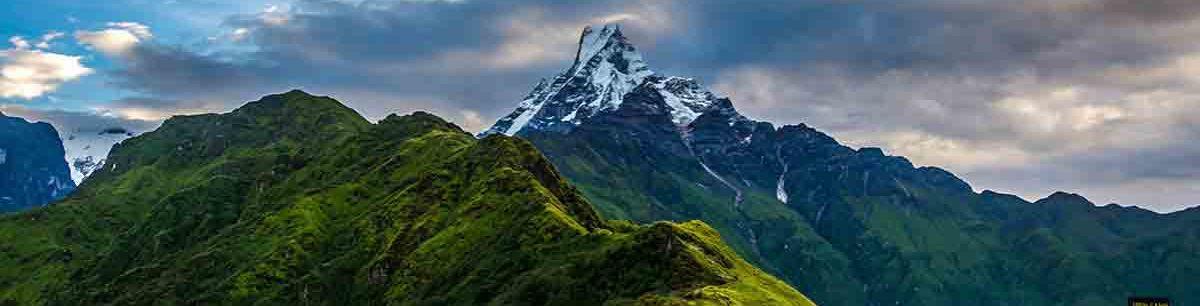
Tales from the Himalayas: The Untold Truth About Trekking Adventures

Tales from the Himalayas: The untold truth about trekking adventures is something every aspiring trekker should explore before setting foot on the world’s highest mountain range. While social media often paints a picture of serene trails, glowing sunrises, and effortless hikes, the reality of trekking in the Himalayas is far more complex, raw, and transformative. From unpredictable weather to mental endurance and cultural immersion, Himalayan trekking is not just a journey through landscapes—it’s a journey within yourself.

This article uncovers the hidden truths, challenges, and lesser-known realities of trekking in the Himalayas while providing practical insights to help you prepare for an authentic adventure.


 The Beauty Is Real—But So Are the Challenges

There’s no denying that the Himalayas offer some of the most breathtaking scenery on Earth. Towering snow-capped peaks, lush valleys, glacial rivers, and remote villages create a dreamlike setting. However, these postcard-perfect views come with physical and environmental challenges.

Trekkers often underestimate the difficulty of high-altitude hiking. Trails can be steep, rocky, and uneven. What looks like a short distance on a map may take hours to complete due to elevation gain and terrain difficulty.

Additionally, the weather can change in minutes. A sunny morning can quickly turn into a snowstorm or heavy rain. This unpredictability is one of the untold truths about trekking adventures that surprises many first-time trekkers.


 Altitude Is Your Biggest Opponent

One of the most critical aspects of Himalayan trekking is altitude. As you ascend, the oxygen level decreases, making it harder for your body to function normally.

Altitude sickness, also known as Acute Mountain Sickness (AMS), can affect anyone regardless of fitness level. Symptoms include headaches, nausea, dizziness, and fatigue. In severe cases, it can become life-threatening.

Proper acclimatization is essential. This means ascending slowly, taking rest days, and staying hydrated. Many experienced trekkers follow the rule: “climb high, sleep low.”

Ignoring altitude is one of the biggest mistakes trekkers make. Respecting it is key to a safe and successful journey.


 Trekking Is More Mental Than Physical

While physical fitness is important, trekking in the Himalayas is equally a mental challenge. Long walking hours, isolation, and harsh conditions can test your patience and resilience.

There will be moments when your body feels exhausted, and your mind starts questioning your decision. These are the moments that define your trekking experience.

Mental strength helps you push through difficult days, adapt to unexpected changes, and stay positive. Many trekkers say the Himalayas teach humility, patience, and inner strength.


 You Don’t Need to Be an Athlete—But Preparation Matters

A common myth is that only highly trained athletes can trek in the Himalayas. This is not entirely true. Many beginner-friendly treks are accessible to people with moderate fitness levels.

However, preparation is non-negotiable. Building stamina through regular walking, cardio exercises, and strength training can make a huge difference.

Simple habits like walking daily, practicing uphill hikes, and improving lung capacity will prepare your body for the demands of trekking.

The untold truth is that lack of preparation often leads to discomfort and even early termination of the trek.


 The Simplicity of Mountain Life

One of the most eye-opening aspects of trekking is experiencing the simplicity of life in the mountains. Accommodation is usually basic, with teahouses or lodges offering minimal amenities.

Expect simple meals, limited electricity, and sometimes no internet. While this may seem inconvenient at first, it often becomes one of the most rewarding parts of the journey.

Disconnecting from modern distractions allows you to connect deeply with nature and yourself. Conversations become more meaningful, and small comforts feel more valuable.


 Food and Nutrition: Fuel for the Journey

Food plays a crucial role in trekking. Most Himalayan trails offer local meals such as rice, lentils, vegetables, noodles, and soups.

While the menu may not be diverse, the food is nourishing and designed to provide energy. Staying hydrated is equally important, as dehydration can worsen altitude sickness.

Carrying energy snacks like nuts, chocolate, and protein bars can help maintain energy levels during long trekking days.

One untold truth is that your appetite may decrease at higher altitudes, making it important to eat regularly even if you don’t feel hungry.


 Cultural Encounters Are Unforgettable

The Himalayas are not just about mountains—they are home to diverse cultures and traditions. Trekking routes often pass through remote villages where people live simple yet rich lives.

You’ll encounter warm hospitality, traditional practices, and unique lifestyles. Interacting with locals provides a deeper understanding of the region beyond its natural beauty.

Respecting local customs, traditions, and beliefs is essential. Simple gestures like greeting locals and learning a few local words can enhance your experience.


 Packing Smart Is More Important Than Packing More

Overpacking is a common mistake among trekkers. Carrying unnecessary weight can make trekking exhausting and uncomfortable.

The key is to pack smart. Essential items include:

  • Layered clothing for varying temperatures
  • Comfortable trekking shoes
  • A good backpack
  • Water bottles and purification tablets
  • Basic first aid kit
  • Trekking poles

Packing light but efficiently ensures mobility and comfort throughout the trek.


 The Role of Guides and Porters

Hiring guides and porters can significantly enhance your trekking experience. Guides provide navigation, safety, and local knowledge, while porters help carry heavy loads.

Supporting local guides and porters also contributes to the local economy. Their expertise can be invaluable, especially in unfamiliar terrain.

Many trekkers underestimate their importance, but they often play a crucial role in ensuring a safe and enjoyable journey.


 Weather Can Change Everything

Weather in the Himalayas is unpredictable and can impact your itinerary. Delays, route changes, and cancellations are common.

Flexibility is essential. Having buffer days in your schedule can help manage unexpected disruptions.

The untold truth is that patience becomes your greatest ally when dealing with mountain weather.


 Environmental Responsibility Matters

The increasing popularity of trekking has led to environmental concerns. Waste management, trail erosion, and pollution are growing issues.

Responsible trekking practices include:

  • Carrying reusable bottles
  • Avoiding plastic waste
  • Respecting wildlife
  • Following “leave no trace” principles

Protecting the Himalayas ensures that future generations can experience their beauty.


 The Emotional Impact of Trekking

Trekking in the Himalayas is not just a physical journey—it’s an emotional one. The vastness of the mountains often brings a sense of perspective and clarity.

Many trekkers return with a renewed outlook on life. The challenges faced during the trek build confidence and resilience.

The untold truth is that the Himalayas have a way of changing you, often in ways you don’t expect.


 Safety Should Always Come First

Safety is a crucial aspect of trekking. Being aware of your limits, following guidelines, and listening to your body can prevent serious issues.

Travel insurance, emergency contacts, and basic medical knowledge are essential. Never ignore warning signs such as severe fatigue or altitude sickness symptoms.

Preparedness can make the difference between a memorable adventure and a risky situation.


 Trekking Seasons Matter

Choosing the right season can greatly impact your experience. The most popular trekking seasons are spring and autumn, offering stable weather and clear views.

Winter treks can be beautiful but challenging due to snow and cold temperatures. Monsoon season brings lush landscapes but also slippery trails and limited visibility.

Understanding seasonal conditions helps in planning a safer and more enjoyable trek.


Conclusion

Tales from the Himalayas: The untold truth about trekking adventures reveals that trekking is far more than scenic beauty—it is a test of endurance, patience, and adaptability. While the mountains offer unmatched rewards, they also demand respect and preparation.

From altitude challenges to cultural experiences and mental resilience, every aspect of trekking contributes to a life-changing journey. The Himalayas are not just a destination; they are a teacher, a challenge, and an inspiration.

If you approach them with the right mindset and preparation, your trekking adventure will become a story worth telling—a true tale from the Himalayas.

Quick Inquiry Form

How Safe Is Meat During Nepal Trekking? Freshness, Risks, and Expert Tips

Trekking in Nepal is an unforgettable adventure filled with breathtaking mountain views, cultural encounters, and unique culinary experiences. However, one important concern for travelers is meat safety during Nepal trekking, especially in remote and high-altitude regions where food storage and transportation can be challenging. While meat dishes are available in many teahouses along popular routes, their freshness and handling conditions are not always guaranteed. Understanding the risks, knowing when it’s safer to eat meat, and following expert tips can help you make smarter food choices and stay healthy throughout your trek.

This is a crucial question because what you eat on the trail directly affects your health, energy levels, and overall trekking success. While meat dishes are commonly listed on teahouse menus, their freshness, handling, and safety can vary significantly depending on altitude and location.

In this detailed guide, you’ll learn everything about eating meat while trekking in Nepal—from freshness concerns and health risks to expert-backed safety tips that help you stay healthy on the trail.


Understanding Food Supply in Nepal’s Trekking Regions

Before assessing meat safety, it’s important to understand how food reaches remote trekking areas.

Popular routes like the Everest Base Camp, Annapurna Circuit, and Manaslu Circuit are far from modern infrastructure. Most villages along these trails rely on teahouses (small lodges) for food and accommodation.

Food supplies are transported via:

  • Human porters carrying loads for days
  • Pack animals like mules and yaks
  • Occasional helicopter deliveries (rare and expensive)

Because refrigeration is limited or nonexistent in many areas, perishable foods like meat are especially vulnerable to spoilage.


Is Meat Fresh During Nepal Trekking?

The straightforward answer: meat is not always fresh—especially at higher altitudes.

In many trekking regions:

  • Meat travels long distances without proper cold storage
  • It may be exposed to fluctuating temperatures
  • Storage facilities are minimal or unreliable

In places like the Everest region, cultural practices influenced by Buddhism often discourage animal slaughter at high altitudes. As a result, meat must be brought from lower elevations, sometimes taking several days to arrive.

By the time it reaches your plate, freshness can be questionable.


Why Meat Carries Higher Risk Than Other Foods

Compared to vegetarian options, meat is significantly riskier in trekking environments. Here’s why:

1. Highly Perishable Nature

Meat spoils quickly and supports rapid bacterial growth if not stored properly.

2. Lack of Refrigeration

Remote teahouses often lack consistent electricity, making safe storage difficult.

3. Long Transportation Time

Unlike grains or vegetables, meat cannot withstand multi-day transport without degradation.

4. Hygiene Challenges

Food handling practices vary, and maintaining strict hygiene standards in remote areas is challenging.


Altitude Matters: When Should You Avoid Meat?

A widely accepted guideline among trekking experts is:

Avoid meat above 3,500 meters

At higher elevations:

  • Supply chains become longer and slower
  • Food storage becomes more difficult
  • The risk of contamination increases

Additionally, your body is already adjusting to lower oxygen levels, making digestion more sensitive. Eating questionable meat can worsen discomfort and increase the likelihood of illness.


Health Risks of Eating Meat on Nepal Treks

Consuming poorly handled or spoiled meat can lead to several health issues:

Food Poisoning

Symptoms include nausea, vomiting, diarrhea, and abdominal cramps—serious problems in remote trekking environments.

Bacterial Infections

Contaminated meat may contain harmful bacteria such as:

  • Salmonella
  • E. coli
  • Campylobacter

Digestive Stress at Altitude

High altitudes can slow digestion. Heavy or unsafe meat may cause:

  • Bloating
  • Loss of appetite
  • Fatigue

Trek Disruption

Even minor stomach issues can force rest days—or in severe cases, evacuation—disrupting your entire trekking plan.


When Is It Relatively Safe to Eat Meat?

Eating meat isn’t always unsafe—it depends on where and how it’s prepared.

Safer Conditions:

  • Lower altitude regions (below 2,500–3,000 meters)
  • Busy teahouses with high food turnover
  • Freshly cooked, steaming-hot meals
  • Established trekking hubs with better infrastructure

Riskier Conditions:

  • Remote villages with limited supplies
  • High altitudes (above 3,500 meters)
  • Pre-cooked or reheated meat dishes
  • Quiet lodges with low customer turnover

What Do Experts and Guides Recommend?

Most experienced trekking guides and local experts suggest a simple and practical approach:

Limit or avoid meat during trekking—especially at higher elevations

This recommendation is based on years of observation and experience. Many trekkers who switch to vegetarian diets report:

  • Fewer stomach problems
  • Better digestion
  • More consistent energy levels

Best Food Alternatives on Nepal Treks

Skipping meat doesn’t mean sacrificing nutrition or taste. Nepal offers plenty of safe and satisfying options.

Dal Bhat (The Trekker’s Favorite)

A traditional meal of rice, lentil soup, vegetables, and pickles. It’s:

  • Nutritious and energy-rich
  • Freshly prepared
  • Often served with unlimited refills

Noodles and Soups

Warm, easy to digest, and ideal for high altitudes.

Potatoes and Local Vegetables

Widely available and locally sourced, reducing freshness concerns.

Eggs (With Caution)

A safer protein option—just ensure they are thoroughly cooked.


Expert Safety Tips for Eating Meat During Trekking

If you decide to eat meat, following these precautions can significantly reduce your risk:

1. Choose Freshly Cooked Meals

Only eat meat that is cooked to order and served hot.

2. Avoid Pre-Cooked or Buffet Items

Food left sitting for long periods is more likely to be contaminated.

3. Eat at Busy Teahouses

High turnover usually means fresher ingredients.

4. Ask Questions

Don’t hesitate to ask about:

  • Meat sourcing
  • Storage conditions
  • Preparation methods

5. Avoid Meat at High Altitudes

Switch to vegetarian meals above 3,500 meters.

6. Practice Good Hygiene

  • Wash or sanitize your hands before eating
  • Use clean utensils

7. Trust Your Instincts

If something smells, looks, or tastes off—don’t eat it.


Cultural Insights: Why Vegetarian Eating Makes Sense

In many trekking regions, especially near Mount Everest, local communities follow traditions influenced by Hinduism and Buddhism.

These traditions often:

  • Discourage killing animals at high altitudes
  • Promote plant-based diets
  • Encourage sustainable living

By choosing vegetarian meals, you’re not only protecting your health but also respecting local culture and supporting sustainable tourism.


Real-World Trekking Advice

Experienced trekkers often share consistent advice:

  • “Stick to vegetarian meals at higher altitudes.”
  • “Eat food that is freshly cooked and hot.”
  • “Avoid meat unless you’re in lower regions or major towns.”

These practical insights align closely with expert recommendations.


Pros and Cons of Eating Meat While Trekking

Pros:

  • Provides protein and calories
  • Familiar taste for many travelers

Cons:

  • High risk of spoilage
  • Limited freshness at altitude
  • Harder to digest
  • Potential to cause illness

Final Verdict: How Safe Is Meat During Nepal Trekking?

Short answer:
👉 Meat can be safe—but it often isn’t at higher altitudes.

Best strategy:

  • Eat meat only in lower, well-supplied areas
  • Avoid it as you gain altitude
  • Prioritize freshly cooked, hot meals
  • Switch to vegetarian options when in doubt

For most trekkers, reducing or avoiding meat is the safest, smartest, and most practical choice.


Conclusion

Trekking in Nepal offers incredible scenery and cultural richness—but staying healthy is key to fully enjoying the journey. While meat is available along trekking routes, its freshness and safety are not always guaranteed, particularly in remote and high-altitude regions.

By understanding the risks, making informed food choices, and following expert safety tips, you can avoid common health issues and keep your trek on track.

When in doubt, follow this golden rule:

👉 Eat fresh, eat hot, and when unsure—choose vegetarian.

Quick Inquiry Form

Nepal Treks: Best Photography Locations for Stunning Mountain Views

Nepal is a dream destination for photographers, offering some of the best photography locations on Nepal treks with breathtaking Himalayan scenery. From the towering presence of Mount Everest to the stunning silhouette of Machapuchare, every trail reveals dramatic landscapes waiting to be captured. Whether you are trekking through the Everest region or exploring the Annapurna trails, Nepal provides endless opportunities to photograph iconic mountain views, vibrant cultures, and unforgettable moments in the heart of the Himalayas.

From the towering summit of Mount Everest to the sacred beauty of Machapuchare, every trail reveals iconic scenes waiting to be captured. In this comprehensive, Yoast-friendly guide, we explore the best photography locations on Nepal treks along with tips to help you capture stunning mountain views.


Why Nepal Treks Are a Dream for Photography

Nepal’s trekking routes are unlike anywhere else. They combine extreme altitude, diverse ecosystems, and rich cultural experiences. As you move from lowland villages to high alpine zones, the scenery changes dramatically—providing endless creative possibilities for photographers.

Here’s why Nepal is perfect for capturing stunning mountain views:

  • Unmatched Himalayan vistas with close proximity to peaks
  • Diverse landscapes including forests, rivers, glaciers, and high passes
  • Dynamic lighting conditions that transform scenes throughout the day
  • Cultural richness with monasteries, prayer flags, and traditional villages

Every step on a Nepal trek feels like stepping into a living postcard.


Everest Region: Iconic Photography Locations

The Everest region, also known as the Khumbu, is arguably the most famous trekking destination in the world. It offers dramatic scenery and unparalleled access to some of the highest peaks on Earth.

Kala Patthar – The Ultimate Everest Viewpoint

Kala Patthar is widely regarded as the best place to photograph Mount Everest. At an altitude of 5,545 meters, it provides a clear and unobstructed view of Everest’s summit.

Why it’s special:

  • Stunning sunrise and sunset lighting
  • Panoramic views of Everest, Lhotse, and Nuptse
  • Perfect location for dramatic silhouettes and wide-angle shots

Photography tip: Arrive before dawn to capture the transition from blue hour to golden sunrise.


Everest Base Camp

Everest Base Camp offers a completely different photography experience. While Everest itself isn’t fully visible, the rugged terrain and glacier formations create powerful compositions.

Highlights include:

  • The dramatic Khumbu Icefall
  • Expedition tents and climbers
  • Textures of ice, rock, and snow

This location is ideal for storytelling photography that captures the human spirit of adventure.


Namche Bazaar Viewpoint

Namche Bazaar is often the first place trekkers get a glimpse of Everest. The viewpoint above the town provides a unique combination of culture and scenery.

What to capture:

  • Layers of colorful houses
  • Distant mountain peaks
  • Daily life in a bustling Sherpa hub

Gokyo Lakes and Gokyo Ri

Gokyo Lakes are among the most photogenic locations in Nepal. The turquoise waters create striking contrasts against snow-covered peaks.

Climbing Gokyo Ri rewards photographers with:

  • Panoramic views of Everest and surrounding peaks
  • Reflection shots in pristine lakes
  • Less crowded shooting locations

Dingboche and Nangkartshang Ridge

Dingboche offers wide open landscapes perfect for capturing depth and scale. A hike to Nangkartshang Ridge provides elevated viewpoints with stunning vistas.

Best shots:

  • Ama Dablam dominating the skyline
  • Stone-walled fields in the foreground
  • Expansive valley landscapes

Annapurna Region: Diverse and Dramatic Landscapes

The Annapurna region is known for its variety, making it a favorite for photographers seeking different textures and compositions.

Annapurna Base Camp

Annapurna Base Camp sits within a natural amphitheater surrounded by towering peaks.

Why it’s a top photography spot:

  • 360-degree mountain views
  • Close proximity to Annapurna I
  • Incredible sunrise and sunset colors

Machapuchare Base Camp

Machapuchare Base Camp offers one of the cleanest and most dramatic views of Machapuchare.

This sacred mountain is rarely climbed, adding a mystical element to your photos.


Poon Hill

Poon Hill is one of the most accessible yet rewarding photography spots in Nepal.

Why photographers love it:

  • Panoramic sunrise views
  • Visibility of Annapurna and Dhaulagiri
  • Ideal for beginners

Ghandruk Village

Ghandruk combines cultural richness with stunning mountain backdrops.

Photography highlights:

  • Traditional stone houses
  • Terraced fields
  • Daily village life

Sarangkot

Sarangkot is famous for sunrise views over Phewa Lake.

Best shots:

  • Reflections of Machapuchare
  • Paragliders in the sky
  • Golden light over the Annapurna range

Other Hidden Gems for Mountain Photography

Thorong La Pass

Thorong La Pass offers dramatic high-altitude scenery.

What to capture:

  • Snow-covered trails
  • Prayer flags fluttering in the wind
  • Vast Himalayan landscapes

Langtang Valley and Kyanjin Gompa

Langtang Valley is a quieter alternative to Everest and Annapurna.

At Kyanjin Gompa, photographers can capture:

  • Close-up views of Langtang Lirung
  • Glaciers and alpine landscapes
  • Peaceful, uncrowded scenery

Manaslu Circuit

Manaslu Circuit offers raw, untouched beauty.

Highlights:

  • Remote villages
  • Authentic Tibetan culture
  • Dramatic mountain passes

Best Time for Photography on Nepal Treks

Timing is crucial when aiming to capture stunning mountain views.

Autumn (September–November)

  • Clear skies and excellent visibility
  • Stable weather conditions
  • Best season for sharp mountain shots

Spring (March–May)

  • Blooming rhododendrons
  • Vibrant landscapes
  • Warmer temperatures

Winter (December–February)

  • Crystal-clear skies
  • Snow-covered scenery
  • Fewer trekkers

Monsoon (June–August)

  • Lush greenery
  • Dramatic clouds
  • Limited visibility but unique moods

Essential Photography Tips for Nepal Treks

Shoot During Golden Hours

Early morning and late afternoon provide soft, warm light that enhances mountain textures.

Use Foreground Elements

Include:

  • Prayer flags
  • Trails
  • Villages

This adds depth and storytelling to your images.

Carry the Right Gear

  • Wide-angle lens for landscapes
  • Telephoto lens for distant peaks
  • Tripod for low-light conditions
  • Extra batteries (cold weather drains power quickly)

Focus on Composition

  • Use the rule of thirds
  • Frame your subject naturally
  • Look for leading lines like rivers or trails

Capturing Culture Along the Trails

Nepal’s beauty isn’t limited to mountains. Its people and traditions add powerful storytelling elements to your photography.

Cultural highlights to capture:

  • Monasteries and prayer wheels
  • Local festivals
  • Traditional clothing and daily life

Always be respectful and ask for permission before photographing people.


Pro Tips for Iconic Shots

  • Wake up early to catch sunrise
  • Stay longer at viewpoints for changing light
  • Be patient—clouds can create dramatic scenes
  • Include trekkers for scale

Conclusion

Nepal’s trekking routes offer some of the best photography locations in the world for stunning mountain views. Whether you’re capturing the golden glow on Mount Everest from Kala Patthar or the serene reflections of Machapuchare in Pokhara, every moment presents an opportunity to create unforgettable images.

From the iconic trails of Everest and Annapurna to the quieter beauty of Langtang and Manaslu, Nepal provides endless inspiration for photographers. With the right preparation, timing, and creativity, you can capture images that truly reflect the magic of the Himalayas.

If you’re planning your next adventure, make sure these best photography locations on Nepal treks are part of your journey—because in Nepal, every step is a picture waiting to be taken.

Quick Inquiry Form

Understanding Trekking Risks in the Himalayas: Complete Safety and Risk Management Guide

Trekking in the Himalayas is one of the most extraordinary travel experiences in the world. Towering snow-capped peaks, ancient mountain villages, breathtaking valleys, and diverse cultures attract thousands of adventure seekers every year. However, while the beauty of the Himalayan region is unmatched, trekkers must also understand the trekking risks in the Himalayas before planning their journey.

From unpredictable weather conditions to altitude sickness and remote terrain, trekking in this region requires careful planning, proper training, and awareness of potential hazards. A well-prepared trekker can enjoy the adventure safely while minimizing risks. This comprehensive guide explains the major trekking risks in the Himalayas and provides professional risk management strategies to ensure a safe and memorable trekking experience.


Why Understanding Trekking Risks in the Himalayas Is Important

The Himalayan mountain range stretches across several countries including Nepal, India, Bhutan, Tibet (China), and Pakistan. Many trekking routes pass through remote areas where medical facilities, transportation, and communication networks are limited.

Understanding trekking risks in the Himalayas is essential for several reasons:

  • Ensures safety in high-altitude environments
  • Helps trekkers prepare physically and mentally
  • Reduces chances of accidents or health emergencies
  • Improves decision-making during challenging conditions

Even experienced hikers can face difficulties in the Himalayas due to the region’s extreme altitude and weather conditions. Therefore, proper risk awareness is the first step toward a safe adventure.


Major Trekking Risks in the Himalayas

Although trekking is generally safe with proper preparation, certain risks are common in the Himalayan environment. Being aware of these risks allows trekkers to take preventive measures.

Altitude Sickness

Altitude sickness, also known as Acute Mountain Sickness (AMS), is one of the most significant risks in Himalayan trekking. As trekkers ascend to higher elevations, the oxygen level decreases, which can cause various health problems.

Common symptoms include:

  • Headaches
  • Nausea or vomiting
  • Dizziness
  • Fatigue
  • Difficulty sleeping
  • Loss of appetite

Severe forms of altitude sickness include High Altitude Pulmonary Edema (HAPE) and High Altitude Cerebral Edema (HACE), both of which require immediate medical attention.

Risk Management Tips

  • Ascend gradually and follow the “climb high, sleep low” principle
  • Take regular acclimatization days
  • Drink plenty of water
  • Avoid alcohol and smoking
  • Descend immediately if symptoms worsen

Proper acclimatization significantly reduces the risk of altitude sickness during Himalayan treks.


Unpredictable Weather Conditions

Weather in the Himalayas can change dramatically within a short time. A clear morning can quickly turn into heavy snowfall, rain, or strong winds. Such sudden weather changes are common, particularly at higher altitudes.

Potential weather-related risks include:

  • Hypothermia
  • Snowstorms
  • Reduced visibility
  • Slippery trails
  • Cold-related illnesses

Risk Management Tips

  • Always check weather forecasts before starting a trek
  • Carry proper clothing layers
  • Avoid trekking during extreme weather conditions
  • Start trekking early in the morning
  • Always carry emergency gear

Planning your trek during the spring (March–May) or autumn (September–November) seasons can reduce weather-related risks.


Difficult Terrain and Trail Conditions

Himalayan trekking routes often include steep climbs, narrow trails, rocky terrain, and high mountain passes. Some trails also cross suspension bridges, glaciers, or landslide-prone areas.

Trekkers may face:

  • Slips and falls
  • Loose rocks
  • Steep descents
  • River crossings
  • Snow-covered paths

These conditions require good balance, stamina, and proper trekking techniques.

Risk Management Tips

  • Use trekking poles for stability
  • Wear high-quality trekking boots
  • Walk at a steady pace
  • Avoid rushing on steep or slippery trails
  • Hire experienced local guides when trekking in unfamiliar regions

Careful navigation and proper equipment can greatly reduce accidents on Himalayan trails.


Remote Locations and Limited Medical Facilities

Many Himalayan trekking routes pass through isolated villages where modern healthcare facilities are limited. In case of serious illness or injury, evacuation may require helicopter rescue, which can be expensive.

Common issues include:

  • Delayed medical assistance
  • Limited pharmacies
  • Lack of advanced treatment facilities

Risk Management Tips

  • Purchase comprehensive travel insurance covering helicopter evacuation
  • Carry a personal first aid kit
  • Trek with experienced guides or trekking agencies
  • Inform someone about your trekking itinerary

Being prepared for emergencies is crucial when trekking in remote mountain areas.


Physical Exhaustion and Fatigue

Trekking in the Himalayas demands high physical endurance. Long walking hours, steep ascents, heavy backpacks, and high altitude can lead to exhaustion.

Physical fatigue may increase the risk of:

  • Injuries
  • Poor decision-making
  • Dehydration
  • Reduced stamina

Risk Management Tips

  • Train before your trek with hiking or cardio exercises
  • Maintain a steady walking pace
  • Take regular rest breaks
  • Eat nutritious meals and stay hydrated

Proper physical preparation helps trekkers maintain energy levels throughout the journey.


Navigation and Getting Lost

While many popular trekking routes are well-marked, some remote trails can be confusing, especially during fog, snowfall, or landslides.

Trekkers may face risks such as:

  • Losing the main trail
  • Poor visibility during storms
  • Incorrect route decisions

Risk Management Tips

  • Carry offline maps or GPS devices
  • Use reliable trekking guidebooks
  • Trek with experienced guides
  • Avoid trekking alone in remote regions

Navigation awareness plays an important role in reducing trekking risks in the Himalayas.


Landslides and Natural Hazards

Certain Himalayan regions are prone to landslides, avalanches, and rockfalls. These natural hazards are often triggered by heavy rain, earthquakes, or melting snow.

Trekkers should remain cautious when passing through:

  • Steep slopes
  • Narrow mountain trails
  • Landslide-prone valleys
  • Glacier zones

Risk Management Tips

  • Follow local guide instructions
  • Avoid trekking during monsoon season
  • Move quickly but carefully through landslide zones
  • Stay updated on local conditions

Understanding regional hazards can help trekkers make safer route choices.


Essential Trekking Safety Equipment

Having the right gear is critical for minimizing trekking risks in the Himalayas. Proper equipment ensures comfort, safety, and preparedness for emergencies.

Important trekking gear includes:

  • Waterproof trekking boots
  • Thermal clothing layers
  • Down jacket
  • Sleeping bag for cold temperatures
  • Trekking poles
  • Headlamp or flashlight
  • First aid kit
  • Water purification tablets
  • GPS or offline map applications
  • Emergency whistle

Investing in quality trekking gear can make a significant difference in safety and comfort during high-altitude adventures.


The Role of Professional Guides and Porters

Hiring professional trekking guides and porters is strongly recommended for Himalayan expeditions. Local guides have extensive knowledge of the terrain, weather patterns, and emergency procedures.

Benefits of trekking with guides include:

  • Better route navigation
  • Cultural insights and local knowledge
  • Faster emergency response
  • Assistance with logistics and accommodations

Professional guides also monitor trekkers for symptoms of altitude sickness and help maintain a safe trekking pace.


Best Seasons for Safe Himalayan Trekking

Choosing the right trekking season is one of the most effective ways to reduce trekking risks in the Himalayas.

Spring (March–May)

Spring is one of the best seasons for trekking due to:

  • Mild temperatures
  • Clear mountain views
  • Blooming rhododendron forests
  • Stable weather conditions

Autumn (September–November)

Autumn is another popular trekking season because:

  • Skies are generally clear
  • Trails are dry and stable
  • Mountain visibility is excellent

Seasons to Avoid

  • Monsoon (June–August): heavy rain, landslides, slippery trails
  • Winter (December–February): extreme cold and heavy snowfall in high passes

Selecting the right season significantly improves safety and trekking enjoyment.


Mental Preparation and Responsible Trekking

Physical preparation is important, but mental readiness also plays a crucial role in safe trekking. High-altitude journeys can be mentally challenging due to long walking days, cold temperatures, and unpredictable conditions.

Responsible trekking practices include:

  • Respecting local culture and traditions
  • Avoiding environmental damage
  • Following “Leave No Trace” principles
  • Supporting local communities

A responsible mindset enhances both safety and sustainability in the Himalayas.


Emergency Preparedness in the Himalayas

Even with careful planning, emergencies can occur during trekking. Knowing how to respond quickly can save lives.

Essential emergency preparation includes:

  • Learning basic first aid skills
  • Carrying emergency contacts
  • Using satellite communication devices in remote regions
  • Having evacuation insurance coverage

Many trekking companies also provide satellite phones and emergency response systems for remote expeditions.


Conclusion

Trekking in the Himalayas offers breathtaking scenery, cultural encounters, and unforgettable adventure. However, the region’s extreme altitude, challenging terrain, and unpredictable weather conditions make it essential to understand the trekking risks in the Himalayas.

By preparing properly, choosing the right season, hiring experienced guides, and following professional risk management strategies, trekkers can safely explore some of the world’s most spectacular mountain landscapes.

Awareness, preparation, and responsible decision-making are the keys to minimizing risks and maximizing the rewards of Himalayan trekking. With the right approach, your journey through these majestic mountains can become a safe, inspiring, and life-changing experience.

Quick Inquiry Form

Short Hiking Trails for Couples in Nepal: Romantic Escapes in the Himalayas

Nepal, with its breathtaking Himalayan landscapes, lush valleys, and rich cultural heritage, is one of the most romantic destinations for couples who love adventure. Whether you are newlyweds, longtime partners, or friends seeking a memorable getaway, exploring short hiking trails for couples in Nepal allows you to experience stunning mountain vistas, charming villages, and cozy teahouses without committing to long, strenuous treks. These short trails are perfect for couples who want to combine nature, adventure, and romance in one unforgettable trip.

From panoramic sunrise views to intimate evenings in traditional teahouses, Nepal offers a variety of experiences for couples of all ages and fitness levels. In this guide, we’ll explore the best short trekking routes, day hikes, cultural experiences, romantic highlights, and practical advice to make your Himalayan adventure safe, comfortable, and unforgettable.


Why Couples Should Choose Short Hiking Trails in Nepal

Choosing short hiking trails for couples in Nepal comes with several advantages:

  1. Romantic Mountain Views – Short treks like Ghorepani Poon Hill and Mardi Himal offer stunning Himalayan vistas perfect for sunrise and sunset moments. Holding hands while watching golden peaks glow is a memory you will cherish forever.
  2. Cultural Immersion – Many trails pass through traditional villages of Gurung, Newar, and Magar communities. Couples can experience local customs, festivals, and cuisines, making the journey more meaningful.
  3. Cozy Accommodation – Teahouses and lodges along short trails provide intimate settings for couples. Enjoy warm dinners, shared rooms with mountain views, and quiet evenings by the fire.
  4. Accessibility and Convenience – Short treks are easier to plan and manage. Couples can enjoy the Himalayan experience without long travel times or extreme physical strain.
  5. Adventure Without Overwhelm – Whether you’re beginners or moderately experienced hikers, short trails allow you to enjoy Nepal’s natural beauty while keeping the trek relaxing and romantic.

Best Short Hiking Trails for Couples in Nepal

Here are the most popular short hiking trails for couples in Nepal, carefully chosen for their scenic beauty, cultural experience, and romantic atmosphere.

Ghorepani Poon Hill Trek

  • Duration: 5–7 days
  • Difficulty: Moderate
  • Highlights: Ghorepani Poon Hill is one of the most iconic short treks in Nepal. It provides panoramic views of Annapurna and Dhaulagiri ranges. Couples can hike through rhododendron forests, encounter waterfalls, and stay in cozy teahouses in villages like Ghorepani, Tadapani, and Chomrong.

Romantic Moment: Wake up at 4 a.m. to witness the sunrise over snow-capped peaks. Sharing this magical moment while sipping hot tea in Poon Hill is truly unforgettable.

Mini Itinerary for Couples:

  • Day 1: Drive to Nayapul, trek to Tikhedhunga (5 km)
  • Day 2: Tikhedhunga to Ghorepani (12 km)
  • Day 3: Early hike to Poon Hill, then trek to Tadapani (10 km)
  • Day 4: Tadapani to Ghandruk (8 km), explore village culture
  • Day 5: Ghandruk to Nayapul, drive back to Pokhara

Mardi Himal Trek

  • Duration: 4–5 days
  • Difficulty: Moderate
  • Highlights: Mardi Himal is less crowded, offering privacy and tranquility for couples. The trail passes through dense forests, charming villages, and alpine meadows with views of Machhapuchhre (Fishtail) and Annapurna South.

Romantic Moment: Share quiet moments on a ridge overlooking snow-capped peaks or enjoy a serene sunset at the base camp.

Mini Itinerary for Couples:

  • Day 1: Pokhara to Kande, trek to Deurali (12 km)
  • Day 2: Deurali to Forest Camp (10 km)
  • Day 3: Forest Camp to High Camp (8 km), enjoy panoramic views
  • Day 4: High Camp to Mardi Himal Base Camp, return to Siding village
  • Day 5: Trek back to Pokhara, enjoy lakeside dinner

Australian Camp & Dhampus Village Trek

  • Duration: 2–3 days
  • Difficulty: Easy
  • Highlights: Starting from Phedi near Pokhara, this trek is ideal for couples with limited time. It passes through terraced fields, local villages, and scenic viewpoints. Australian Camp offers a panoramic view of the Annapurna and Machhapuchhre ranges.

Romantic Moment: Enjoy a quiet sunset together at Australian Camp or a candlelit dinner in a small teahouse with mountain vistas.

Mini Itinerary for Couples:

  • Day 1: Drive to Phedi, trek to Dhampus village (6 km)
  • Day 2: Dhampus to Australian Camp (4 km), sunset view
  • Day 3: Trek back to Phedi, drive to Pokhara

Nagarkot to Dhulikhel Trek

  • Duration: 2–3 days
  • Difficulty: Easy
  • Highlights: Near Kathmandu, this trail offers Himalayan views and cultural experiences. Couples can visit temples, traditional Newar villages, and enjoy panoramic vistas of the Himalayas from Nagarkot.

Romantic Moment: Watching the sunrise together in Nagarkot and then trekking hand-in-hand through centuries-old villages.

Mini Itinerary for Couples:

  • Day 1: Drive to Nagarkot, sunrise view
  • Day 2: Trek from Nagarkot to Dhulikhel (8–10 km), explore the village
  • Day 3: Return to Kathmandu

Khopra Ridge Trek

  • Duration: 5–6 days
  • Difficulty: Moderate
  • Highlights: This trail is less crowded, providing intimacy and tranquility for couples. Pass through rhododendron forests and alpine meadows, reaching Khopra Ridge for stunning views of Annapurna and Dhaulagiri.

Romantic Moment: Camping under the stars or staying in a quiet lodge with a private mountain view.

Mini Itinerary for Couples:

  • Day 1: Pokhara to Nayapul, trek to Dhikurpokhari (10 km)
  • Day 2: Dhikurpokhari to Tadapani (12 km)
  • Day 3: Tadapani to Ghorepani (8 km)
  • Day 4: Ghorepani to Khopra Ridge (10 km)
  • Day 5: Khopra Ridge to Sikha, return to Pokhara

Day Hikes Around Kathmandu Valley

For couples with limited time, short hiking trails for couples in Nepal around Kathmandu provide quick, rewarding experiences:

Nagarkot to Changunarayan

  • Duration: 1 day
  • Difficulty: Easy
  • Highlights: This short trek offers sunrise views and a visit to Changunarayan Temple, a UNESCO World Heritage site, combining natural beauty with cultural heritage.

Shivapuri National Park

  • Duration: 1 day
  • Difficulty: Easy to moderate
  • Highlights: Explore forested trails, waterfalls, and wildlife. Couples can enjoy quiet walks and beautiful views of the Kathmandu Valley.

Chandragiri Hill

  • Duration: 1 day
  • Difficulty: Easy
  • Highlights: Take a cable car to the top for panoramic Himalayan views. Walk the trails, visit temples, and enjoy a romantic picnic together.

Romantic Experiences Along Short Hiking Trails for Couples in Nepal

Couples can enhance their Himalayan adventure with the following romantic experiences:

  1. Sunrise and Sunset Moments – Trails like Poon Hill and Mardi Himal provide unforgettable sunrise and sunset experiences.
  2. Cozy Teahouse Stays – Enjoy warm meals, candlelit dinners, and intimate evenings.
  3. Nature and Wildlife Watching – Observe birds, mountain goats, and alpine scenery together.
  4. Cultural Interaction – Experience Nepali festivals, dance, music, and traditional cuisine.
  5. Photography Opportunities – Capture your journey with Himalayan backdrops and village life.
  6. Picnics in Meadows – Alpine meadows along Mardi Himal or Australian Camp are perfect for quiet picnics.

Practical Tips for Couples Hiking in Nepal

  1. Hire a Licensed Guide – Solo trekking is restricted; guides ensure safety and provide local insights.
  2. Choose Trails According to Fitness Level – Discuss preferences and abilities with a trekking agency.
  3. Pack Smart – Lightweight clothing, trekking shoes, water bottles, snacks, and first aid kit.
  4. Respect Local Culture – Ask before photographing, support local businesses, and follow local customs.
  5. Check the Weather – Spring (March–May) and Autumn (September–November) are ideal.
  6. Stay Hydrated and Rested – Take regular breaks and acclimatize properly.
  7. Travel Insurance – Essential for trekking and adventure activities.

Choosing the Perfect Trail for Your Relationship

  • For Scenic Views – Ghorepani Poon Hill, Mardi Himal, Khopra Ridge
  • For Cultural Immersion – Nagarkot to Dhulikhel, Australian Camp
  • For Privacy – Mardi Himal, Khopra Ridge
  • For Short Getaways – Shivapuri National Park, Chandragiri Hill

Planning Your Nepal Hiking Trip as a Couple

  • Select the Right Season – Clear skies and mild temperatures make spring and autumn ideal.
  • Book in Advance – Ensure guide and accommodation availability.
  • Flexible Itinerary – Leave room for rest, village exploration, or spontaneous romantic moments.
  • Pack Essentials – Trekking shoes, layered clothing, sunscreen, hats, and camera.
  • Health Precautions – Stay hydrated, carry basic medicines, and plan for mild altitude changes.

Conclusion

Exploring short hiking trails for couples in Nepal is a perfect way to combine adventure, romance, and cultural experiences. From sunrise at Poon Hill to quiet alpine meadows of Mardi Himal, every trail offers intimate moments and spectacular scenery. Cozy teahouses, panoramic views, and cultural encounters make Nepal one of the most romantic destinations for couples. Whether you are a beginner or an experienced trekker, these short trails offer unforgettable Himalayan experiences that will stay in your hearts forever.