
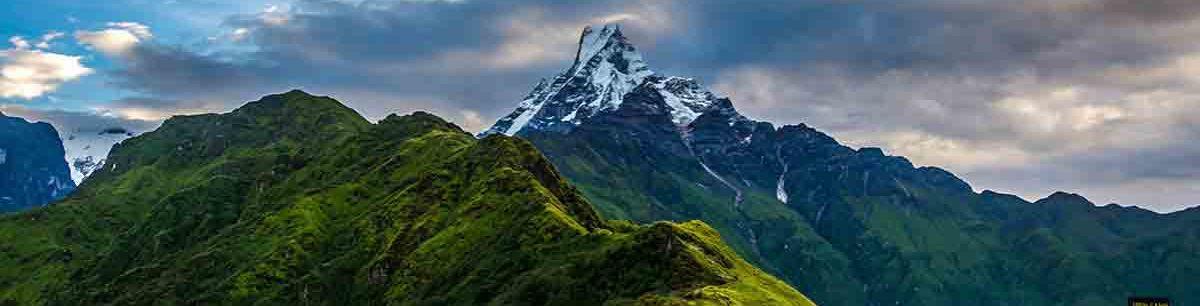

Nepal is a dream destination for photographers, offering some of the best photography locations on Nepal treks with breathtaking Himalayan scenery. From the towering presence of Mount Everest to the stunning silhouette of Machapuchare, every trail reveals dramatic landscapes waiting to be captured. Whether you are trekking through the Everest region or exploring the Annapurna trails, Nepal provides endless opportunities to photograph iconic mountain views, vibrant cultures, and unforgettable moments in the heart of the Himalayas.
From the towering summit of Mount Everest to the sacred beauty of Machapuchare, every trail reveals iconic scenes waiting to be captured. In this comprehensive, Yoast-friendly guide, we explore the best photography locations on Nepal treks along with tips to help you capture stunning mountain views.
Why Nepal Treks Are a Dream for Photography
Nepal’s trekking routes are unlike anywhere else. They combine extreme altitude, diverse ecosystems, and rich cultural experiences. As you move from lowland villages to high alpine zones, the scenery changes dramatically—providing endless creative possibilities for photographers.
Here’s why Nepal is perfect for capturing stunning mountain views:
- Unmatched Himalayan vistas with close proximity to peaks
- Diverse landscapes including forests, rivers, glaciers, and high passes
- Dynamic lighting conditions that transform scenes throughout the day
- Cultural richness with monasteries, prayer flags, and traditional villages
Every step on a Nepal trek feels like stepping into a living postcard.
Everest Region: Iconic Photography Locations
The Everest region, also known as the Khumbu, is arguably the most famous trekking destination in the world. It offers dramatic scenery and unparalleled access to some of the highest peaks on Earth.
Kala Patthar – The Ultimate Everest Viewpoint
Kala Patthar is widely regarded as the best place to photograph Mount Everest. At an altitude of 5,545 meters, it provides a clear and unobstructed view of Everest’s summit.
Why it’s special:
- Stunning sunrise and sunset lighting
- Panoramic views of Everest, Lhotse, and Nuptse
- Perfect location for dramatic silhouettes and wide-angle shots
Photography tip: Arrive before dawn to capture the transition from blue hour to golden sunrise.
Everest Base Camp
Everest Base Camp offers a completely different photography experience. While Everest itself isn’t fully visible, the rugged terrain and glacier formations create powerful compositions.
Highlights include:
- The dramatic Khumbu Icefall
- Expedition tents and climbers
- Textures of ice, rock, and snow
This location is ideal for storytelling photography that captures the human spirit of adventure.
Namche Bazaar Viewpoint
Namche Bazaar is often the first place trekkers get a glimpse of Everest. The viewpoint above the town provides a unique combination of culture and scenery.
What to capture:
- Layers of colorful houses
- Distant mountain peaks
- Daily life in a bustling Sherpa hub
Gokyo Lakes and Gokyo Ri
Gokyo Lakes are among the most photogenic locations in Nepal. The turquoise waters create striking contrasts against snow-covered peaks.
Climbing Gokyo Ri rewards photographers with:
- Panoramic views of Everest and surrounding peaks
- Reflection shots in pristine lakes
- Less crowded shooting locations
Dingboche and Nangkartshang Ridge
Dingboche offers wide open landscapes perfect for capturing depth and scale. A hike to Nangkartshang Ridge provides elevated viewpoints with stunning vistas.
Best shots:
- Ama Dablam dominating the skyline
- Stone-walled fields in the foreground
- Expansive valley landscapes
Annapurna Region: Diverse and Dramatic Landscapes
The Annapurna region is known for its variety, making it a favorite for photographers seeking different textures and compositions.
Annapurna Base Camp
Annapurna Base Camp sits within a natural amphitheater surrounded by towering peaks.
Why it’s a top photography spot:
- 360-degree mountain views
- Close proximity to Annapurna I
- Incredible sunrise and sunset colors
Machapuchare Base Camp
Machapuchare Base Camp offers one of the cleanest and most dramatic views of Machapuchare.
This sacred mountain is rarely climbed, adding a mystical element to your photos.
Poon Hill
Poon Hill is one of the most accessible yet rewarding photography spots in Nepal.
Why photographers love it:
- Panoramic sunrise views
- Visibility of Annapurna and Dhaulagiri
- Ideal for beginners
Ghandruk Village
Ghandruk combines cultural richness with stunning mountain backdrops.
Photography highlights:
- Traditional stone houses
- Terraced fields
- Daily village life
Sarangkot
Sarangkot is famous for sunrise views over Phewa Lake.
Best shots:
- Reflections of Machapuchare
- Paragliders in the sky
- Golden light over the Annapurna range
Other Hidden Gems for Mountain Photography
Thorong La Pass
Thorong La Pass offers dramatic high-altitude scenery.
What to capture:
- Snow-covered trails
- Prayer flags fluttering in the wind
- Vast Himalayan landscapes
Langtang Valley and Kyanjin Gompa
Langtang Valley is a quieter alternative to Everest and Annapurna.
At Kyanjin Gompa, photographers can capture:
- Close-up views of Langtang Lirung
- Glaciers and alpine landscapes
- Peaceful, uncrowded scenery
Manaslu Circuit
Manaslu Circuit offers raw, untouched beauty.
Highlights:
- Remote villages
- Authentic Tibetan culture
- Dramatic mountain passes
Best Time for Photography on Nepal Treks
Timing is crucial when aiming to capture stunning mountain views.
Autumn (September–November)
- Clear skies and excellent visibility
- Stable weather conditions
- Best season for sharp mountain shots
Spring (March–May)
- Blooming rhododendrons
- Vibrant landscapes
- Warmer temperatures
Winter (December–February)
- Crystal-clear skies
- Snow-covered scenery
- Fewer trekkers
Monsoon (June–August)
- Lush greenery
- Dramatic clouds
- Limited visibility but unique moods
Essential Photography Tips for Nepal Treks
Shoot During Golden Hours
Early morning and late afternoon provide soft, warm light that enhances mountain textures.
Use Foreground Elements
Include:
- Prayer flags
- Trails
- Villages
This adds depth and storytelling to your images.
Carry the Right Gear
- Wide-angle lens for landscapes
- Telephoto lens for distant peaks
- Tripod for low-light conditions
- Extra batteries (cold weather drains power quickly)
Focus on Composition
- Use the rule of thirds
- Frame your subject naturally
- Look for leading lines like rivers or trails
Capturing Culture Along the Trails
Nepal’s beauty isn’t limited to mountains. Its people and traditions add powerful storytelling elements to your photography.
Cultural highlights to capture:
- Monasteries and prayer wheels
- Local festivals
- Traditional clothing and daily life
Always be respectful and ask for permission before photographing people.
Pro Tips for Iconic Shots
- Wake up early to catch sunrise
- Stay longer at viewpoints for changing light
- Be patient—clouds can create dramatic scenes
- Include trekkers for scale
Conclusion
Nepal’s trekking routes offer some of the best photography locations in the world for stunning mountain views. Whether you’re capturing the golden glow on Mount Everest from Kala Patthar or the serene reflections of Machapuchare in Pokhara, every moment presents an opportunity to create unforgettable images.
From the iconic trails of Everest and Annapurna to the quieter beauty of Langtang and Manaslu, Nepal provides endless inspiration for photographers. With the right preparation, timing, and creativity, you can capture images that truly reflect the magic of the Himalayas.
If you’re planning your next adventure, make sure these best photography locations on Nepal treks are part of your journey—because in Nepal, every step is a picture waiting to be taken.