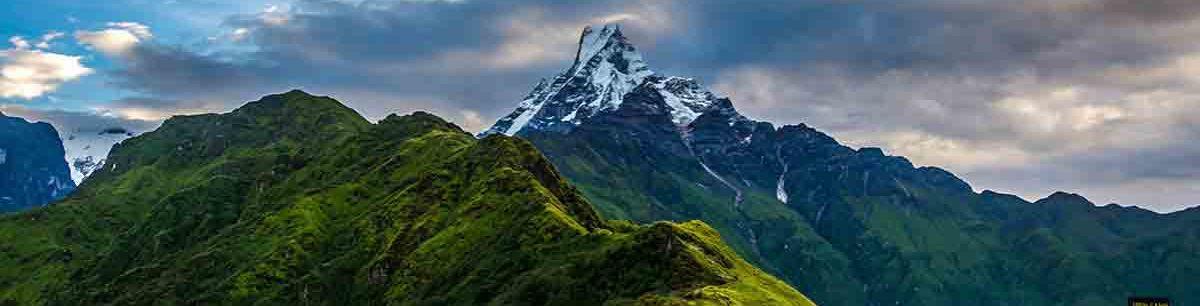
Tipping Guidelines While Trekking and Peak Climbing in Nepal | Complete Guide

Tipping guidelines while trekking and peak climbing in Nepal are often unclear for first-time visitors. Many trekkers worry about how much to tip, who to tip, and when tipping is expected. Since Nepal’s trekking industry relies heavily on guides, porters, and climbing crews, tipping plays an important role in supporting local livelihoods.

This article explains tipping culture in Nepal, recommended tip amounts, and best practices for trekkers and climbers. By following these guidelines, you can show respect, appreciation, and cultural awareness throughout your Himalayan journey.


Understanding Tipping Culture in Nepal

Tipping is not mandatory in Nepal, but it is widely expected in the trekking and mountaineering sector. Unlike restaurants in Western countries, tipping is not deeply ingrained in everyday Nepali culture. However, trekking staff depend heavily on tips as a significant part of their income.

Moreover, trekking and peak climbing often involve long days, harsh weather, and high-altitude risks. Therefore, tipping is seen as a gesture of gratitude for safety, care, and hard work, rather than an obligation.


Why Tipping Matters While Trekking in Nepal

Trekking staff work under physically demanding conditions. Guides manage logistics, safety, navigation, and communication. Porters carry heavy loads across steep trails, often at high altitudes.

Additionally, climbing staff on peaks face extreme weather, technical challenges, and safety risks. Because of this, tipping is considered a meaningful way to acknowledge their contribution.

Furthermore, tipping directly supports rural communities, as most guides and porters come from remote mountain regions of Nepal.


Who Should You Tip During a Trek or Climb?

Understanding who to tip while trekking in Nepal is essential. Typically, the following team members receive tips:

Trekking Guide

The trekking guide is responsible for route planning, safety, accommodation, and group coordination. Guides usually speak English and manage emergencies.

Assistant Guide (If Applicable)

On larger group treks, assistant guides help manage logistics and ensure group safety.

Porters

Porters carry trekking gear, food supplies, and equipment. Their work is physically demanding and deserves recognition.

Climbing Guide (For Peak Climbing)

Climbing guides handle rope fixing, route setting, and summit safety. They play a crucial role during technical ascents.

Kitchen Staff and Sherpa Team (Expeditions)

On longer peak climbing expeditions, cooks, kitchen helpers, and Sherpas are also tipped collectively.


Recommended Tipping Guidelines While Trekking in Nepal

Below are general tipping guidelines commonly followed by trekkers. These are flexible and can be adjusted based on service quality, trek length, and group size.

Tips Amount for Trekking Guides

  • USD 10–15 per day per guide for standard treks
  • USD 15–20 per day for remote or challenging routes

Tipping for Porters

  • USD 6–10 per day per porter
  • Usually shared if one porter carries luggage for two trekkers

Tipping for Assistant Guides

  • USD 8–12 per day

These amounts are considered fair and respectful within the Nepali trekking industry.


Tipping Guidelines for Peak Climbing in Nepal

Peak climbing involves higher risk, advanced skills, and longer preparation. Therefore, tipping amounts are generally higher.

Tipping for Climbing Guides

  • USD 20–30 per day per climbing guide
  • For summit day performance, trekkers often give an additional bonus

Tipping for Sherpas and Support Staff

  • USD 10–15 per day per staff member
  • Expedition cooks and helpers usually receive group-based tips

For technical peaks and expedition-style climbs, tips are often pooled and distributed at the end.


When Is the Best Time to Tip?

The best time to tip while trekking in Nepal is at the end of the trek or climb. This usually happens on the final day, during a farewell meeting or celebration dinner.

Giving tips at the end ensures that the entire team receives fair recognition. It also allows trekkers to assess service quality before deciding on amounts.


How to Give Tips Properly in Nepal

Proper tipping etiquette matters. Follow these best practices:

  • Always tip in Nepali Rupees if possible
  • Hand tips respectfully, ideally with both hands
  • Offer tips privately or during a group farewell
  • Avoid tipping too early, as it may create expectations

Additionally, expressing gratitude verbally goes a long way. A sincere “thank you” is always appreciated.


Group Trekking vs. Private Trekking Tips

Tipping amounts may vary depending on whether you trek in a group or privately.

  • Group Treks: Tips are often collected collectively and distributed equally
  • Private Treks: You tip staff directly based on personal experience

In both cases, transparency among group members helps avoid confusion.


Factors That May Affect Tipping Amounts

Several factors influence tipping decisions:

  • Length of the trek or climb
  • Difficulty and altitude
  • Weather conditions
  • Level of service and professionalism
  • Safety management and emergency support

If the team exceeds expectations, tipping slightly higher is considered appropriate.


Common Tipping Mistakes to Avoid

Many trekkers unintentionally make mistakes when tipping. Avoid the following:

  • Skipping tips entirely after a successful trek
  • Tipping unevenly without reason
  • Publicly comparing tip amounts among staff
  • Using foreign coins instead of currency notes

Being mindful of these points helps maintain respect and fairness.


Is Tipping Mandatory While Trekking in Nepal?

Tipping is not legally mandatory, but it is socially expected in the trekking and climbing sector. Refusing to tip without a valid reason may be viewed as disrespectful.

However, if service quality is genuinely poor, trekkers may adjust tip amounts accordingly.


Final Thoughts on Tipping Guidelines While Trekking and Peak Climbing in Nepal

Understanding tipping guidelines while trekking and peak climbing in Nepal helps travelers plan responsibly and respectfully. Tipping supports local workers, strengthens community livelihoods, and enhances the overall trekking experience.

By following fair tipping practices, trekkers contribute positively to Nepal’s tourism economy while honoring the hard work of those who make Himalayan adventures possible.

Ultimately, tipping is not just about money. It is about gratitude, respect, and cultural awareness.

Nepal Unveiled: A Transformational Himalayan Journey Through Culture, Nature, and Spirit in 2026

Travelers searching for a destination that blends breathtaking landscapes, living traditions, and timeless spirituality often find themselves drawn to Nepal. Few places on Earth offer such a powerful meeting point between natural grandeur and human devotion. As soon as you land, towering snow peaks, ancient temples, and warm smiles create an atmosphere where mountains and gods truly meet.

This comprehensive guide explores how you can plan your ultimate Nepal journey in 2026—one that goes beyond sightseeing and becomes an experience of personal meaning. You will learn what makes Nepal spiritually profound, culturally rich, and adventure-ready, along with recommended routes, budgets, itineraries, and travel insights for a life-changing trip.


Nepal in 2026: Why This Is the Perfect Year to Visit

Nepal continues to grow as a global travel destination, yet it maintains an authentic identity that visitors deeply appreciate. In 2026, several developments make it even more appealing:

1. Improved Travel Infrastructure
Upgraded highways, expanded regional airports, and smoother domestic flights are reducing travel time between major destinations.

2. Enhanced Trekking Routes
Communities along popular trails—Everest, Annapurna, Langtang—have invested in safer pathways, better lodges, and digital connectivity.

3. Sustainable Tourism Practices
Eco-lodges, community homestays, and conservation partnerships are reshaping how visitors experience rural Nepal while benefiting local people.

4. Cultural Renaissance
Temple restoration in Kathmandu Valley and investment in heritage preservation ensure travelers can witness Nepal’s past more vividly than ever.

With these improvements, 2026 offers an ideal moment to explore Nepal’s soul.


Where Spirituality and Daily Life Intertwine

Nepal is a rare place where religion is not an isolated practice but part of everyday rhythm. Temples hum with activity from dawn to dusk. Mountains themselves are considered deities. Ancient legends blend seamlessly with the lives of modern communities.

Kathmandu Valley: The Spiritual Heart

The capital region houses seven UNESCO World Heritage Sites. Among them:

  • Pashupatinath Temple – the holiest Hindu Shiva shrine outside India
  • Boudhanath Stupa – a centerpiece of Tibetan Buddhist pilgrimage
  • Swayambhunath Stupa – an ancient hilltop shrine with sweeping valley views
  • Patan Durbar Square – a living museum of Newari art and architecture

Exploring these sites offers a window into continuity—rituals performed in the same manner for centuries, artisans preserving ancestral crafts, and pilgrims walking paths worn by countless generations.

The Sacred Himalayas

Outside the cities, mountains rise as silent guardians. Many travelers describe the Himalayas not only as beautiful but transformational. Peaks such as Ama Dablam, Machhapuchhre, and Langtang Lirung are worshipped as deities, and visiting them is as much a spiritual experience as a physical journey.


A Cultural Mosaic Unlike Anywhere Else

Nepal’s culture is shaped by more than 125 ethnic groups and over 100 languages. This diversity creates a vibrant mix of:

  • Food traditions (Newari feasts, Thakali meals, Sherpa soups)
  • Festivals (Holi, Dashain, Tihar, Indra Jatra, Lhosar)
  • Traditional music and dances
  • Handicrafts and artisan communities
  • Clothing styles and regional architecture

Travelers who venture beyond the major cities often find incredibly welcoming communities eager to share their stories and heritage.


Epic Landscapes for Every Traveler

Nepal’s landscapes range from lush rice terraces to frozen summits and subtropical forests. Because of this diversity, your journey can be as relaxed or as adventurous as you want.

The Majestic Himalayas

Home to eight of the world’s fourteen highest peaks, the Himalayas attract trekkers, climbers, photographers, and seekers. Popular journeys include:

Each trek offers a different blend of scenery, culture, and challenge.

The Lake City of Pokhara

Pokhara provides a calm counterpoint to Kathmandu. With its lakeside promenade, mountain reflections, and soft breezes, it is a place for rest, adventure, or contemplation. Activities include:

  • Paragliding
  • Boating on Phewa Lake
  • Sunrise views from Sarangkot
  • Caves and waterfalls
  • Yoga and wellness retreats

The Terai: Nepal’s Wild Heart

Further south lies a contrasting landscape of jungle plains and wildlife preserves. In Chitwan and Bardia National Parks, travelers can encounter:

  • One-horned rhinos
  • Bengal tigers
  • Wild elephants
  • Crocodiles
  • Hundreds of bird species

This region is ideal for safari lovers and families.


Planning Your Ultimate Nepal Journey in 2026

Designing a meaningful trip requires understanding Nepal’s seasons, costs, transportation, and routes.

Best Time to Visit Nepal

The ideal months depend on your interests:

  • Autumn (September–November): Clear skies, stable weather, best trekking conditions
  • Spring (March–May): Rhododendron blooms, moderate temperatures
  • Winter (December–February): Quiet trails, crisp views, great for cultural travel
  • Summer/Monsoon (June–August): Green landscapes, fewer travelers, best for Mustang or Tibet-border regions

For treks like Everest, Annapurna, or Langtang, autumn and spring remain unmatched.


How Long Should You Stay?

Most travelers spend between 10 and 21 days in Nepal. Here are recommended durations based on interest:

  • Culture-focused: 7–10 days
  • Short trekking + culture: 10–14 days
  • Classic Everest Base Camp: 12–14 days
  • Annapurna Circuit: 14–18 days
  • Upper Mustang or Manaslu: 14–21 days

A three-week trip allows time to explore both cultural regions and the mountains.


Sample 14-Day “Nepal Soul Journey” Itinerary

Days 1–3: Kathmandu Valley

  • Pashupatinath
  • Boudhanath
  • Patan and Bhaktapur
  • Traditional cooking class or artisan workshop

Days 4–6: Pokhara and Surroundings

  • Phewa Lake
  • Peace Pagoda
  • Sunrise at Sarangkot
  • Optional paragliding

Day 7–12: Himalayan Trekking (choose Annapurna or Everest region)

  • Village teahouses
  • Guided trekking
  • Cultural immersion
  • Mountain panoramas

Day 13–14: Chitwan National Park

  • Jeep safari
  • Canoeing
  • Tharu cultural performance

This itinerary blends spirituality, adventure, relaxation, and wildlife into a balanced journey.


Budget Guide for Nepal Travel in 2026

A comfortable mid-range traveler can expect:

Accommodation

  • Budget guesthouse: $15–$25/night
  • Mid-range hotel: $40–$70/night
  • Upscale boutique: $90–$200/night

Food

  • Local meals: $3–$6
  • Tourist restaurants: $8–$15
  • High-end dining: $25–$40

Transportation

  • Domestic flights: $80–$180
  • Private car hire: $40–$120/day
  • Tourist buses: $15–$30

Trekking Costs

  • Guided trek (per day): $40–$80
  • Permits (varies by region): $30–$100+
  • Equipment (rent/buy): $50–$200

Overall Trip Cost

  • Budget traveler: $800–$1,200 (10 days)
  • Mid-range traveler: $1,500–$2,400 (10–14 days)
  • Luxury traveler: $3,500+

Nepal remains one of the best-value destinations for extended travel.


Choosing the Right Journey: What Kind of Traveler Are You?

The Spiritual Explorer

Seek temples, meditation centers, and sacred mountains.
Ideal route: Kathmandu → Namobuddha → Pokhara → Lumbini

The Adventurer

Goal: trekking, rafting, paragliding, or peak climbing.
Ideal route: Everest or Annapurna trekking + Pokhara

The Cultural Traveler

Focus on heritage towns, artisan workshops, festivals.
Ideal route: Kathmandu Valley + Bandipur + Pokhara

The Wildlife Lover

Head south to Nepal’s jungle parks.
Ideal route: Chitwan or Bardia + Lumbini

The Balanced Traveler

Blend the best of all landscapes.
Ideal route: Kathmandu → Pokhara → short trek → Chitwan


What Makes Nepal a Soul-Stirring Destination?

Travelers often say Nepal gives them:

  • A deeper sense of perspective
  • A connection to nature
  • Space for personal reflection
  • Encounters with warm and generous communities
  • A feeling of being welcomed like family
  • Memories that influence their life long after returning home

This is why so many visitors describe their trip to Nepal not just as a holiday but a transformation.


Final Thoughts: Your 2026 Journey Awaits

Nepal is much more than a destination. It is a place where towering peaks meet ancient temples, where tradition blends with modernity, and where travelers discover something profound within themselves. Whether you seek adventure, culture, spirituality, or personal renewal, Nepal offers a journey that resonates deeply.

In 2026, improved infrastructure, expanded trekking services, and renewed cultural preservation make it the perfect year to experience Nepal’s soul. Plan thoughtfully, travel with intention, and embrace the country’s rhythms. The Himalayas—and the people who live in their shadows—will welcome you with open arms.

Planning a Successful Kailash Mansarovar Yatra in 2026: Complete Guide for Pilgrims

The Kailash Mansarovar Yatra is one of the most sacred and challenging pilgrimages in the world. Every year, thousands of devotees from India and around the globe undertake this spiritual journey to Mount Kailash and Lake Mansarovar, considered the abodes of divinity in Hinduism, Buddhism, Jainism, and Bon. For pilgrims, the Yatra is not just a travel experience—it is a profound spiritual quest promising blessings, purification, and self-transformation.

Planning this journey in 2026 requires careful preparation. Changes in travel regulations, updated permit processes, and logistics make advance planning essential. This guide explains how to plan a successful Kailash Mansarovar Yatra in 2026, covering route options, travel requirements, physical preparation, budget considerations, and spiritual guidance.


Why the Kailash Mansarovar Yatra Is Special

Mount Kailash is considered sacred across multiple religions:

  • Hinduism: Abode of Lord Shiva
  • Buddhism: Home of Demchok (Chakrasamvara)
  • Jainism: Site where Rishabhadeva attained liberation
  • Bon: Center of spiritual universe and meditation

Lake Mansarovar, nearby, is believed to cleanse sins and grant spiritual merit. A journey to this region combines awe-inspiring natural beauty—snow-capped peaks, glaciers, and pristine lakes—with a deep spiritual purpose.


Understanding the Routes to Kailash Mansarovar in 2026

There are three main routes for the Yatra:

The Lipulekh Pass Route (India to Tibet)

  • The most popular option for Indian pilgrims
  • Passes through Uttarakhand (India) → Lipulekh → Tibet → Kailash
  • Approximate duration: 14–16 days
  • Suitable for moderate to experienced trekkers

Advantages:

  • Shorter overland distance from India
  • Well-established infrastructure
  • Managed by Indian government Yatra organizers

Considerations:

  • Altitude reaches 5,200 m at Lipulekh
  • Requires physical preparation for long treks and high-altitude conditions

Nathu La Pass Route (Sikkim → Tibet)

  • Alternative route primarily for Sikkim pilgrims
  • Duration: 16–18 days
  • Scenic Himalayan landscapes and Tibetan culture

Advantages:

  • Lesser crowd compared to Lipulekh route
  • Offers cultural immersion in Tibetan monasteries

Considerations:

  • Fewer medical and logistical facilities
  • Requires additional permits

Kathmandu to Nepal–Tibet Route

  • Popular for international travelers
  • Travel from Kathmandu → Nepalgunj → Tibet → Kailash
  • Duration: 18–22 days including acclimatization

Advantages:

  • International accessibility
  • Opportunity to visit Mount Everest region or Lumbini before or after the Yatra

Considerations:

  • Longer journey
  • Requires additional travel documents and permits

Key Travel Requirements for 2026

To undertake the Kailash Mansarovar Yatra safely and legally, travelers must follow government regulations:

  1. Entry Permits:
    • Indian citizens require the official Kailash Mansarovar Yatra permit issued by the Ministry of External Affairs.
    • International pilgrims need a Tibet Travel Permit (TTB) issued through an authorized travel agency.
  2. Visa Requirements:
    • Indian citizens: No visa required for Tibet; only permit necessary
    • International travelers: Chinese visa required for Tibet, processed via travel agencies
  3. Travel Insurance:
    • Mandatory for high-altitude medical coverage
    • Must include emergency evacuation
  4. Medical Clearance:
    • Required for age limits (typically 18–75)
    • Must be medically fit to trek at high altitude

Physical Preparation and Health Considerations

The Kailash Mansarovar Yatra involves trekking at altitudes above 5,000 meters, crossing mountain passes, and enduring extreme weather. Preparation is crucial.

Fitness Preparation

  • Cardiovascular training: running, cycling, brisk walking
  • Strength training: legs, core, back
  • Hiking with backpacks at moderate elevation

Acclimatization Tips

  • Schedule acclimatization days at Darchen, Saga, or Nyalam
  • Ascend slowly to prevent Acute Mountain Sickness (AMS)
  • Hydrate frequently and eat light meals

Essential Health Items

  • Oxygen cylinders or concentrators (optional but recommended)
  • Altitude sickness medication (consult doctor)
  • First aid kit and trekking poles

When to Undertake the Yatra in 2026

The best months for the Kailash Mansarovar Yatra are May to September, depending on route and weather:

  • Spring (May–June): Mild temperatures, fewer landslides, ideal for pilgrims
  • Monsoon Season (July–August): Risk of landslides; less popular
  • Autumn (September): Clear skies, excellent mountain visibility

Winter months (November–March) are typically not recommended due to heavy snowfall and extreme cold.


Accommodation and Logistics

Accommodation along the Yatra is basic, primarily guesthouses, tents, and dharamshalas. Modern amenities may be limited in remote areas, especially at Darchen or near Lake Mansarovar.

Packing Essentials

  • Warm clothing and layered outfits
  • Sturdy trekking boots and gaiters
  • Sleeping bags suitable for sub-zero temperatures
  • Portable water purification and snacks

Food and Water

  • Meals generally include simple vegetarian dishes
  • Carry energy bars, dry fruits, and electrolyte powders
  • Water bottles must be filtered or boiled

Spiritual Practices During the Yatra

The Yatra is as much about spiritual reflection as physical trekking:

  • Parikrama (Circumambulation): Circumambulate Mount Kailash clockwise (approximately 52 km), usually in 3 days
  • Prayers and Meditation: Daily spiritual rituals at monasteries and sacred sites
  • Bathing in Lake Mansarovar: Considered purifying and spiritually rewarding
  • Offering Ceremonies: Light butter lamps, chant mantras, and make symbolic offerings

Participating in these practices deepens the pilgrim’s connection to the sacred landscape.


Budget Planning for Kailash Mansarovar Yatra 2026

Costs vary depending on route, duration, and service level:

ExpenseApproximate Cost (INR / USD)
Yatra Permit₹35,000–₹45,000 (~$450–$550) for Indian pilgrims
Tibet Travel Permit (International)$200–$300
Flights (Kathmandu / Delhi to Nepalgunj / Lhasa)₹15,000–₹35,000 (~$180–$420)
Accommodation & Meals₹500–₹2,500/day (~$6–$30)
Trekking Assistance (Guide/Porter)₹1,500–₹3,500/day (~$18–$45)
Miscellaneous (gear, medical, insurance)₹10,000–₹20,000 (~$120–$250)

Average cost for a 15–18 day Yatra:

  • Budget pilgrims: ₹1.5–₹2.0 lakhs (~$1,800–$2,400)
  • Mid-range: ₹2.5–₹3.5 lakhs (~$3,000–$4,200)
  • Luxury packages: ₹4.0 lakhs+ (~$4,800+)

Tips for a Successful Yatra

  1. Book Early: Permits and flights fill quickly, especially in peak season.
  2. Travel With Trusted Agencies: Authorized tour operators handle permits, guides, and logistics.
  3. Carry Cash: ATMs are scarce; currency exchange is limited in remote areas.
  4. Respect Local Customs: Offer prayers, remove shoes in monasteries, follow environmental guidelines.
  5. Prepare for Emergencies: Know evacuation routes and carry essential medication.
  6. Group Travel Benefits: Travel in groups for safety, shared guidance, and porter support.

The Transformative Experience of Kailash Mansarovar

Completing the Kailash Mansarovar Yatra is physically challenging, yet many pilgrims describe it as life-changing. Visitors often report:

  • Mental clarity and spiritual awakening
  • Increased resilience and patience
  • Sense of humility and connectedness with nature
  • Strengthened devotion and faith

The combination of majestic mountains, sacred sites, and serene landscapes creates an unparalleled spiritual journey.


Conclusion: Planning Your 2026 Kailash Mansarovar Yatra

A successful Kailash Mansarovar Yatra in 2026 requires preparation, awareness, and intention. From choosing the right route—Lipulekh, Nathu La, or Nepal-Tibet—to securing permits, preparing physically, and understanding the cultural and spiritual significance, every step matters.

This pilgrimage is more than a trek—it is a journey into the heart of devotion, resilience, and inner transformation. With careful planning and respect for local traditions, your 2026 Yatra can be safe, fulfilling, and spiritually enriching.

Nepal and Tibet await those ready to walk the path of the gods and witness the grandeur of Mount Kailash and Lake Mansarovar. Plan wisely, journey humbly, and embrace the blessings that await on this sacred path.

Best Way to Reach Everest Base Camp: Complete Guide to Routes, Costs, Flights, and Trekking Options

Everest Base Camp (EBC) stands as one of the most iconic trekking destinations in the world. Every year, tens of thousands of trekkers arrive in Nepal to experience the dramatic landscapes of the Khumbu region, walk among towering Himalayan peaks, and stand at the foot of Mount Everest itself. Although the journey is legendary, new trekkers often ask the same fundamental question: What is the best way to reach Everest Base Camp?

In reality, there is no single “best” way for every person. Your ideal approach depends on your interests, fitness level, trekking time frame, budget, and appetite for adventure. Some travelers prefer a short, direct route. Others seek a more scenic acclimatization path. Many choose to fly; a few prefer to trek from the lower hills. Some join guided groups, while others hire personal guides for a more flexible experience.

This comprehensive guide breaks down every major route, transportation method, cost factor, and step involved in reaching Everest Base Camp. You will also learn how to prepare, what challenges to expect, and how to select the option that best matches your goals.


Understanding Everest Base Camp Trekking Options

The Everest region offers several ways to reach Base Camp. Your journey typically begins in Kathmandu, the capital of Nepal. From there, you choose between:

  1. Flying into Lukla Airport (most common and fastest method)
  2. Driving to Salleri or Phaplu and trekking from there
  3. Flying to Kathmandu–Ramechhap–Lukla (seasonal adjustment)
  4. Trekking all the way from Jiri (classic approach used by early expeditions)
  5. Helicopter flights to and from EBC (premium option)

Each route offers unique scenery, advantages, and challenges. Before choosing, you should understand what makes one option better for your travel style.


Flying to Lukla: The Most Popular Way to Reach Everest Base Camp

For most trekkers, the best way to reach the Everest region is flying into Tenzing–Hillary Airport in Lukla. This approach shortens the trekking duration and gives you quick access to the high mountains.

Why Lukla Flights Are the Preferred Option

  • Fastest access to the Everest trail
  • Minimizes unnecessary warm-up trekking days
  • Well-developed trekking infrastructure beginning from Lukla
  • Reliable guide and porter availability
  • Saves 4–8 extra days compared to overland routes

Although the Lukla airport is known for its short runway and dramatic landscapes, it is safe, well-regulated, and operated by experienced Nepali pilots.

Typical Flight Times

  • Kathmandu → Lukla: Approximately 30 minutes
  • Ramechhap → Lukla: Approximately 20 minutes

In peak seasons, many flights operate from Ramechhap Airport, a smaller domestic airfield east of Kathmandu. This is due to air traffic congestion at Tribhuvan International Airport.


Trekking from Lukla to Everest Base Camp

Once you land, the classic route to EBC begins. The standard itinerary takes 12–14 days, depending on acclimatization days and trekking speed. The route includes the following major stops:

  1. Lukla (2,840 m)
  2. Phakding (2,610 m)
  3. Namche Bazaar (3,440 m) – acclimatization stop
  4. Tengboche (3,860 m)
  5. Dingboche (4,410 m) – acclimatization stop
  6. Lobuche (4,910 m)
  7. Gorakshep (5,164 m)
  8. Everest Base Camp (5,364 m)

Many trekkers also climb Kala Patthar (5,545 m) the next morning for sunrise views of Everest.

This route is the best option for trekkers seeking a balance of physical challenge, altitude adaptation, scenic diversity, and cultural exposure. It remains the most efficient and rewarding way to reach Everest Base Camp.


Traveling by Road: Jeep or Bus to Salleri or Phaplu

If you want a more budget-friendly alternative or prefer to avoid Lukla flights, you can travel by jeep from Kathmandu to Salleri or Phaplu, located in the lower Solukhumbu region.

How Long Does the Drive Take?

  • Kathmandu → Salleri: 8–12 hours
  • Kathmandu → Phaplu: 7–10 hours

From either point, you begin trekking northward to join the main Everest trail near Namche Bazaar.

Advantages of the Salleri/Phaplu Route

  • Suitable for travelers nervous about flying into Lukla
  • Cheaper than domestic flights
  • Offers a more gradual ascent
  • Excellent for trekkers who want extra acclimatization days

Disadvantages

  • Adds 3–4 additional trekking days
  • Road conditions may be rough
  • Scenic but physically more demanding

This route is ideal for budget travelers or those seeking a traditional approach to EBC.


Jiri to Everest Base Camp: The Classic Trekking Route

Long before the Lukla airport existed, climbers such as Sir Edmund Hillary and Tenzing Norgay Sherpa reached the Everest region by trekking from Jiri. Today, this historic route remains one of Nepal’s most culturally rich treks.

Duration

  • 18–22 days (depending on acclimatization)

What Makes the Jiri Route Special

  • Authentic Sherpa village experiences
  • Fewer trekkers
  • Beautiful landscapes
  • Follows the footsteps of early expeditions

However, it is physically demanding and time-consuming. Most modern trekkers skip this option unless they want a complete expedition-style experience.


Helicopter Flights to Everest Base Camp (Fastest but Most Expensive Option)

For travelers with limited time, a helicopter flight offers a convenient and scenic alternative. You can charter a helicopter:

  • Kathmandu → Everest Base Camp → Kathmandu
  • Lukla → Everest Base Camp → Lukla
  • Gorakshep → Lukla
  • Everest Base Camp → Kathmandu (return flight after trek)

Why Helicopter Options Are Popular

  • Provides aerial views of the Himalayas
  • Ideal for travelers who want luxury or time-efficient itineraries
  • Offers an emergency backup plan
  • Reduces exposure to high-altitude risks

This option is the most expensive but also the fastest way to stand at Everest Base Camp.


Which Method Is Truly the Best Way to Reach Everest Base Camp?

The “best way” depends entirely on your preferences. Below is a comparison to help you choose wisely.

MethodBest ForTravel TimeCost Level
Flying to LuklaMost trekkersFastestMedium
Driving to Salleri/PhapluBudget travelersModerateLow
Jiri trekAdventure-focused trekkersLongestMedium
HelicopterLuxury travelers/time-strapped visitorsVery fastHigh

Most trekkers choose the Lukla flight + 12–14 day trek because it offers the ideal balance of time, cost, scenery, and safety.


How Much Does It Cost to Reach Everest Base Camp?

Because the cost varies by method, here is a breakdown to help you compare 2026 prices.

1. Flight to Lukla

  • $180–$220 one way from Kathmandu
  • $120–$180 from Ramechhap

2. Jeep to Salleri/Phaplu

  • $25–$40 (local)
  • $150–$250 (private jeep)

3. Helicopter

  • $450–$600 per seat (shared) from Kathmandu
  • $900–$1,200 for private charter
  • $200–$400 from Gorakshep to Lukla (return after trek)

4. Trekking Costs

  • Budget trek: $900–$1,200 total
  • Standard trek: $1,400–$2,100
  • Luxury lodge trek: $3,000–$6,000

Permits:

  • Sagarmatha National Park Entry: $30 + VAT
  • Khumbu Pasang Lhamu Fee: $20

Total permit cost: ~$50

Guides and porters are typically required and cost:

  • Guide: $25–$40 per day
  • Porter: $20–$28 per day

Best Time to Reach Everest Base Camp

The best seasons determine not only weather conditions but also the availability of flights to Lukla.

Spring (March–May)

  • Warm temperatures
  • Clear skies
  • Rhododendron forests in bloom

Autumn (September–November)

  • Best visibility
  • Stable weather
  • Peak trekking season

Winter (December–February)

  • Quieter trails
  • Very cold nights

Monsoon (June–August)

  • Frequent rain
  • Landslide risk
  • Lukla flights often delayed

For most trekkers, spring and autumn offer the best overall conditions.


Physical Preparation: Training for the EBC Trek

Reaching Everest Base Camp requires preparation. The trail is not technical, but altitude and long walking days can challenge even experienced trekkers.

Training recommendations

  • Hike 2–3 times a week
  • Carry a 6–10 kg backpack during practice
  • Improve leg strength and cardiovascular endurance
  • Take practice hikes at increasing altitude if possible

Good preparation ensures a safer and more enjoyable experience.


Safety Considerations When Reaching EBC

Travelers must stay aware of the following risks:

  1. Altitude Sickness
    • Ascend slowly
    • Stay hydrated
    • Take acclimatization days seriously
  2. Unpredictable Weather
    • Always carry layers
    • Be flexible with flight schedules
  3. Trail Conditions
    • Trekking poles help during steep ascents/descents
  4. Travel Insurance
    • Must include helicopter evacuation

Your guide plays a crucial role in monitoring safety and adjusting pace accordingly.


Should You Choose a Guided Trek or Independent Approach?

In 2026, trekking with a guide is required for most routes. Even if it were optional, a guide offers significant advantages:

  • Better navigation and cultural interpretation
  • Assistance with altitude management
  • Easier lodge booking during peak season
  • Added safety in emergencies

Porters also make the experience more comfortable by carrying your luggage.


Conclusion: What Is the Best Way to Reach Everest Base Camp?

The best way to reach Everest Base Camp for most travelers is:

Fly to Lukla → Trek 12–14 days → Explore EBC and Kala Patthar → Return to Lukla → Fly back to Kathmandu

This method offers the most efficient, scenic, and rewarding experience. It balances adventure with practicality and gives you the best possible Himalayan journey.

If you have more time, trekking from Salleri or Jiri offers deeper cultural immersion. If you seek convenience or luxury, a helicopter transfer provides a remarkable alternative.

Whichever route you choose, reaching Everest Base Camp is an unforgettable achievement. With the right preparation, you can experience one of the greatest trekking adventures on earth.

Kailash Mansarovar Yatra 2026 Fixed Departure Dates: Complete Guide for Pilgrims

The Kailash Mansarovar Yatra is one of the most sacred and spiritually transformative pilgrimages in Asia. Every year, thousands of devotees travel to Tibet to witness Mount Kailash, sacred to Hindus, Buddhists, Jains, and Bon followers. For 2026, fixed departure dates have been announced early to give pilgrims enough time to plan their journey well. This guide presents all Kailash Mansarovar Yatra 2026 fixed departure dates, including full moon and Saga Dawa Festival departures, along with essential planning considerations.

If you are preparing for your 2026 pilgrimage, this useful resource provides detailed information on dates, benefits of full-moon travel, route insights, weather expectations, and planning recommendations.


Why the Kailash Mansarovar Yatra Matters

Mount Kailash, standing at 6,638 meters, is described as the cosmic axis of the universe in ancient scriptures therefore this pilgrimage is believed to cleanse lifetimes of karma. Devotees also take a holy dip in Lake Mansarovar, which is said to purify the body and mind. The Kailash Kora—a 52 km circumambulation—is one of the most profound spiritual journeys on earth. Because of the trek’s complexity and high altitude, booking a reliable fixed departure date is essential.


Kailash Mansarovar Yatra Tour Fixed Departure Dates for 2026

All departure dates listed below are confirmed group departures for 2026.As a result these dates cover standard, full-moon, and festival-aligned journeys.

April 2026 Departures

  • 26th April 2026

May 2026 Departures

  • 16th May 2026
  • 25th May 2026 (Saga Dawa Festival Departure)
    Saga Dawa is one of Tibet’s most significant festivals, celebrating Buddha’s birth, enlightenment, and parinirvana.

June 2026 Departures

  • 13th June 2026
  • 26th June 2026 (Full Moon Departure)

July 2026 Departures

  • 11th July 2026
  • 25th July 2026 (Full Moon Departure)

August 2026 Departures

  • 22nd August 2026

September 2026 Departures

  • 05th September 2026
  • 19th September 2026

October 2026 Departures

  • 03rd October 2026
  • 23rd October 2026 (Full Moon Departure)

These dates offer multiple options across the 2026 pilgrimage season, ensuring flexibility for pilgrims with different schedules and spiritual preferences.


Benefits of Choosing a Fixed Departure Date

Booking a Kailash Mansarovar Yatra on a fixed departure schedule has several advantages:

1. Guaranteed Group Formation

Fixed departures ensure minimum group size,Hence making logistics smoother and cost-effective.

2. Pre-arranged Permits

Travel to Tibet requires several layers of permits. As a result fixed departures help operators organize documentation well in advance.

3. Predictable Itinerary and Safety Support

Organized group departures come with experienced guides, medical support, and reliable transport, essential for high-altitude travel.

4. Festival and Full-Moon Alignment

Many pilgrims prefer full-moon dates or festival departures like Saga Dawa for deeper spiritual experiences.


Why Choose Full-Moon Departures in 2026?

The full-moon period around Kailash and Mansarovar is considered spiritually powerful. During the full moon, the reflection of Mount Kailash on Lake Mansarovar is breathtaking. Many pilgrims also believe that performing the Kora during a full moon accelerates spiritual merit.

Full-moon dates for 2026 include:

  • 26th June 2026
  • 25th July 2026
  • 23rd October 2026

These departures are usually in highest demand, therefore early booking is recommended.


Why Saga Dawa Festival Departure Is Special (25th May 2026)

The Saga Dawa Festival is one of Tibet’s holiest celebrations. It marks:

  • Buddha’s birth
  • Buddha’s enlightenment
  • Buddha’s death (parinirvana)

During this festival, thousands of Tibetan pilgrims gather at Tarboche (Darchen) to witness the ceremonial raising of the Tarboche Prayer Flag Pole, an event symbolizing spiritual renewal. Therefore joining the Kailash Mansarovar Yatra during Saga Dawa offers a rare cultural experience combined with the spiritual power of the pilgrimage.


Best Time to Join Kailash Mansarovar Yatra in 2026

The Yatra season runs from late April to late October. Each period has unique benefits:

April–May

  • Clear skies, pleasant temperatures
  • Ideal for early-season pilgrims
  • Saga Dawa Festival in May

June–July

  • Peak travel window
  • Warmest period, easier walking conditions
  • Full-moon experiences

August–September

  • Stable weather
  • Smaller crowds compared to June–July

October

  • Crisp, clear views
  • Final window before winter conditions

Your ideal date depends on your preferred weather, spiritual alignment, and group size.


Typical Itinerary for Kailash Mansarovar Yatra 2026

Although itineraries vary, most follow this structure:

Days 1–3: Arrival and acclimatization in Kathmandu

  • Permit preparation
  • Yatra briefing
  • Sightseeing and rest

Days 4–6: Entering Tibet (Kerung/Saga route)

  • Drive through Himalayan valleys
  • Gradual altitude acclimatization

Day 7: Arrival at Lake Mansarovar

  • Holy Lake exploration
  • Rituals and meditation

Days 8–10: Kailash Kora (Circumambulation)

  • Trek to Dirapuk
  • Dolma La Pass crossing
  • Return to Darchen

Days 11–14: Return journey and departure

This structure ensures proper acclimatization and a smooth pilgrimage experience.


Preparing for Kailash Mansarovar Yatra 2026

To fully enjoy your journey, consider the following:

1. Health and Fitness Preparation

The Kora involves high-altitude trekking. Begin cardio and strength training at least three months in advance.

2. Passport and Visa Requirements

A valid passport with at least six months’ validity is mandatory. Your operator will handle Tibetan permits.

3. Clothing and Gear

Pack in layers. Weather can shift dramatically at high altitude.

4. Insurance

Select insurance that covers high-altitude evacuation and medical emergencies.

5. Early Booking

Full-moon and Saga Dawa departures fill quickly. Early reservation ensures availability and better pricing.


Why the 2026 Yatra Is Expected to Be Special

With global travel stabilizing and improved infrastructure in Tibet, the 2026 Kailash Mansarovar Yatra season is anticipated to be smoother, safer, and more accessible than previous years. New accommodations, well-coordinated logistics, and advanced safety protocols make 2026 a promising year for pilgrims.


In Conclusion

The Kailash Mansarovar Yatra 2026 fixed departure dates offer multiple options for pilgrims seeking a spiritually meaningful journey. Whether you prefer a full-moon experience, the vibrant energy of the Saga Dawa Festival, or a quieter month later in the season, there is a suitable departure for every traveler.

By planning early and choosing the right date, you ensure a safe, peaceful, and transformative pilgrimage to the sacred land of Mount Kailash and Lake Mansarovar.