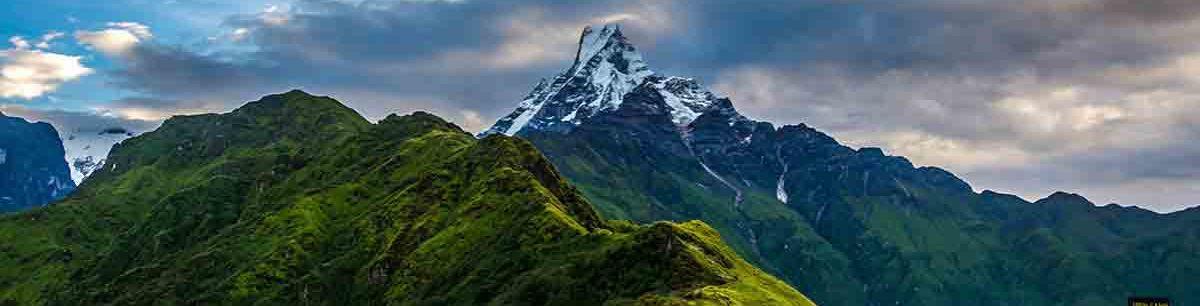
Kala Patthar: Best location to view Mount Everest

Rating: 5 out of 5.

The place to go if you want a clear, up-close view of Mount Everest is Kala Patthar. And Kala Patthar, at 5,643 meters, is more than just a vantage point. A hike to Kala Patthar is an adventure that you will remember for the rest of your life because it is higher than four of the seven summits. Here’s how to make the most of your trip if you’re thinking of going. Kalapathar is another way to spell Kala Patthar. The Kalapathar hike actually combines both the natural beauty and the cultural richness. You get a lifetime’s worth of memories from it. Aside from the stunning mountain views, other attractions include the verdant valleys, striking sceneries, Sherpa settlements with their distinctive building designs, and centuries-old monasteries.

Without a question, the Kala Patthar Trek is a once-in-a-lifetime chance to travel the most well-known hiking path in the world and take in some of the most spectacular landscapes imaginable. A picturesque flight from Kathmandu to Lukla marks the start of the journey. Then you’ll hike to Phakding and keep going to get to Namche Bazaar. At Namche Bazaar, the commercial hub of the Everest region, you will find a place to rest. From here, the trail leads to Tengboche through stunning pine and rhododendron forests. Another significant and enticing location is the Tengboche Monastery, the greatest Buddhist monastery in the Khumbu region, which is situated on Mt. Ama Dablam’s flank. The monastery displays Tibetan Buddhist art and culture. Then, as you make your way towards Everest Base Camp, climb to the renowned Kala Pathar for panoramic views of Mount Everest (8,848 meters) and the surrounding peaks. Your degree of endurance will be put to the test during the climb to Kala Pathar.

View of the mountains from Kala Patthar

From Kala Patthar, you can see mountains in all directions. From there, you can see the following mountains:

Everest and Lhotse are both over 8,000 meters.

In excess of 7,000 meters: Nuptse, Changtse, and Pumori

Ama Dablam, Chumbu, Thamserku, Kangtega, Taboche, and Lobuche are the peaks above 6,000 meters.

In reality, Kala Patthar is one of the few places where you can see Mount Everest clearly. The Lhotse wall obscures Everest from most viewpoints because to terrain. For the first few days of the EBC Trek, you can only see a tiny portion of the mountain; once you pass 4,000 meters, you can no longer see Everest at all. The fact that you cannot view Mount Everest from Everest Base Camp truly surprises most people! In that sense, Kala Pattar is a truly unique location.

Kala Patthar: Sunrise and Sunset View

Whether to visit Kala Patthar for sunrise or sunset is another frequently asked subject. Since mornings have the best likelihood of being clear, the answer is typically sunrise. However, we strongly advise you to travel up if it’s a clear night at Gorakshep. You’ll never forget the beautiful pinkish-blue alpenglow for the rest of your life. Due to the sun’s position and the light’s direction, sunset is frequently chosen by people. Mount Everest is visible as a silhouette as the light rises behind the peak. Nevertheless, it is a lovely sight to watch. Mount Everest and the surrounding mountains will glow brightly at sunset as the sun’s final rays touch them.

When should I visit Kala Patthar?

March through May and September through November are the best months to hike Kala Patthar and return. Warm temperatures, clear skies, and typically stable weather with little precipitation are all present during these months. The best season, however, mostly depends on your preferences. Just be aware of what you want from your travel.

Spring:

The spring season lasts from the middle of February until the end of May, with the hottest months being March to May, when temperatures can reach 30°C. Rhododendrons and other springtime blooms come into blossom. Early in the mornings, there are clear skies and a somewhat mild climate.

Summer:

This region of the world experiences long, rainy summers that run from June through August. They are distinguished by heavy clouds and constant rains. Imagine missed connections and no views of the mountains.

Autumn:

From mid-September until the end of November is the fall season, also referred to as the dry season. Before the snow falls, you’ll have the best chance of clear skies in late December.

Winter:

The chilly season of winter lasts from December to February. Around -30°C is the temperature. The lowest temperature would be around -10°C during the day. Even so, the vistas are breathtaking, at least until December when there is little haze and cloud cover.

Environment-related risks

Please keep in mind that up in the mountains, the wind and sun are important considerations. A day that may begin bright and sunny could rapidly turn chilly if it becomes windy and gloomy. Get a sturdy wind jacket and some additional warm clothing in case it happens. Additionally, keep in mind to use quality sunglasses and sunscreen to shield your skin and eyes from excessive UV radiation.

Kala Patthar: FAQ’s

How can I go to Kalapathar in Nepal?

The best route to Kalapathar is the same route as Everest Base Camp. If you are not in strength to trek, then you can always take a helicopter from Kathmandu to Kalapathar.

How hard is it to climb Kala Patthar?

Although the journey is not too far, it is uphill and high in height. The trip to the vantage point should take an average hiker between 1.5 and 2 hours. The mental challenge is increased by the fact that it takes some time to reach Kala Patthar’s summit.

How long does it take to climb Kala Patthar?

The Kala Patthar hike only takes around 3–4 hours’ round trip. On the first day of the descent back to Lukla, the hike is often completed early in the morning.

How do I get to Kala Pathar?

You will begin at Gorak Shep and proceed straight behind the village. From there, it is only a short ascent to the peak of Kala Patthar’s black mountain rock.

Feel Free To Contact Us.

10 Simple Ways to be a responsible traveler

Rating: 5 out of 5.

There are a variety of reasons why people travel. It could be for job or business purposes, such as attending meetings, conferences, exhibitions, and trade shows, or attending corporate events. It could be vacation travel, adventure travel, hiking, learning about new cultures, and so on. With everyone having access to every corner of the globe, the tourism industry has seen a significant increase in value in recent years. It is self-evident that tourism will grow only when everyone has a home in every corner of the globe. Responsible tourism and responsible travel go hand in hand with the ever-changing globe and the tourist industry’s mission to make the world a better place for everyone.

Definition of Responsible Travel

Wildlife tourism, volunteer travel (also known as volunteerism), environmental problems, and any other topic that explores how to maintain and improve the world we live in and travel through fall under the umbrella phrase “responsible travel.” Simply defined, responsible tourism is about being conscious of the positive and negative effects that travel has on destinations and cultures around the world. It’s about thinking about your own impact, as well as the impact of the travel providers you choose, and taking responsibility for making sure that every aspect of your trip is as sustainable as possible, from the mode of transportation you use to the places you stay, the way you interact, and the companies and governments you support.

Let’s take a look at ten tips that answer the question, “How Can I Be Responsible While Traveling?”

Give Some of Your Time to Volunteer:

Volunteering a portion of your time to meaningful causes and with reputable organizations may make a world of difference whether you are traveling for two weeks or two years. If you have a skill that could be valuable in a developing country, such as medical care experience, an engineering background, or experience working in social care, there are a variety of paths you can take to put your knowledge to good use.

Shop and Eat Local:

When traveling, make every effort to avoid buying at big-name stores. For groceries, daily care goods, and other necessities, look for local or mom and pop stores. This may appear to be a simple task to individual travelers. It will, however, make a significant impact for local companies and small enterprises who lose clients to supermarkets and larger brand retailers on a daily basis. Local restaurants and even smaller food trucks/stalls are in the same boat. Avoid eating at global chain restaurants and instead seek out local eateries that will provide you with not just a good meal but also a flavor of the local culture.

Respect Locals and Culture:

It’s crucial to remember that you’re a visitor in a foreign nation, so act accordingly. You might think that roaming through Kathmandu’s main square in your bathing suit is normal, or that photographing market employees is acceptable, or that wearing shorts and behaving loudly at temples is acceptable – but locals may have a different opinion. Respect that other people and places may have quite different perspectives on the world than you do, and that their customs may feel strange or uncomfortable to you when you encounter them. Discovering the complex tapestry of religion, language, and cultures that make up our world is a huge part of the appeal of travel, and honoring each of these for their uniqueness is crucial.

Seek out Cultural Experience and Enjoy Them:

We understand that many individuals travel in very different ways than we do; while we appreciate getting to know a country and experiencing its culture and unique experiences, others prefer to rest by the pool and sip cocktails. Both options are quite acceptable, however we advocate broadening your horizons outside the all-inclusive resort. To deepen your learning and widen your holiday experience, take a local tour, visit museums, local markets and restaurants, and interact with locals. After all, what’s the point of leaving home and traveling all this distance if you’re not going to try to experience your destination?

When it comes to wildlife activities, think before you act:

Many individuals have exotic visions of riding elephants, swimming with dolphins, or having their photos taken with tigers while planning an international holiday, but these irresponsible activities typically cause more harm than good. Wildlife tourism is big business, and most operators prioritize their earnings over the animals’ well-being. Keep in mind that one hour of entertainment for yourself could result in a lifetime of suffering for the animal. If you truly want to visit a facility that houses and protects animals, make sure to contact one that is a recognized non-profit organization that is open about its commercial transactions.

Waste Reduction:

In most underdeveloped nations, waste management is a serious concern, and we, as travelers, unwittingly add to the problem. Because recycling and trash minimization education levels in other nations may differ from what we receive here, it is critical to take personal measures to aid the environment. Instead of using plastic bags from stores, carry your things in a backpack or a cloth bag. Rather than ordering takeout, dine and drink in the cafe (or carry a KeepCup with you, which we always do). Carry a reusable water bottle and fill it up from the enormous water jugs accessible at most hotels and restaurants.

Reducing your carbon footprint is a great way to start:

Avoiding planes while traveling is an excellent strategy to lower your carbon footprint and travel responsibly. If you have no choice but to fly, try to minimize your environmental impact by taking a direct flight, carrying less luggage, taking public transportation (train, metro line, or bus) once you arrive at your destination or walking or cycling whenever possible, and sharing a taxi if you have no other option. You can also reduce your carbon footprint by taking shorter showers and eating less or no red meat.

Hire a local guide and go on a cultural adventure:

Hire a local guide on your vacation if at all possible. This is the best method to learn about the culture, people, and hiking, bicycling, and sailing areas in the area. Hiring a local guide is also an excellent approach to be a responsible traveller because it helps the local economy. While it’s fine to relax by the pool on your vacation, a responsible traveler goes above and above by seeking out cultural experiences. By visiting museums, local markets, restaurants, and meeting people, you can broaden your travel experience and knowledge.

Educate Others on the Importance of Being a Responsible Traveler:

Being a responsible traveller may come naturally to some, while others may be unaware of the consequences of their behavior while overseas. If you see someone doing something unintentionally harmful to the environment or the local people and culture, say something to them in a friendly manner. Start a conversation about safe travel with the folks in your hostel, hotel, or tour group. We can only assist spread the news about sustainable tourism by educating others.

Be a Good Traveler and Spread Happiness

Responsible tourism is urgently needed because it is the best way to conserve the environment and support local communities while still having a good time. We must guarantee that our activities have a beneficial impact on others and that we assist each other because the earth is our home and all other humans are like our extended family. Being a responsible traveler takes a little more effort than being a typical traveler, but it’s all worth it if you can make the world a better place, even if it’s only a little.

Feel Free To Contact Us.

Best Pubs and Rock Bars in Thamel, Kathmandu

Rating: 5 out of 5.

Nepal boasts the coolest nightlife, with many clubs, bars, and pubs, in addition to spectacular vistas, the best trekking experience, thrilling rafting adventure, and nice locals. When the sun sets, the stars come out, and Kathmandu becomes even more beautiful and vibrant. Do you want to enjoy some delicious food while listening to live music? Thamel is a spot where delicious food and music collide. Thamel has a variety of live rock pubs. Kathmandu will astound you with its abundance of clubs and pubs where you can let your inner party animal loose. So, if you’re in Kathmandu, here’s a list of the best clubs to visit while you’re there.

List of Best Pubs & Rock Bar in Kathmandu

Purple Haze Rock Bar:

Purple Haze is the place to go if you want to listen to rock music and drink. The atmosphere is chaotic and infectious, despite the fact that it is a tad on the pricey side. The bar has been named a popular location in Thamel for both locals and visitors. Local musicians perform here frequently, and on weekends, there may be an entry fee for which you will be given complimentary drinks. The atmosphere is highly active in the late hours of the night, and weekends may be very crowded. This bar features a large open area where you can listen to music from all genres. Purple Haze also has delicious cuisine, fantastic drinks, a great environment, live music, and a large crowd.

Lord of The Drinks:

In Kathmandu, there is a well-organized and professional pub. LOD is the one and only ideal spot to go if you’re looking for bars and drinks. The entire staff are extremely pleasant and accommodating. The bouncer and the main bar staff, in particular. Every night, there are shows, and if you’re lucky, you might get to watch one of your favorite performers play. Take your beverages and head to the dance floor for an unforgettable night of dancing. Lord of Drinks in Kathmandu has been providing with the utmost professionalism in Kathmandu. ENTRY FEE: TEN DOLLARS PER PERSON (Beer on complimentary) The best part: On Wednesdays, ladies get in free, and there’s plenty of parking with valet service.

Club Deja vu:

The 20,000-square-foot arena features a chic style that evokes a party house. Two levels of the dance floor with separate sitting rooms and two special VIP rooms are available if you want seclusion. They feature cool DJs and a diverse food and beverage selection. Finding a space to have a good time in the midst of the crowd? So, why don’t you join club déjà vu? Each floor has its own entrance and three bars that are fully equipped. It is completely soundproof and features a powerful exhaust system. Cutting-edge lighting and sound systems, as well as eye-popping LED walls with video mapping technologies, are among the highlights, which are matched by its mechanical interior design, which you adore.

Club Senate:

If you’re ever in Thamel, go to the Senate; it’s the best night out you’ll have in Nepal; the drinks are cheap, the place is always packed, and the music selection is fantastic. They also offer a decent music selection that will have you tapping your feet while you sip your drink. In the late hours of the night, the location becomes very lively, and weekends may be very busy. In the midst of Thamel’s congested streets, it’s like a tiny paradise. The couches had adequate room for a group of people to sit comfortably.

Reggae Bar:

Every night, a reggae bar is the greatest spot to hang out with good food and beverages, as well as live performances by various performers. Since 2008, this bar has been open. This Kathmandu bar is a banger of a place, with outstanding modern wall art. Adults consider this club to be the best in Kathmandu, Nepal, because it is small but beautiful. They will provide you with delicious cuisine and cold beer. As you go for it, live music will lift your spirits.

Ibyza Lounge and Bar:

Ibyza is Kathmandu, Nepal’s most popular nightclub. This club is the place to be if you want to relax and unwind! Drive away from the chaos of the city and relax with your friends in their comfortable lounge or at the bar! All under one roof, rock and roll on the dance floor or pound your head to their fantastic live music! If you were unable to travel to Spain to party in Ibiza, this tavern provides a glimpse into that party paradise. They offer everything under one roof, from exclusive DJs to exclusive events. Get your beers and hit the dance floor for a night of nonstop head-banging.

Moksh Bar:

Moksh is located in the centre of Jhamsikhel, within the Gyan-Mandala premises. They’ve created an entirely new concept for art, music, and culinary enthusiasts. Conferences, seminars, birthday parties, anniversaries, and wedding functions are just a few of the services they offer. Every Tuesday and Friday, they also feature live music performances. It’s one of Kathmandu’s coolest nightclubs. Other services include bonfire tables with a warm & cozy environment, free Wi-Fi, Level-One and Two bars (capacity of 50 people in each bar), Auditorium Hall (capacity of theater-style for 200 people, conference table 60 people, and Ballroom 120 people), Sun-Deck Garden (capacity of 80 people), Karmic Vibes @ Moksh” Flea Market/2nd Hand Market with live music, pizza feast, and Sun-Deck Garden (capacity (once a month).

Shisha Lounge and Bar:

The shisha bar is the ideal location to hang out, with live music and excellent service for all music and cuisine fans. Shisha has excellent service talents that hones through practice and dedication. “MUSIC IS THE LANGUAGE OF OUR SOUL,” Shisha believes. This restaurant serves delicious Nepalese ingredients prepared by a skilled and experienced chef team with innovation and love. This location is well known for its 20 different types of hookah imported from Dubai. If you’re wondering how much money to bring, it’s somewhere between NRs 200 to 400 and that will allow you to sample a variety of dishes.

Feel Free To Contact Us.

Trekking / Hiking Gear Rental or Purchase in Kathmandu

Rating: 5 out of 5.

One of the most significant components of trekking is hiking gear, and having appropriate trekking gear makes your trip more fun. The streets of Kathmandu’s Thamel are lined with a profusion of businesses catering to trekkers of various styles and budgets. It has about everything a traveler could possibly need. From one-star (or basic!) guesthouses to exquisite 5-star hotels, groceries, hiking and trekking equipment, local food stalls and restaurants, laundry facilities, local markets, hair salons, spa centers, and much more are all available. Thamel is a backpacker’s paradise, with shops selling trekking and mountaineering gear. If you’re looking to rent or buy hiking gear in Kathmandu, head to Thamel. Several gear stores surround the street, offering all you need.

Where can I rent or buy trekking equipment in Kathmandu?

Thamel is a tourism hub in Kathmandu that caters to the demands of tourists, particularly trekkers. You’ll find everything from five-star hotels to bed and breakfasts. Cafes and restaurants serve a variety of cuisines. If you wish to buy souvenirs or gifts for your loved ones, Thamel has a wide range of possibilities. Furthermore, it is densely populated with shops that sell and rent trekking equipment. If you plan to trek frequently, you can purchase your own equipment. If you don’t trek often, renting trekking equipment is a cost-effective solution. A rental business will be easy to locate, but a rental warehouse will be tough to locate. Inquire with your guide or travel agency for ideas on where to rent equipment, since they will be able to point you in the right direction.

Authentic Equipment for Rental

Small warehouse businesses in Kathmandu that rent authentic expedition equipment are a good money-saving choice. Genuine cold-weather apparel and specific items that are only needed in Nepal are refurbished at these locations. For crossing a high pass, you might want a strong down jacket and down pants. These goods can be rented for less than a dollar each day and returned at the end of the trek. The easiest way to find a good rental shop is to ask your guide for a recommendation. Many guiding firms have business links with reputable rental shops and can assist you in finding a suitable location. Once inside, it shouldn’t be too difficult to tell if the equipment is genuine—a good place to start is studying the insignia. Check for adequate fill, since older goods may be short on it. Also, don’t be scared to inquire about additional possibilities.

Purchasing from the Big-Name Stores

Big-name outdoor gear brands like Mountain Hardware and The North Face have developed a presence in Kathmandu due to popular demand. The shops are located on Tridevi Sadak, which is a short walk from central Thamel. You can acquire anything that was neglected prior to leave there, and it will be assured to be authentic. The stores are marginally less expensive than their Western counterparts, but not by much (around 5 percent cheaper with limited styles).

Cost of Trekking/ Hiking Gears in Kathmandu

In Kathmandu, Thamel is the greatest area to acquire trekking equipment. It is a one-stop shop for mountaineers looking for hiking equipment. It is Nepal’s most popular and well-known core backpacking destination. The price list below is intended to give you a general idea of how much hiking equipment costs.

Gear           Size                                  Cost/ Items
Backpack55l to 65l          USD 40-65 per bag
Daypack25l-35l                      USD 22-34 per bag
Hiking shortsAny size       USD 20-28 per piece
Hiking pantsAny size          USD 25 – 33 per piece
Hiking shirtsAny size            USD 15 – 23 per piece
Thermal setAny size           USD 10-15 per pair
Warm fleece upper wear and bottomAny sizeUSD 20-25 per pear
Warm hatAny size                  USD 3-5 per piece
Trekking poleAny size              USD 5 – 10 per pair
Windproof glovesAny sizeUSD 5 – 10 per pair
Wollen hiking shocksAny sizeUSD 2-4 per pair
ScarfAny sizeUSD 2 – 5 per piece
SunGlassesAny sizeUSD 5 – 10 per piece
HeadlightAny sizeUSD 15 – 20
Water BottleAny sizeUSD 3 – 7 per bottle
Cost of Trekking/ Hiking Gears in Kathmandu

Cost of Renting Hiking Gears in Kathmandu

Everything you’ll need for trekking in Nepal can be rented in Kathmandu’s Thamel neighborhood. Sleeping bags, down jackets, trekking poles, and hiking boots are some of the most widely hired hiking accessories.

A high-quality sleeping bag that is water-resistant and has fur to keep you warm may be rented for roughly $2 per day.

You will be able to rent an excellent quality down jacket at a cheap price. A down jacket costs about $1 per day.

During your trek, trekking poles are likely to become your best buddy. It will assist you in reducing the amount of pressure on your knees. Hiring hiking poles will set you back roughly $1 per day.

It’s ideal to hike in durable hiking boots that have been broken in. However, if you don’t want to buy, you can rent trekking boots. Hiking boots of virtually any size can be rented for $1 per day.

Here are some helpful hints for purchasing and renting trekking equipment.

If you do not trek frequently, renting gear is preferable to purchasing. Because your foot will carry you everywhere, your hiking boots should be of the utmost significance. It is preferable to purchase and break in hiking boots before going on a journey in Nepal. International brand products are just as pricey as they would be everywhere else. If you want to complete your trekking gear set in Kathmandu, set aside at least one day to acquire or rent the necessary equipment. The majority of rental equipment prices are fair and fixed, with little chance of negotiating.

Feel Free To Contact Us.

Everest Base Camp Trek Cost and Difficulty

Rating: 5 out of 5.

Everest Base Camp Trek is a fantastic trek in Nepal’s northeastern upper elevations. The trek’s main attractions include the trek’s unusual topographical variations, a magnificent aerial excursion on the Lukla flight, and the amazing Sherpa cultural retreats. Everest Base Camp Trek is for nature lovers and those seeking a higher degree of spirituality in their lives. This journey teaches people the true value of perseverance and patience. The stunning vistas, the distinct hidden Sherpa culture, the wonderful wildlife, and the peacefulness of the monasteries all contribute to this trek being a once-in-a-lifetime event. The cost of your journey to Everest Base Camp is decided by the type of trek you are planning, the route you will take, the amount of time you will spend on the trail, and the season you will travel. The cost of a climb to Everest Base Camp can range anywhere from $900 to thousands of dollars.

Everest Base Camp Trek Cost:

Climbing Everest is significantly more expensive than trekking to the base camp. The Everest Base Camp Trek does not have a predetermined price. The trip might cost anywhere from $1899 to $4300, depending on the route, outfitter, and amenities provided. The most important decision you must make here is whether you will book a tour when you arrive through a local agency or whether you will book a package tour in advance through an internet agency. Most international and local firms use the same local guides and porters, so even if you book your tour with an international company, you are supporting the local community; just make sure you select an ethical company that pays standards. Give your money to a company you can trust, because they are ultimately accountable for your safety, and you want to deal with a company that employs the greatest people.

Costs of a Package Tour with an International Tour Operator and Local Agency

The average cost of an Everest Base Camp Trek package tour with an international agency is $1500 + $600 for food, for a total of $2100. The average cost of a package tour to Everest Base Camp with a local agency starts at $1600. The benefit of hiring a local agency is that all proceeds benefit the community. Staying in a hotel for a couple of days, using trusted guides and services, leaving your bags at the hotel while trekking, and returning to the same hotel after the trek is ideal. Luxury ($2200) and affordable ($1300) tours are also offered by several organizations. The luxury packages include stays in luxury accommodations in Kathmandu, Lukla, Namche Bazaar, and Teng Boche, as well as more expensive meals; however, the rest of your journey will be essentially comparable, as the tea houses where you dine and sleep are very standard throughout the villages.

Everest Base Camp Trek: Permit Costs

The cost of an Everest Base Camp Permit varies depending on the individual’s country. The following is detailed information on the Everest Base Camp Permit Cost for the Sagarmatha National Park Permit:

Permit costs for SAARC nationals are NRs 1500 per person (about USD 15) and NRs 3000 per person (roughly USD 30) for foreigners. To access the Khumbu region, foreigners must pay NRs 2000 per person to the Khumbu Pasang Lhamu Rural Municipality. Per person, the Khumbu Rural Municipality costs around USD 20. If you’re intending on trekking from Jiri to Everest Base Camp, here’s what you’ll need to know. The permit for Gaurishankar Conservation Area is NPR 3000 per person, or around USD 30 per person.

Everest Base Camp Trek Difficulty

A number of things contribute to the hiking activity’s difficulty. Everest Base Camp is a high-altitude climb that necessitates a great level of physical endurance, mental fortitude, and flexibility to the changing environment. Everest’s route takes in snow-capped mountains, hanging bridges, rushing rivers, dense forests, and waterfalls, as well as numerous ascents and descents on a steep and treacherous trail that makes the journey challenging. Acute Mountain Sickness, Khumbu Cough, Inclement Weather, Difficulty Level, Fitness, and Time of Visit are just a few of the primary characteristics that can make the Everest Base Camp Trek tough. Below are few other factors to determine the difficulty level of the Everest Base Camp Trek:

  1. Length: The trek appears to be very long at 130 kilometers round trip, but when you consider that on an average guided trek, you will only be walking for 9 of the 12 days, you will be covering roughly 15 kilometers per day. However, the 15 kilometers each day will not be on a flat paved path. Instead, you’ll be trekking over rocky and sometimes icy terrain (depending on the season and height), which will certainly slow you down.
  2. Altitude: The most difficult component of the journey is the altitude, which makes it more difficult than a typical trek of the same length. At the altitudes experienced on the trek, acute mountain sickness and other altitude-related disorders are a major risk. The trek begins after a harrowing flight to Lukla, which is barely around 3,000 meters, and continues up to Everest Base Camp, which is roughly 5,400 meters. At the highest point, Kala Pathar, you’ll reach just over 5,500m above sea level, giving you amazing views of the entire region.
  3. Inclement Weather: Inclement weather is another important source of difficulty for hikers. The high altitude trekking is tough to finish due to the changeable weather and unknown climate conditions. While weather predictions and planning the trek for a favorable period can help, the weather in the upper elevations can still be unpredictable. An adverse environment is caused by unexpected snowfall, rain, chilly temperatures, and frosty weather. As a result, it’s critical to arrange the hike around the optimal time and weather forecasting.
  4. Training: While you don’t need to hire a personal trainer or quit your day job to get in shape for the trek, some gym time and longer treks will help you prepare for the mountainous climb up to Everest Base Camp. We advocate completing a couple 4-6 hour treks at home to get your body adjusted to working out for that long. Spend some time in the gym concentrating on leg strength exercises. Finally, cardiovascular exercise such as jogging, sprinting, and swimming will improve your endurance and raise your body’s ability to circulate oxygen, which gets more difficult as you ascend higher in elevation.

Are you up to the challenge?

Anyone with a reasonable level of fitness may complete the Everest base camp trek. Even if you don’t think you’re ready right now, you can do it after some time spent working out. Although physical fitness is necessary for any walk, mental commitment is also required to complete it successfully. If you are serious about trekking to Everest base camp, you should begin physically preparing now. Physically, a regular workout to strengthen your cardiovascular fitness will get you ready for the journey. And believe us when we say that you can complete this walk while still enjoying the adventure’s beauty. This trek is suitable for anyone with a good level of fitness, regardless of age, who wishes to enjoy the stunning scenery.

Climate in the Everest Region

The weather is ideal for trekking throughout the spring season (March to June). The temperature goes up to 25 degrees during the summer days and lowers to -20 degrees at night, attracting a large number of tourists. The monsoon season begins in July and lasts until mid-September. This is not the best time to go hiking because the roads get more slick and dangerous during this season due to the heavy rain. Autumn (September to November) is also the finest time to trek in the Everest region. The entire region is covered in beautiful rhododendrons and other wildflowers throughout this season. November to February is the start of the winter season. This season is known for its bitter cold. January is the coldest month of the year, with temperatures as low as -36 degrees Fahrenheit and as low as -60 degrees Fahrenheit.

Feel Free To Contact Us.