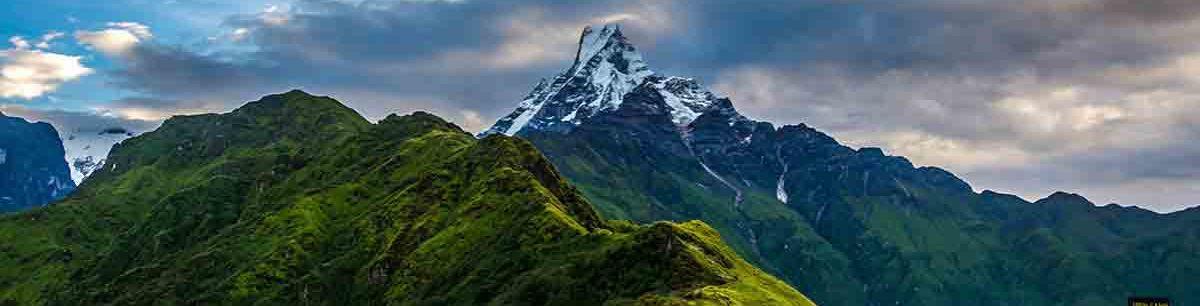
Island Peak climbing as some of the Popular Peaks in Nepal

Rating: 5 out of 5.

Island Peak, also known as Imja Tse, is one of the most popular peak climbing destinations in Nepal. Here are some reasons why Island Peak climbing is considered one of the best peak climbing experiences in the country:

Accessibility: Island Peak is located in the Everest region of Nepal, making it easily accessible for climbers. It is situated close to the iconic Everest Base Camp trekking route. Trekkers can combine their trek to Everest Base Camp with an Island Peak climbing expedition, making it a convenient option for those seeking both trekking and climbing experiences in a single trip.

Stunning Himalayan Views: Island Peak offers breathtaking panoramic views of some of the world’s highest peaks, including Mount Everest, Lhotse, Nuptse, Makalu, and several others. The climb to the summit provides climbers with an unparalleled 360-degree view of the surrounding Himalayan range. The sight of these majestic peaks, towering glaciers, and rugged landscapes creates an awe-inspiring and unforgettable experience.

Technical Challenge: While Island Peak is classified as a trekking peak, it presents a moderate level of technical difficulty, making it an ideal choice for climbers looking to push their limits and gain valuable mountaineering experience. The climb involves sections of steep ice and snow slopes, as well as the use of basic climbing equipment such as ropes, crampons, and ice axes. This combination of technical challenges adds excitement and adventure to the climb.

Training Ground for Aspiring Mountaineers: Island Peak serves as an excellent training ground for climbers who aspire to summit higher peaks in the future. The climb requires basic mountaineering skills, including glacier travel, fixed rope techniques, and ice climbing. It offers a perfect opportunity for climbers to gain hands-on experience in a controlled environment and build their confidence before attempting more challenging expeditions.

Cultural Immersion: The Island Peak climbing route passes through the Sherpa heartland of the Everest region. As climbers make their way to the base camp, they have the chance to immerse themselves in the unique Sherpa culture, visit traditional monasteries, and witness the daily lives of the local communities. This cultural aspect adds depth and richness to the climbing experience, offering a well-rounded adventure.

Combination of Trekking and Climbing: One of the significant advantages of Island Peak climbing is that it can be combined with a trek to Everest Base Camp or the beautiful Gokyo Lakes. This combination allows climbers to experience both the thrill of reaching a summit and the beauty of trekking through the renowned Everest region. It offers a diverse and comprehensive adventure, encompassing the best of both worlds.

Achieving a Himalayan Summit: Summiting Island Peak at an elevation of 6,189 meters (20,305 feet) is a remarkable achievement in itself. It provides climbers with a sense of accomplishment and the opportunity to stand atop a Himalayan peak, surrounded by awe-inspiring vistas. The feeling of conquering a challenging peak and witnessing the breathtaking Himalayan scenery is an experience that stays with climbers for a lifetime.

Contact us for island peak climbing package and dates

Preparation and Acclimatization:

Before embarking on the Island Peak climbing expedition, it is crucial to spend a few days in Kathmandu for necessary preparations. This includes obtaining climbing permits and gear, as well as a thorough briefing with your climbing guide. From Kathmandu, you will take a short and scenic flight to Lukla, the gateway to the Everest region.

Trek to Island Peak Base Camp:

The Island Peak climbing journey starts with a trek through picturesque Sherpa villages and stunning mountain landscapes. You will follow the famous Everest Base Camp trek route, passing through Namche Bazaar, Tengboche, Dingboche, and Lobuche. Along the way, you will experience the rich Sherpa culture, visit ancient monasteries, and enjoy breathtaking views of peaks like Ama Dablam and Nuptse.

Acclimatization plays a crucial role in the climb’s success and safety. Rest days are strategically scheduled to allow your body to adjust to the increasing altitude. This helps minimize the risk of altitude-related illnesses and ensures a better chance of reaching the summit.

Contact us for island peak climbing package and dates

Reaching Island Peak Base Camp:

After trekking for about 10 days, you will arrive at Island Peak Base Camp (5,200 meters/17,060 feet). This is where the climbing aspect of the journey begins. The base camp provides a stunning backdrop of the surrounding mountains, with towering peaks like Lhotse and Island Peak itself dominating the skyline.

Climbing Training and Preparation:

At the base camp, your climbing guide will provide essential training and instruction on technical skills required for the ascent. This includes ice axe techniques, rope handling, crampon use, and crevasse rescue. You will also have the opportunity to practice climbing on nearby ice walls or training slopes to gain confidence and familiarity with the equipment.

Contact us for island peak climbing package and dates

High Camp and Summit Push:

From the base camp, you will ascend to the High Camp (5,600 meters/18,373 feet). This involves navigating a steep and icy section of the mountain, requiring the use of fixed ropes and harnesses. The High Camp serves as a staging point for the final push to the summit.

The summit day typically starts very early in the morning, usually before dawn. Equipped with headlamps, climbers make their way up the icy slopes and negotiate crevasses, using the skills learned during training. The final section involves a steep climb to the summit ridge, which provides breathtaking views of the surrounding Himalayan peaks. Finally, you will reach the summit of Island Peak, a moment of triumph and a rewarding experience.

Contact us for island peak climbing package and dates

Summit Views and Descent:

Standing on the summit of Island Peak offers a mesmerizing panorama of the Everest region’s highest peaks, including Mount Everest, Lhotse, Nuptse, Makalu, and several other Himalayan giants. The sense of achievement and the breathtaking views make the climb worthwhile.

After spending some time on the summit, you will begin the descent back to the base camp, retracing your steps through the beautiful landscapes. From the base camp, you will continue your trek back to Lukla, where you can celebrate your successful climb with fellow climbers and Sherpa guides.

In conclusion, Island Peak climbing in Nepal offers a thrilling and rewarding adventure for climbers. Its accessibility, stunning views, technical challenges, cultural immersion, and the opportunity to combine trekking and climbing make it one of the best peak climbing experiences in the country. Whether you are an experienced mountaineer or seeking your first Himalayan summit, Island Peak promises an unforgettable journey filled with adventure, natural beauty, and personal achievement.

Feel Free To Contact Us.

Join a Group Trek to Mera Peak: An Experience of a Lifetime

Rating: 5 out of 5.

Ever dreamt of standing on top of the world, gazing out at the mighty Himalayas? Imagine conquering a challenging yet epic trek to the summit of Mera Peak, one of the highest viewpoints in Nepal. At 21,247 feet, the views from the top will literally take your breath away. A guided group trek is the perfect way to experience the thrill of high altitude climbing without needing prior mountaineering experience. You’ll trek through remote mountain villages, verdant forests and even a high-altitude lake on your way to the summit. With an expert Sherpa guide and porters to carry camping equipment, all you need is a thirst for adventure. The physical demands will push you outside your comfort zone, but the rewards of standing on the snowcapped summit, flags fluttering in the wind, make it all worthwhile. A life-changing experience you’ll never forget awaits you on Mera Peak. Are you ready to join a group trek and see the world from new heights? The adventure of a lifetime is calling.

Mera Peak Climbing: Group Joining Departure Dates

Below are some of the guaranteed groups joining departure dates for 2023.

Note: group size of 2 pax or more can set their own departure dates

PackageTrip DateCost per Pax.
Mera Peak Climbing 15 Days8th September 2023USD$1985
Mera Peak Climbing 15 Days20th September 2023USD$1985
Mera Peak Climbing 15 Days2nd October 2023USD$1985
Mera Peak Climbing 15 Days11th October 2023USD$1985
Mera Peak Climbing 15 Days15th October 2023USD$1985
Mera Peak Climbing 15 Days26th October 2023USD$1985
Mera Peak Climbing 15 Days1st November 2023USD$1985
Mera Peak Climbing 15 Days11th November 2023USD$1985
Mera Peak Climbing 15 Days19th November 2023USD$1985
Mera Peak Climbing 15 Days25th November 2023USD$1985
Mera Peak Climbing 15 Days1st December 2023USD$1985
Mera Peak Climbing 15 Days8th December 2023USD$1985
Mera Peak Climbing 15 Days16th December 2023USD$1985
Bookings are open for 2024 and 2025 departure dates

Contact us for mera peak climbing package details and available dates

Preparing for the Trek: What to Expect on Mera Peak

Preparing for a trek up Mera Peak is no small feat, but the rewards of conquering this Himalayan giant make all the effort worthwhile.

To join a group trek, you’ll need to book with a reputable guide service at least 6-12 months in advance. They’ll handle permits, equipment, and details so you can focus on training. And train you must! Spend several months getting into the best shape of your life with cardio, strength training, and long hikes while carrying a heavy pack.

You’ll also need to gather essential gear like a warm sleeping bag, insulated jacket, base layers, hiking boots, crampons, ice ax, gloves, hat, and high-altitude medication. Don’t forget a camera to capture the breathtaking views!

On the trek, you’ll typically hike 6-8 hours a day for around 2 weeks over rough, high-altitude terrain. Expect extreme conditions, including snow, rain, sun, and wind. You’ll stay in basic teahouses along the route, enjoying traditional Nepali fare. The thinning air and strenuous activity often cause altitude sickness for the first few days until your body adjusts.

Reaching Mera Peak High Camp after a long, final push feels like a surreal dream. You’ll set out for the summit in the dead of night, climbing over frozen boulders and ridges by headlamp. Reaching the top at sunrise, the 360° panorama of snow-capped Himalayan giants like Everest takes your breath away, making every ounce of effort worthwhile. This life-changing adventure to the roof of the world is sure to ignite your passion for high-altitude trekking!

Contact us for mera peak climbing package details and available dates

Training and Fitness: How to Prepare for the Climb

To reach the summit of Mera Peak, you’ll need to be in top physical shape. Start training at least 4-6 months before your trek. Focus on cardio exercise like running, swimming or biking 3-4 times a week to build endurance. Work your way up to 60-90 minutes of sustained activity. Hill training is also key. Find some steep trails and hike with a loaded pack. In addition to cardio, strengthen your legs with exercises like squats, lunges, calf raises and step ups. Don’t forget core work like planks and sit-ups. Strong legs and core are essential for ascending and descending the mountain. Train at high altitude if possible. Nothing can truly prepare you for 18,000 feet but getting up high beforehand helps. If you can’t do major hikes, use an altitude training mask during regular workouts.

Contact us for mera peak climbing package details and available dates

Training and Fitness: How to Prepare for the Climb

To reach the summit of Mera Peak, you’ll need to be in top physical shape. Start training at least 4-6 months before your trek. Focus on cardio exercise like running, swimming or biking 3-4 times a week to build endurance. Work your way up to 60-90 minutes of sustained activity. Hill training is also key. Find some steep trails and hike with a loaded pack. In addition to cardio, strengthen your legs with exercises like squats, lunges, calf raises and step ups. Don’t forget core work like planks and sit-ups. Strong legs and core are essential for ascending and descending the mountain. Train at high altitude if possible. Nothing can truly prepare you for 18,000 feet but getting up high beforehand helps. If you can’t do major hikes, use an altitude training mask during regular workouts.

Contact us for mera peak climbing package details and available dates

Staying Healthy on the Trail

To avoid altitude sickness, walk slowly, drink plenty of water to stay hydrated and avoid alcohol and caffeine. Bring medications as directed by your doctor.

Trekking poles, proper layers, sun protection and a sturdy backpack are must-haves. Pack high-calorie, nutritious snacks to keep your energy up.

With the right preparation and gear, summiting Mera Peak is absolutely achievable for novice climbers in good shape. But listen to your body and don’t push yourself if the altitude gets intense. Your safety is the top priority, so turn around if needed – the mountain isn’t going anywhere! With the proper training and precautions taken, this can truly be an experience of a lifetime. The rewards of standing atop the summit make all the effort worthwhile.

Contact us for mera peak climbing package details and available dates

Costs and Logistics: Everything You Need to Know

Joining a group trek to reach the summit of Mera Peak is the adventure of a lifetime, but it does require some planning and budgeting. Here’s what you need to know about the costs and logistics to make this amazing experience a reality.

Permits and Fees

Mera Peak is located within Nepal’s Sagarmatha National Park, so you’ll need to obtain the necessary permits before your trek. The Mera Peak permit currently costs $70 USD per person. You’ll also need a Sagarmatha National Park entry permit for $30 USD. These fees are paid in Nepali Rupees at the national park headquarters in Lukla before your trek begins.

Contact us for mera peak climbing package details and available dates

Porter and Guide Support

For a safe and enjoyable trek, hiring experienced porters and guides is essential. Porter fees are around $15-20 USD per day, and licensed guides charge $25-35 USD per day. These fees cover expenses for the duration of your trek. Tipping porters and guides for providing excellent service during your trek is customary.

Accommodations and Meals

On the trek, you’ll stay in basic teahouse lodges and eat traditional Nepali fare. Expect to pay $3-5 USD per meal and $5-8 USD for a shared room. Packaged snacks, bottled drinks and bottled water also need to be purchased along the way, budget $20-25 USD per day.

Contact us for mera peak climbing package details and available dates

Transportation and Equipment

You’ll need proper trekking equipment like hiking boots, down jacket, sleeping bag, etc. which can cost $500-1,000 USD total if buying new. Airfare to Lukla is $150-200 USD roundtrip. Local airport and trekking permits add $20 USD.

Joining a group trek to summit Mera Peak is an adventure you’ll never forget. While the total cost can range from $3,000 to $4,000 USD per person, the rewards of standing at the top of this Himalayan giant are priceless. With some budgeting and preparation, you can make this dream a reality and experience the thrill of high-altitude trekking in Nepal.

Contact us for mera peak climbing package details and available dates

Conclusion

So now you’ve got the details—what are you waiting for? A group trek to Mera Peak is the adventure of a lifetime. You’ll push yourself physically in the thin air, experiencing the exhilaration of ascending higher and higher each day. You’ll bond with new friends in your group over the challenges and triumphs of the climb. And at the end, you’ll stand at the summit, dizzy with accomplishment, surrounded by the towering giants of the Himalayas. The views will sear themselves into your memory, photos and videos unable to do justice to the sweeping 360 panorama laid out before you. A trek to Mera Peak is not just a vacation, it’s a chance to discover what you’re really made of. If that sounds like your kind of challenge, start planning and training now. The mountains are calling—it’s time for you to go.

Feel Free To Contact Us.

The Magnificent Wildlife Encounters on the Trek to Everest Base Camp

Rating: 5 out of 5.

Embarking on the iconic trek to Everest Base Camp is not only a thrilling adventure in the Himalayas but also an opportunity to witness the incredible biodiversity that thrives in this remote region. While the journey is renowned for its awe-inspiring mountain landscapes, it also offers memorable encounters with a diverse array of wildlife. In this article, we will explore the remarkable wildlife species you may encounter along the trek to Everest Base Camp, highlighting their unique adaptations and the importance of conservation efforts in this fragile ecosystem.

Himalayan Monal:

One of the most striking birds found in the Everest region is the Himalayan Monal, known for its vibrant plumage. This resplendent bird flaunts a combination of iridescent colors, including shades of green, blue, and red. Keep an eye out for these magnificent creatures as they dart through the forests and meadows, adding a splash of color to the rugged terrain.

Himalayan Tahr:

The Himalayan Tahr is a sturdy, mountain-dwelling ungulate that roams the rocky slopes of the Everest region. With its thick, woolly coat and impressive curved horns, the Tahr is well adapted to the harsh alpine environment. Spotting these sure-footed creatures gracefully navigating the cliffs is a testament to their incredible agility.

Musk Deer:

The elusive Musk Deer, known for its unique scent glands, can be found in the higher altitudes of the Everest region. These solitary and nocturnal creatures are treasured for their musk, which is used in traditional medicine. Though sighting a Musk Deer requires patience and a bit of luck, their presence adds an air of mystery to the trekking experience.

Snow Leopard:

While extremely rare and elusive, the elusive Snow Leopard occasionally graces the higher reaches of the Everest region. Known for its snow-white fur and stealthy hunting skills, the Snow Leopard is a symbol of the fragile balance between wildlife and the harsh mountain environment. The chance to spot this elusive predator is a once-in-a-lifetime opportunity that showcases the untamed beauty of the Everest region.

Himalayan Black Bear:

The Himalayan Black Bear is another remarkable species found in the Everest region. These majestic creatures, with their glossy black fur and distinct V-shaped chest markings, inhabit the dense forests and alpine meadows. Although encounters with these bears are infrequent, glimpsing one from a safe distance can be an unforgettable experience.

Red Panda:

In the lower elevations of the Everest region, lucky trekkers may catch a glimpse of the adorable and endangered Red Panda. With its rust-colored fur and distinctive markings, this charming arboreal mammal captivates all who have the privilege of spotting it. The Red Panda’s presence highlights the importance of conservation efforts to protect its dwindling population.

Birds and Other Wildlife:

The Everest region is also a haven for avian species. Keep your binoculars handy to spot various bird species, including the Golden Eagle, Himalayan Griffon, and Tibetan Snowcock. In addition, keep an eye out for smaller mammals like the Himalayan marmot and the agile Himalayan Thar, which inhabit the rocky terrain.

Preventive measure while you encounter wildlife on Everest Base Camp Trekking

Encountering wildlife while trekking to Everest Base Camp can be an exhilarating and memorable experience. However, it’s important to remember that these are wild animals and should be treated with respect. Here are some preventive measures to ensure both your safety and the well-being of the wildlife:

  • Maintain a Safe Distance: When you come across wildlife, maintain a safe distance and avoid approaching or cornering them. Respect their space and observe them from a distance using binoculars or a zoom lens on your camera. This reduces the risk of disturbing or provoking the animals.
  • Do Not Feed or Touch: Refrain from feeding any wildlife you encounter, as it can disrupt their natural behavior and diet. Additionally, never attempt to touch or handle wild animals, as this can cause stress and may even be dangerous.
  • Remain Calm and Quiet: Keep noise levels to a minimum and avoid sudden movements or loud sounds that might startle or agitate the animals. Maintain a calm and peaceful demeanor, allowing the wildlife to go about their natural activities undisturbed.
  • Follow Local Guidelines: Familiarize yourself with any specific guidelines or regulations provided by local authorities or trekking agencies regarding wildlife encounters. These guidelines are designed to protect both trekkers and the wildlife in the region.
  • Stay on Designated Trails: Stick to established trekking trails to minimize disturbance to wildlife habitats. Straying off the designated paths can disrupt their natural patterns and potentially cause harm to fragile ecosystems.
  • Dispose of Waste Properly: Carry all your trash with you and dispose of it responsibly at designated waste disposal areas. Leaving behind food scraps or litter can attract wildlife, alter their behavior, and create dependency on human food, which can have negative consequences for their health and survival.
  • Educate Yourself: Before embarking on the trek, educate yourself about the local wildlife and their behavior. Learn about any potential risks and appropriate actions to take if you encounter specific species. This knowledge will help you make informed decisions and respond appropriately during wildlife encounters.
  • Travel with a Guide: Consider trekking with an experienced guide who is knowledgeable about the local wildlife. They can provide valuable insights, ensure your safety, and help interpret animal behavior, enhancing your overall wildlife encounter experience.
  • Respect Conservation Efforts: Support local conservation initiatives and organizations working towards the protection and preservation of the wildlife and their habitats in the Everest region. Consider making a donation or volunteering your time to contribute to these efforts.

Remember, wildlife encounters are a privilege, and the goal is to observe and appreciate them while minimizing any disturbance. By following these preventive measures, you can have a positive and responsible wildlife experience during your trek to Everest Base Camp.

Conclusion:

Trekking to Everest Base Camp offers more than just breathtaking mountain vistas; it provides an opportunity to immerse yourself in the rich biodiversity of the region. From the resplendent Himalayan Monal to the elusive Snow Leopard, the wildlife encounters along this trek are a testament to the remarkable adaptations of species thriving in extreme environments. It is crucial to remember the importance of responsible tourism and conservation efforts to ensure the preservation of this delicate ecosystem. So, as you embark on this unforgettable journey, keep your senses keen, your camera ready, and your respect for the natural world intact, for the wildlife of Everest is waiting to enchant you at every turn.

Feel Free To Contact Us.

Conquer the Heights: A Guide to Joining a Group Trek to Island Peak Climbing

Rating: 5 out of 5.

Island Peak, also known as Imja Tse, is a stunning peak located in the Everest region of Nepal. With an elevation of 6,189 meters (20,305 feet), it offers a thrilling yet achievable climbing experience for adventure enthusiasts. One of the best ways to embark on this challenging journey is by joining a group trek, where you can enjoy the camaraderie of fellow trekkers and receive professional guidance from experienced guides. In this article, we will delve into the details of joining a group trek to Island Peak climbing, providing you with the information you need to make the most of this incredible adventure.

What is a Group Joining Island Peak Trek?

A group joining Island Peak trek is a unique and rewarding way to embark on a Himalayan adventure. Unlike private expeditions, where you form your own group, a group joining trek allows individual trekkers and climbers to unite as part of a team for a specific trekking or climbing expedition. These groups are usually organized by trekking companies or travel agencies, who bring like-minded adventurers together to share the journey and costs.

Benefits of Group Joining Island Peak Trek

Cost-Effective: One of the significant advantages of joining a group trek is cost-sharing. Expeditions can be expensive, but when you join a group, you split the costs of permits, equipment, guides, and other expenses, making the adventure more affordable.

Safety and Support: Climbing Island Peak requires appropriate gear, acclimatization, and technical expertise. Being part of a group provides an added layer of safety and support, as you can rely on experienced guides and fellow climbers during challenging situations.

Camaraderie: Group joining treks foster a sense of camaraderie among participants. Sharing the ups and downs of the journey creates lasting bonds and cherished memories with fellow adventurers from different parts of the world.

Logistical Convenience: Organizing a trek to a remote region like Island Peak individually can be daunting. Group joining treks simplify the process as the tour operator takes care of permits, accommodations, meals, and transportation, allowing participants to focus solely on the adventure.

Enhanced Adventure: The collective spirit of a group joining trek enhances the overall adventure experience. From sharing inspiring stories to cheering each other during the climb, the journey becomes more fulfilling and enjoyable.

Island Peak Climbing Group Joining Dates

It’s worth noting that the climbing season for Island Peak usually aligns with the popular Everest Base Camp trekking seasons, which are spring (March to May) and autumn (September to November). These periods generally offer the best weather conditions and higher chances of successful climbs. However, some agencies may also organize trips during other months, so it’s best to check with them for availability and specific dates. By contacting trekking agencies and discussing your preferences, they can provide you with detailed information regarding group joining dates, availability, itineraries, and pricing for Island Peak climbing. It’s recommended to plan and book your trek in advance, especially if you have specific dates or preferences in mind. Below are some of the Island Peak climbing dates for 2023

Island Peak Climbing Dates: 26th September 2023 | 01st October 2023 | 11th October 2023 | 16th October 2023 | 26th October 2023 | 4th November 2023 | 15th November 2023 | 23rd November | 1st December 2023 | 09th December 2023| 11th December 2023.

Bookings are open for 2024 and 2025

Note: group size of 2 pax or more can set their own departure dates

List of Group Joining Departure Dates for 2023 / 2024

DatePackagePriceStatus
26th September 2023Island Peak Climbing 17 DaysUSD 2075BOOKING OPEN
1st October 2023Island Peak Climbing 17 DaysUSD 2075BOOKING OPEN
  11th October 2023Island Peak Climbing 17 DaysUSD 2165BOOKING OPEN
16th October 2023Island Peak Climbing 17 DaysUSD 2099BOOKING OPEN
26th October 2023Island Peak Climbing 17 DaysUSD 2100BOOKING OPEN
4th November 2023Island Peak Climbing 17 DaysUSD 2075BOOKING OPEN
15th November 2023Island Peak Climbing 17 DaysUSD 2075BOOKING OPEN
23rd November 2023Island Peak Climbing 17 DaysUSD 2075BOOKING OPEN
1st December 2023Island Peak Climbing 17 DaysUSD 2075BOOKING OPEN
9th December 2023Island Peak Climbing 17 DaysUSD 2075BOOKING OPEN
11th December 2023Island Peak Climbing 17 DaysUSD 2075BOOKING OPEN
11th March 2024Island Peak Climbing 17 DaysUSD 2175BOOKING OPEN
20th March 2024Island Peak Climbing 17 DaysUSD 2175BOOKING OPEN
26th March 2024Island Peak Climbing 17 DaysUSD 2175BOOKING OPEN
5th April 2024Island Peak Climbing 17 DaysUSD 2175BOOKING OPEN
14th April 2024Island Peak Climbing 17 DaysUSD 2195BOOKING OPEN
24th April 2024Island Peak Climbing 17 DaysUSD 2195BOOKING OPEN
30th April 2024Island Peak Climbing 17 DaysUSD 2195BOOKING OPEN
10th May 2024Island Peak Climbing 17 DaysUSD 2195BOOKING OPEN
18th May 2024Island Peak Climbing 17 DaysUSD 2195BOOKING OPEN
14th September 2024Island Peak Climbing 17 DaysUSD 2195BOOKING OPEN
23rd September 2024Island Peak Climbing 17 DaysUSD 2195BOOKING OPEN
1st October 2024Island Peak Climbing 17 DaysUSD 2195BOOKING OPEN
10th October 2024Island Peak Climbing 17 DaysUSD 2195BOOKING OPEN
16th October 2024Island Peak Climbing 17 DaysUSD 2195BOOKING OPEN
21st October 2024Island Peak Climbing 17 DaysUSD 2195BOOKING OPEN
28th October 2024Island Peak Climbing 17 DaysUSD 2195BOOKING OPEN
31st October 2024Island Peak Climbing 17 DaysUSD 2195BOOKING OPEN
3rd November 2024Island Peak Climbing 17 DaysUSD 2195BOOKING OPEN
11th November 2024Island Peak Climbing 17 DaysUSD 2195BOOKING OPEN
20th November 2024Island Peak Climbing 17 DaysUSD 2195BOOKING OPEN
26th November 2024Island Peak Climbing 17 DaysUSD 2195BOOKING OPEN
30th November 2024Island Peak Climbing 17 DaysUSD 2195BOOKING OPEN
3rd December 2024Island Peak Climbing 17 DaysUSD 2195BOOKING OPEN
11th December 2024Island Peak Climbing 17 DaysUSD 2195BOOKING OPEN
21st December 2024Island Peak Climbing 17 DaysUSD 2195BOOKING OPEN

Contact Us for Island peak climbing Group joining dates

Island Peak Climbing as ultimate Choice of Climbers

Island Peak climbing indeed stands as an ultimate choice for climbers seeking a thrilling and rewarding Himalayan adventure. There are several reasons why Island Peak is considered a top-notch option:

1. Stunning Location: Island Peak is located in the Everest region of Nepal, offering breathtaking views of some of the world’s highest and most iconic mountains, including Mount Everest, Lhotse, Nuptse, and Makalu. The pristine beauty of the Khumbu Valley and the surrounding landscapes add to the allure of the climb.

2. Achievable Altitude: While Island Peak is a challenging climb, its altitude of 6,189 meters (20,305 feet) is attainable for climbers with some experience and proper acclimatization. It serves as an excellent stepping stone for those aspiring to climb higher peaks in the future.

3. Technical Challenge: Island Peak is not a walk-up mountain; it requires some technical climbing skills, making it an attractive choice for climbers seeking to enhance their mountaineering abilities. The ascent involves sections of ice and rock climbing, providing a sense of accomplishment upon reaching the summit.

4. Combination of Trekking and Climbing: The Island Peak expedition is a combination of trekking to Everest Base Camp and climbing the peak itself. This unique blend allows climbers to experience the rich Sherpa culture, stunning landscapes, and the thrill of summiting a Himalayan peak, all in one journey.

5. Cultural Immersion: The trek to Island Peak takes you through traditional Sherpa villages, ancient monasteries, and colorful prayer flags, offering an immersive cultural experience. Interacting with the local Sherpa community adds a special dimension to the expedition.

6. Safe and Supported: Climbing Island Peak with an experienced guide and in a group provides an added layer of safety and support. The guides are well-versed in the region and can handle any unforeseen challenges that may arise during the climb.

7. Group Joining Option: The availability of group joining treks makes Island Peak accessible to individual climbers who may not have a dedicated team or may not want to bear the entire cost of a private expedition. The camaraderie and support of fellow climbers add to the overall adventure.

8. Sense of Achievement: Summiting Island Peak is a significant accomplishment that remains etched in the memory of climbers forever. It provides a sense of achievement and empowerment, fueling the desire to take on more challenging expeditions in the future.

Island Peak climbing is undeniably an ultimate choice for climbers looking for an unforgettable adventure that blends stunning landscapes, technical challenges, cultural immersion, and the thrill of reaching a Himalayan summit. Whether you are an experienced mountaineer or a passionate trekker with the ambition to climb higher, Island Peak promises an exhilarating journey that will leave you with lasting memories and a profound sense of accomplishment.

Selecting a Trekking Agency:

The first step towards joining a group trek to Island Peak is selecting a reliable and experienced trekking agency. Research and choose an agency that has a good track record, positive reviews, and a proven commitment to safety. Look for agencies that provide experienced guides, proper equipment, and well-organized itineraries. It is advisable to book your trek well in advance to ensure availability, especially during the peak trekking seasons.

Contact Us for Island peak climbing Group joining dates

Fitness and Training:

Island Peak climbing requires a certain level of physical fitness and stamina. Engage in regular cardiovascular exercises such as jogging, hiking, and cycling to improve your endurance. Strength training, particularly focusing on the lower body and core, will help you tackle the steep terrains. Additionally, practice hiking with a loaded backpack to simulate the conditions you’ll face during the trek. Consult with a fitness professional to create a tailored training program based on your current fitness level.

Contact Us for Island peak climbing Group joining dates

Acclimatization and Altitude Sickness:

Acclimatization is a crucial aspect of any high-altitude trek, including Island Peak climbing. A well-planned itinerary allows for gradual altitude gain, ensuring your body adapts to the thinning air. Joining a group trek with experienced guides will provide you with the necessary guidance and support to manage altitude sickness. It’s essential to listen to your body, hydrate adequately, and follow the advice of your guides.

Contact Us for Island peak climbing Group joining dates

Trekking Itinerary For Island Peak Climbing:

A typical Island Peak climbing itinerary takes around 18 to 20 days, allowing ample time for acclimatization and rest days. The journey starts with a scenic flight from Kathmandu to Lukla, followed by a trek through the famous Everest Base Camp trail. The trek gradually ascends through picturesque Sherpa villages, lush forests, and awe-inspiring landscapes, culminating at Island Peak Base Camp. From there, you will undergo training in basic climbing techniques, including the use of crampons and ice axes, under the supervision of experienced climbing guides. The final ascent to the summit usually takes place in the early morning to avoid strong winds and ensure maximum safety.

Contact Us for Island peak climbing Group joining dates

Most Popular Island Peak Climbing Itinerary

The duration of a group joining trek to Island Peak typically lasts around 18-20 days, and it involves a combination of trekking and climbing. Here’s a general outline of the itinerary:

Day 1-3: Arrival in Kathmandu and Preparation

Upon arrival in Kathmandu, the group gathers for an initial briefing by the trekking agency. Participants meet each other and the guides, and any last-minute gear requirements are addressed. The group also takes this time to explore the vibrant city of Kathmandu and visit historic sites.

Day 4-9: Trek to Everest Base Camp (EBC)

The journey officially begins with a scenic flight to Lukla, a small mountain airstrip in the Everest region. From Lukla, the group commences the trek to Everest Base Camp, passing through picturesque villages like Namche Bazaar and Tengboche. Acclimatization days are included to adapt to the high altitudes, reducing the risk of altitude sickness.

Day 10-12: Island Peak Base Camp

Upon reaching Everest Base Camp, the group descends to Dingboche and Chhukung, from where the trekking route diverts towards Island Peak Base Camp. The group spends a few days at the Base Camp for acclimatization and pre-climbing training.

Day 13-15: Summiting Island Peak

The summit push begins early in the morning to maximize chances of reaching the peak. The ascent involves technical climbing, including sections of rock and ice. Roped up with guides and equipped with proper gear, the group ascends gradually, taking in breathtaking views of Everest and surrounding peaks. The feeling of reaching the summit is unmatched, making all the efforts and challenges worthwhile.

Day 16-18: Return to Lukla and Kathmandu

After successfully climbing Island Peak, the group retraces its steps back to Lukla, celebrating the successful expedition with a farewell dinner. A flight from Lukla brings the group back to Kathmandu, where the expedition concludes. Participants may choose to explore more of Nepal or head back home with a heart full of unforgettable memories.

Equipment and Gear:

Joining a group trek provides the advantage of shared resources and equipment. However, it’s essential to have personal gear such as suitable trekking boots, warm clothing layers, a good quality sleeping bag, and a backpack. Most trekking agencies provide a detailed packing list to ensure you have all the necessary equipment. It’s crucial to pack efficiently while keeping the weight manageable.

Contact Us for Island peak climbing Group joining dates

Safety Measures:

Safety should always be a top priority during any adventure activity. Reputable trekking agencies prioritize safety by ensuring their guides are experienced and knowledgeable about the terrain and weather conditions. They also provide emergency medical kits, communicate with local rescue teams, and have contingency plans in place. Listen to your guides, follow their instructions, and respect the mountains and their unpredictable nature.

Contact Us for Island peak climbing Group joining dates

Conclusion:

Joining a group trek to Island Peak climbing is a thrilling and rewarding experience that allows you to challenge yourself while forging lifelong connections with fellow adventurers. By selecting a reputable trekking agency, focusing on fitness and acclimatization, following a well-structured itinerary, and adhering to safety measures, you can make the most of your Island Peak climbing journey. Embrace the breathtaking landscapes, push your limits, and relish the sense of accomplishment as you stand atop this majestic Himalayan peak. Remember, the mountains are calling, and it’s time to embark on an unforgettable adventure to conquer the heights of Island Peak.

Feel Free To Contact Us.

Nepal Trekking Guide: Embark on a Himalayan Adventure of a Lifetime

Rating: 5 out of 5.

Nepal, the land of the Himalayas, is a trekking paradise that attracts adventurers from all corners of the globe. With its diverse landscapes, breathtaking mountain ranges, and rich cultural heritage, Nepal offers an array of trekking opportunities for both seasoned trekkers and beginners. In this detailed guide, we will provide you with essential information and tips to ensure your trekking experience in Nepal is safe, enjoyable, and unforgettable.

Contact us for Nepal Trekking Package

Choosing the Right Trek:

Nepal offers a wide range of treks, each with its unique features and difficulty levels. Consider factors such as trek duration, altitude, physical fitness, and personal preferences when selecting your trek. Popular options include the Everest Base Camp Trek, Annapurna Circuit Trek, Langtang Valley Trek, and Manaslu Circuit Trek. Research the routes, difficulty ratings, and highlights of each trek to find the one that aligns with your interests and capabilities.

Contact us for Nepal Trekking Package

Best Time to Trek:

Nepal’s trekking seasons are divided into two main periods: the pre-monsoon (spring) and post-monsoon (autumn). The months of March to May and September to November are considered the best times for trekking when the weather is generally clear, and the landscapes come alive with blooming flowers or vibrant autumn colors. However, each season has its charm, and certain treks can be enjoyed year-round. It’s essential to check weather conditions and trail accessibility before planning your trek.

Contact us for Nepal Trekking Package

Permits and Regulations:

Before embarking on a trek in Nepal, you must obtain the necessary permits. The most common permits are the TIMS (Trekkers’ Information Management System) card and the Annapurna Conservation Area Permit (ACAP) or Sagarmatha National Park Permit for the Annapurna and Everest regions, respectively. These permits help maintain trekking records, ensure your safety, and contribute to the conservation of the natural environment. Consult with your trekking agency or visit the Nepal Tourism Board for up-to-date permit requirements and fees.

Contact us for Nepal Trekking Package

Trekking with a Guide or Independently:

While it is possible to trek independently in Nepal, especially on well-established routes, hiring a professional trekking guide is highly recommended, especially for remote and challenging treks. Experienced guides offer valuable insights into the local culture, navigate the trails, arrange accommodations and meals, and ensure your safety throughout the journey. They also help in acclimatization, manage logistics, and provide assistance in case of emergencies.

Contact us for Nepal Trekking Package

Physical Fitness and Altitude Acclimatization:

Trekking in Nepal involves walking long distances on uneven terrain and ascending to high altitudes. Prior physical fitness preparation is essential for an enjoyable trekking experience. Engage in cardiovascular exercises, strength training, and regular hiking to improve your endurance and stamina. Additionally, proper acclimatization is crucial to avoid altitude sickness. Ascend gradually, stay hydrated, follow recommended acclimatization schedules, and listen to your body’s signals.

Packing Essentials:

Packing the right gear and essentials is vital for a successful trek. Some essential items include sturdy trekking boots, comfortable clothing in layers, a waterproof and windproof jacket, a warm sleeping bag, a backpack, a first aid kit, sunscreen, sunglasses, a hat, trekking poles, and a water bottle. It’s advisable to pack light while ensuring you have all the necessary items. Check the specific packing list for your chosen trek and consult with your guide or trekking agency for personalized recommendations.

Contact us for Nepal Trekking Package

Respect Local Culture and Environment:

Nepal is a culturally rich country, and trekking routes often pass through local villages and sacred sites. Respect the local culture, customs, and traditions by dressing modestly, seeking permission before taking photographs, and interacting with locals in a polite and friendly manner. Practice responsible trekking by following Leave No Trace principles, disposing of waste properly, and preserving the natural environment for future generations.

Contact us for Nepal Trekking Package

What makes trekking in Nepal Special

Nepal trekking is renowned and cherished by adventure enthusiasts worldwide for several reasons, making it a truly special and unique experience. Here are some key factors that contribute to the exceptional nature of trekking in Nepal:

  • Majestic Himalayan Landscapes: Nepal is home to the world’s highest mountain range, the Himalayas, including Mount Everest, the highest peak on Earth. The stunning landscapes, with snow-capped peaks, dramatic valleys, sparkling glaciers, and pristine lakes, create a mesmerizing backdrop for trekkers. The sheer magnitude and beauty of the Himalayas make Nepal trekking an awe-inspiring adventure like no other.
  • Cultural Diversity and Hospitality: Nepal is a melting pot of diverse ethnic groups, each with its distinct traditions, languages, and lifestyles. Trekking routes often pass through traditional villages where trekkers can interact with friendly locals, experience their warm hospitality, and gain insights into their rich cultural heritage. The blend of natural beauty and cultural immersion adds depth and authenticity to the trekking experience.
  • Variety of Trekking Options: Nepal offers a wide range of trekking options suitable for all levels of fitness and experience. From relatively easy and accessible treks like the Ghorepani Poon Hill Trek to challenging and remote adventures like the Upper Mustang Trek, there is something for everyone. The diversity of landscapes, from lush forests to high-altitude deserts, ensures a unique and ever-changing trekking experience.
  • Iconic Trekking Routes: Nepal is home to iconic trekking routes that have captured the imagination of adventurers for decades. The Everest Base Camp Trek, Annapurna Circuit Trek, Langtang Valley Trek, and Manaslu Circuit Trek are just a few examples of world-renowned treks that offer breathtaking scenery, challenging trails, and encounters with Himalayan giants. Walking in the footsteps of legendary mountaineers adds a sense of awe and accomplishment to the journey.
  • Spiritual and Sacred Sites: Nepal is a country deeply rooted in spirituality, with numerous monasteries, temples, and sacred sites scattered throughout the trekking routes. These sites provide trekkers with opportunities for reflection, meditation, and a deeper connection with the spiritual aspects of the journey. Whether it’s visiting the Tengboche Monastery in the Everest region or the ancient monasteries of Upper Mustang, these spiritual encounters enrich the trekking experience.
  • Warm and Welcoming Local Communities: The people of Nepal, especially those residing in rural mountainous regions, are known for their warm and welcoming nature. Despite living in challenging conditions, they greet trekkers with smiles and open hearts, making them feel at home. Interacting with local communities, learning about their traditions, and sharing stories create lasting memories and forge meaningful connections.
  • Adventure and Personal Growth: Nepal trekking is an adventure that pushes boundaries, both physically and mentally. The challenging terrains, high altitudes, and long distances require determination, resilience, and a spirit of adventure. Trekking in Nepal provides an opportunity for personal growth, self-discovery, and overcoming challenges, leaving trekkers with a profound sense of accomplishment and empowerment.

In summery, Nepal trekking is special due to its combination of majestic Himalayan landscapes, cultural diversity, iconic routes, spirituality, warm hospitality, and personal growth. It is an immersive and transformative experience that allows trekkers to witness the unparalleled beauty of the Himalayas while forging connections with nature, local communities, and themselves. Nepal trekking holds a special place in the hearts of adventurers, offering memories and experiences that will be cherished for a lifetime.

Contact us for Nepal Trekking Package

Conclusion:

Trekking in Nepal is an extraordinary adventure that offers a unique blend of natural beauty, cultural immersion, and personal achievement. By selecting the right trek, preparing adequately, and respecting local culture and the environment, you can ensure a safe, enjoyable, and transformative trekking experience. Whether you choose to explore the majestic peaks of the Everest region or immerse yourself in the Annapurna’s stunning landscapes, Nepal will undoubtedly leave you with lifelong memories of a Himalayan adventure like no other.

Feel Free To Contact Us.