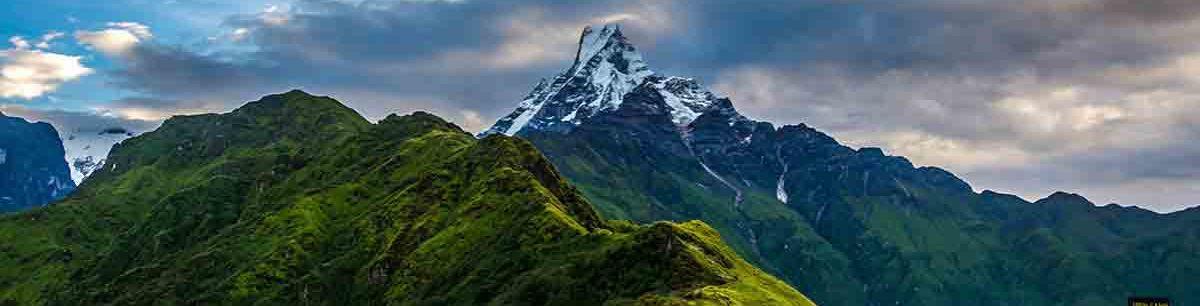
Budget Everest Base Camp Trek: An Adventure on a Shoestring

The Everest Base Camp trek is a legendary adventure that takes trekkers through the breathtaking landscapes of the Khumbu region in Nepal. Starting from Lukla, the trail winds its way through picturesque Sherpa villages, lush forests, and rugged terrain, culminating at the iconic Everest Base Camp. Along the way, trekkers are treated to panoramic views of towering Himalayan peaks, including Everest, Lhotse, and Nuptse. This challenging trek is renowned for its stunning scenery, rich cultural heritage, and unparalleled sense of achievement upon reaching the base of the world’s highest mountain.

The Everest Base Camp (EBC) trek is an iconic journey that captures the imagination of adventurers worldwide. Nestled in the heart of the Himalayas, this trek offers breathtaking views, cultural immersion, and a sense of accomplishment like no other. While some may think of it as an expensive endeavor, a budget EBC trek is not only possible but also offers a unique and rewarding experience for those seeking adventure without breaking the bank.

Best Time to Trek to EBC

Choosing the right time to embark on the Everest Base Camp trek is crucial for a successful and enjoyable experience. The two primary trekking seasons in the Everest region are the spring (March to May) and autumn (September to November). These seasons offer the best weather conditions with clear skies, mild temperatures, and stunning views of the Himalayan peaks.

During the spring season, the rhododendrons are in full bloom, adding a vibrant splash of color to the landscape. The autumn season, on the other hand, offers crisp air and clear visibility, making it ideal for photography enthusiasts. Both seasons provide comfortable trekking conditions and are popular among travelers.

Why Choose a Budget Trip?

Embarking on a budget Everest Base Camp trek offers several advantages for adventurous souls looking to explore the Himalayas without breaking the bank.

  • Affordability: Budget trips are more economical, making them accessible to a wider range of travelers, including students, backpackers, and budget-conscious adventurers.
  • Local Experience: Budget trips often involve staying in tea houses or basic lodges run by local families, providing an authentic cultural experience and an opportunity to interact with the Sherpa community.
  • Group Discounts: Joining a group tour or trek can significantly reduce costs as expenses such as accommodation, permits, and guides are shared among participants.
  • Flexibility: Budget trips may offer more flexible itineraries, allowing travelers to customize their trek according to their preferences and budget constraints.
  • Adventure: A budget trek to Everest Base Camp involves a more adventurous and immersive experience, as travelers rely on basic amenities and local resources, fostering a deeper connection with nature and the local culture.

Things to Consider While Choosing a Budget Trip to EBC

  • Safety: While cost-saving is essential, safety should never be compromised. Ensure that the budget trip provider prioritizes safety measures, including experienced guides, proper acclimatization, and emergency evacuation plans.
  • Accommodation: Budget accommodations along the EBC trail range from basic tea houses to more comfortable lodges. Consider your comfort preferences and inquire about the available facilities when choosing your accommodation.
  • Food and Water: Check whether meals are included in the package or if you need to budget separately for meals along the trek. Additionally, ensure that safe drinking water is readily available or carry water purification tablets or a filtering system.
  • Permits and Fees: Obtain the necessary permits and pay the required fees for the Everest Base Camp trek. These include the Sagarmatha National Park entry permit and the TIMS (Trekkers’ Information Management System) card, which are essential for trekking in the region.
  • Equipment and Gear: Determine whether the budget trip provider offers equipment rental services or if you need to bring your gear. Essential items include sturdy trekking boots, warm clothing, a sleeping bag, and a backpack.
  • Guide and Porter Services: Decide whether you require the services of a guide and/or porter during your trek. While it’s possible to trek independently, having a local guide can enhance your experience by providing insights into the local culture and ensuring your safety.
  • Fitness Level: Assess your fitness level and choose a trek itinerary that aligns with your abilities. The EBC trek involves long days of walking at high altitudes, so adequate physical preparation is essential for a successful journey.

Frequently Asked Questions (FAQs) on Budget Everest Base Camp Trek

Q: What is a budget Everest Base Camp trek?

Ans: A budget Everest Base Camp trek is a cost-effective way to experience the iconic trekking route to the base camp of Mount Everest. It typically involves staying in basic accommodations, using local transportation, and opting for more affordable meal options.

Q: What are the main expenses involved in a budget EBC trek?

Ans: The main expenses include permits (Sagarmatha National Park entry permit and TIMS card), accommodation, food, transportation (including flights to Lukla or bus rides to Jiri), guide and porter fees (optional), and personal expenses (such as equipment rental and souvenirs).

Q: When is the best time to undertake a budget EBC trek?

Ans: The best times for a budget EBC trek are during the spring (March to May) and autumn (September to November) seasons when the weather is favorable with clear skies and mild temperatures, offering optimal trekking conditions.

Q: What type of accommodation can I expect during a budget EBC trek?

Ans: Budget accommodations along the EBC trail typically include basic tea houses or lodges run by local families. These lodgings offer simple amenities such as beds, blankets, and communal dining areas.

Q: Do I need to hire a guide or porter for a budget EBC trek?

Ans: Hiring a guide and porter is optional but recommended for safety and convenience. Guides can provide valuable insights into the local culture and ensure a smooth trekking experience, while porters can assist with carrying heavy backpacks, allowing trekkers to enjoy the journey without added physical strain.

Q: What level of physical fitness is required for a budget EBC trek?

Ans: A budget EBC trek is moderately challenging and requires a reasonable level of physical fitness. Trekkers should be prepared for long days of walking at high altitudes, with varying terrain and weather conditions.

Q: Are there any additional costs or fees to consider during the trek?

Ans: In addition to the basic expenses, trekkers should budget for extra costs such as hot showers, charging electronic devices, Wi-Fi access, and tips for guides and porters.

Q: What safety precautions should I take during a budget EBC trek?

Ans: Trekkers should prioritize safety by ensuring proper acclimatization, staying hydrated, following the advice of guides, and being prepared for altitude-related illnesses. It’s also essential to have adequate travel insurance that covers emergency evacuation in case of accidents or medical emergencies.

Q: Can I customize my budget EBC trek itinerary?

Ans: Yes, many budget trekking agencies offer customizable itineraries to suit the preferences and time constraints of individual trekkers. However, it’s essential to consult with experienced guides or trekking agencies to plan a safe and feasible itinerary.

Q: What cultural experiences can I expect during a budget EBC trek?

Ans: A budget EBC trek provides opportunities to immerse oneself in the rich Sherpa culture, visiting traditional villages, monasteries, and interacting with local communities along the way. Trekkers can participate in cultural ceremonies, sample local cuisine, and learn about the region’s unique customs and traditions.

In conclusion, a budget Everest Base Camp trek offers an affordable and adventurous way to experience the majestic Himalayas. By carefully considering the best time to trek, the advantages of choosing a budget trip, and essential factors to consider, adventurers can embark on a memorable journey to the base of the world’s highest mountain without breaking the bank. Remember to prioritize safety, embrace the local culture, and cherish every moment of this once-in-a-lifetime adventure.

Feel Free To Contact Us.

Embark on a Transformative Journey:  Yoga Trekking in Nepal

Rating: 5 out of 5.

Nepal, a land of mystique and breathtaking landscapes, has long been a haven for trekkers seeking adventure and spiritual enlightenment. In recent years, a unique blend of traditional trekking and holistic wellness has emerged, giving rise to the concept of Yoga Trekking. This fusion of physical activity and spiritual practice allows trekkers to explore the stunning Himalayan trails while immersing themselves in the ancient art of yoga. In this article, we delve into the details of this transformative journey that combines the serenity of yoga with the thrill of trekking in the heart of Nepal. 

The Essence of Yoga Trekking: 

Yoga Trekking in Nepal is an innovative way to harmonize the mind, body, and soul amidst the aweinspiring beauty of the Himalayas. The trekking routes, carefully curated to incorporate stunning landscapes, quaint villages, and challenging terrains, provide the perfect backdrop for a holistic wellness experience. Participants not only engage in physical activities but also embrace the spiritual teachings of yoga, creating a profound connection with nature and oneself. 

Choosing the Right Route: 

Nepal offers a myriad of trekking routes, each with its own unique charm and level of difficulty. When embarking on a Yoga Trek, it is crucial to choose a route that aligns with both your trekking abilities and the desired intensity of your yoga practice. Popular choices include the Annapurna Circuit, Langtang Valley, and Everest Base Camp trek, each offering a distinctive blend of natural beauty and cultural immersion. 

Daily Routine: 

A typical day on a Yoga Trek in Nepal is a harmonious blend of physical activity, mindfulness, and cultural exploration. The day often begins with a revitalizing yoga session, conducted against the backdrop of the majestic Himalayan peaks as the sun rises. After breakfast, trekkers set out on the trail, navigating through lush forests, charming villages, and panoramic vistas. The trekking routes are interspersed with designated stops for yoga and meditation sessions, allowing participants to rejuvenate and connect with the present moment. 

Experienced Yoga Instructors: 

To facilitate a meaningful yoga experience, professional and experienced yoga instructors accompany the trekking groups. These instructors not only guide participants through physical postures but also impart the philosophical and spiritual aspects of yoga. The serene environment of the Himalayas serves as a perfect setting for self-reflection and the deepening of one’s yoga practice. 

Cultural Immersion: 

One of the unique aspects of Yoga Trekking in Nepal is the opportunity to immerse oneself in the rich local culture. The trekking routes pass through traditional villages, providing trekkers with a chance to interact with the friendly locals, learn about their customs, and witness ancient rituals. This cultural exchange adds a layer of depth to the overall experience, fostering a sense of interconnectedness and appreciation for diverse traditions. 

Accommodations and Facilities: 

While trekking in Nepal often conjures images of rustic tea houses and basic amenities, Yoga Treks typically offer a balance between comfort and adventure. Accommodations along the route are selected to provide a cozy and peaceful atmosphere, allowing participants to relax and unwind after a day of trekking and yoga practice. Nutritious meals are prepared to fuel the trekking journey, with an emphasis on local and organic ingredients. 

Yoga Trekking in Nepal: Best Time 

The best time for yoga trekking in Nepal is generally during the pre-monsoon (spring) and postmonsoon (autumn) seasons. The specific months that are considered ideal for yoga trekking depend on the region and the trekking route chosen. Here are the two primary seasons for yoga trekking in Nepal: 

Spring Season (March to May): 

  • Spring is one of the most popular times for yoga trekking in Nepal.
  • The weather is mild, with clear skies and blooming flowers, making it a visually stunning and pleasant time to trek. 
  • The temperatures are gradually warming up, and the risk of precipitation is relatively low, providing favorable conditions for both trekking and outdoor yoga sessions

Autumn Season (September to November): 

  • Autumn is another excellent season for yoga trekking, attracting a large number of trekkers
  • The weather is stable, with clear skies and crisp air, offering spectacular views of the Himalayan peaks.
  • Temperatures are moderate, making it comfortable for trekking during the day and enjoying yoga sessions in the tranquil mountain environment.

Factors to Consider: 

Monsoon Season (June to August): 

Monsoon season, characterized by heavy rainfall, is generally not recommended for trekking in Nepal. Trails can be muddy, leech-infested, and the views may be obstructed by clouds. 

Winter Season (December to February): 

Winter brings colder temperatures and the possibility of snow in higher altitudes. While some treks can still be undertaken during this season, it may not be the best time for those seeking a combination of trekking and outdoor yoga due to the colder conditions. 

Before planning a yoga trek in Nepal, it’s essential to check the specific conditions of the chosen route and consult with trek organizers or local experts. Additionally, individual preferences, fitness levels, and the desire for solitude or social interaction may influence the choice of the best time for a yoga trek. 

Yoga Trekking in Nepal: FAQ’s

Yoga Trekking in Nepal is a transformative journey that caters to both adventure seekers and those looking to deepen their yoga practice amidst the serene beauty of the Himalayas. 

What is Yoga Trekking in Nepal?

Yoga Trekking in Nepal is a unique adventure that combines trekking through the scenic landscapes of the Himalayas with daily yoga and meditation sessions. It offers participants a holistic experience by integrating physical activity, spiritual practice, and cultural immersion.

Which are the popular routes for Yoga Trekking in Nepal?

Popular routes for Yoga Trekking include the Annapurna Circuit, Langtang Valley, and Everest Base Camp trek. These routes are chosen for their diverse scenery, cultural richness, and the opportunity to engage in yoga amid breathtaking natural surroundings.

Do I need prior yoga experience to join a Yoga Trek? 

No prior yoga experience is required, as Yoga Treks cater to participants of varying skill levels. Professional yoga instructors guide sessions, accommodating both beginners and experienced practitioners.

How physically demanding are Yoga Treks?

The difficulty level depends on the chosen trekking route. While some routes are suitable for beginners, others may involve challenging terrains and higher altitudes. It’s advisable to choose a trek that aligns with your fitness level and consult with trek organizers for guidance. 

What is the best time for Yoga Trekking in Nepal? 

The best time for Yoga Trekking is during the premonsoon (spring) and 
post monsoon (autumn) seasons, typically from March to May and 
September to November. These periods offer stable weather conditions andclear mountain views.

Are accommodations comfortable during Yoga Treks?

Accommodations on Yoga Treks are carefully selected to provide a comfortable and peaceful environment. Tea houses along the route offer cozy rooms, and some treks may include more luxurious lodging options

Is cultural interaction a part of Yoga Treks? 

Yes, cultural immersion is an integral part of Yoga Treks. The routes often pass through traditional villages, allowing participants to interact with locals, experience their customs, and witness cultural rituals.

How is safety ensured during Yoga Treks? 

Safety is a top priority on Yoga Treks. Experienced guides and support staff accompany the groups, and trek organizers adhere to safety protocols. Acclimatization days are often incorporated to minimize the risk of altitude-related issues.

Can I join a Yoga Trek alone? 

Yes, many Yoga Treks welcome solo participants. Group dynamics often foster a supportive and communal atmosphere, providing opportunities to connect with like-minded individuals. 

What should I pack for a Yoga Trek in Nepal?

Pack essentials such as comfortable trekking gear, a good-quality sleeping bag, sturdy 
hiking boots, weather-appropriate clothing, and personal items. Consult the trek organizers for 
a detailed packing list based on your chosen route and season. 

Conclusion: 

A Yoga Trek in Nepal is a transformative journey that transcends the boundaries of conventional trekking and yoga practices. It offers a rare opportunity to explore the pristine Himalayan landscapes while delving into the depths of one’s inner self through the ancient wisdom of yoga. Whether you are an avid trekker, a yoga enthusiast, or someone seeking a holistic wellness experience, Nepal’s Yoga Treks promise an unforgettable adventure that nourishes both the body and the soul. 

Feel Free To Contact Us.

Ganesh Himal Base Camp and Ruby Valley Trek: A Journey to Nepal’s Hidden Gem

Rating: 5 out of 5.

Nepal, renowned for its breathtaking Himalayan landscapes, is home to numerous trekking destinations that beckon adventurers seeking a perfect blend of natural beauty and cultural richness. One such hidden gem is the Ganesh Himal Base Camp and Ruby Valley Trek, a less-traveled route that promises an off-the-beaten-path adventure in the heart of the Himalayas.

Overview:

The Ganesh Himal Range, named after the elephant-headed Hindu deity Ganesha, is a lesser-known treasure nestled in central Nepal. The Ganesh Himal and Ruby Valley Trek takes you on a remarkable journey through this pristine region, providing a unique opportunity to explore the towering peaks, quaint villages, and diverse flora and fauna that define this enchanting part of the country.

Highlights of the Trek:

Ganesh Himal Base Camp:

The trek’s focal point is the Ganesh Himal Base Camp, where trekkers are treated to awe-inspiring panoramic views of Ganesh I, Ganesh II, Ganesh III, and Ganesh IV peaks, each standing proudly above 7,000 meters. The base camp serves as a vantage point, offering a close encounter with these majestic snow-capped giants.

Ruby Valley:

Venturing into the secluded Ruby Valley adds a unique dimension to the trek. This region, adorned with terraced fields and traditional Nepali villages, allows trekkers to witness the daily lives of local communities. The cultural richness of Ruby Valley, with its ancient monasteries and warm hospitality, creates a memorable experience.

Cultural Exploration:

The trek takes you through Tamang and Gurung villages, providing opportunities for cultural immersion. Encounter vibrant traditions, witness age-old rituals, and share moments with the friendly locals. The cultural diversity along the route adds depth to the trekking experience.

Diverse Landscapes:

The Ganesh Himal and Ruby Valley Trek traverse a variety of landscapes, from lush forests and terraced fields to alpine meadows and high mountain passes. The ever-changing scenery keeps trekkers engaged, offering a visual feast of Nepal’s natural wonders.

Natural Hot Springs:

A unique feature of this trek is the chance to relax in natural hot springs. After a day of trekking, soaking in these therapeutic waters amidst the Himalayan wilderness provides a rejuvenating experience.

Ganesh Himal Base Camp and Ruby Valley Trek : Trek Itinerary

The meticulously crafted itinerary spans 17 days, ensuring a gradual acclimatization process and allowing trekkers to savor each moment of the journey. The route takes you through Syafru Beshi, Gatlang, Somdang, Pang Sang Pass Phedi, Chalish, Hindung, Thulo Dhunga, and the Ganesh Himal Base Camp, among other scenic locations. The trek culminates with a drive back to Kathmandu, completing the circular route.

Ganesh Himal Base Camp and Ruby Valley Trek : Challenges and Rewards

While the Ganesh Himal and Ruby Valley Trek present challenges such as varying altitudes and diverse terrains, the rewards are equally abundant. Trekkers are not only treated to stunning mountain views but also gain a profound appreciation for the rich cultural tapestry that defines the region.

Ganesh Himal Base Camp and Ruby Valley Trek : Best Time to Trek

Choosing the right time to embark on the Ganesh Himal Base Camp and Ruby Valley Trek is crucial for an optimal experience. The ideal trekking seasons are spring (March to May) and autumn (September to November). During these months, the weather is generally stable, with clear skies and comfortable temperatures. Spring showcases blooming rhododendron forests, while autumn offers crystal-clear views of the surrounding peaks. Winter treks are possible, but the higher elevations may experience snowfall, making the trails more challenging.

Ganesh Himal Base Camp and Ruby Valley Trek : Challenges and Difficulty

While the Ganesh Himal and Ruby Valley Trek is known for its tranquility, stunning scenery, and cultural richness, it is important to be aware of the challenges and difficulty levels involved.

  • Altitude: The trek involves gaining substantial altitude, reaching up to the Ganesh Himal Base Camp. Proper acclimatization is crucial to minimize the risk of altitude-related issues. Trekking at high altitudes requires a slow and steady pace to allow the body to adapt.
  • Weather Conditions: Weather conditions can be unpredictable, especially in higher elevations. Trekkers should be prepared for sudden changes in weather and carry appropriate gear to stay warm and dry.
  • Remote Trails: Some sections of the trek take you through remote and less-traveled trails. While this adds to the adventure, it requires careful navigation and preparedness for potential logistical challenges.
  • Long Trekking Hours: The daily trekking durations vary, and some days may involve long hours of walking. Trekkers should be physically prepared for sustained periods of trekking and be equipped with sturdy footwear and trekking poles for stability.

Ganesh Himal Base Camp and Ruby Valley Trek : FAQs (Frequently Asked Questions)

What is the maximum altitude reached during the Ganesh Himal Base Camp and Ruby Valley Trek?

The trek reaches its highest point at the Ganesh Himal Base Camp, situated at an altitude of approximately 4,000 meters (13,123 feet).

Is prior trekking experience necessary for this trek?

While prior trekking experience is beneficial, the Ganesh Himal and Ruby Valley Trek is suitable for trekkers with moderate fitness levels. A good level of physical fitness and stamina is recommended.

Are permits required for the trek?

Yes, trekkers need to obtain the necessary permits for the Ganesh Himal and Ruby Valley Trek. This typically includes the TIMS (Trekkers’ Information Management System) card and the Langtang National Park entry permit.

What cultural experiences can one expect during the trek?

The trek takes you through traditional Tamang and Gurung villages, providing opportunities to immerse yourself in the local culture. You may witness religious festivals, visit ancient monasteries, and engage with the friendly locals.

What wildlife can be encountered during the trek?

The region is home to diverse wildlife, including red pandas, Himalayan thars, langur monkeys, and various bird species. While sightings are not guaranteed, the trek offers a chance to experience the Himalayan ecosystem.

What is the accommodation like during the trek?

Accommodations along the trekking route range from teahouses to basic lodges. These provide a rustic yet comfortable experience, offering meals and a warm place to rest after a day of trekking

Conclusion

The Ganesh Himal Base Camp and Ruby Valley Trek offer a truly immersive experience for those seeking a less-crowded and culturally rich adventure in the Himalayas. With its unique combination of natural beauty, cultural encounters, and off-the-beaten-path exploration, this trek stands as a testament to Nepal’s diverse and enchanting landscapes. Embark on this journey to discover the hidden wonders of the Ganesh Himal and Ruby Valley, and create memories that will last a lifetime.

Feel Free To Contact Us.

An Adventurer’s Guide to Joining a Group Trek in the Annapurna Region

Nepal, a country known for its stunning Himalayan landscapes and warm hospitality, is a paradise for trekkers and adventure seekers. Among the many trekking destinations in Nepal, the Annapurna Region stands out as a must-visit for its diverse trails, breathtaking scenery, and vibrant culture. While solo trekking can be an option, joining a group trek can enhance the experience in numerous ways. In this article, we will explore the reasons why joining a group trek in the Annapurna Region is a fantastic idea, what you can expect, and how to prepare for such an adventure.

Why Join a Group Trek in the Annapurna Region?

Safety and Support:

Safety is paramount when trekking in remote and challenging terrains. Group treks often come with a trained guide who is well-versed in the local conditions, emergency procedures, and first aid. Additionally, you’ll have the support of fellow trekkers, creating a safety net in case of unforeseen circumstances.

Social Experience:

Trekking in a group provides an opportunity to meet like-minded adventurers from all around the world. It’s a chance to forge new friendships, share stories, and enjoy the camaraderie of fellow travelers. The shared experiences during long days on the trail create lasting bonds.

Cost-Efficiency:

Group treks in the Annapurna Region can be more cost-effective than trekking solo. Expenses like permits, guides, and porter costs are often shared among group members, reducing the overall financial burden.

Logistics Simplified:

Planning a trek in a foreign country can be daunting. Group treks typically take care of logistics such as transportation, accommodation, and meals, allowing you to focus on enjoying the journey.

Cultural Immersion:

Nepal’s Annapurna Region is not just about stunning landscapes; it’s also home to diverse cultures and traditions. Group treks often include interactions with local communities, allowing you to gain insight into the unique way of life in the Himalayas.

Check Annapurna base camp trekking package

Preparing for Your Annapurna Region Group Trek

Choose a Trek and Operator:

The Annapurna Region offers a variety of treks, including the Annapurna Circuit, Annapurna Base Camp, and the Ghorepani-Poon Hill trek. Research the treks and select one that suits your fitness level and interests. Once you’ve decided, choose a reputable trekking operator with experienced guides.

Fitness and Training:

Trekking in the Himalayas can be physically demanding. Start a fitness regimen well in advance, including cardiovascular workouts, strength training, and endurance exercises. Building your fitness will make the trek more enjoyable and manageable.

Packing Essentials:

Make a checklist of trekking essentials, including clothing, footwear, trekking poles, a sleeping bag, and a backpack. Don’t forget important documents like your passport, permits, and travel insurance.

Acclimatization:

The Annapurna Region has high altitudes, so acclimatization is crucial to avoid altitude sickness. Plan your itinerary to include rest days at higher elevations to allow your body to adjust.

Permits and Insurance:

Ensure you have the necessary permits for your trek. Check with your trekking operator for guidance on permits. Also, purchase comprehensive travel insurance that covers trekking at high altitudes and emergency medical evacuation.

Cultural Sensitivity:

Respect the local customs and traditions. Dress modestly, remove your shoes before entering homes or temples, and ask for permission before taking photos of locals.

Check Annapurna base camp trekking package

Group Joining Trek to Annapurna Region: Things to Consider

Joining a group trek to the Annapurna region in Nepal is an exciting adventure, but there are several important factors to consider to ensure a safe and enjoyable experience. Here are some key things to keep in mind:

Trek Selection:

  • Research the different trekking options in the Annapurna region, such as the Annapurna Circuit, Annapurna Base Camp, and Ghorepani-Poon Hill trek.
  • Choose a trek that matches your fitness level and interests.
  • Consider the duration of the trek, as some treks can take several weeks to complete.

Trekking Operator:

  • Select a reputable trekking operator with experienced guides who are knowledgeable about the region.
  • Read reviews and ask for recommendations from fellow travelers or online forums.
  • Verify that the operator is licensed and adheres to safety and ethical standards.

Group Size:

  • Find out the size of the group you’ll be trekking with. Smaller groups often provide a more personalized experience, while larger groups can be more social.
  • Consider your preference for solitude versus companionship.

Guide and Porter Services:

  • Determine whether your trek includes the services of a trained guide and porters.
  • Guides can enhance your experience by providing local insights and ensuring safety.
  • Porters can carry your heavy backpack, making the trek more manageable.

Itinerary and Duration:

  • Review the trekking itinerary to understand the daily distances, elevation gains, and rest days.
  • Ensure the itinerary allows for proper acclimatization, especially if you’re trekking to higher altitudes.
  • Be prepared for changes in the schedule due to weather or other unforeseen circumstances.

Permits and Regulations:

  • Obtain the necessary permits for your chosen trek. Common permits include the Annapurna Conservation Area Permit (ACAP) and Trekkers’ Information Management System (TIMS) card.
  • Ensure your trekking operator assists with permit arrangements.
  • Respect local regulations and environmental guidelines, such as waste disposal and campsite rules.

Physical Fitness and Health:

  • Assess your own physical fitness and consult with a healthcare professional before embarking on a high-altitude trek.
  • Be aware of the symptoms of altitude sickness and know how to respond.
  • Pack essential medications and a basic first-aid kit.

Packing Essentials:

  • Pack appropriate clothing for varying weather conditions, including warm layers, rain gear, and comfortable trekking boots.
  • Bring a good-quality sleeping bag suitable for the season and altitude.
  • Keep your backpack as lightweight as possible by carrying only necessary items.

Travel Insurance:

  • Purchase comprehensive travel insurance that covers trekking activities at high altitudes, emergency medical evacuation, and trip cancellations.
  • Ensure your insurance is valid in Nepal.

Cultural Sensitivity:

  • Respect local customs and traditions. Dress modestly and appropriately.
  • Ask for permission before taking photos of locals, especially in remote villages.
  • Learn a few basic Nepali phrases to show appreciation for the local culture.

Budget and Additional Costs:

  • Have a clear understanding of the total cost of the trek, including permits, guide and porter fees, meals, and accommodation.
  • Carry some extra money for personal expenses and unforeseen circumstances.

By considering these factors and making informed choices, you can have a safe, enjoyable, and memorable group trek in the Annapurna region, where you’ll experience the stunning natural beauty and rich culture of this Himalayan paradise.

Check Annapurna base camp trekking package

Group Joining Dates to Annapurna Base Camp Trek 2023 and 2024

Note : Group size of 2 pax or more can set their own departure dates.

DatePackagePriceStatus
26th September 2023Annapurna Base Camp Trek 15 DaysUSD 899BOOKING OPEN
1st October 2023Annapurna Base Camp Trek 15 DaysUSD 899BOOKING OPEN
  11th October 2023Annapurna Base Camp Trek 15 DaysUSD 899BOOKING OPEN
16th October 2023Annapurna Base Camp Trek 15 DaysUSD 899BOOKING OPEN
26th October 2023Annapurna Base Camp Trek 15 DaysUSD 899BOOKING OPEN
4th November 2023Annapurna Base Camp Trek 15 DaysUSD 899BOOKING OPEN
15th November 2023Annapurna Base Camp Trek 15 DaysUSD 899BOOKING OPEN
23rd November 2023Annapurna Base Camp Trek 15 DaysUSD 899BOOKING OPEN
1st December 2023Annapurna Base Camp Trek 15 DaysUSD 899BOOKING OPEN
9th December 2023Annapurna Base Camp Trek 15 DaysUSD 899BOOKING OPEN
11th December 2023Annapurna Base Camp Trek 15 DaysUSD 899BOOKING OPEN
11th March 2024Annapurna Base Camp Trek 15 DaysUSD 899BOOKING OPEN
20th March 2024Annapurna Base Camp Trek 15 DaysUSD 899BOOKING OPEN
26th March 2024Annapurna Base Camp Trek 15 DaysUSD 899BOOKING OPEN
5th April 2024Annapurna Base Camp Trek 15 DaysUSD 899BOOKING OPEN
14th April 2024Annapurna Base Camp Trek 15 DaysUSD 899BOOKING OPEN
24th April 2024Annapurna Base Camp Trek 15 DaysUSD 899BOOKING OPEN
30th April 2024Annapurna Base Camp Trek 15 DaysUSD 899BOOKING OPEN
10th May 2024Annapurna Base Camp Trek 15 DaysUSD 899BOOKING OPEN
18th May 2024Annapurna Base Camp Trek 15 DaysUSD 899BOOKING OPEN
14th September 2024Annapurna Base Camp Trek 15 DaysUSD 899BOOKING OPEN
23rd September 2024Annapurna Base Camp Trek 15 DaysUSD 899BOOKING OPEN
1st October 2024Annapurna Base Camp Trek 15 DaysUSD 899BOOKING OPEN
10th October 2024Annapurna Base Camp Trek 15 DaysUSD 899BOOKING OPEN
16th October 2024Annapurna Base Camp Trek 15 DaysUSD 899BOOKING OPEN
21st October 2024Annapurna Base Camp Trek 15 DaysUSD 899BOOKING OPEN
28th October 2024Annapurna Base Camp Trek 15 DaysUSD 899BOOKING OPEN
31st October 2024Annapurna Base Camp Trek 15 DaysUSD 899BOOKING OPEN
3rd November 2024Annapurna Base Camp Trek 15 DaysUSD 899BOOKING OPEN
11th November 2024Annapurna Base Camp Trek 15 DaysUSD 899BOOKING OPEN
20th November 2024Annapurna Base Camp Trek 15 DaysUSD 899BOOKING OPEN
26th November 2024Annapurna Base Camp Trek 15 DaysUSD 899BOOKING OPEN
30th November 2024Annapurna Base Camp Trek 15 DaysUSD 899BOOKING OPEN
3rd December 2024Annapurna Base Camp Trek 15 DaysUSD 899BOOKING OPEN
11th December 2024Annapurna Base Camp Trek 15 DaysUSD 899BOOKING OPEN
21st December 2024Annapurna Base Camp Trek 15 DaysUSD 899BOOKING OPEN
contact us for more available departure dates

Check Annapurna base camp trekking package

Conclusion

Joining a group trek to the Annapurna Region of Nepal is a rewarding adventure that combines the thrill of exploration with the safety and support of a group. It’s an opportunity to immerse yourself in breathtaking natural beauty, connect with fellow trekkers from around the world, and experience the rich culture of the Himalayas. With thorough preparation, including choosing the right trek and operator, physical conditioning, and cultural sensitivity, your journey to the Annapurna Region will be an unforgettable experience filled with adventure and camaraderie.

Feel Free To Contact Us.

Joining a Group Trek to Everest Base Camp: Embarking on an Adventure

Rating: 5 out of 5.

Nestled in the majestic Himalayas, Everest Base Camp (EBC) stands as a testament to human perseverance and the allure of nature’s grandeur. For adventure seekers and nature enthusiasts alike, joining a trek to Everest Base Camp is a dream turned reality. This article delves into the intricate details of such an expedition, providing insights into the preparation, the journey, and the indelible experiences that await those who dare to take on this exhilarating challenge.

Preparation: The First Step Toward Conquering Everest Base Camp

Embarking on a trek to Everest Base Camp is not merely a physical endeavor; it demands mental resilience and meticulous preparation. Before setting foot on the trail, prospective trekkers need to undertake several essential steps:

Physical Fitness: Trekking in the Himalayas requires a good level of physical fitness. Regular cardio exercises, strength training, and endurance-building routines are essential to ensure the body is adequately prepared for the strenuous journey ahead.

Mental Preparation: Trekking to EBC is not just about conquering altitude; it’s about embracing the unknown, facing challenges, and fostering a positive mindset. Developing mental resilience through meditation, visualization, and mental exercises can help trekkers overcome obstacles and uncertainties along the way.

Gear and Equipment: Proper gear is paramount. From sturdy trekking boots to insulated clothing, from trekking poles to a comfortable backpack, every item needs to be carefully chosen to ensure safety, comfort, and functionality in the harsh Himalayan environment.

Acclimatization: Altitude sickness can be a significant concern when trekking to high altitudes. Trekkers must understand the symptoms, allow time for acclimatization, and adhere to recommended ascent profiles to minimize the risk.

Guided vs. Independent Trekking: While some trekkers prefer to navigate the trail independently, joining a guided trek offers several advantages, including local expertise, logistical support, and safety measures.

Check Everest Base Camp Trekking Package

The Journey: A Trekker’s Path to Everest Base Camp

Once adequately prepared, the journey to Everest Base Camp begins. Spanning around 130 kilometers round-trip, the trek takes approximately 12-14 days, with variations depending on the chosen route and acclimatization stops. Here’s a glimpse of what trekkers can expect:

Kathmandu to Lukla: The adventure commences with a breathtaking flight from Kathmandu to Lukla, a small town considered the gateway to the Everest region. The Lukla airport’s iconic short runway and dramatic location set the tone for the expedition.

Following the Trails: The trail meanders through dense forests, picturesque Sherpa villages, suspension bridges, and high-altitude meadows. Trekkers often encounter friendly locals, yaks, and fellow adventurers along the way.

Namche Bazaar: A bustling town at an altitude of approximately 3,440 meters, Namche Bazaar is a crucial acclimatization stop. Trekkers explore the town, acclimatize, and savor stunning panoramic views of Everest and its neighboring peaks.

Tengboche Monastery: A spiritual haven amid the mountains, Tengboche Monastery offers trekkers a glimpse into the region’s rich cultural and religious heritage. The stunning backdrop of Everest and Ama Dablam makes it an unforgettable experience.

Altitude Challenges: As trekkers ascend, the altitude becomes more challenging. Lobuche and Gorak Shep, the last settlements before Everest Base Camp, offer awe-inspiring vistas but demand cautious progression due to thin air.

The Final Push to Base Camp: The trek culminates in reaching Everest Base Camp itself, a surreal moment of achievement and reverence. Gazing upon the colossal Khumbu Icefall and the iconic peak of Everest is a reward like no other.

Check Everest Base Camp Trekking Package

Experiences and Takeaways: Memories For a Lifetime

The trek to Everest Base Camp isn’t just about reaching a destination; it’s about immersing oneself in a transformative journey. Trekkers emerge from this experience with a profound sense of accomplishment and a trove of memories:

  • Breathtaking Views: The vistas along the trail are nothing short of spectacular. From the towering Himalayan peaks to the ethereal beauty of sunrise and sunset over the snow-capped giants, every moment is a visual delight.
  • Cultural Insights: Interacting with the local Sherpa community provides invaluable insights into their traditional way of life, their hospitality, and their connection to the mountains.
  • Camraderie: The journey fosters a sense of camaraderie among trekkers who share the same goal. Conversations in teahouses, shared challenges, and the mutual encouragement create lasting bonds.
  • Self-Discovery: The trek pushes personal boundaries, fostering self-discovery and growth. Overcoming physical and mental challenges instills newfound confidence and resilience.
  • Connection to Nature: Trekking through pristine landscapes connects trekkers to nature’s grandeur in ways that can be humbling and deeply meaningful. The journey becomes a meditation on the vastness of the Earth and one’s place within it.

Check Everest Base Camp Trekking Package

Group Joining Dates to Everest Base Camp Trek: 2023/ 2024

Note: for a group size of 2 pax or more can set their own departure dates

DatePackagePriceStatus
26th September 2023Everest Base Camp Trek 14 DaysUSD 1290BOOKING OPEN
1st October 2023Everest Base Camp Trek 14 DaysUSD 1290BOOKING OPEN
  11th October 2023Everest Base Camp Trek 14 DaysUSD 1290BOOKING OPEN
16th October 2023Everest Base Camp Trek 14 DaysUSD 1290BOOKING OPEN
26th October 2023Everest Base Camp Trek 14 DaysUSD 1290BOOKING OPEN
4th November 2023Everest Base Camp Trek 14 DaysUSD 1290BOOKING OPEN
15th November 2023Everest Base Camp Trek 14 DaysUSD 1290BOOKING OPEN
23rd November 2023Everest Base Camp Trek 14 DaysUSD 1290BOOKING OPEN
1st December 2023Everest Base Camp Trek 14 DaysUSD 1290BOOKING OPEN
9th December 2023Everest Base Camp Trek 14 DaysUSD 1290BOOKING OPEN
11th December 2023Everest Base Camp Trek 14 DaysUSD 1290BOOKING OPEN
11th March 2024Everest Base Camp Trek 14 DaysUSD 1290BOOKING OPEN
20th March 2024Everest Base Camp Trek 14 DaysUSD 1290BOOKING OPEN
26th March 2024Everest Base Camp Trek 14 DaysUSD 1290BOOKING OPEN
5th April 2024Everest Base Camp Trek 14 DaysUSD 1290BOOKING OPEN
14th April 2024Everest Base Camp Trek 14 DaysUSD 1290BOOKING OPEN
24th April 2024Everest Base Camp Trek 14 DaysUSD 1290BOOKING OPEN
30th April 2024Everest Base Camp Trek 14 DaysUSD 1290BOOKING OPEN
10th May 2024Everest Base Camp Trek 14 DaysUSD 1390BOOKING OPEN
18th May 2024Everest Base Camp Trek 14 DaysUSD 1390BOOKING OPEN
14th September 2024Everest Base Camp Trek 14 DaysUSD 1390BOOKING OPEN
23rd September 2024Everest Base Camp Trek 14 DaysUSD 1390BOOKING OPEN
1st October 2024Everest Base Camp Trek 14 DaysUSD 1390BOOKING OPEN
10th October 2024Everest Base Camp Trek 14 DaysUSD 1390BOOKING OPEN
16th October 2024Everest Base Camp Trek 14 DaysUSD 1390BOOKING OPEN
21st October 2024Everest Base Camp Trek 14 DaysUSD 1390BOOKING OPEN
28th October 2024Everest Base Camp Trek 14 DaysUSD 1390BOOKING OPEN
31st October 2024Everest Base Camp Trek 14 DaysUSD 1390BOOKING OPEN
3rd November 2024Everest Base Camp Trek 14 DaysUSD 1390BOOKING OPEN
11th November 2024Everest Base Camp Trek 14 DaysUSD 1390BOOKING OPEN
20th November 2024Everest Base Camp Trek 14 DaysUSD 1390BOOKING OPEN
26th November 2024Everest Base Camp Trek 14 DaysUSD 1390BOOKING OPEN
30th November 2024Everest Base Camp Trek 14 DaysUSD 1390BOOKING OPEN
3rd December 2024Everest Base Camp Trek 14 DaysUSD 1390BOOKING OPEN
11th December 2024Everest Base Camp Trek 14 DaysUSD 1390BOOKING OPEN
21st December 2024Everest Base Camp Trek 14 DaysUSD 1390BOOKING OPEN
contact us for more available departure dates

In Conclusion: A Journey of a Lifetime

Joining a trek to Everest Base Camp is not a casual undertaking; it’s an adventure that demands preparation, perseverance, and an unwavering spirit. It’s a voyage that rewards trekkers with stunning natural beauty, cultural enrichment, personal growth, and a lasting sense of accomplishment. The memories of this expedition will remain etched in the heart, inspiring trekkers to seek new horizons and continue embracing the wonders that the world has to offer.

Feel Free To Contact Us.