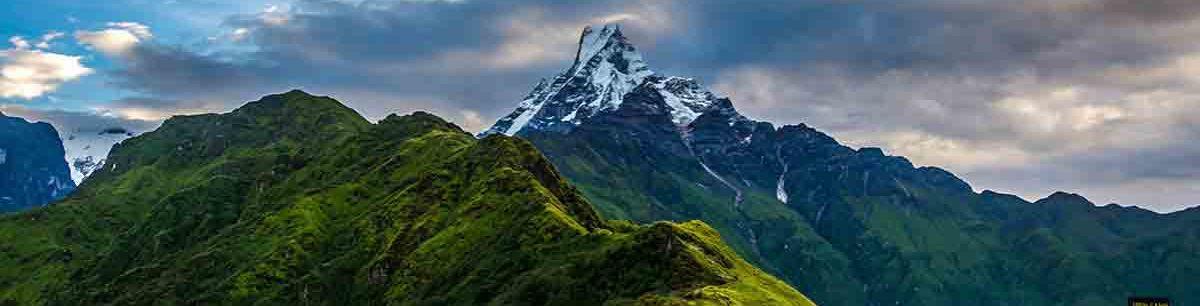
Best Time to Visit Mount Kailash: A Comprehensive Guide

Mount Kailash, the majestic and sacred peak located in the remote reaches of western Tibet, holds immense spiritual and geographical significance. Revered in Hinduism, Buddhism, Jainism, and the Bon religion, this pyramid-shaped mountain is believed to be the abode of Lord Shiva, the center of the universe, and the site of ultimate liberation. Every year, thousands of pilgrims and trekkers attempt the Kailash Kora — a 52-kilometer circumambulation — for religious merit and the experience of a lifetime.

Given its extreme altitude, remote location, and climatic variability, timing your visit to Mount Kailash is crucial for a safe and fulfilling journey. In this article, we explore in detail the best time to visit Mount Kailash, climate considerations, season-wise breakdowns, pilgrimage timings, travel restrictions, and essential travel tips.

Climate and Geographic Overview

Mount Kailash stands at 6,638 meters (21,778 feet) above sea level, surrounded by high-altitude plateaus, arid landscapes, and the serene Lake Mansarovar. The region falls in the Trans-Himalayan zone, characterized by a cold desert climate.

General Climate:

  • Temperature Range: -15°C to 20°C
  • Altitude: Above 4,500 meters for most of the Kora
  • Precipitation: Sparse, but possible snow or rain showers, especially in summer

The mountain itself is never climbed, due to its religious sanctity, but the trek around it — usually completed in 3 days — is physically demanding. The oxygen level is roughly 50% of that at sea level, making acclimatization and timing even more important.

Best Time to Visit: Late April to Mid-October

The optimal time to visit Mount Kailash is between late April and mid-October. During this window, the weather is relatively stable, trails are accessible, and visibility is high. However, within this period, there are further distinctions in terms of climate comfort, religious significance, and travel feasibility.

Let’s explore the key months in detail.

Month-by-Month Breakdown

April to Early May: Beginning of the Season

  • Temperature: -5°C to 10°C
  • Landscape: Snow still lingers in higher elevations; ice may cover parts of the trail.

Pros:

  • Fewer crowds
  • Clear skies for photography

Cons:

  • Cold nights
  • Risk of altitude sickness higher due to low temperatures

This period marks the beginning of the trekking season. It’s ideal for seasoned trekkers and pilgrims who prefer solitude and scenic snow-clad peaks.

Mid-May to June: Ideal Conditions Begin

  • Temperature: 0°C to 15°C
  • Weather: Warmer days, snow begins to melt

Pros:

  • Comfortable daytime temperatures
  • Good trail conditions
  • Increasing religious activity

This is when the number of pilgrims starts to rise. The Mount Kailash Kora becomes more accessible, and the Lake Mansarovar area is generally ice-free, offering stunning reflections of the sacred peak.

July to Mid-September: Monsoon and Peak Pilgrimage Time

  • Temperature: 5°C to 18°C
  • Weather: Occasional rain showers; cloud cover at times

Pros:

  • Lush surroundings and blooming alpine flora
  • Major religious festivals like Saga Dawa
  • Easier road access due to snowmelt

Cons:

  • Risk of landslides on roads from Nepal
  • Cloudy skies may obstruct views

Despite being the monsoon season, the Mount Kailash region receives less rainfall compared to other Himalayan areas. However, travel from Nepal (via Simikot or Kathmandu) may face disruptions due to landslides or flight delays.

Saga Dawa Festival (Usually in May or June):

This Buddhist festival commemorates the birth, enlightenment, and death of Lord Buddha. It draws thousands of pilgrims to Mount Kailash, making it a spiritually rich — yet crowded — time to visit. Experiencing the chanting, prayer flags, and spiritual energy is unforgettable.

Mid-September to Mid-October: Last Best Window

  • Temperature: -2°C to 12°C
  • Weather: Crisp air, clear skies, colorful autumn landscapes

Pros:

  • Best visibility
  • Fewer tourists after summer
  • Excellent for photography and meditation

This period is ideal for travelers seeking peace and scenic beauty. The post-monsoon clarity offers unmatched views of the mountain and Lake Mansarovar. Trails are dry and safe.

Late October to March: Off-Season

  • Temperature: -15°C to 5°C
  • Weather: Extremely cold, snow-covered trails

Cons:

  • Harsh weather
  • Closed guesthouses and limited food supply
  • Road blocks and potential snowstorms

Due to extreme cold and inaccessibility, travel during this period is strongly discouraged unless part of a specialized winter expedition. The area becomes largely deserted.

Religious and Cultural Timings

Aside from weather, many visitors time their journeys to coincide with important religious events.

Key Pilgrimage Events:

  • Saga Dawa (May/June): Most important Buddhist festival; large gatherings, chanting, prayer offerings
  • Full Moon Days: Many pilgrims aim to complete the Kora during a full moon for spiritual merit
  • Shiva Ratri (February): Though not an ideal time climatically, it holds significance for Hindu pilgrims

Many Indian and Tibetan pilgrims prefer traveling during the lunar months according to the Hindu and Tibetan Buddhist calendars, adding a spiritual dimension to the journey.

Accessibility and Permits

Entry Routes:

  • Via Nepal (Kathmandu to Tibet via Lhasa or Simikot)
  • Via India (Lipulekh Pass, Uttarakhand – through the Indian government-organized Yatra)
  • Via Mainland China (Chengdu, Lhasa)

Each route has different optimal times:

  • Simikot route (Nepal) is sensitive to monsoon rains (avoid July-August)
  • Lhasa route is more stable, year-round, but still best between May and October

Permit Requirements:

  • Tibet Travel Permit
  • Alien Travel Permit
  • Military Permit (for sensitive border areas)

Chinese Visa

These are typically arranged by travel agencies, especially those based in Lhasa or Kathmandu. Independent travel to Mount Kailash is not allowed; you must join an organized tour.

Accommodations and Facilities

Basic guesthouses and tented camps are available along the Kora and in nearby towns like Darchen, the starting point of the trek. These are functional only during the trekking season (May to October). During off-season, most facilities shut down, and self-sufficiency becomes necessary.

Expect minimal amenities — no showers, shared toilets, and limited electricity. However, spiritual serenity and the beauty of the Himalayas compensate for the discomfort.

Health and Safety Considerations

Altitude Sickness:

  • Start acclimatizing from Lhasa or Simikot
  • Spend 2-3 days at Lake Mansarovar or Darchen before starting the Kora
  • Hydrate, avoid alcohol, and consider medication like acetazolamide (Diamox)

Weather Preparedness:

  • Layered clothing (down jackets, windproof outer shell)
  • Sunglasses and sunscreen (UV is intense at altitude)
  • Sleeping bag (even in guesthouses)

Final Thoughts: When Should YOU Go?

The best time to visit Mount Kailash depends on your personal priorities:

Priority Best Time

  • Best Weather & Visibility        Late May to Early July / September
  • Spiritual Experience    Saga Dawa Festival (May/June)
  • Fewer Crowds April or Late September
  • Ideal Photography      September to early October
  • Avoid Rain/Mud          May, September

For most travelers, late May to mid-June or early September strikes the perfect balance between accessibility, weather, and spiritual atmosphere.

Conclusion

Visiting Mount Kailash is not just a journey through high-altitude wilderness — it’s a profound inner experience. Whether you’re a spiritual seeker, adventure traveler, or cultural explorer, the time you choose to embark on this sacred pilgrimage will shape your entire experience. With proper planning, acclimatization, and an open heart, the journey to Mount Kailash can be the most unforgettable and transformative voyage of your life.

Climbing Three Passes in Nepal: An Ultimate Adventure in the Everest Region

Nepal, a land of diverse landscapes, towering peaks, and rich cultural heritage, offers some of the world’s most extraordinary trekking and climbing experiences. The Everest region is home to numerous famous treks, but one stands out for its combination of technical challenges, stunning landscapes, and the opportunity to explore several remote parts of the region: the Three Passes Trek. As the name suggests, this trek involves crossing three significant mountain passes: Kongma La, Cho La, and Renjo La. It is a challenging yet rewarding experience that offers trekkers and mountaineers an intimate exploration of the Everest region beyond the popular base camps. In this article, we will dive into the details of the Three Passes Trek, discussing its route, the challenges faced, its highlights, and what to expect on this epic journey.

Overview of the Three Passes Trek

The Three Passes Trek is a high-altitude trek that traverses the Everest region, taking trekkers over three formidable mountain passes, each situated above 5,000 meters. The trek provides the opportunity to enjoy panoramic views of some of the world’s highest peaks, including Mount Everest, Lhotse, Makalu, Cho Oyu, and Ama Dablam. Along the way, trekkers pass through beautiful Sherpa villages, dense forests, glacial lakes, and remote monasteries. The combination of diverse landscapes, challenging ascents, and cultural experiences makes the trek an unforgettable journey for avid mountaineers and adventurers.

The Three Passes Trek typically takes between 18 to 21 days to complete, depending on the route taken, rest days, and acclimatization periods. The trek begins in Lukla, the gateway to the Khumbu region, and passes through the villages of Namche Bazaar, Tengboche, Dingboche, Lobuche, and Gokyo, before ascending to the three passes and completing the loop back to Lukla.

The Three Passes: Kongma La, Cho La, and Renjo La

Kongma La (5,535 meters / 18,159 feet): Kongma La is the first pass on the trek and one of the most technically demanding. Located between Lobuche and Chukhung, it involves a steep ascent and a strenuous descent on both sides. The pass offers jaw-dropping views of Makalu, Lhotse, and other high peaks. The path leading to Kongma La is rocky and exposed, with some sections requiring careful navigation, especially in the winter when snow and ice can make the trail even more treacherous. The views from the top are worth the effort, as trekkers are treated to sweeping panoramas of the Khumbu Himalayas.

Cho La (5,420 meters / 17,782 feet): Cho La is the second pass and is located between the villages of Dzongla and Gokyo. Unlike Kongma La, Cho La is often more popular among trekkers, as it leads to the famous Gokyo Lakes and the Gokyo Ri summit, a less-crowded alternative to Everest Base Camp. While the pass is somewhat less technical than Kongma La, it still requires a good level of fitness and preparation. The pass is known for its steep, icy slopes, which can be slippery, especially during the winter months. Trekkers must also be cautious of the risk of altitude sickness as they gain elevation quickly.

Renjo La (5,340 meters / 17,520 feet): Renjo La is the final pass on the Three Passes Trek and connects the Gokyo valley with the Thame valley. It is considered the least difficult of the three passes but still presents challenges, especially for those not accustomed to high-altitude trekking. The Renjo La pass offers magnificent views of Everest, Lhotse, and the surrounding peaks. The descent from the pass is steep but manageable, and the trek continues to the peaceful village of Thame before heading back to Lukla.

Key Highlights of the Three Passes Trek

The Three Passes Trek is filled with breathtaking views, cultural experiences, and a variety of natural landscapes. Below are some of the most remarkable highlights along the route:

1. Everest and the Khumbu Peaks

Throughout the trek, trekkers are treated to close-up views of some of the world’s most iconic mountains. Everest, Lhotse, Makalu, Cho Oyu, and other mighty peaks are visible from various vantage points. The sight of these colossal mountains dominating the landscape is one of the most awe-inspiring aspects of the trek.

2. Gokyo Lakes and Gokyo Ri

One of the standout features of the Three Passes Trek is the Gokyo Valley, which is home to the mesmerizing Gokyo Lakes. These turquoise glacial lakes are considered sacred by the locals and offer a stunning visual contrast against the surrounding snow-capped mountains. From Gokyo, trekkers can hike up to Gokyo Ri, a viewpoint that offers panoramic views of Mount Everest, Cho Oyu, Makalu, and other peaks. The hike to Gokyo Ri is a highlight for many trekkers, as it provides a less crowded alternative to the more famous Everest Base Camp.

3. Sherpa Villages and Buddhist Monasteries

Along the trek, trekkers pass through several Sherpa villages, including Namche Bazaar, Dingboche, and Thame. These villages offer a glimpse into the daily lives of the Sherpa people, who have lived in the region for centuries. The houses, monasteries, and prayer flags dotting the landscape create a vibrant and unique cultural atmosphere. Trekking through these villages offers an opportunity to learn about the Sherpa culture, visit Buddhist monasteries, and experience the warm hospitality of the locals.

4. Challenging Terrain and High-Altitude Trekking

The Three Passes Trek is not for the faint-hearted. The high-altitude terrain, combined with the rugged and rocky paths, makes it a physically demanding journey. Trekking over three high mountain passes, each above 5,000 meters, requires proper acclimatization to prevent altitude sickness and ensure safe passage. The trail is also often steep, with long ascents and descents, which will test the endurance of even experienced trekkers.

5. Solitude and Remoteness

One of the major draws of the Three Passes Trek is the relative solitude compared to the more popular Everest Base Camp trek. While the Everest Base Camp trek can be crowded, especially during peak seasons, the Three Passes Trek offers a quieter, more remote experience. The trek takes you to less-visited areas, allowing trekkers to experience the beauty and tranquility of the Everest region in a more peaceful and untouched setting.

Preparing for the Three Passes Trek

Given the nature of the trek, proper preparation is key to a safe and successful journey. Here are a few important considerations:

1. Fitness Level

The Three Passes Trek is physically demanding, so it’s important to be in good shape. Prepare for the trek by incorporating cardio and strength training into your fitness routine. Hiking on steep, high-altitude trails requires good stamina and leg strength.

2. Acclimatization

Because the Three Passes Trek reaches altitudes of over 5,000 meters, acclimatization is critical to prevent altitude sickness. It’s recommended to spend extra days in places like Namche Bazaar and Dingboche to allow your body time to adjust to the thinner air. Trekking at a slow and steady pace is also important to avoid overexertion.

3. Gear and Equipment

Proper gear is essential for the Three Passes Trek. The weather can change rapidly in the Himalayas, so be prepared for cold temperatures, rain, and snow. Essential gear includes waterproof trekking boots, a warm sleeping bag, layered clothing for insulation, a good-quality backpack, trekking poles, and a durable down jacket. A personal first aid kit, a headlamp, and a good camera for capturing the stunning landscapes are also must-haves.

4. Guides and Porters

Though the Three Passes Trek can be done independently, many trekkers choose to hire a guide or porter to assist with navigation and carrying heavy loads. Local guides are well-versed in the trail and can provide insights into the culture, geography, and wildlife along the way. Porters can help reduce the physical strain by carrying your main luggage, allowing you to focus on the trek itself.

Conclusion

The Three Passes Trek is one of the most rewarding trekking experiences in Nepal. It offers trekkers the opportunity to cross three high-altitude passes, witness breathtaking Himalayan views, and experience the unique culture of the Sherpa people. While the trek is physically demanding and requires proper preparation, the rewards—stunning scenery, solitude, and a deep sense of accomplishment—are well worth the effort. Whether you are an experienced mountaineer looking for a challenge or a passionate trekker seeking to explore the Everest region off the beaten path, the Three Passes Trek is an adventure you will never forget.

Two Peaks Climbing in Nepal: An Exciting Adventure with Itinerary

Nepal is a country known for its stunning mountain ranges and is a dream destination for mountaineers and trekkers alike. Among the world’s most iconic mountain regions, the Himalayas of Nepal offer a vast array of climbing peaks that vary in difficulty, altitude, and terrain. For climbers looking for an adventurous challenge, climbing two peaks in a single expedition can provide an unforgettable experience. In this article, we will explore the concept of climbing two peaks in Nepal, focusing on the logistical aspects, challenges, and the detailed itinerary for such an adventure.

Nepal’s Himalayas are home to numerous climbing peaks, which are lower than the legendary 8,000-meter giants like Mount Everest but still offer significant challenges. These peaks are often more accessible for climbers with technical skills and are frequently included in expeditions for those looking for something beyond basic trekking.

In this article, we’ll highlight two popular peaks—Island Peak (6,189 meters / 20,305 feet) and Mera Peak (6,476 meters / 21,247 feet)—both located in the Everest region. These two peaks, often climbed together, provide an excellent opportunity for mountaineers seeking a moderate challenge with impressive rewards. Let’s delve into the details of climbing these peaks, followed by a detailed itinerary for an expedition that includes both.

Island Peak and Mera Peak: An Introduction

Island Peak (6,189 meters / 20,305 feet)

Island Peak, also known as Imja Tse, is one of the most popular climbing peaks in Nepal. Its distinctive summit, which resembles an island in a sea of ice, makes it visually striking and easily recognizable. Island Peak is located in the Everest region, close to the base camps of both Mount Everest and Lhotse. It is a fantastic option for climbers seeking a step up from basic trekking peaks, offering a combination of technical climbing with stunning views of the surrounding peaks.

The ascent to Island Peak involves a glacier climb and requires some technical skills, such as the use of crampons and ice axes, but it is suitable for climbers with basic mountaineering experience. The climb provides panoramic views of Everest, Lhotse, Makalu, and Cho Oyu, making it a popular choice for those looking for a moderate but rewarding challenge.

Mera Peak (6,476 meters / 21,247 feet)

Mera Peak is considered one of the highest trekking peaks in Nepal and stands as a magnificent mountain with a relatively non-technical ascent. Although the peak is higher than Island Peak, it does not involve any advanced mountaineering skills and is often considered a good introduction to higher-altitude climbs. Mera Peak is situated south of the Everest region, and the summit offers awe-inspiring views of the surrounding Himalayan giants, including Everest, Makalu, Lhotse, and Cho Oyu.

Climbing Mera Peak involves glacier walking and a moderate level of physical endurance, but technical climbing skills are not required. While it may be considered less challenging than Island Peak in terms of technicality, Mera Peak requires proper acclimatization due to the higher altitude.

Why Climb Island Peak and Mera Peak Together?

Climbing both Island Peak and Mera Peak in a single expedition offers a fantastic opportunity to explore two of Nepal’s most prominent trekking peaks. Combining these two peaks into a single trip offers the climber the chance to ascend peaks of different technical difficulties, gain altitude gradually, and enjoy the breathtaking variety of scenery that the Everest and Khumbu regions offer.

Climbing Island Peak first allows trekkers to gain valuable high-altitude climbing experience before attempting the higher Mera Peak. Additionally, both peaks are located in relatively close proximity to one another, making it logistically feasible to include them in the same expedition. The combination of these climbs provides a well-rounded mountaineering experience in the heart of the Himalayas.

Key Preparation for Climbing Two Peaks in Nepal

Before setting out for a double peak climbing expedition in Nepal, climbers need to take certain preparations into account:

  • Physical Fitness: The climbs require good physical conditioning, including cardiovascular endurance, strength, and flexibility. Training for high-altitude climbing is essential, as you will be walking on rugged terrain and ascending steep slopes.
  • Climbing Experience: Climbers should have some basic mountaineering experience, including using ice axes, crampons, and ropes. Previous experience on trekking peaks such as Kilimanjaro, Aconcagua, or lower Himalayan peaks will be beneficial.
  • Altitude Acclimatization: Both Island Peak and Mera Peak are high-altitude climbs. Proper acclimatization is crucial to avoid altitude sickness. Ascend slowly, and spend extra days at higher altitudes to ensure your body can adjust.
  • Equipment: Essential climbing equipment includes boots, ice axes, crampons, harnesses, ropes, and a helmet. Weatherproof clothing, warm gear for high-altitude conditions, and camping equipment are also required for the expedition.
  • Experienced Guide: Hiring an experienced guide or joining an organized expedition ensures safety and provides expert knowledge on both the routes and the risks involved.

Detailed Itinerary for Climbing Island Peak and Mera Peak

The following itinerary provides a day-by-day breakdown of an expedition to climb both Island Peak and Mera Peak in Nepal. This plan is based on an average 20-day schedule, including acclimatization and buffer days for weather or other unforeseen events.

Day 1: Arrival in Kathmandu

Arrive in Kathmandu and transfer to your hotel. Briefing session with your guide to go over the itinerary, discuss the climbing equipment, and check your documents. Overnight in Kathmandu.

Day 2: Kathmandu to Lukla (2,840 meters / 9,315 feet)

Early morning flight to Lukla, the gateway to the Everest region. Upon arrival in Lukla, begin your trek to Phakding (2,610 meters). Overnight stay in Phakding.

Day 3: Phakding to Namche Bazaar (3,440 meters / 11,286 feet)

Begin trekking to Namche Bazaar, a bustling Sherpa town. The trail is mostly uphill and takes about 6-7 hours. Overnight stay in Namche Bazaar.

Day 4: Acclimatization Day in Namche Bazaar

Rest and acclimatization day in Namche Bazaar. Optional short hikes to Everest View Hotel or surrounding areas. Explore Namche Bazaar, which offers cultural experiences and local markets.

Day 5: Namche Bazaar to Tengboche (3,860 meters / 12,664 feet)

Trek through lush forests and scenic landscapes to reach Tengboche, home to a famous Buddhist monastery. The trek is about 5-6 hours long. Overnight stay in Tengboche.

Day 6: Tengboche to Dingboche (4,360 meters / 14,301 feet)

Trek to Dingboche, crossing several suspension bridges and passing through alpine meadows. The trek will take around 5-6 hours. Overnight stay in Dingboche.

Day 7: Acclimatization Day in Dingboche

Acclimatization day in Dingboche. Hike up to a nearby ridge for stunning views of the surrounding peaks. Rest day to prepare for the upcoming climb.

Day 8: Dingboche to Lobuche (4,940 meters / 16,207 feet)

Trek to Lobuche, located on the way to Everest Base Camp. This is a 5-6 hour trek through the Khumbu glacier area. Overnight stay in Lobuche.

Day 9: Lobuche to Island Peak Base Camp (5,200 meters / 17,060 feet)

Trek from Lobuche to Island Peak Base Camp, passing through rocky terrain and scenic glacier views. This will be a 4-5 hour trek. Overnight at Island Peak Base Camp.

Day 10: Summit Island Peak (6,189 meters / 20,305 feet) and Return to Base Camp

Early morning ascent of Island Peak. The climb takes about 7-8 hours depending on the route and weather conditions. After reaching the summit, descend back to Base Camp. Overnight at Base Camp.

Day 11: Trek Back to Dingboche

Descend back to Dingboche for rest and recovery after the climb. This is a 6-7 hour trek back down.

Day 12: Dingboche to Mera Peak Base Camp (5,300 meters / 17,388 feet)

Trek towards Mera Peak Base Camp. The trek will take about 5-6 hours. Overnight stay at Mera Peak Base Camp.

Day 13: Summit Mera Peak (6,476 meters / 21,247 feet) and Return to Base Camp

Early morning summit attempt on Mera Peak. Expect a long day, with the climb taking 8-9 hours. After reaching the summit, descend to Base Camp for rest. Overnight at Base Camp.

Day 14: Trek to Khare (5,045 meters / 16,552 feet)

Trek down to Khare for some recovery after the summit. Overnight stay at Khare.

Day 15-16: Return Trek to Lukla

Begin your descent back to Lukla via the same route, passing through Pangom, Monjo, and Phakding. These 2 days are filled with enjoyable trekking while taking in the sights of the Khumbu region.

Day 17: Fly from Lukla to Kathmandu

Fly back to Kathmandu. Evening free for relaxation or shopping.

Day 18: Leisure Day in Kathmandu

A free day to relax, shop, or explore Kathmandu.

Day 19-20: Departure from Kathmandu

Depart from Kathmandu or extend your stay for more sightseeing.

Conclusion

Climbing Island Peak and Mera Peak in Nepal is a once-in-a-lifetime adventure for mountaineers seeking a thrilling experience in the heart of the Himalayas. With proper preparation, training, and acclimatization, the expedition to climb both peaks is achievable for those with moderate mountaineering experience. The stunning views, unique cultural experiences, and the challenge of climbing two peaks in a single trip make this an ideal option for climbers looking to test their skills in one of the world’s most majestic regions.

Romance in the Himalayas: Top Honeymoon Destinations in Nepal for 2025 and 2026

Nepal is an enchanting country with a rich tapestry of natural beauty, cultural heritage, and adventure, making it an increasingly popular honeymoon destination for couples seeking an unforgettable experience. Whether you are an adventurous duo ready to embark on mountain treks or a pair looking to unwind in serene surroundings, Nepal offers a range of experiences tailored to all types of honeymooners. With the upcoming years—2025 and 2026—offering new opportunities for exploration and connection with nature, this guide provides an overview of the best honeymoon spots and attractions that promise to make your time in Nepal unforgettable.

Why Nepal is an Ideal Honeymoon Destination?

Before diving into the specific destinations, it’s important to understand why Nepal has become such an attractive destination for honeymooners. Here are some reasons why it stands out:

  • Scenic Landscapes: From the towering peaks of the Himalayas to the lush, green valleys, Nepal is a country of spectacular natural beauty. Whether you’re trekking through the Annapurna Circuit, cruising on a serene lake, or relaxing at a luxury resort in the foothills, the scenery never fails to amaze.
  • Cultural Richness: Nepal’s rich cultural heritage is evident in its temples, palaces, and festivals. Couples can explore the history and traditions of Kathmandu, Lumbini, and other heritage sites that have been declared UNESCO World Heritage Sites.
  • Adventure Opportunities: For adventurous couples, Nepal is a playground. Hiking, trekking, paragliding, zip-lining, and white-water rafting are just a few of the many exciting activities that can be enjoyed here.
  • Serene Getaways: If relaxation is your priority, Nepal also offers peaceful resorts, hot springs, and lakeside retreats. The air is fresh, the surroundings are quiet, and the atmosphere is perfect for couples to unwind.

1. Kathmandu Valley

Kathmandu, the capital city of Nepal, is an essential stop for couples looking to blend culture with a touch of adventure. Known as the “City of Temples,” Kathmandu is home to numerous ancient temples, palaces, and heritage sites. The Kathmandu Valley, which includes the cities of Bhaktapur and Patan, offers a deep dive into the country’s rich cultural history and is perfect for couples who want to explore ancient architecture and vibrant street markets.

Key Attractions:

  • Swayambhunath (Monkey Temple): Perched on a hilltop, the temple offers stunning panoramic views of Kathmandu Valley, and is a popular spot for sunrise and sunset.
  • Pashupatinath Temple: One of the holiest Hindu temples in Nepal, this temple complex along the Bagmati River is a fascinating place to experience Nepali culture and spirituality.
  • Boudhanath Stupa: A UNESCO World Heritage Site, this massive stupa is a central hub for Tibetan Buddhism and offers a peaceful, serene atmosphere perfect for reflection.

Why Visit for Honeymoon:

Kathmandu offers a mix of ancient charm and modern amenities, including luxury hotels, rooftop cafes, and local boutiques. Honeymooners can enjoy a cultural immersion and indulge in fine dining or relax at one of the many luxurious spas that dot the city.

2. Pokhara

Pokhara is considered one of Nepal’s most beautiful cities, and for good reason. Set against the backdrop of the towering Annapurna Range, the city is home to tranquil lakes, waterfalls, and a laid-back atmosphere that is perfect for honeymooners seeking relaxation.

Key Attractions:

  • Phewa Lake: Rent a boat and spend a day paddling on this picturesque lake, with stunning views of the surrounding mountains. For a more romantic experience, opt for a lakeside dinner at one of the many restaurants.
  • Sarangkot Hill: Take an early morning hike or drive to Sarangkot for breathtaking sunrise views over the Himalayas, especially the Annapurna and Machapuchare peaks.
  • Davis Falls: This iconic waterfall is a must-see for nature lovers. It’s especially stunning during the monsoon season.

Why Visit for Honeymoon:

Pokhara has a relaxed vibe with plenty of options for both relaxation and adventure. Couples can enjoy leisurely boat rides, nature walks, and intimate moments by the lakeside. There are also world-class hotels and resorts, many of which offer stunning views of the mountains, perfect for unwinding after a day of exploration.

3. Chitwan National Park

For couples looking to add some adventure to their honeymoon, Chitwan National Park is the perfect place to experience Nepal’s wildlife. Located in the Terai region, this UNESCO World Heritage-listed park is home to endangered species like the one-horned rhinoceros, Bengal tigers, and various species of birds.

Key Attractions:

  • Jungle Safari: Enjoy a thrilling jungle safari in a jeep or on the back of an elephant, with opportunities to spot wildlife in their natural habitat.
  • Canoeing on Rapti River: Paddle along the river and spot crocodiles and a variety of birds as you glide through the peaceful waters.
  • Tharu Cultural Experience: Learn about the indigenous Tharu people and their culture through traditional performances, dance, and cuisine.

Why Visit for Honeymoon:

The combination of nature and adventure is ideal for couples who are looking to explore Nepal’s wildlife while staying in luxurious lodges or resorts in the park. The tranquil environment and outdoor activities provide a unique and memorable experience for honeymooners.

4. Annapurna Circuit

For couples who are keen on a trekking adventure, the Annapurna Circuit is one of the most popular trekking routes in Nepal. The trek takes you through diverse landscapes, from subtropical forests to high-altitude desert-like terrain, and offers panoramic views of the Annapurna range.

Key Attractions:

  • Thorong La Pass: This is one of the highest trekking points in the world and a thrilling achievement for trekkers.
  • Muktinath Temple: Situated at an altitude of 3,710 meters, Muktinath is a sacred temple for Hindus and Buddhists and an important cultural site.
  • Natural Hot Springs: After the trek, relaxing in the hot springs in Tatopani is a great way to unwind.

Why Visit for Honeymoon:

The Annapurna Circuit is perfect for adventurous couples who want to share the experience of hiking through Nepal’s stunning landscapes. The trek can take anywhere from 10 to 21 days, depending on the route you choose, so you can tailor it to fit your desired honeymoon duration.

5. Lumbini

Lumbini, the birthplace of Lord Buddha, offers a serene and spiritual experience for couples who are interested in Buddhism and history. The site is peaceful and calm, surrounded by lush gardens and a tranquil atmosphere that makes it a perfect place to reflect and relax together.

Key Attractions:

  • Maya Devi Temple: The main temple at Lumbini is dedicated to the mother of Lord Buddha. It is the most sacred site within Lumbini and attracts pilgrims from all over the world.
  • Lumbini Garden: The lush green garden surrounding the temple offers a peaceful environment for strolling hand-in-hand.
  • Monastic Zone: The area is home to beautiful monasteries built by different countries, each offering unique architectural styles.

Why Visit for Honeymoon:

Lumbini is a great destination for couples seeking peace, tranquility, and reflection. The serene environment allows for quiet walks and meditation, making it an ideal retreat for couples looking to connect on a deeper level.

6. Bandipur

Located in the mid-hills of Nepal, Bandipur is a charming hilltop town that offers a glimpse of rural Nepali life. With its preserved cultural heritage, beautiful mountain views, and peaceful ambiance, it’s an excellent off-the-beaten-path destination for honeymooners.

Key Attractions:

  • Bandipur Viewpoint: Offers sweeping views of the Annapurna, Machapuchare, and Langtang ranges.
  • Thani Mai Temple: A short hike from the town, this temple provides panoramic views and a sense of serenity.
  • Cultural Heritage: Stroll through the cobbled streets of Bandipur, where traditional Newari architecture still prevails.

Why Visit for Honeymoon:

Bandipur is ideal for couples who want a quiet, romantic getaway with opportunities for hiking, cultural exploration, and enjoying local life away from the crowds.

Conclusion

Nepal offers an array of honeymoon destinations, each with its own unique charm and appeal. Whether you’re drawn to the vibrant energy of Kathmandu, the natural beauty of Pokhara, the adventure of trekking the Annapurna Circuit, or the serenity of Lumbini, Nepal provides countless opportunities for couples to create lifelong memories. For 2025 and 2026, Nepal’s combination of breathtaking landscapes, rich culture, and adventure-packed activities will continue to make it a perfect choice for newlyweds looking to experience both adventure and relaxation on their honeymoon.

Exploring New Trekking Routes in Nepal: Unveiling the Hidden Gems

Nepal, the land of the Himalayas, is a trekking paradise. The country’s rugged landscapes, high-altitude terrains, and spectacular mountain ranges attract trekkers from all corners of the globe. While the iconic trekking routes, such as the Annapurna Circuit, Everest Base Camp, and Langtang Valley, have earned global fame, there’s a growing interest in exploring new, less-trodden paths. These new trekking routes provide adventurers with the opportunity to experience the raw beauty of Nepal, away from the crowds and commercialized routes.

In recent years, the Nepal Tourism Board, in collaboration with local authorities and trekking organizations, has been promoting new trekking destinations that offer equally stunning vistas, cultural experiences, and trekking challenges. This article delves into some of these exciting new trekking routes in Nepal, highlighting their unique features, accessibility, and what trekkers can expect on these journeys.

1. Tsum Valley Trek: A Journey into the Hidden Valley

Tsum Valley, located in the Manaslu region of Nepal, is a recently opened trekking route that has captured the imagination of many trekkers seeking something off the beaten track. This area was previously restricted for foreigners, but now it is gradually gaining recognition for its untouched beauty and rich cultural heritage.

The trek to Tsum Valley takes you through a secluded area that has remained largely unaffected by mass tourism. The valley is surrounded by high peaks like Ganesh Himal, Manaslu, and Sringi Himal, offering panoramic views at every turn. What sets Tsum Valley apart is its deep-rooted Tibetan Buddhist culture, with ancient monasteries, prayer wheels, and shrines scattered throughout the trek.

The Tsum Valley trek takes around 14 to 16 days and is considered moderate in difficulty. The trek begins at the village of Soti Khola and passes through picturesque villages, dense forests, and high-altitude meadows. Along the way, trekkers can explore traditional stone houses, interact with the friendly locals, and gain insight into the spiritual and cultural practices of the Tibetan-influenced communities.

Highlights of the trek include the famous Mu Gompa, one of the largest monasteries in the valley, and the village of Chhekamparo, where trekkers can observe the authentic way of life of the local people. The Tsum Valley is a perfect destination for those seeking a combination of natural beauty, spiritual experiences, and cultural immersion.

2. The Dhaulagiri Circuit Trek: A Remote and Challenging Adventure

The Dhaulagiri Circuit Trek is one of Nepal’s more remote and less-explored trekking routes, making it a thrilling option for experienced trekkers. Located in the western part of Nepal, this trek takes you around the mighty Dhaulagiri mountain, the seventh-highest peak in the world. The trek offers breathtaking views of Dhaulagiri and other surrounding peaks, such as Annapurna I, Machapuchare, and Nilgiri.

What makes the Dhaulagiri Circuit special is its challenging terrain and the remoteness of the trail. The trek involves crossing several high passes, including the French Pass (5,360 meters) and the Dhampus Pass (5,200 meters), offering awe-inspiring views of glaciers, icefalls, and snow-capped mountains. The route takes you through isolated villages, alpine meadows, and dense forests, where trekkers can experience the natural beauty of Nepal without the crowds.

This trek requires a high level of physical fitness and experience, as it involves long days of hiking, crossing high-altitude passes, and camping in remote areas. The trek typically takes 14 to 18 days, depending on the route chosen. The Dhaulagiri Circuit is perfect for trekkers who want to challenge themselves while exploring a lesser-known corner of Nepal.

3. The Rara Lake Trek: A Tranquil Escape to the Hidden Gem of Nepal

For those seeking a more peaceful and scenic trekking experience, the Rara Lake Trek is an ideal choice. Located in the far northwest region of Nepal, Rara Lake is the largest lake in Nepal and is often referred to as the “Gem of the Himalayas.” The lake is situated at an altitude of 2,990 meters, surrounded by lush forests, snow-capped peaks, and serene landscapes.

Rara Lake is relatively less-visited compared to other trekking destinations in Nepal, making it an ideal location for those who prefer solitude and tranquility. The Rara Lake Trek offers stunning views of the lake, as well as the snow-capped peaks of the Rara and Kanjiroba mountains. The trekking route passes through remote villages, where trekkers can interact with local communities and experience the lifestyle of the people in this part of Nepal.

The trek to Rara Lake takes around 10 to 12 days and is considered moderate in difficulty. The route can be accessed from Jumla, a remote town in western Nepal. During the trek, trekkers will cross deep valleys, forests of pine and juniper, and experience the breathtaking beauty of the lake. Rara Lake is also a great spot for birdwatching, with a variety of species inhabiting the area, including the Himalayan griffon vulture and the red-headed vulture.

The Rara Lake Trek is an excellent choice for trekkers who want to explore Nepal’s lesser-known gems while enjoying a peaceful and scenic journey.

4. The Kanchenjunga Base Camp Trek: A Journey to the Foot of the World’s Third-Highest Peak

The Kanchenjunga Base Camp Trek is another thrilling new trekking route that offers trekkers the chance to visit the base camp of Kanchenjunga, the third-highest mountain in the world. Located in the eastern part of Nepal, Kanchenjunga is a remote and untouched region, offering some of the most dramatic mountain scenery in Nepal.

The trek to Kanchenjunga Base Camp takes you through beautiful landscapes, including subtropical forests, terraced fields, and alpine meadows, all while offering stunning views of Kanchenjunga and the surrounding peaks. The route is far less crowded than other popular treks like the Everest Base Camp, providing trekkers with an opportunity to experience the pristine wilderness and remote cultures of the region.

The trek begins from the town of Taplejung and takes approximately 18 to 20 days to complete. The journey involves walking through isolated villages and high-altitude meadows, providing a chance to interact with the indigenous people of the region, such as the Rai and Limbu communities. The trek is physically demanding due to its remote nature and high-altitude trekking, but the rewards are immense.

Trekkers will be rewarded with incredible views of Kanchenjunga, as well as its surrounding peaks like Jannu, Kabru, and Rathong. The trek also offers a chance to explore the region’s rich biodiversity, as Kanchenjunga is home to a variety of wildlife, including red pandas, snow leopards, and Himalayan tahr. For those looking for a remote, challenging, and rewarding adventure, the Kanchenjunga Base Camp Trek is an outstanding option.

5. The Makalu Base Camp Trek: A Journey into the Remote Eastern Himalayas

The Makalu Base Camp Trek is another relatively new trekking route that takes trekkers to the base camp of Makalu, the fifth-highest mountain in the world. Located in the eastern part of Nepal, this trek offers a rare opportunity to explore one of Nepal’s least-explored and most remote regions.

The trek to Makalu Base Camp takes around 18 to 22 days, and it is a challenging journey that involves traversing deep valleys, dense forests, and high-altitude passes. The route takes trekkers through traditional villages, where they can interact with the local Sherpa and Rai communities. The trekking experience is complemented by stunning views of Makalu, Lhotse, and other peaks in the Everest region.

The Makalu Base Camp Trek is perfect for those who seek solitude, adventure, and pristine landscapes. The trail is relatively untouched by commercialization, making it an ideal destination for trekkers who want to explore Nepal’s natural beauty and remote cultures.

Conclusion

Nepal continues to be a top destination for trekking enthusiasts, offering both iconic routes and newly discovered paths. These new trekking routes, such as Tsum Valley, Dhaulagiri Circuit, Rara Lake, Kanchenjunga Base Camp, and Makalu Base Camp, provide trekkers with unique opportunities to explore remote regions, interact with local cultures, and experience the untouched beauty of Nepal’s rugged landscapes.

Whether you’re looking for a challenging adventure, a cultural journey, or a peaceful escape, Nepal’s new trekking routes offer something for every type of adventurer. With fewer crowds, pristine nature, and authentic cultural experiences, these lesser-known paths promise to be the next big thing in Nepal’s trekking tourism. So, if you’re ready for a journey off the beaten track, these new routes should definitely be on your radar.