
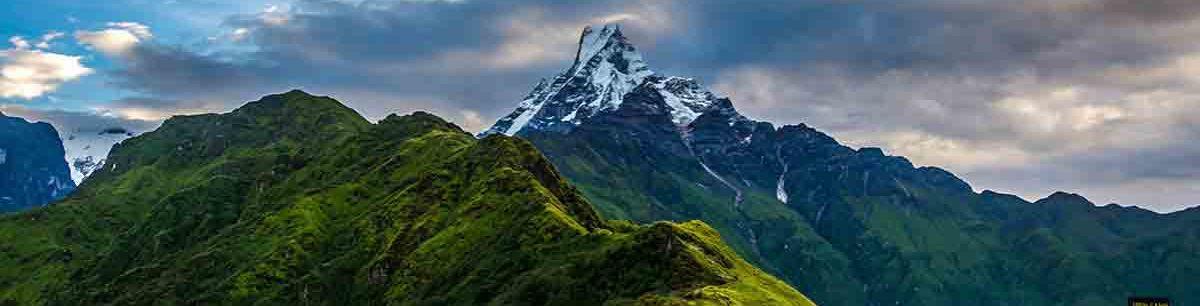

When people think about Nepal travel, they often picture the towering Himalayas, Mount Everest, colorful prayer flags, and adventurous trekking routes. While these iconic images certainly represent Nepal, they tell only part of the story. Nepal is much more than a place to visit—it’s a destination that has the power to transform perspectives, inspire personal growth, and create memories that last a lifetime.
Nestled between India and China, Nepal is a country where ancient traditions blend seamlessly with modern life. Every village has a story, every mountain has a legend, and every smiling local reminds visitors that genuine hospitality still exists. Whether you’re trekking through the Annapurna region, exploring centuries-old temples in Kathmandu Valley, watching the sunrise over snow-covered peaks, or simply sharing tea with local families, Nepal leaves a lasting impression on your heart.
Unlike many tourist destinations where attractions are simply checked off a list, Nepal invites travelers to slow down, connect deeply with people and nature, and experience life differently. It is a country where adventure, spirituality, culture, wildlife, and human connection come together in ways that few destinations can match.
If you’re searching for a destination that offers more than beautiful scenery, Nepal deserves to be at the top of your travel list.
A Country Where Nature Inspires Every Step
Nepal may occupy only a small portion of the world’s map, but it contains an incredible variety of landscapes. Within a single journey, travelers can experience lush jungles, fertile plains, rushing rivers, alpine forests, glacial lakes, and the world’s highest mountains.
Home to eight of the world’s fourteen peaks above 8,000 meters—including Mount Everest—Nepal has become synonymous with mountain adventures. Yet its natural beauty extends far beyond famous summits.
Imagine waking up before dawn to watch the first rays of sunlight illuminate the Himalayas in shades of gold and pink. The crisp mountain air, the peaceful silence, and the sheer scale of the landscape create moments that are difficult to describe but impossible to forget.
For nature lovers, Nepal offers experiences such as:
- Trekking through rhododendron forests.
- Walking alongside crystal-clear mountain streams.
- Witnessing glaciers and high-altitude lakes.
- Exploring national parks rich in biodiversity.
- Watching rare wildlife in tropical jungles.
- Enjoying panoramic mountain viewpoints.
- Experiencing peaceful hill villages untouched by mass tourism.
Each region reveals a different side of Nepal, ensuring that no two journeys ever feel the same.
The Mountains Teach More Than Endurance
People often associate Nepal with trekking, but trekking here is about much more than reaching a destination.
Every trail becomes a lesson in patience, resilience, and appreciation. As you gradually climb higher into the mountains, distractions disappear. Mobile signals become weaker, schedules become less important, and the simple rhythm of walking takes over.
Many travelers describe trekking in Nepal as a form of meditation. The mountains encourage mindfulness, helping people reconnect with themselves while surrounded by some of the most spectacular scenery on Earth.
Popular trekking regions include:
- Everest Base Camp
- Annapurna Base Camp
- Annapurna Circuit
- Manaslu Circuit
- Langtang Valley
- Mardi Himal
- Upper Mustang
- Kanchenjunga Region
Whether completing a short five-day trek or a challenging multi-week expedition, travelers often return home with greater confidence, mental clarity, and a renewed appreciation for life’s simple pleasures.
Nepal’s Rich Culture Makes Every Visit Meaningful
One of the greatest strengths of Nepal travel is its remarkable cultural diversity.
Despite its relatively small size, Nepal is home to more than 120 ethnic groups and over 120 languages. Each community preserves unique traditions, festivals, music, clothing, architecture, and cuisine.
Walking through Nepal feels like exploring living history. Ancient temples stand beside busy marketplaces, centuries-old rituals continue daily, and traditional craftsmanship thrives despite rapid modernization.
Some unforgettable cultural experiences include:
- Exploring Kathmandu Durbar Square.
- Visiting Bhaktapur’s medieval streets.
- Witnessing evening prayers at Pashupatinath Temple.
- Spinning prayer wheels at Boudhanath Stupa.
- Watching monks perform Buddhist ceremonies.
- Celebrating Dashain or Tihar with local families.
- Sampling authentic Nepali cuisine, including dal bhat, momo, sel roti, and Newari specialties.
These authentic experiences create meaningful connections that go far beyond sightseeing.
Genuine Hospitality That Stays With You
One reason travelers repeatedly return to Nepal is the warmth of its people.
Hospitality is deeply rooted in Nepali culture. Visitors are often welcomed with genuine smiles, heartfelt conversations, and generous acts of kindness.
Whether staying in a luxury hotel, a family-run guesthouse, or a remote mountain teahouse, guests frequently experience hospitality that feels personal rather than transactional.
Trekkers often remember the people they meet just as vividly as the mountains they climb. Local guides, porters, lodge owners, and villagers share stories that enrich every journey.
Even simple interactions—sharing tea after a long day of hiking or learning traditional customs from local families—can become some of the most memorable parts of a trip.
These human connections are what truly distinguish Nepal from many other travel destinations.
Spiritual Experiences That Go Beyond Religion
One of the most remarkable aspects of Nepal travel is the country’s spiritual atmosphere. Whether you follow a particular faith or simply seek moments of peace and reflection, Nepal has a unique way of helping visitors reconnect with themselves.
As the birthplace of Lord Buddha and home to some of Hinduism’s most sacred temples, Nepal has welcomed pilgrims for thousands of years. However, you don’t need to be religious to appreciate the sense of calm that surrounds its monasteries, stupas, temples, and mountain landscapes.
Many travelers find themselves slowing down naturally. The sound of monks chanting, the fluttering of prayer flags in the Himalayan breeze, and the fragrance of incense create an environment that encourages mindfulness.
Some of the country’s most significant spiritual destinations include:
- Lumbini, the birthplace of Lord Buddha and a UNESCO World Heritage Site.
- Pashupatinath Temple, one of the holiest Hindu temples dedicated to Lord Shiva.
- Boudhanath Stupa, one of the largest Buddhist stupas in the world.
- Swayambhunath (Monkey Temple), offering panoramic views of Kathmandu and centuries of spiritual history.
- Muktinath Temple, revered by both Hindus and Buddhists.
- Tengboche Monastery, located in the Everest region and surrounded by breathtaking Himalayan peaks.
These sacred places are not merely attractions—they are living centers of worship where visitors can witness traditions that have remained unchanged for centuries. For many people, these experiences become some of the most meaningful moments of their journey.
Adventure Exists Around Every Corner
Although Nepal is best known for trekking, adventure here takes many forms. The country’s dramatic geography creates endless opportunities for outdoor enthusiasts, making it one of the world’s top destinations for adrenaline-filled experiences.
If trekking isn’t your preference, you’ll still find plenty of exciting activities to enjoy.
Popular adventure activities include:
White Water Rafting
Nepal’s snow-fed rivers offer thrilling rafting experiences ranging from beginner-friendly rapids to world-class white-water expeditions.
Paragliding
Pokhara is considered one of the best paragliding destinations in the world. Flying above Phewa Lake with the Annapurna range in the background is an unforgettable experience.
Mountain Biking
Ride through ancient villages, scenic hills, forest trails, and challenging mountain routes while experiencing Nepal’s diverse landscapes.
Jungle Safaris
National parks such as Chitwan and Bardia provide opportunities to see one-horned rhinoceroses, Bengal tigers, elephants, crocodiles, deer, and hundreds of bird species.
Bungee Jumping
Nepal offers one of Asia’s most spectacular bungee jumping locations over a deep river gorge surrounded by dramatic scenery.
Ziplining and Rock Climbing
Adventure hubs like Pokhara also offer world-class zipline experiences and climbing opportunities for both beginners and experienced climbers.
This incredible variety means every traveler can create an itinerary that matches their interests, whether they seek relaxation, exploration, or adrenaline.
Nepal’s Wildlife Is Just as Impressive as Its Mountains
Many first-time visitors are surprised to discover that Nepal is home to extraordinary wildlife as well as towering peaks.
The country’s unique geography ranges from subtropical forests in the south to alpine ecosystems in the north, creating habitats for thousands of plant and animal species.
Protected areas cover a significant portion of Nepal and play a vital role in conservation.
Highlights include:
- Spotting the endangered one-horned rhinoceros in Chitwan National Park.
- Searching for the elusive Royal Bengal tiger.
- Observing wild elephants in their natural habitat.
- Watching gharial crocodiles along riverbanks.
- Birdwatching, with more than 890 recorded bird species.
- Exploring Bardia National Park for a quieter and less crowded safari experience.
Nature enthusiasts often find that combining mountain adventures with wildlife experiences provides a more complete understanding of Nepal’s incredible biodiversity.
Every Season Reveals a Different Nepal
One of the reasons travelers return again and again is that Nepal changes dramatically with the seasons.
Spring (March–May)
Spring transforms the hills into vibrant landscapes covered with blooming rhododendron forests. Clear skies and moderate temperatures make it one of the best seasons for trekking.
Summer/Monsoon (June–August)
Although rainfall is frequent, the countryside becomes incredibly green and lush. Fewer tourists mean quieter attractions, while regions such as Upper Mustang remain excellent destinations due to their rain-shadow location.
Autumn (September–November)
Widely regarded as the best time for Nepal travel, autumn offers crystal-clear mountain views, pleasant temperatures, and numerous cultural festivals, including Dashain and Tihar.
Winter (December–February)
Lower-elevation trekking routes remain accessible, while snow-covered mountains create spectacular scenery. Winter is also ideal for cultural sightseeing in Kathmandu, Pokhara, and Lumbini.
Each season offers its own beauty, ensuring there is never a bad time to experience Nepal.
Sustainable Tourism Helps Preserve Nepal’s Beauty
Modern travelers increasingly want their journeys to have a positive impact, and Nepal offers many opportunities to travel responsibly.
Community-based tourism has become an important part of the country’s tourism industry. Many trekking lodges, local guides, family-run guesthouses, and village homestays directly benefit local communities.
Visitors can support sustainable tourism by:
- Hiring licensed local guides and porters.
- Staying in locally owned accommodations.
- Purchasing authentic handmade crafts.
- Respecting local customs and traditions.
- Reducing plastic waste by carrying reusable water bottles.
- Following Leave No Trace principles while trekking.
- Choosing ethical wildlife experiences.
Responsible travel not only enhances your experience but also helps preserve Nepal’s natural and cultural heritage for future generations.
Nepal Changes Your Perspective on Life
Perhaps the most profound reason why Nepal is more than a destination is the way it changes how people think.
Travelers often arrive expecting spectacular mountains and adventurous treks. They leave with something much more valuable.
Nepal teaches patience through long mountain trails.
It teaches gratitude through the kindness of strangers.
It teaches resilience by showing how communities thrive in challenging environments. And teaches simplicity by reminding visitors that happiness doesn’t always depend on material possessions.
Watching farmers work terraced fields, sharing meals with local families, listening to ancient stories, or witnessing sunrise over the Himalayas creates moments that inspire reflection long after the journey ends.
Many visitors describe Nepal not as a vacation but as a life experience—one that continues to influence their values, priorities, and outlook long after they return home.
For some, it sparks a passion for adventure. For others, it becomes the beginning of a lifelong connection with the Himalayas. Whatever your reason for visiting, Nepal has a remarkable way of leaving a lasting imprint on your heart.
Practical Tips for Planning Your Nepal Travel
A memorable journey begins with thoughtful planning. While Nepal is welcoming to travelers of all experience levels, preparing in advance can help you make the most of your visit.
Choose the Right Time to Visit
The best time for Nepal travel depends on your interests.
- Autumn (September–November): Ideal for trekking, mountain views, and festivals.
- Spring (March–May): Excellent weather, blooming rhododendrons, and comfortable trekking conditions.
- Winter (December–February): Great for cultural tours, wildlife safaris, and lower-altitude treks.
- Monsoon (June–August): Best for lush landscapes, photography, and rain-shadow regions like Upper Mustang and Dolpo.
Plan an Itinerary That Matches Your Interests
Nepal offers something for every traveler.
- Adventure seekers can trek in the Everest, Annapurna, or Manaslu regions.
- Spiritual travelers can explore Lumbini, Pashupatinath, Muktinath, and ancient monasteries.
- Wildlife enthusiasts can visit Chitwan or Bardia National Park.
- Families can enjoy Kathmandu, Pokhara, and Nagarkot.
- Luxury travelers can combine boutique hotels, helicopter tours, and premium trekking experiences.
Avoid trying to see everything in one trip. Nepal rewards slow and immersive travel.
Respect Local Culture
Nepal is culturally rich and deeply rooted in tradition.
Remember to:
- Dress modestly when visiting religious sites.
- Remove shoes before entering temples where required.
- Ask permission before photographing people.
- Walk clockwise around stupas.
- Use both hands when giving or receiving something as a sign of respect.
Small gestures of cultural awareness are greatly appreciated.
Pack Smart
Depending on your itinerary, essentials may include:
- Comfortable walking shoes or trekking boots
- Layered clothing
- Rain jacket
- Reusable water bottle
- Sunscreen and sunglasses
- Basic first-aid kit
- Power bank
- Travel insurance documents
- Personal medications
If trekking, consult your trekking company about specialized gear.
Travel With a Reputable Local Operator
Experienced local tour operators provide valuable insights, professional guides, logistical support, and enhanced safety. They can also customize itineraries based on your interests, fitness level, and travel style while ensuring your visit benefits local communities.
Frequently Asked Questions About Nepal Travel
Is Nepal safe for tourists?
Yes. Nepal is generally considered one of the safest countries for travelers. Like any destination, use common sense, stay aware of your surroundings, and follow guidance from local authorities and professional guides, especially during trekking or adventure activities.
Do I need to be physically fit to visit Nepal?
Not at all. While high-altitude trekking requires preparation, Nepal also offers cultural tours, scenic drives, luxury experiences, wildlife safaris, and easy hikes suitable for travelers of all ages.
How many days should I spend in Nepal?
A 7–10 day trip is ideal for first-time visitors, while 12–16 days allows time for trekking or exploring multiple regions. Those looking for a deeper experience often stay even longer.
Is Nepal expensive?
Nepal is considered one of the best-value travel destinations in Asia. Accommodation, food, transportation, and guided tours are available across a wide range of budgets, making it accessible to backpackers, families, and luxury travelers alike.
Can I visit Nepal year-round?
Yes. Every season offers unique experiences. Your ideal travel period depends on whether you prioritize trekking, festivals, wildlife, photography, or cultural exploration.
Final Thoughts
Some places impress you with beautiful scenery.
Others entertain you for a week before fading into memory.
Nepal does something different.
It invites you to pause, reflect, and reconnect—with nature, with culture, and often with yourself.
The towering Himalayas inspire humility. Ancient temples reveal centuries of living history. Colorful festivals celebrate traditions passed down through generations. Friendly conversations with local people remind visitors that genuine hospitality still exists.
Every sunrise over snow-capped peaks, every peaceful monastery, every mountain trail, and every shared meal becomes part of a story that continues long after the journey ends.
That is why Nepal is more than a destination.
It is a place that broadens perspectives, strengthens resilience, deepens appreciation for different cultures, and encourages travelers to embrace life’s simple joys. Whether you come seeking adventure, spirituality, wildlife, or cultural discovery, Nepal has a remarkable ability to give you far more than you expected.
In the end, the souvenirs you bring home may fade, but the experiences, friendships, and lessons gained through Nepal travel will remain with you for a lifetime.
Call to Action
If you’re ready to experience breathtaking Himalayan landscapes, vibrant cultures, unforgettable adventures, and genuine hospitality, now is the perfect time to start planning your Nepal travel journey.
Partner with a trusted local travel company to design an itinerary tailored to your interests—whether that includes trekking, luxury holidays, cultural tours, wildlife safaris, pilgrimage, or family vacations. Your life-changing adventure begins the moment you choose Nepal.
