
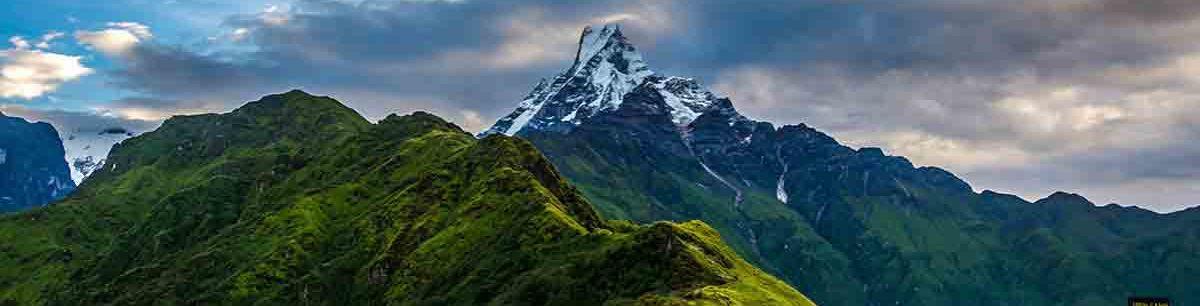

Skydiving is often described as the ultimate thrill — but imagine jumping from a plane above some of the tallest mountains on Earth. Himalayan skydiving in Nepal combines extreme adventure with unparalleled scenery, making it one of the most bucket-list experiences for adrenaline seekers and mountain lovers alike. In this comprehensive guide, we explore what makes this skydive extraordinary, how to prepare, safety standards, booking tips, timing, and what to expect on the day.
What Is Himalayan Skydiving?
Himalayan skydiving refers to a specialized form of skydiving conducted over the Nepalese Himalayas, most famously near Pokhara. Unlike traditional skydives from 10,000–15,000 feet, this jump reaches altitudes of over 20,000 feet (up to ~24,000 ft / 7,315 m) — making it the world’s highest commercial skydive exit point. Because of this extreme height and the striking backdrop of the Annapurna range, Himalayan skydiving draws thrill seekers from across the globe.
Key characteristics of the Himalayan skydive include:
- Exit altitude: ~20,000–24,000 feet
- Scenic views: Annapurna, Dhaulagiri, Machapuchare, and more
- Flight duration: Longer ascent and extended freefall time
- Temperature: Much colder than sea-level jumps
- Logistics: Often requiring oxygen systems and weather checks
Why Nepal Offers the Ultimate Skydiving Experience
Nepal’s towering mountain ranges, deep valleys, and dramatic landscapes make it unique among skydiving destinations. Here’s why:
Unmatched Mountain Views
From the skydive plane and during freefall, skydivers see snow-capped peaks that define the Himalayas — notably Annapurna South, Machapuchare (Fishtail), and Dhampus Peak. This visual spectacle transforms a typical skydive into a once-in-a-lifetime sensory experience.
High-Altitude Exit Points
Most commercial skydiving sites worldwide operate well below 15,000 feet — often around 10,000–13,000 ft. In Nepal, advanced pilots fly higher to allow for prolonged freefall time and unique aerial views. This elevates the challenge and appeal of the jump.
Cultural and Adventure Synergy
Nepal is already an adventure tourism hub — trekkers, climbers, paragliders, and rafting enthusiasts flock here. Himalayan skydiving adds another dimension to this mix, pairing cultural immersion with peak adrenaline.
Where Does Himalayan Skydiving Take Place?
The most established spot for this experience is Pokhara, a city famous for its lakes, paragliding, trekking access to Annapurna, and adventure tourism infrastructure. Flights typically start with a drive from Pokhara to a military airstrip several thousand feet higher, where the aircraft departs.
Key location advantages:
- Proximity to major peaks
- Reliable adventure tourism support
- Stunning landing site landscapes
- Accessible from Kathmandu (flight or road)
How the Skydive Works: Step-by-Step
Step 1: Arrival & Briefing
Participants gather at the operations base near Pokhara. Before boarding, instructors provide:
- Safety briefing
- Altitude and oxygen use overview
- Equipment fitting
- Jump signals and procedures
Step 2: Flight to Altitude
The aircraft ascends to ~20,000–24,000 feet, often requiring supplemental oxygen due to thin air. This ascent gives skydivers time to absorb the scenery and mentally prepare.
Step 3: Freefall Thrill
Once you exit the plane, the freefall can last up to 60–90 seconds — considerably longer than typical skydives. As you fall, the Himalayas unfold beneath you in breathtaking detail.
Step 4: Parachute Deployment
At the prescribed altitude, the parachute opens, and you enjoy a slower descent toward the landing area. The serene glide contrasted with the high-octane freefall makes this experience uniquely dramatic.
Step 5: Landing & Celebration
Landings are typically gentle and guided by skilled instructors if tandem. Afterward, participants often receive certificates and have time to relive the experience with photos and videos.
Who Can Do the Himalayan Skydiving Adventure?
While this adventure is accessible to many, physical and age requirements apply:
Age & Fitness
- Minimum age: Usually 18 (with parental consent for teens in some programs)
- Maximum age: Varies by operator; generally up to 60s with medical clearance
- Fitness level: Good overall health recommended; cardiovascular fitness helps
Tandem vs. Solo (AFF)
Most first-timers choose tandem skydiving (attached to an instructor). More experienced jumpers who meet training requirements may pursue Accelerated Freefall (AFF) options with advanced training.
Medical Clearance
Some participants may need a doctor’s sign-off, especially those with:
- Heart or blood pressure concerns
- Respiratory issues
- Recent injuries or surgeries
Always check operator policies in advance.
Best Time to Skydive Over the Himalayas
Weather and visibility are critical for Himalayan skydiving:
Ideal Seasons
- Autumn (September–November): Clear skies, stable weather
- Spring (March–May): Mild conditions, excellent visibility
These periods offer the best mix of clear views, calm winds, and safe flying conditions.
Monsoon Season (June–August)
Heavy rains and cloud cover make skydiving unreliable or unsafe. Many operators reduce flights or cancel scheduled jumps during this time.
Winter (December–February)
Clear skies can still occur, but cold temperatures and high winds are more common. If you plan a winter jump, be prepared for frigid conditions.
Safety First: Standards and Tips
High-altitude skydiving requires strict safety protocols.
Operator Accreditation
Choose companies that follow guidelines from:
- Fédération Aéronautique Internationale (FAI)
- Local aviation authorities
- International skydiving safety standards
Equipment Standards
Look for:
- Well-maintained aircraft
- Quality harnesses and reserve parachutes
- Oxygen systems for high altitude
Instructor Experience
Experienced tandem masters should have:
- Thousands of jumps logged
- High-altitude jump experience
- Positive reviews from previous participants
Safety Tips for Participants
- Follow all briefing instructions
- Wear layered clothing (it gets extremely cold)
- Stay hydrated and well-rested
- Ask questions if unsure
What to Expect on the Day: Practical Tips
1. Arrive Early
Horizons and weather can change quickly. Being early ensures you’re briefed and prepared without rush.
2. Dress Appropriately
Temperatures drop significantly at altitude. Wear:
- Thermal underlayers
- Windproof jacket
- Gloves and sturdy shoes
3. Capture the Moment
Most operators offer:
- Photo packages
- Helmet cameras
- Photographer jumpers
These let you relive the jump with footage and photos to share.
4. Mental Preparedness
Even experienced jumpers feel nerves before a first high-altitude exit. Focus on breath, trust your instructor, and take in the views — this combination makes the experience unforgettable.
Cost Breakdown: What You Can Expect to Pay
Himalayan skydiving is pricier than standard jumps due to:
- High altitude flight logistics
- Specialized equipment
- Weather and safety considerations
Approximate pricing (varies by operator and season):
| Service | Estimated Cost (USD) |
| Tandem jump at ~20,000–24,000 ft | $400 – $600+ |
| Photo/video package | $80 – $150 |
| Transportation from Pokhara | Variable |
Some operators offer combo packages (transport, photos, certificates included) that may be more economical.
Testimonials: Why People Choose Himalayan Skydiving
Many recount the experience as life-changing. Common themes in traveler feedback include:
- “The views made me forget I was falling.”
- “It feels like flying over a postcard that’s real.”
- “The freefall was longer than anything I’ve done before.”
- “Landing with the Himalayas in sight was surreal.”
These personal reflections point to both the emotional and visual impact of the jump.
Combining Skydiving With Nepal Travel
Most people pair their skydive with other Nepal highlights:
Trekking Routes
- Annapurna Base Camp
- Poon Hill
- Everest Base Camp (if time permits)
Adventure Activities
- Paragliding over Pokhara
- White-water rafting
- Mountain biking
Cultural Exploration
- Kathmandu’s UNESCO temples
- Pokhara lakeside villages
- Traditional Nepalese cuisine
This makes Himalayan skydiving part of a larger experiential journey.
Conclusion: Is Himalayan Skydiving Worth It?
If you love adventure and want a skydiving experience unlike any other, Himalayan skydiving in Nepal delivers unmatched scenery, high altitude thrill, and a deep sense of accomplishment. With the right preparation, a certified operator, and awareness of safety protocols, this experience sits at the pinnacle of extreme tourism worldwide.
Whether you’re a seasoned jumper or a first-timer ready for the leap, the adventure above the Himalayas is unforgettable — and absolutely worth considering for your next big travel story.


