Mera Peak for Beginners in 2026/27: Difficulty, Training, and Success Tips

Mera Peak is one of Nepal’s most iconic trekking peaks. Each year, climbers from around the world attempt it. Many wonder: Can beginners climb Mera Peak successfully? The short answer is yes — but only with the right preparation, training, acclimatization strategies, and logistical planning. In this guide, we will cover all aspects of Mera Peak for beginners in 2026/27, including difficulty, training tips, equipment lists, acclimatization schedules, and success strategies.

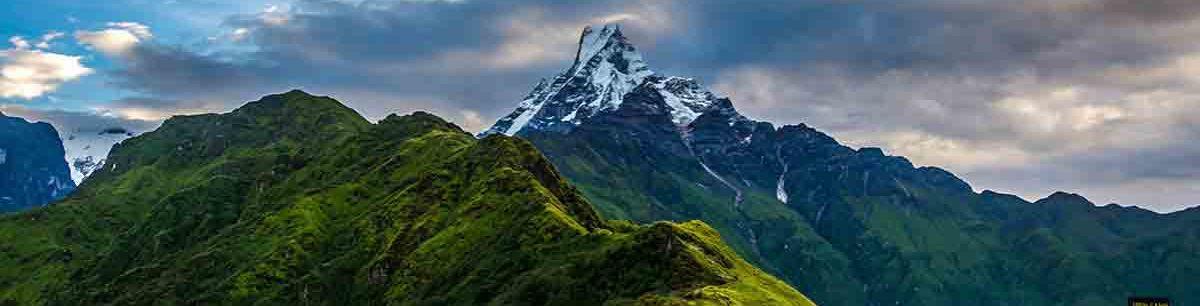
Mera Peak stands at 6,476 meters (21,247 feet) above sea level. It is classified as a trekking peak by the Nepal Mountaineering Association (NMA). For many climbers, especially those new to high‐altitude mountaineering, Mera Peak represents both a challenge and a realistic first summit.

This article aims to answer your most important questions:

  • What is the difficulty level of Mera Peak for beginners?
  • How should you train?
  • What should you expect on the route?
  • How can you maximize your chance of success in 2026?

What Makes Mera Peak Ideal for Beginners?

Trekking Peak Classification

Mera Peak is a part of the NMA’s trekking peak category. These peaks are considered more achievable for climbers without prior expedition experience. They often require:

  • Moderate technical climbing skills
  • Rope techniques
  • Fixed line navigation
  • Glacier travel

However, they do not normally demand advanced skills like ice climbing steep walls or complex glacier navigation found on higher mountaineering objectives.

This accessibility makes Mera Peak for beginners in 2026/27 a realistic goal, provided you prepare thoroughly.

Spectacular Himalayan Scenery

The route to Mera Peak offers incredible views. Climbers see five of the world’s 14 highest mountains, including Mount Everest, Lhotse, Makalu, Cho Oyu, and Kangchenjunga. These views are motivating and add to the overall experience.

Gradual Altitude Gain

The Mera Peak itinerary generally includes gradual altitude gain. This is vital for:

  • Proper acclimatization
  • Minimizing altitude sickness
  • Increasing your chance of summit success

The standard trek starts in Lukla and progresses through traditional Sherpa villages and high alpine landscapes before moving onto glacier and ice terrain near the summit.


Understanding the Difficulty of Mera Peak

To realistically assess Mera Peak for beginners in 2026/27, you must understand the challenges involved.

Altitude and Acclimatization

Mera Peak’s altitude (6,476 m) places it firmly in the high‐altitude category. At these heights, oxygen levels are significantly lower than at sea level. Common effects include:

  • Headaches
  • Nausea
  • Fatigue
  • Shortness of breath

Proper acclimatization is not optional — it is essential. A structured acclimatization schedule drastically improves your chance of summit success and safety.

Glacier and Snow Travel

While Mera Peak does not require highly technical ice climbing, the final ascent involves:

  • Glacier crossings
  • Snow slopes up to 40–45 degrees
  • Use of crampons and ice axes

Beginners will need training in:

  • Walking on snow and ice
  • Using crampons
  • Self‐arrest techniques with an ice axe

Basic Rope Skills

You must be comfortable with:

  • Walking on fixed rope sections
  • Using a harness
  • Applying ascenders (jumars)
  • Descending with belay devices

These skills are standard for many trekking peaks and are usually taught by guide teams before the climb.


Training Program for “Mera Peak for Beginners in 2026/27”

To succeed on Mera Peak, consistent and structured training is crucial. Your training program should begin at least 12 to 16 weeks before departure.

Cardiovascular Conditioning

Mera Peak demands high endurance. Cardiovascular training enhances:

  • Lung capacity
  • Heart efficiency
  • Fatigue resistance

Recommended activities:

  • Long-distance hiking with a loaded backpack
  • Stair climbing with weighted pack
  • Cycling
  • Running (especially hills or intervals)

A target training goal:

  • 4–6 days per week
  • Sessions between 60–120 minutes

Strength Training

You should focus on muscles used during climbing:

  • Quadriceps
  • Hamstrings
  • Glutes
  • Core muscles
  • Shoulders and upper back

Sample strength exercises:

  • Squats and lunges (weighted)
  • Step-ups
  • Deadlifts
  • Planks and core work

Perform strength training at least 2–3 times per week.

Technical Climbing Skills

A beginner should learn and practice:

  • Ice axe self-arrest
  • Crampon walking
  • Fixed line climbing
  • Rope handling skills

Enroll in a basic mountaineering course if possible. Many outdoor schools offer weekend clinics that cover all essential techniques.

High-Altitude Simulation

If you live at low altitude, consider:

  • Hiking at higher elevations during training
  • Using altitude simulation devices or masks (note: these are aids but not substitutes for acclimatization)

Training at altitude helps your body adapt sooner.


Typical Itinerary for Mera Peak in 2026/27

Although itineraries vary by operator, a standard trekking and climbing schedule lasts 18–23 days.

Example itinerary highlights:

  1. Arrival in Kathmandu
  2. Fly to Lukla
  3. Trek through villages to Khare
  4. Acclimatization hikes
  5. Move up to High Camp
  6. Summit attempt
  7. Return trek and departure

Strategic rest days and acclimatization hikes are built in to:

  • Reduce the risk of altitude sickness
  • Improve physical adaptation
  • Build confidence before moving higher

Essential Gear for Mera Peak Climbers

Your gear list should balance weight with performance. Below is a recommended breakdown:

Clothing

  • Insulated mountaineering jacket
  • Base layers (moisture-wicking)
  • Softshell pants
  • Down pants for high camp
  • Thermal underwear
  • Lightweight trekking shirts

Footwear

  • Mountaineering boots (double boots recommended)
  • Gaiters
  • Wool trekking socks

Technical Gear

  • Crampons compatible with boots
  • Ice axe
  • Climbing harness
  • Helmet
  • Carabiners and personal hardware

Camping and Trekking

  • Sleeping bag (rated to at least -20°C)
  • Trekking poles
  • Headlamp with extra batteries
  • High-calorie snacks and hydration system

Safety and Communication

  • First aid kit
  • Satellite phone or radio (often provided by operators)
  • Sunscreen and high-altitude lip balm

This gear list is comprehensive, focusing on both comfort and safety during your journey.


Acclimatization: The Key to Success

Acclimatization is the process by which your body adjusts to lower oxygen levels at altitude. A good acclimatization schedule includes:

  • Gradual ascent
  • Rest days every 300–500 m elevation gain
  • Active recovery hikes
  • Hydration and proper nutrition

Signs of good acclimatization include:

  • Stable appetite
  • Good sleep quality
  • Minimal fatigue

Warning signs that require action:

  • Severe headache not relieved by medication
  • Loss of coordination (ataxia)
  • Persistent nausea or vomiting
  • Shortness of breath at rest

If severe symptoms occur, descending immediately is mandatory.


Nutrition and Hydration Strategies

Good nutrition dramatically affects your performance on Mera Peak. You should focus on:

  • High-carbohydrate meals (energy source)
  • Adequate protein (muscle repair)
  • Electrolytes (hydration balance)

Daily hydration goals:

  • At least 4–6 liters of water per day
  • Even more on summit push days

Hydration helps with acclimatization and reduces the risk of altitude sickness.


Common Challenges for Beginners and How to Overcome Them

1. Altitude Sickness

Solution: Take ascent slow, hydrate, rest often, use medication like acetazolamide only under medical guidance.

2. Cold Weather

Solution: Layering clothing, high-quality sleeping bag, warm gloves, and head protection.

3. Technical Sections

Solution: Practice skills before the trek; follow guide instructions; never rush fixed lines.

4. Mental Stress

Solution: Prepare mentally through visualization, rest, and positive affirmations. Staying with a group helps maintain morale.


Hiring a Guide and Support Team

A qualified guide increases your chance of success. A good guide will:

  • Lead safe acclimatization hikes
  • Manage rope work on technical sections
  • Monitor your health and well-being
  • Ensure logistics run smoothly

Most beginners should climb with a reputable operator. This is especially important for factors like:

  • Permits
  • Camp setup
  • Load carrying
  • Weather forecasts

Best Time to Climb Mera Peak in 2026/27

The best seasons generally are:

  • Spring (March–May)
  • Autumn (September–November)

These periods offer more stable weather, clearer skies, and manageable temperatures. Winter and monsoon seasons are far more challenging and not recommended for beginners.


Summit Day: What to Expect

Summit day on Mera Peak is long and physically demanding. Expect:

  • Early start (02:00–03:00)
  • Extremely cold temperatures
  • Steep snow slopes
  • Final fixed rope sections

The final push can take 6–10 hours. Staying calm, pacing yourself, and using your mountaineering skills will make the difference between summiting and turning back.


Post-Climb Recovery and Health Considerations

After summiting:

  • Allow time to descend safely
  • Rest fully in lower camps
  • Rehydrate and refuel immediately
  • Monitor for delayed altitude effects

Most climbers feel exhilarated, but long climbs can temporarily suppress immune response. Eat well and rest when back in Kathmandu.


Conclusion: Realistic Expectations for Mera Peak for Beginners in 2026/27

Mera Peak for beginners in 2026/27 is an achievable objective with the right approach. Success demands:

  • Structured training
  • Proper acclimatization
  • Quality gear
  • Strong mental resilience
  • Professional support from guides

This peak offers a perfect blend of challenge and beauty for first-time high-altitude climbers. With dedication and planning, you can stand on the summit and enjoy one of the world’s great mountain experiences.

Everest Base Camp Helicopter Tour 2026/2027: Luxury Flight to the Top of the World Without Trekking

The Everest region has always symbolized adventure, endurance, and human determination. For decades, reaching Everest Base Camp meant committing to a physically demanding trek that takes nearly two weeks. While that journey remains iconic, it is not suitable for everyone.

The Everest Base Camp Helicopter Tour has transformed how travelers experience the Himalayas. In 2026 and 2027, this luxury aerial adventure offers a safe, efficient, and unforgettable way to witness Mount Everest without trekking.

This detailed guide explains everything you need to know about the Everest Base Camp helicopter tour. It covers itinerary details, safety standards, altitude considerations, pricing, best seasons, and why this experience is growing rapidly in popularity.


What Is the Everest Base Camp Helicopter Tour?

The Everest Base Camp Helicopter Tour is a scenic high-altitude flight that takes travelers from Kathmandu directly into the heart of the Everest region. Instead of walking for days, passengers fly over deep valleys, glaciers, and the highest mountains on Earth.

The helicopter typically flies over Everest Base Camp and the Khumbu Glacier. It then lands at Kalapatthar or nearby viewpoints, depending on conditions. These locations offer close-up views of Mount Everest, Lhotse, Nuptse, and Ama Dablam.

The entire tour usually lasts between four and five hours. This includes multiple scenic stops and a luxury breakfast experience.


Why Choose Everest Base Camp Without Trekking?

Many travelers dream of Everest but cannot commit to a long trek. The helicopter tour makes this dream achievable.

Major Reasons Travelers Prefer the Helicopter Tour

  • No physical training required
  • No risk of exhaustion from long walks
  • Minimal exposure to extreme altitude
  • Suitable for all age groups
  • Ideal for travelers with limited vacation time

The Everest Base Camp helicopter tour removes barriers while preserving the awe of the Himalayas.


Everest Base Camp Helicopter Tour Itinerary Explained

Understanding the itinerary helps travelers prepare better. While routes may vary slightly, the structure remains consistent.

Early Morning Departure from Kathmandu

The tour begins early in the morning when weather conditions are most stable. Guests are transferred from their hotel to the domestic airport terminal.

Before departure, the pilot provides a detailed safety briefing. Weather conditions and flight plans are reviewed carefully.

Scenic Flight Toward Lukla

The helicopter flies east toward the Everest region. Along the way, passengers see rivers, hills, terraced farmland, and small mountain villages.

A short stop at Lukla or a nearby refueling station may occur. This also allows passengers to stretch briefly.

Flying Over the Khumbu Region

From Lukla, the helicopter ascends higher into the Khumbu Valley. This is where the most dramatic scenery begins.

You will see:

  • Khumbu Glacier
  • Everest Base Camp area
  • Nuptse and Lhotse peaks
  • Icefalls and crevasses

The aerial perspective offers views that trekkers never see.

Landing at Kalapatthar

Kalapatthar is one of the best viewpoints in the Everest region. It provides a clear, close view of Mount Everest’s summit.

Due to altitude safety rules, landings are short. Guests usually have 5–10 minutes for photographs and observation.

Breakfast at Everest View Hotel

The tour often includes breakfast at the famous Everest View Hotel. Located above 3,800 meters, it is one of the highest luxury hotels in the world.

Guests enjoy hot drinks and meals while facing Mount Everest through panoramic windows.

Return Flight to Kathmandu

After breakfast, the helicopter descends gradually and returns to Kathmandu. Most tours conclude before midday.


Best Time for Everest Base Camp Helicopter Tour 2026/2027

Seasonal timing is crucial for clear views and smooth flights.

Spring Season (March to May)

Spring is the most popular season. The weather is stable, and visibility is excellent. This period also coincides with Everest climbing season.

Autumn Season (September to November)

Autumn offers crisp air and clear skies. Mountain views are sharp, and flight reliability is high.

Winter Season (December to February)

Winter flights operate but are less predictable. Cold temperatures and snow may cause delays.

Monsoon Season (June to August)

This season is not ideal due to clouds and reduced visibility. Helicopter tours are limited.

For 2026 and 2027, spring and autumn remain the best choices for the Everest Base Camp helicopter tour.


Altitude, Health, and Safety Considerations

Safety is a major advantage of helicopter tours.

Reduced Altitude Risk

Unlike trekking, altitude exposure is brief. This greatly lowers the risk of altitude sickness.

Oxygen and Emergency Equipment

Helicopters are equipped with supplemental oxygen and emergency medical kits.

Experienced Pilots

Pilots flying in the Everest region are highly trained in high-altitude aviation. They monitor weather conditions continuously.

Booking with a reputable operator is essential for a safe experience.


Cost of Everest Base Camp Helicopter Tour 2026/2027

Pricing varies based on group size and service level.

Estimated Cost Breakdown

  • Shared group tour: USD 1,100–1,400 per person
  • Private charter: USD 4,500–6,000 per helicopter

Most packages include permits, transfers, flight costs, and breakfast.

Luxury customization and private filming services may increase the price.


Who Is This Tour Best Suited For?

The Everest Base Camp helicopter tour appeals to a wide audience.

Ideal Travelers Include

  • Luxury and comfort-focused travelers
  • Senior citizens
  • Families with children
  • Business travelers
  • Adventure photographers

It offers inclusivity without compromising the Everest experience.


What to Wear and Pack for the Helicopter Tour

Preparation is still important despite the short duration.

Clothing Recommendations

  • Insulated jacket
  • Thermal layers
  • Gloves and warm hat
  • Sunglasses with UV protection

Essential Items

  • Camera or smartphone
  • Sunscreen
  • Personal medications
  • Passport or identification

Weather in the Everest region can change rapidly.


Environmental Responsibility and Ethical Tourism

Helicopter tourism must be practiced responsibly.

Licensed operators follow strict landing rules. Time spent at high-altitude sites is limited to reduce environmental impact.

Choosing ethical operators supports local communities and conservation efforts.


Everest Base Camp Helicopter Tour vs Everest Base Camp Trek

Both experiences offer value, but they serve different traveler profiles.

Helicopter Tour Advantages

  • Time-efficient
  • Physically easy
  • Luxury-oriented

Trekking Advantages

  • Cultural immersion
  • Extended Himalayan experience
  • Sense of endurance achievement

The helicopter tour focuses on access and comfort rather than physical challenge.


Photography and Scenic Value

The Everest Base Camp helicopter tour is ideal for photography.

Aerial angles reveal glaciers, ridges, and peaks in a way ground travel cannot. Early morning light enhances clarity and contrast.

This makes the tour especially appealing to content creators and filmmakers.


Booking Tips for 2026/2027

Demand continues to rise each year.

Practical Booking Advice

  • Book early, especially for spring
  • Maintain flexible dates
  • Confirm operator licensing
  • Check inclusions carefully

Nepal-based operators often provide better local coordination.


Is the Everest Base Camp Helicopter Tour Worth It?

For travelers seeking Everest without physical strain, the value is clear.

This tour combines adventure, exclusivity, and efficiency. The emotional impact of seeing Mount Everest up close is profound.

It is a premium experience designed for modern travelers.


Final Conclusion

The Everest Base Camp Helicopter Tour 2026/2027 offers a refined way to experience the Himalayas. It eliminates physical hardship while preserving the grandeur of Mount Everest.

This journey is more than a flight. It is a rare opportunity to stand near the highest mountain on Earth in comfort and safety.

For those who want Everest without trekking, this helicopter tour represents the ultimate Himalayan experience.

Healing Mountain Journey in Nepal (2026/2027): Reset Your Nervous System Naturally

In an era defined by chronic stress, digital overload, and constant stimulation, more travelers are seeking experiences that go beyond sightseeing. They want restoration. A healing mountain journey in Nepal offers precisely that—a natural and time-tested way to reset your nervous system naturally. As we approach 2026/2027, Nepal continues to emerge as one of the world’s most powerful destinations for mind–body recovery, thanks to its Himalayan landscapes, spiritual traditions, and slow, intentional pace of life.

This article explores how a healing mountain journey in Nepal supports nervous system regulation, why the Himalayas are uniquely therapeutic, and how travelers can plan a wellness-focused journey that delivers lasting benefits.


Why the Nervous System Needs Healing

The human nervous system is designed to respond to danger and return to balance. However, modern lifestyles keep many people stuck in a constant state of alertness. Long work hours, excessive screen time, urban noise, and limited exposure to nature overstimulate the sympathetic nervous system, commonly known as “fight or flight.”

When this stress response remains active for extended periods, it can lead to fatigue, anxiety, insomnia, digestive issues, and emotional imbalance. Resetting the nervous system requires intentional slowing down, sensory regulation, and immersion in environments that support parasympathetic activity—the body’s natural “rest and digest” mode.

This is where a healing mountain journey in Nepal becomes transformative.


Nepal as a Natural Nervous System Reset Destination

Nepal’s geography and culture create ideal conditions for nervous system healing. The country is home to eight of the world’s fourteen highest mountains, deep forested valleys, and ancient pilgrimage routes that have supported contemplative travel for centuries.

Unlike fast-paced wellness resorts, Nepal offers authentic healing through simplicity. Life in the mountains follows natural rhythms: sunrise, walking, shared meals, rest, and silence. This rhythm alone begins to regulate the nervous system.

Key elements that make Nepal exceptional include:

  • Clean mountain air rich in oxygen
  • Low noise pollution in trekking regions
  • Minimal digital distractions
  • Strong spiritual heritage rooted in Buddhism and Hinduism
  • Communities that value patience, mindfulness, and balance

Together, these factors allow travelers to reset their nervous system naturally without artificial interventions.


How Mountain Environments Heal the Nervous System

Altitude and Breath Awareness

Moderate altitude trekking in Nepal naturally encourages slower breathing. As oxygen levels decrease slightly, the body adapts by deepening respiration. This activates the vagus nerve, which plays a critical role in calming the nervous system.

Conscious breathing becomes automatic in the mountains, supporting emotional regulation and mental clarity.

Nature Exposure and Sensory Reset

Scientific research consistently shows that exposure to natural environments reduces cortisol levels and improves nervous system balance. In Nepal’s mountains, travelers are immersed in forests, rivers, glaciers, and open skies for days or weeks at a time.

The absence of artificial noise allows the nervous system to recalibrate. Sounds such as wind, birds, prayer flags, and flowing water create a soothing sensory experience that modern environments rarely provide.

Walking Meditation and Rhythmic Movement

Trekking in Nepal is not rushed. Daily walks follow ancient trails used by pilgrims and traders for generations. This rhythmic movement acts as a form of walking meditation, synchronizing body and mind.

Consistent, moderate movement signals safety to the nervous system, gradually shifting it out of survival mode.


Spiritual Traditions That Support Nervous System Healing

Nepal is deeply influenced by Buddhist and Hindu philosophies that emphasize balance, impermanence, and inner awareness. Travelers often encounter monasteries, prayer wheels, chanting, and meditation practices along mountain routes.

These elements are not staged for tourism; they are part of daily life. Observing or gently participating in these practices can help travelers reconnect with stillness and presence.

Meditation, even in short daily sessions, has been shown to strengthen parasympathetic nervous system function. In Nepal, meditation arises naturally from the environment rather than rigid schedules.


Best Healing Mountain Journeys in Nepal for 2026/2027

Annapurna Region

The Annapurna region offers diverse landscapes, accessible trails, and strong community-based trekking infrastructure. The combination of terraced farms, forests, and panoramic mountain views makes it ideal for first-time healing journeys.

Shorter treks allow more time for rest, reflection, and nervous system recovery.

Langtang Valley

Langtang is known for its quiet trails and proximity to Kathmandu. It is particularly suitable for travelers seeking solitude and cultural immersion. Tibetan-influenced villages and sacred landscapes enhance the region’s calming effect.

Everest View and Lower Khumbu

While Everest itself attracts high-altitude adventurers, the lower Khumbu region offers gentle routes with profound spiritual significance. Monasteries such as Tengboche create powerful spaces for reflection and nervous system reset.


Healing Practices You Can Integrate on a Nepal Mountain Journey

A healing mountain journey in Nepal does not require extreme trekking or advanced wellness training. Simple, intentional practices are enough to support nervous system regulation.

Effective practices include:

  • Daily mindful walking
  • Breath awareness during ascents
  • Journaling in quiet spaces
  • Digital detox or limited device use
  • Gentle stretching or yoga in the mornings
  • Observing silence for short periods

These practices work best when supported by the mountain environment rather than forced routines.


Nutrition and Nervous System Balance in the Himalayas

Traditional Nepali mountain food is simple, nourishing, and grounding. Meals often include lentils, rice, vegetables, and herbal teas. This type of diet supports stable blood sugar levels, which are closely linked to nervous system health.

Eating warm, home-cooked meals at regular times helps the body feel safe and supported. Many travelers report improved digestion and sleep within days of starting a mountain journey.


The Role of Slowness in Natural Healing

One of the most powerful aspects of a healing mountain journey in Nepal is slowness. Unlike conventional vacations packed with activities, mountain travel encourages patience. Weather, terrain, and daylight dictate the schedule.

This surrender to natural pacing reduces mental resistance and allows the nervous system to unwind. Over time, travelers rediscover their ability to rest without guilt.


Planning a Healing Mountain Journey in Nepal (2026/2027)

To ensure maximum benefit, travelers should plan intentionally. Choosing the right season, route, and support system matters.

Best Seasons

Spring (March–May) and autumn (September–November) remain the best periods for a healing mountain journey in Nepal. These seasons offer stable weather, clear views, and comfortable temperatures.

Trek Duration

Short to moderate treks of 5–10 days are ideal for nervous system healing. They provide enough immersion without physical overload.

Guides and Support

Experienced local guides trained in slow trekking and mindful travel can significantly enhance the experience. They help maintain a steady pace and provide cultural context that deepens emotional connection.


Long-Term Benefits of a Healing Mountain Journey

Many travelers find that the benefits of a healing mountain journey in Nepal extend well beyond the trip itself. Improved stress resilience, better sleep, emotional clarity, and a renewed relationship with nature often continue for months.

By resetting the nervous system naturally, individuals gain tools they can apply in daily life, even in demanding environments.


Why 2026/2027 Is the Right Time

As global awareness of mental health and burnout grows, 2026/2027 represents an ideal time to prioritize restorative travel. Nepal continues to develop sustainable trekking practices while preserving its cultural authenticity.

Travelers are increasingly seeking meaning rather than luxury, and Nepal’s mountains provide a profound answer to that need.


Conclusion

A healing mountain journey in Nepal (2026/2027) is more than a trek—it is a return to balance. Through altitude, nature, spiritual tradition, and slowness, the Himalayas offer a powerful way to reset your nervous system naturally.

For those seeking genuine restoration rather than temporary escape, Nepal stands as one of the world’s most effective healing destinations. The mountains do not rush, and in following their pace, the nervous system remembers how to rest, recover, and renew.

5 Common Everest Base Camp Trek Mistakes That Can Ruin Your Journey (And How to Avoid Them)

Introduction: Why Preparation Is the Real Key to Everest Base Camp

The Everest Base Camp trek is one of the most iconic trekking experiences in the world.
Every year, thousands of trekkers travel to Nepal to walk in the footsteps of legendary mountaineers.
The dream is simple.
Reach the base of the world’s highest mountain.

The journey offers breathtaking scenery.
Snowy peaks surround the trail.
Traditional Sherpa villages add cultural richness.
Prayer flags flutter in the wind at high passes.

However, the Everest Base Camp trek is not just a scenic walk.
It is a high-altitude trek that demands preparation, patience, and awareness.
Many trekkers fail to plan properly.
As a result, they make mistakes that affect their health, comfort, and overall experience.

Some Everest Base Camp trek mistakes seem small at first.
Over time, they become serious problems.
Altitude sickness, injuries, and exhaustion are common consequences.

The good news is that most of these mistakes are avoidable.
With the right knowledge, you can trek safely and confidently.

This article explains five common Everest Base Camp trek mistakes.
Each mistake is discussed in simple language.
Practical solutions are provided to help you avoid problems and enjoy the journey.


Mistake #1: Rushing the Trek and Ignoring Acclimatization

Why Acclimatization Is Critical on the EBC Trek

Altitude is the biggest challenge on the Everest Base Camp trek.
The trail gradually climbs above 5,000 meters.
At this height, oxygen levels are much lower than at sea level.

Your body needs time to adjust to reduced oxygen.
This process is called acclimatization.
Without it, altitude sickness can develop quickly.

Many trekkers rush their itinerary.
They want to finish faster.
Some try to save money or vacation time.

This is one of the most dangerous Everest Base Camp trek mistakes.

Common Symptoms of Altitude Sickness

Altitude sickness affects people differently.
Fitness level does not guarantee protection.

Common symptoms include:

  • Persistent headache
  • Loss of appetite
  • Nausea or vomiting
  • Dizziness
  • Shortness of breath
  • Difficulty sleeping

Ignoring these signs is risky.
Severe altitude sickness can become life-threatening.

How to Avoid This Mistake

Follow a well-planned itinerary.
A standard Everest Base Camp trek includes acclimatization days.

Namche Bazaar and Dingboche are essential stops.
These rest days allow your body to adapt.

Walk slowly.
Maintain a steady pace.
Drink plenty of water throughout the day.

Avoid alcohol and smoking at high altitude.
If symptoms worsen, descend immediately.

Reaching Everest Base Camp is optional.
Returning safely is not.


Mistake #2: Underestimating the Physical Difficulty of the Trek

Everest Base Camp Is More Demanding Than It Looks

Many people believe the Everest Base Camp trek is easy.
They assume it is suitable for everyone.

This assumption is incorrect.

The trek involves long walking days.
You may walk five to seven hours daily.
Some days include steep uphill climbs.

The terrain is uneven and rocky.
Cold temperatures increase fatigue.
Carrying a backpack adds strain.

Lack of physical preparation is a common Everest Base Camp trek mistake.

What Happens Without Proper Fitness

Poor fitness affects your entire trek.
You become tired early in the day.
Recovery takes longer.

Other consequences include:

  • Increased risk of knee injuries
  • Muscle strain and joint pain
  • Difficulty keeping pace with the group
  • Reduced enjoyment

Many trekkers quit because they feel overwhelmed.

How to Prepare Physically

Start training at least six to eight weeks before departure.
Focus on cardiovascular exercises.

Walking, hiking, stair climbing, and cycling are effective.
Gradually increase intensity and duration.

Strength training is also important.
Build leg and core muscles.

Practice hiking with a backpack.
This improves balance and confidence.

Good fitness does not make the trek easy.
It makes it manageable and enjoyable.


Mistake #3: Packing the Wrong Gear or Too Much Gear

Why Proper Gear Matters on the EBC Trek

Weather in the Himalayas is unpredictable.
Sunny mornings can turn cold and windy by afternoon.
Night temperatures drop below freezing at higher elevations.

Packing mistakes cause discomfort.
They also increase health risks.

This is one of the most common Everest Base Camp trek mistakes.

Common Packing Errors

Many trekkers pack incorrectly.
Some bring too much gear.
Others bring unsuitable items.

Common errors include:

  • New trekking boots that cause blisters
  • Heavy backpacks
  • Inadequate cold-weather clothing
  • Low-quality sleeping bags
  • Cotton clothing

Cotton absorbs moisture and dries slowly.
This increases the risk of hypothermia.

How to Pack Smart for Everest Base Camp

Choose well-fitted trekking boots.
Break them in before the trek.

Dress in layers.
Base layers should wick moisture.
Middle layers should provide insulation.
Outer layers should protect from wind and rain.

Use a sleeping bag rated for sub-zero temperatures.
Keep your backpack as light as possible.

Many trekkers rent gear in Kathmandu.
This reduces travel weight and cost.

Packing smart improves comfort and energy levels.


Mistake #4: Choosing the Wrong Season to Trek

Why Timing Matters on the Everest Base Camp Trek

Weather conditions play a major role in trekking success.
Choosing the wrong season is a serious Everest Base Camp trek mistake.

The Himalayas experience extreme seasonal changes.
Visibility, temperature, and safety vary throughout the year.

Seasons That Create Problems

The monsoon season brings heavy rainfall.
Trails become muddy and slippery.
Landslides are more common.

Flights to Lukla are often delayed or canceled.
Clouds block mountain views.

Winter trekking brings extreme cold.
Snow can block trails and passes.
Some lodges close due to low demand.

Both seasons increase difficulty and risk.

Best Time for the Everest Base Camp Trek

Spring and autumn are the best seasons.

Spring offers moderate temperatures.
Rhododendron forests bloom at lower elevations.
The atmosphere feels lively.

Autumn provides clear skies.
Mountain views are sharp and dramatic.
Weather conditions are stable.

Choosing the right season improves safety.
It also enhances the overall experience.


Mistake #5: Trekking Without Professional Support

Why Trekking Alone Can Be Risky

Some trekkers choose to trek without a guide or porter.
They believe it saves money.
They want complete independence.

This can be a serious Everest Base Camp trek mistake.

Altitude sickness can strike suddenly.
Weather conditions change quickly.
Navigation errors still occur.

In emergencies, help may not be immediately available.

Benefits of Hiring a Guide

Licensed guides are trained professionals.
They monitor your health daily.
They manage accommodation and meals.

Guides recognize early signs of altitude sickness.
They make decisions based on safety.

They also share local knowledge.
This adds cultural value to the trek.

Benefits of Hiring a Porter

Porters carry heavy loads.
This reduces physical strain.
It helps with acclimatization.

You can focus on walking comfortably.
Your knees and back stay protected.

Hiring local staff also supports the local economy.
It promotes responsible tourism.


Additional Tips to Avoid Everest Base Camp Trek Mistakes

Stay Hydrated

Drink at least three liters of water per day.
Hydration helps prevent altitude sickness.

Avoid alcohol and smoking during the trek.

Eat Enough Food

Your body burns more calories at altitude.
Eat regular meals even if appetite decreases.

Carbohydrates provide essential energy.

Get Proper Travel Insurance

Many trekkers overlook insurance.
This is a critical Everest Base Camp trek mistake.

Your policy must cover high-altitude trekking.
Helicopter evacuation should be included.


Conclusion: Prepare Well and Enjoy the Journey

The Everest Base Camp trek is a once-in-a-lifetime experience.
It is challenging but deeply rewarding.

Most problems arise from poor preparation.
The good news is that mistakes are preventable.

Understanding common Everest Base Camp trek mistakes helps you trek smarter.
Take acclimatization seriously.
Train your body before arrival.
Pack wisely and lightly.

Choose the right season.
Seek professional support when needed.

With proper planning, the trek becomes unforgettable.
Preparation transforms difficulty into achievement.
Your journey to Everest Base Camp deserves careful attention.

Female Trekking Guides for Hire in Nepal: A Professional and Ethical Choice for Himalayan Adventures

Nepal is globally recognized as one of the world’s premier trekking destinations. Home to the Himalayas, ancient trade routes, and diverse ethnic cultures, the country attracts trekkers from every continent. In recent years, a significant and positive shift has taken place within Nepal’s tourism sector. The rise of female trekking guides for hire in Nepal reflects changing traveler expectations, evolving social norms, and a stronger emphasis on ethical and inclusive travel.

Hiring a female trekking guide is no longer a niche request. It has become a respected and professional option for trekkers seeking safety, cultural depth, personalized service, and responsible tourism. This article provides a detailed, research-based overview of female trekking guides in Nepal, their qualifications, benefits, hiring process, and their growing role in the Himalayan trekking industry.


Understanding the Role of Trekking Guides in Nepal

A trekking guide in Nepal is more than a route navigator. Licensed guides are responsible for safety, logistics, cultural interpretation, altitude management, and emergency response. The Nepal Tourism Board requires trekking guides to complete certified training programs and hold valid licenses before leading foreign trekkers on most trekking routes.

Since the introduction of stricter trekking regulations, hiring a licensed guide has become mandatory on many trails. These regulations apply equally to both male and female professionals, reinforcing standards across the industry and ensuring consistent service quality.

Female trekking guides in Nepal meet the same licensing, training, and experience requirements as their male counterparts. Their professional credentials include:

  • Government-approved trekking guide certification
  • First aid and altitude sickness training
  • Route and geography knowledge
  • Communication and leadership skills
  • Environmental and cultural awareness

This parity in qualifications ensures that choosing a female guide is a professional decision, not a compromise.


Why Female Trekking Guides for Hire in Nepal Are Gaining Demand

Growing Preference Among International Travelers

The demand for female trekking guides has increased steadily due to changing traveler demographics. More women are trekking solo, traveling in small groups, or seeking culturally sensitive experiences. For these travelers, a female guide often provides an added sense of comfort and trust, especially during long journeys in remote regions.

However, the preference for female trekking guides is not limited to women. Families, educational groups, and responsible travel companies increasingly value the communication style, attention to detail, and client-focused approach commonly associated with female professionals.

Enhanced Safety and Communication

Safety remains a top priority in high-altitude trekking environments. Female trekking guides are trained to monitor physical conditions, pacing, hydration, and altitude response. Many trekkers report that female guides maintain strong communication throughout the trek, ensuring that concerns are addressed early rather than overlooked.

This approach supports safer trekking outcomes, particularly for first-time trekkers or those unfamiliar with Himalayan terrain.

Cultural Sensitivity and Social Awareness

Nepal’s rural communities are deeply rooted in tradition. Female trekking guides often offer nuanced cultural insights, especially in villages where social dynamics and daily life differ from urban settings. They are able to explain customs, family structures, religious practices, and local etiquette in ways that feel accessible and respectful.

This cultural fluency enriches the trekking experience and helps travelers interact responsibly with local communities.


Professional Advantages of Hiring Female Trekking Guides

Personalized Trekking Experiences

Female trekking guides often emphasize tailored itineraries and attentive service. This includes adapting walking speeds, adjusting daily plans when needed, and providing guidance based on individual fitness levels and expectations. Such personalization leads to a more enjoyable and sustainable trekking experience.

Strong Focus on Responsible Touris

Many female trekking professionals actively promote responsible trekking practices. This includes minimizing environmental impact, supporting local teahouses, respecting cultural norms, and educating trekkers on conservation issues.

By hiring female trekking guides for hire in Nepal, travelers contribute to a tourism model that values sustainability and ethical employment.

Positive Impact on Local Economies

Employing female guides directly supports income diversification in rural Nepal. Tourism provides women with access to stable earnings, leadership roles, and long-term career opportunities. This economic participation strengthens families and communities while contributing to national development goals.

Training and Certification for Female Trekking Guides in Nepal

Structured Training Programs

Female trekking guides undergo the same structured training as all licensed guides. These programs typically include:

  • Mountain navigation and trail management
  • High-altitude physiology and acclimatization
  • First aid and emergency evacuation procedures
  • Client communication and leadership development
  • Environmental conservation and waste management

In addition, several initiatives focus specifically on increasing women’s participation by offering targeted training, mentorship, and apprenticeships.

Ongoing Skill Development

Professional female trekking guides continue to upgrade their skills through refresher courses, language training, and advanced certifications. Many also gain experience across multiple trekking regions, enhancing their adaptability and route knowledge.

This commitment to professional development ensures consistent service quality across Nepal’s trekking destinations.


Popular Trekking Routes Led by Female Guides

Female trekking guides operate across Nepal’s major and emerging trekking regions, including:

Their experience spans both classic treks and lesser-known trails, allowing travelers to choose routes based on interest, difficulty, and cultural focus.


Who Should Consider Hiring a Female Trekking Guide?

Female trekking guides for hire in Nepal are suitable for a wide range of travelers, including:

  • Solo female trekkers
  • Women-only trekking groups
  • First-time trekkers
  • Cultural and educational groups
  • Families with teenagers
  • Responsible tourism travelers

Their professional approach makes them equally capable of leading mixed-gender groups and experienced trekkers seeking deeper cultural engagement.


How to Hire Female Trekking Guides in Nepal

Through Licensed Trekking Agencies

Most established trekking agencies can arrange female trekking guides upon request. Travelers are advised to communicate this preference clearly during the booking process. Reputable agencies ensure that guides are licensed, insured, and experienced on the chosen route.

Independent Guide Networks

Some licensed female trekking guides work independently and can be hired directly through professional guide networks. These platforms typically display credentials, experience levels, and availability, allowing travelers to make informed decisions.

Booking in Kathmandu or Pokhara

For travelers already in Nepal, female trekking guides can often be arranged through local agencies in Kathmandu or Pokhara. This option is suitable for flexible itineraries and short-notice treks, although availability may vary during peak seasons.

Cost of Hiring Female Trekking Guides in Nepal

The cost of hiring a licensed trekking guide is standardized across the industry. Daily rates typically range between USD 30 and USD 40, depending on experience, route complexity, and season. This fee usually includes meals, accommodation, insurance, and guide expenses during the trek.

Female trekking guides are compensated at the same professional rate as male guides, reflecting equal qualifications and responsibilities.


Addressing Common Misconceptions

Physical Capability

Female trekking guides are fully trained for high-altitude trekking and challenging terrain. Their physical preparedness meets professional standards, and many have extensive experience leading demanding routes.

Availability

While female guides represent a smaller percentage of the workforce, availability has improved significantly in recent years. Early booking ensures better matching with preferred guides and trekking dates.

Professional Standards

Female trekking guides operate under the same regulatory framework as all licensed guides in Nepal. Professionalism, safety, and client satisfaction remain central to their role.

The Future of Female Trekking Guides in Nepal

The presence of female trekking guides is expected to grow as tourism becomes more inclusive and travelers prioritize ethical choices. Continued investment in training, policy support, and traveler awareness will further strengthen this positive trend.

Female trekking guides represent progress within Nepal’s tourism industry. Their contribution enhances safety, cultural understanding, and responsible travel while creating sustainable livelihoods for women in mountain communities.


Conclusion

Hiring female trekking guides for hire in Nepal is a professional, ethical, and rewarding choice for Himalayan travel. These guides meet the highest industry standards, offer rich cultural perspectives, and support sustainable tourism development.

Whether you are trekking for adventure, cultural discovery, or personal growth, choosing a female trekking guide adds depth and meaning to your journey. As Nepal’s trekking landscape continues to evolve, female guides stand as capable professionals shaping the future of Himalayan tourism.