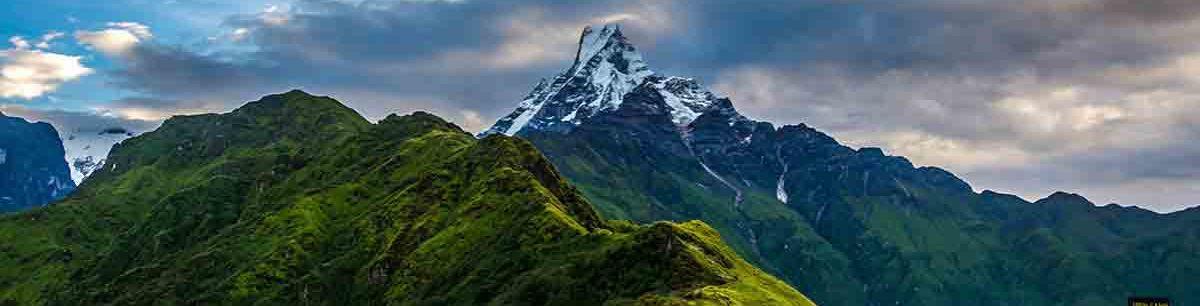
Thriving at High Altitude: Expert Gear and Health Tips to Empower Your Trekking Adventure

High-altitude trekking is one of the most rewarding experiences for adventure enthusiasts. From the majestic Himalayas to the rugged Andes, high-altitude trails take trekkers through breathtaking landscapes, remote villages, and dramatic natural settings. Yet, while the views and experiences are unforgettable, trekking at high elevations comes with unique challenges. Reduced oxygen levels, unpredictable weather, and demanding terrain make high-altitude trekking a test of endurance and resilience. Proper preparation—both in terms of gear and health—is critical to ensure not only a successful but also a safe trek. Following essential high altitude trekking tips can help you overcome these challenges effectively.

This article provides a comprehensive guide on how to prepare for high-altitude treks, including the essential gear you need, health tips to stay safe, and strategies to adapt to demanding conditions.


Understanding High Altitude and Its Challenges

High altitude generally refers to elevations above 2,500 meters (8,200 feet). As you ascend, the air pressure decreases, leading to a reduction in the amount of oxygen available. This lower oxygen level can cause the body to struggle with basic physical activity, making acclimatization essential.

Some common challenges include:

  • Altitude Sickness (Acute Mountain Sickness, AMS): Symptoms include headache, nausea, dizziness, and fatigue. Severe cases can develop into high-altitude pulmonary edema (HAPE) or high-altitude cerebral edema (HACE), which are life-threatening.
  • Harsh Weather: High altitudes often bring rapidly changing weather—sun, snow, rain, and wind can all appear within hours.
  • Physical Strain: Steep climbs, long trekking days, and rough terrain require strong physical conditioning.

Understanding these risks before embarking on your trek ensures that you’re mentally prepared and physically equipped to handle them.


Essential Gear for High-Altitude Treks

Having the right equipment can make the difference between an enjoyable trek and a miserable—or even dangerous—experience. Below is a breakdown of the gear you’ll need:

Clothing: Layering System

Layering is key to staying warm, dry, and comfortable.

  • Base Layer (Moisture-Wicking): Synthetic or merino wool tops and bottoms to keep sweat away from your body.
  • Mid Layer (Insulating): Fleece jackets, down sweaters, or synthetic insulation to trap body heat.
  • Outer Layer (Shell): Waterproof and windproof jackets and pants to protect against rain, snow, and wind.
  • Trekking Pants/Shorts: Convertible trekking pants are useful for adapting to variable temperatures.
  • Headgear: A warm hat, sun hat, and buff or neck gaiter for wind and sun protection.
  • Gloves: Lightweight gloves for mild weather and insulated gloves for cold conditions.

Footwear

  • Trekking Boots: High-quality, waterproof, and well-broken-in boots with ankle support are essential.
  • Trekking Socks: Merino wool socks for moisture control and blister prevention.
  • Gaiters: Useful for snowy or muddy conditions.
  • Camp Shoes: Lightweight sandals or slippers for evenings at camp.

Backpack and Storage

  • Backpack: A 40–60 liter backpack for multi-day treks. Ensure it has padded straps, a hip belt, and good weight distribution.
  • Daypack: A smaller pack (20–30 liters) for short side trips or acclimatization hikes.
  • Dry Bags/Stuff Sacks: To keep gear organized and protect it from moisture.

Sleeping Gear

  • Sleeping Bag: A high-quality bag rated for sub-zero temperatures (depending on your trek’s altitude). Down is lighter, but synthetic is more resistant to moisture.
  • Sleeping Pad: Provides insulation from the cold ground and ensures a more restful sleep.

Trekking Poles

Trekking poles reduce strain on knees and provide stability on uneven terrain. Adjustable poles are best, as they can be shortened for uphill climbs and extended for descents.

Hydration System

  • Water Bottles/Hydration Bladder: Staying hydrated is crucial at altitude. Insulated bottles are useful in freezing temperatures.
  • Water Purification: Tablets, filters, or UV purifiers ensure safe drinking water in remote areas.

Navigation and Safety

  • Maps and Compass/GPS Device: Even if you’re with a guide, carrying basic navigation tools is wise.
  • Headlamp: With extra batteries for early starts or emergencies.
  • First-Aid Kit: Including blister care, pain relief, bandages, antiseptic, and altitude sickness medication.
  • Multi-Tool/Knife: Handy for various uses on the trail.

Other Essentials

  • Sunscreen and Lip Balm: UV exposure is stronger at higher altitudes.
  • Sunglasses: High UV protection to guard against snow blindness.
  • Snacks/Energy Bars: Quick fuel for long days.
  • Personal Hygiene Kit: Biodegradable soap, toothbrush, wet wipes, and hand sanitizer.
  • Portable Power Bank: To keep devices like cameras or GPS units charged.

Health Preparation for High-Altitude Treks

Gear alone is not enough—your health and physical readiness are just as important.

Physical Training

A trek at high altitude is physically demanding. Start training at least 8–12 weeks before your trek:

  • Cardiovascular Training: Running, cycling, and swimming improve endurance.
  • Strength Training: Focus on legs (squats, lunges), core, and shoulders to handle long hours with a backpack.
  • Hiking Practice: Carry a loaded backpack on hilly terrain to simulate trek conditions.
  • Flexibility: Incorporate stretching or yoga to reduce injury risk.

Acclimatization

Climbing too quickly is the main cause of altitude sickness. Follow these guidelines:

  • Climb High, Sleep Low: Gain altitude gradually, and if possible, descend slightly to sleep.
  • Rest Days: Schedule acclimatization days every 600–900 meters (2,000–3,000 feet) gained.
  • Hydration: Drink 3–4 liters of water daily. Dehydration worsens altitude sickness.
  • Avoid Alcohol and Sleeping Pills: These can interfere with breathing at altitude.

Recognizing and Responding to Altitude Sickness

  • Mild AMS: Rest, hydrate, and avoid further ascent until symptoms improve.
  • Moderate to Severe AMS: If symptoms worsen, descend immediately. Oxygen or medications like acetazolamide (Diamox) may be required.
  • HAPE/HACE: Both are medical emergencies requiring immediate descent and professional care.

Nutrition

Your body burns more calories at high altitude. Prioritize:

  • Carbohydrates: Easy to digest and provide quick energy.
  • Protein: For muscle recovery.
  • Electrolytes: To replace salts lost through sweat.
  • Frequent Snacks: Eating small amounts regularly helps maintain energy levels.

Vaccinations and Medical Check-Up

Before your trek, consult a doctor for a health assessment. Certain vaccinations (e.g., for hepatitis, typhoid, or tetanus) may be recommended depending on your destination.


Mental Preparation

High-altitude trekking is as much a mental challenge as a physical one. Long days, extreme weather, and fatigue can test your resilience. Keep in mind:

  • Patience is Key: Progress may feel slow due to acclimatization schedules.
  • Stay Positive: Mental attitude influences physical performance.
  • Mindfulness Practices: Meditation or breathing exercises can help manage stress and anxiety.

Common Mistakes to Avoid

  1. Ignoring Acclimatization: Rushing the ascent is the fastest way to develop AMS.
  2. Overpacking or Underpacking: Carrying unnecessary gear adds strain, while forgetting essentials can compromise safety.
  3. New Boots on the Trek: Always break in boots beforehand to prevent blisters.
  4. Poor Hydration Habits: Even mild dehydration reduces performance and increases altitude sickness risk.
  5. Neglecting Sun Protection: UV rays at altitude are intense, and sunburn or snow blindness can end your trek prematurely.

Final Checklist Before You Leave

  • Train for endurance, strength, and flexibility.
  • Pack layered clothing, broken-in boots, and appropriate sleeping gear.
  • Bring safety essentials: first-aid kit, navigation tools, and hydration system.
  • Prepare mentally for the challenges ahead.
  • Allow enough days for acclimatization in your itinerary.

Conclusion

Preparing for a high-altitude trek requires careful planning, both physically and mentally. The right gear ensures you stay warm, dry, and safe, while health preparation helps your body adapt to thinner air and demanding terrain. Remember, high-altitude trekking is not a race—it’s about pacing yourself, respecting nature, and listening to your body. With the right preparation, you’ll not only reach your destination but also enjoy the journey through some of the most beautiful landscapes on Earth.

A Comprehensive Guide to the Langtang Region Trek

The Langtang Region Trek is among Nepal’s most accessible yet spectacular trekking adventures. It combines stunning natural beauty with authentic cultural encounters and high-altitude exploration. Located in Langtang National Park—just a few hours north of Kathmandu—the route meanders through dense forests, alpine meadows, traditional villages, and awe-inspiring peaks. Towering above them all is Langtang Lirung (7,234 meters / 23,769 feet), the crown jewel of the region.

In contrast to the busier Everest Base Camp and Annapurna trails, Langtang offers a quieter experience. Consequently, trekkers enjoy peaceful paths, unspoiled biodiversity, and rich Tibetan Buddhist heritage. For those seeking serenity without sacrificing adventure, the Langtang Region Trek is the perfect choice.


Overview of the Langtang Region Trek

  • Location: Langtang National Park, Rasuwa District, Nepal
  • Distance: 60–77 km, depending on side trips
  • Duration: 7–12 days, typically 8 days
  • Difficulty: Moderate; suitable for trekkers of average fitness
  • Highest Point: Tserko Ri (4,984 meters / 16,352 feet)
  • Best Seasons: Spring (March–May) and Autumn (September–November)
  • Permits Required: Langtang National Park Entry Permit & TIMS Card
  • Accommodation: Rustic yet comfortable tea houses and lodges

Getting to the Langtang Region Trek

The adventure begins with a scenic 6–8 hour drive from Kathmandu to Syabrubesi (1,503 meters). Along the way, the road winds past rolling hills, terraced farms, and lively villages, offering glimpses of everyday life in rural Nepal. Eventually, you arrive at Syabrubesi, the official trailhead and gateway to the Langtang Valley. From here, the real trekking journey begins.


Langtang Region Trek Itinerary and Route

Day 1: Kathmandu to Syabrubesi – A picturesque drive through Nepal’s hills and valleys.
Day 2: Syabrubesi to Lama Hotel (11 km, 6–7 hrs) – The trail follows the Langtang Khola River through bamboo and rhododendron forests. Suspension bridges, waterfalls, and wildlife sightings enrich the walk.
Day 3: Lama Hotel to Langtang Village (14 km, 6–7 hrs) – Gradual climbs reveal alpine meadows, monasteries, and views of Langtang Lirung. Encounters with Tamang villagers add cultural depth.
Day 4: Langtang Village to Kyanjin Gompa (7 km, 3–4 hrs) – A shorter hike leads to Kyanjin Gompa, known for its historic monastery, cheese factory, and dramatic panoramas.
Day 5: Acclimatization at Kyanjin Gompa – Trekkers often hike to Tserko Ri (4,984 m) for sunrise views or explore surrounding glaciers.
Day 6: Kyanjin Gompa to Lama Hotel – Descend through forests and retrace your steps to lower altitudes.
Day 7: Lama Hotel to Syabrubesi – A final trekking day through changing landscapes.
Day 8: Syabrubesi to Kathmandu – Drive back, ending the adventure with reflections on the journey.


Cultural Highlights of the Langtang Region Trek

The Langtang Region Trek is not only about mountains; it is also a cultural passage. Tamang and Sherpa villages along the route are deeply influenced by Tibetan Buddhism, and this heritage is visible everywhere. For instance, the ancient Kyanjin Gompa monastery stands as a spiritual landmark of the valley.

In addition, trekkers witness yak herding, traditional farming, and yak-cheese production that has been practiced for generations. During festival seasons, colorful rituals and vibrant dances bring the communities to life, offering a rare cultural immersion.


Natural Wonders of the Langtang Valley

Beyond culture, the Langtang Valley is a sanctuary of biodiversity. The route passes through bamboo groves, rhododendron forests, alpine meadows, and glacier-carved landscapes. Furthermore, the region shelters rare wildlife including the red panda, musk deer, Himalayan tahr, and—though rarely seen—the elusive snow leopard.

Meanwhile, the dramatic Himalayan backdrop enhances the experience. Peaks such as Langtang Lirung (7,234 m) and Dorje Lakpa (6,990 m) dominate the skyline, ensuring the trek remains a feast for the eyes at every step.


Acclimatization and Safety Tips

Since the trail climbs close to 5,000 meters, acclimatization is essential. A rest day at Kyanjin Gompa helps reduce altitude risks, while gradual pacing, hydration, and avoidance of alcohol further ensure safety.

Moreover, weather in the Himalayas can shift quickly. Therefore, trekkers should pack layered clothing, waterproof gear, and sturdy boots. Hiring a licensed guide and porter not only supports local livelihoods but also improves safety and enriches cultural insights.


Permits and Regulations for the Langtang Region Trek

Two permits are mandatory for all trekkers:

  1. Langtang National Park Entry Permit – Helps conserve the fragile ecosystem.
  2. TIMS Card – Records trekking activity for safety monitoring.

Since 2025, Nepal has required all trekkers—solo and groups alike—to hire a licensed guide. This regulation enhances safety and ensures responsible trekking. Fortunately, permits can be easily arranged in Kathmandu or through trekking agencies.


Accommodation and Food

Tea houses along the Langtang Region Trek provide cozy lodging and nourishing meals. Many have been rebuilt since the 2015 earthquake, offering improved comfort while retaining their rustic charm.

Meals typically include dal bhat (rice, lentil soup, and vegetables), soups, noodles, and occasional Western-style dishes. In addition, trekkers can sample local yak cheese, a regional specialty. Proper nutrition and hydration play a vital role in maintaining energy and acclimatizing effectively.


Extending the Langtang Region Trek

Trekkers with more time can extend the route for added adventure. For example, connecting the Langtang Valley with the sacred Gosainkunda Lake Trek or the Helambu Circuit provides a deeper Himalayan experience. Similarly, side hikes to viewpoints such as Tserko Ri reward trekkers with unforgettable panoramas.

Because of its proximity to Kathmandu, the trek is flexible—suitable for both shorter getaways and longer expeditions.


Conclusion

The Langtang Region Trek is one of Nepal’s most rewarding Himalayan journeys. It strikes a balance between accessibility, natural beauty, and cultural depth. Unlike crowded Everest or Annapurna routes, Langtang offers quiet trails, diverse wildlife, and authentic encounters with mountain communities.

With proper preparation, careful acclimatization, and respect for local traditions, this trek becomes much more than a hike—it transforms into an unforgettable adventure through one of Nepal’s most enchanting valleys.

20 Best Adventure Activities in Nepal for Thrill Seekers

Nepal is a paradise for adventure enthusiasts. Nestled between the towering Himalayas and lush lowlands, the country offers a playground for adrenaline-pumping activities in some of the most stunning natural landscapes on earth. Whether you are drawn to the challenge of climbing snow-capped peaks, the rush of white-water rapids, or the thrill of flying above valleys, Nepal has something for every kind of adventurer. This article explores the 20 best adventure activities in Nepal that you should not miss if you crave unforgettable outdoor experiences.


Trekking in the Himalayas

Trekking is the most iconic adventure activity in Nepal. From the legendary Everest Base Camp Trek to the picturesque Annapurna Circuit, trekking here lets you walk among towering peaks, encounter remote villages, and experience the beauty of Himalayan culture. Routes range from easy to extremely challenging, making trekking in Nepal accessible to all levels of hikers.


Peak Climbing

For those who want more than trekking, Nepal offers accessible peaks known as “trekking peaks,” such as Island Peak (Imja Tse) and Mera Peak. Peak climbing combines trekking with mountaineering, requiring basic climbing skills and allowing adventurers to stand on summits that rise above 6,000 meters.


Mountaineering Expeditions

Nepal is home to eight of the world’s 14 highest mountains, including Mount Everest (8,848m). Mountaineering here is the ultimate adventure, drawing climbers from across the globe. While Everest is the crown jewel, other expeditions like Manaslu, Lhotse, and Dhaulagiri offer equally challenging and rewarding experiences for seasoned climbers.


White-Water Rafting

The rivers of Nepal, fed by Himalayan glaciers, create thrilling rapids perfect for rafting. Popular rivers such as the Trishuli, Bhote Koshi, and Seti provide options for beginners and experts alike. Rafting in Nepal offers not just adventure but also a chance to float through scenic valleys and pristine wilderness.


Kayaking and Canoeing

For those who want more control on the water, kayaking and canoeing are excellent choices. Nepal’s rivers offer everything from calm paddles to extreme rapids. Beginners can take training courses, while experts can challenge themselves on rivers like the Sun Koshi and Karnali, known as some of the world’s best for kayaking.


Paragliding in Pokhara

Few experiences compare to paragliding over Pokhara’s Phewa Lake with the Annapurna Range as a backdrop. Pokhara is one of the world’s top paragliding destinations, offering tandem flights for beginners and solo flying opportunities for trained adventurers.


Ultra-Light Flight

If you want a bird’s-eye view of the Himalayas without the effort of trekking, an ultra-light flight in Pokhara is a great choice. Flying in a small, lightweight aircraft gives you stunning panoramic views of mountains, valleys, and lakes.


Bungee Jumping

Bungee jumping in Nepal is not for the faint-hearted. The famous Last Resort bungee jump takes you 160 meters above the Bhote Koshi River, making it one of the highest bungee jumps in the world. Pokhara also offers a spectacular tower bungee jump with mountain views.


Zip Flying

For a unique thrill, try the world’s steepest zip line in Pokhara, which stretches over 1.8 kilometers and reaches speeds of up to 140 km/h. Zip flying gives you an adrenaline rush while treating you to views of lush hills and Himalayan peaks.


Rock Climbing

With natural cliffs and artificial walls, rock climbing in Nepal is gaining popularity. Sites near Kathmandu, like Nagarjun and Hattiban, are popular among climbers. Pokhara also offers natural rock climbing opportunities surrounded by stunning landscapes.


Mountain Biking

Nepal’s rugged terrain and diverse landscapes make it a dream for mountain biking enthusiasts. Popular trails include Kathmandu Valley rim rides, the Annapurna Circuit by bike, and challenging routes in Mustang and Manang.


Jungle Safari in Chitwan

Adventure in Nepal isn’t only about mountains. The Chitwan National Park offers jungle safaris where you can spot endangered species like Bengal tigers, one-horned rhinoceroses, and gharials. Safaris can be done on foot, jeep, or even by canoe on the Rapti River.


Wildlife Safari in Bardia

For a wilder, less crowded safari experience, Bardia National Park in western Nepal is the place to go. It’s home to elephants, crocodiles, and rare river dolphins. Tracking wildlife in their natural habitat adds a different kind of thrill to your Nepal adventure.


Skydiving in Everest Region

Imagine jumping out of a plane with Mount Everest as your backdrop. Skydiving in the Everest region is considered one of the most extreme adventure activities in the world. Though expensive, it is a once-in-a-lifetime experience for true thrill seekers.


Canyoning

Nepal’s waterfalls and gorges make it an ideal destination for canyoning. This activity involves abseiling down waterfalls, sliding through natural rock formations, and jumping into pools. The Sundarijal canyon near Kathmandu and spots in Pokhara are popular for this adventure.


Helicopter Tours

For those who want to experience the Himalayas without trekking, helicopter tours to Everest Base Camp, Annapurna Base Camp, or Langtang offer a luxurious adventure. These tours provide aerial views of the majestic mountains and remote landscapes in just a few hours.


Camping Treks

While many treks now have tea houses, camping treks are still an adventure in themselves. You trek through remote areas where there are no lodges, carrying everything you need. This experience connects you with nature in its purest form.


Snowboarding and Skiing

Though not as developed as other destinations, skiing and snowboarding in Nepal are growing in popularity. The Manang and Mustang regions are being explored as backcountry skiing areas, offering fresh powder slopes beneath Himalayan giants.


Hot Air Ballooning

In Pokhara, hot air balloon rides provide a unique and peaceful adventure. Floating above lakes, villages, and fields with the Annapurna range in view offers a breathtaking experience for those who prefer a gentler form of adventure.


Cultural Adventure Tours

Adventure in Nepal isn’t limited to physical activities. Exploring ancient temples, monasteries, and heritage cities like Kathmandu, Bhaktapur, and Patan offers cultural adventures. Festivals, traditional homestays, and rural village tours immerse travelers in Nepal’s diverse culture while still delivering adventure of a different kind.


Why Choose Nepal for Adventure Activities?

Nepal stands out because of its unique geography, cultural diversity, and affordability. From the highest peaks on earth to lush jungles, Nepal packs an incredible variety of landscapes into a small area. Moreover, adventure activities in Nepal are often more affordable compared to other countries, making it a budget-friendly destination for thrill seekers.


Tips for Adventure Travelers in Nepal

  • Acclimatize properly when trekking or climbing in high-altitude regions.
  • Always book with reputable operators for safety in activities like rafting, paragliding, or bungee jumping.
  • Travel insurance that covers adventure activities is essential.
  • Respect local customs and communities while on cultural or rural adventures.
  • Pack the right gear and be prepared for unpredictable weather, especially in the mountains.

Conclusion

From the towering Himalayas to lush national parks and adrenaline-filled rivers, Nepal is an ultimate destination for adventure lovers. Whether you want to conquer high peaks, soar above valleys, dive into rivers, or immerse yourself in cultural exploration, Nepal has it all. With these 20 best adventure activities in Nepal, your journey will be filled with memories of excitement, beauty, and discovery that last a lifetime.

Top 20 Soulful Bucket List Destinations In Nepal 2026: Your Heartwarming Guide For Genuine Explorers

Nepal is a land of extraordinary beauty, ancient culture, and thrilling adventure, making it a Soulful Bucket List Destinations In Nepal 2026. Nestled within the mighty Himalayas, Nepal offers unparalleled natural landscapes, from the world’s highest peaks to serene lakes, medieval cities, and lush wildlife sanctuaries. This guide highlights the top 20 travel destinations in Nepal that every explorer should add to their bucket list for an unforgettable 2026 journey.

Everest Base Camp (EBC)

Trekking to Everest Base Camp is the quintessential Himalayan adventure. Located in the Khumbu region, this trek offers jaw-dropping views of Mount Everest (8,848 meters) and surrounding peaks. The journey immerses travelers in Sherpa culture, with colorful prayer flags, mani stones, and ancient monasteries punctuating the route. EBC is a once-in-a-lifetime bucket list trek combining natural grandeur with human perseverance and spiritual richness.

Lumbini: Birthplace of Lord Buddha

Lumbini holds profound spiritual significance as the birthplace of Siddhartha Gautama, the Buddha. Pilgrims from across the world visit the Maya Devi Temple, Ashoka Pillar, peaceful monasteries, and tranquil gardens to reflect, meditate, and seek enlightenment. Lumbini offers a serene spiritual journey with an aura of ancient wisdom and worldwide religious unity.

Annapurna Base Camp (ABC)

The Annapurna Base Camp trek brings adventurers close to the Annapurna Massif, including Annapurna I (8,091 meters). The trek delivers diverse natural beauty, from terraced hillsides and lush forests to snow-capped peaks. The route passes through vibrant Gurung and Magar villages, where trekkers experience local hospitality and traditional cultural festivals. ABC is perfect for those seeking a blend of trekking challenge and cultural immersion.

Manaslu Circuit Trek

This remote and less crowded circuit surrounds Mount Manaslu, the world’s eighth-highest peak (8,163 meters). It offers pristine wilderness, alpine landscapes, and rich encounters with diverse ethnic groups like the Gurungs, Tamangs, and Tibetans. The Manaslu Circuit is ideal for adventurers wanting solitude, panoramic mountain vistas, and cultural discovery beyond popular trekking trails.

Langtang Valley

Easily accessible from Kathmandu, Langtang Valley is famed for breathtaking Himalayan landscapes and vibrant Tamang culture. Trekkers traverse dense forests, alpine meadows, and visit traditional villages while enjoying views of Langtang Lirung (7,227 meters) and surrounding peaks. It offers a convenient yet rich cultural and natural experience for trekkers of moderate ability.

Mardi Himal Trek

The Mardi Himal route is a trending destination for 2026 due to its spectacular views and accessible trails. Lying in the Annapurna region, it provides close-up vistas of Machhapuchhre (Fishtail) and Annapurna ranges. With well-maintained teahouses and gradual ascent, Mardi Himal caters to both novice and experienced trekkers seeking tranquility and majestic mountain scenes.

Gokyo Lakes

Gokyo offers an alternative to the Everest Base Camp trek with fewer crowds and shimmering turquoise lakes surrounded by glaciers. The Gokyo Lakes are a photographic gem and a serene trekking destination. Visitors can ascend Gokyo Ri for panoramic views of Everest and surrounding peaks, enhancing the trekking experience.

Shey Phoksundo National Park and Dolpo Region

Located in western Nepal, this off-the-beaten-path destination offers rugged mountains, rare traditional communities, and stunning natural features like Phoksundo Lake—the country’s deepest lake. The pristine environment is a fairy-tale wilderness, perfect for trekkers seeking solitude and cultural diversity, including Tibetan refugees and nomadic herders.

Jomsom and Muktinath

Jomsom serves as a gateway to Mustang and Upper Dolpo. Muktinath is a pilgrimage site sacred to Hindus and Buddhists, known for its temple and natural holy springs. The area offers cultural richness alongside spectacular mountain and river valley landscapes, making it a unique blend of adventure and spirituality.

Kathmandu

Nepal’s bustling capital, Kathmandu, is the vibrant cultural heart of the country. It features UNESCO World Heritage Sites like Kathmandu Durbar Square, Swayambhunath (Monkey Temple), Boudhanath Stupa, and Pashupatinath Temple. Visitors can enjoy traditional cuisine, colorful markets, festivals, and a deep dive into Nepalese history and religion.

Bhaktapur

This ancient medieval city is renowned for its well-preserved architecture, traditional brick buildings, and vibrant cultural festivals. Bhaktapur Durbar Square, the 55-Window Palace, Nyatapola Temple, and Golden Gate are highlights. Visitors step back in time to experience Newari craftsmanship and age-old rituals.

Lalitpur (Patan)

Known for its exquisite wood carvings and metalwork, Patan Durbar Square offers tours through the city’s rich Newari culture. The Patan Museum and Krishna Mandir highlight traditional art and architecture. Patan is a vital cultural destination reflecting the artistic heritage of Nepal.

Pokhara

Pokhara earns fame as the “Gateway to the Annapurna Circuit.” Situated beside the serene Phewa Lake, it presents breathtaking views of Annapurna and Machhapuchhre peaks. Adventure sports like paragliding, boating, hiking, and zip-lining complement quiet lakeside relaxation. The World Peace Pagoda and sunset views from Sarangkot make Pokhara a must for 2026.

Ghandruk

A traditional Gurung village, Ghandruk offers panoramic mountain views and cultural immersion. Trekkers enjoy trekking routes with scenic landscapes while learning about Gurung traditions. It is a favored stop on the Annapurna Circuit for authentic local experiences.

Chitwan National Park

Ideal for wildlife lovers, Chitwan offers jungle safaris where visitors can spot endangered Bengal tigers, one-horned rhinos, and elephants. The park blends adventure with cultural interactions with the Tharu community. Canoeing on the Rapti River and birdwatching enhance nature immersion.

Nagarkot

Nagarkot is famous for offering panoramic views of the Himalayas, including Mount Everest. Its tranquil environment makes it perfect for sunrise and sunset watching. Visitors experience nature walks, hiking trails, and peaceful rural life close to Kathmandu.

Bandipur

A picturesque hilltop town, Bandipur showcases Newari architecture and offers stunning mountain vistas. It combines cultural heritage with natural beauty and is popular for hiking and cultural tours.

Rara Lake

Located in northwest Nepal, Rara Lake is the largest lake in the country and renowned for its turquoise water surrounded by dense forests. The pristine wilderness and remote trekking options attract adventurers seeking peace and beauty.

Ilam

Known for its lush tea gardens, rolling hills, and pleasant climate, Ilam is Nepal’s tea capital. It combines agricultural tourism with natural beauty and cultural experiences in eastern Nepal.

Koshi Tappu Wildlife Reserve

Famous for birdwatching, especially waterfowl, Koshi Tappu in eastern Nepal is a haven for nature lovers. The reserve also hosts wild buffalo, deer, and dolphins in the Koshi River ecosystem.


Why Visit Nepal in 2026?

Nepal’s incredible blend of towering mountains, historic sites, diverse cultures, and warm hospitality makes it an unbeatable destination for 2026. Whether seeking challenging treks, spiritual journeys, wildlife sightings, or cultural immersion, Nepal offers it all. The country’s accessibility and maintained infrastructure assure travelers a rewarding and safe experience.

Travel Tips for 2026

  • Travel during spring (March to May) or autumn (September to November) for the best weather and views.
  • Book treks and permits in advance for popular routes like EBC and Annapurna Circuit.
  • Respect local customs, traditions, and the environment during visits.
  • Prepare for altitude changes with proper acclimatization.
  • Pack layered clothing to adapt to varying mountain climates.

Pack a sense of adventure and reverence when visiting Nepal’s top 20 destinations in 2026. This Himalayan jewel promises memories carved in majestic peaks, sacred temples, serene lakes, and vibrant cultures that stay with travelers for a lifetime.

Kailash Mansarovar Yatra Reopens: A Spiritual Journey of a Lifetime for Indian Pilgrims

Sacred Mount Kailash and Its Significance

The Kailash Mansarovar Yatra revolves around the majestic Mount Kailash, which rises to an altitude of 6,638 meters in the Tibet Autonomous Region of China. For Hindus, this peak is the divine abode of Lord Shiva, making it one of the holiest pilgrimage sites in the world. Buddhists honor Kailash as the cosmic center of the universe. Jains revere it as the place where their first Tirthankara attained liberation, while Bon followers consider it a source of supreme spiritual energy.

Beside the sacred mountain lies Lake Mansarovar, one of the highest freshwater lakes in the world at 4,590 meters. Pilgrims bathe in its crystal-clear waters for ritual purification and spiritual renewal. The highlight of the journey is the Kailash Parikrama, a three-day circumambulation around the mountain. Devotees believe that completing this trek cleanses sins and brings enlightenment. However, the high-altitude terrain demands physical endurance, mental resilience, and thorough preparation.


Kailash Mansarovar Yatra 2026 Resumption

After five years of suspension, the Kailash Mansarovar Yatra reopened in 2026. The halt since 2020 resulted mainly from the COVID-19 pandemic and strained India-China relations. On January 27, 2026, officials from both nations held crucial talks and agreed to restart the pilgrimage. Direct flights and reopened border checkpoints, including Kodari on the Nepal-China Friendship Highway and Kerung (Rasuwagadhi), now make the sacred journey possible again.

For Indian pilgrims, the resumption marks a historic moment. Thousands of devotees have already registered, eager to experience this once-in-a-lifetime spiritual adventure. The reopening not only revives ancient traditions but also strengthens cultural ties between regions long connected through faith.


Official Travel Routes for 2026

Nepal Route (Most Popular)

The Nepal route begins in Kathmandu, where pilgrims obtain Chinese visas and travel permits. From there, groups head to the Nepal-Tibet border at Kerung/Rasuwagadhi. After crossing into Tibet, the journey continues through Saga before reaching Lake Mansarovar. Pilgrims perform holy rituals at the lake, then proceed to Darchen, the base camp for the Parikrama.

The three-day trek circles Mount Kailash via Dirapuk, Dolma La, and Zuthulpuk passes, testing endurance yet rewarding pilgrims with unmatched spiritual energy. The return follows the same path back to Kathmandu.

China Route (Via Lhasa)

Another option begins in Lhasa, Tibet, with permits arranged by authorized operators. Pilgrims then travel overland to Mansarovar and Kailash. While this route is open for Indian pilgrims in 2026, most choose the Nepal route due to easier logistics and cultural familiarity.

Both routes require official permits, medical clearance, and registration with accredited tour operators to ensure safety and compliance.


Permit and Travel Requirements

Indian pilgrims must secure:

  • A valid Chinese visa and Tibetan Travel Permit (issued in New Delhi).
  • A Restricted Area Permit if traveling through Nepal.
  • Comprehensive insurance coverage for emergencies, including altitude sickness and medical evacuation.

Medical examinations are strongly advised before departure. Since facilities along the route are limited, pilgrims should carry personal medicines and supplies.

Acclimatization stops are mandatory to avoid altitude sickness. Cash is recommended because ATMs are unavailable in remote areas like Simikot or Hilsa. Reliable communication devices with roaming or messaging apps help maintain connectivity.


Age and Health Guidelines

Authorities have issued updated rules for 2026:

  • Mount Kailash trekking route: 10 to 70 years
  • Kailash Aerial Darshan: Open to all ages
  • Limi Lapcha Valley route: 12 to 55 years

Pilgrims with chronic heart or respiratory issues may face restrictions or require special clearance. Children under 10 and seniors over 70 are discouraged from trekking because of extreme altitude challenges. These guidelines help prevent medical emergencies and ensure a safer pilgrimage.


Challenges Pilgrims Should Expect

The Kailash Mansarovar Yatra is profoundly spiritual, but it also demands resilience. Pilgrims encounter:

  • Thin air and oxygen deficiency above 4,500 meters
  • Harsh weather conditions with sudden temperature drops
  • Basic facilities, especially on the Nepal-Tibet border route
  • Large crowds during full moon days and peak season
  • Steep and rocky trails during the Parikrama

Preparation is key. Regular exercise, breathing practice, and altitude training help build stamina. Ponies and yaks are available for those unable to trek the full circuit. Elderly pilgrims or families with children often choose these options to complete the Parikrama safely.

Packing essentials include layered clothing, sturdy footwear, medicines, cash, valid ID, and spiritual items for rituals.


Spiritual and Cultural Importance

The Kailash Mansarovar Yatra is not just a trek—it is a transformative journey. Circumambulating Mount Kailash is believed to absolve lifetimes of sins and invite divine blessings. Bathing in Lake Mansarovar represents purification of body and soul.

The pilgrimage unites Hindus, Buddhists, Jains, and Bon practitioners, reflecting the universal reverence for this Himalayan sanctuary. Many devotees undertake the Yatra as fulfillment of a vow (known as Bhakal), considering it their ultimate spiritual calling.


Final Thoughts

The reopening of the Kailash Mansarovar Yatra in 2026 has rekindled faith and devotion among Indian pilgrims. This sacred journey combines breathtaking landscapes, deep cultural connections, and immense spiritual rewards.

With proper preparation, official permits, and guidance from experienced operators, pilgrims can embark on a safe and meaningful adventure. The Yatra stands as a timeless reminder of resilience, faith, and the unbreakable bond between humanity and the divine.