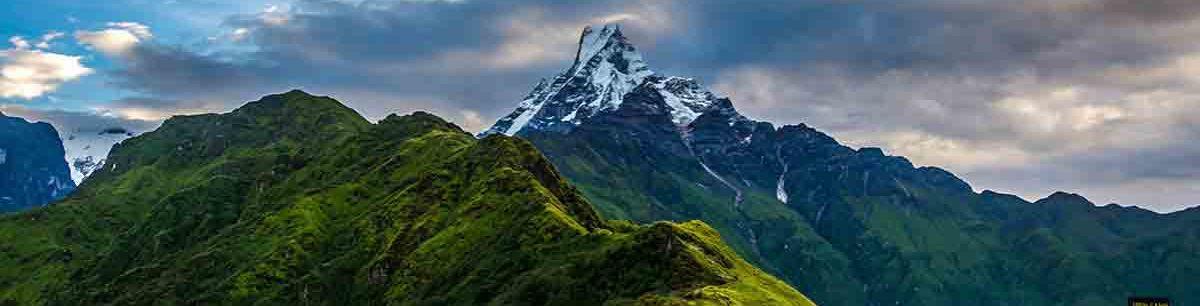
Best Retirement Travel Destinations in Nepal

Nepal is often thought of as a paradise for trekkers, adventurers, and cultural explorers. But beyond the excitement of high mountains and bustling city streets, the country also offers peaceful retreats that are ideal for retirees. With its mix of scenic beauty, cultural depth, and affordability, Nepal has become an attractive choice for those seeking to enjoy their retirement years in a calm yet enriching environment. This article explores the best retirement travel destinations in Nepal, highlighting regions that combine comfort, accessibility, and opportunities for leisure.


Why Nepal Appeals to Retirees

Retirement is a time when people look for slower rhythms of life. Nepal caters to that desire in several ways:

  • Natural Beauty: Snowcapped mountains, serene lakes, and lush valleys create soothing surroundings.
  • Cost of Living: Daily expenses, including food and accommodation, are often lower compared to Western countries.
  • Cultural Richness: Ancient temples, Buddhist monasteries, and local festivals provide endless exploration.
  • Wellness Options: Yoga, meditation, and holistic retreats are widely available.

When combining affordability with spiritual and natural appeal, it becomes clear why many are drawn to the best retirement travel destinations in Nepal.


Pokhara: A Lake City of Calm

Pokhara often tops the list of best retirement travel destinations in Nepal. Nestled beside Phewa Lake and surrounded by the Annapurna mountain range, this city offers tranquility and accessibility.

Lifestyle Benefits

Retirees enjoy morning walks along the lakeside, gentle boat rides, or evenings spent watching the sunset reflect on the water. With modern cafés and international restaurants, daily life feels both local and global.

Healthcare Access

Pokhara has well-established hospitals and clinics, a vital factor when considering retirement travel. Many private hospitals provide quality care at a fraction of Western costs.

Leisure and Community

The expat community is active, creating opportunities for socializing. Retirees can also take part in yoga classes, language lessons, or volunteer work with local organizations.


Kathmandu Valley: Tradition Meets Modernity

Kathmandu is more than just Nepal’s capital. It is a cultural treasure trove filled with history, spirituality, and vibrant communities. For retirees who want access to modern amenities while remaining close to heritage, the valley offers a balance.

Cultural Attractions

UNESCO World Heritage sites such as Swayambhunath, Boudhanath, and Patan Durbar Square offer endless cultural exploration. A slower pace of sightseeing allows retirees to deeply engage with these sites.

Amenities and Comforts

Kathmandu provides access to modern supermarkets, international restaurants, and advanced healthcare facilities. For those who value both cultural depth and comfort, it stands out among the best retirement travel destinations in Nepal.

Calm Retreats Nearby

Even within the busy valley, towns like Bhaktapur and Kirtipur present a quieter environment. These areas are perfect for retirees who enjoy cultural immersion without the constant urban rush.


Lumbini: A Spiritual Haven

Lumbini, the birthplace of Lord Buddha, is a unique choice for retirees who prioritize spiritual reflection. Its calm surroundings and religious significance make it a deeply fulfilling destination.

Peaceful Atmosphere

The sacred gardens, monasteries built by different countries, and meditation centers attract people seeking inner peace. The atmosphere is calm, with a slower pace of life compared to larger cities.

Community Opportunities

Retirees can join meditation retreats, volunteer at local centers, or simply enjoy peaceful walks in sacred grounds. For those drawn to spirituality, Lumbini is among the best retirement travel destinations in Nepal.


Bandipur: A Hilltop Town with Old-World Charm

Bandipur, located between Kathmandu and Pokhara, is a beautifully preserved town with traditional architecture and sweeping views of the Himalayas.

Lifestyle for Retirees

This town is slower-paced and quiet, making it ideal for those who want peace. Retirees can spend mornings strolling along cobblestone streets and evenings watching sunsets over the mountains.

Accessibility

Bandipur is less crowded than larger cities but still close enough to Pokhara for healthcare and modern facilities. This balance of peace and practicality makes it one of the best retirement travel destinations in Nepal.


Chitwan: Nature and Wildlife for Gentle Adventure

Chitwan offers a different kind of retirement experience. Instead of mountains and lakes, retirees find themselves surrounded by jungles, rivers, and wildlife.

Unique Attractions

The Chitwan National Park is a highlight, where one can observe rhinos, elephants, and countless bird species. Safari tours are calm and suitable for retirees seeking light adventure.

Lifestyle Appeal

The pace is slower, with a warm climate and welcoming local communities. Retirees can enjoy village walks, cultural dances, or simply relax in eco-lodges. For nature lovers, Chitwan stands out as one of the best retirement travel destinations in Nepal.


Tansen: A Hidden Gem in the Hills

Tansen, a charming hill town in western Nepal, is less known among tourists but offers a unique lifestyle for retirees.

Peace and History

The town is rich in traditional Newari architecture and offers panoramic views of the Himalayas and Terai plains. Its quiet streets and friendly community create a welcoming environment.

Comfort and Simplicity

Though smaller than Pokhara or Kathmandu, Tansen provides necessary services and healthcare. Retirees who prefer an authentic, less commercialized lifestyle may find it among the best retirement travel destinations in Nepal.


Nagarkot: A Retreat with Himalayan Sunrises

Nagarkot is a hill station just outside Kathmandu, famous for its sunrise views over the Himalayas.

Benefits for Retirees

Living in Nagarkot means enjoying fresh mountain air, quiet surroundings, and close proximity to Kathmandu for services. Retirees often find joy in slow mornings watching peaks like Everest light up with the sun.

Accessibility

Its closeness to the capital makes it practical, while its peacefulness makes it ideal for rest. This blend positions Nagarkot as one of the best retirement travel destinations in Nepal.


Practical Considerations for Retirees in Nepal

While exploring the best retirement travel destinations in Nepal, it’s also essential to consider practical aspects.

  • Healthcare: Larger cities like Kathmandu and Pokhara provide quality care, while smaller towns may have limited facilities.
  • Visa Options: Nepal offers various visa categories, but retirees should research long-term stay options.
  • Cost of Living: On average, monthly expenses are far lower than in Western countries, making retirement more affordable.
  • Community and Safety: Expat communities are active in Pokhara and Kathmandu, offering social networks and support.

Tips for Making the Most of Retirement Travel in Nepal

  1. Choose a Destination Based on Lifestyle: Some may prefer cultural immersion in Kathmandu, while others enjoy lake views in Pokhara.
  2. Balance Comfort with Adventure: Pick locations with access to healthcare and essential services.
  3. Stay Active: Join yoga retreats, volunteer programs, or hiking clubs to remain engaged.
  4. Embrace Local Culture: Participate in festivals and traditions to make retirement more enriching.

Conclusion

Retirement is not just about rest; it’s about finding a fulfilling lifestyle. From the lakeside calm of Pokhara to the spiritual peace of Lumbini, Nepal offers diverse experiences for those seeking a meaningful retirement journey. By combining affordability, cultural richness, and natural beauty, the best retirement travel destinations in Nepal provide an ideal balance of peace, engagement, and comfort.

For retirees looking to live life at a slower yet deeply rewarding pace, Nepal stands out as one of the most inspiring choices in the world.

Kori Trek Nepal: Discover the Hidden Beauty of Sikles, Kori Danda and Peaceful Kahphuche Lake

The Kori Trek is one of Nepal’s hidden treasures, combining breathtaking landscapes, vibrant culture, and peaceful alpine settings. Starting in the Gurung village of Sikles, the journey passes through terraced fields, rhododendron forests, and high ridges before opening up to the vast meadows of Kori Danda. At nearly 3,800 meters, this viewpoint offers sweeping panoramas of Annapurna II, Lamjung Himal, and the striking peak of Machhapuchhare.

Adding to its charm is Kahphuche Lake, a glacial jewel known for its turquoise waters and calm atmosphere, often described as one of the most peaceful natural sites in the Annapurna region. For trekkers seeking an alternative to crowded trails, this route provides both adventure and serenity in perfect balance.


Why Choose This Trek?

What makes this route special is the combination of cultural depth and natural beauty. Sikles village is one of the largest Gurung settlements in Nepal, where visitors can stay in traditional homes, taste local food, and experience vibrant customs. The ridges above the village lead to open alpine meadows, offering expansive views that rival better-known treks. Finally, Kahphuche Lake stands out as one of Nepal’s lowest glacial lakes, sitting at around 2,450 meters, where icy reflections mirror towering peaks. Together, these highlights create an experience that is both authentic and scenic, making it a memorable choice for those seeking something different.


Quick Facts

  • Starting point: Pokhara, with a jeep ride to Sikles.
  • Sikles elevation: 1,980 m.
  • Kori Danda elevation: Around 3,800 m.
  • Kahphuche Lake elevation: ~2,450 m.
  • Duration: 5–7 days, extendable to 9 days.
  • Difficulty: Moderate, with steep climbs in some sections.

Best Time to Go

The most favorable times are autumn (September–November) and spring (March–May). Autumn offers crystal-clear skies and striking views of the Himalayan range, while spring brings rhododendrons in full bloom. Winter (December–February) can be beautiful but cold, with snow covering high ridges. Monsoon (June–August) is the least ideal season due to heavy rain, slippery trails, and potential landslides.


Difficulty and Fitness Level

This trek is considered moderate. The main challenge comes from the altitude gain between Sikles (1,980 m) and Kori Danda (3,800 m). Trekkers will face steep ascents, narrow ridges, and long walking days. While no technical climbing skills are required, good fitness is important. Those who prepare with regular walking or hiking will find the trek manageable and rewarding.


Permits Required

Since the trail lies inside the Annapurna Conservation Area, two permits are necessary:

  • ACAP (Annapurna Conservation Area Permit).
  • TIMS card (Trekkers’ Information Management System).

Both can be obtained in Pokhara or Kathmandu, and are essential for legal entry and conservation support.


Suggested 6-Day Itinerary

Day 1: Drive from Pokhara to Sikles (3–4 hrs). Explore Gurung culture and spend the night in a homestay.
Day 2: Trek from Sikles to Hugu Goth (5–6 hrs) through terraced landscapes.
Day 3: Climb to Nohtha (around 3,000 m). Trail passes through dense rhododendron and oak forests.
Day 4: Ascend to Kori Danda (3,800 m). Enjoy wide Himalayan views.
Day 5: Sunrise at Kori Danda, then descend via Kapuche route to visit Kahphuche Lake. Overnight nearby or return to Sikles.
Day 6: Return to Pokhara by jeep.

This plan can be adjusted based on pace, weather, and interest in spending more time at the lake or Sikles.


Getting to Sikles

From Pokhara, a 3–4 hour jeep ride leads to Sikles. The road is rugged and often affected by weather, so private jeeps are recommended for comfort and reliability. Local buses are available but take longer and may not run regularly.


Accommodation and Food

  • In Sikles: Comfortable homestays and guesthouses run by Gurung families.
  • On the trail: Basic tea-houses and simple lodges. Some higher sections may require camping.
  • Meals: Traditional Nepali dal-bhat, noodles, soups, and tea. Options become simpler with altitude, so carrying snacks is advisable.

Packing Essentials

To enjoy this trek comfortably, bring:

  • Warm layers, waterproof jacket, and trekking boots.
  • Sleeping bag for cold nights above 3,000 m.
  • Water purifier or tablets.
  • Trekking poles, gloves, hat, and sunglasses.
  • Headlamp, first-aid kit, and sunscreen.
  • Reusable bottle and light snacks.

Altitude and Safety Tips

Although Kori Danda is not extremely high compared to Everest or Annapurna Base Camp, it still reaches nearly 3,800 meters. Altitude sickness is possible. Trekkers should ascend gradually, drink water regularly, and descend if symptoms such as headache or nausea appear. Hiring a local guide can add safety and enrich the experience with cultural knowledge.


Cultural Highlights in Sikles

Sikles is the cultural heart of this trek. Stone-roofed houses, narrow paths, and communal courtyards define the village. The Gurung community is known for hospitality, music, and traditional dress. Visitors may witness cultural dances or local rituals, making the stay both educational and memorable. Respecting customs and asking before taking photos helps foster genuine connections.


Scenic Highlights

  • Sikles village: Cultural immersion with Gurung traditions.
  • Kori Danda: Alpine ridge with stunning Himalayan views.
  • Kahphuche Lake: A turquoise glacial lake offering peace and reflection.
  • Forests and meadows: Seasonal beauty, especially during rhododendron bloom.
  • Quiet trails: Far less crowded than Annapurna Base Camp or Ghorepani.

Responsible Trekking

Preserving the beauty of this trail is essential. Trekkers are encouraged to:

  • Avoid single-use plastics.
  • Stick to marked paths to protect fragile terrain.
  • Support local guides, porters, and homestays.
  • Leave no waste behind, especially near Kahphuche Lake and high meadows.

Cost Overview

Independent trekkers spend less, covering permits, food, accommodation, and jeep rides. Guided packages from Pokhara typically include all logistics: transport, permits, guide, and meals. Overall, the trek is more affordable compared to longer Annapurna routes, making it attractive for travelers on a budget.


Final Thoughts

This trek blends adventure, culture, and tranquility into a single journey. From the lively Gurung village of Sikles to the wide-open meadows of Kori Danda, and finally the calm turquoise waters of Kahphuche Lake, the route delivers an experience that feels both intimate and awe-inspiring. For anyone searching for an alternative to crowded Himalayan trails, the Kori Trek is a hidden path worth discovering.

Top 35 Trekking FAQs About Nepal – Expert Answers for Your Himalayan Adventure

If you are planning an adventure in the Himalayas, you might have many questions about routes, permits, costs, and safety. This guide on the 35 Most Frequently Asked Questions About Trekking in Nepal provides all the essential details you need to prepare for your journey. From the best trekking seasons to what to pack, we cover everything that first-time and experienced trekkers should know before setting foot on Nepal’s trails.


Why Nepal is the World’s Top Trekking Destination

Nepal is known worldwide as the home of the Himalayas, boasting eight of the world’s 14 highest peaks, including Mount Everest. Beyond mountains, trekking in Nepal offers cultural encounters with diverse ethnic groups, Buddhist monasteries, Hindu temples, and picturesque villages. This combination of natural beauty and cultural richness makes it a dream destination for adventurers.


Why is Nepal famous for trekking?

Nepal is the ultimate trekking paradise because of its Himalayan landscapes, cultural diversity, and variety of trails. Whether you want to attempt the Everest Base Camp trek or enjoy a short scenic walk in the Annapurna foothills, Nepal caters to every level of trekker.


What are the most popular trekking regions in Nepal?

The most trekked regions include:

  • Everest Region (Khumbu) – Known for Everest Base Camp and Sherpa culture.
  • Annapurna Region – Famous for Annapurna Circuit, Annapurna Base Camp, and Ghorepani Poon Hill.
  • Langtang Region – Close to Kathmandu, ideal for short treks.
  • Manaslu Region – Remote and adventurous.
  • Mustang and Dolpo – Restricted, culturally Tibetan, and less crowded.

When is the best time for trekking in Nepal?

The two prime trekking seasons are:

  • Spring (March–May): Blooming rhododendrons and mild temperatures.
  • Autumn (September–November): Clear skies, stable weather, and excellent mountain views.

Treks are also possible in winter (colder, with snow at higher altitudes) and during the monsoon (lush landscapes but muddy trails).


Do I need a trekking permit in Nepal?

Yes, most treks require permits such as:

  • TIMS Card (Trekkers’ Information Management System)
  • National Park or Conservation Area permits
  • Restricted Area Permits for areas like Upper Mustang and Manaslu.

How difficult is trekking in Nepal?

Difficulty depends on the route:

  • Easy: Ghorepani Poon Hill, Langtang Valley.
  • Moderate: Annapurna Base Camp, Mardi Himal.
  • Challenging: Everest Base Camp, Annapurna Circuit, Manaslu Circuit.

Do I need prior trekking experience?

Not always. Many treks in Nepal are beginner-friendly, though good fitness is recommended. High-altitude treks require stamina and acclimatization.


How can I prevent altitude sickness?

  • Ascend gradually.
  • Stay hydrated.
  • Take rest/acclimatization days.
  • Avoid alcohol and smoking.
  • Consider preventive medication like Diamox after consulting your doctor.

Can I trek solo in Nepal?

Yes, solo trekking is possible on popular trails like Annapurna and Everest. However, restricted regions such as Upper Mustang and Manaslu require licensed guides.


Should I hire a guide or porter?

  • Guide: Helps with navigation, safety, and cultural insights.
  • Porter: Carries your load, making trekking easier.
  • Many trekkers hire both for a more comfortable experience.

How much does trekking in Nepal cost?

  • Budget treks: $25–40/day
  • Mid-range: $40–70/day
  • Luxury lodge treks: $100+ per day

Costs vary depending on route, permits, meals, and accommodation.


What accommodation is available during treks?

Most treks use teahouses – small lodges offering meals and basic rooms. Remote treks may require camping treks with tents and cooks.


What food is served on treks?

  • Dal Bhat (rice, lentils, curry, vegetables)
  • Noodles, fried rice, momos, pasta, soups
    Meals are filling but simple. Vegetarian options are widely available.

Is drinking water safe?

Tap water is unsafe. Safer options:

  • Bottled water (not eco-friendly).
  • Boiled water from teahouses.
  • Water purification tablets or filters.

Do I need travel insurance for trekking?

Yes, you must have travel insurance covering high-altitude trekking and emergency helicopter evacuation.


How long do treks in Nepal usually last?

  • Short treks: 3–7 days (e.g., Ghorepani Poon Hill).
  • Medium treks: 8–14 days (e.g., Annapurna Base Camp).
  • Long treks: 15–25+ days (e.g., Everest Base Camp, Manaslu Circuit).

Can I charge electronics while trekking?

Yes, teahouses offer charging (often with extra fees). Carrying a power bank or solar charger is highly recommended.


Is there internet and mobile network during treks?

Wi-Fi is available in many teahouses (paid). Mobile networks like Ncell and NTC work in some areas, but connectivity decreases with altitude.


What gear do I need for trekking in Nepal?

Essential items include:

  • Sturdy trekking boots
  • Layered clothing (base, mid, down jacket, waterproof outer)
  • Sleeping bag, trekking poles, gloves, hat
  • Water purification kit
  • First aid kit, sunscreen, and headlamp

Can I rent trekking gear in Nepal?

Yes, Kathmandu and Pokhara have many shops renting or selling trekking gear at reasonable prices.


What fitness level is required?

Moderate fitness is enough for most treks. Training with cardio exercises, stair climbing, and hiking practice helps prepare your body.


How important is acclimatization?

Very important. Popular treks like Everest Base Camp include planned rest days in Namche Bazaar and Dingboche to adapt to altitude.


What altitude will I reach on popular treks?

  • Everest Base Camp: 5,364 m
  • Annapurna Circuit (Thorong La Pass): 5,416 m
  • Manaslu Circuit (Larke Pass): 5,106 m

Is trekking safe in Nepal?

Yes, trekking is generally safe if you follow acclimatization guidelines, hire guides in remote regions, and monitor weather conditions.


What vaccinations should I get?

Commonly recommended: Hepatitis A & B, Typhoid, Tetanus, Japanese Encephalitis, Rabies (for rural travel).


Can I trek with children?

Yes, family-friendly treks like Ghorepani Poon Hill, Langtang Valley, and Lower Mustang are suitable for kids with proper planning.


What cultural etiquette should I follow?

  • Greet locals with “Namaste.”
  • Dress modestly.
  • Ask before taking photos.
  • Respect temples and monasteries.

What are restricted area treks?

Regions like Upper Mustang, Dolpo, Manaslu, Kanchenjunga require special permits and licensed guides due to their sensitive locations.


What is teahouse trekking?

Teahouse trekking means staying in local lodges, the most common and budget-friendly way to trek in Nepal.


What is camping trekking?

Camping treks use tents, cooks, and support staff, suitable for remote regions without teahouses.


Is trekking in Nepal vegetarian-friendly?

Yes, Nepal offers plenty of vegetarian meals such as dal bhat, vegetable curries, noodles, and momos.


What is the average daily trekking distance?

Trekkers usually walk 10–15 km per day, which takes around 5–7 hours.


Do I need a visa for Nepal?

Yes, most travelers can get a visa on arrival at Kathmandu Airport or border points. Tourist visas are available for 15, 30, or 90 days.


How do I reach trekking trailheads?


Can I combine trekking with other activities in Nepal?

Absolutely. Options include:

  • Jungle safari in Chitwan National Park
  • Paragliding in Pokhara
  • White-water rafting
  • Cultural tours of Kathmandu Valley

Why should I trek in Nepal at least once?

Because trekking in Nepal is more than just hiking – it’s about experiencing majestic Himalayan peaks, vibrant local culture, and warm hospitality. Every trek is a journey of discovery that leaves lasting memories.


Final Thoughts

These 35 Most Frequently Asked Questions About Trekking in Nepal cover everything from permits and costs to safety and cultural etiquette. Whether you’re heading to Everest Base Camp, Annapurna Circuit, or a hidden valley in Mustang, proper planning ensures a safe and unforgettable experience. Nepal remains the world’s premier trekking destination, where every trail leads to both breathtaking views and meaningful cultural encounters.

Family-Friendly Treks in Nepal: Exploring the Himalayas with Kids

Nepal, the land of the majestic Himalayas, is often associated with adventurous expeditions to towering peaks like Everest or Annapurna. While these high-altitude climbs are designed for seasoned trekkers, Nepal also offers an incredible selection of family-friendly treks that are perfect for parents traveling with children. These routes combine gentle walking trails, breathtaking mountain views, rich cultural encounters, and manageable elevations. Trekking with kids in Nepal can be both safe and rewarding when the right preparation, planning, and routes are chosen.

This guide explores everything you need to know about family-friendly treks in Nepal, including why Nepal is a fantastic destination for families, the best treks suited for children, essential preparation tips, and how to make the experience fun, safe, and memorable for all ages.


Why Choose Nepal for Family Treks?

Nepal is not only a trekking paradise for adventurers but also a destination that caters beautifully to families. Here are a few reasons why it’s ideal:

  • Scenic Trails: Many trekking routes pass through lush forests, terraced fields, waterfalls, and villages that fascinate children and adults alike.
  • Cultural Experiences: Nepal offers opportunities to interact with local communities, learn about unique traditions, and introduce kids to a rich cultural heritage.
  • Accessibility: Several short treks are located close to Kathmandu and Pokhara, requiring minimal travel time before starting the adventure.
  • Gradual Ascents: Family-friendly treks usually avoid extreme altitudes, ensuring children can walk comfortably without high risk of altitude sickness.
  • Hospitality: Nepali culture values hospitality, and families are often warmly welcomed in guesthouses and teahouses along the trails.

Best Family-Friendly Treks in Nepal

Not every trek in Nepal is suitable for children, but some routes are perfect for introducing kids to trekking while offering stunning Himalayan views. Below are some of the best options:

Ghorepani Poon Hill Trek

  • Duration: 4–6 days
  • Maximum Altitude: 3,210 meters (Poon Hill viewpoint)
  • Why It’s Great for Families:
    This trek is short, scenic, and one of the most popular family-friendly treks in Nepal. Starting near Pokhara, the trail passes through rhododendron forests, charming villages like Tikhedhunga and Ghorepani, and culminates at Poon Hill. The viewpoint offers one of the best panoramic sunrise views of Annapurna, Dhaulagiri, and Machapuchare. The gradual ascents and well-paved stone steps make it manageable for children, while frequent teahouses allow for comfortable overnight stays.

Nagarkot to Dhulikhel Trek

  • Duration: 2–3 days
  • Maximum Altitude: 2,195 meters (Nagarkot)
  • Why It’s Great for Families:
    Just an hour’s drive from Kathmandu, this trek is ideal for families with young kids or limited time. Nagarkot is famous for its sunrise and sunset views over the Himalayas. The trek to Dhulikhel is relatively easy, with gentle trails passing through forests, small villages, and viewpoints. It allows families to enjoy the Himalayas without committing to longer hikes.

Dhampus Village Trek

  • Duration: 2–3 days
  • Maximum Altitude: 1,750 meters
  • Why It’s Great for Families:
    The Dhampus trek is one of the shortest and easiest options in Nepal, starting from Phedi near Pokhara. The trail offers beautiful views of Annapurna South, Hiunchuli, and Machapuchare. It’s perfect for families who want a quick escape into nature while staying close to Pokhara’s amenities. Children will enjoy the traditional Gurung village life and the gentle terrain.

Langtang Valley Trek (Short Version)

  • Duration: 5–7 days
  • Maximum Altitude: 3,870 meters (Kyanjin Gompa, optional for families)
  • Why It’s Great for Families:
    Though Langtang Valley can be more challenging, families with older children or teenagers will find this trek incredibly rewarding. The route passes through bamboo forests, yak pastures, and monasteries. Trekkers can enjoy views of Langtang Lirung and experience Tamang culture. The trek is flexible, so families can adjust distances based on children’s endurance levels.

Australian Camp Trek

  • Duration: 2 days
  • Maximum Altitude: 2,100 meters
  • Why It’s Great for Families:
    This is another short trek near Pokhara that’s highly suitable for children. The walk to Australian Camp is gentle, and the views of Annapurna and Machapuchare are breathtaking. Families can easily combine this trek with visits to Phewa Lake or Sarangkot for a well-rounded experience.

Preparing for Family Treks in Nepal

Trekking with children requires more planning than a solo or adult trek. Preparation ensures the journey remains enjoyable and stress-free.

Physical Preparation

Even short treks can be physically demanding for kids. Families should:

  • Take regular hikes at home to build stamina.
  • Encourage children to walk with small backpacks.
  • Practice walking on hilly or uneven terrain.

Packing Essentials for Families

Packing light but smart is the key to family treks. Must-haves include:

  • Clothing Layers: Quick-dry shirts, fleece jackets, warm hats, and rain gear.
  • Footwear: Comfortable trekking shoes or boots for both adults and kids.
  • Health Supplies: First-aid kit, child-safe medicines, insect repellent, and sunscreen.
  • Snacks: Familiar snacks from home can keep children motivated on the trail.
  • Entertainment: Small games, coloring books, or cards for evenings in teahouses.

Health and Safety

  • Altitude Awareness: Choose treks below 3,500 meters to reduce risk of altitude sickness in kids.
  • Hydration: Encourage children to drink regularly.
  • Breaks: Plan frequent rest stops for snacks, water, and relaxation.
  • Insurance: Travel insurance covering trekking and medical emergencies is essential.

Choosing the Right Trekking Season

  • Autumn (September–November): The most popular trekking season with clear skies and stable weather.
  • Spring (March–May): Offers warmer temperatures and blooming rhododendrons, making trails more colorful and kid-friendly.
  • Winter (December–February): Lower routes can be fine for families, but higher trails may be too cold.
  • Summer/Monsoon (June–August): Best avoided due to heavy rains, slippery trails, and leeches.

Making the Trek Fun for Kids

Children enjoy trekking more when it feels like an adventure, not a chore. Parents can use these strategies:

  • Storytelling on the Trail: Share tales of Himalayan legends, animals, or mountaineering heroes.
  • Wildlife Spotting: Encourage kids to look for monkeys, birds, or yaks along the way.
  • Cultural Interaction: Let kids try local food, learn greetings in Nepali, or play with local children.
  • Games and Rewards: Create small challenges like spotting landmarks, with treats as rewards.

Cultural and Educational Benefits

Trekking in Nepal is not just about walking; it’s an educational journey for children:

  • Learning Geography: Kids can witness the world’s highest mountains and understand concepts like altitude.
  • Cultural Exchange: Exposure to different languages, religions, and traditions fosters open-mindedness.
  • Resilience and Teamwork: Trekking teaches patience, problem-solving, and the value of working together.

Tips for Parents Trekking with Kids

  • Hire a Guide or Porter: Guides enhance safety and cultural understanding, while porters reduce the load for parents.
  • Stay Flexible: Adjust daily distances based on your child’s mood and energy.
  • Choose Family-Friendly Lodges: Many teahouses are accustomed to hosting families and provide kid-friendly meals.
  • Keep Expectations Realistic: Focus on the journey and bonding experience rather than reaching a specific destination.

Common Mistakes to Avoid

  1. Overestimating Children’s Endurance: Keep daily walking hours short and manageable.
  2. Skipping Acclimatization Days: Even at lower altitudes, rest days help children adapt.
  3. Poor Packing Choices: Forgetting essentials like snacks or warm layers can make kids uncomfortable.
  4. Pushing for a Strict Itinerary: Flexibility is crucial when trekking with kids.

Conclusion

Trekking in Nepal with children is not only possible but also deeply rewarding. The country’s variety of family-friendly treks ensures that parents and kids alike can enjoy the beauty of the Himalayas without unnecessary strain. From the iconic sunrise at Poon Hill to the gentle trails of Dhampus and Nagarkot, families can choose routes that balance adventure with comfort.

By preparing well, keeping safety in mind, and focusing on making the journey enjoyable, families can create unforgettable memories together in the Himalayas. Ultimately, family-friendly treks in Nepal are about more than walking trails—they are about bonding, cultural discovery, and introducing children to the wonders of nature in one of the most spectacular landscapes on Earth.

Sustainable Trekking in Nepal: How to Reduce Your Environmental Impact

Nepal is a premier destination for trekking enthusiasts eager to explore the world’s tallest mountains and vibrant local cultures. However, the increasing popularity of trekking tourism in Nepal brings significant environmental and social challenges. Sustainable trekking in Nepal is essential for protecting its fragile ecosystems, supporting local communities, and preserving its natural beauty for future generations.

This detailed guide explores how you can practice sustainable trekking in Nepal by reducing your environmental impact, respecting local cultures, and choosing eco-friendly trekking options. By understanding and adopting responsible trekking habits, every traveler can ensure their adventure contributes positively to Nepal’s conservation efforts and community welfare.

Why Sustainable Trekking in Nepal Matters

Nepal’s trekking regions, including the Annapurna Conservation Area, Everest Region, Langtang National Park, and Manaslu Circuit, are globally renowned for stunning landscapes and unique biodiversity. However, these high-altitude ecosystems are sensitive and vulnerable to damage.

Unregulated trekking tourism has created several environmental problems:

  • Waste Pollution: Single-use plastics, food wrappers, and other garbage left by trekkers accumulate, polluting trails and waterways. Nepal’s remote trekking areas often lack adequate waste disposal or recycling systems.
  • Forest Degradation: The demand for firewood for cooking and heating in tea houses leads to deforestation, resulting in soil erosion and habitat loss.
  • Water Contamination: Improper disposal of human and lodge waste contaminates rivers and streams that communities rely on.
  • Wildlife Disturbance: Off-trail walking, feeding wildlife, and loud noises disrupt natural behaviors of animals and birds.
  • Cultural Impacts: Rising tourism can dilute or alter local traditions and cultural practices if not managed respectfully.

Sustainable trekking in Nepal promotes practices that minimize these impacts, ensuring the protection of Nepal’s mountains, flora, fauna, and cultural heritage. It is about trekking responsibly—leaving no trace that harms the environment or local lives.

Key Practices to Reduce Environmental Impact in Nepal Treks

Avoid Single-Use Plastics and Pack Sustainably

Plastic waste is the biggest threat in Nepal’s trekking regions. Avoid buying bottled water by carrying a reusable bottle and using water purification systems like UV filters or boiling. Bring food in reusable containers and refuse plastic bags. Make sure to pack out all your rubbish; do not leave trash behind.

Many trekking companies and national parks now enforce zero-plastic policies or encourage carrying out plastic waste. Biodegradable toiletries, natural soaps, and detergents reduce pollution when washing in rivers or trailside.

Choose Responsible and Eco-Friendly Trekking Companies

Responsible trekking companies ensure your journey supports sustainability by:

  • Hiring local guides and porters with fair wages.
  • Educating trekkers on eco-friendly practices.
  • Minimizing their own operational environmental footprint.
  • Supporting community development and conservation projects.

By selecting these operators, trekkers help empower communities and conserve Nepal’s natural beauty.

Respect Local Cultures and Traditions

Nepal’s trekking regions are home to diverse ethnic groups such as Sherpas, Gurungs, and Tamangs with rich cultural heritage. Respect their customs and social norms by:

  • Always asking permission before taking photographs.
  • Learning about local festivals and practices.
  • Purchasing handicrafts and food directly from local owners.
  • Engaging respectfully with local people and their environments.

This respectful behavior helps preserve cultural identity and enhances your trekking experience.

Stick to Established Trails and Practice Leave No Trace

To protect the fragile Himalayan environment:

  • Always follow designated trekking trails and avoid shortcuts to prevent soil erosion and plant damage.
  • Pack out all waste including biodegradable items.
  • Do not pick flowers, plants, or disturb wildlife.
  • Avoid making loud noises that disturb animals.

Leave No Trace principles help maintain pristine trails and habitats for future visitors and wildlife.

Use Sustainable Trekking Gear and Equipment

Choosing eco-friendly gear reduces waste and environmental impact. Consider:

  • Clothing made from organic or recycled fibers.
  • Solar-powered chargers and reusable batteries.
  • Biodegradable soaps and shampoos.
  • Durable, high-quality equipment that lasts multiple treks.

These choices promote sustainability from preparation to the trail.

Manage Human Waste Properly

Use toilet facilities provided by lodges or designated sites. In remote areas, carry portable toilet kits (“wag bags”) to pack out human waste. Avoid polluting water sources or natural areas with waste.

Proper sanitation prevents waterborne diseases and maintains the quality of trekking environments.

Monitor Your Health Responsibly

Altitude sickness and emergencies may require helicopter rescues, which increase carbon emissions and costs. Trek responsibly by acclimatizing properly, listening to your body, and seeking help early. Successful on-foot returns from treks reduce environmental burdens and support sustainable tourism.

Sustainable Trekking Routes to Explore in Nepal

Many trekking routes in Nepal have embraced sustainability through community-led tourism and environmental protection.

Annapurna Conservation Area

The Annapurna Conservation Area Project (ACAP) is Nepal’s largest protected area where sustainable trekking thrives. ACAP encourages well-managed trekking with enforcement of waste disposal rules, community-run lodges, and biodiversity conservation initiatives.

Langtang National Park

Langtang is known for well-preserved natural habitats and community conservation efforts. Trekking here adheres to strict environmental norms, including waste management, plastic bans, and cultural respect.

Everest Region

The iconic Everest region supports sustainable trekking with permits funding clean-up campaigns and local welfare. Trekking operators emphasize waste carry-out policies and cultural respect with Sherpa communities.

Manaslu Circuit

Less crowded and heavily regulated, Manaslu Circuit promotes low-impact trekking through controlled group sizes and environmental guidelines, making it ideal for eco-conscious trekkers.

Best Seasons for Sustainable Trekking in Nepal

The prime trekking seasons are spring (March to May) and autumn (September to November). In these windows, wildlife activity is high, weather is stable, and local waste management services operate effectively to reduce environmental stress. Avoid trekking during the monsoon (June-August) as heavy rains cause trail erosion and flora damage.

Winter trekking is possible but demands extra care to avoid environmental harm due to fragile frozen conditions.

How Sustainable Trekking Benefits Nepal’s Communities

Sustainable trekking empowers mountain communities by:

  • Providing fair employment for guides, porters, and lodge owners.
  • Funding education, health, and conservation via tourism revenues.
  • Supporting local handicraft markets.
  • Encouraging community pride and cultural retention.

By choosing sustainability, trekkers contribute directly to Nepal’s socioeconomic development while conserving its unique heritage.

Technology and Innovation in Sustainable Trekking

Technology aids sustainable trekking through:

  • GPS apps and digital maps that ensure trekkers follow established trails.
  • Eco-friendly gear innovations reducing waste from materials to packaging.
  • Solar power and energy-efficient lodges.
  • Data collection by NGOs for monitoring environmental health and waste management.

These tools help maintain sustainable trekking standards and inform travelers about responsible behaviour.

Conclusion: Commitment to Sustainable Trekking in Nepal

Sustainable trekking in Nepal is vital for preserving its extraordinary landscapes, wildlife, and cultures. By minimizing plastic waste, respecting local communities, following Leave No Trace practices, choosing responsible trekking operators, and managing human waste properly, trekkers can significantly reduce their environmental footprint.

The Annapurna Conservation Area, Langtang, Everest, and Manaslu routes showcase successful sustainable trekking models. Practical preparation, mindful trekking, and support for community initiatives transform your adventure into a positive force for preservation.

By trekking sustainably in Nepal, travelers help safeguard one of the world’s most spectacular regions while enjoying a rewarding, responsible, and unforgettable hiking experience.