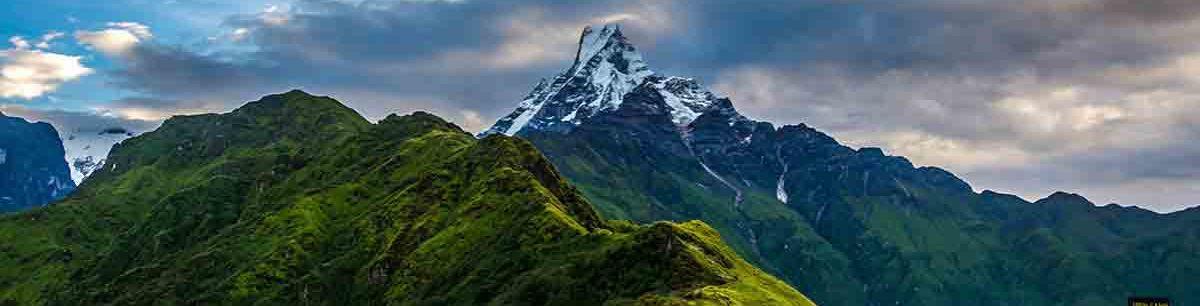
Nar Phu Trek: Hidden Valley in the Himalayas

Rating: 5 out of 5.

One of the most secluded and tranquil hiking routes in the Annapurna region, the Nar Phu Valley trek (4,110m) offers breathtaking views of the Annapurna, Dhaulagiri, Manaslu, Machhapuchhre, Lamjung Himal, Tilicho peak, and other peaks.

A blend of a cultural, adventurous, and scenic phenomenon is the Nar Phu Valley Short Trek. The trip’s primary attractions include a herd of yaks and wild goats, Gombas, glaciers, isolated ancient villages, ranging river forming deep gorges, attractive forests, magnificent rock arrangement, and medieval distinct Tibetan culture handed down from their ancestors.

This location was made accessible to tourists from outside the country in 2002, but it wasn’t until locals began to host them in their homes starting in 2010 that it gained popularity. Prior to it, camping was the only option.

The Annapurna Circuit’s traditional starting point is Besisahar, from where the trip immediately deviates into the secluded Nar & Phu valleys and away from more heavily traveled paths.

You can hang out with locals in Phu as they go about their everyday lives and spend the night in the Nar Phedi monastery while traveling past vibrant Tibetan chortens and prayer stones into deep canyons and gorges.

These are the best ways to discover what it’s like to live in Nepal’s high mountains. If you feel up to it, you can also choose to hike up to Himlung Himal Base Camp.

Nar Phu Valley Trek: Route

The trek through the Nar Phu Valley begins in Koto. The track travels in a round path that goes through the Kang La pass (5.240 m). The journey terminates at the precise location where you started your circle. The tour starts with a drive along the Lamjung road from Kathmandu to Bhulbhule.

After landing in Chyamje, we go out on foot via Koto and Meta till we reach the settlement of Phu. One of the top 108 monasteries in the world, the famed Tashi Lakhang Monastery is one of the places we go in Phu village. With Lamjung Himal, Tilicho, Annapurna, and a number of other peaks as our guardians, we continue on the moraine towards Nar Village.

After traversing the Kang La Pass, we’ll make our way back through the Annapurna Circuit Trek route. Our journey will take us across Muktinath and the renowned Thorong La Pass before ending with a breathtaking flight from Jomsom to Pokhara.

Nar Phu Valley Trek: Permits and Documents

The Nar Phu Valley requires two distinct kinds of licenses for visitors. You must be in a company of at least two trekkers and be escorted by a certified guide because the Valley is a part of the restricted area.

  • Each person had to pay USD 30 for an Annapurna Conservation Area Project permit.
  • Permit for Restricted Areas (September – November) USD 100 for each individual/week
  • Permit for Restricted Areas (December – August) $75 per person per week

To receive the Nar Phu valley trek permit, you must have a copy of your passport, a passport-sized photo, and the original passport with the visa stamp.

Nar Phu Valley Trek: Accommodation

The Nar Phu Valley has little trouble providing travelers with basic lodging because tea houses have started to appear in every settlement area. For a small group of no more than six to ten hikers, it is not a problem.

One twin room costs between $5 and $7 per person per night when two people share it. If you want the entire room to yourself, the price will increase by USD 5-7. Please be aware that even if you are able to pay for the extra bed on your own, you might still have to share a room if it is exceptionally busy, as is the case in other trekking destinations.

Nar Phu Valley Trek: Difficulty

The long days and significant elevation gains make this a difficult climb. There are few accommodations available along the route, which limits the flexibility in the distances that can be completed each day, leading to the lengthy walking days.

The daily altitude rises are fairly significant, and the effects of altitude on the body are seldom predicted. The best candidates for this expedition are individuals who have extensive mountaineering expertise and who are in good physical shape.

Nar Phu Valley Trek: Best Season

This trek is accessible during the monsoon season (June to August), as well as the two busiest travel times (March-May and September-November). Although the road access in the highlands to and from Besisahar could be hampered by mud and landslides during the monsoon, the walk is still delightful. The high pass may become impassable in the winter (December to February) due to snow.

Nar Phu Valley Trek: Cost

The cost for Nar Phu Valley depends on the itinerary and lodging you select. The typical fee ranges from USD 1000 to USD 2000, depending on how long the hike takes. The cost includes a local jeep or local bus to and from Kathmandu, a certified guide, a porter, basic food and lodging, a permit, and all of these things. Depending on the size of the group and the company you choose, the price may vary slightly.

Nar Phu Valley Trek: Meal During the Trek

You can select what you want from the menu at the lodges. The meal is hygienic. But it’s not like the food in cities. Non-vegetarian foods are not advised. It is not clean and fresh.

  • Breakfast: A straightforward meal (Eggs any item has-brown potato, toast or Tibetan Bread, Pancake, Muesli, Oat Porridge etc.)
  • Lunch options include Macorani, Spaghetti, Potato Item, Mo.Mo or dumpling, Pizza, Friend Rice, Fried Noodles, French Fries, etc. Nepali Thali (Plain Rice, Lentil Soup, Potato Curry, Green Vegetable, Papadam,Tomato Hot Spicy, Chicken Curry Optional) is a traditional meal served in Nepal.
  • Dinner options include Macorani, Spaghetti, Potato Item, Mo.Mo or dumpling, Pizza, Friend Rice, Fried Noodles, French Fries, and Nepali Thali (Plain Rice, Lentil Soup, Potato Curry, Green Vegetables, Papadam,Tomato Hot Spicy or Pickle, Chicken Curry Optional).
  • Dessert: Fresh fruit is served as a sweet dessert. Examples include apples, oranges, pomegranates, bananas, and any seasonal fruit.

Feel Free To Contact Us.

Everest Base Camp Trek From India

Rating: 5 out of 5.

In recent years, Indians have been more and more interested in trekking to Everest Base Camp (8848.86 m). As close neighbors, Nepal and India enjoy special access privileges, shared cultural affinities, and discounts on a range of activities, including the Everest Base Camp Trek.

For Indians, the Everest Base Camp Trek is a well-liked adventure trek. A trek along the EBC is something that around 70% of Indian tourists do while visiting Nepal. Trekking all the way as you approach closer to the Everest Base Camp has some very fascinating sights and experiences thanks to its enviable beauty and a lovely enigma.

Many trekkers and mountaineers appreciate Mount Everest, which is renowned for its heavenly settlement. It is also the tallest peak in the world, rising 8848.86 meters above sea level, and it draws tourists to see its breathtaking views.

The trek starts at Lukla, a Sherpa town renowned as the “Gateway to Mt. Everest,” at a height of 2880 meters. Trek to Namche Bazzar by following your knowledgeable guide through the Dudh Koshi Valley. Namche is a thriving commercial center that resembles an amphitheater cut into the mountainside and is home to upmarket mountain resorts, bakeries, shops, and internet cafés. Before moving on to Tengboche, Dingboche, Lobuche, Gorak Shep, and finally Everest Base Camp, spend a day here adjusting to the altitude. Your stamina will be put to the test on strenuous walks to Kala Patthar and Nangkartshang Peak, but you’ll be rewarded with up-close views of many mountains, including Mount Everest, Mount Pumori, Thamserku, Imja Tse/Island Peak, and others. The trip to Everest Base Camp is the trek’s high point, though.

Why does the trek to Everest Base Camp cost less for Indians?

Indians can visit the Everest Base Camp for a lot less money than people from most other nations can. First off, there are many ways to get to Kathmandu and Indians can enter Nepal without a VISA. One can choose ground transportation instead of an expensive aircraft, or even bring their own automobile.

Indians have an advantage during the Everest Base Camp Trek since their permit and travel costs are reduced by a third. Even though the cost of meals and lodging is the same, it is still considerably cheaper.

The overall cost for an Indian to travel to Everest Base Camp is approximately INR 54000 and covers both ways on flights from Kathmandu to Lukla, a trekking guide from Lukla, lodging while on the journey on a twin-sharing arrangement, and breakfast, lunch, and dinner while on the trek.

Everest Base Camp trek from India: Permit

Everyone trekking to Everest Base Camp must apply for permits and below is the price list:

Khumbu Rural Municipality permit costs INR 1250 per person

Sagarmatha National Park permit costs INR 1060 per person Note: The cost of the permit is subjected to change upon season.

Note: The cost of the permit is subjected to change upon season.

Everest Base Camp Trek from India: Difficulty

The trek to Everest Base Camp is of a medium difficulty. It is a familiar trip because of the pre-established pathways and constant movement of people. The Everest Base Camp journey has an incredible atmosphere that draws people in despite the severe elevation and the prevalence of AMS in the upper elevations. Plan your trek in advance at all times. Do not hurry. Start engaging in cardio activities to be prepared and healthy. Stay hydrated and motivated at all times. Altitude The main issue that many hikers face throughout the Everest Base Camp journey is sickness. The importance of insurance in an emergency, helicopter evacuation is necessary. So, get insurance from a reputable provider. Consider the climate and weather when planning a trek.

Everest Base Camp trek from India: Climate and Best Season

For the entirety of the spring season, the weather is perfect for hiking (March to June). In the summer, the temperature rises to 25 degrees and drops to -20 degrees at night, drawing a sizable number of tourists. Beginning in July and lasting through mid-September is the monsoon season. The roads become more hazardous and slick during this time of year due to the heavy rain, making it unwise to go hiking. The best time to go trekking in the Everest region is in the fall, from September to November. Throughout this season, stunning rhododendrons and other wildflowers blanket the entire area. Winter season officially begins in November and lasts until February. This time of year is infamous for its extreme cold. With lows between -36 degrees Fahrenheit and -60 degrees Fahrenheit, January is the coldest month of the year.

Everest Base Camp Trek from India: Accommodation

We offer lodging at typical teahouses or trekking lodges as part of our Everest Base Camp from India Trekking program. In accordance with this method, a room typically accommodates a group of two trekkers of the same gender on two single beds, though we can also offer a single room upon request. The rooms provide with beautiful and warm blankets, pillows, comfy matrices, attached bathrooms (not always), and lovely views. On the other hand, a hotel like Yeti Mountain Home allows guests to seek an upgrade to a Luxury accommodation. While on the tour, we’ll make sure you stay in the best tea houses with breathtaking views of the surrounding mountains and scenery.

Everest Base Camp Trek from India: Things to know

  • We advise you to have a backup day because Kathmandu-Lukla flights can change at any time.
  • Passport, driver’s license, or voter ID are all acceptable forms of identification.
  • One is urged to bring extra cash with them in case of an emergency since there are no ATMs in Lukla. even when purchasing hiking gear in Kathmandu. It is among the best and most affordable locations to purchase the same.
  • At Everest, tea is very pricey. However, it won’t cost you much to receive hot water. Bring your own tea bags with you on the EBC trip.
  • You should pack warm clothing, sunglasses, hiking boots, gloves, a trekking stick, and wool hats, among other hiking accessories. The most crucial item to pack, though, is a sturdy pair of hiking boots that you are accustomed to wearing. The best place to find inexpensive, good-quality trekking clothing is Kathmandu. If you don’t have your own, you can hire one for roughly 500–600 rupees per day.
  • While on the trip, make sure to drink enough of water. Do always keep additional water bottles on hand.
  • It’s crucial to take good care of your skin and eyes. At high altitudes, sunburns develop considerably more quickly, so use sunscreen frequently and cover up with a hat. Sunglasses are a necessity, and if you wear glasses with prescription lenses, you should bring a pair of those or at the very least a clip-on.
  • One of the initial symptoms of issues with altitude can be a headache. Do keep the necessary drugs on hand. Small headaches are typical and shouldn’t scare you or make you quit hiking. It would be wise to climb up or even trek down if it worsens or lingers.

Do Indian citizens require a visa to visit Nepal?

Since Nepal and India are friendly nations with the finest ties possible, neither nation requires a visa for travel to the other country. This contributes to the low cost of Indian trekkers’ trips to the Everest Base Camp.

Feel Free To Contact Us.

Dhampus Peak Climbing

Rating: 5 out of 5.

Thapa Peak Climbing is another name for the 6012-meter/19724-foot Dhampus Peak Climbing. It is situated between the Dhaulagiri and Annapurna mountain ranges. The majestic Dhaulagiri Himalayan Range’s Dhampus peak rises to the north-east of it, to the north-west of the lovely city of Pokhara.

Dhampus is one of the easily climbable mountains above 6000 meters that provides a stunning perspective of the entire Upper Kali Gandaki Valley and the River. You may see breathtaking vistas of more than thirty distinct peaks between the Annapurna and Dhaulagiri ranges after you reach the Dhampus peak.

During this trek, one can explore the Annapurna and Mustang region. Mountains like Mt. Dhaulagiri, Mt. Annapurna I, Mt. Annapurna II, Hiunchuli, Annapurna South, fishtail (Machapuchare), Mt. Nilgiri, Lamjung Himal, and Tukuche peak may all be seen in their breathtaking magnificence. For climbers, Dhampus is a highly fascinating peak situated in the northeast of the massive Dhaulagiri range.

The journey provides an opportunity to investigate the subalpine and temperate highlands of the Annapurna Conservation Area’s flora and fauna.

Dhampus Peak Climbing: Route

The first leg of our climbing adventure is the drive from Kathmandu to Pokhara. There are two possibilities available to us: either we follow the complete Dhaulagiri circuit trip, or we can ascend Dhampus Peak through the quick way of Jomsom. Before we arrive at the base camp for Dhampus Peak, the Dhampus Peak climbing trail through a number of traditional villages and passes through numerous passes that offer amazing views of the Himalayas.

The most important aspect is that it offers a stunning perspective of Annapurna I, II, III, and IV. The main draws in this area are the snow-covered summits Annapurna South, Nilgiri Peak, Tilicho Peak, and many others. We will have a safe day for acclimatization because we are ascending to a greater altitude. From the high camp, we ascend directly and reach the Dhampus summit by following the snow crest. We’ll fly back to Pokhara from Jomsom after making a secure return through Yak kharka.

Dhampus Peak Climbing: Difficulty

This peak may be climbed without prior climbing expertise, although adequate acclimatization as you approach it is crucial. The French Col, Dhampus Pass, Hidden Valley, and the local nomadic culture are just a few of the attractions of the Dhaulagiri Circuit Trek that are all memorable encounters. Dhampus Peak Climbing would be an exceptional adventure retreat thanks to the carefully planned schedule, the knowledgeable Sherpa Climbing guides and Sherpa cooks, and the top-notch climbing equipment.

Dhampus Peak Climbing: Cost

The estimated cost depends on the type of trek being undertaken and the spendthrift factor. However, the price often falls between US $2200 and US $3000. It also depends on how much one wants to treat themselves to various extra indulgences.

Dhampus Peak Climbing: Important Documents and Items

Below are some of the important documents and items you must carry while undergoing the Dhampus Peak Climbing:

  • Valid passport, 2extra passport size photos, airline tickets
  • Separate photocopies of passport, visa form (easily obtained at Kathmandu airport), proof of insurance
  • Dollars, pounds or Euros in cash for purchasing Nepalese visa at Kathmandu airport, for paying for restaurants and hotels, for gratuities, snacks, and to purchase your own drinks and gifts
  • Credit cards, Bank/ATM/Cash machine cards for withdrawing funds from cash machines (bring a photocopy of your cards), traveler’s checks, etc

Dhampus Peak Climbing: Preparation

It is crucial to be in good health before engaging in any form of trekking or climbing. The majority of peak climbing is appropriate for enthusiastic trekkers who can travel light and go for at least 6-7 hours per day.

The duration of the climb or walk need not be 6-7 hours per day; on occasion, it may even be 7-8 hours. Although walking at higher elevations is more physically taxing than walking at lower altitudes, if we are in good physical shape, have a positive outlook, and have a strong sense of determination, we can complete the trek successfully.

To increase our strength and stability, it’s a good idea to exercise and jog frequently. Although it would be advantageous to have prior hiking experience, no technical knowledge is necessary for this excursion. Additionally, we suggest that you speak with your doctor(s) before traveling.

Dhampus Peak Climbing: Accommodation

The lodging options for the Dhampus Peak Climb excursion are modest and do not include many opulent amenities. You might need to get used to using the shared bathrooms and enjoying the fireplace’s warmth. Similar to this, meals are provided three times daily during the designated set periods during the Dhampus Peak Climb excursion.

Dhampus Peak Climbing: Altitude Sickness

Altitude sickness is a danger associated with climbing endeavors like the Dhampus Peak Climb and is managed along the trek through various acclimatization techniques including hiking. Acute Mountain Sickness (AMS), High Altitude Pulmonary Edema (HAPE), and High Altitude Cerebral Edema are the three stages of altitude sickness that we need to be aware of. Following are some strategies for avoiding altitude sickness:

  • Hydration: It’s crucial to stay hydrated, so drink lots of water.
  • Trekking Pace: Go at your own speed while taking your time and taking it easy.
  • Eat more carbohydrates. We don’t often hear the advice to do so, but greater altitudes mean you require more calories.
  • Avoid Alcohol: Alcohol, cigarettes, and drugs like sleeping pills can exacerbate the symptoms of altitude sickness. Prevent it, then.
  • Medication– Altitude sickness can be avoided by taking acetazolamide (Diamox) two days prior to departure as well as while traveling. A drug called acetazolamide is frequently prescribed to treat glaucoma. However, it’s also employed to avoid altitude sickness.

Feel Free To Contact Us.

Dashain: Join The Biggest Festival in Nepal!

Rating: 5 out of 5.

The longest Hindu festival in Nepal lasts for two weeks and is traditionally observed with prayers and offerings to Durga, the goddess of the universe. Dashain, Nepal’s biggest harvest holiday, is a time for getting together with family, exchanging presents and blessings, and participating in elaborate pujas. Dashain celebrates the goddess Durga, who was fashioned from the shakti, or energy, of all the gods and outfitted with a variety of their respective weapons. To ensure the advancement and prosperity of her worshippers, Goddess Durga, who stands for bravery and prowess, is worshipped and offered sacrifices. In the first 10 days, pilgrims congregate at holy shrines in the evening and at numerous river confluences early in the morning. The series of Dashain festivities known as Ghatasthapana, Phool Pati, Mahaastami, Nawami, and Vijaya Dashami are each commemorated with a unique set of customs.

In their finest attire, men and women visit their elders during Dashain to ask for tika, a dab of crimson vermilion mixed with yogurt and rice, as well as blessings. There is also sword precessions (Paayaa) in different parts of the Kathmandu Valley. At Hanuman Dhoka during Nawami, many animals are formally sacrificed in front of officials, invited guests, and tourists. The Taleju Temple, which is ordinarily off limits, is open to visitors on the ninth day. The full moon occurs on the final day, which is called Kojagrat Purnima. The highlights of Dashain include new clothing, home visits, lavish feasts, kite flying, and village swings. At this time, a significant portion of Kathmandu’s populace departs for their own homes across the nation. On the tenth day, also known as Tika, people can be seen walking around wearing new clothing and having rice tika placed over their foreheads. As people visit relatives’ houses to get tika and blessings, there is tremendous feasting.

Dashain: Significance and History

It represents the victory of the goddess Durga to Shaktism adherents. According to Hindu mythology, the demon Mahishasura terrorized devaloka, the place where gods reside, but Durga destroyed the devils, also known as demons. The struggle between the various avatars of Mahishasura and Durga is symbolized by the first nine days of Dashain. He was finally vanquished by Durga on the tenth day. Other Hindus interpret this celebration as a representation of Ram’s triumph over Ravan, as told in the Ramayana. It represents the triumph of good over evil.

Dashain: Celebration in Days

Even though Dashain is a fifteen-day festival that lasts continuously, several of the days are particularly significant. Let’s learn more about Dashain by going over what happens on various days:

Day 01:

Dashain officially begins on Ghatasthapana. Literally, it means setting a pot or kalasha, which represents the goddess Durga. On the first day of the event, Ghaṭasthāpana falls. On this day, barley seeds are sewed into the Kalash after it has been filled with holy water. The Kalash is then placed in the middle of a square sand block. The remaining sand bed has grains scattered across it as well. The priest then begins the puja by requesting that Durga appear and bless the vessel. This ritual is carried out at a specific auspicious moment that the astrologers have chosen. During Navaratri, the goddess is said to stay in the vessel. The Dashain Ghar is the name of the space where all of this takes place. Two times a day, in the morning and in the evening, a member of the household offers prayers to the Kalash. The Kalash is protected from the sun’s rays. By the ninth day of the festival, the seed will have developed into yellow grass thanks to daily offerings of holy water. The name “jamara” refers to this holy plant. Up until the seventh day, these ceremonies are performed.

Day 07: Phulpati:

A significant event called Phulpati is observed on the seventh day of Dashain. Phul, which means flower, and pati, which means leaf, make form the word Phulpati. The royal Kalash, banana stalks, jamara, and sugar cane are traditionally brought on this day by Magars from Gorkha, which is located around 169 kilometers (105 miles) from the Kathmandu Valley and requires a three-day hike. To witness the occasion, hundreds of government representatives congregate on the Tundikhel grounds in traditional formal attire. After then, the Nepalese Army puts on a magnificent performance, and for the next ten to fifteen minutes, weapons are fired in celebration in honor of Phulpati. By the time the event concludes in Tundikhel, a parade is held before the Phulpati is carried to the Hanuman Dhoka Royal Palace.

Day 08: Maha Asthami

Maha Ashtami is the name of the eighth day of the Dashain festival. Devotees worship both Durga and Kali on this day. It is said that on this day, the fiercest aspect of Goddess Durga, Kali, emerged from the sacrifice of goats, chickens, ducks, and buffaloes. Blood was donated to the Goddess as a fertility symbol by worshippers. The eighth day is additionally referred to as Kal Ratri (Dark Night). The meat of chickens, goats, buffaloes, and ducks was eaten by people as prasad (gifts) from the goddess. The meat is edible through the fifteenth day of Nepal’s Dashain celebration.

Day 09: Nawami:

Maha Nawami, the ninth day of the celebration, is the final day of Navaratri. The festivities continue to this day, reaching their pinnacle. In the Hanuman Dhoka Royal Palace, the state gives the sacrifice of buffaloes while receiving gun salutes. The god of creativity, Vishwa Karma, is worshipped during the day, and sacrifices of duck, goat, duck eggs, and hens are made to various tools, machinery, and automobiles. The worship of the automobiles on this day, according to the devotees, will avert mishaps in the future. The Taleju temple’s gates are only open to the public on the ninth day of Dashain. Throughout the day, thousands of devotees visit to pray and praise the goddess.

Day 10: Vijaya Dashami:

The tenth day of the Dashain festival in Nepal is considered the most auspicious, Vijaya Dashami. On this day, the eldest person in the home—typically the parents—places Jamara (Sacred yellow grass) and Tika (a concoction of rice, yogurt, and vermillion powder), as well as blessings with Dakshina (money) and presents. To place tika and receive blessings from their elderly relatives, people typically travel to their relatives’ homes. This custom may persist for four days. Family members get together and eat a variety of foods.

Day 15: Kojagrat Puja:

The final day of Dashain that falls on Kojagrata Purnima, a full moon day, is the fifteenth day of Dashain. The Kojagrata’s literal meaning is “who is awake.” People celebrate Laxmi, the goddess of wealth, on this day. They hold that the goddess, who has been awake all night, will descend to the earth on this day and bestow prosperity upon her. The evening is spent with card games and other activities.

Feel Free To Contact Us.

Badimalika Trek: Where Heaven Meets Earth

Rating: 5 out of 5.

One of the newest trekking routes recognized by the Trekking Agencies Association of Nepal (TAAN), Badimalika(4200M) has the potential to provide tourists with breathtaking vistas of the Himalayas, including Api and Saipal himal, as well as the religious significance that this temple possesses. In addition to providing stunning mountain vistas, Badimalika Trekking is also abundant in flora and fauna.

The woodlands in this area are home to some of the rarest fauna, including musk deer, bear, leopard, and barking deer, along with about 250 species of birds. After arriving in Dhangadi by air, we board a vehicle and head south toward Karala, where the Badimalika trekking trail begins. We travel back to Dhangadi while passing the towns of Tribeni Badimalika, Natshwori, and Moura.

Compared to other trekking routes, this route is hazardous. Thus, it takes top physical condition to trek off-road for more than two weeks while carrying big baggage. It is located in Nepal’s far western region. This trip takes 12 to 15 days to complete. The Goddess Bhagwati is supposed to be honored in the Badimalika Temple.

The annual event known as Ganga Dashahara takes place in the temple on an August full moon night. Thousands of pilgrims travel from Nepal and nearby nations to this temple to pray and worship. Khaptad National Park, one of Nepal’s smallest national parks with a total area of just 225 square kilometers, is also located in the trekking region.

Badimalika Temple: History

The Bajura district’s Badimalika Temple (4,200 meters) is situated at the top of a hill). Each year in the month of Bhadra, this temple hosts a fair (August). In order to pray at the temple, pilgrims travel from all across Nepal in the hopes that their wishes will be fulfilled. There are two official fairs: one during Ganga Dashara and one during Janai Purnima.

Hikers are recommended to hire local guides because the area is undeveloped and the path lacks signposts and other infrastructure. According to Hindu legend, all the gods save Mahadev were invited to a Yagya that Sati Devi’s father Daksha Prajapati staged. Sati attended his father’s Yagya ceremony and questioned the exclusion of her spouse.

According to Daksha Prajapati, Mahadev was an unsuitable guest for such a significant Yagya since he consumed wine, used ganja, slept in graves, wore dreadlocks, covered his body in ash, and covered himself in tiger skin. He also wore a serpent around his neck and covered himself in ash.

Sati plunged herself into the Yagya fire and perished because she was unable to take the insult to her husband.Mahadev was enraged at the news of her passing, so he sent Birbhadra and Bhoot Gana to kill DakshaPrajapati and demolish the Yagya.Mahadev traveled the globe while carrying Sati’s body.As Sati’s corpse rotted and pieces dropped off, the areas where they landed evolved into shakti peethas and places of worship.During this process, the Mallagiri mountain buried her left shoulder. Mallagiri was referred to at the time as Malika.

Badimalika Trek: Best Season

Although Badimalika Trek can be completed at any time of year, autumn is thought to be the best season for the trek. The months of September, October, and November provide clear skies and comfortable daytime temperatures. The weather is cool in the mornings and nights, and the excellent visibility makes it possible to enjoy breathtaking views of the environs.

In Nepal, the spring is also the best time to go on the Badimalika Trek. The spring season is referred to in Nepal as the months of March, April, and May. Since Mother Nature is spreading her wings and giving us stunning sights along the way, this month is also known as flower season.

Badimalika Trek: Difficulty

The precise location of Badimalika is challenging to get to. You will have issues as a result of the inadequate infrastructure. In Nepal’s western region is a place called Badimalika. Consequently, this walk is really challenging, but the outcome is incredible. While traveling, you’ll experience excitement and adventure. It is one among Nepal’s top locations for hiking. For this trek, you must prepare both physically and mentally. Although it is a challenging trek, you will view the stunning Himalayas, lush countryside, and heaven on earth. The lovely pace of that location will make you feel wonderful.

Badimalika Trek: Cost

You determine how much the trek to Badimalika Trek will cost. Because it depends on you if you travel alone. However, it is advised that you go here as a group. It refers to how much cash you spend while traveling. The Badimalika trip typically costs $1999 per person. It includes all costs associated with getting from Kathmandu to Dhangadi, including airfare, lodging, a trekking guide, and other necessary amenities. Therefore, this price range is typical for the trekking route.

Badimalika Trek: Equipment

Below are some of the important gear list required during the trek:

  • Waterproof Jackets
  • Waterproof Pants
  • Hands and foot cover
  • Down Jacket
  • Quick-drying t-shirts
  • Thermal T-shirt
  • Raincoat
  • Tents
  • Medicine as per the guide
  • Sleeping Bags
  • LED headlamp
  • Trekking Poles
  • Waterproof Boots
  • Dry foods

Badimalika Trek: Accommodation

Rural terrain surrounds Badimalika. As a result, there aren’t enough lodging options. There are some tea houses along the route that offer lodging and dining options, but don’t anticipate high-quality service. As a result, the traveler must bring all the necessities.

Feel Free To Contact Us.