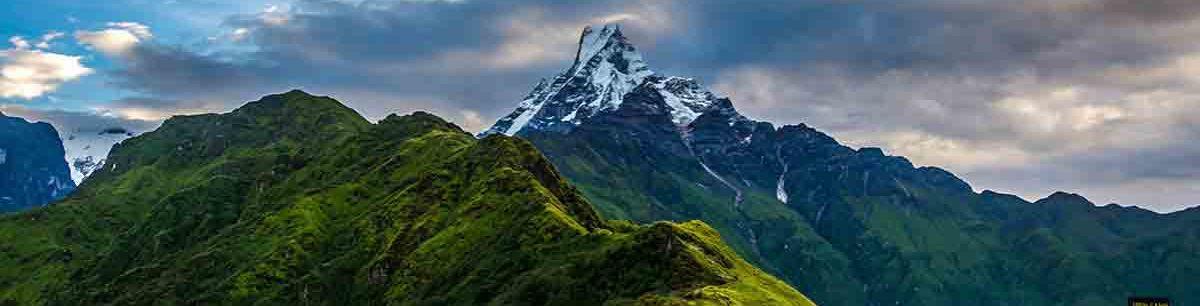
10 Must Read Nepal Travel Blogs for 2026: Plan Your Perfect Nepal Tour

Planning a trip to Nepal in 2026? This guide to Nepal travel blogs 2026 will help you discover the most valuable insights for organizing an unforgettable journey. From breathtaking Himalayan treks to rich cultural experiences in places like Kathmandu and adventure hubs such as Pokhara, Nepal offers something for every traveler. By exploring the right travel blogs, you can gain practical tips, avoid common mistakes, and confidently plan every aspect of your Nepal tour.

However, planning such a diverse trip requires more than just booking flights. One of the smartest ways to prepare is by reading detailed travel blogs that offer real insights, practical tips, and firsthand experiences. This guide highlights 10 must-read Nepal travel blog topics that will help you plan a smooth, safe, and unforgettable journey in 2026.


Why Read Nepal Travel Blogs Before Your Trip?

Travel blogs provide valuable, experience-based information that goes beyond typical guidebooks. They help you understand:

  • Trek difficulty levels and real conditions
  • Cultural norms and etiquette
  • Accommodation standards on trekking routes
  • Food options and costs
  • Seasonal travel considerations

For instance, many blogs explain how teahouses provide basic but comfortable lodging and how meals like dal bhat are widely available and ideal for trekkers. These insights help you set realistic expectations and prepare effectively.


Solo Female Travel in Nepal: A Complete Guide

Solo travel—especially for women—is growing in popularity in Nepal. Informative blogs on this topic typically cover:

  • Safety tips and cultural awareness
  • Recommended trekking routes
  • How to interact confidently with locals
  • Tips for hiring guides or porters

Nepal is generally considered safe, but understanding local customs—such as dressing modestly and respecting traditions—can significantly enhance your experience.

👉 Why read it: Essential for building confidence and ensuring safety while traveling solo.


Island Peak Climbing Guide for Beginners

If you’re ready to take your adventure beyond trekking, Island Peak is one of the best beginner-friendly climbing options.

Blogs on this topic usually include:Complete Guide to Climbing Island Peak (6,189 m) in Nepal — An Honest, Practical Handbook

  • Fitness and training requirements
  • Equipment and gear checklists
  • Permits and climbing routes
  • High-altitude preparation

Island Peak offers a mix of trekking and mountaineering, making it ideal for those seeking a first Himalayan summit experience.

👉 Best for: Adventure seekers stepping into mountaineering.


Everest Base Camp Trek: Complete Planning Guide

The Everest Base Camp trek is one of the most iconic adventures in the world.

Travel blogs provide insights into:

  • Detailed itineraries and route breakdowns
  • Altitude sickness prevention
  • Packing essentials
  • Budget planning

This trek combines stunning mountain views with the rich culture of the Sherpa community.

👉 Pro tip: Always prioritize acclimatization days to reduce altitude risks.


Annapurna Region Treks: Which One Should You Choose?

The Annapurna region offers a variety of trekking options suitable for different experience levels.

Popular choices include:

  • Annapurna Base Camp Trek
  • Annapurna Circuit Trek
  • Ghorepani Poon Hill Trek

Blogs comparing these treks often highlight differences in scenery, duration, and difficulty, helping you choose the best route for your trip.

👉 Ideal for: Both beginners and experienced trekkers.


Honey Hunting in Nepal: A Rare Cultural Experience

One of Nepal’s most unique traditions is honey hunting, practiced by indigenous communities in remote regions.

Blogs explain:

  • The process of collecting honey from cliffside hives
  • Cultural rituals and traditions
  • Best times and places to witness it

This centuries-old practice involves climbing steep cliffs using handmade rope ladders, making it both fascinating and dangerous.

👉 Why read it: Perfect for travelers interested in authentic cultural experiences.


Where to Stay in Kathmandu

Your journey will likely begin and end in Kathmandu, Nepal’s capital.

Travel blogs guide you through:

  • Budget guesthouses and boutique hotels
  • Areas like Thamel, Patan, and Lazimpat
  • Facilities such as Wi-Fi, hot showers, and gear storage

Choosing the right accommodation can make a big difference in your comfort and recovery before or after trekking.

👉 Best for: Trip preparation and relaxation.


Teahouse Experience in Nepal: Expectation vs Reality

Teahouses are an essential part of trekking in Nepal.

Blogs covering this topic provide details on:

  • Room conditions and shared facilities
  • Food menus and pricing
  • Availability of electricity and Wi-Fi

Prices generally increase with altitude due to transportation challenges, and simple meals like dal bhat remain a staple for trekkers.

👉 Why it matters: Helps set realistic expectations for mountain accommodation.


Adventure Travel in Nepal: Beyond Trekking

Nepal is not just about hiking. It’s also a hub for adrenaline-filled activities.

Popular experiences include:

  • Paragliding in Pokhara
  • White-water rafting in Himalayan rivers
  • Bungee jumping near the Tibetan border

Travel blogs highlight how Nepal is evolving into a multi-adventure destination with improved infrastructure and safety standards.

👉 Best for: Travelers seeking variety and excitement.


Best Time to Visit Nepal in 2026

Timing your trip can greatly impact your experience.

Blogs consistently recommend:

  • Spring (March–May): Ideal for trekking and climbing
  • Autumn (September–November): Clear skies and stable weather

Each season offers unique advantages, from blooming rhododendrons to crisp mountain views.

👉 Tip: Avoid the monsoon season unless focusing on cultural tours or rafting.


Sustainable Travel and Responsible Tourism in Nepal

Sustainable tourism is becoming increasingly important in Nepal.

Blogs discuss:

  • Supporting local communities
  • Minimizing environmental impact
  • Choosing ethical trekking practices

Tourism plays a crucial role in supporting rural livelihoods, education, and conservation efforts.

👉 Why it matters: Travel responsibly while preserving Nepal’s natural beauty.


Key Takeaways for Planning Your Nepal Tour

After exploring these essential blog topics, here’s how to plan effectively:

1. Choose the Right Trek

Match your fitness level and time availability with the appropriate route.

2. Prepare for Altitude

Acclimatization is key to avoiding altitude sickness.

3. Pack Smart

Layered clothing, proper footwear, and essential gear are must-haves.

4. Respect Local Culture

Simple gestures like greeting locals with “Namaste” go a long way.

5. Travel Responsibly

Support local businesses and minimize environmental impact.


Why Nepal in 2026 Is Worth Visiting

Nepal continues to improve its tourism infrastructure while maintaining its authenticity. In 2026, travelers can expect:

  • Better trekking facilities
  • Improved safety and communication systems
  • Easier permit processes
  • Increased focus on sustainable tourism

Despite these developments, Nepal still offers raw, untouched beauty and deeply immersive cultural experiences.


Final Thoughts

Planning your Nepal adventure becomes much easier when you rely on well-written travel blogs. From trekking guides and accommodation tips to cultural insights and seasonal advice, these blog topics provide everything you need to prepare.

Whether you’re heading to Everest Base Camp, exploring the Annapurna region, or enjoying adventure sports in Pokhara, Nepal in 2026 promises a journey filled with discovery, challenge, and unforgettable memories.

Quick Inquiry Form

Exploring Nepal’s Art, Architecture, and Sacred Sculptures: A Complete Guide for International Tourists

Exploring Nepal’s art, architecture, and sacred sculptures is an unforgettable journey into one of the world’s richest living cultural landscapes. While Nepal is globally known for Mount Everest and Himalayan trekking, its artistic and architectural heritage offers international tourists a deeper, more meaningful travel experience rooted in spirituality, craftsmanship, and centuries-old tradition.

From intricately carved wooden temples and royal palace courtyards to monumental stupas and finely cast bronze deities, Nepal presents a rare fusion of Hindu and Buddhist artistic expression. These sacred monuments are not relics preserved behind glass—they remain active centers of worship, community gatherings, and vibrant festivals. For international travelers seeking authentic cultural tourism in Nepal, understanding its architectural styles and sacred iconography enhances both appreciation and connection.

This guide provides a comprehensive overview of Nepal’s historic cities, temple architecture, religious symbolism, and sculptural mastery—helping visitors experience Nepal not just as a destination, but as a living gallery of sacred art and design


Why Nepal’s Art and Architecture Attract International Tourists

Nepal stands at the crossroads of Hindu and Buddhist civilizations. For centuries, artisans, monks, and royal patrons have shaped cities into sacred landscapes where religion, craftsmanship, and daily life intertwine.

International tourists are particularly drawn to Nepal because:

  • It hosts multiple UNESCO World Heritage Sites.
  • Sacred monuments are still active places of worship.
  • Medieval urban planning remains intact in heritage cities.
  • Traditional craftsmanship continues through family lineages.
  • Art and religion coexist in every public square.

Unlike many countries where heritage is confined to museums, Nepal’s architecture and sculptures function within living traditions.


Kathmandu Valley: The Cultural Epicenter of Nepal

The Kathmandu Valley is the heart of Nepal’s artistic and architectural legacy. Within a relatively small geographical area, travelers encounter palace complexes, pagoda temples, Buddhist stupas, stone sculptures, and monastic courtyards.

Kathmandu

Kathmandu serves as the primary gateway for international tourists. Its historic core, Kathmandu Durbar Square, reflects centuries of royal patronage and Newar craftsmanship.

Architectural Characteristics:

  • Multi-tiered pagoda temples
  • Intricately carved wooden windows
  • Brick-paved courtyards
  • Stone guardian sculptures
  • Palace complexes such as Hanuman Dhoka

The pagoda style, widely believed to have originated in Nepal before spreading across Asia, dominates much of the valley’s temple architecture.

Kathmandu’s heritage spaces remain active, especially during festivals, when chariots, masked dancers, and sacred images transform public squares into open-air ritual theaters.


Bhaktapur

Bhaktapur is often described as Nepal’s best-preserved medieval city. Walking through its narrow brick lanes feels like stepping into a historical manuscript written in stone and wood.

Key Highlights:

  • Nyatapola Temple, a five-tiered pagoda masterpiece
  • 55-Window Palace with detailed wooden carvings
  • Pottery Square, where traditional craftsmanship thrives
  • Stone statues guarding temple staircases

Bhaktapur exemplifies Newar urban design—organized around central squares (Durbar Squares), with temples forming the social and spiritual nucleus of city life.

For international tourists interested in architectural symmetry, structural engineering of ancient temples, and decorative carving traditions, Bhaktapur offers unmatched authenticity.


Patan

Patan, also known as Lalitpur (City of Fine Arts), is widely considered Nepal’s artistic capital.

Unlike Kathmandu’s dense royal core or Bhaktapur’s preserved medieval ambiance, Patan is especially renowned for its sculptural and metal casting traditions.

Cultural Features:

  • Krishna Mandir (stone shikhara-style temple)
  • Golden Temple (Hiranya Varna Mahavihar)
  • Patan Durbar Square’s harmonious temple complex
  • Traditional bahal (monastic courtyards)

Patan Museum provides one of South Asia’s finest collections of sacred metal sculptures, explaining iconography, symbolism, and artistic techniques in detail—ideal for international tourists seeking scholarly insight.


Sacred Buddhist Architecture in Nepal

Buddhism has profoundly influenced Nepal’s artistic development. Monasteries, stupas, and prayer structures dominate the spiritual skyline.

Boudhanath Stupa

Boudhanath is one of the largest spherical stupas in the world and a major center of Tibetan Buddhism.

Architectural Elements:

  • Massive white dome symbolizing the cosmos
  • Harmika with Buddha’s all-seeing eyes
  • Spire representing stages of enlightenment
  • Surrounding prayer wheels and monasteries

International tourists often participate in “kora,” the ritual circumambulation performed clockwise around the stupa, enhancing spiritual engagement.

Swayambhunath

Swayambhunath, perched on a hilltop, blends Hindu and Buddhist symbolism.

Distinctive Features:

  • Ancient stupa structure
  • Stone carvings and shrines
  • Monasteries surrounding the main dome
  • Panoramic views of Kathmandu Valley

Its layered symbolism reflects Nepal’s religious harmony and architectural diversity.


Sacred Hindu Architecture and Ritual Spaces

Hindu temples in Nepal reflect both indigenous and Indian subcontinental influences.

Pashupatinath Temple

Pashupatinath Temple is one of the most sacred Shiva temples in the Hindu world.

Architectural and Cultural Highlights:

  • Two-tiered pagoda roof with golden finish
  • Silver-plated temple doors
  • Sacred lingam representing Shiva
  • Cremation ghats along the Bagmati River

Although non-Hindus cannot enter the inner sanctum, international tourists can explore the expansive complex and observe rituals from designated areas.

The temple complex demonstrates how architecture and spirituality merge in daily life.


Traditional Architectural Styles in Nepal

Understanding architectural typology enhances appreciation for Nepal’s built heritage.

Pagoda Style

  • Multi-layered roofs
  • Broad projecting eaves
  • Carved wooden struts
  • Brick foundations

This style originated in Nepal and influenced East Asian temple architecture.

Shikhara Style

  • Vertical tower-like structure
  • Stone construction
  • Inspired by North Indian temple design

Krishna Mandir in Patan exemplifies this form.

Stupa Architecture

  • Hemispherical dome
  • Square harmika
  • Central spire with symbolic tiers

Stupas represent Buddhist cosmology and spiritual ascent.


Sacred Sculptures of Nepal: Craft, Iconography, and Symbolism

Nepal is internationally respected for its bronze and copper alloy sculptures.

Common Deities Depicted:

  • Shiva in meditative and dancing forms
  • Vishnu reclining on serpent Ananta
  • Buddha in dhyana (meditation) posture
  • Avalokiteshvara (Bodhisattva of compassion)
  • Durga slaying Mahishasura

Nepali artisans follow precise iconographic guidelines derived from ancient scriptures, ensuring symbolic accuracy in proportion, gesture (mudra), and expression.

The Lost-Wax Casting Tradition

The lost-wax technique (cire perdue) remains central to metal sculpture production in Patan.

Process Overview:

  1. Creation of a wax model
  2. Clay mold formation
  3. Melting and draining wax
  4. Pouring molten metal
  5. Finishing and polishing

This centuries-old technique ensures high precision and durability, making Nepali sculptures highly valued in international art markets and museums.


Festivals as Living Art Exhibitions

Nepal’s art and architecture are most vibrant during festivals.

Major cultural celebrations include:

  • Indra Jatra (Kathmandu)
  • Bisket Jatra (Bhaktapur)
  • Rato Machhindranath Jatra (Patan)

During these events:

  • Chariots are intricately decorated.
  • Sacred masks are displayed.
  • Statues are paraded through city streets.
  • Traditional music and dance accompany rituals.

International tourists visiting during festival seasons witness art in dynamic motion rather than static display.


Museums for Cultural Understanding

For structured learning, international tourists can explore:

  • Patan Museum (metal sculptures and iconography)
  • National Museum of Nepal (historical artifacts)
  • Taragaon Museum (architectural documentation)

These institutions provide contextual knowledge essential for appreciating Nepal’s sacred heritage.


Responsible Cultural Tourism in Nepal

Sustainable tourism is vital for preserving Nepal’s art and architecture.

International visitors should:

  • Dress modestly in religious sites.
  • Remove shoes before entering temples.
  • Avoid touching sacred sculptures.
  • Support local artisans by purchasing authentic crafts.
  • Hire licensed cultural guides for deeper interpretation.

Post-earthquake restoration efforts have rebuilt many heritage monuments, and tourism revenue continues to support conservation initiatives.


Suggested Cultural Itinerary for International Tourists

4–6 Day Cultural Focus Plan:

Day 1: Kathmandu Durbar Square and Swayambhunath
Day 2: Patan Durbar Square and Museum
Day 3: Bhaktapur Durbar Square
Day 4: Boudhanath and Pashupatinath
Optional Extension: Lumbini (Birthplace of Buddha)

This itinerary allows travelers to experience architectural diversity, sacred sculptures, and living religious traditions within a manageable timeframe.


The Global Importance of Nepal’s Artistic Heritage

Nepal’s art is not confined to history; it is a living, evolving tradition. Artisans continue carving wood, casting metal statues, painting paubha artworks, and restoring temples using traditional methods.

Monks chant in monasteries. Priests conduct daily rituals. Devotees circumambulate stupas. Sculptures remain sacred objects rather than museum artifacts.

For international tourists, exploring Nepal’s art, architecture, and sacred sculptures is an immersive journey into a civilization where spirituality and craftsmanship are inseparable.


Conclusion

Exploring Nepal’s art, architecture, and sacred sculptures offers international tourists a rare opportunity to engage with one of the world’s most culturally concentrated regions. From pagoda temples and stone shrines to monumental stupas and bronze deities, Nepal’s heritage landscape is both visually stunning and spiritually profound.

Whether you are a cultural traveler, historian, photographer, or spiritual seeker, Nepal invites you to explore its sacred artistry—where architecture tells stories, sculptures embody devotion, and history lives within every courtyard.

Nepal is not merely a trekking destination; it is a living gallery of sacred design and timeless craftsmanship waiting to be discovered.

Destination Wedding in Nepal: Celebrate Love While Exploring the Best Nepal Tour Packages

A destination wedding in Nepal offers couples an extraordinary opportunity to combine sacred traditions, Himalayan scenery, and immersive travel experiences into one unforgettable celebration. Unlike conventional wedding destinations, Nepal allows you to exchange vows surrounded by ancient temples, serene lakes, or majestic mountain ranges—while seamlessly integrating your ceremony with curated Nepal tour packages.

For couples seeking romance, cultural depth, and adventure, Nepal presents the perfect balance between meaningful rituals and world-class tourism experiences. This guide explores why a wedding in Nepal is becoming a top choice for international couples and how it can elevate Nepal’s tourism appeal.


Why Choose Nepal for a Destination Wedding?

Nepal stands at the intersection of spirituality, natural beauty, and heritage. From UNESCO-listed monuments to panoramic Himalayan views, the country provides diverse wedding settings suited to different styles and budgets.

Key Advantages:

  • Dramatic Himalayan backdrops
  • Deep-rooted Hindu and Buddhist traditions
  • Affordable luxury compared to other global destinations
  • Warm hospitality and professional event services
  • Easy integration with honeymoon and Nepal tour packages

A destination wedding in Nepal is not just about a single-day event—it is a multi-day cultural and travel experience for couples and guests alike.


Top Wedding Destinations in Nepal

Kathmandu – Heritage and Spiritual Grandeur

Kathmandu, Nepal’s cultural capital, is rich with ancient temples, monasteries, and palace squares. Couples who desire a traditional and spiritually significant ceremony often choose this city.

Popular wedding backdrops include:

  • Pashupatinath Temple
  • Boudhanath Stupa
  • Kathmandu Durbar Square

A Kathmandu wedding can be paired with heritage tours, monastery visits, and guided explorations of local markets, creating a culturally immersive experience for guests.

Pokhara – Lakeside Romance with Mountain Views

Pokhara is widely recognized as Nepal’s most romantic city. Nestled beside Phewa Lake and framed by the Annapurna mountain range, it offers a serene and picturesque setting for wedding ceremonies.

Couples often choose:

  • Lakeside resort venues
  • Sunset vow exchanges at Sarangkot
  • Intimate garden ceremonies

Pokhara also allows guests to enjoy adventure tourism activities such as paragliding, boating, and short mountain hikes, making it ideal for combining a wedding with Nepal tour packages.

Annapurna Region – Intimate Himalayan Ceremonies

For couples seeking exclusivity and adventure, the Annapurna region provides boutique mountain resorts and breathtaking natural backdrops. These weddings are typically smaller, focused on close family and friends.

After the ceremony, couples can explore:

  • Scenic trekking routes
  • Helicopter tours over the Himalayas
  • Wellness retreats with panoramic views

This combination of celebration and exploration enhances Nepal’s appeal as a premier destination wedding location.


Types of Destination Weddings in Nepal

Traditional Hindu Wedding

Traditional Nepali Hindu weddings include sacred fire rituals (Agni), priest-led chanting, and vibrant cultural attire. These ceremonies are deeply symbolic and rooted in centuries-old traditions.

Buddhist Blessing Ceremony

Held at monasteries, Buddhist wedding blessings emphasize peace, harmony, and spiritual unity. These ceremonies are ideal for couples seeking mindfulness and simplicity.

Luxury Resort Wedding

Modern venues across Kathmandu and Pokhara offer full-service wedding planning, catering, décor, and entertainment for upscale celebrations.

Elopement Wedding

Minimalist ceremonies in mountain or lakeside settings cater to couples who prefer privacy and intimacy over large gatherings.


Best Nepal Tour Packages to Combine with Your Wedding

A destination wedding in Nepal naturally transitions into an unforgettable honeymoon or group tour. Below are popular Nepal tour options that complement wedding celebrations.

Cultural Heritage Tour

Explore the historic landmarks of the Kathmandu Valley, visit ancient temples, and experience traditional Nepali cuisine.

Everest Scenic Flight

A mountain flight provides a close-up view of Mount Everest without trekking, making it ideal for guests with limited time.

Annapurna Short Trek

Perfect for adventurous couples seeking light trekking experiences after the wedding festivities.

Wildlife Safari in Chitwan National Park

Chitwan offers jungle safaris, canoe rides, and opportunities to observe rhinoceroses and other wildlife. It adds diversity to wedding travel itineraries.

Luxury Romantic Retreat

Mountain-view resorts in Pokhara and Dhulikhel provide spa treatments, wellness programs, and private suites designed for honeymooners.


Legal Requirements for a Wedding in Nepal

Foreign nationals can legally marry in Nepal by completing specific administrative procedures:

  • Obtaining a temporary residence certificate
  • Submitting passport copies
  • Providing proof of single status
  • Registering the marriage at the district court

Professional wedding planners typically assist with documentation to ensure a smooth process.


Estimated Cost of a Destination Wedding in Nepal

One of Nepal’s strongest advantages is affordability. Compared to destinations like Bali or Europe, Nepal provides high-value wedding experiences at competitive prices.

Estimated Budget Range:

  • Intimate wedding: $3,000–$7,000
  • Mid-size wedding: $8,000–$15,000
  • Luxury wedding: $20,000+

Costs depend on venue, guest count, décor, catering, photography, and tour package inclusions.

Bundling wedding arrangements with Nepal tour packages often results in cost efficiencies and added value.


Best Time for Weddings and Nepal Tours

Nepal’s climate varies by season, but the most favorable months are:

  • Spring (March–May): Clear skies and blooming rhododendrons
  • Autumn (September–November): Stable weather and excellent mountain visibility

These seasons offer ideal conditions for outdoor ceremonies and sightseeing tours.


Enhancing Guest Experience Through Cultural Activities

A destination wedding in Nepal can become a multi-day celebration enriched with cultural immersion:

  • Traditional dance performances
  • Mehendi and Sangeet ceremonies
  • Guided heritage walks
  • Meditation sessions
  • Nepali cooking classes

These experiences deepen guests’ appreciation of Nepal’s culture while supporting local communities.


Sustainable Wedding Tourism in Nepal

Sustainability is increasingly important for modern couples. Nepal supports responsible tourism initiatives, including:

  • Eco-friendly décor options
  • Organic catering
  • Community-based tourism projects
  • Support for local artisans

Choosing Nepal for your destination wedding contributes directly to local employment and heritage preservation.


Photography and Cinematic Opportunities

Nepal offers unmatched visual diversity for wedding photography:

  • Himalayan sunrise backdrops
  • Temple courtyard rituals
  • Lakeside reflections
  • Monastery blessings

Professional photographers in Nepal specialize in combining cultural storytelling with natural landscapes.


How Destination Weddings Boost Nepal Tourism

Destination weddings significantly contribute to Nepal’s tourism economy by:

  • Increasing international arrivals
  • Extending guest stays
  • Promoting tour package bookings
  • Supporting hospitality and travel businesses
  • Encouraging repeat visits

When couples integrate their wedding celebration with Nepal tour packages, they create long-term tourism benefits for the country.


Final Thoughts

A Destination Wedding in Nepal: Celebrate Love While Exploring the Best Nepal Tour Packages is more than a romantic event—it is a culturally rich journey through one of the world’s most scenic countries.

Whether you choose a heritage ceremony in Kathmandu, a lakeside celebration in Pokhara, or an intimate Himalayan wedding in the Annapurna region, Nepal offers authenticity, affordability, and adventure in one seamless experience.

By combining your wedding with curated Nepal tour packages, you transform your celebration into a meaningful exploration of culture, nature, and romance—creating memories that last a lifetime while contributing to Nepal’s thriving tourism industry.

Love in the Himalayas: Best Romantic Places in Nepal for Valentine’s Week

Valentine’s Week is one of the most romantic periods of the year — and what better place to celebrate love than in the breathtaking landscapes of Nepal? From snow-topped Himalayan peaks to serene lakes and lush valleys, Nepal offers countless enchanting settings perfect for couples seeking a memorable Valentine’s Week escape.

In this guide, we’ll explore the best romantic places in Nepal — each ideal for different couple travel styles, whether you prefer adventure, serenity, luxury, or cultural immersion. Plus, we’ll share tips on when to go, how to plan your itinerary, and what makes each destination especially romantic.


Why Nepal is a Perfect Valentine’s Week Destination

Nepal is synonymous with natural beauty — and when it comes to romance, the country stands out for several reasons:

  • Stunning Mountain Views: The dramatic Himalayas create a legendary backdrop for couple photos, sunrise experiences, and quiet reflection.
  • Intimate Natural Settings: From peaceful lakes to terraced hills and forests, Nepal has many secluded spots ideal for couples.
  • Affordable Travel Options: Nepal offers both luxury retreats and budget-friendly romantic stays.
  • Cultural Richness: Temples, traditions, festivals, and heritage sites add depth to your Valentine’s escape.
  • Outdoor Experiences: Whether trekking, boating, hot springs, or scenic drives, adventure adds excitement to your shared journey.

Best Romantic Places to Visit in Nepal for Valentine’s Week

Here are the top destinations — organized by experience type — to help you plan the perfect romantic itinerary.


Pokhara — Lakeside Romance and Himalayan Views

Why It’s Romantic:
Pokhara is often considered Nepal’s most romantic city. The combination of calm lake waters, panoramic mountain vistas, and relaxed café culture makes it ideal for couples.

What to Do Together:

  • Sunrise at Sarangkot: Wake up early and watch the first light touch Annapurna and Machapuchare — a magical, shared experience.
  • Boating on Phewa Lake: Rent a rowboat or canoe and enjoy reflections of the mountains as you drift across the water.
  • Lakeside Cafés and Dining: Spend lazy afternoons at cafés with views of the lake and sunset dinners with candlelight ambiance.
  • World Peace Pagoda: A gentle hike to this stupa rewards you with sweeping views over the lake and valley below.

Extra Romantic Touch: Book a lakeside cottage or luxury resort room with a balcony overlooking the Annapurna range.


Nagarkot — Himalayan Sunsets and Quiet Moments

Why It’s Romantic:
Nagarkot is famous for its mesmerizing views of the Himalayan ranges and some of the most beautiful sunrises and sunsets in Nepal.

What to Do Together:

  • Sunrise Watching: Warm beverages, cozy blankets, and a shared sunrise over Everest and Langtang peaks make unforgettable memories.
  • Hiking Trails: Light hiking around Nagarkot’s ridge paths offers peaceful nature time together.
  • Stargazing: With minimal light pollution, this is an ideal spot to watch the night sky hand-in-hand.

Best For: Couples looking for calm, mountain views, and cozy evenings.


Dhulikhel — Cultural Heritage with Scenic Views

Why It’s Romantic:
Dhulikhel combines cultural richness with Himalayan panoramas, making it ideal for couples who want both nature and tradition.

What to Do Together:

  • Heritage Walks: Stroll through old town streets filled with traditional Newari architecture and temples.
  • Sunrise Terrace Views: Choose a rooftop café facing the mountains for sunrise breakfast together.
  • Local Cuisine: Try authentic Nepali meals in cozy local eateries.

Romantic Tip: Stay at a boutique heritage hotel with private balconies and local charm.


Bandipur — Hilltop Village Charm and Quiet Evenings

Why It’s Romantic:
Bandipur is a preserved hilltop town halfway between Kathmandu and Pokhara. It’s quieter and less crowded, perfect for couples seeking intimate time away.

What to Do Together:

  • Walk Through Town Squares: Charming stone pathways and traditional houses create a peaceful stroll.
  • Sunset Views at Tundikhel: Bring tea or snacks and watch the mountains blush as the sun sets.
  • Local Bakeries and Cafés: Taste freshly baked goods and local delicacies while enjoying panoramic views.

Stay Tip: Heritage lodges in Bandipur often have rooms with mountain views — ideal for early morning moments together.


Gosaikunda & Langtang Region — For Adventurous Couples

Why It’s Romantic:
If you and your partner love trekking and adventure, the Langtang region and Gosaikunda Lakes offer breathtaking natural beauty and shared challenge.

What to Do Together:

  • Trekking to Gosaikunda: Sacred alpine lakes at altitude create serene natural spaces perfect for reflection together.
  • Scenic Glacial Views: Snowy peaks, rhododendron forests, and mountain streams provide an immersive nature experience.
  • Camp Evenings: Share stories around campfires, sleep under the stars, and explore high-altitude landscapes together.

Best For: Couples who enjoy active travel, hiking, and wilderness exploration.


Lumbini — Spiritual Journey for Two

Why It’s Romantic:
Lumbini is the birthplace of Lord Buddha and a UNESCO World Heritage Site. Its tranquil gardens and monasteries create a peaceful, reflective atmosphere for couples.

What to Do Together:

  • Explore Monastic Zones: Walk tranquil paths through international monasteries with symbolic architecture.
  • Maya Devi Temple: Visit this sacred site together and enjoy meditation or quiet reflection.
  • Peaceful Gardens: Spend relaxed moments among flowering gardens and calm water features.

Romantic Tip: Stay in a boutique eco-resort for quiet evenings and thoughtful conversation.


Rara Lake — Remote Romance in Natural Isolation

Why It’s Romantic:
For those who want true solitude and dramatic landscapes, Rara Lake (Nepal’s largest lake) offers unmatched peace and natural beauty.

What to Do Together:

  • Lakeside Picnics: Pack a picnic and enjoy the silence beside the turquoise waters.
  • Sunrise and Sunset Over Water: The reflections here are particularly stunning, perfect for couple photos.
  • Nature Walks: Explore nearby trails through forests and meadows.

Best For: Couples seeking off-the-beaten-path romance away from crowds.


Romantic Activities in Nepal During Valentine’s Week

Whether you choose one destination or combine a few, here are romantic activities to include in your itinerary:

Sunrise & Sunset Moments

Witnessing mountain silhouettes change color at sunrise or sunset is one of Nepal’s most romantic experiences. Pack warm clothes, a thermos of tea, and a camera!

Couples’ Lake Outings

Phewa Lake (Pokhara) and Begnas Lake are ideal for boating together — peaceful, private, and scenic.

Romantic Dining

From rooftop dinners in Kathmandu to candlelight lakeside meals in Pokhara, Nepal’s food scene offers intimate dining experiences with local flavors.

Spa & Wellness Retreats

Many resorts offer couple spa packages with traditional therapies — perfect for relaxation after a day of exploring.

Photography Walks

Capture your journey with scenic photos — Nepal’s landscapes are naturally photogenic, making it easy to create lasting memories.


Practical Tips for Valentine’s Week Travel in Nepal

To make your romantic getaway smooth and enjoyable, keep these tips in mind:

🔹 Book Early

Valentine’s Week is a popular travel time. Accommodations, especially those with special packages for couples, can fill up quickly.

🔹 Choose the Right Season

Late winter (February) brings cooler weather, crisp mountain views, and clear skies — ideal for sunrise/sunset experiences.

🔹 Pack Accordingly

Mountain regions can be cold at night. Bring warm layers, sturdy shoes, hats, and gloves for outdoor activities.

🔹 Respect Local Culture

Nepal is steeped in tradition and spirituality. Dress modestly in heritage sites and be mindful of local customs.

🔹 Safety First

Altitude can affect some travelers. If you plan high-altitude trekking, acclimatize properly and consult with guides.


Example 7-Day Valentine’s Week Romantic Itinerary in Nepal

Here’s a sample itinerary combining culture, nature, and romance:

Day 1 — Kathmandu Arrival
Explore Thamel’s cafés, enjoy local cuisine, and relax.

Days 2 — Drive to Nagarkot
Sunrise view next morning; sunset together.

Day 3 — Head to Dhulikhel
Heritage walk and rooftop mountain sunrise breakfast.

Days 4 — Travel to Pokhara
Evening lakeside dinner.

Day 5 — Pokhara Exploration
Phewa Lake boating + Sarangkot sunrise.

Day 6 — Optional Adventure
Paragliding (for adventurous couples) or spa day.

Days 7 — Return to Kathmandu / Departure


Conclusion

Nepal is more than a destination — it’s a backdrop for unforgettable romance. Whether you’re watching the first light of day touch the Himalayas, paddling across a peaceful lake, strolling through heritage towns, or trekking alpine trails together, Valentine’s Week in Nepal offers experiences that deepen connections and create lifelong memories.Plan your escape. Celebrate love. And make Valentine’s Week in Nepal a journey you’ll both cherish forever.

Overnight Stays Near Kathmandu: Ideal Accommodation for Pre- and Post-Trek Travelers

Trekking in Nepal remains one of the world’s most iconic adventure experiences. Whether you are preparing for an Everest Base Camp trek, exploring the Annapurna Circuit, or hiking the Langtang Valley, Kathmandu is the primary gateway for most journeys. While Kathmandu’s chaotic streets may seem overwhelming, the city and its surroundings offer a range of excellent overnight stays near Kathmandu that cater specifically to pre-trek preparation and post-trek recuperation.

This guide will explore the best accommodation options, practical tips for choosing where to stay, and essential amenities that support trekkers’ needs. From budget guesthouses to boutique hotels and tranquil resorts, here’s everything you need to plan your stay near Kathmandu before and after trekking.


Why Kathmandu Is a Strategic Base for Trekkers

Kathmandu, Nepal’s capital and largest city, is more than just an urban hub. It is a cultural heartland, a logistical base, and a place where many trekkers acclimatize, resupply, train, and rest. Travelers often spend at least one night—sometimes several—here before ascending into the Himalayan foothills.

Key reasons trekkers choose overnight stays near Kathmandu include:

  • Flight Logistics: Most international flights arrive in Kathmandu’s Tribhuvan International Airport (KTM), requiring travelers to stay overnight regardless of their arrival time.
  • Gear Preparation: Kathmandu offers trekking gear shops, guides, porters, and necessary permits, making it easier to prepare before departure.
  • Acclimatization: Staying a night or two helps the body adjust to higher altitudes gradually.
  • Post-Trek Recovery: After days on the trail, trekkers need comfortable accommodation with good food, hot showers, and medical services if needed.

Whether you seek budget-friendly lodgings or comfortable hotels with wellness facilities, the region around Kathmandu has something to offer every traveler.


Top Areas for Overnight Accommodation Near Kathmandu

When planning where to stay, it’s helpful to understand the most traveler-friendly areas:

Thamel – Central Tourist Hub

Thamel is the most popular area for trekkers. It is vibrant, walkable, and full of services that cater to travelers.

  • Close proximity to trekking agencies, gear shops, restaurants, and travel services.
  • Easy access to Kathmandu’s main streets and public transport.
  • Wide range of accommodations from budget hostels to mid-range hotels.

Lazimpat – Quiet, Upscale Option

Lazimpat offers a quieter alternative to Thamel while remaining close to the city center.

  • Better suited for travelers seeking peace and comfort.
  • Upscale boutique hotels with modern amenities.
  • Good restaurants and cafes within walking distance.

Patan (Lalitpur) – Cultural and Historic Stay

Patan, also called Lalitpur, is a historic city just south of Kathmandu.

  • Rich in culture, temples, and traditional Newari architecture.
  • Excellent choice for travelers who want to combine sightseeing with stay.
  • Slightly more tranquil than central Kathmandu.

Boudhanath & Bhaktapur – Spiritual and Cultural Retreats

Both Boudhanath and Bhaktapur offer great stays, especially for travelers who enjoy quieter, spiritually enriching environments.

  • Boudhanath: close by stupa and Buddha culture.
  • Bhaktapur: UNESCO World Heritage Site town with historic charm.

These locations provide excellent options for overnight stays, especially for those who want a mix of culture, comfort, and rest before or after a trek.


Best Accommodation Options for Pre- and Post-Trek Travelers

Below is a curated list of recommended stays near Kathmandu, organized by type and traveler needs.


Budget and Backpacker-Friendly Options

For trekkers on a tight budget, these stays offer affordable comfort and great value.

1. Hostels and Budget Guesthouses in Thamel

Why they stand out:

  • Extremely affordable (shared dorms or private rooms).
  • Social environment conducive to meeting other trekkers.
  • Easy access to gear shops and tour operators.

Typical amenities:

  • Free Wi-Fi
  • Communal kitchens
  • Lounge areas
  • Trekking tour desk

2. Family-Run Guesthouses Near Kathmandu Durbar Square

Guesthouses near historic areas often provide authentic hospitality, with family-style meals and local interaction.

Benefits:

  • Cultural immersion
  • Homemade Nepali meals
  • Personalized service

Mid-Range Hotels and Comfortable Stays

For travelers who want comfort without luxury prices, mid-range hotels are ideal.

1. Boutique Hotels in Lazimpat

These properties blend comfort with Nepalese design and modern conveniences.

Typical features:

  • On-site restaurant and bar
  • Concierge services
  • Comfortable rooms with quality bedding
  • Optional spa or massage services

Example amenities to look for: hot showers, laundry service, airport transfers, and travel desks for trekking arrangements.

2. Guesthouses with Warm Hospitality in Patan

Patan’s quieter streets offer small hotels and lodges that are ideal for pre-trek calm and post-trek recovery.

Highlights:

  • Traditional architecture
  • Peaceful surroundings
  • Close to historic sites and cafes

Premium and Boutique Options for Relaxation

For travelers seeking a restful base, especially after long treks, premium stays offer enhanced comfort.

1. Luxury Hotels in Kathmandu

These hotels provide wellness facilities, gourmet dining, and superior service.

What to expect:

  • Spa and wellness centers
  • Fine dining restaurants
  • Airport shuttle
  • Travel concierge

2. Retreat-Style Lodges on Kathmandu’s Outskirts

Some lodges are tucked into quieter valleys or foothills outside Kathmandu, providing serene environments for rest and recovery.

Benefits for trekkers:

  • Peaceful nature settings
  • Yoga and meditation sessions
  • Healthy meal options
  • Personalized service

Key Amenities Trekkers Should Look For

When choosing overnight stays near Kathmandu for trekking purpose, prioritize the following amenities:

1. Hot Water and Comfortable Showers

After trekking gear checks or long travel flights, hot showers are essential for comfort and muscle recovery.

2. Laundry Services

Trekkers often arrive with dusty gear or plan for laundry before departure; on-site or nearby laundry services are especially convenient.

3. Travel Desk / Trekking Assistance

Accommodations that offer trekking planning, ticket bookings, and guide arrangements simplify logistics and save time.

4. Secure Gear Storage

Lockable storage for trekking gear and luggage gives peace of mind while you’re on the trail.

5. Satellite or Reliable Wi-Fi

Keeping in contact with family or managing last-minute itineraries requires stable internet access.

6. Meal Options Catering to Diet Needs

Whether you need high-calorie meals pre-trek or restorative foods post-trek, access to nutritious menus is valuable.


Safety and Practical Considerations for Trekkers

Beyond comfort and location, safety should guide your choice of accommodation.

Health and Medical Access

Ensure your stay is near medical clinics or pharmacies, especially if you have a pre-existing health condition or need altitude sickness guidance.

Security

Choose places with secure locks, lockers, and reliable staff supervision.

Transportation Accessibility

Select venues with easy airport transfer options or proximity to bus stations for onward travel.

Local Reviews and Ratings

Before booking, check traveler reviews on sites like Google, TripAdvisor, Booking.com, or travel blogs. Reviews often highlight real-world experiences with cleanliness, service, and value.


Best Time to Book Your Stay Near Kathmandu

Accommodation near Kathmandu is in peak demand during trekking seasons:

  • Autumn (September to November): Most popular due to clear weather and scenic trails.
  • Spring (March to May): Second busiest season with favorable views.
  • Winter (December to February): Cooler but still viable for some trekking routes.
  • Monsoon (June to August): Less popular due to rain but often cheaper.

Booking your stay well in advance, especially during peak seasons, ensures better room availability and rates.


Sample Itineraries Using Overnight Stays Near Kathmandu

Here are example travel plans showing how trekkers can integrate overnight stays:

Pre-Trek Sample Itinerary (3 Days)

Day 1: Arrival in Kathmandu; stay in Thamel.

  • Gear check
  • Permit arrangements

Days 2: Explore Kathmandu Valley (Patan/Boudhanath); stay in Patan.

  • Cultural acclimatization
  • Light walking to adjust physically

Day 3: Final preparations; rest and early night in Lazimpat.

  • Early dinner
  • Hydration and rest before departure

Post-Trek Recovery Itinerary (2–4 Days)

Days 1: Return to Kathmandu; stay in a boutique hotel with spa services.
Days 2: Visit healing or wellness retreats around Kathmandu’s outskirts.
Day 3: Explore heritage sites such as Bhaktapur Durbar Square.
Day 4: Final rest and leisure before departure flight.


Conclusion

Choosing the right overnight stays near Kathmandu significantly enhances your trekking experience, whether you are preparing to hit the trails or unwinding after days in the mountains. With options ranging from budget hostels to premium boutique hotels, Kathmandu and its surrounding areas offer accommodations that suit every traveler’s needs.

Key factors to consider when booking include location, comfort, safety, traveler services, and trek-specific amenities such as laundry and trekking support desks. With the right stay, you can start your trek well-rested and end it feeling rejuvenated and cared for.

Plan ahead, compare options, and select the accommodation that best matches your itinerary, budget, and personal preferences. The right overnight stay can set the tone for an unforgettable Himalayan adventure.