
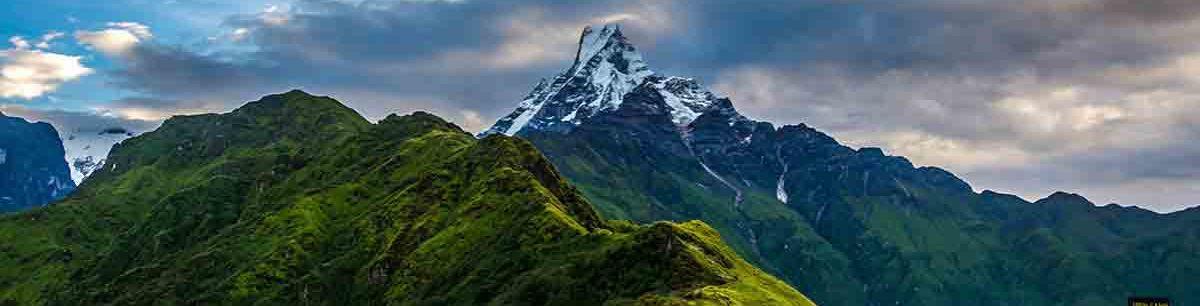

Film tourism has emerged as a powerful economic driver worldwide. When international film productions choose a destination, they do more than capture landscapes on camera — they stimulate employment, attract investment, and create long-term tourism demand. For a country like Nepal, with its dramatic Himalayan terrain, cultural depth, and diverse geography, foreign film productions represent a significant opportunity for economic transformation.
From the towering peaks of the Mount Everest to the medieval squares of Bhaktapur and the spiritual ambience of Lumbini, Nepal offers a cinematic landscape few countries can rival. This article explores how foreign productions contribute to Nepal’s economy, how film tourism generates sustained value, and what policy measures can further strengthen this growing sector.
Understanding Film Tourism in the Nepal Context
Film tourism refers to travel motivated by the filming locations of movies, television series, documentaries, or digital productions. When international productions showcase Nepal’s natural and cultural assets, global audiences develop an emotional connection to these destinations.
A classic example is The Golden Child, which used Nepal as a backdrop, bringing international visibility to the country’s Himalayan mystique. Over time, such exposure translates into increased tourist curiosity, especially among adventure seekers, trekkers, and cultural travelers.
In Nepal, film tourism operates across three primary domains:
- Adventure and mountain-based productions
- Cultural and heritage-focused storytelling
- Documentaries and expedition filming
Each of these categories has measurable economic implications.
Direct Economic Impacts of Foreign Film Productions
Employment Generation
Foreign productions require:
- Local crew members
- Fixers and production coordinators
- Location managers
- Translators and cultural consultants
- Equipment suppliers
- Transportation providers
When international teams shoot in regions such as Annapurna or Mustang, they rely heavily on local manpower. This creates short-term contractual employment and long-term skill development for Nepali professionals in cinematography, logistics, and technical production.
Local Business Revenue
Foreign productions inject capital into:
- Hotels and lodges
- Airlines and helicopter charters
- Vehicle rentals
- Catering services
- Trekking agencies
- Permit offices
Cities like Kathmandu and Pokhara often serve as operational hubs. Film crews book extended stays, increasing occupancy rates and supporting ancillary industries.
Permit and Licensing Revenue
The Government of Nepal collects revenue through filming permits, location fees, and conservation charges — especially in protected areas such as Sagarmatha National Park.
These fees contribute to conservation funding and infrastructure development in sensitive ecological zones.
Indirect and Long-Term Economic Benefits
While direct spending is substantial, the true power of film tourism lies in its long-term multiplier effect.
Destination Branding and Global Exposure
When Nepal appears in international productions, it gains global marketing value without traditional advertising expenditure. Cinematic storytelling provides emotional engagement that traditional tourism campaigns cannot replicate.
For instance, international audiences familiar with the Himalayas through films often aspire to trek in the Himalayas. This exposure increases inbound tourism inquiries and adventure bookings.
Growth in Adventure and Trekking Tourism
Adventure-based productions amplify Nepal’s identity as a mountaineering and trekking destination. The global fascination with Everest expeditions, documentaries, and survival films directly benefits trekking corridors.
Routes like the Everest Base Camp Trek experience surges in interest after high-profile media coverage. Tour operators report spikes in bookings following major film releases or documentary premieres.
Strengthening Cultural Tourism
Heritage sites featured in films gain renewed tourist attention. When cultural festivals, monasteries, or ancient squares appear on screen, viewers seek authentic experiences.
Sites in Patan and Bhaktapur have benefited from increased heritage tourism due to international exposure in documentaries and travel programs.
Infrastructure Development Driven by Film Activity
Foreign productions often require improvements in:
- Road access
- Communication networks
- Accommodation facilities
- Aviation services
Remote districts like Mustang have seen gradual infrastructure enhancements partly due to filming demand and high-end tourism growth. These improvements benefit local communities long after production teams depart.
Moreover, enhanced aviation connectivity to regions near Mount Everest strengthens both tourism and emergency response systems.
Film Tourism and Rural Economic Empowerment
Nepal’s rural mountain regions face economic vulnerability due to limited industrialization. Film production introduces alternative income streams.
Community-Level Impacts Include:
- Homestay income
- Equipment transport wages
- Animal porter services
- Cultural performance opportunities
- Handicraft sales
When productions film in culturally rich districts like Mustang, communities participate as extras, guides, and hosts. This decentralizes tourism income beyond Kathmandu and Pokhara.
The Multiplier Effect: Beyond Immediate Spending
Economists describe film tourism’s impact through a multiplier model:
- Production Spending → Local Business Revenue
- Business Revenue → Increased Employment
- Employment → Increased Local Consumption
- Global Exposure → Increased Tourism Demand
- Tourism Demand → Sustained Economic Growth
This cycle strengthens Nepal’s GDP contribution from tourism, which remains one of the country’s primary foreign currency sources.
Challenges Facing Film Tourism in Nepal
Despite its potential, Nepal faces structural challenges.
Bureaucratic Procedures
Filmmakers often encounter:
- Multi-layer permit systems
- Lengthy approval processes
- Inter-agency coordination issues
Streamlining film permits could significantly enhance Nepal’s competitiveness compared to other Asian destinations.
Limited Production Infrastructure
Although Nepal offers unmatched natural beauty, it lacks:
- Large-scale studio facilities
- Advanced post-production infrastructure
- Specialized technical training institutes
Investment in film infrastructure could retain more production value within the country.
Environmental Sensitivity
Filming in fragile ecosystems such as Sagarmatha National Park requires strict ecological compliance. Sustainable filming guidelines are essential to balance conservation with commercial opportunity.
Policy Recommendations to Boost Film Tourism in Nepal
To maximize economic impacts, Nepal could adopt the following strategies:
Establish a National Film Commission
A centralized authority could:
- Simplify permit processing
- Coordinate across ministries
- Promote Nepal at international film markets
- Provide location scouting assistance
Introduce Film Incentives
Tax rebates and cash-back incentives are widely used globally to attract foreign productions. Competitive incentives could position Nepal as a preferred South Asian filming destination.
Promote Regional Film Hubs
Cities like Pokhara could evolve into regional film-friendly zones with:
- Equipment rental hubs
- Skilled crew databases
- Training workshops
- Co-production facilities
Integrate Film Tourism into National Branding
Tourism boards can leverage filmed locations as official travel circuits — for example:
- Everest cinematic routes
- Cultural heritage filming tours
- Documentary-inspired trekking itineraries
Case Potential: Everest and Global Fascination
The symbolic power of Mount Everest continues to attract global storytelling. Every documentary or dramatized production centered on Everest renews global interest in Nepal.
Such visibility reinforces Nepal’s brand identity as:
- The gateway to the Himalayas
- The home of spiritual heritage
- A land of extreme adventure
This branding effect transcends immediate production budgets and influences long-term tourism flows.
Sustainable Film Tourism: Balancing Growth and Preservation
As Nepal seeks to attract more foreign productions, sustainability must remain central.
Best practices include:
- Waste management protocols for film crews
- Environmental impact assessments
- Cultural sensitivity training
- Community consultation before filming
Responsible film tourism protects Nepal’s heritage while ensuring economic benefits reach local populations.
Future Outlook: Nepal as South Asia’s Cinematic Frontier
Global streaming platforms and documentary producers are increasingly exploring remote and authentic destinations. Nepal fits this demand profile precisely.
With strategic reforms, Nepal could:
- Increase foreign film investment
- Enhance tourism arrivals
- Expand rural economic participation
- Improve global brand positioning
The combination of the Himalayas, ancient cities, and vibrant traditions provides a cinematic advantage unmatched by many competitors.
Conclusion: Film Tourism as an Economic Catalyst
Boosting film tourism in Nepal is not merely about attracting camera crews — it is about building a sustainable economic ecosystem. Foreign productions stimulate direct employment, increase local business revenue, enhance infrastructure, and strengthen Nepal’s global tourism brand.
By modernizing regulatory systems, investing in infrastructure, and promoting sustainable filming practices, Nepal can convert cinematic exposure into long-term economic resilience.
In an era where storytelling shapes travel decisions, Nepal’s landscapes and culture represent more than scenery — they are strategic economic assets. With deliberate planning and policy alignment, foreign film productions can become one of the most dynamic engines of Nepal’s tourism-driven growth.
