
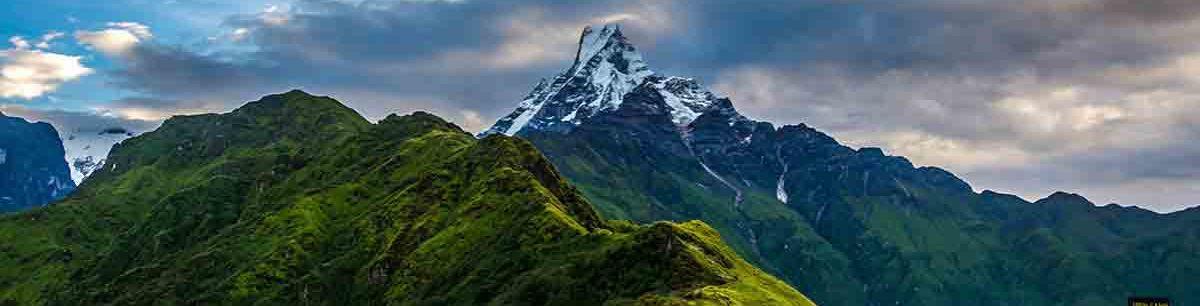

The Everest Base Camp Group Joining Trek is one of the most iconic adventure experiences in the world. It offers awe-inspiring Himalayan landscapes, rich cultural encounters, and the opportunity to reach the base camp of the world’s highest mountain. Moreover, joining a group makes this journey safer, more affordable, and social.
This guide will explain the importance and benefits of Everest Base Camp Group Joining Trek, provide a detailed itinerary, best seasons, cost breakdown, difficulty level, preparation tips, and highlight cultural and photographic experiences along the way.
With proper planning, a group joining trek allows both first-time trekkers and seasoned hikers to enjoy a memorable adventure in the Everest region.
Why the Everest Base Camp Group Joining Trek is Important
The Everest Base Camp Group Joining Trek is important for many reasons. First, it provides safety, especially at high altitudes. Second, it offers a cost-effective way to enjoy a professionally guided trek. Finally, it promotes social interaction and cultural exchange with fellow trekkers and locals.
1. Safety and Expert Guidance
High-altitude trekking comes with health risks like altitude sickness. When you join a group, experienced guides monitor your condition and pace. They also provide emergency support and ensure trekkers follow acclimatization schedules. Consequently, the trip becomes safer, especially for first-timers.
2. Affordable Trekking
Solo trekking can be expensive because you must cover the costs of guides, porters, and accommodation alone. In a group joining trek, these costs are shared. Therefore, you enjoy the same high-quality services at a lower price.
3. Social and Cultural Experience
Trekking in a group allows travelers from different countries to share experiences and stories. Moreover, you meet locals, visit monasteries, and learn about Sherpa traditions. This adds depth to the trekking experience.
4. Structured Itinerary
Group treks follow pre-planned itineraries that balance daily walking distances with rest and acclimatization days. This reduces the risk of altitude sickness and makes trekking manageable even for beginners.
Benefits of Everest Base Camp Group Joining Trek
- Lower Cost: Shared services for guides, porters, and accommodation reduce individual expenses.
- Company and Motivation: Trekking with others provides encouragement during challenging sections.
- Expert Guides: Guides offer safety, cultural knowledge, and navigation expertise.
- Fixed Departures: Ensures a confirmed trip without worrying about minimum group size.
- Memorable Experience: You form bonds with fellow trekkers, creating lasting memories.
Furthermore, group treks often include useful extras such as welcome dinners, cultural briefings, and local insights that enhance the overall journey.
Everest Base Camp Group Joining Trek Itinerary (14 Days)
Everest Base Camp Group Joining Trek Itinerary below is designed for safe altitude progression, enjoyable trekking hours, and cultural exposure.
Day 1: Arrival in Kathmandu
Arrive in Kathmandu, the vibrant capital of Nepal. Meet your trekking team and fellow group members. Attend a briefing about the trip, check gear, and explore Thamel for trekking supplies.
Day 2: Fly to Lukla and Trek to Phakding (2,610 m)
After an early morning flight to Lukla, the adventure begins. You trek along the Dudh Koshi River and cross suspension bridges. The trek is gentle on the first day, allowing your body to adjust.
Day 3: Trek to Namche Bazaar (3,440 m)
Today, you climb steadily through pine forests and cross hanging bridges. Namche Bazaar, known as the gateway to Everest, offers shopping and cafes. It’s a hub for Sherpa culture and trekking supplies.
Day 4: Acclimatization in Namche Bazaar
Acclimatization is crucial. A short hike to Everest View Hotel or Khumjung village helps prevent altitude sickness. Enjoy views of Everest, Lhotse, and Ama Dablam.
Day 5: Trek to Tengboche (3,860 m)
Cross rhododendron forests and reach Tengboche Monastery. Witness Buddhist rituals and panoramic Himalayan views. This is also a great spot for photography.
Day 6: Trek to Dingboche (4,410 m)
The trail gradually becomes alpine. You pass small villages, mani walls, and prayer flags. Dingboche is a peaceful village offering stunning mountain vistas.
Day 7: Acclimatization in Dingboche
Hike up Nagarjun Hill to adapt to higher altitudes. Enjoy scenic views of Lhotse, Island Peak, and Ama Dablam. Rest in the afternoon and prepare for the next stage.
Day 8: Trek to Lobuche (4,940 m)
Pass memorials dedicated to climbers who lost their lives on Everest. The landscape becomes rocky and dramatic. Photographers find endless opportunities here.
Day 9: Trek to Gorakshep (5,164 m) + Everest Base Camp (5,364 m)
This is the most anticipated day. Reach Everest Base Camp, soak in the incredible atmosphere, and take memorable photos. Return to Gorakshep for an overnight stay.
Day 10: Hike to Kalapatthar (5,545 m), Trek to Pheriche
Kalapatthar offers the best sunrise views of Everest. Afterwards, descend to Pheriche for a more comfortable night.
Day 11: Trek Back to Namche Bazaar
Enjoy the downhill walk while noticing details you may have missed on the way up. Afternoon tea breaks allow for reflection and rest.
Day 12: Trek to Lukla
Celebrate the successful trek. Walking through forests and rivers, you return to Lukla for the final overnight stay.
Day 13: Fly Back to Kathmandu
Fly back to Kathmandu and enjoy a farewell dinner with your group. Share photos, memories, and reflections on the journey.
Day 14: Departure
Transfer to the airport for your onward journey or next adventure.
Best Time for Everest Base Camp Group Joining Trek
Choosing the right season ensures safer trekking, better weather, and clearer views.
- Spring (March–May): Rhododendrons bloom, warm temperatures, and clear skies.
- Autumn (September–November): Crisp air, high visibility, and peak trekking season.
- Winter (December–February): Cold temperatures but fewer crowds; suitable for experienced trekkers.
- Monsoon (June–August): Not recommended due to rain, clouds, and slippery trails.
Spring and autumn are considered the ideal seasons for an Everest adventure.
Cost Breakdown of Everest Base Camp Group Joining Trek
- Permits: Sagarmatha National Park USD 30; Khumbu Municipality USD 20.
- Flights: Kathmandu–Lukla round-trip USD 300–400.
- Accommodation: Tea houses during trek; hotels in Kathmandu.
- Meals: Usually three meals per day included.
- Guide & Porter: Licensed guides; porter sharing basis (1 porter per 2 trekkers).
- Miscellaneous: First aid, group medical kit, welcome/farewell dinner.
Average cost: USD 1,300–1,800 per person depending on season and package type.
Difficulty Level
The trek is moderate to challenging.
- High altitude: Kalapatthar reaches 5,545 m.
- Daily walking: 5–7 hours.
- Cold nights and basic tea house accommodations.
Suitable for: Anyone with average fitness, determination, and basic trekking experience. No technical climbing skills are required.
Preparation Tips
1. Physical Training: Focus on cardio, strength, and endurance 6–8 weeks before departure. Practice hiking with a backpack.
2. Mental Preparation: Stay positive and patient. High-altitude trekking requires resilience.
3. Gear Essentials: Trekking boots, down jacket, thermal layers, gloves, trekking poles, sleeping bag, and water purification tablets.
4. Altitude Awareness: Follow acclimatization days strictly. “Slow and steady” is the safest strategy.
5. Travel Insurance: Ensure coverage for high-altitude trekking up to 6,000 meters.
Sherpa Culture and Local Insights
- Sherpas are famous for their mountaineering skills and hospitality.
- You can observe Buddhist rituals in Tengboche and other monasteries.
- Prayer flags, mani stones, and traditional houses are cultural highlights along the trail.
- Visiting local villages provides insight into farming, lifestyle, and community traditions.
Photo Opportunities
- Namche Bazaar sunrise and bustling markets.
- Tengboche Monastery with Everest in the background.
- Lobuche and Gorakshep landscapes.
- Kalapatthar sunrise over Everest.
- Scenic views of Ama Dablam, Lhotse, and Nuptse.
Photographers should carry lightweight gear and protect it from cold temperatures.
Who Should Join a Group Trek
- Solo travelers seeking safety.
- Budget-conscious trekkers wanting to share costs.
- Beginners who want professional guidance.
- Social travelers who enjoy meeting fellow adventurers.
A group joining trek combines adventure, culture, and community, making it ideal for most travelers.
Conclusion
The Everest Base Camp Group Joining Trek is perfect for those seeking adventure with safety, support, and social interaction. With a structured itinerary, expert guides, and the companionship of fellow trekkers, this trek becomes more manageable and enjoyable. From spectacular mountain views to Sherpa culture and memorable friendships, the experience is unforgettable.
If you want a safe, cost-effective, and social Himalayan adventure, a group joining trek to Everest Base Camp is the ideal choice.
