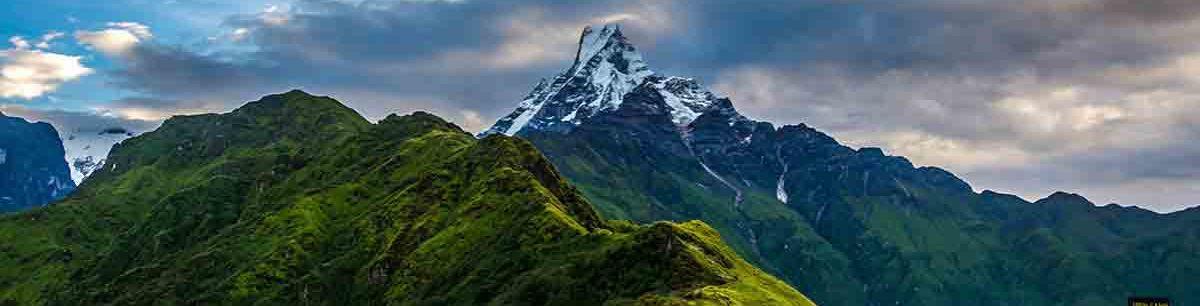
Himlung Peak Expedition

Rating: 5 out of 5.

The Himlung is located in the Manaslu region, northeast of the Annapurna range, not far from the Tibetan border. The area was opened by the Nepali government in 1992. The expedition for Himlung Himal (7126M) travels to Koto through the Annapurna Circuit and then proceeds toward Nar-Phu Gaon from Koto. The road travels by lofty peaks, steep passes, isolated settlements, slender gullies, forests, rocks, springs, Gompas, and distinctive cultural sites. Few tourists have traveled to the area because it is undeveloped and secluded.

The height of himlung himal is 7126M

You circumnavigate the Annapurna route on the way to Himlung. After that, this path will lead you to some charming towns like Koto and Na-phu Gaun. The route from Naphu Gaun to Manang has just recently been made accessible to tourists. Because of this, you will travel by stunning high peaks and passes on your journey. Glaciers, springs, woods, and hospitable people are some of the other great gifts of nature that can be found along the road. Any summit over 7000 meters takes a high level of fitness to climb. Climbing the Himlung Himal is hence not recommended for those with less training. To climb the Himlung Himal in Nepal, you must have a level of fitness that is above ordinary.

Himlung Himal facts:

Here are some facts about Himlung Himal:

  1. Elevation: 7,126 meters (23,386 feet) above sea level.
  2. Location: Located in the Manaslu region of Nepal.
  3. First ascent: The first successful ascent of Himlung was made by a Japanese team in 1992.
  4. Difficulty: Himlung is considered a challenging ascent due to its remote location and difficult route to the summit.
  5. Technical skills: Climbing Himlung requires technical mountaineering skills.
  6. Mountain range: Himlung is part of the Himalayan mountain range.
  7. Scenery: The summit of Himlung offers breathtaking views of the surrounding mountain range.
  8. Adventure: Himlung is a popular destination for experienced climbers who seek adventure and a challenge.
  9. Conservation: The area surrounding Himlung is protected by the Manaslu Conservation Area, which aims to preserve the natural and cultural heritage of the region.
  10. Trekking route: The base camp of Himlung can be reached via the popular trekking route to Manaslu.

Himlung Peak Expedition: Difficulty

Any mountain exceeding 6000 meters in height will require a high level of fitness to climb. However, this mountain’s ascent is not as challenging as ascents to peaks higher than 8000 meters, such as Everest or Annapurna. However, it will benefit you greatly if you prepare as though you were going on the 8000-meter trek. Since this is an expedition rather than a hike, you will need to become familiar with the fundamentals of mountaineering. You must also account for the additional equipment you will need to bring on your excursion, such as a stove and ropes. This means that in order to complete the adventure, you must become exceptionally fit.

Himlung Peak Climbing: Acute Mountain Sickness

Increasing altitude causes acute mountain sickness, which can be fatal if untreated in a timely manner. The most frequent Himlung Himal expedition obstacle is this one. Because there is less air pressure and oxygen in high altitudes, altitude sickness results in breathing problems. As oxygen levels fall with each ascent on the trails, it has an impact on your health. You may have symptoms including a headache, nausea, vomiting, trouble sleeping, trouble moving about, shortness of breath, and many others. Inform your guide or a nearby partner right once if you have any of the aforementioned symptoms.

Himlung Peak Climbing: Weather and Temperature

Another Himlung Himal Difficulty to take into account is the weather, which can change frequently. While moving upward, the weather is still erratic. Every 100 meters of elevation gain results in a 0.60 degree drop in air temperature. The weather is in the negatives by the time you get to Camp III. Both the day and night will be warm, with frigid temperatures in between.

Himlung Peak Climbing: Best Time

In Nepal, the season for expeditions starts in March or April. The expedition to Himlung Himal should be over now. This is a result of the relatively chilly weather. As a result, expeditionists can acquire adequate footing in the snow since the snow doesn’t melt. The autumn season, which is between October and November, is another popular time of year for this adventure. The weather in these two months is comparable to that in March and April. This indicates that the chances of successfully completing the mission are highest during these two seasons.

Himlung Peak Expedition: Accommodation

Up to the Himlung Base Camp, which is the lower point of the excursion, the meals and accommodation are as ordinary as they can be. The food provided will be the same as what you would find on other Nepali hiking routes. This contains the customary Dal Bhat from Nepal. Pizza and other continental and Chinese dishes are occasionally available. However, you won’t find such amenities above the Himlung Base Camp. Food will need to be prepared on a carry-around burner. When you leave Himlung Base Camp and travel to the high altitude areas, you will also need to erect tents.

Himlung Peak Climbing: Trekking Route

On this journey, you first drive for 7 hours to Bulbule, after which you begin hiking to Jagat the following day. From there, you travel to Dharapani and Koto. You travel to Meta and begin your trek to Phu after spending the previous night relaxing. Your trek to Himlung Base Camp, the expedition’s high point, is the last step. Tents and other supplies are used to make this your camp. You have roughly 14 days to acclimatize, get ready for the climb, reach the peak, and go back to the base. You stay in the area for a further four days after that before making your way back to Kathmandu.

Himlung Peak Climbing: Cost

The size of the group, the level of hotel accommodations, and the amenities you desire in the mountain will all affect the cost of the trip. You will have to pay $9500 to Himlung Expeditions for your first ascent. The majority of the climbing equipment, such as boots, helmets, crampons, harnesses, and ascenders, as well as all ground transportation, food, lodging, and round-trip flights from Kathmandu to Lukla are included, as are sleeping bags, down jackets, climbing permits for Himlung Peak, and sleeping bags and down jackets. We strongly advise you to finish your homework before attempting to climb Himlung Peak since it is no joke and your life cannot be valued in money. Never cut corners to save a few dollars.

Following an agreement between the agency and the customer, the itinerary may be modified. Before processing the trip, additional activities may be added or removed at the client’s choice. Price reductions for fewer activities may be possible, and additional activities may be introduced with mutual consent.

Himlung Peak Expedition FAQs:

Himlung himal height

The height of Himlung Himal is 7,126 meters (23,386 feet) above sea level.

Himlung Himal weather

The weather on Himlung Himal can be unpredictable and extreme, with low temperatures, high winds, and heavy snowfall. During the climbing season, which typically takes place from April to June and from September to November, temperatures can range from -20°C (-4°F) to -30°C (-22°F) at higher elevations. Strong winds and snowstorms are common, making it difficult for climbers to reach the summit. Due to the unpredictable nature of the weather, it is important for climbers to be well-prepared and equipped with the proper gear and clothing.

Himlung Peak Climbing cost

The cost of climbing Himlung Peak can vary depending on several factors, including the length of the trip, the number of people in the group, the level of support required, and the choice of equipment and supplies. On average, a typical Himlung Peak climbing expedition can cost anywhere from $7,500 to $10,000 or more.
The cost typically includes transportation to and from the base camp, food and lodging while on the mountain, equipment rental, a guide and support staff, and park and permit fees. However, it is important to note that the cost can vary greatly depending on the level of luxury and support desired, as well as the specific services included.

Himlung Himal Difficulty

Himlung Himal is considered a challenging peak to climb, requiring technical mountaineering skills and experience. The ascent to the summit involves steep snow and ice slopes, as well as navigating crevasses and other hazards. The remote location of Himlung and the unpredictable weather conditions in the region make it a demanding climb that should only be attempted by experienced and well-prepared mountaineers.
In addition to the physical and technical challenges, climbers must also be prepared for the altitude and the effects of high altitude sickness. Acclimatization is important, as the climb to the summit of Himlung takes place at elevations above 6,000 meters (19,685 feet).
Overall, climbing Himlung Himal is not for the faint of heart, and should only be attempted by those with the necessary skills, experience, and physical fitness. However, for those who are up to the challenge, the experience of climbing Himlung and the breathtaking views from the summit are truly unforgettable.

Himlung himal Base Camp

The base camp of Himlung Himal is situated at an elevation of approximately 5,450m meters above sea level. It is typically reached through a trekking route in the Manaslu region of Nepal, which takes several days and passes through remote villages and stunning mountain scenery. The base camp serves as a starting point for the ascent to the summit of Himlung Himal and is equipped with basic amenities for climbers, such as tents and cooking equipment. Climbers use the base camp to acclimatize to the altitude, prepare for the climb, and receive support from guides and porters. The base camp provides a unique and remote experience for adventurers and mountaineers, but it can also be harsh and challenging due to the high altitude and challenging weather conditions.

Feel Free To contact Us.

Parchamo Peak Climbing

Rating: 5 out of 5.

The “Rolwaling,” a lonely, solitary high valley west of the Khumhu and not far from the Tibetan border, is referred to by the local Sherpas as simply “the cemetery” because of its placement nestled between angular snow-capped peaks. Many enigmatic tales have likely been told about this valley, where the fabled and well-known Yeti is said to have his home. The Everest region’s Parchamo peak (6273m/20575ft), which marks the boundary with the Rolwaling valley hiking region to the west, is located at the head of Thame Valley. Dennis Davis and Phil Boultbee were the first to conquer Parchamo Peak Trek’s sleek and simple snowy peak in 1955. They were participants in Alf Gregory’s incredibly successful Merseyside Himalayan Expedition.

There are two ways to visit this peak: first, by walking to the Rolwaling valley and Tashilapcha pass (west to east); second, by traveling from Namche bazaar to the Thame valley and high camp (east to west). The trip is shorter coming from the Namche bazaar side than coming from Rolwaling. The peak offers pretty difficult climbing as one of the highest in the category of trekking peaks. This beautiful valley has managed to avoid being damaged by the devouring onslaught of trekkers due to a number of circumstances. Because there aren’t always accommodations available, you’ll find that getting there is typically difficult and that you should come prepared with full logistical support.

Parchamo Peak Climbing: Route Details

As we ascend glaciers, we reach a different potential campsite, but it is not advised to set up the high camp due to potential rock falling. We continue climbing north-east of the Tasi Lapcha icefall and arrive just below the rock walls where we fix high camp at (5500m). From the high camp, we gain the ridge of peak raised from the glaciers of Tasi Lapcha Pass. We traverse to the west and arrive at the bottom of the snow slopes, and the peak is visible. The mountain’s top gives breathtaking views of Tengi Ragi Tau, Cho Oyu, Ama Dablam, Thamserku, Kusum Kanguru, and more. Occasionally, crevasses can make climbing Parchamo peak more difficult. Due to Parchamo’s exposed snow slopes to strong winds, climbing it in December will be windier.

Parchamo Peak Climbing: Permits

The restricted area (Rowaling Region) of Nepal contains Parchamo Peak. To trek in this area, you must to secure some licenses from the Nepali government. The entry permits required for Parchamo Peak trekking and climbing are;

  • Gaurishankar Conservation Area Permit: NPR 3,000 for foreigners, NPR 1,000 for SAARC members, and NPR 100 for citizens of Nepal
  • Rowaling Valley Restricted Area Permit, TIMS Card, Special Permit: For foreigners, a guided trip costs NPR 1000, a solo trek costs NPR 2000, and a SAARC journey costs NPR 300.
  • A foreigner’s NMA Parchamo Peak Climbing Permit costs $250 throughout the spring (March–May). Fall (Sept-Nov): $125. Off-Season (Jun- Aug, Dec- Feb): $70.
  • Spring (March–May): $250 for SAARC nations. Fall (Sept-Nov): $125. Off-Season (Jun- Aug, Dec- Feb): $70.
  • For citizens of Nepal: Spring (March–May)–4,000 NPR.NPR 2,000, autumn (Sep-Nov). NPR 1,000 throughout the off-season (Jun- Aug, Dec- Feb).
  • Foreigner Entrance Permit for Khumbu Pasang Lhamu Rural Municipality: NPR 2,000 per person (For the First 4 Weeks). NPR 2,500 per individual (beyond 4 weeks). NPR 2,000 per person (during the first 4 weeks) and NPR 2,500 per person for citizens of Nepal and SAARC nations (beyond 4 weeks)
  • Foreigner Sagarmatha National Park Permit: NPR 3,000 per person, per entry, plus 13% VAT (about 34$).
  • For SAARC countries: NPR 1,500 per person, per entry, plus a 15% VAT fee
  • For citizens of Nepal, the price is NPR 1,500 per person, per admission, plus a 15% VAT fee.

Parchamo Peak Climbing: Difficulty

The Parchamo Peak Climb Difficulty level more closely resembles the difficulties brought on by the peak’s route and elevation of 6,273 meters. Technically speaking, this peak climbing is incredibly difficult because of the height we are aiming for and the difficult trails that go there. The Parchamo Peak Climb takes some technical expertise because it has certain technical elements that will undoubtedly provide obstacles, but what matters most is your physical and mental stamina to handle them.

Parchamo Peak Climbing: Best Season

The difficulty of reaching the top of Parchamo Peak is real, and it can bring you immense glory and pride because it’s no easy feat. Planning, preparation, and thoughtful structuring of such plans are necessary. Therefore, we must take into account the Best Parchamo Peak Climbing Seasons in order to improve the likelihood of a magnificent Parchamo Peak Climb. The best times to climb this breathtaking peak are in the spring and the fall. You won’t experience the additional difficulties of Pachermo Peak Climb in Rolwaling Valley weather, such as intense rain or bitter cold, during these seasons.

Parchamo Peak Climbing: Accommodation

Before and after the trek, lodging in Kathmandu will be arranged on a twin-sharing basis under a BB plan, with the exception of an additional fee for a single supplement (based on room availability). Standard teahouses and lodges with unheated rooms, wooden beds, and foam mattresses will be available for travelers’ lodging along the walk. The participants will have to share restroom and laundry facilities. For a fee, independent groups can arrange rooms with attached bathrooms in some trekking locations. Requests for this kind of arrangement must be submitted at least four months before the trip’s departure date.

Parchmo Peak Climbing: Guide and Staff Arrangements

All of your activities will be managed by our skilled and knowledgeable team throughout the walk. They will conduct the entire escorting. We will supply you with a highly qualified and experienced guide who speaks fluent English, has good navigational skills, and has the technique of rope-fixing skills because this is one of the trickiest and hardest treks. They will travel with you from Kathmandu and serve as your guides while you ascend Parchamo Peak. A porter for two trekkers (2*15kg = 30kg) and an assistant guide will be assigned to each group of four to five hikers. You will be charged for two people even though you only need one porter if your luggage weighs more than 15 kilograms.

Feel Free To Contact Us.

Pokalde Peak Climbing

One of Nepal’s most difficult and demanding trekking routes is the ascent of Pokalde Peak, also known as the Dolpa RI Peak. Pokalde Peak, one of the most well-known trekking peaks in Nepal, is located around 12 KM southwest of the world’s tallest peak. Its summit is only 5,806m (19,049ft) in elevation. The summit is also regarded as one of Nepal’s shorter, easier peaks to climb. Climbers and mountaineers who enjoy challenges as well as the beautiful views of the Himalayas are especially fond of Pokalde Peak Climbing. You will arrive at the lap of the Himalayas with their imposing peaks after an amazing adventure along the road, tremendous cultural resources, and splendid alpine ecosystem.

You won’t need to do much more than simply stroll to complete the ascent. However, the peak’s summit offers excellent mountain views. If not for the technical portion, you should climb this mountain for the fantastic view of a snow-covered mountain. From the top, you can observe numerous Everest region alpines, including the sky-towering peaks Mt. Everest, Mt. Nuptse, Mt. Ama Dablam, Mt. Lhotse, and many others. This peak’s path winds through a gorgeous pine, juniper, and rhododendron forest, making the ascent uncomplicated. Trekkers pass through stunning falls, peaceful lakes, spotless rivers, and holy monasteries along the way, making their adventure one they will never forget. The majority of the population in this area is of the Sherpa ethnic group, and the road passes through their settlements. They are really kind and modest people. With their perpetual smiles, modest Sherpa people extend a warm welcome to their visitors. If climbers are curious about the culture and festivals of the Sherpa ethnic group, they can easily join them in their celebrations. These amazing events will knock you for the rest of your life.

Pokalde Peak Climbing: Best Season

The finest months to climb Pokalde Peaks are March through May (Spring) and September through November (Autumn). These periods of the year are significantly clearer, which makes it simpler to see the summits. In addition, there is relatively little probability of rain during these pre- and post-monsoon seasons, which lowers many of the risks associated with climbing. You can also survive the winter, but you will need to dress warmly. In December, the mountain vistas are absolutely clear! The hike is also quieter and subtler because there are less tourists. However, due to the recurrent rains, the monsoon season is not ideal. As a result, you can encounter landslides, slick roads, and delays.

Pokalde Peak Climbing: Difficulty

The ascent of Pokalde Peak is unmatched among climbing expeditions. In comparison to other peaks, the Pokalde Peak Climb Difficulty Level is not all that difficult. In contrast to other peaks like Island Peak, it is much easier to climb and requires significantly less equipment. No of the trip’s difficulty level, climbing may still be physically taxing, therefore maintaining your physical health is highly advised if you want to get the most out of this incredible Pokalde Peak Climbing expedition. It may be said that the level is moderate and that only a little amount of mountaineering expertise is needed to reach the remarkable summit.

Pokalde Peak Climbing: Route

Amazingly designed pathways lead to the best features of nature. We will take the Pokalde Peak Climbing Route from Lukla, which is at a height of 2,860 meters, where your Pokalde Peak Trek & Climb begins. At that point, you will begin your climb toward Phakding, which is at 2,610 meters, passing through small settlements, rhododendron forests, and canals. Next, we will travel from Monjo at 2,835 meters to Namche Bazaar at 3,440 meters. Namche Bazaar serves as the hub of trade for the Khumbu region and serves as the entrance to the Himalayas. You hike as far as you can up to the Kala Patthar at 5,643 meters by following a climbing trail. You may get a clear view of the tenacious 8,848-meter Mt. Everest and other surrounding mountains from this location.

Pokalde Peak Climbing: Packing List

Below are main items not to forget while packing for Pokalde Peak Climbing:

  • Rain coat, poncho, or combination jacket/trousers.
  • One down jacket.
  • Windproof trousers
  • Two pairs of light pants
  • One pair of shorts
  • Three to four T-shirts
  • One or two long-sleeved T-shirts
  • One fleece jacket or jumper
  • One pair of tracksuit pants or thermals for sleeping in
  • Two to three pairs of light hiking socks
  • Two pairs of gloves
  • Undergarments
  • Trekking boots
  • Flip-flops
  • Sunglasses, sunscreen, lip balm, sun hat and other cosmetics.

Pokalde Peak Climbing: Cost

Pokalde Peak’s cost Several factors can affect how well you climb. Some of them include the duration of your visit, the accommodations you choose, the routes you take, and so forth. Pokalde Peak will set you back $1950 for your initial ascent. All ground transportation, food, hotel, round-trip flights from Kathmandu to Lukla, climbing permits for Pokalde Peak, sleeping bags, down jackets, and the majority of climbing gear, including boots, helmets, crampons, harnesses, and ascenders, are included. Because climbing Saribung Peak is no joke and your life cannot be measured in monetary terms, we strongly encourage you to complete your homework before attempting to do so. To save a few Dollars, never take short cuts.

Pokalde Peak Climbing: Accommodation

You will be given full-board meals while on the trip and at the camping locations. You will be staying in the most luxurious mountaintop inns that offer both Western and traditional Nepalese food. Additionally, you can eat freshly made, wholesome meals served by climbing cooks at tented camps above 4,000 meters. There are many different lodging alternatives in Kathmandu. While you are trekking, we will arrange for you to have access to the greatest regional teahouses. Two mattresses, each with a mattress, pillows, and a blanket, as well as flush toilets, are commonly found in teahouses. If you are climbing, you will spend the nights in a tent with a mattress.

Feel Free To Contact Us.

Saribung Peak Climbing 

Rating: 5 out of 5.

A complete mountain experience, ascending Saribung Peak, which has a top elevation of 6387 meters, offers a breathtaking vista of many snow-capped Himalayan giants. Although no prior mountaineering expertise is necessary for the trip, it is physically strenuous due to the steep, icy trails that must be ascended in order to pass through the Saribung La pass, which is located at a height of 5600 m. The journey to the different breathtaking vistas of the Land Beyond the Mountains is part of the experience of climbing a Himalayan peak. The traditional ways of the people in the Mustang and Nar Villages, the arid and mountainous landscapes, the blue Damodar Kunda, and the magnificent views of the Tibetan Plateau are all unique aspects of the ancient Tibetan culture.

Those who have already reached the summit of a peak of 6000 meters or higher can easily climb Saribung Peak. There are a few steep passes between Lomangthang and Damodar Kunda on the route to Saribung peak climbing. The first phase of the caravan route entails a 6-hour drive from Kathmandu to Pokhara, followed by a 20-minute flight from Pokhara to the Annapurna region and the settlement of Jomsom. Through Kagbeni, Chele, and Charang, the trail ascends to Lo-Manthang. Following your exploration of the Lo-manthang and Luri cave monasteries, you will continue to travel through an area that features beautiful landscapes, diverse cultures, and religious practices. Trekkers encounter various Tibetan communities, monasteries, cultures, and faiths while on their journey.

Saribung Peak Climbing: Difficulty

Although mountaineering is a difficult activity in and of itself, some peaks are more appropriate and simpler to scale than others. In the case of the Saribung Peak Climb Adventure, it is one of the ideal peaks for beginners to learn about climbing and utilize it as a practice for reaching higher heights. The Saribung Peak Climb Difficulty Level is not extreme, and any nomadic person may successfully complete it. And the Sarbung Peak Climb Package makes this incredible experience available. The Saribung peak, at 6328 meters, offers breathtaking views of the Nilgiri Himal (7,061 meters), the Himlung Himal (7,126 meters), the Lamjung Himal (6,983 meters), the Mt. Manaslu (8,156 meters), and the Annapurna II (7,937 meters) throughout this walk. Along with getting to connect with the locals and see their way of life, you will also visit some of the oldest monasteries in the area. This hike has all the necessary components, from treacherous passes to old culture, making it ideal for any travel enthusiast. March through May and September through November are the ideal months to embark on this walk. You must be in good physical condition to complete this walk due to the difficulty of the trail.

Saribung Peak Climbing: Best Season

Even though Saribung Peak Climb is doable for beginners, one should not undervalue the difficulty it could pose if not properly prepared. The Saribung Peak Climbing Season, which offers mountaineers an incredible experience in all respects, is the ideal time to complete the ascent. The optimum times to reach Saribung Peak’s summit are in the spring and fall. However, one is undoubtedly free to choose to climb during monsoon and winter seasons as well. The best times to travel are also from February to May and from September to December. The route has a little more color in the Spring, while the skies are typically clearer in the Autumn. The ascent is dangerous during the winter because it is so much colder. To prevent extreme mountain sickness, the Upper Mustang Saribung Peak Climbing demands moderate fitness and acclimatization.

Saribung Peak Climbing: Permits

Saribung Peak Climbing needs the following permissions:

  • Immigration Documentation and Permits for Saribung Expedition
  • Saribung Peak climbing fees/Royalty
  • TIMS (Trekkers’ Information Management System)
  • ACAP (Annapurna Conservation Area Permit)
  • Upper Mustang Special Permit

Saribung Peak Climbing: Cost

The cost of Saribung Peak Climbing is influenced by a number of variables. Some of them include how many days you spend there, the kinds of lodging you stay in, the routes you travel, and so forth. The first time you climb Saribung Peak, it will cost you $4200. All transfers, meals, round-trip flights from Kathmandu to Jomsom, lodging, climbing permits for Saribung Peak, sleeping bags, down jackets, and the majority of climbing equipment, such as boots, helmets, crampons, harnesses, and ascenders, are included. We strongly advise you to finish your homework before attempting to climb Saribung Peak because it’s no joke and your life can’t be valued at anything. Never cut corners to save a few dollars.

Saribung Peak Climbing: Altitude Sickness (AMS)

The carefully thought-out itinerary for the Saribung Peak Climbing includes two useful and advantageous acclimatization days as well as pre-climb training, which aids in adjusting to the thin air and lowers the risk of mountain sickness. However, we advise that you drink plenty of water and walk slowly to prevent developing AMS. Since our guides are constantly outfitted with a first-aid kit and a pulse oximeter, please alert them right away if any symptoms are noticed (which measures the amount of oxygen in your blood).

Saribung Peak Climbing: Route

The Upper Mustang Trekking mostly revolves around upper Mustang, the hidden and enigmatic valley that makes up the Saribung Trekking Trail, as well as around Lo Manthang, an ancient walled city and the palace with Monastery. The Saribung Trekking Trail also passes through lovely villages, terraced farm fields, and green valleys. Amazing views of the Annapurna Himalayan range, breathtaking landscapes, and other breathtaking natural beauties of western Nepal can all be seen from this location. Due to its distant location and rugged terrain, the Saribung Peak Climbing Route is difficult.

Saribung Peak Climbing: Accommodations

Full-board meals will be provided to you while on the hike and at the camping sites. You will be staying at the finest mountainside lodgings that serve traditional Nepalese and Western cuisine. Additionally, at tented camps above 4,000 meters, you may enjoy freshly prepared, healthy meals prepared by climbing cooks. In terms of lodging options, Kathmandu offers a wide range. We will plan and make sure you have access to the best local teahouses while trekking. Teahouses typically have two mattresses, each with a mattress, pillows, and a blanket, as well as flush toilets. You will spend the evenings in a tent with a mattress if you are climbing.

Feel Free To Contact Us.

Kyajo RI Peak Climbing in Nepal

Rating: 5 out of 5.

The semi-technical peak of Kyajo Ri is ideal for thrill seekers who want to climb the mountain without having to deal with a lot of other people. Only in 2002 did the Nepali government open it up for trekkers. The expedition often follows the SW ridge, which contains two more camps above the base camp. More significantly, you may take in all the beauty of the ascent and descent. Trekking over the Everest region gives breathtaking mountain vistas and a chance to see how the world-famous climbers live (the Sherpas). A fantastic mountaineering adventure could be had by all in 2022 with the Kyajo Ri Peak Climbing Itinerary.

The Kyajo Ri Peak Climbing Everest Nepal will undoubtedly wow you with its gorgeous yet singular route filled with the aroma of the outdoors in addition to giving you the thrill of the trip. The breathtaking views of the entire Khumbu may be enjoyed when climbing this summit, which is accessible via a number of different routes. This peak is distinguished by its pointed summit, which is the highest point along its journey, unlike other peaks like Island Peak or Lobuche Peak. One feature of Kyajo Ri, which is situated in the Khumbu, is that the road that faces south would be warm because it is directed toward the sun. As you go out on your trek to the top of Kyajo Ri, you can visit places like Kathmandu, from which you can depart for Lukla, Phakding, Namche Bazaar, Kisa, Mende, the base camp for Kyajoo Ri, Camp I, and Camp II. While traveling to climb the Kyajo Ri mountain, you could also visit places like Machermo, Kyajo Kharka, and Gokyo. This spectacular peak would take Sixteen to twenty-two days to climb.

Kyajo RI Peak Climb: Best Route

Although difficult, the Nepal Kyajo Ri Peak Climbing Route is incredibly rewarding. The journey to Kyajo Ri Peak passes via picturesque Sherpa villages like Thame, which is located at 3,820 meters above sea level, and serene Buddhist monasteries like the Thame monastery. The highest mountain in the Khumbu Himal Ridge’s southern region, KyajoRi Peak, stands erectly there. Your ascent of Kyajo Ri Peak takes you via a number of breathtaking passes, including Renjo La Pass, which is located at an elevation of 5,388 meters and guarantees to provide you breath-taking vistas of gorgeous landscapes and majestic snow-capped summits. As we go along the unexplored pathways, we can catch a glimpse of Mount Everest, the tallest mountain in the world at 8,849 meters, which is linked to the experience of the Everest Expedition as well as the well-known trekking excursion known as Everest Base Camp Trekking.

Kyajo RI Peak Climbing:Best Season

Technically tough peaks like Kyajo Ri Peak necessitate the best kind of preparation. For the finest experience, it is necessary to prepare ahead and take the season into account. As a result, the spring (March–June) and fall (September–December) seasons are regarded as the finest times to climb Kyajo Ri Peak. These times of year will have clear Kyajo Ri Peak Climb Weather patterns, clear views, and relatively less strenuous paths. Consequently, it is advisable to decide to summit Kyajo Ri in the spring and fall. However, you get to choose the Kyajo Ri Peak Climbing Departures as well as the season in which you want to embark on the adventure.

Kyajo RI Peak Climbing: Difficulty

The Kyajo Ri Peak Climb is a fun technical excursion that soars to heights of 6,186 meters on Kyajo-Ri Peak. It is an incredible opportunity for those ready to climb a mountain above its upper limit of almost 6000 meters, yet it is not as harsh as its altitude suggests. The ascent of Kyajo Ri Peak is a remarkable peak-climbing journey that includes both mountain rock climbing and ice climbing. Although the Kyajo Ri Peak Climbing Difficulty Level is challenging, there are many other benefits as well. It is one of the summits that is less frequently scaled, has less visitors, and is ideal for individuals who appreciate peaceful excursions.

Trekking with knowledgeable mountaineering Sherpa’s

We set out early, following the advice of our skilled climbing sherpas, with the goal of reaching the peak summit by noon because the afternoon’s high winds may make it difficult to reach the summit. We will navigate a number of challenging portions before reaching Kyajo-Ri Peak’s clearly marked peak. We are also rewarded with sweeping views of the lofty mountains of the Khumbu region, including Everest, Lhotse, Makalu, Cho Oyu, Baruntse, Ama Dablam, and other nearby chains of high peaks, after we reach the summit. We will descend using the same way to return to base camp after spending a little period of time at the Kyajo Ri Expedition peak. We will retrace our steps on the way back and take the route that takes us via Namche Bazaar and on to Lukla and back to Kathmandu marking the end of the Trip.

What are the requirements to ascend Kyajo Ri Peak?

A very high degree of physical fitness is needed for the Kyajo Ri Climb because it entails a lengthier trek/climb. While climbing a semi-technical 6000m summit like Kyajo Ri, prior expertise with high altitude hikes and climbing lower peaks is highly advantageous. A fundamental understanding of ice axe arrest, roped travel, crampon techniques, and rock climbing is required. For this trip, you need be both psychologically and physically prepared. It takes teamwork, unwavering resolve, and a burning drive. There will be a climbing course at the base camp where your guide will instruct you on how to use the equipment, and we have built in plenty of time for acclimatization and a contingency day.

Travel Memo:

Alpha Adventure Treks While traveling with AAT, Nepal always has its guests’ safety in mind; it is our top priority. We travel to remote high mountain regions for the exciting activity of peak climbing. We cannot promise it because the weather in the mountain region, natural disasters, and climbers’ health can change suddenly. Please take note that the mountain climbing guide has the authority to change any portion of the Kyazo ri Peak trekking and climbing schedule if it is necessary due to safety concerns. If this happens, be ready to be flexible; otherwise, the mountain climbing guide and trekking group leader will stick to the above schedule.

Feel Free To Contact Us.