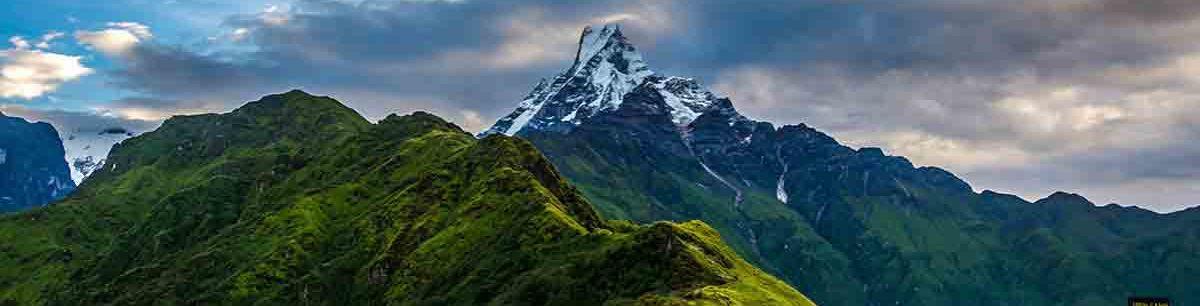
Top Technical Peaks in Nepal for Advanced Climbers

Nepal, home to the world’s tallest mountain, Mount Everest, is a dream destination for climbers and mountaineers from all corners of the globe. While Everest garners much of the attention, the country is dotted with a range of technically demanding and physically grueling peaks that attract only the most skilled and experienced alpinists. These high-altitude challenges test endurance, skill, mental toughness, and adaptability in extreme conditions.

This article explores some of the Top Technical Peaks in Nepal that are best suited for Advanced Climbers, with details on technical difficulty, altitude, access, and climbing seasons.


1. Annapurna I (8,091 m / 26,545 ft)

Region: Annapurna
First Ascent: 1950 (Maurice Herzog & Louis Lachenal, France)
Difficulty: Extremely High
Fatality Rate: Historically over 30% (now decreased with modern equipment and forecasting)

Annapurna I is infamous for its deadly reputation. Despite being the 10th highest mountain in the world, it is widely considered more dangerous than Everest. The combination of avalanche-prone slopes, technical ice climbs, and unpredictable weather patterns make it a formidable objective.

Climbing Annapurna I demands exceptional technical skills, particularly on steep mixed terrain. The south face is among the most difficult climbs in the Himalayas. This mountain is suitable only for climbers with prior 8,000-meter peak experience.


2. Dhaulagiri I (8,167 m / 26,795 ft)

Region: Dhaulagiri Range
First Ascent: 1960 (Swiss-Austrian expedition)
Difficulty: Very High
Special Features: Remote, steep glaciers, avalanche-prone couloirs

Dhaulagiri I, the seventh highest peak in the world, offers one of Nepal’s most technical and remote 8,000-meter climbs. The mountain’s massive bulk is covered in icefalls and crevasses, and its weather can turn deadly within minutes. The ascent typically involves long approaches, often using the remote and isolated Dhaulagiri Circuit.

This mountain presents a serious challenge even for seasoned climbers. The long, committing ridgelines and risk of sudden storms require mastery of expedition logistics and glacier navigation.


3. Makalu (8,485 m / 27,838 ft)

Region: Mahalangur Himal, near Everest
First Ascent: 1955 (French expedition)
Difficulty: Extremely High
Technical Elements: Knife-edge ridges, mixed rock and ice climbing

Makalu is the fifth highest mountain in the world and is well-known for its technical challenges. Its pyramidal shape is both majestic and intimidating. Climbers face treacherous rock faces, exposed ridges, and dangerous weather systems.

The final push to the summit includes a steep ice wall and a narrow, exposed ridge with significant fall potential. Due to these difficulties, fewer climbers attempt Makalu compared to other 8,000-meter peaks, and those who do are usually highly experienced.


4. Kanchenjunga (8,586 m / 28,169 ft)

Region: Far Eastern Nepal
First Ascent: 1955 (British expedition)
Difficulty: High
Unique Features: Remote access, unstable weather, cultural respect (climbers traditionally stop short of true summit)

Kanchenjunga is the third highest mountain in the world and arguably one of the most remote and sacred. The region is less trafficked due to its isolation, which adds to the complexity of expeditions. Climbers must navigate long approaches through dense forests and steep ice ridges.

Weather conditions are harsh and often unpredictable. The mountain has a high fatality rate, especially due to avalanches and altitude sickness. Respecting local traditions, most climbers do not stand on the exact summit, which adds a unique ethical dimension to the climb.


5. Ama Dablam (6,812 m / 22,349 ft)

Region: Everest Region (Khumbu)
First Ascent: 1961 (New Zealand team)
Difficulty: Technically High
Special Characteristics: Steep rock and ice climbing, technical ridgelines

Though not as tall as the 8,000-meter giants, Ama Dablam is considered one of the most beautiful and technically demanding peaks in Nepal. Often referred to as the “Matterhorn of the Himalayas,” its elegant shape hides complex climbing challenges.

Climbing Ama Dablam involves steep snow, ice, and rock climbing. The most popular southwest ridge route includes vertical rock walls, exposure, and narrow traverses. It requires solid alpine climbing experience, technical ropework, and ice climbing proficiency.


6. Baruntse (7,129 m / 23,389 ft)

Region: Makalu-Barun
First Ascent: 1954 (New Zealand expedition)
Difficulty: Moderate to High
Climbing Style: Mixed climbing, heavily glaciated

Baruntse is a technically interesting peak for experienced climbers looking to gain exposure to 7,000-meter mountains before tackling 8,000ers. The route features steep ice faces, cornices, and complex glacier crossings.

Though not as dangerous as others on this list, Baruntse requires solid knowledge of glacier travel, high-altitude acclimatization, and self-sufficiency in harsh alpine conditions. Its remote location adds an extra logistical challenge.


7. Lhotse (8,516 m / 27,940 ft)

Region: Everest Region
First Ascent: 1956 (Swiss expedition)
Difficulty: Very High
Technical Features: Lhotse Face, icy couloirs, shared route with Everest

Lhotse, the fourth highest peak in the world, shares the same base camp and route as Everest until the South Col. However, the final push diverges into the narrow and technical Lhotse Couloir, a steep gully notorious for rockfall and icy slopes.

This section demands precise ice climbing skills and high-altitude performance. Despite being overshadowed by Everest, Lhotse is no less demanding in terms of physical and mental preparation. Its summit is dramatically less trafficked, making it a prized goal for elite alpinists.


8. Manaslu (8,163 m / 26,781 ft)

Region: Mansiri Himal
First Ascent: 1956 (Japanese team)
Difficulty: Moderate to High
Hazards: Avalanches, crevasses, altitude

Manaslu has gained popularity over the years as a less-crowded alternative to Everest, but it remains a significant challenge. The mountain’s terrain is filled with large ice fields and unstable seracs, making it highly avalanche-prone, especially after fresh snowfall.

Although not the most technical 8,000-meter peak, Manaslu requires solid climbing skills, particularly in managing crevasse danger and steep ice sections. It is often used as a preparatory climb for Everest.


9. Himlung Himal (7,126 m / 23,379 ft)

Region: Nar-Phu Valley
First Ascent: 1992 (Japanese expedition)
Difficulty: Moderate
Terrain: Mixed snow and ice, remote approach

Himlung Himal is gaining popularity among skilled mountaineers seeking a lesser-known, remote peak. The approach through the Nar and Phu valleys is a cultural and scenic highlight, and the mountain itself presents technical snow climbs and glacier navigation challenges.

Though not as extreme as other peaks on this list, Himlung is ideal for advanced climbers transitioning to high-altitude Himalayan expeditions.


Preparing for Nepal’s Toughest Climbs

Climbing any of these peaks requires:

  • High-altitude training and acclimatization
  • Advanced technical climbing skills (rock, snow, ice)
  • Experience with high-altitude logistics (base camp management, oxygen use)
  • Physical endurance and mental toughness
  • Awareness of risk management and rescue protocols

Most challenging expeditions in Nepal also require climbing permits, liaison officers, and local Sherpa support. Climbers must comply with Nepal’s mountaineering regulations, including waste management and environmental sustainability.


Conclusion

Nepal is a paradise for elite climbers seeking technical, remote, and high-altitude peaks. From the icy ridges of Makalu to the aesthetic perfection of Ama Dablam, the country offers something for every skilled mountaineer.

Climbing these mountains is not just about reaching the summit—it’s about navigating risk, respecting nature, and embracing the raw adventure that the Himalayas uniquely offer. For experienced alpinists seeking true challenge and high-altitude glory, Nepal remains the ultimate mountaineering destination.

Two Peaks Climbing in Nepal: An Exciting Adventure with Itinerary

Nepal is a country known for its stunning mountain ranges and is a dream destination for mountaineers and trekkers alike. Among the world’s most iconic mountain regions, the Himalayas of Nepal offer a vast array of climbing peaks that vary in difficulty, altitude, and terrain. For climbers looking for an adventurous challenge, climbing two peaks in a single expedition can provide an unforgettable experience. In this article, we will explore the concept of climbing two peaks in Nepal, focusing on the logistical aspects, challenges, and the detailed itinerary for such an adventure.

Nepal’s Himalayas are home to numerous climbing peaks, which are lower than the legendary 8,000-meter giants like Mount Everest but still offer significant challenges. These peaks are often more accessible for climbers with technical skills and are frequently included in expeditions for those looking for something beyond basic trekking.

In this article, we’ll highlight two popular peaks—Island Peak (6,189 meters / 20,305 feet) and Mera Peak (6,476 meters / 21,247 feet)—both located in the Everest region. These two peaks, often climbed together, provide an excellent opportunity for mountaineers seeking a moderate challenge with impressive rewards. Let’s delve into the details of climbing these peaks, followed by a detailed itinerary for an expedition that includes both.

Island Peak and Mera Peak: An Introduction

Island Peak (6,189 meters / 20,305 feet)

Island Peak, also known as Imja Tse, is one of the most popular climbing peaks in Nepal. Its distinctive summit, which resembles an island in a sea of ice, makes it visually striking and easily recognizable. Island Peak is located in the Everest region, close to the base camps of both Mount Everest and Lhotse. It is a fantastic option for climbers seeking a step up from basic trekking peaks, offering a combination of technical climbing with stunning views of the surrounding peaks.

The ascent to Island Peak involves a glacier climb and requires some technical skills, such as the use of crampons and ice axes, but it is suitable for climbers with basic mountaineering experience. The climb provides panoramic views of Everest, Lhotse, Makalu, and Cho Oyu, making it a popular choice for those looking for a moderate but rewarding challenge.

Mera Peak (6,476 meters / 21,247 feet)

Mera Peak is considered one of the highest trekking peaks in Nepal and stands as a magnificent mountain with a relatively non-technical ascent. Although the peak is higher than Island Peak, it does not involve any advanced mountaineering skills and is often considered a good introduction to higher-altitude climbs. Mera Peak is situated south of the Everest region, and the summit offers awe-inspiring views of the surrounding Himalayan giants, including Everest, Makalu, Lhotse, and Cho Oyu.

Climbing Mera Peak involves glacier walking and a moderate level of physical endurance, but technical climbing skills are not required. While it may be considered less challenging than Island Peak in terms of technicality, Mera Peak requires proper acclimatization due to the higher altitude.

Why Climb Island Peak and Mera Peak Together?

Climbing both Island Peak and Mera Peak in a single expedition offers a fantastic opportunity to explore two of Nepal’s most prominent trekking peaks. Combining these two peaks into a single trip offers the climber the chance to ascend peaks of different technical difficulties, gain altitude gradually, and enjoy the breathtaking variety of scenery that the Everest and Khumbu regions offer.

Climbing Island Peak first allows trekkers to gain valuable high-altitude climbing experience before attempting the higher Mera Peak. Additionally, both peaks are located in relatively close proximity to one another, making it logistically feasible to include them in the same expedition. The combination of these climbs provides a well-rounded mountaineering experience in the heart of the Himalayas.

Key Preparation for Climbing Two Peaks in Nepal

Before setting out for a double peak climbing expedition in Nepal, climbers need to take certain preparations into account:

  • Physical Fitness: The climbs require good physical conditioning, including cardiovascular endurance, strength, and flexibility. Training for high-altitude climbing is essential, as you will be walking on rugged terrain and ascending steep slopes.
  • Climbing Experience: Climbers should have some basic mountaineering experience, including using ice axes, crampons, and ropes. Previous experience on trekking peaks such as Kilimanjaro, Aconcagua, or lower Himalayan peaks will be beneficial.
  • Altitude Acclimatization: Both Island Peak and Mera Peak are high-altitude climbs. Proper acclimatization is crucial to avoid altitude sickness. Ascend slowly, and spend extra days at higher altitudes to ensure your body can adjust.
  • Equipment: Essential climbing equipment includes boots, ice axes, crampons, harnesses, ropes, and a helmet. Weatherproof clothing, warm gear for high-altitude conditions, and camping equipment are also required for the expedition.
  • Experienced Guide: Hiring an experienced guide or joining an organized expedition ensures safety and provides expert knowledge on both the routes and the risks involved.

Detailed Itinerary for Climbing Island Peak and Mera Peak

The following itinerary provides a day-by-day breakdown of an expedition to climb both Island Peak and Mera Peak in Nepal. This plan is based on an average 20-day schedule, including acclimatization and buffer days for weather or other unforeseen events.

Day 1: Arrival in Kathmandu

Arrive in Kathmandu and transfer to your hotel. Briefing session with your guide to go over the itinerary, discuss the climbing equipment, and check your documents. Overnight in Kathmandu.

Day 2: Kathmandu to Lukla (2,840 meters / 9,315 feet)

Early morning flight to Lukla, the gateway to the Everest region. Upon arrival in Lukla, begin your trek to Phakding (2,610 meters). Overnight stay in Phakding.

Day 3: Phakding to Namche Bazaar (3,440 meters / 11,286 feet)

Begin trekking to Namche Bazaar, a bustling Sherpa town. The trail is mostly uphill and takes about 6-7 hours. Overnight stay in Namche Bazaar.

Day 4: Acclimatization Day in Namche Bazaar

Rest and acclimatization day in Namche Bazaar. Optional short hikes to Everest View Hotel or surrounding areas. Explore Namche Bazaar, which offers cultural experiences and local markets.

Day 5: Namche Bazaar to Tengboche (3,860 meters / 12,664 feet)

Trek through lush forests and scenic landscapes to reach Tengboche, home to a famous Buddhist monastery. The trek is about 5-6 hours long. Overnight stay in Tengboche.

Day 6: Tengboche to Dingboche (4,360 meters / 14,301 feet)

Trek to Dingboche, crossing several suspension bridges and passing through alpine meadows. The trek will take around 5-6 hours. Overnight stay in Dingboche.

Day 7: Acclimatization Day in Dingboche

Acclimatization day in Dingboche. Hike up to a nearby ridge for stunning views of the surrounding peaks. Rest day to prepare for the upcoming climb.

Day 8: Dingboche to Lobuche (4,940 meters / 16,207 feet)

Trek to Lobuche, located on the way to Everest Base Camp. This is a 5-6 hour trek through the Khumbu glacier area. Overnight stay in Lobuche.

Day 9: Lobuche to Island Peak Base Camp (5,200 meters / 17,060 feet)

Trek from Lobuche to Island Peak Base Camp, passing through rocky terrain and scenic glacier views. This will be a 4-5 hour trek. Overnight at Island Peak Base Camp.

Day 10: Summit Island Peak (6,189 meters / 20,305 feet) and Return to Base Camp

Early morning ascent of Island Peak. The climb takes about 7-8 hours depending on the route and weather conditions. After reaching the summit, descend back to Base Camp. Overnight at Base Camp.

Day 11: Trek Back to Dingboche

Descend back to Dingboche for rest and recovery after the climb. This is a 6-7 hour trek back down.

Day 12: Dingboche to Mera Peak Base Camp (5,300 meters / 17,388 feet)

Trek towards Mera Peak Base Camp. The trek will take about 5-6 hours. Overnight stay at Mera Peak Base Camp.

Day 13: Summit Mera Peak (6,476 meters / 21,247 feet) and Return to Base Camp

Early morning summit attempt on Mera Peak. Expect a long day, with the climb taking 8-9 hours. After reaching the summit, descend to Base Camp for rest. Overnight at Base Camp.

Day 14: Trek to Khare (5,045 meters / 16,552 feet)

Trek down to Khare for some recovery after the summit. Overnight stay at Khare.

Day 15-16: Return Trek to Lukla

Begin your descent back to Lukla via the same route, passing through Pangom, Monjo, and Phakding. These 2 days are filled with enjoyable trekking while taking in the sights of the Khumbu region.

Day 17: Fly from Lukla to Kathmandu

Fly back to Kathmandu. Evening free for relaxation or shopping.

Day 18: Leisure Day in Kathmandu

A free day to relax, shop, or explore Kathmandu.

Day 19-20: Departure from Kathmandu

Depart from Kathmandu or extend your stay for more sightseeing.

Conclusion

Climbing Island Peak and Mera Peak in Nepal is a once-in-a-lifetime adventure for mountaineers seeking a thrilling experience in the heart of the Himalayas. With proper preparation, training, and acclimatization, the expedition to climb both peaks is achievable for those with moderate mountaineering experience. The stunning views, unique cultural experiences, and the challenge of climbing two peaks in a single trip make this an ideal option for climbers looking to test their skills in one of the world’s most majestic regions.

Guidelines for effective peak climbing in Nepal

Rating: 5 out of 5.

Peak climbing in Nepal is a popular adventure activity for those who seek a more challenging and rewarding experience in the mountains. Nepal offers many peaks that are ideal for peak climbing, ranging from relatively easy to technical climbs. Climbing peaks in Nepal requires proper training, physical fitness, and experience. There are two types of peaks for climbing in Nepal: trekking peaks and expedition peaks. Trekking peaks are classified as peaks that are below 6,500 meters and are relatively easier to climb. Expedition peaks are over 6,500 meters and require more advanced mountaineering skills and experience. To climb a peak in Nepal, climbers need to obtain a climbing permit from the Nepal Mountaineering Association (NMA). Climbers need to have an experienced guide and follow the rules and regulations set by the NMA. Climbers must also adhere to responsible climbing practices, respect the environment and local culture, and follow Leave No Trace principles.

Peak climbing in Nepal is a challenging and rewarding experience that requires proper preparation and planning. Climbers need to have proper training, experience, and equipment to ensure safety and success. Hiring a professional guide or joining a guided expedition can provide support, logistics, and expertise to make the climb more manageable and enjoyable.

Some of the most popular peaks for climbing in Nepal include Island Peak, Mera Peak, Lobuche Peak, and Pisang Peak. These peaks offer a range of difficulty levels, making them ideal for both novice and experienced climbers. Each peak provides unique and stunning views of the Himalayan range, providing a rewarding experience for those who climb them.Nepal, known for its beautiful mountains, is a popular destination for peak-climbing enthusiasts. With eight of the world’s ten highest mountains, including Mount Everest, Nepal offers a unique and thrilling climbing experience. However, climbing in Nepal can be challenging and dangerous if not done properly. Therefore, it is essential to follow some guidelines to ensure a safe and enjoyable climbing experience.

Choose the Right Season:

Choosing the right season is crucial for peak-climbing in Nepal. The best time to climb peaks in Nepal is in the spring (April and May) and autumn (September and October) when the weather is relatively stable, and visibility is clear. The monsoon season (June to August) brings heavy rainfall and makes climbing more difficult, while winter (December to February) can be very cold and snowy, making climbing even more challenging.

Get Proper Physical and Mental Training:

Peak-climbing in Nepal requires a high level of physical and mental fitness. Climbers need to be in good health and have proper training in endurance, strength, and acclimatization. Physical training should focus on cardiovascular exercises, strength training, and climbing specific exercises like climbing stairs or hill repeats. Mental training can help climbers stay focused and motivated during long climbs, and prepare them to deal with altitude sickness.

Hire Experienced Guides and Porters:

Climbing in Nepal requires experienced guides and porters who know the area and can provide support during the climb. Guides and porters can help with logistics, route finding, and carrying gear, which can reduce the load on climbers and make the climb more manageable. Hiring experienced guides and porters also ensures climbers’ safety and can help prevent accidents.

Acclimatize Properly:

Acclimatization is crucial for peak-climbing in Nepal as the altitude can cause altitude sickness, which can be life-threatening. Climbers should take sufficient time to acclimatize at higher altitudes before attempting to climb a peak. Acclimatization involves spending time at higher altitudes to allow the body to adjust to the lower oxygen levels. Climbers should gradually ascend and descend, staying hydrated, and avoiding alcohol and other substances that can affect acclimatization.

Bring Appropriate Gear:

Climbing in Nepal requires appropriate gear to ensure safety and comfort during the climb. Essential gear includes climbing boots, crampons, ice axes, ropes, harnesses, helmets, and warm clothing. Climbers should also bring a first aid kit, sunscreen, sunglasses, and a water bottle or hydration system. It is essential to check the gear before the climb and ensure it is in good condition.

Respect the Local Culture and Environment:

Peak-climbing in Nepal requires respect for the local culture and environment. Climbers should learn about the local culture and customs and behave respectfully towards locals. Climbers should also take care to minimize their environmental impact by not littering or disturbing the natural surroundings. Climbers should also follow the guidelines and regulations set by the local authorities to ensure a safe and responsible climb.

Peak Climbing in Nepal: Best Time

The best time to peak climb in Nepal is during the spring (April and May) and autumn (September and October) seasons. These seasons offer the best weather conditions for peak climbing, with stable weather patterns and clear visibility. During these months, the temperatures are milder, and there is less precipitation, making it easier to climb and navigate.

Spring is the most popular season for peak climbing in Nepal, with clear skies and warm weather conditions. The climbing season in the spring usually starts in March and lasts until May. During this time, the snow levels are low, and the trails are less crowded, providing an ideal environment for climbers.

The autumn season in Nepal, from September to November, is another great time for peak climbing. During this season, the monsoon season has ended, and the skies are clear, providing excellent visibility. The temperatures are cooler, making it easier to climb, and the trails are less muddy, allowing for a more comfortable climb.

It is essential to note that the winter season (December to February) can be very cold and snowy, making climbing challenging and dangerous. The monsoon season (June to August) brings heavy rainfall and makes climbing more difficult, with high humidity and poor visibility. It is best to avoid these seasons for peak climbing in Nepal.

In conclusion, the best time to peak climb in Nepal is during the spring (April and May) and autumn (September and October) seasons, when the weather is stable, and visibility is clear. By choosing the right time to climb, climbers can ensure a safe and enjoyable climbing experience in Nepal.

Conclusion:

Peak-climbing in Nepal can be a thrilling and rewarding experience, but it requires careful planning and preparation to ensure safety and success. By following the above guidelines, climbers can have an enjoyable and safe climbing experience in Nepal.

Feel Free To Contact Us.

Trekking Peaks in Nepal

Rating: 5 out of 5.

Nepal is a trekker’s paradise with some of the world’s most magnificent mountain ranges, including the Himalayas, home to Mount Everest, the world’s highest peak. While many trekkers come to Nepal to experience its world-renowned trekking routes, some adventurers seek more challenging peaks to conquer. Nepal has several so-called “Trekking Peaks” that offer a blend of trekking and mountaineering experiences.

Trekking Peaks in Nepal are peaks between 5,500m to 6,500m that have been designated by the Nepal Mountaineering Association (NMA) for climbing with a relatively straightforward permit application process. These peaks are accessible to experienced trekkers with basic mountaineering skills, and do not require any technical climbing expertise.

Some of the most popular trekking peaks in Nepal include Island Peak, Mera Peak, and Lobuche East Peak. Island Peak, also known as Imja Tse, is a challenging peak that offers a mix of trekking and climbing experiences. It is located in the Everest region and requires basic mountaineering skills. Mera Peak is the highest of the trekking peaks and is located in the Hinku Valley in the Everest region. It offers stunning views of five of the world’s highest peaks. Lobuche East Peak is another challenging peak that requires some mountaineering skills and offers a fantastic view of the Khumbu glacier.

The trekking peaks in Nepal offer the perfect opportunity for trekkers to explore the mountains and valleys of Nepal while also providing an experience of mountaineering. However, it is crucial to note that even though these peaks do not require technical climbing skills, they still involve significant physical and mental challenges, and climbers must be in excellent physical condition to undertake such expeditions.

In conclusion, trekking peaks in Nepal offer an excellent opportunity for trekkers to experience the thrill of mountaineering without having to be experienced climbers. These peaks offer stunning views of the Himalayan ranges, and climbers get to experience the diverse cultures and traditions of the Nepalese people along the way. It is crucial to prepare well and ensure that you have the necessary mountaineering skills to take on the challenges that come with climbing these peaks.

In addition to the peaks mentioned above, Nepal has over 30 designated trekking peaks that range in difficulty from moderate to challenging. Some of the other popular peaks include Pisang Peak, Yala Peak, and Chulu West. Pisang Peak is located in the Annapurna region and offers a challenging climb with stunning views of the Annapurna range. Yala Peak is located in the Langtang region and is one of the easier trekking peaks to climb. It offers breathtaking views of the Langtang Lirung and Dorje Lakpa peaks. Chulu West is located in the Annapurna region and requires basic mountaineering skills. It offers stunning views of the Annapurna range and the Manang valley.

To climb trekking peaks in Nepal, climbers are required to obtain a permit from the Nepal Mountaineering Association (NMA) and must be accompanied by a licensed climbing guide. It is recommended that climbers also have prior experience of high-altitude trekking and basic mountaineering skills, such as the use of crampons and ice axes. Proper acclimatization and physical fitness are also essential to undertake such expeditions safely.

Trekking peaks in Nepal offer a unique blend of adventure and culture, as climbers get to explore the remote regions of Nepal and immerse themselves in the local communities’ traditions and customs. It is also an excellent way to experience the beauty of the Himalayan landscape and its diverse flora and fauna.

In conclusion, Nepal’s trekking peaks offer a unique and challenging opportunity for trekkers to experience the thrill of mountaineering. With proper preparation, physical fitness, and the right skills, climbers can safely conquer these peaks and take in the stunning views of the Himalayan range. It is an unforgettable experience that combines adventure, culture, and natural beauty.

Few popular trekking peaks in Nepal:

  1. Island Peak: Also known as Imja Tse, it is located in the Everest region and is one of the most popular trekking peaks. It offers a mix of trekking and climbing experiences and requires basic mountaineering skills.
  2. Mera Peak: It is the highest of the trekking peaks and is located in the Hinku Valley in the Everest region. It offers stunning views of five of the world’s highest peaks.
  3. Lobuche East Peak: It is located in the Everest region and requires some mountaineering skills. It offers a fantastic view of the Khumbu glacier.
  4. Pisang Peak: It is located in the Annapurna region and offers a challenging climb with stunning views of the Annapurna range.
  5. Yala Peak: It is located in the Langtang region and is one of the easier trekking peaks to climb. It offers breathtaking views of the Langtang Lirung and Dorje Lakpa peaks.

Each of these trekking peaks offers a unique and challenging experience, with stunning views of the Himalayan range and diverse flora and fauna.

Which is The Easiest Trekking Peak In Nepal

The easiest trekking peak in Nepal is considered to be Mera Peak. It is the highest of Nepal’s designated trekking peaks, standing at an elevation of 6,476 meters (21,247 feet), but it is technically not very difficult to climb. It does not require any previous mountaineering experience, but climbers should have good physical fitness and be able to acclimatize to the high altitude.

Mera Peak is located in the remote Hinku Valley in the Everest region of Nepal. The trek to the peak involves beautiful and diverse landscapes, including lush forests, high-altitude passes, and glacier walks. The climb itself is not technical and does not involve any technical mountaineering skills, but it does require the use of crampons and ice axes, and climbers will need to be roped together for safety.

Mera Peak offers stunning panoramic views of some of the world’s highest peaks, including Everest, Lhotse, Makalu, Cho Oyu, and Kanchenjunga. It is a great choice for climbers who want to experience the thrill of climbing a high-altitude peak without extensive technical skills.

How many trekking peaks are there in Nepal?

There are 33 designated trekking peaks in Nepal. These peaks range in elevation from 5,587 meters (18,325 feet) to 6,654 meters (21,825 feet) and are located in different regions of Nepal, including the Everest region, Annapurna region, Langtang region, and other areas. These peaks are categorized as “trekking peaks” by the Nepal Mountaineering Association (NMA), as they are relatively easier to climb than the major expedition peaks in Nepal, such as Everest, Annapurna, and Makalu. However, climbing these peaks still requires good physical fitness and some level of mountaineering experience, including the use of crampons, ice axes, and roped glacier travel. Trekking peaks offer a unique opportunity for adventure enthusiasts to experience the thrill of mountaineering in the Himalayas, with stunning views of snow-capped peaks, glaciers, and remote valleys.

Feel Free To Contact Us.

Best Trekking Peaks in Nepal

Rating: 5 out of 5.

A journey that comprises primarily of hiking with a few days of mountaineering is known as a trekking peak. Trekking peaks typically require climbing a glacier to a high camp, then engaging in some tough climbing on the summit day. Are you prepared to advance your hiking? There are 28 trekking peaks that can be reached without an expedition permission, according to the Nepal Mountaineering Association (NMA). All of the trekking peaks are lower than 7000m (22965 feet), and the majority of them are inexpensively accessible to anyone with some mountaineering skill. Here is a list of the top trekking destinations in Nepal that scream for adventure.

Mera Peak (6,476m/ 21,247ft):

The highest peak in Nepal for trekking is Mera Peak (6476m), according to the Nepal Mountaineering Association (NMA). One of the most acknowledged and well-known trekking peaks in the Makalu Barun region, this peak rises south of Mount Everest. There are two peaks on Mera. Most groups tackle the gentler peak, which is reached by ascending a higher route to the eastern peak, which rises to a height of 6461 meters (21,197 feet), with a steep final 20 meters or so. The genuine summit, which is 6476 meters/21,246 feet, can either be reached via a drop and traverse, which is above the capabilities of most climbers at this point, or by first climbing a lower, more westerly route out of the high camp for an arduous climb to the true summit. Keep in mind that these two routes are crevassed.

Check Nepal Peak Climbing Package

Island Peak (6,189m/ 20,305ft):

The most popular trekking peak in Nepal is Island Peak, also known as Imja Tse, since it resembles a ship floating in an ice sea. Shipton gave the peak its name because he thought it resembled “an island in a sea of ice.” If it weren’t for the fact that up to 80 people every day, during the busiest season of October to November, manage to reach the summit, finding a route there might be a difficulty in and of itself. Given that Island Peak is located in the Everest region and that the path to its base camp begins in Lukla, it is simple to reach. The main difficulties are the summit’s snow and a lack of acclimatization.

Check Nepal Peak Climbing Package

Lobuche East (6,119m/ 20,070 ft):

One of the most challenging and difficult hiking peaks in the Everest region is Lobuche (sometimes spelled Lobuje) East, which, like Island Peak, can be scaled as a detour from the Everest Base Camp route. The mountain, which stands over the Khumbu Glacier and the town of Lobuche, is less than nine miles southwest of Everest. It has two peaks: Lobuche East and Lobuche Far East, a fictitious peak. More than 1,600 climbers reached the top of Lobuche East in 2021, a trekking peak that is often reached along the south ridge. A ridge that is just over a mile long connects Lobuche West to the other expedition peaks. This is the hardest hiking peak that regular commercial groups try, and only a small number of groups reach the actual summit. Even fewer groups reach the false summit, which is located along a precarious ridge. Instead, once they reach the summit ridge, many climbers halt. Follow the right skyline down from the summits; that is when the terrain changes to rock (and is under 6000m). Although there are some parts of muddy seracs that necessitate two axes, front pointing, and belaying, the overall average angle of the climb is not difficult, in some cases, the ridge route is simpler.

Check Nepal Peak Climbing Package

Cholatse (6440m):

One of the most challenging trekking peaks is Cholatse, a steep walled summit. It’s not for beginners because it draws mountaineers from all over the world. It can be seen from Gokyo Ri and may be reached after several days of walking from Lukla by dividing the Gokyo and Khumbu Valleys. The summit was the final named mountain in the Khumbu Region to be scaled, and it wasn’t reached until 1982 when the first climbing permission was obtained.

Check Nepal Peak Climbing Package

Pisang (6091m / 19,970ft):

Pisang Peak, one of the 414 Himalayan peaks that are accessible for mountaineering, is a popular 6000-meter trekking peak and one of the most challenging rock and ice climbing summits in the Annapurna region. A hanging glacier protects the mountain’s western flank, which presents a significant challenge suitable for more experienced climbers. For those who are already adequately acclimatized, the travel from Manang takes 3+ days total. At 5200 meters, there is a high camp, and the higher ridge is protected by a commanding rock outcrop above that. It requires a little more effort to reach the top than Island Peak..

Check Nepal Peak Climbing Package

Naya Kanga (5844 M):

Naya Kanga, also known as Ganja La Chuli, lies in Langtang National Park, which is renowned for its natural beauty and mountain splendor. It is considerably closer to Kathmandu than other trekking areas, making it possible to reach its summits relatively easily. The Langtang Valley Trek’s highest point, Kyanjin Gompa, is where the path ascends through yak meadows and forest to high camp. The climb is simple, but there are some steep spots that need for ropes. Naya Kanga is sometimes combined with the adjacent Yala (5,732m), another trekking peak. Also consider trekking through the picturesque villages of the Yolmo people and experiencing their distinctive Buddhist culture by crossing the exhilarating Ganja La high pass (5,106m), which separates the Langtang Valley from the tranquil Helambu region.

Check Nepal Peak Climbing Package

Pachermo Peak (6,187m/ 20,298ft):

South of Tashi Labtsa Pass is the pleasant, uncomplicated snowy summit known as Pachermo 6187 Peak. This Peak can only be reached by hiking through the pristine Rolwaling Valley and is situated in a wilder and isolated area. The broken glacier at the foot of the Tashi Labtsa Pass accelerates the north-northwest ridge that runs up this mountain. A crevasse erupting from the rocky bracing above the Drolambau Glacier in the west breaks up the outside rim’s regular tilt. This peak is ideal for trekkers who want to go through a remote terrain without coming into contact with many other enthusiastic hikers but still want to get a view of the mountains in the Rolwaling Region and the Everest region.

Check Nepal Peak Climbing Package

Saribung Peak (6328m / 20,761ft):

Near the Nepal/Tibet border, northeast of Lo-Manthang, in mid-western Nepal, is an expedition known as Saribung. Saribung is located in the Damodar Himal, a remote area of the Mustang region. You will have a fantastic opportunity to discover the distinctive Tibetan plateau of the Himalaya and the settlements behind the Lo-Mangtang Mountain during your adventure. It is difficult with challenging passes, but is a simpler alternative for individuals who have previously summited other 6000-meter peaks.

Feel Free To Contact Us.