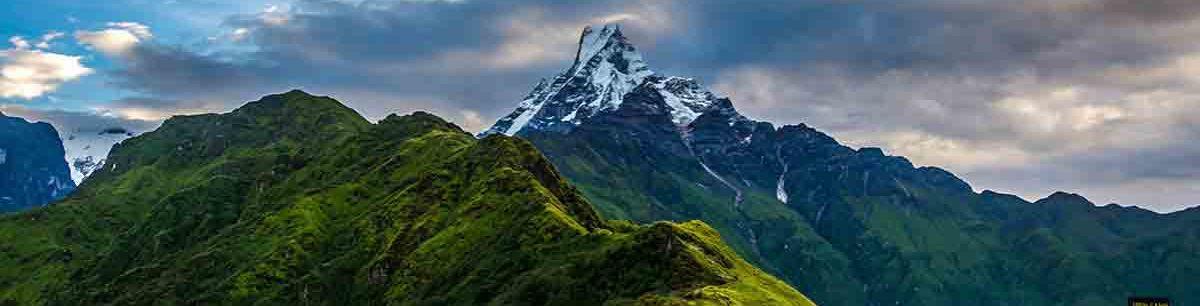
Post-Monsoon Treks in Manaslu Region: Hidden Gems Await

The Manaslu region, known for its untouched wilderness and remote Himalayan beauty, transforms into a trekker’s paradise after the monsoon. As the rains taper off in late August and early September, the curtains of mist lift, revealing a landscape refreshed, lush, and brimming with energy. For adventurers seeking solitude, cultural immersion, and pristine scenery far from Nepal’s more crowded routes, post-monsoon treks in Manaslu deliver an experience that is both exhilarating and humbling.

Why Post-Monsoon? The Magic of Trekking Manaslu After the Rains

Nature’s Grand Reset

Monsoon showers are the region’s annual act of rejuvenation. The torrential rains from June to August soak the hills, cleanse the air, and awaken rivers, waterfalls, and forests in dramatic fashion. When the skies clear, you’re greeted by:

  • Emerald valleys swept clean of dust
  • Clear, deep-blue skies offering unrivaled mountain views
  • Explosive wildflower blooms and mossy forests
  • Active wildlife — from Himalayan birds to elusive mammals

Trekker’s Paradise

The crowds of the Annapurna and Everest circuits are absent here, especially after the monsoon when many travelers are still hesitant about trail conditions. The result? Tranquil paths, open teahouses, and villages that feel welcoming yet undisturbed. Costs for accommodation are often lower in this “shoulder season,” making the trek more affordable.

Where to Go: Manaslu’s Hidden Gems

The Classic Manaslu Circuit

Encircling Mt. Manaslu (8,163m), the world’s eighth-highest peak, this trail is often described as Nepal’s best-kept secret. The full circuit offers:

  • Remote villages and terraced hillsides
  • Suspension bridges over roaring post-monsoon rivers
  • Tibetan Buddhist monasteries adorned with fresh prayer flags
  • The dramatic crossing of Larkya La Pass (5,106m), with panoramic views of Manaslu, Himalchuli, and Annapurna

What’s Special Post-Monsoon?

After the rains, the Budhi Gandaki Valley’s forests are deep green, waterfalls are at their strongest, and the freshly cleaned skies give crystal-clear mountain vistas. Early autumn, especially October, delivers crisp mornings, minimal rainfall, and a landscape at its lushest.

Tsum Valley: The Hidden Buddhist Sanctuary

Long considered a “hidden valley,” Tsum has opened to trekkers only in recent decades. Here you’ll find:

  • Ancient monasteries, meditation caves, and remote villages
  • Distinct Tibetan Buddhist culture and art
  • Secretive landscapes shrouded in myth and story

“Trek into Tsum Valley for spiritual immersion, pristine forests, and encounters with monks, nuns, and villagers who keep centuries-old traditions alive. In the post-monsoon season, the valley is bursting with color and life.”

Nubri and Barpak Villages: Underrated Side Adventures

Off the main route, these villages offer authentic cultural encounters and humbling stories of resilience, especially Barpak, the epicenter of the 2015 earthquake. There are also lesser-known gems:

  • Birendra Lake: See turquoise ice melt shimmering in the alpine sun.
  • Pungyen Gompa Lake: Nestled under Manaslu Glacier, especially stunning post-rain.

Kal Taal: Off-the-Map Wilderness

For true adventurers, Kal Taal (3,574m) is a secluded lake accessible from the village of Pork — rarely visited yet jaw-dropping in beauty, especially after the monsoon refills mountain streams and lakes.

The Post-Monsoon Experience: What to Expect

Weather and Trail Conditions

September–November is considered the golden window. Monsoon rains wane in early September; trails dry out by mid-to-late September, creating excellent trekking conditions. Expect:

  • Pleasant daytime temperatures (10–25°C)
  • Cold, clear nights at higher altitudes (down to –5°C at the highest passes)
  • Dramatic waterfalls, gushing rivers, wild streams bridged by prayer flag-decked crossings
  • Dry, stable weather by October, with dazzling mountain views and spectacular sunsets

Trail Challenges and Rewards

The Pros

  • Lush, vibrant scenery: Green valleys, flower-strewn forests, and active wildlife.
  • Serenity: Fewer trekkers, less crowded teahouses, tranquil monasteries.
  • Cultural encounters: Villagers celebrate the end of the rains with festivals; fields are alive with harvest.

The Cons

  • Trail hazards: In the early post-monsoon weeks, some lower sections can be muddy or washed out. Occasional landslides may reroute your journey, especially in Budhi Gandaki Valley.
  • Leeches: Persist in damp forests at lower elevations; anti-leech socks and salt are essential gear.
  • Variable weather: September may see brief, residual showers; October offers the best clarity.

Responsible Trekking: Protecting Manaslu’s Renewal

With renewal comes fragility. As new plant growth covers the trails and wildlife emerges, trekkers should:

  • Stay on marked paths to prevent erosion and damage to new foliage
  • Carry out all waste and avoid using disposable plastics
  • Support local teahouses and guides to promote sustainable tourism
  • Respect local traditions, especially during festivals or in sacred areas

Planning Your Post-Monsoon Manaslu Trek

Permits and Logistics

  • Restricted Area Permit (RAP): Mandatory for all trekkers, issued only through registered Nepali agencies.
  • Manaslu Conservation Area and Annapurna Conservation Area permits are also required.
  • Guides are compulsory; solo trekking is not permitted.
  • Minimum group size: 2 trekkers (foreigners).

Essential Gear

  • Waterproof boots, anti-leech socks, and hiking poles for tricky terrain
  • Quick-dry clothing, layered for changing temps
  • High-quality rain jacket and bag cover (especially early in the season)
  • Warm sleeping bag (rated for –5°C or colder)
  • Water purification and snacks—remote villages offer basic services

Best Time to Go

  • September: Trails begin to dry; skies clear, but be prepared for sporadic showers and muddy patches.
  • October–early November: Peak post-monsoon clarity, stable weather, vibrant landscapes, and local festivals.
  • Late November: Nights turn colder, passes may receive the season’s first snows, but trails remain largely accessible.

Unforgettable Encounters: What Makes Manaslu’s Hidden Gems Unique

Nature: From wild rhododendron blooms to the resounding call of Himalayan monals, every day brings surprises. Be on the lookout for endangered wildlife; you may spot blue sheep, red pandas, or even the elusive snow leopard within the conservation area.

Culture: The kindness of local villagers, the chant of monks and nuns at ancient gumba (monasteries), and the sight of intricately carved mani walls—all combine to make Manaslu a journey for the soul as well as the senses.

Solitude: Even at the busiest times, Manaslu remains comparatively quiet. Post-monsoon, discover valleys and vistas you might have all to yourself.

Final Thoughts: Why You Should Go Now

The Manaslu region, especially in the aftermath of the monsoon, embodies the wild spirit of the Himalayas. With its emerald-carpeted valleys, roaring rivers, and unspoiled villages, it invites you to trek not only across landscapes but also into stories of resilience, renewal, and raw nature. Far from the crowds, these hidden gems await—ready to test your limits, restore your spirit, and leave you in awe of Nepal’s untouched mountain majesty.

If you seek Himalayan adventure that blends breathtaking scenery, deep culture, and true wilderness, post-monsoon in Manaslu is your calling. Hidden gems await on every step—go discover them for yourself.

Everything You Need to Know Before Trekking Manaslu

Trekking in Nepal is one of the most enriching travel experiences in the world, and among its many legendary routes, the Manaslu Circuit Trek stands out for its pristine landscapes, cultural authenticity, and off-the-beaten-path allure. Named after Mount Manaslu, the eighth-highest mountain in the world at 8,163 meters, this trek offers a perfect balance of breathtaking scenery, remote village life, and Himalayan adventure.

If you’re considering the Manaslu Trek, this comprehensive guide covers all the essential things you need to know—from permits and best seasons to trekking highlights, difficulty, logistics, and what makes it one of Nepal’s best-kept secrets.


Why Choose the Manaslu Trek?

While the Everest and Annapurna regions attract tens of thousands of trekkers annually, the Manaslu Circuit offers a more peaceful and unspoiled alternative. Opened to trekkers only in the early 1990s, it still retains a sense of isolation and authenticity that’s hard to find elsewhere in the Himalayas.

What Makes It Special?

  • Less crowded than Annapurna and Everest regions
  • Remote villages and rich Tibetan-influenced culture
  • Epic mountain scenery, glaciers, and river valleys
  • Larke La Pass (5,106 m) – one of the most beautiful Himalayan passes
  • Opportunities to observe diverse ecosystems and wildlife
  • Traverses the Manaslu Conservation Area, rich in biodiversity

Trek Overview

FeatureDetails
Duration14–18 days (typical itinerary)
Highest PointLarke La Pass – 5,106 meters (16,752 ft)
Trek DistanceApprox. 177 km (110 miles)
Starting PointSoti Khola (or Arughat)
Ending PointDharapani (connects with Annapurna trail)
Difficulty LevelModerate to challenging
Best Time to TrekMarch–May & September–November
Accommodation TypeTeahouses (basic lodges)
Permits RequiredYes – Restricted Area Permit + others

Permits You Need

The Manaslu region is classified as a Restricted Area by the Government of Nepal, meaning that independent trekking is not allowed. You must be part of a registered group and accompanied by a licensed guide.

Required Permits:

  1. Manaslu Restricted Area Permit (RAP)
    • Cost: $100 for the first 7 days (Sept–Nov), $15 per day after
    • Lower rates from Dec–Aug
  2. Manaslu Conservation Area Permit (MCAP) – NPR 3,000 (~$25)
  3. Annapurna Conservation Area Permit (ACAP) – NPR 3,000 (~$25)
  4. TIMS Card is not required if you have a RAP

Permits can be obtained through a registered trekking agency, and solo trekking is not permitted in the Manaslu region due to safety concerns.


Best Time to Trek the Manaslu Circuit

The ideal seasons for the Manaslu trek are:

1. Autumn (September–November)

  • Most popular and stable trekking season
  • Clear skies, mild temperatures, and great mountain visibility
  • Festive season in Nepal—Dashain and Tihar fall during this time

2. Spring (March–May)

  • Blooming rhododendrons and wildflowers
  • Longer days and warmer weather
  • Good mountain visibility, though occasional haze

Avoid:

  • Monsoon (June–August) – Heavy rain, landslides, and leeches
  • Winter (December–February) – Snowfall can close Larke Pass

Trekking Itinerary (Standard 14-16 Days)

Here’s a popular 14-day itinerary. It can be extended or shortened depending on your pace and acclimatization needs.

Day 1: Drive from Kathmandu to Soti Khola (700m)

  • 7–8 hour jeep or bus ride
  • Overnight stay in a teahouse

Day 2–4: Trek through Machha Khola → Jagat → Deng

  • River crossings, waterfalls, and terrace farming
  • Enter the restricted area at Jagat
  • Deng offers views of Shringi Himal

Day 5–6: Deng to Namrung → Lho

  • Climb through pine and rhododendron forests
  • First panoramic views of Mount Manaslu from Lho
  • Lho is a beautiful Tibetan village with a large monastery

Day 7–8: Lho to Samagaun (3,530m)

  • Rest and acclimatization day at Samagaun
  • Side trip: Manaslu Base Camp or Pungyen Gompa

Day 9: Samagaun to Samdo (3,860m)

  • Short, gradual climb
  • Samdo is the last permanent settlement before the pass
  • Close to the Tibetan border

Day 10: Acclimatization in Samdo or hike to Dharamsala (Larke Phedi)

Day 11: Cross Larke La Pass (5,106m) to Bimthang (3,590m)

  • Long, challenging day with early morning start
  • Stunning panoramic views from the pass
  • Descend to Bimthang for overnight rest

Day 12–13: Trek to Dharapani via Tilje → Drive to Besi Sahar or Kathmandu

  • Reconnects with the Annapurna Circuit trail
  • Jeep or bus from Dharapani or Besi Sahar back to Kathmandu

Top Sights and Highlights

Mount Manaslu (8,163 m)

Visible from various points, this majestic peak dominates the landscape and inspires awe.

Ribung and Pungyen Gompa

Ancient Buddhist monasteries offering cultural insight and panoramic views of the Manaslu range.

Larke La Pass (5,106 m)

The high point of the trek and a physically demanding but incredibly rewarding climb with sweeping views of Himlung Himal, Cheo Himal, and more.

Remote Tibetan Villages (Samagaun, Lho, Samdo)

Experience local hospitality, Tibetan-style architecture, prayer wheels, and mani walls.

Wildlife and Biodiversity

  • Snow leopards (rarely seen)
  • Himalayan tahr, blue sheep, marmots, eagles
  • Varied flora—pine, birch, rhododendron, medicinal herbs

Food and Accommodation on the Trek

Accommodation:

  • Teahouses are available in most villages
  • Basic rooms with shared bathrooms
  • Heating usually available only in the dining hall

Food:

  • Dal Bhat (lentils & rice) – staple meal
  • Momos, noodles, pasta, Tibetan bread, fried rice
  • Expect rising prices and reduced menus at higher elevations
  • Bring snacks, protein bars, or instant coffee for variety

What to Pack

Essentials:

  • Sturdy hiking boots
  • Thermal layers, waterproof jacket
  • Sleeping bag (0°C to -10°C comfort rating)
  • Trekking poles
  • Headlamp, water purifier/tablets
  • Sunscreen, sunglasses, lip balm
  • Personal medications and basic first-aid
  • Extra cash (no ATMs on the trail)

Pack light but smart—porters (if hired) typically carry up to 15 kg.


Guide and Porter Info

  • Licensed guide is mandatory for the restricted area
  • Hiring a porter is optional but helpful
  • Many agencies offer guide + porter packages
  • Ensure your guide is experienced and fluent in English

Hiring locals not only enhances your safety but also contributes to the local economy.


Responsible Trekking Tips

  • Respect local customs—ask before taking photos of people or religious sites
  • Avoid plastic bottles—bring a reusable water bottle with purification options
  • Leave no trace—carry your waste out of the conservation area
  • Support local teahouses and businesses
  • Be mindful of altitude—acclimatize properly and don’t rush the itinerary

Alternative Routes & Extensions

  • Tsum Valley Extension: Add 5–7 days to explore this secluded valley with sacred monasteries and Tibetan heritage
  • Combine with Annapurna Circuit: After reaching Dharapani, continue the Annapurna trail westward

Final Thoughts: Is the Manaslu Trek Right for You?

If you’re looking for a Himalayan trek that offers solitude, cultural immersion, and dramatic mountain scenery without the crowds, the Manaslu Circuit is an outstanding choice. It demands good fitness, some experience with altitude, and a sense of adventure—but the rewards are truly unforgettable.

From ancient Buddhist villages to panoramic glacier views, and from deep gorges to high passes, the Manaslu region is a raw and authentic slice of Nepal. Plan well, trek responsibly, and you’ll come away with memories that last a lifetime.

Group Joining Trek to Manaslu Region: A Journey of Adventure and Beauty

Rating: 5 out of 5.

Nestled in the Himalayas of Nepal, the Manaslu region is a gem for trekkers seeking an off-the-beaten-path adventure, breathtaking landscapes, and a glimpse of authentic Himalayan culture. The Manaslu Circuit Trek, in particular, offers a fantastic opportunity to explore the eighth highest mountain in the world, Mount Manaslu (8,163 meters or 26,781 feet), and its surrounding wilderness. A group joining trek to the Manaslu region can be an unforgettable experience, providing camaraderie, shared memories, and a chance to forge new friendships amidst nature’s grandeur.

Overview of the Manaslu Circuit Trek

The Manaslu Circuit Trek is one of Nepal’s best-kept secrets, as it only opened to foreigners in 1991. This trek has been gaining popularity over the years, but it still retains its pristine and untouched beauty. The trek takes approximately 14 to 18 days, depending on the specific route taken and the time spent acclimatizing. The trail traverses through diverse landscapes, ranging from lush green valleys and terraced fields to high mountain passes and remote Tibetan-influenced villages.

Check Manaslu circuit trek package

Benefits of Group Joining Trek

Embarking on a group joining trek to the Manaslu region can enhance the overall experience for various reasons:

  • Safety and Support: Trekking in a group provides an added layer of safety, especially in remote regions. You have fellow trekkers and experienced guides to assist you in case of any difficulties or emergencies.
  • Shared Experience: The journey becomes more enjoyable when you share the experience with like-minded individuals. Trekking together creates a sense of camaraderie, allowing you to make friends from all corners of the globe.
  • Cultural Exchange: Trekking in a group offers ample opportunities for cultural exchange. As you encounter various local communities, you can learn about their unique customs, traditions, and way of life.
  • Cost-Effectiveness: Group joining treks are often more cost-effective than solo treks, as the expenses are shared among the participants. This can make the trek more budget-friendly for travelers.
  • Logistical Ease: Organized group treks take care of logistics such as permits, accommodations, and meals, making the journey hassle-free and allowing you to focus on enjoying the trek.

Check Manaslu circuit trek package

Highlights of the Manaslu Circuit Trek

Scenic Beauty: The trek offers stunning views of snow-capped peaks, including Manaslu, Himalchuli, Ngadi Chuli, and Ganesh Himal. You’ll traverse through lush forests, cross suspension bridges over raging rivers, and encounter waterfalls that seem to emerge from the heavens.

Larkya La Pass: The challenging Larkya La Pass, situated at an altitude of 5,160 meters (16,929 feet), is one of the high points of the trek. The pass offers panoramic views of the surrounding peaks and valleys, making the effort to reach the top truly rewarding.

Cultural Encounters: Along the trail, you’ll pass through several traditional villages like Samagaun and Samdo, where you can immerse yourself in the rich Tibetan-influenced culture of the region. Witness the daily lives of locals and explore ancient monasteries that hold centuries of history.

Birendra Lake (Pungyen Gompa): A short side trip from Samagaun takes you to the mesmerizing Birendra Lake, which reflects the towering mountains in its serene waters. This sacred lake offers a peaceful spot for contemplation and relaxation.

Less Crowded: Unlike the popular Everest and Annapurna regions, the Manaslu Circuit Trek sees fewer trekkers, contributing to a more tranquil and less commercialized experience.

Check Manaslu circuit trek package

Manaslu Circuit Trek Itinerasy

Day 01:    Drive from Kathmandu to Macchakhola – Altitude: 700-m/2296 ft. | Drive 8/9 hours. Meal: LD. 
Day 02:Trek from Machhakhola Gaon to Jagat – Altitude: 2340 m/7676 ft. | Trek: 7/8 hrs. Meal: BLD
Day 03:Trek to Deng – Altitude: 1870m/6170 ft.| Trek: 6-7 hrs. Meal: BLD 
Day 04:Trek to Ghap – Altitude: 2,160m/7,086ft. | Trek: 4-5 hrs. Meal: BLD
Day 05:Trek to Lho- Altitude: 3150m/10395 ft. | Trek: 6/ hrs. Meal: BLD
Day 06:Trek to Sama Gaon – Altitude: 3500m/11550 ft. | Trek: 3-4 hrs. Meal: BLD   
Day 07:Rest day at Sama Gaon – Altitude: 3500m/11550 ft. | Trek: 3-4 hrs. Meal: BLD
Day 08:Trek to Samdo – Altitude: 3,690m/12,106 ft. | Trek: 6/7 hrs. Meal: BLD   
Day 09:Trek to Lyarkya Phedi  Altitude: 4,470m/14,665ft. | Trek: 6-7  hours | Meal: BLD
Day 10:Trek to Bimtang (3,720m/12,204ft. ) crossing Larkya La Pass – Altitude: 5153 m/ 17005 ft. | Trek: 8/9 hrs.  Meal: BLD 
Day 11:Trek to Dharapani – Altitude: 1,860m/6,102ft. | Trek: 5/6 hrs. Meal: BLD  
Day 12:Drive to Besisahar in a Sharing Jeep – Altitude: 60 m/2,493ft | Private car drive back to Kathmandu. End of the trip.
Note: this itinerary can be customized upon your requirements

Departure Dates For Manaslu Circuit Trek 2023 / 2024

Note: for group size of 2 pax or more, can set their own departure dates.

DatePackagePriceStatus
26th September 2023Manaslu Circuit Trek via Larkya Pass 12 DaysUSD 1090BOOKING OPEN
1st October 2023Manaslu Circuit Trek via Larkya Pass 12 DaysUSD 1090BOOKING OPEN
  11th October 2023Manaslu Circuit Trek via Larkya Pass 12 DaysUSD 1090BOOKING OPEN
16th October 2023Manaslu Circuit Trek via Larkya Pass 12 DaysUSD 1090BOOKING OPEN
26th October 2023Manaslu Circuit Trek via Larkya Pass 12 DaysUSD 1090BOOKING OPEN
4th November 2023Manaslu Circuit Trek via Larkya Pass 12 DaysUSD 1090BOOKING OPEN
15th November 2023Manaslu Circuit Trek via Larkya Pass 12 DaysUSD 1090BOOKING OPEN
23rd November 2023Manaslu Circuit Trek via Larkya Pass 12 DaysUSD 1090BOOKING OPEN
1st December 2023Manaslu Circuit Trek via Larkya Pass 12 DaysUSD 1090BOOKING OPEN
9th December 2023Manaslu Circuit Trek via Larkya Pass 12 DaysUSD 1090BOOKING OPEN
11th December 2023Manaslu Circuit Trek via Larkya Pass 12 DaysUSD 1090BOOKING OPEN
11th March 2024Manaslu Circuit Trek via Larkya Pass 12 DaysUSD 1090BOOKING OPEN
20th March 2024Manaslu Circuit Trek via Larkya Pass 12 DaysUSD 1090BOOKING OPEN
26th March 2024Manaslu Circuit Trek via Larkya Pass 12 DaysUSD 1090BOOKING OPEN
5th April 2024Manaslu Circuit Trek via Larkya Pass 12 DaysUSD 1090BOOKING OPEN
14th April 2024Manaslu Circuit Trek via Larkya Pass 12 DaysUSD 1090BOOKING OPEN
24th April 2024Manaslu Circuit Trek via Larkya Pass 12 DaysUSD 1090BOOKING OPEN
30th April 2024Manaslu Circuit Trek via Larkya Pass 12 DaysUSD 1090BOOKING OPEN
10th May 2024Manaslu Circuit Trek via Larkya Pass 12 DaysUSD 1190BOOKING OPEN
18th May 2024Manaslu Circuit Trek via Larkya Pass 12 DaysUSD 1190BOOKING OPEN
14th September 2024Manaslu Circuit Trek via Larkya Pass 12 DaysUSD 1190BOOKING OPEN
23rd September 2024Manaslu Circuit Trek via Larkya Pass 12 DaysUSD 1190BOOKING OPEN
1st October 2024Manaslu Circuit Trek via Larkya Pass 12 DaysUSD 1190BOOKING OPEN
10th October 2024Manaslu Circuit Trek via Larkya Pass 12 DaysUSD 1190BOOKING OPEN
16th October 2024Manaslu Circuit Trek via Larkya Pass 12 DaysUSD 1190BOOKING OPEN
21st October 2024Manaslu Circuit Trek via Larkya Pass 12 DaysUSD 1190BOOKING OPEN
28th October 2024Manaslu Circuit Trek via Larkya Pass 12 DaysUSD 1190BOOKING OPEN
31st October 2024Manaslu Circuit Trek via Larkya Pass 12 DaysUSD 1190BOOKING OPEN
3rd November 2024Manaslu Circuit Trek via Larkya Pass 12 DaysUSD 1190BOOKING OPEN
11th November 2024Manaslu Circuit Trek via Larkya Pass 12 DaysUSD 1190BOOKING OPEN
20th November 2024Manaslu Circuit Trek via Larkya Pass 12 DaysUSD 1190BOOKING OPEN
26th November 2024Manaslu Circuit Trek via Larkya Pass 12 DaysUSD 1190BOOKING OPEN
30th November 2024Manaslu Circuit Trek via Larkya Pass 12 DaysUSD 1190BOOKING OPEN
3rd December 2024Manaslu Circuit Trek via Larkya Pass 12 DaysUSD 1190BOOKING OPEN
11th December 2024Manaslu Circuit Trek via Larkya Pass 12 DaysUSD 1190BOOKING OPEN
21st December 2024Manaslu Circuit Trek via Larkya Pass 12 DaysUSD 1190BOOKING OPEN

Preparation and Permits

While the Manaslu Circuit Trek offers unparalleled beauty, it demands good physical fitness and mental endurance. Prior trekking experience in high-altitude terrain is beneficial, but with proper preparation and training, the trek is achievable for most enthusiastic hikers.

Before embarking on the trek, obtaining necessary permits is crucial. You’ll need the Manaslu Conservation Area Permit (MCAP) and the Annapurna Conservation Area Permit (ACAP). Additionally, trekking in this region requires a Restricted Area Permit (RAP), as the area lies close to the Tibetan border. Acquiring these permits is usually facilitated by trekking agencies or guides.

Check Manaslu circuit trek package

Responsible Trekking

As with any adventure in nature, it’s essential to practice responsible trekking to preserve the natural beauty of the Manaslu region for generations to come. Here are a few tips for responsible trekking:

  • Respect Local Culture: Embrace the local customs and traditions, dress modestly, and ask for permission before taking photos of people.
  • Leave No Trace: Carry all your trash with you and dispose of it properly at designated places. Minimize your environmental impact during the trek.
  • Support Local Economy: Purchase local products and services, stay in locally-owned teahouses, and hire local guides and porters to contribute to the region’s economy.

Check Manaslu circuit trek package

Conclusion

A group joining trek to the Manaslu region is an adventure that blends nature’s grandeur, cultural experiences, and unforgettable memories. The journey to the heart of the Himalayas will challenge and inspire you, leaving you with a deeper appreciation for both the natural world and the warmth of human connections. With responsible trekking and the right preparation, the Manaslu Circuit Trek is an experience of a lifetime that will stay etched in your heart forever.

Feel Free To Contact Us.

Manaslu Circuit Trek Cost and Difficulty

Rating: 5 out of 5.

For adventure seekers, the Manaslu Circuit Trek is the greatest option. This is a hike that is moderately tough. The difficulty of the Manaslu Circuit Trek is mostly determined by the trekker’s physical condition. This journey allows you to cross through multiple rivers and waterfalls, as well as see beautiful mountain vistas. The Manaslu Circuit is a lengthier journey than some of Nepal’s other expeditions. In 13 to 17 days, the Manaslu may be conquered. The Manaslu Circuit is quite unique. Along the steep-sided Budhi Gandaki river, the hike follows an ancient salt-trading route. While climbing through the Manaslu region, ten peaks taller than 6,500 meters (21,300 feet) are visible, including summits taller than 7,000 meters (23,000 feet).

Manaslu Circuit Trek Difficulty

The Manaslu Circuit Trek is an excellent option for anyone looking to explore the remote region. Geographically, it is located in the lonely Himalayan foothills on the Tibetan border. This trekking area is in Nepal’s protected and restricted regions. As a result, you’ll learn about the well-preserved natural environment as well as the indigenous tribes’ culture. When it comes to difficulty, the grade is severe. As a result, it is somewhat tough for novice trekkers. However, any rookie lever trekker may do it if they are well prepared in ahead; if they are adequately prepared, they will quickly reach their target. You should be aware of its complexity, but rest assured that no technical climbing abilities are required for this trek.

Things that Determine the Difficulty of the Manaslu Circuit Trek

Allow us to go through a few factors that determine the difficulty of the Manaslu Circuit Trek.

  1. The Trek’s Distance:The Manaslu Circuit Trek is located in Gorkha district, in the northern Himalayan range. The overall distance is around 177 kilometers. On a typical 19-day tour, you’ll be walking for 10-12 days, covering an average distance of 15-20 kilometers each day, which can be exhausting for you. The trek becomes challenging after the first few days because the Budhi Gandaki Gorge is incredibly steep. You’ll travel along winding paths and over suspension bridges that span the Budhi Gandaki River. At 5,213 meters above sea level, crossing the Larkya La Pass is a difficult task. Trekking via the uneven terrain and rocky trail also requires stamina and endurance.
  2. Weather of Manaslu Region: The weather can make a major impact in the difficulty of your Manaslu Circuit trek. On your 19-day trekking trip, you may encounter heavy rain, chilly nights, scorching sun, and biting winds. The days are usually warm and dry, and the nights are usually mild. Make sure to bring warm clothing for the evening and night, as well as a good sleeping bag. Layering is crucial when it comes to clothing. The autumn season is the best time to walk the Manaslu Circuit because of the pleasant weather. The weather is excellent, with consistent temperatures, and the magnificent mountain vistas are breathtaking!!! As a result, you should aim for the spring and fall seasons, when the weather should not be too bad.
  3. Altitude Sickness: Altitude sickness, sometimes known as acute mountain sickness, makes hiking difficult, particularly at high altitudes. The altitude of the Manaslu Trek varies greatly. As a result, one of the most challenging challenges you may experience throughout the Manaslu Circuit Trek is adjusting to high altitudes. You should take the following precautions to avoid altitude sickness: Slowly climb, bring plenty of energy bars, plenty of nutrients and carbohydrates, stay hydrated, and avoid alcoholic and cigarette products. Don’t take sleeping pills because they exacerbate altitude sickness.

Manaslu Circuit Trek Cost

Because the majority of international visitors to Nepal arrive in Kathmandu, they are more likely to hike in areas other than Annapurna or Manaslu. To do so, one must travel to Pokhara. By default, all trekking companies provide transportation from Kathmandu to Pokhara. Some travel by bus, while others travel by plane. Most itineraries include hotel accommodations in Pokhara as well as transportation from Pokhara to Ghorepani. This is where some of the expenses are incurred. Depending on the provider you choose, even the same trekking package can cost differently. In Kathmandu, for example, there are five-star hotels that are far beyond the average tourist level. They go from Kathmandu to Sotikhola and Dharapani using either a private jeep or a local bus, depending on the client’s budget. In this hiking trail, many trekkers stay in local tea houses, while some prefer to tent for better service and unique experiences. As a result, we are unable to provide a precise price for the Manaslu circuit trekking. The Things that may have an impact on the same product with a different price are: The size of your group, the number of persons in your group, the duration of the journey, In Kathmandu, request a certain night and hotel category. Request a trekking mode (camping or tea house trekking), Is it possible to request the number of trekking guides and porters? Transportation modes (either private jeep or local bus), In the mountains, follow the trekking route and duration.

Even though you are not required to pay an entrance charge, you must still pay for permits. Hiking in the Nepal Himalayas is impossible without it. Three types of permits are required for the Manaslu Circuit:

The cost of a Manaslu Trek permit is determined on the month and number of days you plan to spend in the region. To trek in the Manaslu region, you’ll need one of three types of permits from the Nepalese government.

Manaslu Restricted Permit:

From September to November, the Manaslu trek permit costs USD 70.00 for the first seven days and USD 10.00 for each extra day. From December to August, a Manaslu trek permit costs USD 50.00 for the first 7 days and USD 7.00 for each additional day.

The Manaslu Conservation Area Permit (MCAP)

costs 200 NPR per person for SAARC nationals and 2,000 NPR per person for other nationals.

You will also require an Annapurna Conservation Area Permit (ACAP) because you will be entering the Annapurna Conservation Area.

Your trekking company will take care of all permissions. The Manaslu Circuit Trip is a more expensive trek in Nepal due to its typical time and exclusivity. Per person, prices range from 1000 USD to 1900 USD (or 900 EUR to 1800 EUR).

Feel Free To Contact Us.

Manaslu Circuit Trek Weather

Rating: 5 out of 5.

Because of the changes in altitude within the circuit, the area that includes the path is believed to have six climate zones. Tropical, subtropical, temperate, sub-alpine, alpine, and arctic zones exist, with elevations ranging from below 1000 meters to over 5000 meters. With rapidly changing weather, clouds giving way to sunshine, humidity, rain, and strong winds, the Manaslu Circuit trek offers numerous seasons in a single day. The weather you’ll encounter is mostly determined by the time of year you hike. During the rainy season, the temperature usually rises considerably. During the months of December through February, the temperature goes below 0°C. You’ll see stunning vistas and views of snow-capped mountains on this trek, which mixes cultural and natural splendor.

Manaslu Circuit Weather in January:

In the upper elevations, the days may be gloomy and cold. Even in the winter, you will enjoy your walk at lower elevations. Because January is the coldest month of the year, you’ll have to put in a lot of effort to get through the bitterly cold night. Because the trails are covered with snow, you may need crampons to cross the pass. During the months of January and February, the Manaslu region is also subjected to the unusual and unexpected winter storm. In the winter, the daytime is manageable; it’s the night and early morning hours that necessitate more gear and mental and physical preparation. As night falls, temperatures might drop to as low as -20oC on average.

Manaslu Circuit Weather in February:

In February and January, there is no significant difference in temperature. However, the few lodges remain open at the end of the month. During this season, the Manaslu region also experiences the occasional and unexpected winter storm. Winter is the greatest time to go hiking if you want to be both daring and serene. The coldest month of the year, February, also sees a drop in the number of trekkers. It could be an excellent opportunity to appreciate the tranquility and peacefulness even more. During the winter, most of the tea shops on the Manaslu Trek‘s higher altitudes close. For winter treks, remember to bring your camping supplies.

Manaslu Circuit Weather in March:

March marks the beginning of the spring season. It actually has a pleasant climate, with neither too hot nor too cold temperatures at lower and higher elevations. In addition, the lodges that have been closed will reopen this month. During this period, it appears as if everything is being brought back to life. The weather is still frigid in early March, as the winter is drawing to a close. In the upper parts of the climb, average temperatures might plummet to -6 degrees Celsius. The average temperatures begin to rise in the second week of March, bringing warmer weather and temperatures. The magnificent vegetation and animals can be seen in the lower reaches of the paths. In the laps of white snow-capped mountains, you may enjoy the beautiful blooming of the rhododendron forest, green fields, and farms.

Manaslu Circuit Weather in April:

In the spring, April is considered the finest month to visit the Manaslu Circuit. The vibrant flowers and lush vegetation on the pathways make you feel as though you’ve arrived in heaven. This month, the trekking zone is relatively uncrowded. The chilly Manaslu Trek Weather, with temperatures ranging from 6 to 12 degrees Celsius, is ideal for day treks. The nights are also not as cold, allowing you to get a good night’s sleep. The area flowers’ blooms are at their peak. Farmers in the area begin their annual planting of various crops, offering you a picture of the local way of life.

Manaslu Circuit Weather in May:

The spring season comes to an end in May, and temperatures begin to rise. During this month, the weather is hot and humid. In the midday, trekkers at lower altitudes begin to sweat. At higher altitudes, though, the temperature remains pleasant. With the longer daytime, you can enjoy your treks for longer. Even in the trek’s high altitude communities, average temperatures do not fall below zero during these weeks. In the lowest parts of May, there is also a weird haze. It clears up at higher elevations, allowing for excellent visibility of the mountains and surrounds.

Manaslu Circuit Weather in June:

The monsoon season in Nepal officially begins in June. Despite the rain, this is one of the greatest times to enjoy the natural splendor of the Manaslu Circuit trek. The lower valley turns a rich green, and there’s a good possibility you’ll see some spectacular rainbows. Temperatures average around 25 degrees Celsius. However, rain and clouds cast a shadow over most days. The temperature drops slightly as you climb higher. With an average temperature of 10 degrees Celsius, you may enjoy your climbs at higher altitudes. Rainfall averages 460 millimeters at 1400 meters and 30 millimeters at 4000 meters in June. The odds of rain are much slimmer if you hike higher than this.

Manaslu Circuit Weather in July:

July is also monsoon season, which means there’s a large chance of rain. It will rain every day, but not all of the time, and when the sun shines, it will quickly become hot. It usually rains in the evenings and late at night. Mornings are usually bright and sunny. For excursions this month, make sure you have a flexible schedule. Various bugs and leeches can also be seen in abundance during these months. The trekkers’ misery is compounded by the fact that the trail is slick and muddy, necessitating the use of excellent hiking shoes.

Manaslu Circuit Weather in August:

Another wet month, not the best time to trek the Manaslu Circuit trail. However, this is a good month to visit the Manaslu region. This month, there will be a large number of trekkers. August has the same temperature as June. Despite this, August is the wettest month of the year. The frequent rain enhances the beauty of the greenery and woodland. This ensures that your meals and hiking experience are as fresh, tasty, and high-quality as possible. In August, you can see full, fat waterfalls, streams, even roaring rivers.

Manaslu Circuit Weather in September:

September is the transitional month between the hot summer and the cool autumn. The monsoon season begins in the middle of September. This month will be marked by stable and pleasant weather. The trekking season is well underway. After mid-September, you may experience the benefits of trekking without the crowds. Early September, however, does experience some rain. The trail temps are also ideal, being neither too hot nor too chilly. The average temperature is a chilly 7 degrees Celsius even at higher altitudes. It is warmer at 21 degrees in the lower regions.

Manaslu Circuit Weather in October:

The best month to trek the Manaslu Circuit trail is October. The weather is beautiful, and the mountain vistas are breathtaking!!! You can enjoy your hikes in temps as low as 15 degrees Celsius. For day walks, it is neither too hot nor too chilly. There will be a mild chill at higher altitudes, with temperatures plunging to -2 degrees Celsius. Because there are so many trekkers on the trails at this time of year, it’s a smart idea to schedule your lodging and transportation ahead of time.

Manaslu Circuit Weather in November:

With a modest reduction in temperatures, you may enjoy the greatest circumstances similar to October. In the lowest parts, the average temperature lowers to 13 degrees Celsius. The average temperature in upper locations like Samagaun and Samdo is -3 to -6 degrees Celsius. However, the views will remain the same; you will be surrounded by stunning mountain and glacier panoramas. During this month, the annual Manaslu Trail race takes place. Trekking enthusiasts and participants from all around the world attend the event.

Manaslu Circuit Weather in December:

Early December provides everything of November’s hiking conditions with the added benefit of cooler temps. The sky is usually clear and bright, and the mountains are breathtaking. However, the almost stinging air will undoubtedly test you. As you rise, the weather becomes noticeably colder. Around the middle of December, the residents of Samdo village migrate to Pokhara to escape the cold. As a result, the majority of the teahouses are closed, and only a few people remain to care for the community. As night falls, temperatures might drop to as low as -20oC on average.

Feel Free To Contact Us.