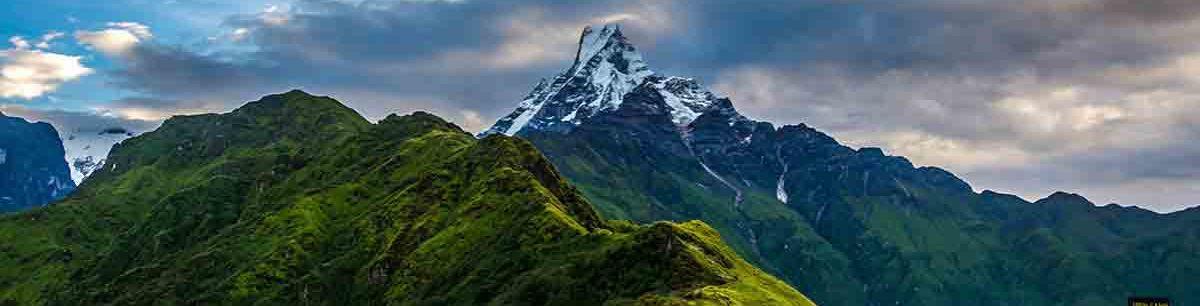
Best Places to Stay in Nepal This Autumn

Autumn in Nepal (September to November) is the most coveted time for travelers, trekkers, and cultural explorers. As the monsoon clouds retreat, they unveil crisp, clear skies, lush landscapes, and the full splendor of the Himalayas. But just as essential as what you do in Nepal is where you stay. Choosing the ideal city or mountain village for your autumn stay offers the perfect vantage point to experience Nepal’s climate, festivals, and unforgettable mountain scenery.

This comprehensive guide highlights the best cities and trekking villages to stay in during autumn—covering amenities, local experiences, and why each destination shines during this season.

Why Autumn Stands Out

Autumn is Nepal’s golden season. Following the rains, dust is swept away, leaving spectacular visibility and vibrant, green valleys. Days are typically sunny with moderate temperatures (average 14–29°C in the lowlands) and chilly but comfortable evenings. Trekking lodges and hotels are open, the atmosphere is festive, and local communities welcome visitors with warm hospitality.

The Best Cities to Stay in Nepal During Autumn

 Kathmandu

Kathmandu, Nepal’s bustling capital, is most vibrant in autumn, serving as both a cultural hub and the gateway to further adventures.

  • Why Stay: Rich in UNESCO World Heritage sites, ancient temples, lively markets, and a sophisticated food scene.
  • Areas to consider:
    • Thamel: The tourist heart, packed with hotels, cafes, bars, and gear shops.
    • Patan: Known for its artsy Newar heritage and quieter vibe.
  • Experience: Convenient for festival-hopping (Dashain, Tihar), guided heritage walks, and launching treks to Everest or Langtang.

Recommended Accommodation: Ranges from budget guesthouses in Thamel to upscale hotels like Hyatt Regency, as well as traditional boutique stays.

 Pokhara

Framed by the Annapurna range and set on the serene Phewa Lake, Pokhara is arguably Nepal’s most scenic city.

  • Why Stay: Gateway to the Annapurna and Dhaulagiri trekking regions, excellent for adventure sports, and chill-out time after treks.
  • Lakeside District: The epicenter for tourists, with accommodations ranging from lakeside lodges to luxury resorts.
  • Activities: Paragliding, boating, hiking, spa treatments, and lively night life.
  • Autumn Appeal: Clear views of Machapuchare, Annapurna, and Dhaulagiri peaks; festivals bring the city to life.

 Bandipur

A well-preserved hilltop town nestled between Kathmandu and Pokhara, Bandipur offers an inviting blend of history, architecture, and mountain vistas.

  • Why Stay: Atmospheric Newari town with panoramic Himalayan views, exquisite stone houses, and charming guesthouses.
  • What to Expect: Cobbled streets, cafés, sunset viewpoints (Thani Mai Temple), and direct immersion in local festivals.
  • Autumn Bonus: October–December is the best period for crisp skies and cultural events.

 Bhaktapur

Known as Nepal’s “city of devotees,” Bhaktapur is an ancient city less hectic than Kathmandu.

  • Why Stay: Best for those who appreciate architecture, traditional art, and a meditative atmosphere.
  • Highlights: Darbar Square, intricate temples, and vibrant pottery-making districts. Great for festival immersion—especially Tihar, with its city-wide Deepawali celebrations.
  • Accommodation: Restored heritage hotels and authentic guesthouses.

 Tansen

A lesser-known gem in the hills of western Nepal, Tansen charms with its old-world ambiance and unbeatable Himalayan views.

  • Why Stay: Fewer tourists, friendly homestays, artisan markets, and historical palaces.
  • What to Do: Hike up Shreenagar Hill, visit Rani Mahal (Nepal’s own Taj Mahal), and try delicious local Newari cuisine.
  • Autumn Special: The post-monsoon clarity provides panoramic Himalayan views, ideal for photographers and peace-seekers.

 Nagarkot and Dhulikhel

Both Nagarkot and Dhulikhel are hill stations east of Kathmandu, celebrated for their sunrise and sunset views over the Himalayas.

  • Nagarkot: Cozy resorts and homestays, hiking trails, and less-crowded vistas.
  • Dhulikhel: Blends culture with nature—old Newar neighborhoods, temple tours, and panoramic perspectives.

The Best Trekking Villages to Stay in During Autumn

Everest Region

Namche Bazaar

The “Sherpa capital” is the last major town before Everest Base Camp.

  • Experience: All-weather lodges, cultural museums, bakeries, and breathtaking amphitheater views of Kongde Ri and Thamserku.
  • Activities: Acclimatization hikes, trade market, and proximity to the Tengboche Monastery (site of the Mani Rimdu Festival during autumn).

 Tengboche

Famous for its hilltop monastery and open grounds with unrivaled Everest views.

  • Stay for: Spiritual tranquility, stunning sunrises/sunsets, and attending the Mani Rimdu festival in October–November.

 Phakding and Lukla

Key entry points to Everest treks, these villages offer reliable lodges and restful stays amidst alpine scenery.

Annapurna Region

 Ghandruk

A stone-built Gurung village nestled against dazzling peak backdrops.

  • Experience: Local homestays, cultural performances, and tea houses with terraces overlooking Annapurna South and Machapuchare.
  • Autumn Bonus: Harvest festivals and lively village life.

 Ghorepani

Famed for Poon Hill, Ghorepani is a trekking hub with teahouses and unforgettable sunrise views.

  • Why Stay: Comfortable mid-point for trekkers, basic lodges to luxury tea houses, dazzling autumn rhododendron forests, and festivals.

 Chhomrong

A gateway village for Annapurna Base Camp trekkers, offering high-quality lodges, homestays, hot springs, and rhododendron forests.

Langtang and Helambu Regions

 Langtang Village and Kyanjin Gompa

Langtang Valley’s highland villages are famed for cheese factories, Buddhist monasteries, and outstanding glacier vistas.

  • Stay for: Mountain homestays, hearty yak-milk meals, and peacefulness after autumn’s harvest.
  • Autumn Perks: Lively yet less crowded than Everest and Annapurna routes.

 Chisapani

The gateway to both Langtang and Helambu treks, Chisapani offers sweeping sunrise and sunset views, comfortable guesthouses, and access to Nepal’s rural culture.

Off-the-Beaten-Path Villages

Manaslu Circuit

The Manaslu trail is a remote gem offering traditional Tibetan-influenced villages like Samagaun and Samdo.

  • Accommodation: Teahouses and homestays with seasonal, festival-rich community life.
  • Why Autumn: Less rain, perfect mountain visibility, and celebratory village spirit during festivals.

Tsum Valley

Recently opened, Tsum offers a rare look at Tibetan Buddhist culture, hospitable home stays, and near-mythical scenery.

Types of Accommodation in Cities and Villages

Location TypeAccommodation OptionsHighlights
Major CitiesHostels, boutique hotels, luxuryModern amenities, heritage stays
Hill TownsGuesthouses, homestaysPanoramic views, cultural décor
Trekking TrailsTeahouses, lodges, homestaysSimple comfort, local connection
Remote VillagesBasic teahouses, family lodgesAuthentic experience, home-cooked food

During autumn, book well in advance, especially for the Annapurna and Everest regions, as festival crowds and trekker numbers surge.

Insider Tips for Staying in Nepal During Autumn

  • Book Early: Accommodations fill fast during festival weeks and trekking season.
  • Taste Local: Enjoy Newari feasts in Kathmandu, Gurung cuisine in Annapurna, and yak cheese in Langtang.
  • Engage in Festivals: Participate respectfully in Dashain, Tihar, and local harvest celebrations for an immersive experience.
  • Layer Up: Pleasant days mean cold nights, especially in higher altitudes—even in autumn.
  • Choose Guesthouses with Views: Many city hotels and village teahouses compete for the best sunrise/sunset vista. Ask in advance or read recent reviews.

Conclusion

Whether you’re drawn to the urban buzz of Kathmandu, the lakeside calm of Pokhara, sunrises in Nagarkot, or the warmth of a teahouse in Ghandruk or Namche Bazaar, Nepal offers a spectrum of unforgettable places to stay during autumn. Each location, from heritage districts to mountain villages, adds a unique chapter to your Nepal experience—blending spectacular scenery, cultural vibrancy, and Himalayan hospitality.

Selecting the right base not only makes your trip more comfortable but also provides access to Nepal’s festival calendar, peak-season trekking, and the autumn landscapes that make this season the very best time to visit the Himalayan kingdom

Nepal in Autumn for Adventure Seekers: Trekking, Paragliding & More

Nepal is a dream destination for thrill-seekers, nature lovers, and cultural explorers alike. While the Himalayas provide the backdrop for countless adventure stories, autumn (September to November) stands out as the best season to visit Nepal for anyone seeking adrenaline-pumping activities paired with crisp air, vibrant festivals, and the clearest mountain views of the year.

In this article, we dive deep into why autumn is the ultimate season for adventure travelers in Nepal, and highlight the best treks, paragliding spots, jungle safaris, mountain biking routes, and other adventure experiences that await you.


Why Autumn Is the Best Time for Adventure Travel in Nepal

Autumn in Nepal begins in mid-September and stretches into late November, offering:

  • Stable weather conditions
  • Clear blue skies
  • Mild to warm daytime temperatures
  • Excellent visibility of Himalayan peaks
  • Post-monsoon freshness and greenery
  • Major cultural festivals like Dashain and Tihar

Whether you’re trekking to Everest Base Camp, soaring over Pokhara in a paraglider, or cycling through mountain trails, autumn provides ideal conditions to safely and fully enjoy outdoor adventures.


1. Trekking: The Heart of Himalayan Adventure

Trekking in Nepal during autumn is nothing short of spectacular. The mountains are alive with activity, yet the environment remains serene and awe-inspiring.

 Best Autumn Treks in Nepal

a. Everest Base Camp Trek

  • Duration: 12–14 days
  • Max altitude: 5,364 meters (EBC)
  • Highlights: Views of Everest, Khumbu Glacier, Sherpa villages, Tengboche Monastery
  • Why in Autumn: The post-monsoon air offers crystal-clear views of Mt. Everest, Lhotse, and Ama Dablam. Lodges are fully operational and trail conditions are optimal.

b. Annapurna Circuit Trek

  • Duration: 15–20 days
  • Max altitude: 5,416 meters (Thorong La Pass)
  • Highlights: Deep gorges, rice terraces, high mountain passes, varied ethnic cultures
  • Why in Autumn: The Annapurna region is lush, rivers run full, and the contrast between green valleys and snow-covered peaks is picture-perfect.

c. Langtang Valley Trek

  • Duration: 7–10 days
  • Max altitude: 4,984 meters (Tserko Ri)
  • Highlights: Tamang culture, yak pastures, glaciers, Kyanjin Gompa
  • Why in Autumn: Moderate difficulty with incredible scenery and fewer crowds than Annapurna or Everest.

d. Manaslu Circuit Trek

  • Duration: 14–18 days
  • Max altitude: 5,160 meters (Larkya La Pass)
  • Highlights: Remote trails, cultural immersion, waterfalls, and Himalayan vistas
  • Why in Autumn: This off-the-beaten-path trek is best done when trails are dry and skies are clear—perfect conditions during autumn.

2. Paragliding: Fly Above the Himalayas

Paragliding in Nepal is a thrilling way to enjoy the beauty of the Himalayas from a bird’s-eye view. Autumn offers the best thermals and clear skies, making it the most popular season for paragliding.

 Top Paragliding Locations

a. Pokhara

  • Location: Sarangkot hilltop
  • Height: Launch at ~1,600 meters, land near Phewa Lake
  • Views: Annapurna Range, Machhapuchhre (Fishtail), Phewa Lake, Pokhara Valley
  • Why in Autumn: Visibility is at its best, offering uninterrupted views of the snow-capped peaks.

Bonus: Try acrobatic paragliding if you’re an adrenaline junkie, or go for a cross-country flight to explore further distances in the valley.

b. Bandipur

  • A hidden gem that offers quiet, less commercialized paragliding opportunities with views of both mountains and the Marsyangdi River valley.

3. White-Water Rafting: Ride Nepal’s Himalayan Rivers

Nepal’s rivers are fed by the Himalayas, and autumn is the ideal time for white-water rafting, with rivers full and currents manageable after the monsoon.

 Best Rivers for Rafting in Autumn

  • Trishuli River (1–3 days): Great for beginners, close to Kathmandu.
  • Seti River: Warm waters, good for family-friendly rafting.
  • Bhote Koshi: Intense rapids and steep gradients; for experienced rafters.
  • Karnali River (7–10 days): Remote, multi-day expedition through western Nepal.

4. Jungle Safaris in Chitwan & Bardia

Adventure isn’t limited to the mountains—head south for a wildlife safari in Nepal’s national parks. Autumn is the start of the dry season, making it easier to spot animals near water sources.

 What You’ll See:

  • Bengal tigers
  • One-horned rhinoceroses
  • Asian elephants
  • Mugger crocodiles
  • Hundreds of bird species

Top Safari Locations:

  • Chitwan National Park (UNESCO World Heritage Site): Offers jeep safaris, canoe rides, bird watching, and cultural Tharu dances.
  • Bardia National Park: Less crowded and more remote; better for spotting tigers.

5. Mountain Biking: Trails with a View

Autumn is prime season for mountain biking across Nepal’s diverse terrain—whether you’re zooming down alpine trails or exploring ancient trade routes.

 Best Mountain Biking Trails:

  • Kathmandu Valley Rim: Multi-day rides through forested hills and traditional villages.
  • Pokhara to Jomsom: Ride through the Annapurna foothills to the Mustang region.
  • Lower Mustang: Dry, rugged, and beautiful—perfect for adventure cyclists.

Most trails in autumn are dry and in great condition, allowing for high-speed descents and technical rides.


6. Peak Climbing for Skilled Mountaineers

For those with technical climbing skills, autumn offers the safest and most stable window for peak climbing in Nepal.

 Recommended Peaks:

  • Island Peak (6,189 m): Near Everest Base Camp; good for first-time Himalayan climbers.
  • Mera Peak (6,476 m): Highest trekking peak in Nepal; stunning views of five 8,000ers.
  • Lobuche East (6,119 m): More technical than Island Peak; excellent for experienced climbers.

Climbers must obtain permits and often hire local guides or join organized expeditions for safety.


7. Skydiving: Leap Over the Himalayas

For the ultimate thrill, skydiving in Nepal gives you the chance to free-fall in front of the world’s highest peaks.

  • Everest Skydive: A tandem jump from ~23,000 ft near Everest, landing at Syangboche or Ama Dablam Base Camp. Limited slots in October.
  • Pokhara Skydive: Scenic dive over lakes and mountains. Easier access and great for beginners.

8. Rock Climbing and Bouldering

If you prefer adventure on vertical rock faces rather than icy peaks, autumn is perfect for climbing in dry, cool conditions.

 Climbing Spots:

  • Nagarjun Forest (Kathmandu): Sport climbing close to the city.
  • Hattiban: Limestone crags with bolted routes.
  • Bimal Nagar (Bandipur): Over 30 sport climbing routes with epic views.

9. Zip-Lining, Bungee Jumping & Canyoning

If you want short-burst adventures packed with adrenaline, Nepal offers plenty of options:

  • The Last Resort: Home to the famous 160-meter bungee jump into the Bhote Koshi gorge.
  • World’s steepest zip-line in Pokhara: Reaches speeds up to 120 km/h.
  • Canyoning in Jalbire or Sundarijal: Rappel down waterfalls, jump into natural pools, and slide through gorges.

Tips for Adventure Travel in Nepal in Autumn

  • Book early: Autumn is the peak tourist season—trekking permits, guides, and lodges fill quickly.
  • Pack layers: Mornings and nights are cold; days can be warm at lower altitudes.
  • Stay hydrated and acclimatize properly on treks above 3,000 meters.
  • Use licensed guides and agencies for safety, especially for high-risk activities.
  • Respect local customs, especially during festivals like Dashain and Tihar.

Final Thoughts

Nepal in autumn is a paradise for adventure seekers. From iconic treks and mountain flights to thrilling activities like paragliding, white-water rafting, and jungle safaris, the country delivers unforgettable experiences in one of the world’s most stunning natural landscapes.

With crisp skies, mild weather, and a rich cultural calendar, autumn is more than just a season—it’s a gateway to some of the most exhilarating adventures Nepal has to offer.

Top Technical Peaks in Nepal for Advanced Climbers

Nepal, home to the world’s tallest mountain, Mount Everest, is a dream destination for climbers and mountaineers from all corners of the globe. While Everest garners much of the attention, the country is dotted with a range of technically demanding and physically grueling peaks that attract only the most skilled and experienced alpinists. These high-altitude challenges test endurance, skill, mental toughness, and adaptability in extreme conditions.

This article explores some of the Top Technical Peaks in Nepal that are best suited for Advanced Climbers, with details on technical difficulty, altitude, access, and climbing seasons.


1. Annapurna I (8,091 m / 26,545 ft)

Region: Annapurna
First Ascent: 1950 (Maurice Herzog & Louis Lachenal, France)
Difficulty: Extremely High
Fatality Rate: Historically over 30% (now decreased with modern equipment and forecasting)

Annapurna I is infamous for its deadly reputation. Despite being the 10th highest mountain in the world, it is widely considered more dangerous than Everest. The combination of avalanche-prone slopes, technical ice climbs, and unpredictable weather patterns make it a formidable objective.

Climbing Annapurna I demands exceptional technical skills, particularly on steep mixed terrain. The south face is among the most difficult climbs in the Himalayas. This mountain is suitable only for climbers with prior 8,000-meter peak experience.


2. Dhaulagiri I (8,167 m / 26,795 ft)

Region: Dhaulagiri Range
First Ascent: 1960 (Swiss-Austrian expedition)
Difficulty: Very High
Special Features: Remote, steep glaciers, avalanche-prone couloirs

Dhaulagiri I, the seventh highest peak in the world, offers one of Nepal’s most technical and remote 8,000-meter climbs. The mountain’s massive bulk is covered in icefalls and crevasses, and its weather can turn deadly within minutes. The ascent typically involves long approaches, often using the remote and isolated Dhaulagiri Circuit.

This mountain presents a serious challenge even for seasoned climbers. The long, committing ridgelines and risk of sudden storms require mastery of expedition logistics and glacier navigation.


3. Makalu (8,485 m / 27,838 ft)

Region: Mahalangur Himal, near Everest
First Ascent: 1955 (French expedition)
Difficulty: Extremely High
Technical Elements: Knife-edge ridges, mixed rock and ice climbing

Makalu is the fifth highest mountain in the world and is well-known for its technical challenges. Its pyramidal shape is both majestic and intimidating. Climbers face treacherous rock faces, exposed ridges, and dangerous weather systems.

The final push to the summit includes a steep ice wall and a narrow, exposed ridge with significant fall potential. Due to these difficulties, fewer climbers attempt Makalu compared to other 8,000-meter peaks, and those who do are usually highly experienced.


4. Kanchenjunga (8,586 m / 28,169 ft)

Region: Far Eastern Nepal
First Ascent: 1955 (British expedition)
Difficulty: High
Unique Features: Remote access, unstable weather, cultural respect (climbers traditionally stop short of true summit)

Kanchenjunga is the third highest mountain in the world and arguably one of the most remote and sacred. The region is less trafficked due to its isolation, which adds to the complexity of expeditions. Climbers must navigate long approaches through dense forests and steep ice ridges.

Weather conditions are harsh and often unpredictable. The mountain has a high fatality rate, especially due to avalanches and altitude sickness. Respecting local traditions, most climbers do not stand on the exact summit, which adds a unique ethical dimension to the climb.


5. Ama Dablam (6,812 m / 22,349 ft)

Region: Everest Region (Khumbu)
First Ascent: 1961 (New Zealand team)
Difficulty: Technically High
Special Characteristics: Steep rock and ice climbing, technical ridgelines

Though not as tall as the 8,000-meter giants, Ama Dablam is considered one of the most beautiful and technically demanding peaks in Nepal. Often referred to as the “Matterhorn of the Himalayas,” its elegant shape hides complex climbing challenges.

Climbing Ama Dablam involves steep snow, ice, and rock climbing. The most popular southwest ridge route includes vertical rock walls, exposure, and narrow traverses. It requires solid alpine climbing experience, technical ropework, and ice climbing proficiency.


6. Baruntse (7,129 m / 23,389 ft)

Region: Makalu-Barun
First Ascent: 1954 (New Zealand expedition)
Difficulty: Moderate to High
Climbing Style: Mixed climbing, heavily glaciated

Baruntse is a technically interesting peak for experienced climbers looking to gain exposure to 7,000-meter mountains before tackling 8,000ers. The route features steep ice faces, cornices, and complex glacier crossings.

Though not as dangerous as others on this list, Baruntse requires solid knowledge of glacier travel, high-altitude acclimatization, and self-sufficiency in harsh alpine conditions. Its remote location adds an extra logistical challenge.


7. Lhotse (8,516 m / 27,940 ft)

Region: Everest Region
First Ascent: 1956 (Swiss expedition)
Difficulty: Very High
Technical Features: Lhotse Face, icy couloirs, shared route with Everest

Lhotse, the fourth highest peak in the world, shares the same base camp and route as Everest until the South Col. However, the final push diverges into the narrow and technical Lhotse Couloir, a steep gully notorious for rockfall and icy slopes.

This section demands precise ice climbing skills and high-altitude performance. Despite being overshadowed by Everest, Lhotse is no less demanding in terms of physical and mental preparation. Its summit is dramatically less trafficked, making it a prized goal for elite alpinists.


8. Manaslu (8,163 m / 26,781 ft)

Region: Mansiri Himal
First Ascent: 1956 (Japanese team)
Difficulty: Moderate to High
Hazards: Avalanches, crevasses, altitude

Manaslu has gained popularity over the years as a less-crowded alternative to Everest, but it remains a significant challenge. The mountain’s terrain is filled with large ice fields and unstable seracs, making it highly avalanche-prone, especially after fresh snowfall.

Although not the most technical 8,000-meter peak, Manaslu requires solid climbing skills, particularly in managing crevasse danger and steep ice sections. It is often used as a preparatory climb for Everest.


9. Himlung Himal (7,126 m / 23,379 ft)

Region: Nar-Phu Valley
First Ascent: 1992 (Japanese expedition)
Difficulty: Moderate
Terrain: Mixed snow and ice, remote approach

Himlung Himal is gaining popularity among skilled mountaineers seeking a lesser-known, remote peak. The approach through the Nar and Phu valleys is a cultural and scenic highlight, and the mountain itself presents technical snow climbs and glacier navigation challenges.

Though not as extreme as other peaks on this list, Himlung is ideal for advanced climbers transitioning to high-altitude Himalayan expeditions.


Preparing for Nepal’s Toughest Climbs

Climbing any of these peaks requires:

  • High-altitude training and acclimatization
  • Advanced technical climbing skills (rock, snow, ice)
  • Experience with high-altitude logistics (base camp management, oxygen use)
  • Physical endurance and mental toughness
  • Awareness of risk management and rescue protocols

Most challenging expeditions in Nepal also require climbing permits, liaison officers, and local Sherpa support. Climbers must comply with Nepal’s mountaineering regulations, including waste management and environmental sustainability.


Conclusion

Nepal is a paradise for elite climbers seeking technical, remote, and high-altitude peaks. From the icy ridges of Makalu to the aesthetic perfection of Ama Dablam, the country offers something for every skilled mountaineer.

Climbing these mountains is not just about reaching the summit—it’s about navigating risk, respecting nature, and embracing the raw adventure that the Himalayas uniquely offer. For experienced alpinists seeking true challenge and high-altitude glory, Nepal remains the ultimate mountaineering destination.

Top Things To Do in Namche Bazaar: Culture, Scenery & Stories in the Heart of the Himalayas

High in the Himalayas, nestled into a horseshoe-shaped slope at an altitude of 3,440 meters (11,286 ft), lies Namche Bazaar—the vibrant heart of the Everest region and the gateway to the Khumbu. For many trekkers heading to Everest Base Camp, Namche is just a stopover, a place to rest and acclimatize. But to treat Namche as merely a pit stop would be to miss out on a unique cultural, natural, and human experience that few places in the world can offer.

Namche Bazaar isn’t just the last “major town” before the higher trails—it’s a thriving hub of Sherpa heritage, panoramic views, hearty hospitality, and surprising modern comforts, all set against the backdrop of some of the tallest peaks on Earth.

This article explores the top things to do in Namche Bazaar—with a grounded, human perspective—so you don’t just pass through, but truly feel the spirit of this Himalayan haven.


  Acclimatize with Purpose: Hike to Everest View Hotel

One of the best short hikes from Namche—especially on your acclimatization day—is the trail to Everest View Hotel, located at 3,880 meters. Built in the 1970s, this hotel was once the highest-altitude luxury hotel in the world. While staying overnight here is expensive, enjoying a cup of tea on its terrace with views of Everest, Lhotse, Ama Dablam, and Thamserku is priceless.

The hike takes about 2 hours round-trip, gaining just enough elevation to help your body adjust while rewarding you with awe-inspiring views.

 Why it matters: Acclimatization is not just about resting—active rest, like hiking higher during the day and sleeping lower, helps your body adjust to the altitude more efficiently.


 Soak in the Views from Namche’s Viewpoint

You don’t even need to leave town to experience one of the best panoramic views in the region. Just above the Namche helipad, a short climb brings you to a natural viewpoint offering your first proper glimpse of Mount Everest (Sagarmatha)—along with Lhotse, Ama Dablam, Nuptse, and other towering peaks.

Go early in the morning for clear skies and that magical golden light hitting the mountains.

 Humane tip: Pause here for more than just a photo. Breathe in deeply. Let the vastness humble you. It’s not every day that you get to stand in the presence of giants.


 Visit the Sherpa Culture Museum and Sagarmatha National Park Visitor Center

At the top of Namche, you’ll find a pair of cultural institutions well worth your time:

 Sherpa Culture Museum

A compact but rich display of Sherpa lifestyle, history, tools, clothing, and photos. This museum honors the legacy of the people who have lived, farmed, and guided in this harsh terrain for centuries.

 Sagarmatha National Park Visitor Center

Offers informative exhibits about the geography, biodiversity, and conservation efforts of the Everest region. Learn about the flora and fauna of the park, and the impact of tourism and climate change on this fragile ecosystem.

 Real talk: As a visitor, understanding the land and its people deepens your connection to the journey. These centers help you walk with more awareness.


  Explore Namche Monastery and Spin the Prayer Wheels

Tucked quietly into the hillside, Namche Monastery may not be as large or famous as Tengboche, but its spiritual presence is just as profound. The prayer wheels outside are turned clockwise as a form of meditation and merit-making.

Inside, colorful murals, statues of the Buddha, and flickering butter lamps offer a peaceful atmosphere—an ideal place for reflection.

 Quiet wisdom: In the rush to reach base camp, don’t overlook the sacred. Moments of stillness here may stay with you longer than the summit views.


 Wander Namche’s Markets and Handicraft Shops

Namche is home to the highest-altitude market town in Nepal. On Saturdays, locals from nearby villages hike in to sell vegetables, yak cheese, gear, and other goods in the open-air weekly market—a living tradition that predates modern trekking.

Even on non-market days, the winding stone-paved streets are lined with:

  • Handwoven yak wool scarves
  • Tibetan singing bowls
  • Prayer flags and thangka paintings
  • Locally made trekking gear

You can also find bakeries, coffee shops, pharmacies, and ATMs—a surprisingly well-equipped town in the middle of nowhere.

Responsible shopping: Choose locally made goods over imported souvenirs. Every rupee spent on authentic craft supports Sherpa families and keeps traditional skills alive.


 Stretch and Recover at a High-Altitude Yoga Class

Several lodges and wellness spaces now offer yoga and guided stretching sessions to help trekkers relieve sore muscles and improve breathing efficiency. These gentle sessions can be a perfect way to balance the physical exertion of trekking with mindful recovery.

 Body wisdom: Your body is doing extraordinary work. Take care of it with as much intention as you climb with.


  Enjoy a Treat at a Namche Bakery

After days of dal bhat and noodle soup, Namche’s German and French-inspired bakeries are a delightful surprise.

Trekkers often recommend:

  • The Namche Bakery Café
  • Himalayan Java Coffee
  • Illy Café
  • Sherpa Barista Bakery

Here, you can enjoy:

  • Apple pie
  • Cinnamon rolls
  • Croissants
  • Chocolate brownies
  • Real espresso and cappuccino

Sitting down with a hot drink and a pastry, watching hikers and yaks pass by, is a simple pleasure that feels downright luxurious at 3,400 meters.

 Savor it: You’ve earned it. These little comforts can lift your spirits and energize you for the journey ahead.


  Gear Up (or Down) at Namche’s Trekking Shops

If you forgot something or want to shed a few pounds from your pack, Namche is the last major town with well-stocked trekking stores. You’ll find:

  • Base layers, gloves, socks, hats
  • Hiking poles and crampons
  • Sleeping bags and down jackets (buy or rent)

Most gear is locally produced or imported from Kathmandu. While quality varies, it’s possible to find functional and affordable items.

 Packing tip: Use Namche as a check-in point. Rethink what you really need. Less weight often means more joy on the trail.


 Connect with Locals Over Sherpa Cuisine

Many teahouses offer variations of the standard trekking menu, but Namche also gives you a chance to try authentic Sherpa dishes like:

  • Shyakpa – a thick stew with hand-rolled noodles, potatoes, and yak meat
  • Rildok – mashed potato dumplings in a hearty soup
  • Tsampa porridge – roasted barley flour with tea or milk
  • Yak cheese pizza or sandwich – a Himalayan twist on familiar comfort food

Some lodges, like Hotel Sherwi Khangba, even offer cooking classes where you can learn how to prepare traditional dishes.

 Taste of culture: Sharing food is sharing a story. Take time to ask about ingredients and cooking methods—it’s a bridge to understanding Sherpa life.


 Bonus: Stay an Extra Day (If You Can)

If your itinerary allows, consider staying two nights in Namche—not just for acclimatization, but for deeper immersion. The first day, you’ll likely be adjusting. The second day, you’ll be ready to look, listen, and connect.

Spend it:

  • Journaling on a quiet rooftop
  • Volunteering at a school or chatting with locals
  • Hiking to Khunde or Khumjung villages for more cultural immersion

 Real magic: Often, it’s not the bucket-list moments but the quiet mornings, the stories shared over tea, or the smile of a Sherpa grandmother that stay with you the longest.


 Final Thoughts: Namche Is More Than a Stop—It’s a Story

Namche Bazaar is the place where your trek transforms from a physical challenge into a personal journey. It’s where you first feel the thin air, but also the thick warmth of Sherpa hospitality. It’s where the peaks begin to feel real, but so do the people whose lives are woven into these mountains.

Whether you’re bound for Everest Base Camp or simply passing through, give Namche the time it deserves. Let it teach you, surprise you, and slow you down. There’s more here than altitude—there’s altitude of spirit.

What Training Do You Need for Everest Base Camp? A Practical Guide for Every Trekker

Trekking to Everest Base Camp (EBC) is one of the world’s most iconic adventures—an epic journey through the heart of the Himalayas to stand in the shadow of the tallest mountain on Earth. But while it doesn’t require technical mountaineering skills, it’s far from a walk in the park. The trail is rugged, the air gets thinner with every step, and your body will be tested, both physically and mentally.

So the natural question arises: What kind of training do you need to trek to Everest Base Camp?

This article offers a humane, realistic look at how to prepare your body and mind for the challenge, no matter your age or background. You don’t need to be an athlete—but you do need to be prepared.


The Truth About the EBC Trek: It’s Not a Race, But It’s No Stroll Either

The trek to Everest Base Camp is not a technical climb, meaning you won’t be using ropes, ice axes, or crampons. But don’t let that fool you—it’s a high-altitude endurance trek that involves walking 5 to 8 hours a day for up to 14 days, often on steep and rocky trails, at elevations reaching 5,364 meters (17,598 feet).

While thousands of people from all walks of life successfully complete the trek each year, altitude sickness, fatigue, and under-preparation are common reasons why many don’t make it.

That’s why proper training isn’t just about fitness—it’s about resilience, pacing, and preparation.


Key Physical Demands of the EBC Trek

To build an effective training plan, you need to understand the demands of the trek. Here’s what your body will face:

  • Daily trekking of 5–8 hours (sometimes longer)
  • Elevation gain of 300–600 meters/day
  • Trekking at high altitudes where oxygen levels are 50% of sea level
  • Unpredictable weather (sun, snow, wind—sometimes all in a day)
  • Carrying a daypack with essentials (5–7 kg on average)
  • Rough, rocky terrain, steep ascents and descents

The Four Pillars of Training for Everest Base Camp

Training for EBC is not about transforming into a marathon runner or bodybuilder. It’s about building functional fitness, cardiovascular endurance, and mental resilience.

1. Cardiovascular (Aerobic) Endurance

This is the most critical area. Your heart and lungs need to efficiently deliver oxygen to your muscles—especially in low-oxygen environments.

How to Train:

  • Hiking: The most effective training. Begin with short hikes and gradually increase duration and elevation.
  • Walking or brisk walking: If you’re in a city, do long walks (60–90 minutes) with a loaded backpack.
  • Stair climbing or incline treadmill: Mimics uphill trekking. Add a pack to simulate weight.
  • Cycling, jogging, swimming: Add variety to cardio workouts, 3–5 times per week.

Goal: Be able to hike for 6–8 hours a day, with a backpack, on hilly terrain.


2. Strength and Core Conditioning

You don’t need a six-pack, but your legs, back, and core will need to support you through demanding terrain.

Focus Areas:

  • Leg strength: Squats, lunges, step-ups with weights
  • Core stability: Planks, Russian twists, mountain climbers
  • Upper body: Shoulder and back exercises to handle a backpack

Train 2–3 times per week. Strength will help prevent injury, improve endurance, and help with balance on rocky trails.


3. Hiking with a Loaded Pack

Training with your daypack is essential. It conditions your muscles and spine to carry weight over time.

Start light and increase:

  • Begin with 3–4 kg, eventually working up to 6–8 kg
  • Practice on uneven trails or stairs
  • Wear the boots, clothing, and gear you’ll use on the trek

This also helps you break in your gear and avoid painful blisters or discomfort on the trail.


4. Altitude Preparation (If Possible)

You can’t replicate Himalayan altitude at sea level, but you can prepare your body for reduced oxygen stress.

Tips:

  • Do high-elevation hikes (if accessible)
  • Practice controlled breathing, yoga, or aerobic interval training
  • Some athletes use altitude masks or chambers (optional and debated)

Still, the best altitude training is a gradual ascent during the actual trek, which is why acclimatization days are built into the itinerary.


Sample 12-Week Training Plan (Progressive)

WeekCardio (Hiking/Walking)Strength WorkoutsDaypack Training
1–43x/week (30–60 mins)2x/week1x/week (3–4 kg)
5–84x/week (60–90 mins)2–3x/week2x/week (5–6 kg)
9–124–5x/week (2–4 hours, hike)2x/week2x/week (6–8 kg)

Include at least one long hike per week, increasing in time and elevation.


Mental and Emotional Preparation

While physical readiness is essential, mental strength often determines success on the trail.

Common mental challenges:

  • Fatigue and altitude effects
  • Homesickness or discomfort
  • Group dynamics
  • Unexpected weather or delays

How to Build Mental Resilience:

  • Simulate long walks in rain, cold, or discomfort
  • Set goals and visualize the journey
  • Practice mindfulness and breathing exercises
  • Talk to past trekkers, read stories, and prepare for the emotional highs and lows

Remember: Mental strength helps you keep walking when the body protests.


Gear Practice: Train Like You’ll Trek

The trek isn’t the place to test your boots or backpack for the first time. Your training should include using the gear you’ll bring.

Essentials to Train With:

  • Hiking boots: Break them in fully to avoid blisters
  • Backpack (25–35L): Practice with real weight
  • Trekking poles: Great for stability and knees—get comfortable using them
  • Clothing layers: Train in moisture-wicking and weather-appropriate gear

Training in your gear builds confidence and comfort.


Training at Any Age or Fitness Level

You don’t need to be a professional athlete or under 30 to complete this trek. People in their 50s, 60s, and even 70s have successfully completed the Everest Base Camp trek with smart preparation.

  • Start where you are—it’s never too late to begin
  • If you’re overweight or sedentary, consult a physician first
  • Focus on consistency, not intensity
  • Consider working with a personal trainer if unsure

The EBC trek is more about stamina than speed—take it one step at a time.


Don’t Forget Acclimatization & Altitude Safety

No matter how fit you are, altitude can still hit you. That’s why no training plan is complete without understanding acclimatization.

Tips for a Safe Ascent:

  • Follow the “climb high, sleep low” rule
  • Take scheduled rest days in Namche and Dingboche
  • Hydrate well (3–4 liters per day)
  • Avoid alcohol and caffeine in excess
  • Know the signs of Acute Mountain Sickness (AMS): headache, nausea, dizziness

Talk to your doctor about Diamox (acetazolamide), a medication that can aid acclimatization.


Final Thoughts: It’s About the Journey, Not the Gym

Training for Everest Base Camp isn’t about punishing workouts or elite-level fitness. It’s about preparing your body to walk for hours each day, supporting your mind through the ups and downs, and knowing your limits.

The Himalayas don’t ask for perfection—they ask for respect, humility, and endurance.

By putting in the work beforehand, you’ll enjoy the journey more. You’ll notice the prayer flags fluttering over bridges, the distant rumble of avalanches, the kindness of Sherpa hosts, and the quiet strength that grows inside you with every step.

So lace up your boots, fill your lungs, and start walking—your journey to Everest Base Camp begins long before you ever board a plane.