The Ultimate Langtang Valley Trek: A Journey Through Himalayan Nature and Culture

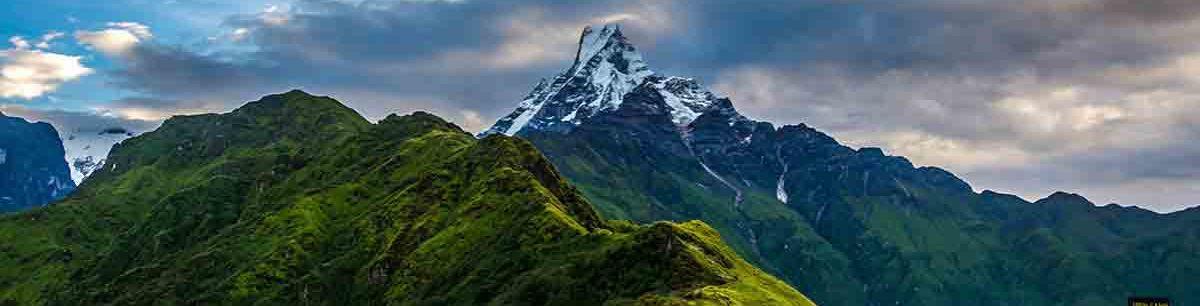
Nestled just 80 kilometers north of Kathmandu lies a place where nature and culture entwine beautifully—Langtang Valley, tucked within Nepal’s first Himalayan national park. This trek is not just an outdoor challenge; it’s an immersion into the soul of the Himalayas. The Langtang Valley Trek is a profound journey that combines breathtaking natural beauty with a deeply rooted cultural experience, offering one of Nepal’s most enriching trekking adventures. As trekkers ascend through subtropical forests filled with blooming rhododendrons, towering bamboo, and cascading waterfalls, the landscape gradually transitions to alpine meadows and dramatic glacial terrain. Towering peaks like Langtang Lirung (7,234 m) dominate the skyline, while the ever-present Langtang River guides your path deeper into the valley. Along the way, hikers pass through traditional Tamang villages where stone houses, fluttering prayer flags, ancient monasteries, and the rhythmic turning of prayer wheels offer a glimpse into the Tibetan Buddhist heritage of the region. The valley was devastated by the 2015 earthquake, but what you witness today is not just reconstruction—it’s resilience. The people of Langtang have rebuilt their homes, reopened their tea houses, and continue to welcome travelers with warmth, humility, and a quiet strength. Reaching Kyanjin Gompa, the spiritual and scenic pinnacle of the trek, trekkers find a serene village surrounded by snow-capped mountains and yak pastures, with options to hike further to Kyanjin Ri or Tserko Ri for panoramic views. The Langtang Valley Trek is more than a physical journey; it’s an intimate encounter with nature’s grandeur and human perseverance, a space where each step is met with both awe and introspection. Whether you come seeking solitude, scenery, or cultural insight, the Langtang Valley delivers an unforgettable, soul-stirring experience.


Setting the Stage: Where Earth Meets Spirit

Mountains and Ecosystems
Langtang Valley is part of Langtang National Park, established in 1976, spanning the districts of Rasuwa, Nuwakot, and Sindhulpalchok. The terrain transitions from lush subtropical forests to alpine meadows and towering glacial heights, supporting around 14 vegetation types and 18 ecosystems .

Biodiversity
Trekkers may glimpse elusive wildlife: snow leopards, red pandas, Himalayan black bears, musk deer, langurs, and over 250 bird species—an outcome of the park’s rich conservation heritage .

Cultural Roots
The valley is home to the Langtangpa—Tamang people of Tibetan Buddhist heritage—who revere Langtang Lirung as their protector mountain or yu-lha .Their villages are dotted with mani walls, prayer flags, stupas, and monasteries, reflecting spiritual continuity.


A Warm Welcome: Tamang Culture & Community Life

Hospitality and Traditions
From greeting you with “Tashi Delek” to sharing butter tea and tales in Kyanjin Gompa, the Tamang’s warmth is genuine. Monasteries and prayer wheels along the trails create a sense of walking through living spirituality .

Daily Life & Resilience
Agriculture—barley, millet, potatoes on terraces—and yak herding are central livelihoods. While tea houses serve trekkers hearty meals like dal bhat, locals sustain traditional farming and hospitality with quiet dignity .

Cultural Festivals
If timed well, your trek may coincide with vibrant celebrations:

  • Tamang Lhosar (Tibetan New Year)
  • Buddha Jayanti
  • Dashain, Tihar, reflecting layered cultural identity .

The Trek: From Kathmandu to Kyanjin Gompa

Trail Overview
Begin with a scenic drive to Syabrubesi, wander through forests of rhododendron and bamboo, cross suspension bridges, and trace the flowing Langtang River. Your ascent takes you to Lama Hotel, Mundu, and finally Kyanjin Gompa at ~3,870 m .

Highlights Along the Way:

  • Mundu: Mountain views emerge; yak pastures hint at highland life.
  • Kyanjin Gompa: A hub of serenity—cheese-making, monastery visits, and acclimatization.
  • Kyanjin Ri (≈4,600 m): A short summit offering sweeping panoramas of Langtang Lirung, Dorje Lakpa, Ganesh Himal, and beyond .

Optional routes like the Tamang Heritage Trail or Yala Peak summit offer extensions into deeper cultural and geographical terrain .


Timing Matters: When to Go

Spring (March–May)

  • Trails burst with rhododendron blooms, vibrant greens, and singing wildlife.
  • Day temps range 10–20 °C; nights near freezing .
  • Nature’s glory is at its peak; crowds are moderate, prices higher .

Autumn (September–November)

  • Post-monsoon clarity casts crystal skies and sharp mountain views.
  • Day temps comfortable (8–18 °C), nights chilly .
  • Rich cultural festivals like Dashain and Tihar add local flair .

Monsoon (June–August)

  • Trails get lush but treacherous—landslides, leeches, clouds obscure views. An immersive green experience for seasoned trekkers only .

Winter (December–February)

  • Snow blankets the valley. Quiet, magical—and cold. Limited services, tougher routes—best suited to well-prepared, experienced trekkers .

Logistics & Practical Tips

Permits & Planning
You’ll need:

  • Langtang National Park Entry Permit (~ NPR 3,000)
  • TIMS Card (~ NPR 2,000)

Accommodation
Tea houses along the route offer simple lodging and meals. Book ahead in peak seasons; in winter, plan carefully due to closures .

Safety & Altitude
Altitude sickness is real. Ascend slowly, hydrate, rest. Hire experienced guides and consider travel insurance for emergencies .

Cultural Courtesy

  • Request permission before photographing locals or sacred sites.
  • Walk prayer wheels and stupas clockwise.
  • Dress modestly in villages; remove shoes in homes and monasteries .

Why Langtang? The Heartfelt Legacy

Compared to Everest or Annapurna treks, Langtang Valley offers tranquility, affordability, and depth of experience. There are no flights; lower bus fares and modest guesthouses keep costs manageable .

From forests to glacial highlands, wildlife to spirituality, and ancient traditions to resilient communities, the Langtang trek is as rich inside as it is outside.


Crafting Your Story: Sample Itinerary

DayRouteKey Highlights
1Kathmandu → SyabrubesiTransition from city to Himalayan gateway
2Syabrubesi → Lama HotelRhododendrons, bamboo forests, river valley
3Lama Hotel → MunduMountain views, alpine meadows
4Mundu → Kyanjin GompaMonastery visits, yak cheese, acclimatize
5Acclimatization in KyanjinShort hikes, local immersion
6Kyanjin Gompa → Kyanjin RiSunrise vistas and glacial panoramas
7Descend toward SyabrubesiReflections of journey, final forest walks
8Syabrubesi → KathmanduRevival and reintegration

You can expand with loops like Tamang Heritage or Yala Peak for a longer hiking narrative.


Final Thoughts

The Langtang Valley trek is more than miles covered and peaks seen—it’s a conversation with mountains, communities, and your own sense of wonder. With every under-tree prayer flag, every shared bowl of dal bhat, each dawn on Kyanjin Ri, you walk through both nature’s and humanity’s quiet majesty.

Set your pace, breathe deeply, listen—and Langtang will speak in ways you’ll never forget.

9 Reasons Nepal’s Trekking Captured the World’s Imagination

High above the lowland jungles and terraced hillsides of Nepal lie paths carved by centuries of pilgrims, traders, monks, and explorers. Today, these trails have become the arteries of some of the world’s most legendary trekking experiences. From the shadow of Mount Everest to the lesser-known valleys of Mustang and Manaslu, Nepal has become synonymous with trekking—not just as a physical challenge, but as a spiritual, cultural, and personal journey.

But why does this small Himalayan nation continue to mesmerize trekkers from around the globe? What is it about Nepal’s trails that lodge themselves into the imagination long after boots have returned home?

Let’s explore the 9 key reasons Nepal’s trekking has captivated the world’s heart and soul.


The Majesty of the Himalayas

Nepal is the crown jewel of the Himalayas. It hosts eight of the world’s fourteen peaks above 8,000 meters—including Everest (8,848 m), the tallest of them all. These snow-clad giants form a natural skyline that defines not only the country’s geography but also its global mystique.

Trekking in Nepal means walking in the presence of awe. The Annapurna Circuit, for instance, provides a kaleidoscope of landscapes, from lush subtropical forests to dry alpine deserts. The Everest Base Camp trek, meanwhile, brings you face-to-face with some of the most iconic mountain views in existence. These trails aren’t just routes—they are living museums of geological grandeur.

Even short treks like Poon Hill offer staggering sunrise views over Dhaulagiri and Annapurna ranges, proving that even moderate trails deliver Himalayan magic.


Living Cultures and Ancient Traditions

What sets Nepal apart from other trekking destinations is not just its natural wonders, but its thriving cultural tapestry. As you trek from village to village, you’re immersed in a living heritage that has remained largely untouched by colonial influence.

In the Khumbu region, Sherpa villages like Namche Bazaar and Tengboche offer a glimpse into Tibetan Buddhist traditions, with colorful prayer flags fluttering over stupas and mani stones etched with sacred chants. In the Annapurna region, Gurung and Magar communities welcome travelers into homes with traditional meals and local hospitality.

Each ethnic group you encounter—from Tamang farmers in Langtang to Thakali traders in Mustang—contributes to a rich mosaic of rituals, dialects, and festivals. For trekkers, the cultural immersion often becomes just as memorable as the mountain scenery.


Legendary Hospitality and Safety

Nepalis are renowned for their warmth and generosity. The guiding principle of Atithi Devo Bhava (“the guest is god”) isn’t just a saying—it’s a lived reality. This cultural ethic makes solo travelers, small groups, and first-timers feel immediately welcomed and looked after.

This hospitality is woven into the very fabric of trekking life. Teahouse owners greet guests with hot dal bhat (rice and lentils) and endless cups of tea. Guides and porters not only carry loads or lead the way—they share their stories, laughter, and support.

Safety has also become a national priority. Since 2023, it’s mandatory for international trekkers to be accompanied by licensed guides on most routes, ensuring both environmental stewardship and emergency readiness. Nepal’s combination of human warmth and structural safety provides trekkers with a sense of comfort unmatched in many other wilderness destinations.


Affordable Yet World-Class Adventures

Despite offering experiences that rival the Alps or Patagonia, trekking in Nepal remains surprisingly affordable. Budget travelers can manage a full trekking itinerary—including guides, meals, lodging, and permits—for a fraction of the cost of equivalent trips elsewhere.

A basic teahouse trek with a local guide can cost between $30–50 per day, while even more comfortable options with upgraded lodging, hot showers, and private transport remain reasonably priced.

This accessibility makes Nepal not only a paradise for backpackers but also for families, students, and retirees looking for transformative travel without emptying their savings.


Trekking Options for Every Experience Level

Nepal’s topography is a wonderland of variety. From low-lying jungle trails in Chitwan to high alpine passes above 5,000 meters, there’s a trek for everyone—regardless of experience, fitness level, or time frame.

New to trekking? The Ghorepani Poon Hill trek is short (4–5 days), manageable, and richly rewarding with panoramic views and cultural stops. Seeking a physical challenge? Try the Everest Three Passes Trek or the Annapurna Circuit.

For those who want solitude, hidden gems like the Tsum Valley, Upper Dolpo, or Makalu Base Camp remain off-the-beaten-path wonders. You can even combine treks with spiritual pilgrimages (e.g., Muktinath Temple), jungle safaris, or meditation retreats.

This diversity is a rare asset, making Nepal not just a single destination but a lifetime’s worth of trekking opportunities.


Strong Infrastructure for Trekkers

Few trekking regions in the world are as well-equipped for long-distance hikers as Nepal. The famed teahouse system allows trekkers to hike for weeks without carrying camping gear or food. These cozy, family-run lodges offer beds, hot meals, charging points, and even Wi-Fi in many cases.

Popular routes like Everest Base Camp, Langtang, and Annapurna are dotted with teahouses spaced every few kilometers, providing rest and sustenance. For more remote treks, guided expeditions with porters and cooks ensure a safe and comfortable experience.

Government regulation and tourism board oversight also ensure that licensed guides and trekking agencies adhere to safety protocols and fair wage practices. Combined with access to evacuation services and satellite communication, Nepal’s infrastructure allows adventurers to focus on the journey, not the logistics.


Challenge and Personal Growth

Trekking in Nepal is not just a physical pursuit—it’s a journey of the soul. Altitude, weather, terrain, and endurance push trekkers to their limits, helping them discover resilience they may not have known they possessed.

Crossing Thorong La Pass (5,416 m) or Gokyo Ri (5,357 m) at sunrise requires stamina, patience, and mental toughness. But the reward is not just in the view—it’s in the transformation that occurs through effort.

For many, trekking in Nepal becomes a rite of passage: a break from modern life, a digital detox, and a chance to reconnect with nature, purpose, and self.


Stunning Biodiversity and Natural Encounters

Nepal may be famous for its mountains, but it’s also home to an incredible range of flora and fauna. The trails often cut through national parks and conservation areas like Sagarmatha (a UNESCO World Heritage Site), Langtang, Manaslu, and Kanchenjunga.

Trekkers can witness blooming rhododendrons in spring, rare orchids in alpine forests, and medicinal herbs used by local shamans. Wildlife sightings may include Himalayan tahr, red panda, langurs, pheasants, and even snow leopards in more remote areas.

The biodiversity enriches the trek at every step, turning a mountain hike into a living classroom for ecology and conservation.


Landscapes Made for Photography

It’s no surprise that Nepal draws travel photographers, documentarians, and influencers in droves. The country offers a visual feast: from golden dawns over Everest to prayer flags whipping in the wind, every frame tells a story.

The ever-changing terrain—stone villages, terraced fields, yak caravans, icy glaciers, monastic ceremonies—means every trekker, regardless of camera skill, returns with postcard-worthy memories.

The light in the Himalayas, especially during sunrise and sunset, is often described as otherworldly. Whether you’re capturing portraits of smiling locals or the dramatic silhouette of Ama Dablam at dusk, Nepal’s photographic potential is unmatched.


Bonus: A Model for Sustainable Trekking

As global tourism trends shift toward sustainability, Nepal is quietly leading by example. Many treks promote eco-lodges, biodegradable supplies, and community-led initiatives. Agencies like World Expeditions run “Trek in Comfort” camps with solar showers and low-impact waste systems.

Efforts like the “Carry Me Back” campaign help remove waste from Everest region trails. Furthermore, the government has opened new peaks to distribute tourism revenue to less-visited regions like Karnali and Far West Nepal, reducing crowding and encouraging equitable development.

Trekking in Nepal isn’t just an adventure—it’s a way to support local livelihoods, protect natural habitats, and engage in responsible travel.


Where Adventure Meets the Soul

Nepal is more than a dot on a map—it is a living invitation. The mountains inspire, the people embrace, the culture humbles, and the experience transforms. Trekking here doesn’t just check a bucket list box; it rewrites the list altogether.

In a world obsessed with speed, Nepal’s trails remind us to slow down. In a time of digital saturation, they offer disconnection. And in a society often divided, the mountains unite.

That’s why Nepal’s trekking has captured—and will continue to capture—the imagination of the world.

Quick Inquiry Form

How Indians Can Prepare for the Everest Base Camp Trek: Complete Guide

Introduction: A Dream that Touches the Sky

For many Indians, trekking to Everest Base Camp (EBC) is more than just an adventure—it’s a pilgrimage of willpower, dreams, and discovery. The allure of standing face to face with the world’s highest peak, Mount Everest (8,848.86 m), is undeniable. But beyond the statistics and scenery lies a transformative journey that tests limits, nurtures humility, and offers a profound connection to nature and self.

Whether you’re a seasoned trekker from Himachal or a first-time adventurer from Chennai, the Everest Base Camp trek offers an unforgettable experience—and it’s entirely achievable for Indian travelers, with a bit of planning and the right mindset.


Why Everest Base Camp Appeals to Indian Trekkers

  1. Proximity: Nepal is a neighboring country, making travel logistics and costs relatively manageable.
  2. Cultural Similarities: Hindu and Buddhist traditions, language crossovers, and food similarities ease cultural transitions.
  3. Increasing Trekking Culture in India: With the rise of Himalayan trekking in Uttarakhand, Himachal, and Sikkim, many Indian adventurers are setting their sights on higher, international goals like EBC.
  4. Bucket List Fulfillment: For many, it’s a life goal. Touching the base of Everest is a symbolic achievement—one that doesn’t require technical mountaineering.

Understanding the Trek: Overview and Route

  • Duration: 12–14 days (excluding travel to/from Nepal)
  • Highest Altitude: Kala Patthar – 5,545 m
  • Base Camp Altitude: 5,364 m
  • Starting Point: Lukla (accessible via flight from Kathmandu)
  • Total Trekking Distance: ~130 km round trip
  • Difficulty: Moderate to Challenging

Classic EBC Route

  1. Kathmandu to Lukla (flight)
  2. Lukla to Phakding
  3. Phakding to Namche Bazaar
  4. Acclimatization Day in Namche
  5. Namche to Tengboche
  6. Tengboche to Dingboche
  7. Acclimatization Day in Dingboche
  8. Dingboche to Lobuche
  9. Lobuche to Gorakshep to Everest Base Camp
  10. Hike to Kala Patthar (sunrise view of Everest)
  11. Return via same route

Best Time for Indians to Trek

Pre-monsoon (Spring): March to May

  • Weather: Mild to cool, with blooming rhododendrons
  • Visibility: Clear views of Everest and surrounding peaks
  • Crowds: High — popular season

Post-monsoon (Autumn): September to November

  • Weather: Crisp and stable
  • Visibility: Excellent
  • Festivals: Great time to combine with Nepal’s Dashain or Tihar festivals

Visa and Entry Requirements for Indians

One of the perks of being an Indian citizen is visa-free entry to Nepal.

  • Documents Needed:
    • Voter ID card or Passport (Aadhar is not accepted for entry by air)
    • PAN cards are also not valid travel documents

Permits Required for the Trek:

  1. Khumbu Pasang Lhamu Rural Municipality Permit – ~NPR 2,000
  2. Sagarmatha National Park Entry Permit – ~NPR 3,000

Indian citizens get discounts compared to other foreign nationals on entry permits.


Fitness & Preparation

Do Indians Need to Be Athletes?

Not at all. Many Indian trekkers, even those with desk jobs or limited trekking experience, have completed EBC successfully.

However, fitness preparation is key:

  • Start training 2–3 months in advance
  • Cardio: Jogging, swimming, cycling, or stair climbing
  • Strength: Bodyweight exercises and core workouts
  • Practice treks in the Indian Himalayas if possible (e.g., Kedarkantha, Sandakphu, Triund)

Acclimatization is Crucial

Altitude sickness (AMS) can affect anyone, regardless of fitness. Slow ascent, rest days, and hydration are your best defense.


What’s It Really Like on the Trek?

A Day in the Life

  • Morning: Wake up in a wooden tea house, sip hot tea, and prepare for a 5–7 hour walk
  • Afternoon: Trek through forests, suspension bridges, Sherpa villages, and glacier valleys
  • Evening: Dinner with fellow trekkers, stories shared by fire, and stargazing under Himalayan skies

Accommodation

You’ll stay in tea houses—basic lodges with twin rooms, shared bathrooms, and warm common areas. Rooms are clean but unheated, so a warm sleeping bag is a must.

Food

Food is surprisingly varied:

  • Dal Bhat (rice, lentils, vegetables) – all-you-can-eat energy bomb
  • Pasta, noodles, paratha, fried rice
  • Ginger lemon honey tea – the classic high-altitude beverage
  • Avoid meat after Namche – freshness is not guaranteed

Costs and Budgeting (in INR)

ItemApproximate Cost
Flights (India to Kathmandu)₹8,000 – ₹15,000
Kathmandu–Lukla Flight₹9,000 – ₹12,000 (each way)
Trekking Permits₹2,000 – ₹3,000 total
Guide and Porter₹1,500 – ₹2,000/day
Accommodation & Food₹2,000 – ₹3,000/day
Gear Rental or Purchase₹5,000 – ₹15,000 (depending on what you already own)
Total Budget (12–14 Days)₹55,000 – ₹90,000

Trekking independently is cheaper, but guided treks are safer, especially for first-timers.


Choosing a Trekking Agency (for Indians)

Indian vs Nepali Agencies

  • Indian agencies (like IndiaHikes, Trek the Himalayas): Easier coordination, domestic payment, group familiarity
  • Nepali agencies: Often more flexible, local expertise, and cheaper

What to Look For

  • Licensed guides and porters
  • Good reviews from Indian trekkers
  • AMS training and emergency protocols
  • Transparent pricing

Packing Essentials

Clothing

  • Down jacket (rented or owned)
  • Thermals, fleece layers
  • Waterproof windcheater
  • Woolen cap, gloves, socks
  • Trekking pants (2–3 pairs)
  • Sturdy trekking shoes (broken in before trek)

Gear

  • 60–70L backpack
  • Headlamp
  • Sleeping bag (0°C or lower)
  • Water purification tablets or bottle
  • Trekking poles (highly recommended)

Medical Kit

  • Diamox (for altitude)
  • Painkillers, ORS, band-aids
  • Sunscreen, lip balm, moisturizer
  • Any personal medication

Safety & Health

  • Altitude Sickness (AMS) is a real threat above 3,000 m. Symptoms: headache, nausea, loss of appetite
  • Stay Hydrated: 3–4 liters of water daily
  • No Alcohol: Avoid drinking at high altitudes
  • Travel Insurance: Consider insurance with high-altitude rescue coverage (especially if using a Nepali company)

Culture & Local Etiquette

  • Respect local customs and prayer flags, mani walls, and monasteries
  • Ask before photographing people
  • Learn a few Nepali or Sherpa phrases:
    • Namaste – Hello
    • Dhanyabad – Thank you
    • Bistarai – Slowly (often used to remind trekkers to take it slow)

Mental Preparation: More Than Physical Strength

What sets the EBC trek apart is not just its physical demand but its emotional depth. You will face:

  • Long hours of walking in isolation
  • Cold nights with no heaters
  • Unpredictable weather
  • Homesickness, sometimes altitude-related mood swings

But in return, you’ll gain:

  • Self-discovery
  • Spiritual clarity
  • New friendships
  • A deep respect for the mountains and your own resilience

Success Stories: From India with Grit

  • Ankur from Mumbai, 38, completed the trek solo with a local guide. “I was overweight and unsure, but one step at a time got me there.”
  • Priya from Delhi, 24, joined a group of female trekkers. “It was the most empowering experience of my life.”
  • A retired couple from Pune, both in their 60s, successfully completed the trek after training for six months.

Conclusion: One Journey, Many Transformations

The Everest Base Camp trek is not a race to a point on the map—it’s a personal dialogue between your willpower and nature’s grandeur. For Indian travelers, it’s an accessible yet challenging dream—one that blends spiritual humility with breathtaking Himalayan majesty.

Whether you’re a college student, a professional on sabbatical, or a couple seeking shared adventure, EBC waits patiently. And when you finally stand there, among the prayer flags and glacier winds, looking up at Sagarmatha, you won’t just see a mountain—you’ll see how far you’ve come.

Chandragiri Hills Tour: Kathmandu’s Best Viewpoint by Cable Car

Introduction: The Allure of the Hills

Perched high above the bustling Kathmandu Valley, Chandragiri Hills is a destination that seamlessly combines natural beauty, cultural significance, spiritual mystique, and modern recreational offerings. Located about 16 kilometers southwest of central Kathmandu, Chandragiri rises to an elevation of 2,551 meters, offering panoramic views of the Himalayas and the valley below.

Whether you’re a nature lover, a pilgrim, an adventure enthusiast, or someone seeking a quiet respite, the Chandragiri Hills tour offers a complete package in just a single day.


Historical and Mythological Significance

The Legend of Bhaleshwor Mahadev

At the heart of Chandragiri lies Bhaleshwor Mahadev Temple, a shrine dedicated to Lord Shiva. According to Hindu mythology, this sacred site is where Sati Devi’s forehead (or “bhala” in Nepali) fell when her body was scattered across the Indian subcontinent by Lord Shiva after her self-immolation. This event established Chandragiri as a Shaktipeeth, one of the many divine locations revered in Hindu tradition.

King Prithvi Narayan Shah’s Vision

Chandragiri also holds a prominent place in Nepal’s national history. It is said that King Prithvi Narayan Shah, the unifier of Nepal, stood atop Chandragiri Hill in the 18th century and surveyed the Kathmandu Valley below. Inspired by the valley’s wealth and strategic importance, he vowed to bring the valley under his rule—setting the stage for the unification of modern Nepal. A statue of the king stands on the hill to honor his foresight and ambition.


Getting There: Access to the Hills

By Road

From central Kathmandu, it takes about 30–45 minutes to reach Thankot, the base of Chandragiri. Private taxis, tour buses, and local microbuses are readily available. The roads are mostly well-paved but can become congested, especially during weekends or holidays.

By Public Transport

Travelers can board a bus or tempo from Kalanki or Balaju to Thankot. From there, it’s a short walk or drive to the Chandragiri Cable Car station.


Chandragiri Cable Car: A Ride Through the Sky

The most iconic feature of the Chandragiri Hills experience is the cable car ride, which has become a major attraction since its inauguration in 2016.

Technical Highlights

  • Length: 2.5 kilometers
  • Travel Time: 9 to 12 minutes
  • Number of Gondolas: 38
  • Capacity: Up to 8 people per cabin
  • Operation Hours:
    • Weekdays: 8:00 AM to 5:00 PM
    • Weekends and Holidays: Up to 6:00 PM or even later in peak seasons

As the gondola ascends, passengers are treated to a bird’s-eye view of dense green forests, tiny villages, and the sprawling Kathmandu Valley. On clear days, the snow-covered Himalayan ranges glitter in the distance.

Ticket Pricing

CategoryOne-Way FareRound-Trip Fare
Nepali CitizensNPR 415–495NPR 700–825
SAARC NationalsNPR 664–790NPR 1,120–1,320
Chinese TouristsUSD 9USD 15
Other ForeignersUSD 13USD 22

Discounts

  • Children under 3 ft: Free
  • Children (3–4 ft): ~40% discount
  • Seniors (60+): ~25% discount
  • Disabled visitors: ~50% discount
  • Elderly above 80 years: Often free

Attractions on Chandragiri Hills

Bhaleshwor Mahadev Temple

This is not just a religious monument, but a cultural nucleus. Pilgrims visit year-round, especially during Maha Shivaratri and Teej festivals, making it a focal point of spiritual energy.

View Tower and Panoramic Decks

A short walk from the temple leads to the observation tower, from where you can see:

  • Mount Everest
  • Annapurna Range
  • Langtang
  • Manaslu
  • Ganesh Himal

Best Time for Views: Mornings in autumn and winter, when the skies are clearest.

Adventure Park & Outdoor Activities

Chandragiri has grown beyond a spiritual site—it now features:

  • Zip-lining
  • Sky cycling
  • Free-fall rides
  • Wall climbing
  • Horse riding
  • Nature trails
  • Mountain biking paths

It’s a destination for both families and thrill-seekers.

Chandragiri Hills Resort

Built to blend luxury with nature, the Chandragiri Hills Resort offers:

  • Deluxe rooms and family suites
  • Infinity pool
  • Spa and wellness center
  • Conference facilities
  • Wedding venues
  • Restaurant with both Nepali and international cuisine

Ideal for overnight stays, honeymoons, and corporate retreats.


Dining Options

Chandragiri Hills offers several restaurants and cafés with stunning views. You can enjoy:

  • Traditional Nepali dal bhat
  • Buff or chicken momos
  • Fresh juices and Himalayan herbal teas
  • Continental dishes like pasta and burgers

Most dining areas are open-air or glass-walled, offering a dining experience above the clouds.


Hiking Opportunities

While the cable car is the most common route, hiking is a popular alternative.

Popular Hiking Routes:

  1. Machhegaun to Chandragiri (3–4 hours)
    • Trail through dense forest
    • Moderate difficulty
    • Local flora and occasional wildlife sightings
  2. Hattiban – Champadevi – Chandragiri (6–7 hours)
    • Passes through Champadevi Hill
    • Stunning views along the ridge
    • Requires a guide if you’re unfamiliar with the area
  3. Chandragiri to Chitlang (Downhill trek)
    • For those looking to combine the trip with a stay in Chitlang Village
    • Approx. 3 hours
    • Option to stay overnight in homestays or eco-resorts

Seasonal Highlights

Best Months to Visit:

  • October to December (post-monsoon clarity)
  • February to April (pleasant weather, blooming flora)

Snow in Winter:

Chandragiri sometimes receives light snowfall in January and February, drawing thousands of locals and tourists. It’s one of the few places near Kathmandu where you can experience snow without venturing deep into the Himalayas.

Monsoon Season (June–August):

  • Risk of leeches on trails
  • Cloud cover may obscure views
  • Cable cars still operate, but weather can delay service

A Suggested Day Tour Itinerary

TimeActivity
8:00 AMDepart from Kathmandu (by car or public vehicle)
9:00 AMArrive at Cable Car Base, Thankot
9:15 AMBegin cable car ascent
9:30 AMExplore Bhaleshwor Mahadev Temple
10:30 AMClimb View Tower, take photos
11:00 AMAdventure activities (optional)
12:30 PMLunch at restaurant with Himalayan view
2:00 PMOptional hike or cultural walk around the summit
3:00 PMCable car descent
4:00 PMReturn to Kathmandu

Useful Travel Tips

  • Clothing: Layered wear is ideal; it can be warm in the valley and chilly at the top.
  • Footwear: Comfortable walking shoes or hiking boots.
  • Cash: Bring cash in Nepali Rupees; some vendors may not accept cards.
  • Weather Check: Always check the forecast before visiting to avoid clouds or rain.
  • Photography: Early mornings provide the best lighting and least haze.
  • Weekday Visits: Avoid weekends to dodge large crowds, especially in winter.

Tour Packages and Group Options

Numerous travel companies offer Chandragiri Hills Day Tour packages, often including:

  • Hotel pickup/drop-off
  • Guide services
  • Cable car tickets
  • Packed lunch or dining vouchers
  • Optional hiking or Chitlang extension

Typical cost: USD 89–129 per person, depending on customization and group size.


The Cultural Impact of Chandragiri

Over the past decade, Chandragiri Hills has transitioned from a hidden gem to a national landmark. Its appeal lies in its diversity:

  • Spiritual Tourism: For pilgrims and cultural travelers
  • Eco-Tourism: With its forests, clean air, and sustainable resort
  • Adventure Tourism: For thrill-seekers and youth
  • Wellness Tourism: For yoga retreats, spas, and tranquility

It also supports local employment, encourages domestic tourism, and brings in foreign revenue through eco-friendly development.


Conclusion: More Than Just a Hill

Chandragiri Hills is far more than just a mountaintop—it’s an experience, a memory, and a journey that blends Nepal’s rich cultural tapestry with panoramic natural beauty. From sacred temples to snow-covered ridges, from luxury resorts to rugged hiking trails, it’s a place where tradition meets modern tourism.

Whether you’re a first-time visitor to Nepal or a resident looking for a peaceful getaway, Chandragiri offers a full-day escape that rejuvenates the mind, body, and spirit.

12 Reasons to Trek Langtang Valley in 2025/26: From Glaciers to Cultural Gems

Nestled quietly between the bustling heart of Kathmandu and the towering peaks of the Tibetan plateau, the Langtang Valley Trek offers something unique that no other trek in Nepal quite does—a harmonious blend of raw Himalayan nature, deep cultural traditions, and an intimate connection with local life. Often referred to as the “valley of glaciers,” Langtang holds not just beauty, but stories, resilience, and a rhythm of life that speaks softly yet powerfully to those who walk its trails.

Here are 12 heartfelt reasons why Langtang Valley should be your next trekking destination:


Close Proximity to Kathmandu, Yet a World Apart

Unlike Everest or Annapurna treks that require days of travel and often flights, the Langtang Valley trek begins with a scenic drive from Kathmandu to Syabrubesi, taking around 7-8 hours. But while it’s geographically close to the capital, the transformation is immediate. The chaos of the city gives way to quiet villages, forested hills, and the slow pulse of Himalayan life. In less than a day, you’re immersed in a landscape that feels far removed from modern civilization.


A Landscape Painted by Glaciers and Peaks

Langtang is often described as “the valley of glaciers” for good reason. Towering peaks such as Langtang Lirung (7,234 m), Dorje Lakpa, and Yala Peak cast their reflections in glacial rivers, while massive walls of ice stand like monuments to time. The scenery evolves daily—one moment you’re walking through mossy forests and the next you’re standing on rocky moraines beside glacial lakes. For nature lovers, this ever-shifting environment is a dream.


The Warm Embrace of Tamang Culture

What truly distinguishes Langtang from other treks is the deep cultural connection you make with the indigenous Tamang people. Of Tibetan descent and practicing Tibetan Buddhism, the Tamangs are known for their hospitality, spiritual devotion, and resilience. Their homes, decorated with prayer flags, surround ancient mani walls and chortens. As you share butter tea or fresh yak cheese in their kitchens, you’re not just a traveler—you become a guest, a witness to centuries-old traditions still alive in the highlands.


Kyanjin Gompa – The Heart of the Valley

Reaching Kyanjin Gompa, a small settlement at 3,870 meters, is often the emotional climax of the trek. Nestled at the foot of towering peaks, this village is home to a centuries-old monastery, a yak cheese factory, and some of the most expansive views in the region. The silence here is palpable, broken only by the sound of the wind, the murmur of monks at prayer, or the gentle lowing of yaks in nearby fields. Many trekkers choose to stay an extra day or two just to absorb its peace.


Panoramic Viewpoints Worth the Climb

For those willing to rise before dawn and brave the thin mountain air, hikes to Kyanjin Ri (~4,600 m) or Tserko Ri (~5,000 m) reward with panoramic sunrises that etch themselves permanently into memory. As the sun spills golden light over snow-capped peaks, the experience is transcendent—both humbling and awe-inspiring. Few views in the Himalayas are as rewarding, especially for the relatively short effort required.


Wildlife Encounters in a Protected Paradise

The Langtang region lies within Langtang National Park, Nepal’s first Himalayan national park. This protected area is home to a staggering range of biodiversity. Keen eyes might spot Himalayan thar, red pandas, langurs, and even the elusive snow leopard in its high-altitude home. Bird enthusiasts will be thrilled with over 250 species, from colorful pheasants to high-flying eagles. Walking through this landscape feels like traversing an open-air sanctuary.


Fewer Crowds, Deeper Connection

In contrast to the crowded trails of Everest Base Camp or the Annapurna Circuit, Langtang remains relatively quiet, even during peak seasons. This solitude allows for a deeper connection with nature and the people. You can walk for hours without passing another trekking group, sit quietly at a viewpoint in meditative solitude, or share long conversations with your guides and hosts without distraction. For many, this intimacy is what makes Langtang feel like a personal pilgrimage.


Rebuilding With Resilience After the Earthquake

Langtang was among the hardest-hit regions during the 2015 earthquake in Nepal. Entire villages were wiped out by landslides, including the original Langtang village. Today, trekking the valley is not only a journey through beauty but also a testament to human resilience. Villagers have rebuilt their homes, re-opened tea houses, and welcomed back travelers with open arms. Your presence there contributes directly to this recovery—every meal, every overnight stay supports local families rebuilding their lives.


Yak Cheese, Local Cuisine, and Shared Meals

If you’re looking to enjoy authentic Himalayan cuisine, Langtang won’t disappoint. Daily staples like dal bhat, tsampa porridge, and momos (dumplings) are freshly prepared in local kitchens. At Kyanjin Gompa, don’t miss the famous yak cheese—crafted using centuries-old methods in a local factory run by the community. Meals are not rushed affairs here. They are moments of sharing, storytelling, and laughter, often accompanied by a warm cup of butter tea or locally brewed raksi.


Sustainable Trekking and Responsible Travel

Because Langtang is relatively less commercialized, it’s easier to travel here in a way that aligns with sustainable values. Many trekking lodges are family-run and rely on local produce and firewood from managed sources. Guides and porters are hired from nearby villages, ensuring that the economic benefits of tourism remain in the community. By trekking Langtang, you’re not just consuming an experience—you’re participating in a responsible model of travel that respects people and place.


Spiritual Trails Lined with Monasteries and Prayer Flags

For those attuned to spirituality, Langtang offers quiet symbolism at every turn. Prayer wheels line the trails, spun with the left hand as an act of merit. Fluttering prayer flags bridge ravines and mountain passes, carrying hopes and blessings into the wind. Monasteries like the one at Kyanjin or the smaller gompas in Lama Hotel and Mundu offer quiet spaces for reflection. This is a land where mountains aren’t just geography—they’re guardians, deities, and symbols of life’s impermanence.


A Trek That’s Achievable Yet Rewarding

One of Langtang’s greatest advantages is its accessibility for a wide range of trekkers. You don’t need technical gear or high-altitude experience. The trek typically takes 7–10 days and reaches a maximum altitude of around 5,000 m if you climb Tserko Ri—challenging, but achievable for most with basic fitness. There’s flexibility to tailor the trek based on pace, fitness, or interest, making it ideal for first-time trekkers and seasoned hikers alike.


Conclusion: A Journey That Stays With You

Trekking the Langtang Valley is more than a scenic getaway—it’s a walk into a world that lives at a different rhythm. It’s where glaciers speak in silence, yaks graze beside ancient chortens, and strangers greet you with smiles warmer than the morning sun. It’s where resilience is not just a story, but a way of life. In a single week, Langtang has the power to change how you see the mountains, cultures, and perhaps even yourself.

If you’re looking for a journey that goes beyond peaks and paths—one that touches your heart as much as your hiking boots—Langtang Valley awaits you.