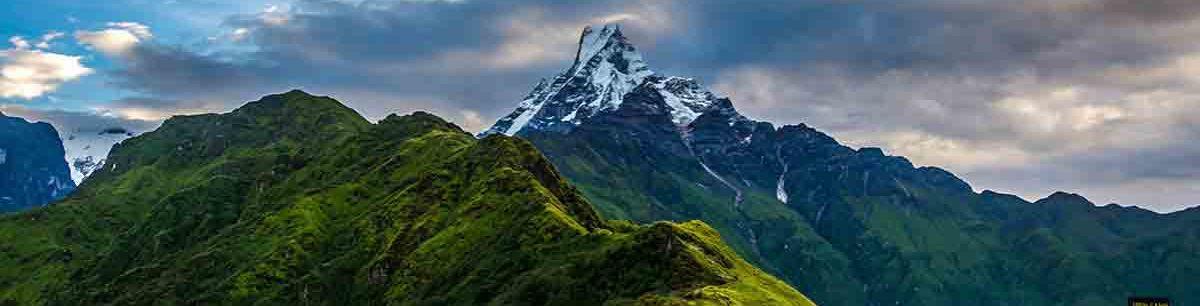
Overnight Stays Near Kathmandu: Ideal Accommodation for Pre- and Post-Trek Travelers

Trekking in Nepal remains one of the world’s most iconic adventure experiences. Whether you are preparing for an Everest Base Camp trek, exploring the Annapurna Circuit, or hiking the Langtang Valley, Kathmandu is the primary gateway for most journeys. While Kathmandu’s chaotic streets may seem overwhelming, the city and its surroundings offer a range of excellent overnight stays near Kathmandu that cater specifically to pre-trek preparation and post-trek recuperation.

This guide will explore the best accommodation options, practical tips for choosing where to stay, and essential amenities that support trekkers’ needs. From budget guesthouses to boutique hotels and tranquil resorts, here’s everything you need to plan your stay near Kathmandu before and after trekking.


Why Kathmandu Is a Strategic Base for Trekkers

Kathmandu, Nepal’s capital and largest city, is more than just an urban hub. It is a cultural heartland, a logistical base, and a place where many trekkers acclimatize, resupply, train, and rest. Travelers often spend at least one night—sometimes several—here before ascending into the Himalayan foothills.

Key reasons trekkers choose overnight stays near Kathmandu include:

  • Flight Logistics: Most international flights arrive in Kathmandu’s Tribhuvan International Airport (KTM), requiring travelers to stay overnight regardless of their arrival time.
  • Gear Preparation: Kathmandu offers trekking gear shops, guides, porters, and necessary permits, making it easier to prepare before departure.
  • Acclimatization: Staying a night or two helps the body adjust to higher altitudes gradually.
  • Post-Trek Recovery: After days on the trail, trekkers need comfortable accommodation with good food, hot showers, and medical services if needed.

Whether you seek budget-friendly lodgings or comfortable hotels with wellness facilities, the region around Kathmandu has something to offer every traveler.


Top Areas for Overnight Accommodation Near Kathmandu

When planning where to stay, it’s helpful to understand the most traveler-friendly areas:

Thamel – Central Tourist Hub

Thamel is the most popular area for trekkers. It is vibrant, walkable, and full of services that cater to travelers.

  • Close proximity to trekking agencies, gear shops, restaurants, and travel services.
  • Easy access to Kathmandu’s main streets and public transport.
  • Wide range of accommodations from budget hostels to mid-range hotels.

Lazimpat – Quiet, Upscale Option

Lazimpat offers a quieter alternative to Thamel while remaining close to the city center.

  • Better suited for travelers seeking peace and comfort.
  • Upscale boutique hotels with modern amenities.
  • Good restaurants and cafes within walking distance.

Patan (Lalitpur) – Cultural and Historic Stay

Patan, also called Lalitpur, is a historic city just south of Kathmandu.

  • Rich in culture, temples, and traditional Newari architecture.
  • Excellent choice for travelers who want to combine sightseeing with stay.
  • Slightly more tranquil than central Kathmandu.

Boudhanath & Bhaktapur – Spiritual and Cultural Retreats

Both Boudhanath and Bhaktapur offer great stays, especially for travelers who enjoy quieter, spiritually enriching environments.

  • Boudhanath: close by stupa and Buddha culture.
  • Bhaktapur: UNESCO World Heritage Site town with historic charm.

These locations provide excellent options for overnight stays, especially for those who want a mix of culture, comfort, and rest before or after a trek.


Best Accommodation Options for Pre- and Post-Trek Travelers

Below is a curated list of recommended stays near Kathmandu, organized by type and traveler needs.


Budget and Backpacker-Friendly Options

For trekkers on a tight budget, these stays offer affordable comfort and great value.

1. Hostels and Budget Guesthouses in Thamel

Why they stand out:

  • Extremely affordable (shared dorms or private rooms).
  • Social environment conducive to meeting other trekkers.
  • Easy access to gear shops and tour operators.

Typical amenities:

  • Free Wi-Fi
  • Communal kitchens
  • Lounge areas
  • Trekking tour desk

2. Family-Run Guesthouses Near Kathmandu Durbar Square

Guesthouses near historic areas often provide authentic hospitality, with family-style meals and local interaction.

Benefits:

  • Cultural immersion
  • Homemade Nepali meals
  • Personalized service

Mid-Range Hotels and Comfortable Stays

For travelers who want comfort without luxury prices, mid-range hotels are ideal.

1. Boutique Hotels in Lazimpat

These properties blend comfort with Nepalese design and modern conveniences.

Typical features:

  • On-site restaurant and bar
  • Concierge services
  • Comfortable rooms with quality bedding
  • Optional spa or massage services

Example amenities to look for: hot showers, laundry service, airport transfers, and travel desks for trekking arrangements.

2. Guesthouses with Warm Hospitality in Patan

Patan’s quieter streets offer small hotels and lodges that are ideal for pre-trek calm and post-trek recovery.

Highlights:

  • Traditional architecture
  • Peaceful surroundings
  • Close to historic sites and cafes

Premium and Boutique Options for Relaxation

For travelers seeking a restful base, especially after long treks, premium stays offer enhanced comfort.

1. Luxury Hotels in Kathmandu

These hotels provide wellness facilities, gourmet dining, and superior service.

What to expect:

  • Spa and wellness centers
  • Fine dining restaurants
  • Airport shuttle
  • Travel concierge

2. Retreat-Style Lodges on Kathmandu’s Outskirts

Some lodges are tucked into quieter valleys or foothills outside Kathmandu, providing serene environments for rest and recovery.

Benefits for trekkers:

  • Peaceful nature settings
  • Yoga and meditation sessions
  • Healthy meal options
  • Personalized service

Key Amenities Trekkers Should Look For

When choosing overnight stays near Kathmandu for trekking purpose, prioritize the following amenities:

1. Hot Water and Comfortable Showers

After trekking gear checks or long travel flights, hot showers are essential for comfort and muscle recovery.

2. Laundry Services

Trekkers often arrive with dusty gear or plan for laundry before departure; on-site or nearby laundry services are especially convenient.

3. Travel Desk / Trekking Assistance

Accommodations that offer trekking planning, ticket bookings, and guide arrangements simplify logistics and save time.

4. Secure Gear Storage

Lockable storage for trekking gear and luggage gives peace of mind while you’re on the trail.

5. Satellite or Reliable Wi-Fi

Keeping in contact with family or managing last-minute itineraries requires stable internet access.

6. Meal Options Catering to Diet Needs

Whether you need high-calorie meals pre-trek or restorative foods post-trek, access to nutritious menus is valuable.


Safety and Practical Considerations for Trekkers

Beyond comfort and location, safety should guide your choice of accommodation.

Health and Medical Access

Ensure your stay is near medical clinics or pharmacies, especially if you have a pre-existing health condition or need altitude sickness guidance.

Security

Choose places with secure locks, lockers, and reliable staff supervision.

Transportation Accessibility

Select venues with easy airport transfer options or proximity to bus stations for onward travel.

Local Reviews and Ratings

Before booking, check traveler reviews on sites like Google, TripAdvisor, Booking.com, or travel blogs. Reviews often highlight real-world experiences with cleanliness, service, and value.


Best Time to Book Your Stay Near Kathmandu

Accommodation near Kathmandu is in peak demand during trekking seasons:

  • Autumn (September to November): Most popular due to clear weather and scenic trails.
  • Spring (March to May): Second busiest season with favorable views.
  • Winter (December to February): Cooler but still viable for some trekking routes.
  • Monsoon (June to August): Less popular due to rain but often cheaper.

Booking your stay well in advance, especially during peak seasons, ensures better room availability and rates.


Sample Itineraries Using Overnight Stays Near Kathmandu

Here are example travel plans showing how trekkers can integrate overnight stays:

Pre-Trek Sample Itinerary (3 Days)

Day 1: Arrival in Kathmandu; stay in Thamel.

  • Gear check
  • Permit arrangements

Days 2: Explore Kathmandu Valley (Patan/Boudhanath); stay in Patan.

  • Cultural acclimatization
  • Light walking to adjust physically

Day 3: Final preparations; rest and early night in Lazimpat.

  • Early dinner
  • Hydration and rest before departure

Post-Trek Recovery Itinerary (2–4 Days)

Days 1: Return to Kathmandu; stay in a boutique hotel with spa services.
Days 2: Visit healing or wellness retreats around Kathmandu’s outskirts.
Day 3: Explore heritage sites such as Bhaktapur Durbar Square.
Day 4: Final rest and leisure before departure flight.


Conclusion

Choosing the right overnight stays near Kathmandu significantly enhances your trekking experience, whether you are preparing to hit the trails or unwinding after days in the mountains. With options ranging from budget hostels to premium boutique hotels, Kathmandu and its surrounding areas offer accommodations that suit every traveler’s needs.

Key factors to consider when booking include location, comfort, safety, traveler services, and trek-specific amenities such as laundry and trekking support desks. With the right stay, you can start your trek well-rested and end it feeling rejuvenated and cared for.

Plan ahead, compare options, and select the accommodation that best matches your itinerary, budget, and personal preferences. The right overnight stay can set the tone for an unforgettable Himalayan adventure.

Private vs Group Climbing on Island and Mera Peak: A Complete Comparison Guide

Climbing Island Peak (6,189m) and Mera Peak (6,476m) are among Nepal’s most popular Himalayan adventures for aspiring mountaineers. However, one of the most critical decisions climbers must make before booking is whether to join a private climbing expedition or a group climbing trip.

While both options ultimately lead you to the summit, the experience, cost, flexibility, safety, and success rate can differ significantly. Therefore, understanding the differences between private vs group climbing on Island Peak and Mera Peak is essential for choosing the right expedition style.

This complete comparison guide breaks down every key factor to help you make an informed decision.


Overview of Island Peak and Mera Peak Climbing

Before comparing private and group expeditions, it is important to understand the nature of these two iconic peaks.

Island Peak (Imja Tse)

Island Peak is technically more demanding, involving:

  • Glacier travel
  • Fixed ropes
  • Steep snow and ice sections
  • Basic mountaineering skills

It is often combined with the Everest Base Camp trek, making it popular among trekkers looking to advance into alpine climbing.

Mera Peak

Mera Peak, although higher, is considered less technical. However, it requires:

  • Excellent endurance
  • High-altitude acclimatization
  • Long summit day (10–12 hours)

Because of its altitude, Mera Peak is ideal for climbers seeking their first 6,000m+ Himalayan summit.


What Is Private Climbing on Island and Mera Peak?

A private climbing expedition is fully customized and organized exclusively for you or your chosen group (friends, family, or colleagues). No other climbers are added unless requested.

Key Characteristics of Private Climbing

  • Flexible itinerary and dates
  • Personalized pace and acclimatization
  • Dedicated guides and support staff
  • Customized safety and logistics
  • Higher summit success rate

Private trips are particularly suitable for climbers with specific goals, limited time, or prior mountaineering experience.


What Is Group Climbing on Island and Mera Peak?

A group climbing expedition involves joining other climbers, usually with fixed departure dates and a shared itinerary.

Key Characteristics of Group Climbing

  • Pre-set schedule and route
  • Shared guides and resources
  • Lower overall cost
  • Social and team-based experience
  • Fixed acclimatization plan

Group climbing is popular among solo travelers, first-time climbers, and those on a budget.


Private vs Group Climbing: Detailed Comparison

Cost Comparison

Group Climbing

  • More affordable due to shared costs
  • Fixed pricing per person
  • Limited customization

Private Climbing

  • Higher upfront cost
  • Cost-effective for 2–4 climbers
  • Better value for personalized service

Verdict:
Group climbing is budget-friendly, while private climbing offers higher value through customization and safety.


Flexibility and Itinerary Control

Flexibility is one of the most significant differences between private and group climbing.

Private Expedition

  • Adjust trekking pace
  • Add extra acclimatization days
  • Delay summit attempt due to weather
  • Choose alternative routes or rest days

Group Expedition

  • Fixed daily schedule
  • Limited flexibility
  • Decisions based on group consensus

Verdict:
Private climbing clearly wins in flexibility, which is crucial for high-altitude success.


Safety and Acclimatization

High altitude poses serious risks, including AMS, HAPE, and HACE. Therefore, acclimatization strategy matters greatly.

Private Climbing

  • Individual health monitoring
  • Custom acclimatization plan
  • Immediate decision-making by guide
  • Higher safety margins

Group Climbing

  • Standard acclimatization schedule
  • Less individual attention
  • Group decisions may delay descent

Verdict:
Private climbing offers superior safety, especially for climbers new to altitude.


Guide-to-Climber Ratio

Private Trips

  • 1:1 or 1:2 guide-to-climber ratio
  • Dedicated climbing Sherpa
  • Continuous technical assistance

Group Trips

  • 1 guide for 4–6 climbers
  • Shared climbing Sherpas
  • Less personalized coaching

Verdict:
For technical sections on Island Peak and long summit days on Mera Peak, private climbing provides a clear advantage.


Summit Success Rate

Although no summit is guaranteed, success rates differ.

Private Climbing

  • Better pacing
  • More acclimatization options
  • Flexible summit window
  • Higher overall success rate

Group Climbing

  • Summit attempt depends on group readiness
  • Fixed summit date
  • Lower flexibility during bad weather

Verdict:
Private expeditions generally achieve higher summit success rates.


Experience Level Suitability

Best for Private Climbing

  • Intermediate to experienced climbers
  • Trekkers upgrading to alpine climbing
  • Those with limited holiday time
  • Climbers prioritizing safety and success

Best for Group Climbing

  • First-time Himalayan climbers
  • Budget travelers
  • Solo adventurers
  • Those who enjoy team dynamics

Social Experience and Team Dynamics

Group Climbing

  • International camaraderie
  • Shared challenges and bonding
  • Ideal for solo travelers

Private Climbing

  • More focused and quiet experience
  • Best for couples or close-knit teams
  • Less social interaction

Verdict:
Group climbing excels socially, while private climbing offers a more focused summit-oriented experience.


Which Option Is Better for Island Peak?

Island Peak involves technical climbing elements such as:

  • Fixed ropes
  • Ice walls
  • Crevasse crossings

Recommended Option:
👉 Private climbing is strongly recommended, especially for climbers with limited technical experience or those prioritizing safety.


Which Option Is Better for Mera Peak?

Mera Peak requires endurance rather than technical skills.

Recommended Option:
👉 Both options work well, but private climbing is ideal for those concerned about altitude or seeking a flexible summit window.


Private vs Group Climbing: Quick Comparison Table

FactorPrivate ClimbingGroup Climbing
CostHigherLower
FlexibilityVery HighLimited
SafetyExcellentModerate
Summit SuccessHigherVariable
Social ExperienceLimitedHigh
CustomizationFullMinimal

Final Verdict: Private or Group Climbing?

Choosing between private vs group climbing on Island Peak and Mera Peak ultimately depends on your priorities.

  • Choose private climbing if you value safety, flexibility, personalized support, and summit success.
  • Choose group climbing if you prefer affordability, social interaction, and a fixed itinerary.

Both options offer unforgettable Himalayan experiences. However, for climbers seeking a higher chance of success and a tailored journey, private expeditions remain the superior choice.

Honey Hunting in Nepal 2026: Complete Guide to the World’s Most Dangerous Cliff Harvesting Tradition

Honey hunting in Nepal is one of the world’s last surviving high-risk ancestral traditions. Practiced for centuries by indigenous communities in the Himalayan foothills, this extreme activity involves harvesting wild honey from towering cliffs using handmade rope ladders, smoke, and extraordinary courage. As interest in authentic adventure travel continues to rise, honey hunting in Nepal 2026 is gaining global attention among explorers, photographers, and cultural travelers.

This complete guide explains everything you need to know—history, locations, best season, safety, cost, and how travelers can responsibly witness this rare experience.


What Is Honey Hunting in Nepal?

Honey hunting in Nepal is the traditional method of collecting wild honey produced by Apis laboriosa, the world’s largest honeybee species. These giant bees build enormous hives on sheer Himalayan cliffs, often hundreds of meters above river valleys.

Unlike modern beekeeping, Nepalese honey hunting is:

  • Performed without protective gear
  • Conducted on vertical cliffs
  • Guided by spiritual rituals
  • Passed down through generations

As a result, it remains one of the most dangerous forms of food harvesting on Earth.


Cultural and Historical Significance

The Gurung and Magar Communities

The practice is primarily carried out by the Gurung and Magar ethnic groups of central and western Nepal. For these communities, honey hunting is not merely an occupation—it is a sacred cultural event.

Before the hunt begins, elders perform rituals to appease forest spirits and mountain deities. Therefore, honey hunting represents a deep connection between humans, nature, and spirituality.

A Tradition Under Threat

However, modernization, migration, and environmental change are putting this tradition at risk. Consequently, controlled tourism in 2026 plays a critical role in preserving honey hunting while providing income to local communities.


Where Does Honey Hunting Take Place in Nepal?

Some of the most famous honey hunting regions include:

1. Annapurna Foothills

  • Near Lamjung and Kaski districts
  • Most accessible and well-documented area
  • Ideal for guided cultural tours

2. Manaslu Region

  • Remote and less commercialized
  • Authentic tribal participation
  • Best for serious adventure travelers

3. Bhairabsthan & Rolpa

  • Rugged terrain
  • Rarely visited by tourists
  • Strong shamanic traditions

Each location offers a different level of accessibility, risk, and cultural immersion.


Best Time for Honey Hunting in Nepal 2026

The best season for honey hunting in Nepal is:

✅ Spring (April–May)

  • Primary honey harvesting season
  • High cliff activity
  • Mild weather conditions

⚠️ Autumn (September–October)

  • Secondary harvest
  • Less intense but still impressive
  • Clear mountain views

Winter and monsoon seasons are avoided due to safety concerns and lack of bee activity.


Why Is Nepal Honey Hunting So Dangerous?

Honey hunting is extremely risky due to several factors:

  • Vertical cliffs with no safety harnesses
  • Aggressive giant Himalayan bees
  • Exposure to smoke and falling debris
  • Rope ladders made from natural fibers

Despite these dangers, experienced hunters rely on skill, teamwork, and ancestral knowledge rather than modern equipment.


Mad Honey: Nepal’s Most Famous Harvest

What Is Mad Honey?

A portion of the harvest includes red or mad honey, produced from rhododendron nectar. This honey contains natural psychoactive compounds and has been traditionally used for:

  • Medicinal purposes
  • Pain relief
  • Spiritual rituals

Important Note for Travelers

Although mad honey is legal in Nepal, consumption should be minimal and supervised. Overconsumption can cause dizziness, nausea, and low blood pressure.


Can Tourists Join a Honey Hunting Trip in Nepal?

Observation vs. Participation

In 2026, tourists are not permitted to climb cliffs or harvest honey. However, travelers can:

  • Observe honey hunting from safe viewpoints
  • Participate in rituals and preparation
  • Photograph and document the event
  • Learn directly from the hunters

This approach ensures safety while respecting cultural integrity.


Cost of a Honey Hunting Trip in Nepal (2026)

Average costs depend on region, duration, and services included:

Package TypeDurationEstimated Cost
Basic Cultural Visit2–3 daysUSD 300–600
Guided Honey Hunting Tour4–6 daysUSD 800–1,500
Photography Expedition7–10 daysUSD 1,800–3,000

Costs typically include guides, permits, accommodation, meals, and community contributions.


Safety Guidelines for Travelers

Although tourists remain observers, safety is still essential.

Key Safety Tips

  • Always follow local guides
  • Maintain distance from cliff edges
  • Wear protective clothing
  • Avoid bee-attracting scents
  • Respect instructions during rituals

Most importantly, never attempt to climb or interfere with the harvest.


Ethical and Responsible Tourism

Responsible honey hunting tourism in Nepal focuses on:

  • Fair payment to local communities
  • Cultural respect and consent
  • Environmental protection
  • Small group sizes

By choosing ethical operators, travelers help preserve this endangered tradition.


Photography and Filmmaking Opportunities

Honey hunting is one of Nepal’s most photogenic cultural events. However, permission is required before filming or photographing individuals.

Best Tips for Photographers

  • Use telephoto lenses
  • Avoid flash photography
  • Capture rituals, not just action
  • Share content respectfully

Many documentary filmmakers consider honey hunting among the most visually dramatic cultural practices in the Himalayas.


How Honey Hunting Supports Local Communities

Tourism income from honey hunting trips helps communities by:

  • Funding education
  • Supporting healthcare
  • Preserving cultural knowledge
  • Reducing out-migration

Therefore, visiting responsibly in 2026 contributes directly to sustainable rural development.


Why Honey Hunting in Nepal 2026 Is Worth Experiencing

In an era of mass tourism, honey hunting remains raw, real, and deeply human. It offers:

  • A rare glimpse into ancient survival practices
  • Genuine cultural immersion
  • Extreme adventure without artificial elements
  • A powerful connection to nature

For travelers seeking authenticity, honey hunting in Nepal 2026 stands apart from conventional trekking or sightseeing experiences.


Frequently Asked Questions (FAQ)

Is honey hunting safe for tourists?

Yes, when observed under professional guidance and from designated safe zones.

Can I buy wild honey locally?

Yes, communities sell sustainably harvested honey directly to visitors.

Is mad honey legal?

Yes, but consumption should be limited and guided.

Do I need permits?

Most trips include community permissions arranged by tour operators.


Final Thoughts

Honey hunting in Nepal is not a spectacle—it is a living heritage. As 2026 approaches, responsible travelers have a unique opportunity to witness one of humanity’s most daring traditions while contributing to its survival.

If you are searching for an experience that combines adventure, culture, and authenticity, few journeys compare to honey hunting in Nepal.

Nepal Adventure Travel in 2026: Why Trekking, Peak Climbing, and Adventure Sports Make It Asia’s Top Destination

Nepal adventure travel in 2026 is set to reach a new peak. As global travelers increasingly seek authentic, physically engaging, and nature-driven experiences, Nepal stands out as Asia’s most compelling adventure destination. Home to the world’s highest mountains, ancient trekking routes, and a rapidly growing extreme sports scene, Nepal offers a rare combination of challenge, culture, and accessibility.

From iconic Himalayan treks and beginner-friendly peak climbing to adrenaline-pumping activities like paragliding, white-water rafting, and bungee jumping, Nepal continues to evolve while preserving its raw appeal. In 2026, improved infrastructure, sustainable tourism initiatives, and renewed global interest in outdoor travel are positioning Nepal at the forefront of adventure tourism in Asia.

This article explores why trekking, peak climbing, and adventure sports make Nepal the top adventure travel destination in 2026, and what travelers can expect when planning their journey.


Why Nepal Is Asia’s Leading Adventure Travel Destination in 2026

Several factors contribute to Nepal’s dominance in the adventure travel sector. First and foremost is geography. Nepal is home to eight of the world’s fourteen 8,000-meter peaks, including Mount Everest, Lhotse, and Annapurna I. However, Nepal’s appeal extends far beyond high-altitude mountaineering.

In recent years, the government and private sector have worked together to diversify adventure offerings, promote lesser-known regions, and improve safety standards. As a result, Nepal now caters to a wide spectrum of travelers, from first-time trekkers to seasoned climbers and thrill-seekers.

Moreover, post-pandemic travel trends emphasize meaningful experiences, sustainability, and outdoor activities. Nepal aligns perfectly with these priorities, making 2026 an ideal year to explore the country.


Trekking in Nepal: The Backbone of Adventure Travel

Trekking remains the cornerstone of Nepal adventure travel. In 2026, trekking in Nepal continues to attract travelers from all over the world due to its variety, accessibility, and cultural depth.

Popular Trekking Routes in Nepal

Nepal offers trekking routes suitable for beginners, intermediate hikers, and experienced adventurers. Some of the most popular treks include:

In 2026, these treks benefit from better trail maintenance, digital permit systems, and improved lodge facilities.

Why Trekking in Nepal Is Still Unmatched

Unlike many trekking destinations, Nepal combines natural beauty with living culture. Trekkers pass through villages, monasteries, prayer wheels, and terraced farmland. This cultural immersion, combined with dramatic Himalayan scenery, creates an experience that few countries can replicate.

Additionally, Nepal offers exceptional value. Compared to other global trekking destinations, costs for guides, accommodation, and permits remain relatively affordable.


Peak Climbing in Nepal: Accessible Himalayan Summits

Peak climbing in Nepal bridges the gap between trekking and full-scale mountaineering. In 2026, interest in climbing trekking peaks continues to grow, particularly among adventure travelers seeking a physical challenge without extreme technical difficulty.

Popular Trekking Peaks in Nepal

Some of the most climbed peaks include:

  • Island Peak (Imja Tse) – Ideal for beginners with basic mountaineering training.
  • Mera Peak – Nepal’s highest trekking peak, offering panoramic views of Everest, Makalu, and Kanchenjunga.
  • Lobuche East Peak – A more technical option for climbers with prior experience.
  • Pisang Peak – Often combined with the Annapurna Circuit.

These peaks typically range from 5,800 to 6,500 meters and are accessible with proper acclimatization and guidance.

Why Peak Climbing Is Booming in 2026

Several factors drive the popularity of peak climbing in Nepal:

  • Increased interest in personal challenge and skill-based travel
  • Improved training programs and safety standards
  • Government initiatives promoting lesser-known peaks
  • Availability of experienced local guides and Sherpa support

For many travelers, peak climbing represents a once-in-a-lifetime achievement that combines adventure, endurance, and Himalayan exploration.


Extreme Sports in Nepal: Beyond Trekking and Climbing

While trekking and peak climbing dominate Nepal’s adventure identity, extreme sports are rapidly gaining popularity. In 2026, Nepal is no longer just a trekking destination—it is a multi-adventure playground.

Top Extreme Adventure Activities in Nepal

Paragliding in Pokhara
Pokhara is considered one of the world’s best paragliding destinations. Flights offer views of Phewa Lake, the Annapurna range, and lush valleys.

White-Water Rafting and Kayaking
Rivers like the Trishuli, Bhote Koshi, and Sun Koshi provide rafting options ranging from beginner to expert level.

Bungee Jumping and Swing
The Bhote Koshi Gorge hosts some of the highest bungee jumps and canyon swings in Asia.

Mountain Biking
From Mustang’s high-altitude trails to Kathmandu Valley routes, mountain biking is gaining international recognition.

Ultralight Flights
Short scenic flights over lakes, hills, and mountains offer a unique aerial perspective of Nepal’s landscapes.

Why Extreme Sports Are Expanding in Nepal

Adventure travelers in 2026 want variety. Nepal’s ability to combine trekking, climbing, and adrenaline sports in one trip is a major competitive advantage. Furthermore, improved safety protocols and international certifications have increased confidence among travelers.


Sustainable Adventure Tourism in Nepal

Sustainability is a growing focus in Nepal adventure travel. In 2026, eco-friendly practices are no longer optional—they are expected.

Key initiatives include:

  • Promotion of community-based trekking routes
  • Waste management policies in high-altitude regions
  • Use of local guides and porters to support rural economies
  • Restrictions on over-crowding in sensitive areas

These efforts ensure that adventure tourism benefits both travelers and local communities while preserving Nepal’s fragile mountain ecosystems.


Best Time for Adventure Travel in Nepal in 2026

Choosing the right season is essential for a successful adventure trip.

  • Spring (March to May) – Ideal for trekking, peak climbing, and mountaineering
  • Autumn (September to November) – Best weather and visibility for trekking and climbing
  • Winter (December to February) – Suitable for lower-altitude treks and cultural tours
  • Monsoon (June to August) – Best for rafting and lush landscapes, but limited trekking

For most adventure activities, spring and autumn remain the preferred seasons.


Why 2026 Is the Perfect Year to Visit Nepal for Adventure

Nepal in 2026 represents a balance between tradition and progress. Trails are better managed, safety standards are higher, and travelers have access to a wider range of experiences than ever before.

At the same time, Nepal has retained its authenticity. The mountains remain wild, the culture deeply spiritual, and the adventure genuine. For travelers seeking more than just sightseeing, Nepal offers transformation through challenge and discovery.


Final Thoughts: Nepal’s Adventure Future Is Stronger Than Ever

Nepal adventure travel in 2026 is not defined by a single activity. Instead, it is the seamless combination of trekking, peak climbing, and extreme sports that makes the country Asia’s top adventure destination.

Whether you dream of walking to Everest Base Camp, standing on a Himalayan summit, or flying above lakes and mountains, Nepal delivers experiences that are both powerful and personal. For adventure travelers looking ahead to 2026, Nepal is not just an option—it is the benchmark.

The Future of Trekking in Nepal: How Climate Change Will Impact Adventure Travel by 2035

Nepal has long been regarded as the global heart of trekking and Himalayan adventure travel. From the legendary Everest Base Camp trek to the culturally rich Annapurna Circuit, the country has attracted millions of trekkers seeking natural beauty, spiritual connection, and physical challenge. However, the future of trekking in Nepal is entering a decisive phase.

Climate change is no longer a future possibility—it is an active force reshaping Nepal’s mountains, ecosystems, trekking seasons, and tourism economy. By 2035, adventure travel in Nepal will look noticeably different from what trekkers experienced even a decade ago.

This article explores in depth how climate change will influence trekking routes, weather patterns, infrastructure, safety, sustainability, and traveler behavior, while also examining how Nepal can adapt to protect its most valuable adventure asset: the Himalayas.


Understanding Climate Change in Nepal’s Himalayan Region

The Himalayas are among the most climate-sensitive regions on Earth. Scientific observations confirm that Nepal’s mountain areas are warming faster than the global average. Even small temperature increases have dramatic consequences at high altitude.

Key climate-related changes already observed include:

  • Accelerated glacier retreat
  • Thinning snow cover and unstable ice formations
  • Increased frequency of landslides and floods
  • Erratic rainfall and delayed monsoons

These changes directly affect the future of trekking in Nepal because trekking depends heavily on stable terrain, predictable seasons, and reliable water sources.

Moreover, fragile alpine ecosystems are struggling to adapt at the same pace as climate shifts, increasing long-term environmental risks.


How Trekking Seasons in Nepal Will Evolve by 2035

Traditionally, trekking in Nepal has followed a predictable seasonal calendar. Spring and autumn have long been considered the best times for trekking. However, climate change is disrupting this balance.

Shortened and Less Predictable Peak Seasons

Autumn trekking seasons are increasingly affected by late monsoons and unexpected storms. Likewise, spring seasons now experience warmer temperatures, rain instead of snow, and unstable trail conditions.

As a result, peak trekking windows may become shorter and less reliable.

Expansion of Shoulder and Winter Trekking

By 2035, winter trekking at lower altitudes and post-monsoon treks may grow in popularity. Regions below 3,500 meters may become more accessible year-round due to warmer temperatures.

However, this shift will require new safety protocols and route planning.

Increased Dependence on Real-Time Weather Forecasting

Trekkers will no longer rely solely on traditional trekking calendars. Instead, real-time forecasts, flexible itineraries, and local expertise will become essential.


Climate Change and Its Impact on Major Trekking Routes

Everest Region and Everest Base Camp Trek

The Everest region is already experiencing visible glacial retreat, especially around the Khumbu Glacier. By 2035, the future of trekking in Nepal’s most famous region will involve:

  • Rerouted trails to avoid unstable ice and rock
  • Increased avalanche and icefall risk
  • Greater reliance on professional guides and fixed safety systems

While Everest Base Camp trekking will continue, it will become more regulated and technologically supported.

Annapurna Region: Annapurna Circuit and ABC Trek

The Annapurna region faces a combination of climate pressure and infrastructure expansion. Climate change has increased landslide risks, while irregular snowfall affects high passes like Thorong La.

Future adaptations may include:

  • Alternative high routes away from erosion zones
  • Stronger trail maintenance systems
  • Increased focus on conservation-based trekking

Langtang, Manaslu, and Remote Trekking Regions

Less crowded regions such as Langtang, Manaslu, and Dolpo may see increased interest as trekkers seek quieter and more sustainable alternatives.

However, these areas are also vulnerable to climate hazards, including glacial lake outburst floods and landslides. Careful development will be critical.


Safety and Risk Management in the Future of Trekking in Nepal

Safety will become a defining factor in adventure travel decisions.

Rising Natural Hazards

Climate change increases the frequency and severity of:

  • Landslides during prolonged rainfall
  • Flash floods in narrow valleys
  • Avalanches due to unstable snowpack
  • Glacial lake outburst floods

These hazards make unguided trekking increasingly risky.

Decline of Independent Trekking

By 2035, independent trekking may decline significantly in high-altitude regions. Instead, licensed guides, trained in climate risk management, will play a central role.

Technology-Driven Safety Solutions

The future of trekking in Nepal will involve widespread use of:

  • Satellite phones and GPS trackers
  • Digital permit and monitoring systems
  • Improved helicopter rescue coordination

Climate-Resilient Trekking Infrastructure

Trekking infrastructure must adapt to survive in a changing climate.

Evolution of Teahouses and Lodges

Teahouses will increasingly adopt:

  • Solar and renewable energy systems
  • Improved insulation for extreme temperature shifts
  • Rainwater harvesting and water conservation

These upgrades will not only improve sustainability but also enhance traveler comfort.

Sustainable Trail Engineering

Future trail development will prioritize:

  • Erosion-resistant construction
  • Safer river crossings
  • Rerouting away from landslide-prone zones

This approach ensures long-term trail viability.


Sustainability and Responsible Trekking: A Core Requirement

The future of trekking in Nepal depends heavily on responsible tourism.

Environmental Regulations and Permit Controls

By 2035, trekking permits may include:

  • Visitor caps in sensitive regions
  • Mandatory environmental fees
  • Strict waste management enforcement

These measures aim to balance tourism growth with environmental protection.

Role of Eco-Conscious Travelers

Trekkers will be expected to:

  • Minimize plastic use
  • Support locally owned lodges
  • Respect wildlife and fragile ecosystems

Responsible trekking will no longer be optional—it will be expected.


Impact of Climate Change on Local Mountain Communities

Mountain communities are on the front lines of climate change.

Economic Vulnerability

Shortened trekking seasons and unpredictable weather can reduce income stability for guides, porters, and lodge owners.

New Opportunities Through Adaptation

However, adaptation also creates opportunities, including:

  • Climate-resilient tourism jobs
  • Community-based eco-lodges
  • Conservation and monitoring roles

The future of trekking in Nepal must prioritize community resilience alongside environmental protection.


How Adventure Travelers Must Prepare for Trekking in Nepal by 2035

Trekkers will need to adjust expectations and preparation.

Flexible Travel Planning

Rigid itineraries will become less practical. Travelers should allow buffer days and alternative routes.

Higher Physical and Mental Readiness

Climate-driven challenges require stronger fitness, improved acclimatization, and mental resilience.

Increased Trekking Costs

Enhanced safety, sustainability measures, and conservation efforts may increase costs. However, these investments ensure long-term trekking viability.


Is the Future of Trekking in Nepal Still Bright?

Despite these challenges, trekking in Nepal will remain one of the world’s most rewarding adventure experiences.

The future of trekking in Nepal is not about decline—it is about transformation. Trekking will become more:

  • Guided and safety-focused
  • Environmentally responsible
  • Community-centered

Those who adapt will continue to experience the Himalayas in meaningful and sustainable ways.


Final Thoughts: Trekking in Nepal Beyond 2035

Climate change is reshaping adventure travel worldwide, and Nepal is no exception. However, with responsible policies, sustainable tourism practices, and informed travelers, Nepal can protect its trekking heritage.

By 2035, trekking in Nepal will demand awareness, respect, and adaptability. In return, it will continue to offer life-changing journeys through one of the planet’s most extraordinary landscapes.