
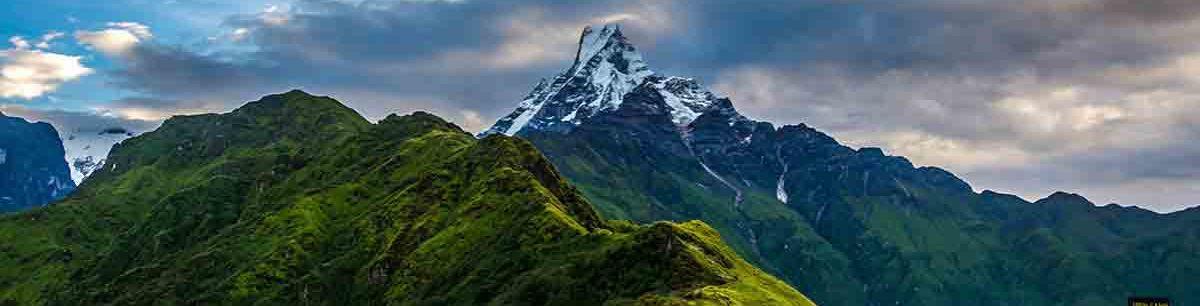

In an era defined by chronic stress, digital overload, and constant stimulation, more travelers are seeking experiences that go beyond sightseeing. They want restoration. A healing mountain journey in Nepal offers precisely that—a natural and time-tested way to reset your nervous system naturally. As we approach 2026/2027, Nepal continues to emerge as one of the world’s most powerful destinations for mind–body recovery, thanks to its Himalayan landscapes, spiritual traditions, and slow, intentional pace of life.
This article explores how a healing mountain journey in Nepal supports nervous system regulation, why the Himalayas are uniquely therapeutic, and how travelers can plan a wellness-focused journey that delivers lasting benefits.
Why the Nervous System Needs Healing
The human nervous system is designed to respond to danger and return to balance. However, modern lifestyles keep many people stuck in a constant state of alertness. Long work hours, excessive screen time, urban noise, and limited exposure to nature overstimulate the sympathetic nervous system, commonly known as “fight or flight.”
When this stress response remains active for extended periods, it can lead to fatigue, anxiety, insomnia, digestive issues, and emotional imbalance. Resetting the nervous system requires intentional slowing down, sensory regulation, and immersion in environments that support parasympathetic activity—the body’s natural “rest and digest” mode.
This is where a healing mountain journey in Nepal becomes transformative.
Nepal as a Natural Nervous System Reset Destination
Nepal’s geography and culture create ideal conditions for nervous system healing. The country is home to eight of the world’s fourteen highest mountains, deep forested valleys, and ancient pilgrimage routes that have supported contemplative travel for centuries.
Unlike fast-paced wellness resorts, Nepal offers authentic healing through simplicity. Life in the mountains follows natural rhythms: sunrise, walking, shared meals, rest, and silence. This rhythm alone begins to regulate the nervous system.
Key elements that make Nepal exceptional include:
- Clean mountain air rich in oxygen
- Low noise pollution in trekking regions
- Minimal digital distractions
- Strong spiritual heritage rooted in Buddhism and Hinduism
- Communities that value patience, mindfulness, and balance
Together, these factors allow travelers to reset their nervous system naturally without artificial interventions.
How Mountain Environments Heal the Nervous System
Altitude and Breath Awareness
Moderate altitude trekking in Nepal naturally encourages slower breathing. As oxygen levels decrease slightly, the body adapts by deepening respiration. This activates the vagus nerve, which plays a critical role in calming the nervous system.
Conscious breathing becomes automatic in the mountains, supporting emotional regulation and mental clarity.
Nature Exposure and Sensory Reset
Scientific research consistently shows that exposure to natural environments reduces cortisol levels and improves nervous system balance. In Nepal’s mountains, travelers are immersed in forests, rivers, glaciers, and open skies for days or weeks at a time.
The absence of artificial noise allows the nervous system to recalibrate. Sounds such as wind, birds, prayer flags, and flowing water create a soothing sensory experience that modern environments rarely provide.
Walking Meditation and Rhythmic Movement
Trekking in Nepal is not rushed. Daily walks follow ancient trails used by pilgrims and traders for generations. This rhythmic movement acts as a form of walking meditation, synchronizing body and mind.
Consistent, moderate movement signals safety to the nervous system, gradually shifting it out of survival mode.
Spiritual Traditions That Support Nervous System Healing
Nepal is deeply influenced by Buddhist and Hindu philosophies that emphasize balance, impermanence, and inner awareness. Travelers often encounter monasteries, prayer wheels, chanting, and meditation practices along mountain routes.
These elements are not staged for tourism; they are part of daily life. Observing or gently participating in these practices can help travelers reconnect with stillness and presence.
Meditation, even in short daily sessions, has been shown to strengthen parasympathetic nervous system function. In Nepal, meditation arises naturally from the environment rather than rigid schedules.
Best Healing Mountain Journeys in Nepal for 2026/2027
Annapurna Region
The Annapurna region offers diverse landscapes, accessible trails, and strong community-based trekking infrastructure. The combination of terraced farms, forests, and panoramic mountain views makes it ideal for first-time healing journeys.
Shorter treks allow more time for rest, reflection, and nervous system recovery.
Langtang Valley
Langtang is known for its quiet trails and proximity to Kathmandu. It is particularly suitable for travelers seeking solitude and cultural immersion. Tibetan-influenced villages and sacred landscapes enhance the region’s calming effect.
Everest View and Lower Khumbu
While Everest itself attracts high-altitude adventurers, the lower Khumbu region offers gentle routes with profound spiritual significance. Monasteries such as Tengboche create powerful spaces for reflection and nervous system reset.
Healing Practices You Can Integrate on a Nepal Mountain Journey
A healing mountain journey in Nepal does not require extreme trekking or advanced wellness training. Simple, intentional practices are enough to support nervous system regulation.
Effective practices include:
- Daily mindful walking
- Breath awareness during ascents
- Journaling in quiet spaces
- Digital detox or limited device use
- Gentle stretching or yoga in the mornings
- Observing silence for short periods
These practices work best when supported by the mountain environment rather than forced routines.
Nutrition and Nervous System Balance in the Himalayas
Traditional Nepali mountain food is simple, nourishing, and grounding. Meals often include lentils, rice, vegetables, and herbal teas. This type of diet supports stable blood sugar levels, which are closely linked to nervous system health.
Eating warm, home-cooked meals at regular times helps the body feel safe and supported. Many travelers report improved digestion and sleep within days of starting a mountain journey.
The Role of Slowness in Natural Healing
One of the most powerful aspects of a healing mountain journey in Nepal is slowness. Unlike conventional vacations packed with activities, mountain travel encourages patience. Weather, terrain, and daylight dictate the schedule.
This surrender to natural pacing reduces mental resistance and allows the nervous system to unwind. Over time, travelers rediscover their ability to rest without guilt.
Planning a Healing Mountain Journey in Nepal (2026/2027)
To ensure maximum benefit, travelers should plan intentionally. Choosing the right season, route, and support system matters.
Best Seasons
Spring (March–May) and autumn (September–November) remain the best periods for a healing mountain journey in Nepal. These seasons offer stable weather, clear views, and comfortable temperatures.
Trek Duration
Short to moderate treks of 5–10 days are ideal for nervous system healing. They provide enough immersion without physical overload.
Guides and Support
Experienced local guides trained in slow trekking and mindful travel can significantly enhance the experience. They help maintain a steady pace and provide cultural context that deepens emotional connection.
Long-Term Benefits of a Healing Mountain Journey
Many travelers find that the benefits of a healing mountain journey in Nepal extend well beyond the trip itself. Improved stress resilience, better sleep, emotional clarity, and a renewed relationship with nature often continue for months.
By resetting the nervous system naturally, individuals gain tools they can apply in daily life, even in demanding environments.
Why 2026/2027 Is the Right Time
As global awareness of mental health and burnout grows, 2026/2027 represents an ideal time to prioritize restorative travel. Nepal continues to develop sustainable trekking practices while preserving its cultural authenticity.
Travelers are increasingly seeking meaning rather than luxury, and Nepal’s mountains provide a profound answer to that need.
Conclusion
A healing mountain journey in Nepal (2026/2027) is more than a trek—it is a return to balance. Through altitude, nature, spiritual tradition, and slowness, the Himalayas offer a powerful way to reset your nervous system naturally.
For those seeking genuine restoration rather than temporary escape, Nepal stands as one of the world’s most effective healing destinations. The mountains do not rush, and in following their pace, the nervous system remembers how to rest, recover, and renew.
