
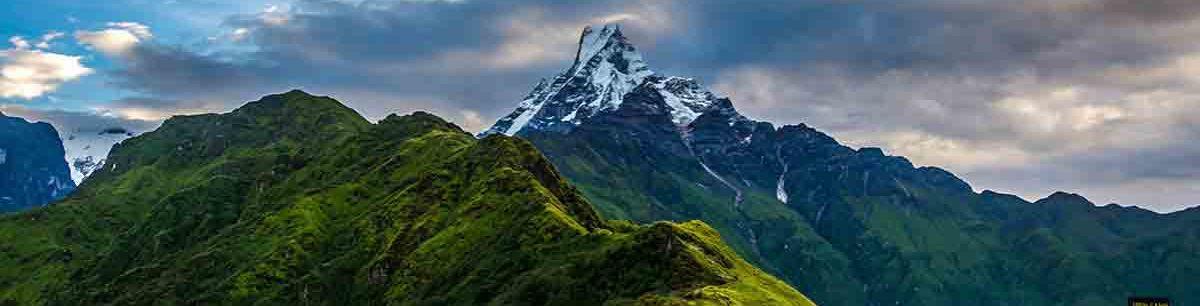

Trekking in Nepal remains one of the world’s most inspiring travel experiences. Every year, thousands of trekkers arrive in Kathmandu seeking Himalayan scenery, cultural immersion, and unforgettable adventure. Yet one question consistently comes up during trip planning: How much does it cost to go on a trek in Nepal in 2026?
Because Nepal’s trekking environment changes each year—permit fees, accommodation standards, transportation costs, and guide regulations—travelers need updated budgeting guidance. This 2026 real budget guide explains Nepal trekking costs in detail, including average daily expenses, cost breakdown by region, and how pricing differs for guided and independent trekkers. You will also learn how seasonal variations, new rules, and personal comfort preferences affect your overall trekking budget.
This comprehensive resource is designed to help you plan wisely and enjoy the Himalayas with clarity and confidence.
Why Trekking Costs in Nepal Matter More in 2026
Trekking in Nepal used to be one of the most inexpensive adventure experiences on earth. While it still offers excellent value, several cost factors have shifted:
- Mandatory guide requirement for popular trekking regions (introduced in 2023 and continuing into 2026).
- Increased transportation prices, especially for long-distance routes.
- Higher permit fees in specific restricted areas.
- Accommodation rates rising in regions such as Everest and Annapurna.
- Greater demand for comfortable lodges and better meals among modern trekkers.
Understanding these shifts helps trekkers prepare realistic budgets and avoid unwelcome surprises during the journey.
How Much Does It Cost to Go on a Trek in Nepal? (2026 Budget Overview)
Your total trekking cost in Nepal depends on where you trek, how long you trek, and the service level you expect. However, most travelers fall into three spending categories:
Budget Trekker (Independent-style with mandatory guide): $35–$60 per day
- Basic teahouse rooms
- Simple meals (dal bhat, noodles, soups)
- Shared transport (buses)
- A local guide at minimum cost
- No luxury items
Standard Trekker (Most popular choice): $60–$120 per day
- Mid-range lodges
- Wider meal selection
- Domestic flights (Lukla, Pokhara)
- Experienced guide + porter
- Hot showers and occasional Wi-Fi
Comfortable / Luxury Trekker: $150–$350+ per day
- Luxury lodges in Everest/Annapurna
- Private transportation
- Highly trained guides
- Better meals, heating, and Western-style amenities
These ranges do not include permits or travel insurance, which can add $100–$300 depending on the trek.
Major Cost Components of Trekking in Nepal (2026 Breakdown)
To create an accurate 2026 trekking budget, you need to understand each cost element. Below is a comprehensive analysis.
Trekking Permits and Entry Fees (2026)
Everest Region
- Sagarmatha National Park: $30 + VAT
- Khumbu Pasang Lhamu Entry Fee: $20
Total: ~$50
Annapurna Region
- ACAP Permit: $30
- TIMS Card: $20
Total: ~$50
Langtang Region
- Langtang National Park Permit: $30
- TIMS Card: $20
Total: ~$50
Restricted Areas (2026 updated structure)
Restricted regions are more expensive because they require a special permit and a registered guide.
| Region | Permit Cost (2026) |
| Upper Mustang | $50 per day (new rule replacing old $500 flat fee) |
| Manaslu | $100 first week + $15/day afterward |
| Dolpo | $20 per week (Lower), $50 per day (Upper) |
| Nar Phu | $100 per week |
They are the most expensive places to trek, but the cultural and natural rewards are unmatched.
Guide and Porter Fees (Mandatory in 2026)
Guide Costs
A certified guide typically costs:
- $25–$40 per day (standard)
- $40–$70 per day (highly experienced or specialty guide)
Porter Costs
A porter costs:
- $20–$28 per day and carries 20–25 kg
Why Guides Are Now Mandatory
Nepal’s Tourism Board confirmed mandatory guide requirements to:
- Improve safety
- Support local employment
- Reduce cases of missing trekkers
- Increase environmental protection
This rule affects popular routes like Everest Base Camp, Annapurna Circuit, and Langtang Valley.
Accommodation Costs (Teahouses and Lodges)
Teahouse lodging varies greatly by region and elevation.
Low Elevation (Below 3,500 m)
- $5–$10 per night
Mid-Elevation (3,500 m–4,500 m)
- $7–$15 per night
High Elevation (Over 4,500 m)
- $10–$20 per night
Luxury Lodges (Everest & Annapurna only)
- $120–$400+ per night
Accommodations are basic: wooden beds, shared bathrooms, and limited heating. Expect to pay extra for:
- Hot showers: $2–$5
- Wi-Fi: $2–$5
- Device charging: $2–$5 per hour
Food and Drinks Costs
Food becomes a major cost on longer treks.
Meal Prices (Typical)
- Breakfast: $4–$8
- Lunch: $5–$10
- Dinner: $6–$12
Dal bhat is the best value because refills are free in most areas.
Extras
- Tea/coffee: $2–$5
- Bottled water: $1–$4 (much more at altitude)
- Snacks: $3–$8
Average food cost per day:
- $20–$30 standard
- $40+ for more variety or high-elevation routes
Transportation Costs (2026 Overview)
Transportation is one of the most variable cost categories.
Domestic Flights
- Kathmandu–Lukla: $180–$220 (one way)
- Pokhara–Jomsom: $100–$130
- Kathmandu–Pokhara: $60–$90
Private Jeep / Car
- Kathmandu–Pokhara: $120–$160
- Kathmandu–Syabrubesi (Langtang): $130–$180
- Pokhara–Nayapul: $25–$35
Public Bus / Shared Transport
- Kathmandu–Pokhara (tourist bus): $12–$25
- Kathmandu–Syabrubesi (local bus): $10–$15
Flights shorten schedules but increase cost dramatically.
Trekking Equipment Costs
If you already own outdoor gear, this may be minimal. If not, you may need to invest in essentials:
- Down jacket: $80–$200
- Boots: $80–$250
- Sleeping bag: $60–$180
- Clothing layers: $50–$150
Renting is possible in Kathmandu:
- Down jacket: $1–$2 per day
- Sleeping bag: $1–$2 per day
Travel Insurance
Himalayan trekking insurance is mandatory for most guided treks. It must cover:
- High-altitude trekking
- Helicopter evacuation
Typical cost:
- $100–$200 for 2–4 weeks
Total Cost of Popular Treks in Nepal (2026 Estimates)
Below are realistic total cost ranges for the most popular trekking routes.
Everest Base Camp Trek (12–14 Days)
- Budget: $900–$1,250
- Standard: $1,400–$2,100
- Luxury: $3,000–$6,000
The Lukla flight is a major cost driver.
Annapurna Circuit (12–18 Days)
- Budget: $600–$900
- Standard: $1,000–$1,500
- With side trips (Tilicho Lake): extra costs apply.
Annapurna Base Camp (7–10 Days)
- Budget: $500–$750
- Standard: $750–$1,200
One of the most affordable high-altitude treks.
Langtang Valley Trek (7–10 Days)
- Budget: $450–$650
- Standard: $700–$1,100
No flights required, keeping costs low.
Upper Mustang Trek (10–14 Days)
- Standard: $1,500–$2,200
- Comfort: $2,500–$3,500+
Permit costs are based on daily fees in 2026.
Factors That Influence Trekking Costs in Nepal
1. Time of Year
- High season (spring & autumn): higher prices
- Winter & monsoon: cheaper but riskier
2. Altitude
Higher altitude means more expensive food, lodging, and services.
3. Transportation Choices
Flights significantly increase your budget.
4. Personal Comfort Level
Hot showers, Wi-Fi, better meals, and private rooms all add to total cost.
5. Trek Duration
Longer treks = more money spent daily.
How to Reduce Your Trekking Cost in 2026
Here are practical tips:
- Travel in groups to share guide and porter fees.
- Choose treks closer to Kathmandu (Langtang, Helambu).
- Eat dal bhat to avoid expensive menus.
- Use shared jeeps instead of private vehicles.
- Bring your own snacks and water-purifying tablets.
- Rent equipment in Thamel instead of buying new gear.
These strategies can reduce your budget by 20–40 percent.
Is Trekking in Nepal Worth the Cost?
Absolutely. Nepal offers:
- Affordable high-altitude trekking
- Immersive cultural experiences
- Some of the most iconic mountains on Earth
- Professional guides
- Diverse trekking routes for every experience level
Even with rising costs, Nepal remains one of the best-value adventure destinations in the world.
Final Verdict: How Much Does It Cost to Go on a Trek in Nepal in 2026?
A realistic budget for most trekkers in 2026 is:
- $600–$1,200 for budget-friendly routes
- $1,400–$2,100 for standard comfort and popular trails
- $3,000+ for luxury or restricted-region trekking
The final amount depends on your comfort expectations, route choice, and length of travel. This detailed 2026 budget guide enables you to plan without confusion and start your Himalayan adventure with confidence.