
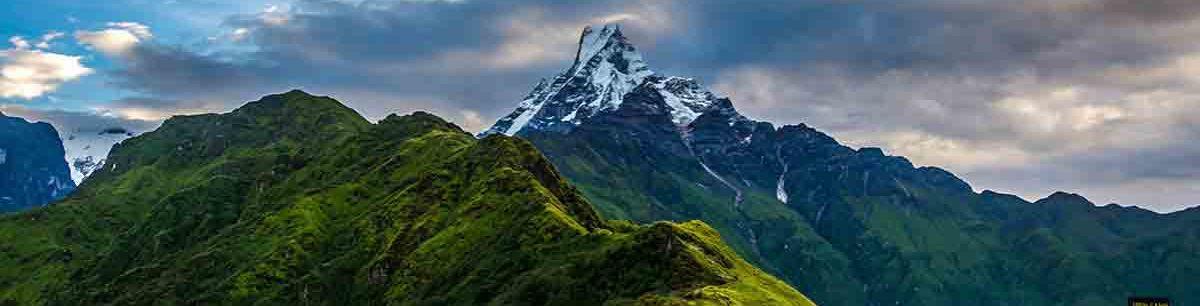

Nepal has long been a dream destination for trekkers, offering everything from accessible hill trails to some of the most remote and culturally preserved Himalayan regions. However, in recent years, trekking regulations—especially regarding solo trekking and restricted areas—have undergone major changes. The 2026 update has introduced new flexibility while still maintaining strict safety and administrative requirements.
This article provides a comprehensive guide to understanding what’s new in 2026, how the rules have evolved, and what trekkers need to know before planning a solo adventure in Nepal’s restricted regions.
Understanding Restricted Areas in Nepal
Before diving into the 2026 updates, it’s important to understand what “restricted areas” actually mean in Nepal.
Restricted areas are specific regions—mostly located along Nepal’s northern border with Tibet—where access is controlled by the government. These include:
- Upper Mustang
- Upper Dolpa
- Manaslu Region
- Tsum Valley
- Nar–Phu Valley
- Kanchenjunga Region
- Parts of Humla, Mugu, and Darchula
These areas are regulated primarily for:
- Border security concerns
- Cultural preservation of indigenous communities
- Environmental protection
- Safety due to remoteness and lack of infrastructure
To enter these regions, trekkers must obtain a Restricted Area Permit (RAP), which comes with stricter requirements than standard trekking permits.
Solo Trekking in Nepal: A Quick Background
The 2023 Rule: Mandatory Guide Policy
In April 2023, Nepal introduced a controversial rule requiring all foreign trekkers to hire a licensed guide. This effectively ended traditional solo trekking for foreigners across most trekking routes.
The reasons behind this policy included:
- Increasing safety concerns (lost trekkers, altitude sickness)
- Reducing rescue costs
- Creating employment for local guides
As a result, solo trekking—especially in restricted areas—became nearly impossible under the old system.
What’s New in 2026?
A Major Policy Shift
In 2026, Nepal has partially relaxed its trekking rules, especially concerning restricted areas. According to recent updates:
- Solo trekkers can now apply for permits to enter restricted areas
- However, they must still be accompanied by a licensed guide
- Permits must be processed through a registered trekking agency
This means that while “solo trekking” is technically allowed again, it does not mean completely independent trekking.
Key Change Explained
👉 Before 2026:
- Minimum group size (usually 2 trekkers) required
- Solo permits not issued
👉 After 2026 update:
- Individual trekkers can apply
- No need to form a group
- But a guide remains mandatory
This is a significant shift that makes restricted areas more accessible for independent travelers.
Can You Really Trek Solo in Restricted Areas?
The short answer: Yes—but not independently.
In 2026, solo trekking means:
- You can travel without joining a group
- But you must:
- Hire a licensed guide
- Go through a trekking agency
- Follow a fixed itinerary
Even with the new flexibility, trekking alone without any support is still not allowed in restricted zones.
Additionally, enforcement has become stricter. Trekkers found without proper permits or guides may face fines or penalties.
Permit Rules for Restricted Areas (2026)
Restricted Area Permit (RAP)
This is mandatory for all restricted regions and must be obtained via a registered agency.
General requirements:
- Valid passport and visa
- Licensed guide
- Trekking itinerary
- Agency application (no self-application)
Cost of Permits
Permit fees vary by region. Examples:
- Upper Mustang: approx. USD 500 (first 10 days)
- Manaslu: USD 75–100 per week depending on season
- Tsum Valley: USD 30–40 per week
- Kanchenjunga: USD 20 per week
Some regions have shifted toward daily pricing models, making shorter trips more flexible.
Why Nepal Still Requires Guides
Even with the 2026 update, Nepal has retained the mandatory guide rule. Here’s why:
1. Safety in Remote Terrain
Restricted areas are extremely isolated, with:
- No proper signage
- Limited rescue infrastructure
- High-altitude risks
2. Cultural Sensitivity
Many restricted regions preserve ancient Tibetan-influenced cultures. Guides help:
- Facilitate respectful interactions
- Prevent cultural disruption
3. Border Security
These areas lie near international borders, requiring controlled access.
4. Economic Benefits
Tourism supports local livelihoods. The guide requirement ensures income for:
- Guides
- Porters
- Local communities
Restricted Areas vs. Non-Restricted Areas
Understanding the difference is crucial when planning a trek.
Restricted Areas
- Special permits required
- Guide mandatory
- Agency booking required
- Previously required minimum group size
Non-Restricted Areas (e.g., Everest, Annapurna, Langtang)
- Easier permits (national park/conservation permits)
- Guide still required in most cases
- Some flexibility remains in practice
Even in non-restricted areas, Nepal continues to enforce the no independent trekking policy for foreigners in 2026.
Popular Restricted Area Treks in 2026
With the new rules, these treks are becoming more accessible to solo travelers:
Upper Mustang Trek
- Desert-like landscape
- Ancient Tibetan culture
- Lo Manthang kingdom
Manaslu Circuit Trek
- Less crowded alternative to Annapurna
- Rich cultural villages
- High mountain passes
Tsum Valley Trek
- Sacred Himalayan valley
- Buddhist monasteries
- Unique traditions
Kanchenjunga Circuit Trek
- Remote wilderness
- Diverse ecosystems
- Close views of the third-highest mountain
Upper Dolpa Trek
- One of Nepal’s most isolated regions
- Rare wildlife and pristine landscapes
Pros and Cons of the 2026 Update
Advantages
✅ Easier access for solo travelers
✅ No need to find trekking partners
✅ More flexible itineraries
✅ Boost to tourism in remote regions
Disadvantages
❌ Still not fully independent trekking
❌ Additional cost for guide and agency
❌ Limited spontaneity
❌ Administrative process remains complex
Practical Tips for Solo Trekkers in 2026
If you’re planning to trek solo in restricted areas, keep these tips in mind:
Choose a Reliable Trekking Agency
Since permits must go through agencies, pick one with:
- Government registration
- Good reviews
- Transparent pricing
Hire an Experienced Guide
A knowledgeable guide enhances:
- Safety
- Cultural understanding
- Navigation
Plan Your Itinerary Carefully
Restricted area permits are often:
- Date-specific
- Route-specific
Changes can be difficult once issued.
Budget Accordingly
Costs include:
- Permit fees
- Guide salary
- Accommodation and food
Prepare for Remote Conditions
Expect:
- Limited connectivity
- Basic lodges
- Harsh weather
Is Solo Trekking Worth It in 2026?
The 2026 update strikes a balance between freedom and regulation.
While true solo trekking (completely independent travel) is still restricted, the new policy offers:
- Greater accessibility
- More flexibility
- Improved safety
For many trekkers, this hybrid model—solo travel with guided support—is actually ideal.
Final Thoughts
The question “Can you trek solo in Nepal’s restricted areas in 2026?” has a nuanced answer.
Yes, Nepal now allows solo trekkers to enter restricted areas—but only under controlled conditions:
- Through a registered agency
- With a licensed guide
- With proper permits
This change marks a significant evolution in Nepal’s trekking policies, making remote Himalayan regions more accessible while maintaining safety and sustainability. For adventurers seeking solitude without compromising security, 2026 is one of the best times to explore Nepal’s restricted trekking destinations.