
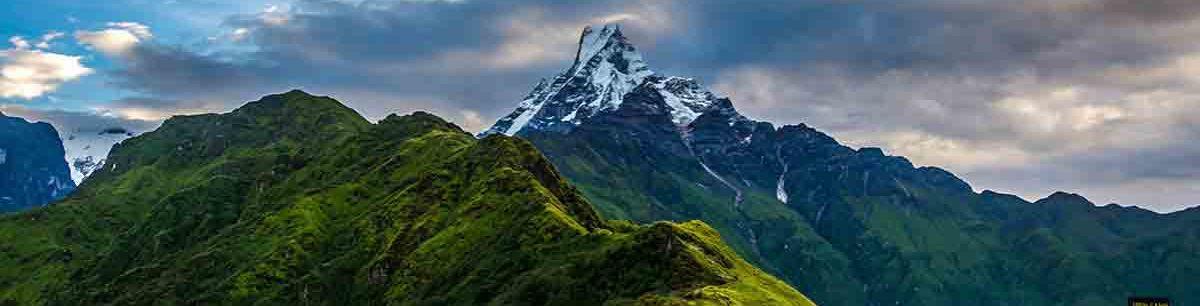

Nepal, a land of towering peaks, ancient temples, and diverse cultures, attracts millions of travelers every year. A key decision for visitors is choosing where to stay. Traditional hotels and guesthouses are common, but increasingly travelers are opting for monastery stays—immersive experiences that promise peace, culture, and spiritual insight.
This article offers an in-depth comparison of monastery stays vs hotel stays in Nepal, focusing on cost, comfort, cultural experience, pros and cons, and who each option is best suited for. Whether you are a budget backpacker, cultural explorer, or wellness seeker, this guide will help you choose the best accommodation for your Nepal itinerary.
Overview: Monastery Stays and Hotel Stays in Nepal
Nepal’s accommodation options reflect the country’s cultural richness and tourism diversity:
- Monastery Stay: Lodging offered within Buddhist monasteries or retreat centers, often with opportunities for meditation and interaction with monks.
- Hotel Stay: Standard tourist accommodation ranging from budget guesthouses to luxury hotels in cities, towns, and trekking hubs.
While both provide shelter and basic needs, they differ substantially in purpose, experience, cost structure, and lifestyle.
Cost Comparison
Monastery Stay: Budget-Friendly and Purposeful
Monastery stays are often among the most affordable lodging options in Nepal. In many monasteries:
- Accommodation is offered on a donation basis or at minimal fixed rates.
- Meals (usually vegetarian) may be included.
- Retreat packages may cover meditation sessions and teachings.
Typical cost range:
- Donation or fixed rate: USD $5–$20 per night
- Retreat programs (multi-day): USD $50–$200+ per program depending on length and inclusions
Why monastery stays are cost-effective:
- Run by religious organizations or local communities
- Focus is spiritual practice rather than profit
- Meals often prepared communally at low cost
Hotel Stay: Wide Price Range, Predictable Costs
Hotels in Nepal range from basic guesthouses to upscale lodges:
- Budget guesthouses: USD $10–$30 per night
- Mid-range hotels: USD $30–$80 per night
- Luxury hotels/resorts: USD $100–$300+ per night
Additional costs to factor in:
- Meals (breakfast often included, lunch/dinner extra)
- Taxes and service charges in urban hotels
- Seasonal surcharges in tourist peak months
Cost Summary
| Accommodation Type | Price per Night | Meals Included | Other Costs |
| Monastery Stay | $5–$20 | Often included | Minimal |
| Budget Hotel | $10–$30 | Usually not | Meals extra |
| Mid-range Hotel | $30–$80 | Sometimes | Taxes |
| Luxury Hotel | $100+ | Often included | Premium services |
🧭 Key insight: Monastery stays generally cost less than hotels, especially when meals and basic necessities are bundled.
Comfort & Amenities
Monastery Stay Comfort
Monastery accommodations prioritize simplicity and mindfulness over luxury:
Typical features:
- Shared or basic private rooms
- Simple bedding and minimal furniture
- Communal bathrooms (varies by monastery)
- Limited electricity / Wi-Fi access in remote retreats
Comfort level:
☑ Basic
☑ Clean
☒ Luxury amenities (rare)
What monastery stays lack in luxury, they make up for in peace, intentional simplicity, and spiritual ambiance.
Hotel Stay Comfort
Hotels cater to varying preferences and comfort levels:
Budget hotels:
- Private rooms with fan or AC
- Clean bedding, sometimes private bath
- Limited services
Mid-range hotels:
- Better furnishings
- Room service, Wi-Fi, TVs
- Hot water and private bathrooms
Luxury hotels:
- Premium beds, spacious rooms
- On-site restaurants, gyms, spas
- Concierge services and organized tours
Comfort level:
☑ Comfortable to luxurious
☑ Predictable amenities
☑ Adjustable to traveler expectations
Comfort Summary
| Feature | Monastery Stay | Budget Hotel | Mid-range Hotel | Luxury Hotel |
| Private Room | Possible | Yes | Yes | Yes |
| Private Bathroom | Rare | Sometimes | Usually | Always |
| Hot Water | Variable | Usually | Yes | Yes |
| Wi-Fi | Limited/None | Yes | Yes | Yes |
| Room Service | No | No | Yes | Yes |
🧭 Key insight: Hotels offer superior comfort and predictable amenities; monastery stays appeal to those seeking minimalism and spiritual focus.
Cultural Experience & Meaning
This is where differences between monastery and hotel stays are most profound.
Monastery Stay: Deep Cultural Immersion
Monastery stays place you in the heart of Buddhist practice, often in mountain or spiritual centers like Lumbini, Kathmandu Valley, or remote Himalayan regions.
Cultural advantages:
- Live alongside monks and practitioners
- Participate in meditation, chanting, rituals
- Experience daily monastic life rhythms
- Learn Buddhist philosophy and Nepali culture up close
Typical activities:
- Morning prayers and meditation
- Mindfulness sessions
- Teachings from resident monks
- Ritual observances
This kind of stay is transformative, slow-paced, and introspective.
Hotel Stay: Comfortable Base with Cultural Access
Hotels primarily serve as bases for exploration of Nepal’s culture rather than immersive cultural experiences.
Cultural access via hotels:
- Proximity to heritage sites, temples, markets
- Tours and cultural guides arranged by hotel
- Interaction with local staff
However:
- Interaction with local spiritual life is usually limited
- Experience is more touristic than immersive
Cultural Summary
| Experience Aspect | Monastery Stay | Hotel Stay |
| Cultural Immersion | Deep | Moderate |
| Spiritual Participation | High | Low |
| Learning Local Traditions | High | Moderate |
| Daily Interaction With Locals | High | Moderate |
🧭 Key insight: Monastery stays offer unparalleled cultural depth; hotels provide cultural access primarily through location and organized activities.
Location and Accessibility
Monastery Locations
Monasteries are found throughout Nepal, but many are in quieter, remote areas:
- Hilltop or valley settings (e.g., around Kathmandu Valley, Pokhara, Lumbini)
- Trekking regions (Annapurna, Langtang) with remote dharma centers
- Some urban monasteries in major cities
Accessibility:
- Often reachable by local transport or hiking
- Some require longer travel from transit hubs
Hotel Locations
Hotels are widespread:
- Major cities (Kathmandu, Pokhara, Bhaktapur)
- Trekking gateways (Besisahar, Jomsom, Namche Bazaar)
- Near airports and tourist hubs
Accessibility:
- Easy access to road networks
- Close to restaurants, shops, services
🧭 Key insight: Hotels are more accessible; monastery stays may require travel and planning.
Who Should Choose What?
| Traveler Type | Best Fit |
| Budget backpackers | Monastery or budget hotel |
| Spiritual seekers | Monastery stay |
| Comfort-oriented tourists | Hotel stay |
| Cultural immersion seekers | Monastery stay |
| First-time visitors to Nepal | Hotel stay with optional monastery visit |
| Digital nomads | Hotel stay (due to Wi-Fi and work amenities) |
Monastery Stay Is Best For
- Travelers who want peace, spirituality, and mindfulness
- Those comfortable with minimal amenities
- Anyone looking to understand Buddhism and Nepali culture deeply
- Retreat participants
Hotel Stay Is Best For
- Comfortable lodging with predictable facilities
- Travelers with tight itineraries
- People who rely on Wi-Fi, private bathrooms, and service
- Families and older travelers
Pros & Cons: Side-by-Side
Monastery Stay
Pros
- Low cost and meal inclusions
- Deep cultural/spiritual experience
- Mindfulness and meditation opportunities
- Quiet, peaceful environment
Cons
- Basic living conditions
- Limited modern amenities
- Accessibility challenges
- Structured daily schedules
Hotel Stay
Pros
- Comfort and privacy
- Predictable services (Wi-Fi, hot water)
- Easy access to transport, food, amenities
- Flexible schedule
Cons
- Higher cost
- Limited cultural immersion
- Often tourist-centric experience
Tips for Booking & Planning
Monastery Stay
- Contact ahead – Many monastic accommodations require advance reservation or confirmation due to limited space.
- Prepare for simplicity – Bring essentials like toiletries, appropriate clothing for meditation and modest dress.
- Respect customs – Research Buddhist etiquette (e.g., silence norms, prayer schedule).
- Ask about meals – Understand meal times and dietary options.
Hotel Stay
- Book early in peak seasons (Oct–Dec and Feb–Apr).
- Check amenities – Confirm Wi-Fi, hot water, laundry, and breakfast.
- Use reputable platforms – Read recent reviews on travel sites for reliability.
Conclusion: Which Is Better?
There is no one “best” choice—only the right choice for your travel priorities:
✅ Choose monastery stay if you seek low cost, deep cultural immersion, and spiritual engagement.
✅ Choose hotel stay if you want comfort, convenience, and predictable amenities.
Some travelers choose a blend: start with a hotel for arrival and exploration, and then spend a few days in a monastery for reflection and cultural depth.
Whichever you choose, Nepal offers transformative experiences—be it through sunrise over the Himalayas, temple bells in ancient squares, or morning chants echoing in monastic halls.
