
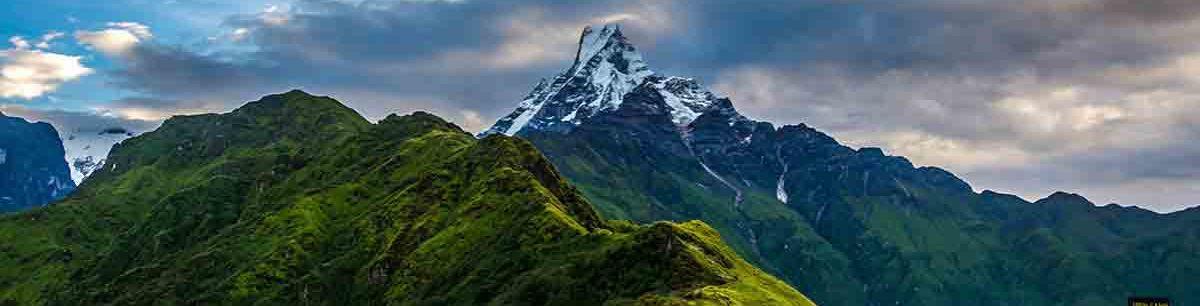

The Everest region has always symbolized adventure, endurance, and human determination. For decades, reaching Everest Base Camp meant committing to a physically demanding trek that takes nearly two weeks. While that journey remains iconic, it is not suitable for everyone.
The Everest Base Camp Helicopter Tour has transformed how travelers experience the Himalayas. In 2026 and 2027, this luxury aerial adventure offers a safe, efficient, and unforgettable way to witness Mount Everest without trekking.
This detailed guide explains everything you need to know about the Everest Base Camp helicopter tour. It covers itinerary details, safety standards, altitude considerations, pricing, best seasons, and why this experience is growing rapidly in popularity.
What Is the Everest Base Camp Helicopter Tour?
The Everest Base Camp Helicopter Tour is a scenic high-altitude flight that takes travelers from Kathmandu directly into the heart of the Everest region. Instead of walking for days, passengers fly over deep valleys, glaciers, and the highest mountains on Earth.
The helicopter typically flies over Everest Base Camp and the Khumbu Glacier. It then lands at Kalapatthar or nearby viewpoints, depending on conditions. These locations offer close-up views of Mount Everest, Lhotse, Nuptse, and Ama Dablam.
The entire tour usually lasts between four and five hours. This includes multiple scenic stops and a luxury breakfast experience.
Why Choose Everest Base Camp Without Trekking?
Many travelers dream of Everest but cannot commit to a long trek. The helicopter tour makes this dream achievable.
Major Reasons Travelers Prefer the Helicopter Tour
- No physical training required
- No risk of exhaustion from long walks
- Minimal exposure to extreme altitude
- Suitable for all age groups
- Ideal for travelers with limited vacation time
The Everest Base Camp helicopter tour removes barriers while preserving the awe of the Himalayas.
Everest Base Camp Helicopter Tour Itinerary Explained
Understanding the itinerary helps travelers prepare better. While routes may vary slightly, the structure remains consistent.
Early Morning Departure from Kathmandu
The tour begins early in the morning when weather conditions are most stable. Guests are transferred from their hotel to the domestic airport terminal.
Before departure, the pilot provides a detailed safety briefing. Weather conditions and flight plans are reviewed carefully.
Scenic Flight Toward Lukla
The helicopter flies east toward the Everest region. Along the way, passengers see rivers, hills, terraced farmland, and small mountain villages.
A short stop at Lukla or a nearby refueling station may occur. This also allows passengers to stretch briefly.
Flying Over the Khumbu Region
From Lukla, the helicopter ascends higher into the Khumbu Valley. This is where the most dramatic scenery begins.
You will see:
- Khumbu Glacier
- Everest Base Camp area
- Nuptse and Lhotse peaks
- Icefalls and crevasses
The aerial perspective offers views that trekkers never see.
Landing at Kalapatthar
Kalapatthar is one of the best viewpoints in the Everest region. It provides a clear, close view of Mount Everest’s summit.
Due to altitude safety rules, landings are short. Guests usually have 5–10 minutes for photographs and observation.
Breakfast at Everest View Hotel
The tour often includes breakfast at the famous Everest View Hotel. Located above 3,800 meters, it is one of the highest luxury hotels in the world.
Guests enjoy hot drinks and meals while facing Mount Everest through panoramic windows.
Return Flight to Kathmandu
After breakfast, the helicopter descends gradually and returns to Kathmandu. Most tours conclude before midday.
Best Time for Everest Base Camp Helicopter Tour 2026/2027
Seasonal timing is crucial for clear views and smooth flights.
Spring Season (March to May)
Spring is the most popular season. The weather is stable, and visibility is excellent. This period also coincides with Everest climbing season.
Autumn Season (September to November)
Autumn offers crisp air and clear skies. Mountain views are sharp, and flight reliability is high.
Winter Season (December to February)
Winter flights operate but are less predictable. Cold temperatures and snow may cause delays.
Monsoon Season (June to August)
This season is not ideal due to clouds and reduced visibility. Helicopter tours are limited.
For 2026 and 2027, spring and autumn remain the best choices for the Everest Base Camp helicopter tour.
Altitude, Health, and Safety Considerations
Safety is a major advantage of helicopter tours.
Reduced Altitude Risk
Unlike trekking, altitude exposure is brief. This greatly lowers the risk of altitude sickness.
Oxygen and Emergency Equipment
Helicopters are equipped with supplemental oxygen and emergency medical kits.
Experienced Pilots
Pilots flying in the Everest region are highly trained in high-altitude aviation. They monitor weather conditions continuously.
Booking with a reputable operator is essential for a safe experience.
Cost of Everest Base Camp Helicopter Tour 2026/2027
Pricing varies based on group size and service level.
Estimated Cost Breakdown
- Shared group tour: USD 1,100–1,400 per person
- Private charter: USD 4,500–6,000 per helicopter
Most packages include permits, transfers, flight costs, and breakfast.
Luxury customization and private filming services may increase the price.
Who Is This Tour Best Suited For?
The Everest Base Camp helicopter tour appeals to a wide audience.
Ideal Travelers Include
- Luxury and comfort-focused travelers
- Senior citizens
- Families with children
- Business travelers
- Adventure photographers
It offers inclusivity without compromising the Everest experience.
What to Wear and Pack for the Helicopter Tour
Preparation is still important despite the short duration.
Clothing Recommendations
- Insulated jacket
- Thermal layers
- Gloves and warm hat
- Sunglasses with UV protection
Essential Items
- Camera or smartphone
- Sunscreen
- Personal medications
- Passport or identification
Weather in the Everest region can change rapidly.
Environmental Responsibility and Ethical Tourism
Helicopter tourism must be practiced responsibly.
Licensed operators follow strict landing rules. Time spent at high-altitude sites is limited to reduce environmental impact.
Choosing ethical operators supports local communities and conservation efforts.
Everest Base Camp Helicopter Tour vs Everest Base Camp Trek
Both experiences offer value, but they serve different traveler profiles.
Helicopter Tour Advantages
- Time-efficient
- Physically easy
- Luxury-oriented
Trekking Advantages
- Cultural immersion
- Extended Himalayan experience
- Sense of endurance achievement
The helicopter tour focuses on access and comfort rather than physical challenge.
Photography and Scenic Value
The Everest Base Camp helicopter tour is ideal for photography.
Aerial angles reveal glaciers, ridges, and peaks in a way ground travel cannot. Early morning light enhances clarity and contrast.
This makes the tour especially appealing to content creators and filmmakers.
Booking Tips for 2026/2027
Demand continues to rise each year.
Practical Booking Advice
- Book early, especially for spring
- Maintain flexible dates
- Confirm operator licensing
- Check inclusions carefully
Nepal-based operators often provide better local coordination.
Is the Everest Base Camp Helicopter Tour Worth It?
For travelers seeking Everest without physical strain, the value is clear.
This tour combines adventure, exclusivity, and efficiency. The emotional impact of seeing Mount Everest up close is profound.
It is a premium experience designed for modern travelers.
Final Conclusion
The Everest Base Camp Helicopter Tour 2026/2027 offers a refined way to experience the Himalayas. It eliminates physical hardship while preserving the grandeur of Mount Everest.
This journey is more than a flight. It is a rare opportunity to stand near the highest mountain on Earth in comfort and safety.
For those who want Everest without trekking, this helicopter tour represents the ultimate Himalayan experience.
