
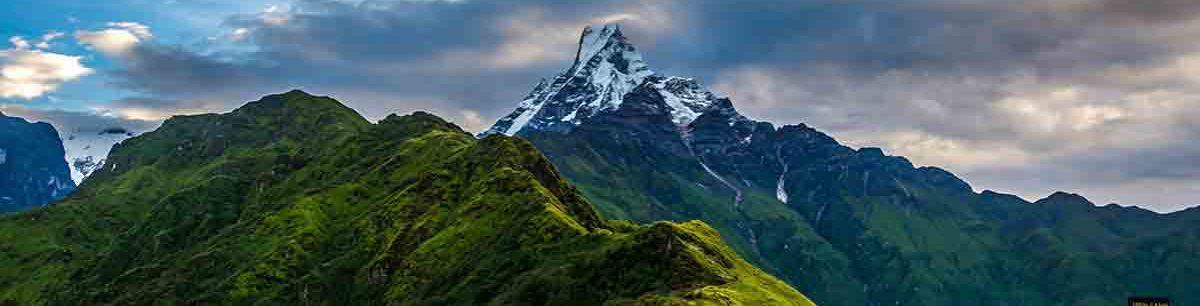

Standing at 8,163 metres, Mount Manaslu is the eighth-highest mountain in the world and one of the most rewarding challenges in Himalayan mountaineering. Located in Nepal’s Mansiri Himal range, Manaslu attracts climbers who want to experience the demands of an 8,000-meter peak without attempting to climb the world’s highest mountain.
But don’t let its reputation as a more accessible 8,000-meter mountain fool you. Manaslu is still a serious expedition. Its glaciers, steep snow slopes, crevasses, avalanche-prone sections and unpredictable weather require experience, patience and careful preparation.
The Manaslu Expedition 2027 offers experienced mountaineers another opportunity to take on this remarkable Himalayan peak. However, reaching the summit is only one part of the challenge. Climbers must prepare for weeks in the mountains, adjust to extreme altitude and make sensible decisions when conditions become difficult.
Whether you are considering Manaslu as your first 8,000-meter mountain or adding another major summit to your climbing experience, understanding what lies ahead will help you prepare for the journey.
Getting to Know Mount Manaslu
Mount Manaslu stands at 8,163 meter in the Gorkha district of Nepal. Its name comes from the Sanskrit word Manasa, commonly associated with the mind or spirit. The mountain was first successfully climbed in 1956 by a Japanese expedition, with Toshio Imanishi and Gyalzen Norbu Sherpa reaching the summit.
Today, Manaslu is a popular destination for experienced climbers from around the world. The standard route follows the Northeast Face and Northeast Ridge, passing through glaciers, snow slopes and several high camps before reaching the summit.
Here are the main expedition details:
| Information | Details |
| Mountain | Mount Manaslu |
| Height | 8,163 metres |
| World ranking | Eighth-highest mountain |
| Location | Gorkha, Nepal |
| Mountain range | Mansiri Himal |
| Standard route | Northeast Face and Northeast Ridge |
| Main climbing season | Autumn |
| Alternative season | Spring |
| Expedition duration | Approximately 35–45 days |
| Base Camp elevation | Around 4,800 metres |
| High camps | Usually four |
| Difficulty | Very demanding |
One of the highlights of the expedition is the approach journey through the Budhi Gandaki Valley. The trail passes through traditional villages, forests, rivers and mountain settlements before reaching the remote Manaslu Base Camp.
How Difficult Is the Manaslu Expedition?
Manaslu is sometimes described as one of the more accessible 8,000-metre peaks, but that description needs to be understood in context. It is not an easy mountain, and climbing it requires considerable mountaineering experience.
The biggest challenge is the combination of altitude, physical exhaustion and changing mountain conditions.
At 8,163 metres, oxygen availability is extremely low. Even walking slowly can become exhausting, and climbers may experience headaches, nausea, dizziness, loss of appetite and difficulty sleeping. Serious altitude-related illnesses can also develop, making proper acclimatisation essential.
The climbing route presents additional challenges:
- Glacier travel: Climbers must cross crevassed terrain and navigate changing ice conditions.
- Avalanche exposure: Heavy snowfall and unstable snow slopes can create dangerous situations.
- Steep sections: Some parts of the route require fixed ropes, crampons and careful climbing techniques.
- Extreme cold: Temperatures can fall considerably at higher camps, particularly during summit attempts.
- Long summit day: Climbers may spend many hours moving through difficult terrain with limited oxygen.
The descent is another important challenge. After reaching the summit, climbers are often tired and must carefully retrace the route. Reaching the top does not mean the expedition is over.
Manaslu is best suited to climbers with previous high-altitude experience, sound technical skills and the ability to remain calm under pressure. It should not be treated as a beginner’s introduction to mountaineering.
Best Time to Climb Manaslu in 2027
Autumn is the main climbing season for Manaslu, particularly September and October. Spring is another possible option, although autumn remains the traditional choice for many expedition teams.
Autumn season: September to October
After the summer monsoon, the weather often becomes more favourable for climbing. Clearer skies and improved visibility can provide good opportunities for acclimatisation and summit attempts.
September is commonly used for the approach trek, Base Camp preparation and climbing rotations. Many teams aim for a suitable summit window towards the latter part of the season.
However, weather conditions are never guaranteed. The 2026 autumn season demonstrated how persistent rain and heavy snowfall can disrupt climbing plans. Expedition teams must be prepared to wait or cancel their summit attempts if conditions become dangerous.
Spring season: April to May
Spring offers another opportunity to climb Manaslu. Temperatures generally become milder as the season progresses, although snow conditions and strong winds can still create difficulties.
Which season should you choose?
For most climbers planning a 2027 expedition, autumn is the traditional choice. However, the final decision should depend on weather forecasts, route conditions, available support and the advice of experienced expedition leaders.
Manaslu Climbing Route and High Camps
The standard Manaslu climbing route follows the Northeast Face and Northeast Ridge. Most organised expeditions establish four camps above Base Camp.
Manaslu Base Camp – approximately 4,800 metres
Base Camp is where the expedition comes together. Climbers rest, organise equipment, eat meals and prepare for rotations to higher camps. It is also an important place to monitor weather conditions and assess everyone’s health.
Camp 1 – approximately 5,700 metres
The route to Camp 1 crosses glacier terrain and requires careful movement around crevasses. Climbers begin adjusting to more demanding conditions and the effects of altitude.
Camp 2 – approximately 6,400 metres
The climb towards Camp 2 involves more challenging glacier and ice terrain. Fixed ropes may be used on steeper sections, and climbers need to remain attentive to changing route conditions.
Camp 3 – approximately 6,800 metres
At Camp 3, the effects of altitude become more noticeable. Moving, eating and sleeping can become difficult, so climbers need to manage their energy carefully.
Camp 4 – approximately 7,400 metres
Camp 4 is the final high camp before the summit attempt. At this elevation, oxygen levels are extremely low, and climbers generally spend as little time here as practical before continuing towards the summit.
The summit – 8,163 metres
The final ascent involves high-altitude snow slopes and the summit ridge. The climb may take many hours, depending on weather, route conditions and the climber’s pace.
An important detail on Manaslu is the distinction between the fore-summit and the true summit. The final ridge can be exposed, and reaching the actual summit may require additional technical movement. Climbers should discuss this with their expedition leader before the summit attempt.
Camp elevations are approximate and may vary depending on seasonal conditions and route arrangements.
How Much Does the Manaslu Expedition Cost in 2027?
The cost of climbing Manaslu depends on the expedition operator, group size, Sherpa support, oxygen arrangements, accommodation and services provided during the climb.
For general planning, an organised expedition may cost approximately US$18,000–US$35,000 or more per person. Private expeditions and packages with extensive individual support may cost more. This is an indicative estimate rather than a fixed 2027 price.
The main expenses include:
Climbing permits: Nepal’s published mountaineering royalty schedule, effective from September 2025, lists the foreign climber fee for Manaslu at US$1,500 in spring and US$3,000 in autumn. A US$3,000 garbage-management deposit is also listed for an expedition team climbing a mountain above 8,001 metres, excluding Everest. These charges should be confirmed for the 2027 season.
Sherpa and guide support: Experienced climbing guides and high-altitude Sherpas provide essential assistance with route preparation, camp arrangements and summit support. The level of individual support can significantly affect the package price.
Oxygen and climbing supplies: Many commercial expeditions provide supplementary oxygen, masks and regulators. Climbers should confirm the amount of oxygen included and the availability of backup supplies.
Transportation and accommodation: The cost may include road transportation from Kathmandu, teahouse accommodation during the approach trek, hotel stays and Base Camp facilities.
Other expenses may include international flights, Nepal visa fees, personal climbing equipment, insurance, emergency evacuation coverage, tips and personal purchases.
Before booking, ask for a detailed breakdown of included and excluded services. A lower package price may not include important items such as personal Sherpa support, supplementary oxygen or additional summit-day supplies.
Suggested 40-Day Manaslu Expedition Itinerary
A typical Manaslu expedition takes around 35–45 days, depending on acclimatisation, weather and climbing arrangements.
| Day | Itinerary |
| 1 | Arrival in Kathmandu |
| 2 | Expedition briefing and equipment checks |
| 3 | Drive to Machha Khola |
| 4 | Trek to Jagat |
| 5 | Trek to Deng |
| 6 | Trek to Namrung |
| 7 | Trek to Lho |
| 8 | Trek to Samagaun |
| 9–10 | Acclimatisation around Samagaun |
| 11 | Trek to Manaslu Base Camp |
| 12–14 | Rest, preparation and acclimatisation |
| 15–19 | First climbing rotation |
| 20–22 | Return to Base Camp and recovery |
| 23–27 | Second rotation and higher-altitude acclimatisation |
| 28–30 | Rest and summit preparation |
| 31–35 | Summit window and descent |
| 36 | Recovery at Base Camp |
| 37 | Trek to Samagaun |
| 38–39 | Trek towards the roadhead |
| 40 | Return to Kathmandu |
This is a sample itinerary, not a fixed schedule. Weather delays, route conditions and individual health may require changes. A good expedition plan should always include contingency days.
Physical Training and Technical Preparation
Preparation for Manaslu should begin several months before arriving in Nepal. Climbers need more than strong legs; they need endurance, technical confidence and the ability to keep moving when conditions become uncomfortable.
Build cardiovascular fitness: Hiking, running, cycling and stair climbing can improve endurance. Long hikes with a loaded backpack are particularly useful for preparing for consecutive days in the mountains.
Develop strength: Include exercises such as squats, lunges, step-ups and core training. Strong legs and a stable core help with balance and movement on uneven terrain.
Practise climbing techniques: Climbers should be comfortable using crampons, ice axes, ascenders, descenders and fixed ropes. Glacier travel and crevasse safety should also be part of their preparation.
Gain high-altitude experience: Previous experience on challenging 6,000-metre or 7,000-metre peaks can help climbers understand how their bodies respond to altitude. It also provides opportunities to practise expedition routines and technical skills.
Physical training cannot replace experience. Climbers should be honest about their abilities and seek professional guidance if they are unsure whether they are ready for an 8,000-metre mountain.
Essential Equipment for Manaslu
The right equipment is vital for comfort and safety in the extreme conditions found on Manaslu. The final equipment list depends on the season and the expedition operator.
Clothing:
- High-altitude down suit.
- Insulated jacket and trousers.
- Waterproof and windproof outer layers.
- Thermal base layers.
- Insulated gloves and mittens.
- Warm mountaineering socks.
- Balaclava and face protection.
Climbing equipment:
- High-altitude mountaineering boots.
- Crampons and ice axe.
- Climbing harness and helmet.
- Ascender and descender.
- Locking and non-locking carabiners.
- Headlamp with spare batteries.
Personal equipment:
- Sleeping bag suitable for extreme cold.
- Duffel bag and daypack.
- Glacier goggles and sunglasses.
- Sunscreen and lip protection.
- Insulated water bottles.
- Personal medication and first-aid supplies.
If supplementary oxygen is included, make sure you understand the equipment and the operator’s oxygen policy. Masks, regulators, bottles and backup arrangements should be checked before the summit rotation.
Safety: Lessons Climbers Should Take from 2026
The 2026 autumn season was a reminder that even well-organised expeditions cannot control mountain weather. Persistent rainfall and heavy snowfall affected climbing conditions, and avalanche concerns led teams to abandon their summit plans. Reports also documented fatal avalanche incidents in the region.
For climbers planning Manaslu in 2027, there are several important lessons.
- Never rush a summit attempt because of a fixed departure date.
- Take heavy snowfall and avalanche warnings seriously.
- Follow the advice of experienced guides and climbing Sherpas.
- Allow enough time for acclimatisation and recovery.
- Carry appropriate insurance for high-altitude mountaineering and emergency evacuation.
- Understand the expedition’s communication and rescue arrangements.
- Remember that descending safely is just as important as reaching the summit.
A successful expedition is not measured only by reaching 8,163 metres. Making responsible decisions and returning safely are equally important.
Frequently Asked Questions About Manaslu Expedition 2027
How high is Mount Manaslu?
Mount Manaslu stands at 8,163 metres and is the eighth-highest mountain in the world.
Is Manaslu suitable for beginners?
No. It is a serious high-altitude expedition requiring previous mountaineering experience, technical skills and excellent physical conditioning.
What is the best month to climb Manaslu?
September and October are the traditional autumn climbing months. Spring, particularly April and May, is another possible climbing period.
How long does the expedition take?
Most organised expeditions take approximately 35–45 days, including the approach trek, acclimatisation, climbing rotations and return journey.
How much does Manaslu cost in 2027?
A supported expedition may cost around US$18,000–US$35,000 or more per person, depending on the services and level of support.
Is supplementary oxygen used on Manaslu?
Many commercial teams use supplementary oxygen at higher elevations. The oxygen strategy varies between operators and should be discussed before booking.
How many camps are used on the standard route?
The standard route generally uses four high camps above Base Camp, although exact locations may change with conditions.
Is Manaslu a good first 8,000-metre mountain?
It can be an objective for experienced mountaineers attempting their first 8,000-metre summit. However, climbers should have substantial experience on high-altitude peaks before considering it.
Conclusion: Is Manaslu Worth Attempting in 2027?
Climbing Manaslu is a major undertaking, but it can also be one of the most rewarding experiences in a mountaineer’s life. The journey combines remote Himalayan landscapes, challenging glacier travel and the extraordinary experience of climbing above 8,000 metres.
However, the mountain demands respect. Physical fitness, technical experience, proper acclimatisation and reliable expedition support all matter. The difficult conditions experienced during the 2026 season also show why climbers must remain flexible and avoid treating a summit as a guaranteed result.
If you are considering the Manaslu Expedition 2027, start preparing early, assess your climbing experience honestly and choose an expedition team that puts safety before summit ambitions. Reaching the top is an incredible achievement, but returning safely is what makes the journey truly successful.