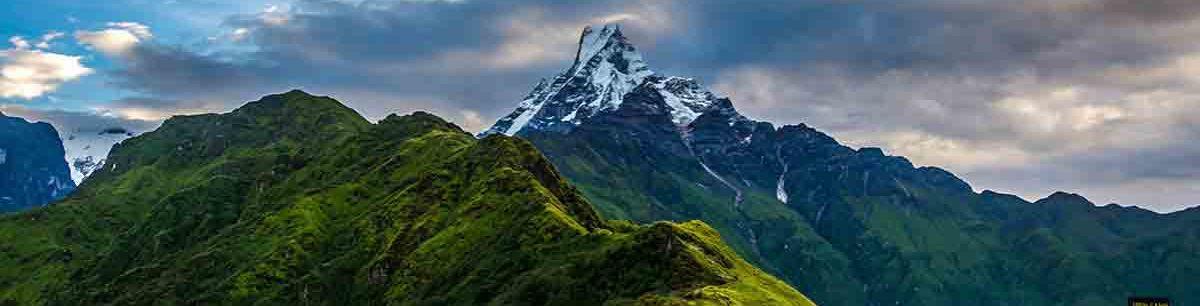
Top 7 Easy Treks in Nepal for Beginners

Nepal has a wide range of trek destinations to suit different types of trekkers. Nepal has it all, from long high-altitude difficult treks to short and moderate hikes. Any trekker, from novice to beginning, can choose to trek in Nepal, depending on their tastes.
In Nepal, there are various short and easy treks that cater to the needs of beginning and family hikers. Because of the easy trails and low risk, these treks are suitable for all types of travelers. These short hikes provide stunning vistas and glimpses into the local culture. The majority of them take place at low elevations and last less than a week.

Tamang Heritage Trail:

Tamang Cultural Trek is another name for Tamang Heritage Trail Trek. It’s ideal for beginners and inexperienced trekkers searching for an off-the-beaten-path adventure. This trek will take you through the unspoilt and maintained Langtang region. This hike also gives you the opportunity to learn about the Tamang people’s culture and way of life.
Local, traditional dances and music will be performed during this excursion. You’ll also travel by a number of historic monasteries and stupas. You may also enjoy spectacular mountain vistas of Langtang and Ganesh Himal.

Duration: 12 – 14 Days
Max. Elevation: Kyanjin Gompa- 3870m

Highlights:
• Syabru Besi, Bridim, Tatopani, Thuman, and Langtang Village are among the picturesque villages visited.
• Experience the Tamang people’s genuine welcome.
• Enjoy the natural hot spring at Tatopani
• Breathtaking views of Langtang and Ganesh Himal
• Experience with a homestay

Royal Trek:

This is a short and simple hike. It’s ideal for those who are short on time but still want to see Nepal’s true splendor.
The dawn and Himalayan peaks may be seen from the Royal Trek. Visits to lovely ethnic towns and stunning woodlands are also included in this tour. Terraced farms and rich green greenery can also be seen along the pathways.
The vegetation and fauna on this walk are likewise abundant and diverse. As a result, it’s perfect for botanists and researchers.

Duration: 6-8 days
Max. Elevation: Syaklung- 1730m

Highlights:
• Less Crowded
• A breathtaking view of the snow-capped Himalayas which includes peaks like Annapurna South, I, II, III Manaslu, and Machhapuchhre (Fishtail). Others peaks like Himchuli, Lamjung Himal, Manaslu, and Annapurna IV are also visible.
• Ethnic communities’ diversity this includes Gurung, Magar, Brahmin, to Kamis, Chhetri, Vaishya, Shudras.

Eco-Community Cultural Trek:

This route takes you along one of the Annapurna Region’s new, serene, and off-the-beaten-path trails.
Through homestays, the Eco-Community Cultural Trek allows you to experience the hospitality of the local people. You can learn about the local people’s lifestyle and culture by looking at these.
You also get spectacular, panoramic vistas of some of the world’s highest mountains.

Duration: 9-14 days
Max. Elevation: Mohare Danda- 3300m

Highlights:
• Discover the Annapurna region’s pristine natural and cultural splendour.
• Peaceful trail with less crowd
• Homestays are a lot of fun.
• The vistas of Annapurna, Dhaulagiri, and Machhapuchhare are breathtaking. Along the trails and in the villages, there are stunning sunrise and sunset vistas.
• Galeshwor, Banskharka, Nagi village, and Mohare Danda are unspoiled traditional villages.
• Famous Galeshwor Temple of Parbat district
• Visit the local orange farms. Try locally grown orange products and honey.
• There’s a possibility to see some unusual birds. Himali Kokale, Syal Pothwari, Lam Puchre, Nyauli, and Rani Chari are other examples.

Langtang Valley Trek:

Langtang Valley Trek takes you through the lovely Langtang region and is less busy, easy, and accessible. You’ll travel via a lovely forest walk, high alpine meadows, and yak farms. You’ll also get a detailed look at Langtang’s ancient Buddhist culture.
You also have stunning mountain views to go along with it. You can also visit the Langtang Conservation Area, which is both maintained and wild. You’ll hike through this area, which is home to a diverse range of unusual vegetation and fauna.

Duration: 8-12 days
Max. Elevation: Tserko Ri- 5000m (Optional) Kyanjin Gonpa (3,798m)

Highlights:
• Tserko Ri (4,350 m) offers 360-degree panoramic views of the Langtang region’s mountain peaks. On clear days, you can view Langtang Lirung (7,345 meters), Gang Chhenpo (6,338 meters), Dorje Lakpa (6,966 meters), and Naya Kanga (5,846 meters).
• Langtang National Park- Possibility of seeing some uncommon wild creatures and birds. Musk Deer, Red Panda, Snow Leopard, Himalayan Thar, and Danphe are among them.
• Experience the local lifestyle and culture.
• Explore Langtang Valley- “Valley of Glacier”
• Kyanjin Gompa- oldest Buddhist monastery in the region.
• Visit Langtang Glacier and Langshisha Kharka.

Ghorepani Poon Hill Trek:

Other names for Ghorepani PoonHill Trek include Annapurna Sunrise Trek and Annapurna Panorama Trek. The best way to characterize this journey is that it is popular, easy, and short. It is great for those looking for a comfortable Nepal trekking experience.
This hike takes you through stunning scenery, including multicolored forests, gorgeous mountains, and sunrise views. It also provides an opportunity to see Nepal’s cultural diversity.

Duration: 7-10 days
Max. Elevation: Poon Hill- 3210m

Highlights:
• The opportunity to see terraced slopes, unspoiled villages, and rice fields.
• The Annapurna region has a diverse flora and wildlife. The famed multi-colored rhododendron woodlands can be found here.
• Panoramic view of Annapurna and Dhaulagiri ranges.
• An opportunity to learn about the local culture, traditions, and way of life. You will have the opportunity to tour charming communities populated by people of various ethnic backgrounds. Gurungs, Magars, and Thakalis are among them.
• Waterfalls, hot springs.
• Phenomenal sunrise view from Poon Hill.

Lower Manaslu Trek:

Lower Manaslu Trek is one of the Manaslu region’s shorter and easier hikes.
This trip brings you to Gorkha, the legendary and heroic Gorkhalis’ homeland. From this magnificent land, King Prithvi Narayan Shah began the unification of Nepal. With a significant historical backdrop, you can learn about Nepal’s rich culture and history.
Some sections of the popular Manaslu Circuit Journey are included in this trek. As a result, on this trip, you may take in the natural grandeur of the Manaslu region. You will also be treated to breathtaking vistas of Nepal’s high peaks.

Duration: 11-13 days
Max Elevation: 3,220m, Darche Danda

Highlights:
• Less known, fewer crowds, reasonable cost.
• Historical tour of Nepal
• Gorakhnath Cave, and Gorkha Museum.
• Cable car ride
• Along the trails, discover picturesque, quaint, and traditional communities. Gorkha, Sirandanda, Barpak, Laprak, Lambai Kharka, and Darche Danda are among them.
• In the Manaslu region, there is an incredible view of mountains and landscapes. On clear days, you can view over 20 mountain peaks. The Manaslu and Annapurna mountains are among them. Fishtail, Ganesh Himal, Buddha Himal, Budi Himal, and Harka Gurung Chuli are also included.

Pulchowki – Namo Buddha Trek:

The sacred pilgrim destinations of Namo Buddha and Phulchowki Temple are called after the main highlights of this short trip. Both of these locations are on hills, making them perfect for bird watching and panoramic vistas. The holy nature of these locations lends them a serene and spiritual atmosphere. These legend-filled locations provide an insight into Nepal’s rich and diverse culture.
You can spend your time bird watching from Phulchowki. It’s a terrific place to see the more than 50 different species of migrating birds that come to the area on a regular basis. The trek also provides opportunities to witness uncommon vegetation, butterfly species, and wildlife. Leopards, squirrels, and martens are among them. This trek brings you to the outskirts of Kathmandu, Nepal’s capital city. However, you can get a flavor of the inhabitants’ rural agricultural and economic operations.

Duration: 6-8 days
Max. Elevation: 2765 m, Phulchoki

Highlights:
• Bird watching
• Rich flora and fauna
• Settlements of local of different ethnic background.
• Magnificent views of the mountains and Kathmandu city.
• Namo Buddha Monastery, Cave
• Phulchowki Temple

Feel Free To Contact Us

Travelling In Nepal With Kids

“CHILDREN CAN BE CONSERVATIVE CREATURES WHEN BOUND BY NECESSARY ROUTINE – PUSH THE BOUNDARIES A LITTLE AND WATCH NEPAL’S MAGIC TAKE OVER.”

There are two camps of people: those who would send their children to a third-world country and those who would not. Parents should be informed that the country’s facilities and services will not be comparable to those in the Western world, and changing diapers halfway up a mountain is unlikely to be enjoyable. Babies should probably be kept at home, but for children aged 6 and up, Nepal is an adrenaline-pumping playground, with shorter climbs, mountain biking, rafting, and wildlife all available for their enjoyment, not to mention Kathmandu’s bazaars, which are a fascinating assault on younger senses.

ACTIVITIES FOR FAMILIES IN NEPAL

Poon hill Trek:

It’s not all about enormous endurance achievements when it comes to trekking. The Poon Hill Trek, in the Annapurna’s with a maximum elevation of 3,210m and thus a low risk of altitude sickness, is a fantastic introduction to the great outdoors for small adventurers who can’t sit still.

Narayanhiti Royal Palace:

The colorful faded splendour of the Narayanhiti Palace, which was the site of a 2001 royal tragedy in which Crown Prince Dipendra and his entire family were massacred, appeals to children. Everything is huge and bold enough to captivate their imaginations, and the stuffed heads of tigers and rhinos that line the walls will undoubtedly satisfy them as well, despite the fact that we grownups know they’re nothing to be proud of.

Kathmandu’s Bazaar:

The bazaar in Asan, a market area in Kathmandu known for its authenticity, is the meeting point of six bustling streets that attract buyers from all over the world to buy food, spices, textiles, and electronics. It’s quite mesmerizing, and the exuberant, cheerful vendors put western children in the spotlight.

Travelling to Pokhara:

Pokhara is marked to be one of the best place to visit with kids due to its breathtaking view and many attractions such as: Phewa Lake, Open sky paragliding, Annapurna butterfly Museum, peace temple and sarangkot. All these places are adventurous to the kids as well to the parents.

Chitwan National park:

Take a private half-day jeep safari around Chitwan National Park. Monkeys, crocodiles, deer, and colorful birds abound, and the endangered one-horned rhino is a distinct possibility. You might see a sloth bear or wild elephants if you’re lucky (the bulk of elephants in Nepal are tamed), and if you’re very lucky, you might even see the elusive leopard.

Conclusion:

Nepal is unquestionably becoming a more family-friendly location. Many trekking sites, such as the Annapurnas, were designated as difficult, difficult treks from the start – even the easiest treks lacked significant access or safety. Adventurers now trek with mobile technology, the internet reaches everywhere, and there are roads running up into the ranges, which many people consider a problem, but when you consider the young, the elderly, or the disabled, these factors have become a safety net and a mark of accessibility, especially for families with children aged five and up. Although Nepal is not an unending playground for kids (you can’t camp in the jungle unless you want to wake up with a rhino in your tent), it is a fantastic opportunity for families to explore together, whether on foot in the mountains, by bike in the valleys, or by finding wildlife in the jungle.”

FAQ’s About travelling in Nepal with kids:

Is Nepal Child Friendly?

To summarize, Nepal is a family-friendly location for ambitious tourists who understand and are prepared to face the challenges head-on. Those that succeed will almost certainly be rewarded with a rich and beautiful experience.

What is a good age to start traveling with kids?

The best age to start travelling with kids is once they turn 5 or above as they would have conscious on what to do and what not to which makes hassle less travel to the parents.

Is it hard traveling with kids?

It can be challenging to travel with a baby. When your children are older, many parts of travel become considerably easier. When you’re battling to keep your hard-won sleep schedule or recovering from a vacation hangover, that’s absolutely something to look forward to.

Are Nepalese friendly?

To begin with, Nepalese are a nice, warm, and inviting people who are proud of their traditions, religion, music, and culture. In terms of religion, Nepalese are quite accepting, and there is hardly no religious friction in the country. They are patient and amusing, and they are rarely aggressive or enraged.

What do I need to know before going to Nepal?

Below are few important things you need to know about Nepal:
• Kathmandu isn’t quite Shangri-La, but it’s close.
• Kathmandu Was Once Home to Three Royal Kingdoms
• Nepalese people follow a Hindu-Buddhist religion.
• Nepal is a country with a lot more to offer than mountains.
• Mount Everest Can Be Viewed Without Trekking!

Is Nepal cheap to visit?

Nepal is, without a doubt, a low-cost destination. It is one of the most affordable nations! In general, lodging is inexpensive. There are lots of hostels, dorms, and guesthouses to choose from.

What should I wear in Nepal?

Nepal is a country where modest clothing is required. Clothing that covers your upper legs and shoulders is considered modest. So regular shirts, jeans, and long skirts are all OK. Covering your arms with blouses and button-up shirts is a good idea.

Can foreigner drive in Nepal?

A Nepali driver’s license is required to legally drive a car in Nepal. In other words, international visitors are not permitted to drive in Nepal.

Feel Free To Contact Us

Mustang’s Colorful Tiji Festival Trek

Mustang’s upper reaches Tiji Festival Trekking is a trip inside Mustang’s last forbidden kingdom, and it will certainly be a memorable experience for you. Tiji is a three-day annual event held in Lo Manthang in front of the Choedhe monastery, during which monks perform ritual dances. Tiji is an annual celebration that honors the deity Dorje Jono and his demon father. Dorje Jono battles his evil father to defend the Kingdom of Upper Mustang from annihilation. On the other hand, this festival did not begin in Upper Mustang until the 17th century, when Mustangi King Samdup Rabten brought Sakya Trizin Ngawang Kunga Sinam to Lo Manthang. He remained at the Chhode Monastery in Lo Manthang and performed the special Vajrakila ceremony for the wellbeing of all sentient beings as well as to banish all negative energies in Mustang.
You will be rewarded with breathtaking scenery, stunning mountain views, and an incredible lifetime experience of Thakali culture, tradition, and distinct way of life during the trip. You will enjoy touring Hindu pilgrimage site Muktinath, historic Buddhist monastery at Kagbeni hamlet, and many other beautiful tiny villages before reaching at the famed walled city of Lo-Manthang.
Upper Mustang is a mountainous region near the Tibetan border. Mustang was once a separate monarchy, and its language and culture are quite similar to Tibet’s. Mustang controlled the trade between the Himalayas and India from the 15th to the 17th centuries due to its strategic location. The kingdom was captured by Nepal around the end of the 18th century, and it became a dependency of the Kingdom of Nepal. The monarchy, however, was abolished by the Nepalese government in 2008. Jigme Dorje Palbar Bista, the last king, died in 2016. His forefather, the warrior Ame Pal, created the Buddhist kingdom of Lo Manthang in 1380 and constructed much of the city.

Trip Highlights:

• Enjoy 20 minutes’ adventure flight to and from Jomsom airstrip.
• Observe 3 days colorful Tiji festival at Lo-Manthang.
• Enjoy majestic mountains view of Mount Annapurna, Dhaulagiri and Nilgiri.
• Explore ancient walled city of Lo-Manthang.
• Visit ancient monastery and Cave from 13th century.

FAQs About Tiji Festival

When is the upcoming Tiji Festival 2022 date?

According to the Tibetan calendar, this festival will be held on May 27, 28, and 29, 2022.

What sort of accommodation can I expect in Kathmandu and during Tiji Festival Trek ?

Kathmandu has a wide range of hotels, from inexpensive to luxury, including five-star accommodations. We can also make accommodations based on your preferences.
During your stay While Trekking, teahouses/lodges will usually give basic clean facilities, such as a mattress and a light blanket. If necessary, we can provide sleeping luggage (which must be returned after the trip), but it is usually preferable to have your own sleeping bag. We normally give single and double rooms, with the occasional dormitory thrown in for good measure. Single accommodations are difficult to come by during high season, so double rooms are advised in our basic itinerary.

How are the toilet facilities during Tiji festival Trek?

In most teahouses and lodges, there are common restroom facilities that are usually nice and clean. A small number of teahouses and lodges now provide adjacent restrooms. In this regard, we will offer you with the greatest alternative available.

How are shower facilities during the Tiji Festival trek?

In most teahouses and lodges, there are hot water showers available. If such a facility is not available, the teahouse/lodges will give you with a hot water bucket. The shower must be paid for by you, and the cost varies depending on the location.

What kind of food can I expect during Tiji Festival trek?

The majority of teahouses serve a delectable selection of largely vegetarian meals. Pasta, Tuna Bakes, Noodles, Potatoes, Eggs, Dal-bhat, Bread, Soups, Fresh Vegetables (variety varies by season), and even sweets such as Apple Pies, Pancakes, and some unusual tries at Custard. On the menu, there will be a lot of garlic; consume every day to help with acclimatization. Meat may be available on the menu in many of the larger settlements. Hot chocolate, tea, coffee, hot lemon, and soft drinks are constantly available. Every day, supper and breakfast are served in the same lodge where you will be spending the night. On the way to the destination, we’ll stop for lunch.

What is the best season for Tiji festival trek?

Upper Mustang is a rain shadow location that you can visit between August and December, and February and May.

Can I use ATM and credit cards during Tiji festival trek?

In Kathmandu, Pokhara, and Jomsom, ATMs and credit cards are available. Furthermore, you will require cash payments for a variety of services.

Feel Free To Contact Us

The Top 10 Major Festivals in Nepal

Nepal is known for its distinct culture and bright, vivid festivals, in addition to the beauty of the Himalayas and plenty of natural resources. Despite its short size, the Himalayan nation is home to a diverse population of nationalities and ethnicities, each with its own traditions and celebrations. The majority of Nepalese festivals have religious overtones, and some are based on significant events from ancient mythology and epic literature.
The vibrant cultural diversity of Nepal may be seen in the various festivals held around the country. Here are ten significant festivals in Nepal to give you a better idea of the country’s variety.

DASHAIN (Bijaya Dashami):

Dashain is Nepal’s largest and longest festival. This festival is usually held in the months of September or October and lasts for 15 days. The first, seventh, eighth, ninth, and tenth days are the most important of the 15 days that are commemorated. This celebration is also recognized for putting a strong emphasis on family gatherings and rekindling communal bonds. People travel from all over the world, as well as from different regions of the country, to join in the celebration.

Main Attraction:

• Ghatasthapana “Sowing Holy Jamara at Dashain Ghar”
• Fulpati “Presenting Sacred Flowers water, banana stalks”
• Maha Asthami “Worship and sacrifice to Durga and Kali”
• Maha Navami / Kal Ratri “Visiting Taleju Temple”
• Vijaya Dashami “Receiving Tika from the elder relatives”
• Kojagrata Purnima (who is awake) “Worshiping the goddess of wealth”

TIHAR (Festival of Lights):

Tihar, commonly known as Deepawali, is a Hindu festival of lights. After Dashain, Tihar is the second most important Nepalese celebration. Every year in October or early November, the celebrations are held for five days. Kag Tihar is the first of the five festivals, which are followed by Kukur Tihar, Laxmi Puja, Goverdhan Puja, and Bhai Tika.

Main Attraction:

• Kaag Tihar “Crow worship is believed to bring good luck to people’s homes”
• Kukur Tihar “Serve tasty meals to dogs” the beloved human-canine relationship”
• Gai Tihar and Laxmi Puja “Cow worship in the morning and Laxmi, the Goddess of Wealth, in the evening
• Goverdan Puja “Goru Tihar or Goru Puja” (worship of the oxen)”
• Bhai Tika “Sister’s wish for her brother’s long life/brothers and sisters’ close friendship”

TEEJ (Festival of Women):

Teej, also known as Haritalika Teej, is a three-day holiday celebrated by women. Hindu Nepali women all across the world commemorate this event. During this event, women pray to Lord Shiva for particular blessings in order to get a wonderful husband in their lives. Teej is honored by ladies for her husband’s long life and their long and strong relationship in this life and in the lifetimes to come.

Main Attraction:

• Festival honoring Goddess Parvati and her marriage to Lord Shiva.
• Day 01: Dar Khane Din “Women are given complete freedom of expression, and they begin to dance, eat, and sing devotional melodies.”
• Day 02: Fasting Day “Women go without food and drink in the hopes of finding a suitable husband.”
• Day 03: Rishi Panchami “They pay tribute to seven saints, pray to deities, and bathe in the red mud found on the roots and leaves of the sacred datiwan bush.

Buddha Jayanti (Birth of lord Buddha):

The Lord Buddha’s birthday, Buddha Jayanti, is commemorated. Gautam Buddha was born in Lumbini, Nepal, in 623 BC as a prince of the Shakya dynasty. Lumbini is currently part of the Kapilvastu district. Nepal commemorates Buddha Jayanti as one of its major holidays since it is the birthplace of Buddha. It occurs on the night of the full moon in either May or June. On this auspicious day, peace lovers and Buddhists flock to Lumbini, Nepal, to pay their respects to Buddha’s birthplace. On Buddha Jayanti, Buddhist monasteries, chaityas, and gumbas are also decorated and crowded with many people.

Main Attraction:

• Visit Lumbing, birth place fo Lord Buddha
• Celebrate the life of Lord Buddha at two great stupas Swyambhunath, Boudhanath

Gai Jatra (Cow Festival):

The cow carnival is referred to as Gai Jatra. However, the celebration is held to remember loved ones who have died. To march along the street, people sing, dance, and dress up like cows. It is an event held to help people cope with the loss of a loved one.
Gai Jatra has its origins in Nepal under the reign of The Malla. According to legend, when a Malla queen was grieving the loss of her son, the king sent out a procession of people who had lost loved ones to show the queen that she was not alone. Gai Jatra has become one of Nepal’s most popular events since then. It is mostly observed by the Newar community. The festival, on the other hand, is well-known across the country.

Main Attraction:

• Worshiped Yamaraj, the god of death
• Cow procession, drum music, masked dances at Kathmandu, Bhaktapur, Patan & Kirtipur.
• Experience Nepali traditional singing, stick dancing, unique comedy.

Janai Purnima:

In Nepal, Janai Purnima is a prominent celebration. On this auspicious full moon day, Hindu males renew their holy thread known as ‘Janai,’ which is known as Janai Purnima. People also go to Shiva temples, and a large Mela is conducted in various holy spots, such as Gisaikunda near Rasuwa, which attracts a large number of devotees.
Apart from that, families get together to eat sprout lentils, which are known in Nepali as ‘Kwati.’ Rakshya Bandhan, a rite in which sisters tie a thread on their brother’s hand and get presents, is also part of Janai Purnima. However, there is a deeper purpose to the practice; it is a celebration and prayer to deepen the love and respect between sisters and brothers.

Maha Shiva Ratri:

The Maha Shivaratri festival honors Lord Shiva. Every luni-solar month of the Hindu calendar has a Shivaratri on the 13th night/14th day of the month (February). People who fast on this night and pray to Lord Shiva are said to bring good fortune into their lives. People travel from all over the world to pray at Kathmandu’s Pashupatinath temple during these festivities.

Main Attraction:

• Visit Pashupatinath temple, one of the major centers of pilgrimage for Hindus
• Visit Aghora/ Sadhus/ Sanyasi in Pashupatinath Temple during Shivaratri
• To see Sadhu dressed as Lord Shiva at the Maha Shivaratri in Pashupatinath

INDRA JATRA:

Indra Jatra is Kathmandu, Nepal’s largest religious street celebration. The Newars also refer to it as “Yenya.” Indra is a Hindu god who is the Lord of Rain and the King of Heaven. Indra Jatra is a Hindu and Buddhist event celebrated by both Hindus and Buddhists. It is a Nepalese dance festival that lasts eight days. Kathmandu Durbar Square is the main location for the celebrations.

Main Attraction:

• Visit Living Goddess Kumari, hanuman dhoka Kathmandu
• Visit anent city of Kathmandu valley.

Holi (Festival of Colors):

Fagun Purnima, popularly known as Holi, is named after the mythical demon Holika. Holi, like many other Nepalese celebrations, is based on Hindu mythology. It begins the triumph of good over evil. According to mythology, Prahalad, a young child, was a follower of Lord Bishnu, whom his father, demon king Mahisasur, regarded as a fatal adversary. The demon king, enraged, ordered his sister Holika, who had been endowed with fire immunity, to murder his own son. After that, Holika, who was sitting on fire carrying Prahalad, died in the flames but the boy survived.
People play Holi, a festival of colors, pleasure, and happiness, to commemorate the miracle. Holi is a Hindu festival that takes place in late February or early March. Holi has been increasingly popular among travelers in recent years.

LHOSAR (Tibetan New Year):

Losar is a Tibetan Buddhist feast. Sherpa, Gurung, Tamang, Magar, Thakali, Manange, Helmuli, and Tibetans are the main participants in this festival. It is observed in February; however, the exact date varies according to the lunar calendar each year.

Main Attraction:

• Explore the traditions and customs of Tibetan culture
• Celebrations Tibetan new year
• Visit Tibetan Buddhist monastery in Nepal

Feel Free To Contact Us

Travel Guide To Nepal

Travelers often overlook Nepal because they believe it to be an extension of India; however, this is not the case. Nepal has a rich, fascinating, and beautiful past. The Nepalis are extremely friendly and entertaining—learn a little Nepali and they will adore you. The Himalayan highlands in Nepal provide some of the best hiking opportunities in Asia, making it a paradise for outdoor enthusiasts. Nepal is home to eight of the world’s ten highest peaks. Nepal attracts both sporty types and volunteers in equal measure because the nation is generally safe.

Things to Know Before Traveling Nepal

“According to the United Nations, Nepal is one of the world’s least developed countries. As a result, visitors will notice significant disparities between living in cities and life in rural communities. The culture and people, on the other hand, have a robust spirit, and it’s a lovely location to visit”.

Nepal’s history stretches back over 2,500 years, yet much of it is lost to time. Many important UNESCO sites date back to the 1400s. It’s useful to have a basic understanding of Nepali politics, as it’s a volatile and ever-changing topic. Nepal was ruled by a monarchy until 2008, when a democratic republic and a constitution were adopted, which were then tweaked over the next few years.
Nepal now is a fascinating and diverse country. Bordering countries have had a significant impact on modern Nepali life. Deep influences from India, Tibet, China, and even Mongolia can be seen by visitors. There are around 30 ethnic groups in the country, with a wide range of religions and dialects. With so much diversity, the country also boasts a diverse range of religions. The country is predominantly Hindu, but Buddhism and animism are also practiced. To summarize, Nepal’s history is as gorgeous as its environment, thanks to centuries of cultural blending.

Facts About Nepal Travel

Currency: Nepalese Rupee (NPR)
Primary Airports: Kathmandu’s Tribhuvan International Airport (KTM)

Visas:

Most countries’ citizens are granted visas on arrival in Nepal. These are available for 15, 30, or 90 days and cost between $25 and $100.

When to Go:

You’ll have to schedule your visit around your activities. During monsoon season, which runs from June through August, the paths are restricted to hikers. The trekking season runs from September until May. Autumn and spring are both lovely, with the fall being rich and green and the spring being blossoming and cool. Winter at altitude can be frigid, but it’s nice in the Kathmandu Valley.

Food Considerations:

The national cuisine of Nepal, dal bhat, is lentil soup generally served with rice and vegetables, making it ideal for vegetarians. However, don’t be tricked into thinking that the food in Nepal is identical to that in India—there is far less variety, and the Nepalese do eat meat (unlike most of India). Tibetan momos (dumplings) are delicious and are a must-have for any vegetarian in Nepal. In addition, many travelers suffer from stomach problems as a result of the poor sanitation. Fruits and salads that haven’t been peeled should be avoided.

Accommodation:

Nepal offers a diverse choice of activities. From backpackers’ cheap, basic lodgings to considerably fancier hotels, there’s something for everyone. There are also some eco-lodges and entertaining stuff like treehouses. You may easily call ahead and directly reserve spots en route if you acquire a local SIM (which you should). Hotel owners are frequently on Whatsapp, so utilize it if you need a speedy response in-country.

Transportation:

Between-city transportation is simple to arrange and takes the shape of buses. If you’re faint of heart, stay away from the buses as they careen around curves and rusty bus corpses litter the bottoms of the hillsides. Buses are the most common mode of travel, although Nepal has major infrastructure problems, so be cautious. The buses, on the other hand, are efficient and are almost the only affordable choice. In recent years, there has been an increase in micro-buses carrying 10-12 people, which are a little more expensive but presumably safer. If you’re traveling in a group, hiring a private driver or taxi for longer distances is relatively inexpensive. Bicycles and taxis are excellent modes of transportation in Kathmandu.

Safety:

Gastrointestinal problems are one of the most prevalent problems that travelers face. Because of Nepal’s inadequate sanitation, you’ll need to be cautious about what you eat and drink. Make sure you have many courses of antibiotics and a good supply of oral rehydration salts in your medical kit. In the event of a diarrheal infection, these ORS may save your life.

Budget:

Nepal is a very budget-friendly and inexpensive travel destination. Hiking and trekking will add to your costs, but they are still manageable. If traveling alone, a solo traveler might expect to spend as little as $15 per day. If you’re volunteering, daily fees for food and lodging run from $10 to $15 per day. When you are not hiking, a little extra money goes a long way, and you can move to lovely lodgings and eat decent meals for just $30 per day per person. When you factor in trekking expenses, it gets a little more expensive. However, the bottom line is that it is inexpensive. You can also scale up and enjoy a fantastic romantic holiday.

Internet + SIM card:

In Nepal, don’t anticipate super-fast internet. Internet connectivity is available in practically all cities and towns, and it is becoming more common on major trekking routes. Many cafes in Kathmandu provide a fast connection, however they are subject to load shedding. Nepal has 3G phone service, and sim cards are inexpensive to buy. To avoid utilizing Wi-Fi, we recommend getting a data-only sim card.

SAFETY:

Overall, Nepal is considered to be one of the safest nations to visit.
Politically, the country has achieved considerable progress in political stability and is largely peaceful, despite the fact that demonstrations may still occur (do not get involved in these).
The locals are welcoming and generous, and they understand that tourism is an important part of their economy. Travellers will be cordially welcomed and will have little to fear in terms of personal safety.
When hiking in the Himalaya, the majority of problems arise. When trekking, follow standard safety precautions such as telling people where you’re going, not trekking alone or walking alone late at night, keeping valuables out of sight, and avoiding night buses.

Drinking Water:

It won’t take long for you to notice that the water quality in Nepal (especially in Kathmandu) isn’t fantastic. It’s acceptable to shower and brush your teeth with it, but it’s not drinkable. We strongly advise purchasing a water filter and purifying system. It lets you fill up from any water source on the planet (even Kathmandu’s taps!). If the Grayl isn’t for you, consider using water purification tablets, purchasing a SteriPen, or carrying a Water to Go bottle.

Travel Insurance:

The number of people who travel without travel insurance astounds us.
It’s as important to us as buying a plane ticket, backpack, or lodging, and we’ve never traveled without it. Sure, it’s a precautionary measure in case the ‘worst case’ scenario occurs, but as the 2015 earthquake shown, the unexpected can and does occur.
If you become sick or break your leg on the side of a mountain, your camera full of great hiking photos is broken or stolen, your flights are canceled, or you are stranded in a natural disaster, you will be covered by adequate insurance.
It’s a type of insurance that protects you against problems that may develop while you’re on the road and can even save your life (or at the very least, a lifetime of debt).

Feel Free To Contact Us