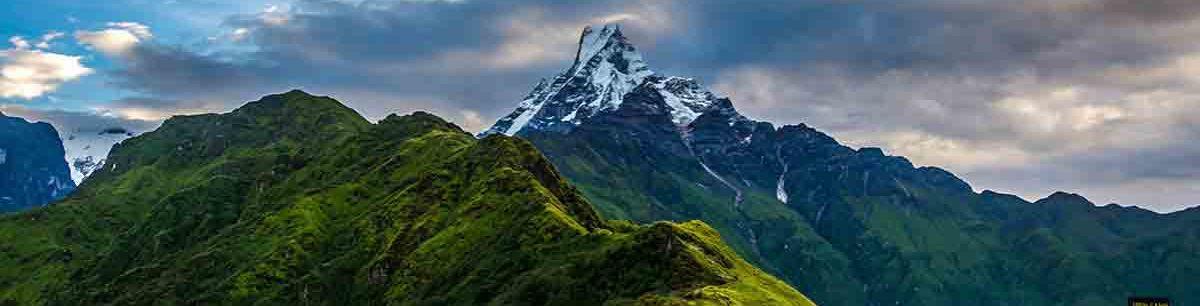
Things To Consider Before Travelling To Nepal

Nepal, the Himalayan Kingdom, is a magnificent country to visit, and an increasing number of people are choosing Nepal as their vacation destination. It’s natural for visitors to be afraid of visiting a new place they’ve never been before, especially if they don’t know the language.

Are you considering a vacation to Nepal? Great! Nepal is a beautiful nation with enough to see and do. It is also one of the most affordable nations in Asia for a getaway that you will not regret. However, there are a few things you should know before visiting Nepal to make the most of your vacation.

Take a look at these Nepal travel guidelines for a safe trip to the country and the best time of your life! You’ll find all the necessary information here:

Avoid Trekking Solo:

If going on a trek, one of the most crucial travel safety advice for Nepal is to always make sure you are accompanied by other travelers or at the very least a guide. This is because, in recent years, there have been numerous reports of visitors going missing while solo trekking.

For those of you who are traveling to Nepal alone and seeking for a trekking companion, there are various internet services and platforms where you may locate fellow trekkers planning treks in Nepal.

Nepal has some of the world’s most remote and untamed terrains, and conditions can change quickly, especially when trekking at high altitudes. Furthermore, in some regions of Nepal, this may put you in violation of the law; in some areas of Nepal, foreigners are not permitted to trek without a professional guide. This is one of the most important Nepal travel tips to remember.

Information about getting a Nepal visa:

Obtaining a tourist visa for Nepal is not difficult. You can apply for a visa online up to 15 days before your arrival date in Nepal. All you’ll need is the address of your hotel room in Nepal, as well as a recent digital version of your passport-size photo to upload with your application.

However, Nepal also provides on-arrival visas, which may be obtained at the Tribhuvan International Airport for USD 25-100 (in cash) for single entry. The length of your trip, which could be anything from 15 to 90 days, affects the price. Furthermore, extending a visa is simple here, and you are only allowed to stay for 150 days after arriving in Nepal.

Climate and Weather:

Between October and December, when the skies are clear and the weather is calm and dry, is the finest time to visit Nepal. This is an excellent opportunity to engage in adventurous activities.

In Nepal, winter reigns supreme in January and February. Due to the low number of travelers during these months, this is an ideal time to rejuvenate, gaze at gorgeous skies from Namche Bazaar, or have a tranquil and enjoyable trekking session.

And, if you want to really appreciate Nepal’s natural beauty, the best time to visit is late May, when spring begins and flowers such as rhododendrons bloom, creating an incredible sight of seeing.

Carry A Universal Adapter:

One of the worst things that may happen to a tourist on a journey is to be stranded without their electronic equipment due to a lack of the appropriate socket.

As a result, carrying a universal adaptor with you on your trip to Nepal is one of the most useful travel recommendations you can obtain.

Nepalese plugs are 220V, and you can get an adaptor at any electronics store in your city, or even at a Duty-Free shop at the airport. It will save you time in the city seeking for an electronic store.

Water Safety in Nepal:

One thing to keep in mind before visiting Nepal is that, even in good hotels, you should never drink the tap water. Also, keep in mind that fruits and vegetables may have been washed in unclean water, which can lead to major stomach issues.

You can always drink bottled water, but if you’re planning a trip in some of Nepal’s most isolated areas, you should be aware that fresh drinking water becomes more expensive the higher you go. That’s why, when visiting Nepal, bringing a water bottle with a purifier is a requirement.

Attractions’ costs:

The cost of visiting Nepal is low, as is the expense of traveling around the country. Prices will vary depending on where you go, but daily expenses in Nepal, including meals and quality lodging, should be approximately USD 25-30.

Avoid purchasing goods at airports or tourist attractions because they may be more expensive. Taking a taxi around Kathmandu is far more expensive than taking a public bus or train.

One thing you should think about is the entry costs. You will have to pay to enter heritage sites and other popular tourist attractions; for example, Kathmandu Durbar Square will cost you USD 10, Swyambhu Stupa will cost you USD 2, and Pashupatinath temple will cost you USD 10. Also, consider permit fees and national park entrance fees when trekking and mountain climbing.

Get Vaccinated:

As a precaution, you should get the necessary vaccines for the time period you will be traveling. If you’re traveling with children, especially, it’s always best to check your doctor, but some of the most popular immunizations include Diphtheria, Tetanus, Typhoid, Hepatitis A, and Polio. If you’re wondering whether Nepal is safe to visit, the answer is yes, although it’s always best to be careful than sorry.

Respect the national flag:

Nepal’s flag is the only country flag that is not quadrilateral. It’s made up of two intersecting triangles with a crimson base and deep blue edges. In the upper part, there is an eight-rayed white crescent moon, and in the lower part, there is a white twelve-rayed sun.

Respect for the flag is required by people’s sentiments as well as the constitution. A three-year prison sentence or an NRs 30,000 fine, or both, can be imposed for damaging, stepping on, discarding, or disrespecting the flag. Making merchandise out of Nepal’s flag, unlike in other countries, requires extreme caution. Colors are acceptable, however wearing Nepal’s flag in areas below the belt is regarded extremely insulting.

Carry Cash at All Times:

One of the most crucial suggestions for Nepal tourists is that you must always have cash on you and that you cannot rely on your credit card. Most places in rural towns and villages do not accept credit cards, and there may not be an ATM nearby. As a result, you must ensure that you always have the local currency on you in order to avoid any problems or complications. It is one of the most crucial aspects of Nepalese culture.

Health precautions:

With the pandemic wreaking havoc, all visitors to Nepal will be asked to present documents demonstrating either a negative Covid-19 test or vaccination. To limit the danger of transmission, practice self-quarantine and then wear a mask whenever you are outside.

Apart from that, the government has advised travelers to receive vaccines against malaria, polio, hepatitis A and B, typhoid, Japanese encephalitis, rabies, yellow fever, MMR (measles, mumps, and rubella), flu, chickenpox, DPT, and other diseases common in Nepal.

Avoid coming into contact with street animals since they may carry fleas or infections that you don’t want. Finally, public restrooms in Nepal are not what you may expect.

The majority of these public restrooms are not properly kept or cleaned. As a result, try to stay away from them or enter at your own risk. They are much less on long, wooded paths. Also, keep your hand sanitizer or soap with you at all times.

Feel Free To Contact Us.

Annapurna Sanctuary Trek –Get Close Up to The Annapurna Peak

The Annapurna region of Nepal is an enticing draw for trekkers and climbers alike, thanks to its amphitheatre of huge granite peaks.

But how many people are aware of it? Is the Annapurna Sanctuary Trek Nepal’s best-kept trekking secret? After Everest Base Camp, it is one of Nepal’s most popular treks.

Its climate ranges from subtropical to Alpine, resulting in a diverse range of flora and fauna, as well as different ethnic groupings.

This hike is moderately difficult, but it does not require any prior hiking expertise. This trek takes most people between 10 and 16 days to complete.

If you want to get spectacularly close to the Himalayas but don’t have time to acclimate on other treks like the Annapurna Circuit or the Dhaulagiri Circuit Trek, the Annapurna Sanctuary Trek is the ideal alternative.

Although still high, the highest altitude reached is 13,550 feet, which is lower than most treks in the area.

The Annapurna Himal is a massive mountain range with several peaks rising beyond 23,000 feet.

Annapurna I, Fang, Gangapurna, Glacier Dome, Hiunchuli, and Machapuchhare create an amphitheatre known as the Annapurna Sanctuary, which includes Annapurna I, Fang, Gangapurna, Glacier Dome, Hiunchuli, and Machapuchhare.

Tea houses are the most common kind of lodging on the journey. The teahouses are nearly often run by families and are of high quality.

Toilets are frequently located outside and are sometimes occupied by squatters. A bucket of water is used to “flush” the toilet. Showers with hot water are normally available for a fee.

What are the advantages of trekking the Annapurna Circuit instead of Everest Base Camp?

In comparison to the more popular Everest Base Camp Trek, the Annapurna Circuit is the less traveled way for hikers.

It’s easy to see why: Mt Everest is the world’s tallest mountain, so the bragging rights are alluring. Standing at Everest Base Camp, situated on the Khumbu Icefall, surrounded by the buzz of climbers, may possibly be an experience that is at the top of most trekkers’ bucket lists throughout the world.

You can’t beat the splendor of the Annapurna Circuit if the EBC ‘brag’ isn’t your primary goal.

The quieter routes immerse you in the Nepalese way of life, allowing you to connect with the local culture while taking in a larger range of Nepal’s most stunning scenery.

From the moment trekkers arrive in Lukla, the Annapurna region is adorned with old jungles, lush meadows, and jaw-dropping mountain vistas, while the EBC route is entirely alpine.

For those interested in mountaineering, the Everest Base Camp Trek includes Everest Base Camp, but the Annapurna Circuit visits both Annapurna and Machapuchare Base Camps – so you get two for the price of one! Not to mention the fact that Annapurna 1 is usually considered to be a more technically challenging and daunting ascent than Mount Everest.

With this in mind, the most significant considerations to make while deciding between the Annapurna Circuit and Everest Base Camp are:

Culture:

Less tourism equals more cultural absorption, according to a simple formula.

Getting to know climbers:  

At EBC, you can go near to the climbers but not engage with them. Climbers love to communicate with trekkers at Annapurna and Machapuchare Base Camps because they are so calm!

Broader range of landscapes:

You’re in the alpine from the moment you board the Everest Base Camp Trek at Lukla Airport. The Annapurna Circuit takes you through deep jungle, luscious meadows, and alpine terrain, so you get to experience it all! Particularly the diverse range of fauna that inhabits each sort of area.

Elevation Anxiety:

The Everest Base Camp Trek takes you to an elevation of 18,000 feet, while the Annapurna Circuit takes you to a height of 13,500 feet.

FAQs: About Annapurna Sanctuary Trek.

When Is the Best Time to Do the Annapurna Sanctuary Trek?

The best months to visit Annapurna Sanctuary are mid-September to November and March to May. The weather is sunny and mild, and the sights are spectacular. At most heights, daytime temperatures are generally pleasant for walking, the sky is clear most of the time, and rain and snow are only seen on rare occasions. If you want to get away from the crowds and spend some time alone with nature, it is recommended you trekking there in December, January, or March. However, most visitors may find the weather in the winter to be oppressive. Summer or Monsoon trekking (June to August) will be hampered by rain, however a skilled botanist may find the summer journey beneficial.

How long is Annapurna Sanctuary trek?

Depending on the amount of time you have and your degree of physical fitness, the Annapurna Sanctuary Trek will take 8 to 10 days from/to Pokhara and 2 travel days from/to Kathmandu. Most tourists trek to Annapurna Sanctuary through Ghorepani Poon Hill, which is a more pleasant route that allows you to acclimate, and the schedule is 10 to 12 days. Our 14-day Annapurna Sanctuary trek program is ideal for moderate trekkers. The shortest Annapurna Sanctuary trek itinerary will be 7 days long, including domestic flights from Kathmandu to Pokhara and the commencement of the trek on the same day.

At the End:

The Annapurna Sanctuary is now part of the Annapurna Conservation Area Project, which limits the amount of visitors, firewood harvesting, and domestic animal grazing. The Sanctuary has seen a significant growth in the number of trekkers in recent years, owing to the fact that it is the starting point for one of the most popular routes to the Annapurna peaks. The Gurung people, one of the many people who lived in the area, believed the entire sanctuary to be sacred. The sanctuary was said to be home to a number of Hindu and Buddhist gods, as well as ancient animistic gods. The god Shiva was claimed to live on the top of Machhapuchhre at the doorway, and the daily plumes of snow were thought to be the smoke of his divine incense. Thank you very much! Namaste!!!

Feel Free To Contact Us.

Top 11 Thrill-Seeking Adventure Trips in Nepal

Are you a traveler who seeks out new experiences? If so, Nepal should be at the top of your list.

Nepal has a wide range of adventure opportunities, and you will be blown away by the variety.

The experiences range from mild to intense, and they involve all three ways of travel: land, water, and air.

These adrenaline-pumping, heart-racing adventure sports are also accompanied by proper safety precautions.

From the high peaks of northern Nepal to the dark virgin jungles, Nepal offers hundreds of adventure sports activities that you must experience if you want to satisfy your adrenaline urges.

So, we’ve compiled a list of adventure destinations in Nepal that offer absolutely great adventure activities that will provide you with a memorable and exhilarating experience. Let’s get this party started!

White Water River Rafting:

What a sensation it is to be whisked away by a fast-moving river’s wild white waters. River rafting provides an adrenaline rush that is hard to describe.

When you float in Nepal’s Sun Koshi river, you get this sense. The river boasts class V rapids and is rated as one of the top ten white-water rafting trips in the world by National Geographic.

You’ll travel past white river banks, villages, and woodland areas on this incredible tour.

Other than this, you can even try out the the amazing watersport in Seti River, Bhote Koshi River, Kali Gandaki River, Marsyangdi River, Sunkoshi River, Arun River, Karnali River, Tamur River.

For this spectacular water adventure, plan your vacation between September and early December or March and June, when the weather is at its best and the water is at its warmest, making it ideal for rafting.

Jungle Safari:

Nepal’s first national park, Chitwan, is a famous tourist destination. The park is a deciduous forest with silk cotton, Sisam, acacia, and elephant grass that covers the Shivalik Range.

Since 1984, the park has been listed as a UNESCO World Heritage Site. Nature walks, bird observation paths, boating/canoeing trips, visits to elephant breeding centers, elephant bathing, Tharu village excursions, sunset vistas, and more are all included in a Chitwan jungle safari tour.

Taking a Jungle Safari allows you to quietly view beautiful species in their native habitat and monitor their behavior, which is nothing short of fascinating.

Nepal boasts a number of National Parks, all of which excel in preserving the best wildlife and offering a variety of safaris to select from.

If you want to go on a jungle safari, Chitwan National Park or Bardia National Park would be the best places to go.

Bungee Jumping:

Dropping from a height of 160 meters is a terrifying experience. On a suspension bridge built spanning the Bhote Kosi River and Tato pani, the world’s third highest bungee jumping location is placed.

While falling down, the canyon through which the fast-flowing river rushes provides an incredible perspective.

The thrilling exercise is a must-try that will give you shivers at first but will leave you feeling conquered once you’ve completed it.

If you want to go bungee jumping, visit these locations between November and February.

Paragliding:

Traveling to Nepal as an adventure enthusiast would allow you to experience paragliding in Pokhara, which is an experience not to be missed.

So, if flying high in the fresh air of Nepal is something you want to do on your vacation, try paragliding in Pokhara, which will allow you to see the most magnificent scenery from above.

The sensation of floating with the wind is indescribable, yet it is something that must be experienced to be appreciated for a lifetime. Paragliding here is a great experience because to the proper take-off and landing zones, a large lake that gives additional safety, and the mesmerizing mountain vistas.

Mountain Biking:

Mountain biking is quickly becoming Nepal’s most popular sport. The country’s criss-cross historic walking pathways make for a fantastic bike route.

There are rough roads that pass through villages and woodlands, and there are other highways that pass through towns that are considerably smoother.

The variety makes for an enjoyable mountain bike trail. Mustang, especially the lower Mustang, is a biker’s destination since it is more accessible.

The trail is pricey since the upper mustang is secluded and restricted. However, the path is well worth the extra money.

You ride through the Tibetan Plateau and descend the “deepest gorge on the planet.” When you reach the highest point on the Mustang trail, you will arrive at Muktinath’s hallowed temple (3800m).

Consider going between February and April, when mountain biking is said to be at its peak in one of Asia’s most popular tourist destinations.

Zipline:

One of the most unique zip-lining experiences may be found at Sarangkot, Nepal.

You’ll be flying down from an elevation of 5400 meters (17716 feet) for a distance of 1800 meters (5905 feet) in a gorgeous alpine wonderland.

As you zipline, you’ll be astounded by the breathtaking views of Pokhara Lake. Sarangkot zip-lines are popular with travelers because of the safe and pleasant sitting.

Because the trainers are highly qualified, you can feel secure about your safety.

Ultralight Flight:

Why not try floating in the breeze after you’ve risen from the ground? Taking the Ultralight Flight experience would allow foreign adventure travelers to enjoy the serenity of being high above the lush nature.

Taking an Ultralight Flight is an incredible experience in and of itself, as it allows you to see the entire world underneath you and witness nature’s virgin beauty.

You will be ecstatic after participating in this thrilling activity. This activity is best done during the months of early autumn and early spring.

Mountain Flight:

Consider taking a mountain flight by plane or helicopter, which will allow you to see the summit from hundreds of feet above.

Trying this sport will be a lot of fun since you will be able to sit back, relax, and comfortably take in the entire view while soaring near to massifs of rock, Great Mountains and ice.

So prepare to obtain a bird’s-eye view of the magnificent beauty that your mind and spirit may hold. If you want to experience mountain flight, visit Kathmandu between September and May.

Canyoning:

Prepare to be wowed by a combination of adrenaline rush and natural beauty.

Canyoning in Lekhnath, Jalbire and Bhotekoshi will allow you to explore the deep ravines and immerse yourself in a thrilling experience that will leave you with some of the most unforgettable memories of your life.

When you’re finished with the action, you’ll feel a magnificent sensation of mind and body. Canyoning is best done during the winter months of November and December.

Hunting:

Nepal is well-known for being an excellent hunting destination for a variety of wildlife.

However, except in the Dhorpatan hunting area, it is presently forbidden to hunt animals throughout Nepal.

In Dhorpatan, you can hunt blue sheep, Himalayan Thars, and other wildlife only after obtaining a licence during specific seasons.

Wildlife hunting is one of Nepal’s most unique activities. Many hunting fans travel to Nepal each year to enjoy hunting in this reserve since the animals are actually wild and not canned (animals reared in captivity for hunting).

If you want to practice your aim while hunting down some wildlife, then Dhorpatan Hunting Reserve is the place to go.

Skydiving:

Skydiving is one of the most thrilling activities available in Nepal.

Diving straight down from a helicopter above the Everest region is not for everyone.

In Nepal, there are two skydiving locations: one in Pokhara and one in Everest. Everest’s skydiving area is brand new and unexplored.

As a result, it offers additional thrills and adventures. The towering mountains will smile back at you as you ride in a helicopter, ready to dive. It’s a once-in-a-lifetime opportunity to feel as if you’ve just scaled the world’s highest peaks. The Everest Skydiving drop zone is on Kalapatthar or Gokyo Shep.

Feel Free To Contact Us.

Guided trek to Everest Base camp

A trip to Everest Base Camp is a ‘bucket list’ experience that only a select few visionaries get to experience once in a lifetime.

Most visitors come to Nepal with a concentration on the destination, the objective of reaching Everest Base Camp, but they leave with a deep respect and affection for the Nepalese people, in addition to (or instead of) the sense of pleasure that comes with attaining the physical goal.

So put on your best hiking boots and keep reading to learn everything there is to know about a guided trek to Everest Base Camp.

At a lower level, the Everest Base Camp Trekking passes through beautiful Sherpa villages and rhododendron forests.

We’ll explore distant Buddhist monasteries and trek to Everest Base Camp, where we’ll stroll on the Khumbu glacier and marvel at its magnificence.

Furthermore, you will have the opportunity to reach the famed viewpoint Kala Pattar (5550m), where we can obtain some spectacular views of the Himalayan giants that literally numb your senses with breathless amazement that beholds the eye; and make up for the lung-bursting climb that got you there.

Reason to Choose Guided Group Trek to Everest Base camp:

Is it necessary to hire a trekking guide in Nepal for the Everest Base Camp trek? No! It’s simple to navigate on your own.

But, in Nepal, should you hire a trekking guide? Without a doubt! Once you’ve arrived at the trekking grounds, you’ll want to learn everything there is to know about the trek’s cores and depths.

In this process, you’ll always need to find someone who lives close to the path, so hiring a local guide may be more beneficial than harmful.

You can plan your journey in a variety of ways these days, but if you want a safe, healthy, reliable, and educational walk, local guides are your best bet.

Below are few benefits of Choosing Guided Group Trek to Everest Base Camp.

No Stress:

A high-quality travel company and guide will take care of all the details for you, from transportation and route-finding to lodging and meal reservations, without fail—which is especially helpful if you don’t speak the country’s language “It’s difficult to imagine a seven- to ten-day hike in the mountains without a guide, going from town to town and trail to trail.

“The Guided Treks are so well-organized that all you have to do is show up and have a great time.” Your guide will know which guesthouses in the village have superior rooms or cuisine while on the trek (although they usually all fairly similar).

He’ll also know which guesthouses offer Western-style restrooms and more consistent hot showers (essential information!).

A guide can also call ahead to arrange a room at the next guesthouse (which only necessary in the busy season).

Your guide will most likely have an excellent working relationship with the personnel at the guesthouses and will be able to obtain you a room with a view or even an ensuite bathroom.

Our guide was acquainted with the owners’ family at one of the guesthouses, and they shared the wild mushrooms they had picked that day with us, presented on top of a tasty pizza.

Insider Knowledge:

Traveling with a professional guide is the greatest way to learn about the destination’s landscape and culture, as well as to receive access to residents’ favorite routes, restaurants, and lodges.

A guide who has spent significant time getting to know the area will serve you far more than a guidebook or internet if you want to learn about the history of a place, the names of mountain peaks, and sample a town’s best chocolate or cheese.

Cultural Experience:

Trekking to the Everest Base Camp in Nepal is more of a cultural encounter than a wilderness adventure, unlike hiking in other places.

You may see spectacular mountain views and lush forest jungles, but you will mainly be trekking through communities where locals live and cultivate, as they have for centuries and when you’re on the trail for hours at a time, you have to find ways to pass the time.

The hours will pass by as you talk with your guide about what you’ll see and about Nepal in general.

The guide patiently answers all of your questions on Nepali politics, religion, arranged marriages, geography, and anything else in between.

Low Cost to You and High Benefit to the Local Economy:

Hiring a hiking guide in Nepal may appear to be costly, but it is actually rather affordable for Westerners.

It’s approximately the same price as a fast food dinner back home if you divide the bill with a couple of individuals.

According to what we’ve seen, the guides are properly compensated, and working as a trekking guide is a lucrative profession.

Nepal has a high rate of unemployment and poverty, and many men go to work as laborers in the Persian Gulf or Southeast Asia, sending money home to relatives they can’t afford to visit.

When you hire a trekking guide to accompany you on your trip to Everest Base Camp in Nepal, you are helping to offer crucial jobs for Nepalis, allowing them to stay closer to their family.

Enhanced Safety:

Unexpected problems must be avoided or resolved in order to have a safe and enjoyable adventure trip.

Accidents happen, so traveling with a group whose guides have wilderness first aid training and can arrange a local response to treat an accident if needed can provide you more peace of mind as well as increased safety.

Take use of their local knowledge and inquire away in the hopes of finding some hot leads that will lead you to an adventurous trip or a small restaurant off the beaten path.

A little insider information peppered throughout the vacation might turn the tour into a favorite getaway and prove to be a difficult act to follow.

Feel free To Contact Us.

Honeymoon Tour in Nepal

If you are a newlywed couple, we cordially invite you to join us on a Honeymoon Tour in Nepal.

Choosing a vacation spot is never easy, but if you’re looking for a honeymoon vacation, the task will be even more difficult.

Nepal is a fantastic destination for a Honeymoon vacation, as it typically brings you to breathtaking mountain ranges, lakes, valleys, and forests. The Honeymoon is the most anticipated event in a newlywed couple’s life.

You can spend your time here sitting beside the clean nature and enjoying the peacefulness of the atmosphere. It’s not only about our country.

Nepal is known as a land of vibrant cultures, ancient history, and the world’s tallest mountains, but it is also a lovely, romantic, and calm honeymoon location as well as a good opportunity to see Nepalese daily life.

Even if you want to travel to an exotic location to see wildlife and floral forests, or simply treat your sweetheart with a romantic supper in the mountains where you can view the best sunrises and sunsets with your loved one, you can do so.

We provide a variety of Honeymoon trips in Nepal that will fascinate you from the start and keep you interested throughout the trip.

Places to Visit during Honeymoon Tour in Nepal:

For couples planning a trip to Nepal, here is a list of the top romantic vacation spots. Select an appropriate time to visit Nepal with your loved one.

The allure of these sites will entice you to pack your belongings and travel to these breathtaking locations.

Kathmandu Honeymoon Tour: For Its Temples, Nightlife & More:

Kathmandu is a historical city with temples, palaces, museums, and other attractions.

The UNESCO World Heritage Sites include Pashupatinath, Swoyambhunath stupa, Baudhanath stupa, Kathmandu Durbar Square, Bhaktapur Durbar Square, Patan Durbar Square, and Changu Narayan temples. Luxuries, hotels, excellent hospitality, and centuries-old temples and palaces may all be found in Kathmandu.

If you’re around early in the morning or late at night, you’ll want to check out the local bustling market, which is extremely interesting.

Your Honeymoon can be the most unforgettable if you are surrounded by these things.

Things to Do & Places to visit in Kathmandu:

  • Boudhanath Stupa
  • Pashupatinath Temple
  • Visit Narayanhiti Palace Museum
  • Mediation in Kapan Monastery
  • Swayambhunath Temple
  • Kathmandu Durbar Square
  • Garden of Dreams
  • Thamel
  • Guhyeshwari Temple and Many More

Pokhara Honeymoon Tour: For A Romantic Nirvana in The City of Lakes:

Pokhara is an ideal location for a Honeymoon. Pokhara valley is one of Nepal’s most beautiful locations, with stunning lakes such as Phewa, Begnas, and Rupa, as well as Davis Falls, which originate in the Annapurna Himalayan range’s glacier zone.

One of the main reasons to visit Nepal as your Honeymoon destination is the nice climate, which can be found across the country, whether in the plains, deserts, or high mountains.

Things to Do and Places to visit in Pokhara:

  • Paragliding
  • Trekking
  • Bungee Jumping
  • Boating
  • Mountain Climbing
  • Cycling & Mountain Biking
  • Parahawking
  • Meditation & Yoga
  • Ultralight Flight
  • Swimming

Places to Visit:

  • Phewa Tal  | Phewa Lake
  • Begnas Tal | Begnas Lake
  • Annapurna Circuit
  • Rupa Lake | Rupa Tal
  • Tal Barahi Temple | Tal Barahi Mandir
  • Devi’s Fall
  • Ghorepani Poon Hill
  • Sarangkot
  • Bindhyabasini Mandir | Bindhyabasini Temple
  • Gupteshwor Cave
  • Gurkha Museum
  • World Peace Pagoda
  • International Mountain Museum
  • Seti River Gorge
  • Pokhara Regional Museum

Nagarkot Honeymoon Tour: For A Scenic Backdrop:

Nagarkot is only 32 kilometers from Kathmandu and can be reached in a day. Typically, a tourist will spend the night at this location.

Nagarkot is known for its breathtaking sunrise views, which include Mount Everest and the Annapurna Mountains. It is one of the most romantic honeymoon destinations in Nepal.

A visitor’s favored destination for a quick travel from Kathmandu. This location is well-known for its picnic area, and if you’re looking for a fun experience, this is an easy journey to take.

Things to Do and Places to Visit in Nagarkot:

  • Quick Adventure Trip
  • Hiking
  • BBQ
  • Biking
  • Watch the Sunrise
  • Visit Changu Narayan Temple
  • Hike to Chisapani, Dhulikhel, and, Melamchi

Chitwan & Bardiya National Park Honeymoon Tour: Enjoy the thrill of Nature:

Chitwan is another gorgeous destination not far from Kathmandu, Nepal’s capital.

Chitwan National Park is a popular tourist destination known for its Jungle Safaris, Elephant Rides, and Bengal Tiger Spotting.

Chitwan National Park has been designated as a UNESCO World Heritage Site, protecting about 932 square kilometers of forest.

Bardiya National Park is the Terai Region’s largest national park. It is one of Nepal’s protected zones.

Bardia is the best area in the world to see the Bengal Tiger, which is extremely rare. Elephant riding is a popular activity among visitors to Bardia National Park.

Furthermore, because Bardiya is bordered by the Karnali River, you may go white water rafting.

Things to do & Places to visit:

  • Elephant Safari
  • Jeep Safari
  • Bird Watching
  • Elephant Bathing
  • Local Village Tour
  • River Safari by Wooden Canoe
  • Deer Spotting
  • Crocodile Feeding
  • Rafting

Romantic Things to Do in Nepal:

Are you wondering what you may do on your Nepal honeymoon tour? Check out this list for all the details on the fun things you can do with your significant other.

Sightseeing tour:

Alright! Alright! A sightseeing tour is unlikely to be romantic. However, anything you do on your honeymoon in Nepal would be romantic if you have your beloved by your side.

Besides, exploring Hindu temples and Buddhist monasteries on a honeymoon excursion isn’t such a horrible idea.

Helicopter Ride:

As conveyed in the headline, take a helicopter tour with your significant other and enjoy the aerial view of Nepal’s major Himalayas like: Mt. Everest, Mt. Cho Oyu, Mt. Ama Dablam, Mt. Makalu, Mt. Gosainthan, Mt. Dorje Lhakpa, Mt. Gauri-Shanker, and Mt. Pumori and you might also enjoy the bridal photography.

Visit to Gokyo Lake:

The scenery and setting of the Gokyo lakes in the Dudh Koshi Valley would be perfect for honeymoon in Nepal.

These lakes make up the world’s highest freshwater lake system, and they’re one of the greatest Nepal honeymoon spots to visit with your partner.

The lake provides spectacular views of Mt. Everest. It also allows you to camp near the lake. Trekking is another fantastic choice for adventure seekers.

And if you’re looking for some adventure, the portion after that is guaranteed to pique your curiosity.

Nepal Honeymoon Tour FAQs:

Is Nepal Good for Honeymoon?

Yes, Nepal is a fantastic place to visit for a honeymoon because it offers so much more than climbing Mount Everest and scaling peaks, but some couples may like it as well. Pokhara offers some of the most gorgeous lakes in the country, and Kathmandu has numerous interesting cultural sites and no need to mention about the National Parks in the Terai Region.

Which place is suitable for honeymoon in Nepal?

There are many places marked as Honeymoon Destination in Nepal, here are some: Kathmandu, Pokhara, Nagarkot, Jomsom, Chitwan National Park, Bardiya National Park, Illam and many more.

What is the ideal duration for a honeymoon in Nepal?

It totally Depends on your planning and destinations you would like to enjoy; the regular honeymoon tour duration is 4- 6 days.

How much would a honeymoon tour to Nepal cost?

The cost for Honeymoon tour in Nepal starts from $750 excluding the International Flight and Visa process.

What is the best time to go to Nepal for honeymoon tour?

The majority of Nepal’s honeymoon spots are popular all around the year. The finest months to visit Nepal for a honeymoon are October-November and February-April.

Feel Free To Contact Us.