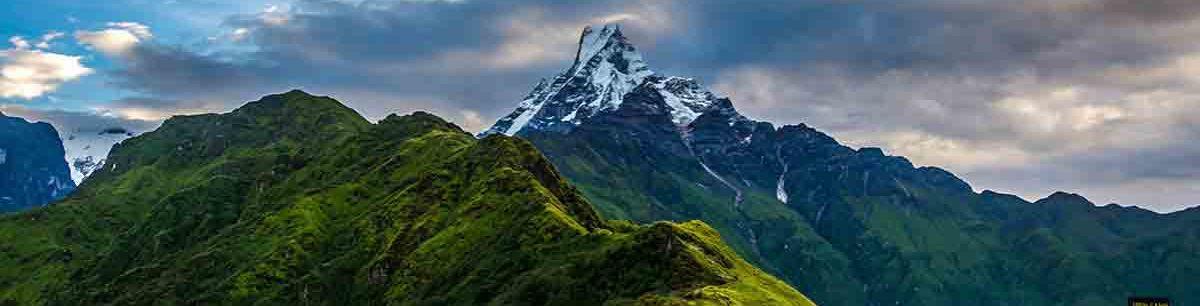
Yala Peak Climbing

Rating: 5 out of 5.

“Magnificent vista of central and western Himalayan peaks, hike and climb of striking Yala peak in isolated sections of Langtang valley, cultural and scenic adventure visiting historic heritage villages of Tamang people, lovely rhododendron and bamboo forest where rare Red Panda reside”.

Yala Peak, at 5550 meters, is an excellent beginning to Himalayan peak climbing and a safe way to get a full alpine peak experience, even for individuals who have never climbed before. The climbing grade PD stands for “Peu Difficile,” which means “least tough,” in the Swiss / French Alpine Climbing System, which is used for alpine climbs all over the world. The breathtaking vistas of the mountains dominated by the Lantang Lirung, Dorje Lakapa, and Shisapagma will reward you. It has recently attracted a large number of climbers because to its average height. After a 6-7-hour drive from Kathmandu, the Yala peak climbing expedition begins at Syabrubesi. Then, for a few of days, you must travel through the deep green river gorges of the Langtang River to reach the Kyanjin Gompa. The journey gives a spectacular perspective of the Himalayas, which can only be seen from the Langtang and Kyanjin settlements. You can proceed to the Kyanjin RI to acclimate and witness the spectacular views of the Langtang Ranges before starting your journey to Yala peak.

Yala Peak Climbing: Highlights:

The following are some of the highlights of climbing Yala Peak, as listed below.

  • Driving to the Syabrubesi is scenic though bumpy, and you can view the different peoples and communities in Nuwakot and Rasuwa.
  • A lovely and stunning hike to Langtang village along the Langtang River’s bank through the lush jungle. During your hike to Kyanjin gompa, you can witness waterfalls and some wildlife.
  • Other sights to see are the Tamang people and their cultures. On the way to Kyanjin Gompa, you’ll pass via Chortens and Mani walls.
  • From Kyanjin Ri and Yala peak summit, you can see Langtang Lirung (7,246m), Lenpo Gang (7083m), Ganesh Himal, and Dorje Lakpa (6990m).

Yala Peak Climbing: Difficulty:

Yala’s summit is not a technical climb. This trekking peak, however, may be more difficult than you imagine due to the weather and how it changes. It will be difficult to reach Yala Peak if there is a lot of snow on the way up. If your body is not adequately acclimatized, climbing can be challenging. But don’t worry about the technical details.

Yala Peak Climbing: Best Season:

Yala Peak Climbing is best done in the Autumn and Spring seasons. Autumn is defined as September, October, and November, whereas Spring is defined as March, April, and May. Because the weather and temperature in the Langtang region are highly ideal during these seasons, autumn and spring are regarded the finest period for Yala Peak Climbing. Autumn and spring provide ideal conditions for trekking and peak-climbing expeditions. Similarly, because autumn is the post-monsoon season and spring is the pre-monsoon season, you may expect the least amount of rain during this time. During autumn and spring, the temperature in the Langtang region is neither too hot nor too cold, making it a favorite among hikers.

Yala Peak Climbing: Cost/ Price and Expenses:

Climbing Yala Peak will set you back $1200 USD. However, the price varies depending on the inclusion and exclusion details in the company’s price quote. But one thing is certain: local Nepalese trekking firms charge substantially less for yala mountain climbing than international companies. Food, hotel, climbing equipment, tents, camping, kitchen staff and equipment, trekking expenses, travel expenses, and permit are all charges that are included in the Yala peak climbing pricing.

Yala Peak Climbing: Required Equipment:

This is a checklist to assist you figure out what gear you’ll need for hiking and peak climbing. Personal things and equipment are usually a matter of personal preference, but the most important aspect is that one should be prepared to confront the weather in the Himalaya. The following equipment list will provide you some ideas for effective climbing:

  • Warm backpacking sleeping bag comfort temperature up to 15 degrees Celsius.
  • Comfortable hiking boots. Make sure they are tried and tested before you go.
  • Spare boot laces.
  • Lightweight trainers/shoes for wear in lodges.
  • Waterproof jacket.
  • Waterproof trousers.
  • Fleece jacket.
  • Down jacket.
  • Fleece/sweater
  • Lightweight fleece or wool vests.
  • Long or short sleeved shirt; often more comfortable to wear than a fleece vest or T-shirt.
  • Warm hiking trousers.
  • Underwear.
  • Warm hat (can be purchased in Kathmandu for a couple of pounds).
  • Wide rimmed sun hat.
  • 2 – 3 pairs good quality walking socks.
  • Warm gloves or mitts.
  • Large rucksack or Duffel bag. (55 to 70 liters)
  • Rucksack liner or thick bin bag.
  • Day sack (25 to 40 liters)
  • Dark sunglasses.
  • High factor sun cream.
  • Lip balm preferably with sun bloc.
  • Ear plugs. (Walls in lodges are very thin)
  • Head torch/torch and spare batteries.
  • 1 liter 2 water bottle.
  • Water purification kit. (On trek you will need to drink 3 – 4 liters of fluids each day)
  • Toiletries.
  • Small hand towel. (Do not bring large towel. They are bulky and heavy)
  • Toilet paper. (You can buy poor quality paper along the route)

Non-essential but recommended Equipment:

  • Walking or hiking pole(s) Nepal Guide info Logo or tag
  • Lightweight windproof jacket.
  • Neck warmer.
  • Sleeping bag liner.
  • Wet wipes
  • Length of string or Para cord. (12 feet)
  • Half a dozen clothes peg.
  • Safety pins. (For attaching wet washing to rucksack to dry while trekking)
  • Plastic bags; shop carrier bags. These come in handy for a myriad of uses.
  • Shorts.
  • Camera. (Can recharge batteries for a small cost in lodges)
  • Binoculars.
  • Book/games/cards etc.
  • Travel diary.
  • Hand cleansing gel.
  • After sun/moisturizer.

Yala Peak Climbing: FAQ’s

How long is Yala Peak Climbing?

The total days for yala peak climbing including acclimatization and trekking is about 12-14 days.

What kind of accommodation is avilable on Yala peak Climbing?

While your trip, you will stay in a tea house, and during your climbing, we will organize alpine climbing for you. In the tent, set up the bed and the food. For simply climbing days and before climbing days, the food is largely quick food.

What kind of facility are avilable on the Yala peak climbing?

The hotels will serve you both western and Nepalese cuisine. There is a hot shower provided at the hotels if you choose to shower. If you enjoy using the internet, you will find it available in the Langtang Region.

What is the Height of Yala Pea Climbing?

Yala Peak is a trekking peak with a height of only 5,732 meters.

what permit is required to do Yala Peak climbing?

The climbing permits are not required, but the Langtang National Park Permits are required, which we will obtain from the Army checkpoint. Trekkers entering the Langtang Area must have a TIMS permit.

Feel Free To Contact Us.

Seto Machhindranath Jatra: Chariot Festival of Nepal

Rating: 5 out of 5.

Seto Machindranath Rath jatra is held every year around the end of March (Chaitra Sukla Aastami). Seto Machindranath Rath Jatra is a prominent Kathmandu Valley traditional festival celebrated mostly by native Newari people. The god of rain, Seto Machindranath (White Machindranath), is worshipped. The god Seto Machindranath’s statue is transported up to Jamal Tindhara in a small chariot during the jatra. The statue is then transferred to a larger chariot and driven around Kathmandu’s city center. Ason, Hanumandhoka, Jaisideval, and Lagan are among the places where the chariot is driven.

A large mass of devotees pushes the chariot up to Ason on the first day of the Jatra. The next day, the chariot is hauled from Ason to HanumanDhoka. On the third day, it arrives in Lagan. Pataa Chayegu is a tradition in which money and gliter paper are rolled into various colors of fabric and distributed from the top. The chariot is then dragged around a tree in Maa Seema, which is also the location of Seto Machindranath’s mother’s temple. After one or two days, the statue of Seto Machindranath is returned to its original position, the Jana Bahal temple. In the little Chariot, the statue is transported. This Jatra lasts until the full moon day (Purinima), After three laps of the temple housing Janabaha Dyo’s mother, the procession comes to a conclusion there. Wherever the chariot stops, worshippers bring trays of offerings and light rows of butter lamps to honor the deity. The statue is carried back to the temple on the fourth day after a special ceremony. The chariot has been dismantled and the components are being stored until next year.

Legend Behind Seto Machhindranath Jatra:

People used to swim in the sacred river and visit Swayambhunath during the reign of King Yakshya Malla, and it is believed that this lead them to heaven after death. When Yamraj (God of Death) heard of Swayambhunath’s power, he paid a visit to the sacred temple. King Yakshya Malla and his Tantric Guru captured him on his way back from the Temple, demanding immortality and refusing to let Yamraj depart. As a result, Yamraj pleaded to Arya Awalokiteshwor (Seto Machindranath) for his release. When the God heard his petition, he appeared out of the river. The god was white and had half-closed eyes. He then advised the king to construct a temple where the Kalmati and Bagmati rivers meet, as well as to prepare a chariot procession, in order for the God to visit the people and bless them with happiness and long life.

Seto Machhindranath Jatra: The chariot:

The idol of Seto Machhindranath is taken from his temple in Jana Baha and conveyed in a palanquin to Durbar Marg, where the actual procession begins, during the festival. It is mounted in a car that is shaped like a tower on wheels. The chariot’s four massive wheels each signify a different avatar of Bhairav. The chariot contains ten floors, which are thought to be the homes of the gods Indra, Barun, Kuber, Agni, Nairithya, Bayubya, Bramha, Mahadev, and Narayan. Seto Machindranath’s idol is situated on the chariot’s first floor. The area, which is adorned with valuable stones, is said to be guarded by two more idols of Goddess Tara’s two avatars.

Seto Machhindranath Jatra: The Ritual:

Every year in the month of Poush, the deity is bathed and repainted. The event takes place on the eighth day of the bright fortnight of Pohel, Nepal’s third lunar month. The god is brought into the temple’s courtyard at this ceremony. All of the deity’s jewelry and clothing are removed. The god is then bathed with numerous containers of cold and hot water, as well as milk, ghee, and honey. The temple priests are in charge of all of the actions. The presence of the living goddess Kumari at this ritual is the main attraction.

Feel Free To Contact Us.

Pisang Peak Climbing: A complete Guide

Rating: 5 out of 5.

Pisang Peak is one of Nepal’s most popular climbing peaks, located in the Annapurna region. Pisang Peak, also known as Jong Ri, is a stunning peak that soars high above Annapurna II. At 6,091 meters above sea level, Pisang Peak is one of Nepal’s most popular climbing peaks. The summit, of course, offers spectacular views of the Manang Valley and the Annapurna Range. This stunning pyramidal mountain may be climbed by both experienced trekkers and novice climbers. The journey up the Marshyangdi River valley to Pisang Peak only serves to acclimate the adventurers for the summit challenge. The trip continues towards Manang valley after summiting the hill, crossing Thorong La pass at an elevation of 5,416 meters above sea level.

Pisang Peak Climbing: Major Highlights:

  • Mt. Pisang Expedition is a relatively moderate mountaineering experience of climbing Pisang Peak (6,091m).
  • Pisang Peak Expedition leads you towards the biggest Thorong La Pass (5,416m)
  • Pisang Peak Climbing captivates you with an excellent view of Mt. Manaslu (8,163m), Mt. Annapurna II (7,555m), Annapurna IV (7,525m) and many other fascinating snow peaks.
  • Get to visit two of the most unique and hidden valleys: Manang and Mustang.
  • It is also a venture into some of the less trodden remote regions of Nepal.
  • Explore the ancient Upper Pisang Village and get acquainted with their way of life.
  • Experience the close insight of diverse landscapes, flora, and fauna.

Pisang Peak Climbing: Best Season to Climb:

Pisang Peak is accessible at any time of year. The ideal climbing seasons for Pisang Peak are autumn and spring. Nature is in full bloom within the valleys during the spring months, bringing stunning splendor to all. It is a pleasant hike due to the lack of snow and precipitation. Clear skies also allow for spectacular views of the mountains and scenery. The days are bright and hot, while the evenings are cool at this time of year. The weather and temperatures in the highlands are ideal for trekking.

Pisang Peak Climbing: Difficulty:

It’s not a flat walking surface, and there’s a lot of up and down, as with most Nepalese treks. The distance you traverse does not necessitate extreme fitness; but, the altitude makes it difficult. While walking in these regions of the mountains, it’s also necessary to have a strong mindset. The Pisang Peak Climb is impacted by your pack weight; a porter can make it considerably easier; and the season; if you’re cold and miserable, it’ll be much more difficult. A trek to Pisang Peak entails a number of challenges, including altitude sickness, route problems, temperature, weather, and lodging. There’s no reason to be concerned about these difficulties. You can overcome these obstacles if you carefully plan your route.

Pisang Peak Climbing: Cost/ Price:

The budget estimate is based on the type of trek being undertaken and the amount of money being spent. However, the price fluctuates from around US $2500 to US $2800 on average. It also depends on how much one wants to spent on other additional indulgences. The price includes transportation, meals, and other amenities such as tents, camping, high-altitude tents, and other items listed in the Include section. The climb to Pisang Peak may be done in both spring and autumn; however, we recommend doing it in the spring. Please contact us if you have a large group interested in climbing Pisang Peak or any other trekking peaks in Nepal; we can offer Group Discounts.

Pisang Peak Climbing: Important Documents for Permit:

To get the permit, all you need is your passport information, two photographs, and a simple form to fill out. All of these costs must be paid in local currency.

  • Valid passport, 2extra passport size photos, airline tickets
  • Separate photocopies of passport, visa form (easily obtained at Kathmandu airport), proof of insurance
  • Dollars, pounds or Euros in cash for purchasing Nepalese visa at Kathmandu airport, for paying for restaurants and hotels, for gratuities, snacks, and to purchase your own drinks and gifts
  • Credit cards, Bank/ATM/Cash machine cards for withdrawing funds from cash machines (bring a photocopy of your cards), traveler’s checks, etc.

Pisang Peak Climbing: Insurance:

It is vital that you have travel insurance before climbing Pisang Peak. Make sure your travel insurance covers all of the activities and altitudes you’ll be doing on your trip. You’ll reach a height of 6,019 meters, and your travel insurance should cover you up to that point, including the expense of a helicopter evacuation and hospitalization in the event of an accident or medical emergency. Check your travel insurance policy for vaccine requirements, as some policies need you to be immunized before leaving your country. Our top aim is to keep you secure.

Pisang Peak Climbing: Accommodation:

The majority of the accommodation in the Annapurna Region will be at tea houses, and it will also be highly dependent on the routes taken. Because some of the region’s less traveled sections may lack the number of tea houses found along the more well-traveled roads. During the majority of the tour, one will be staying at teahouses, which usually provide food, hot showers, WIFI, charging stations, and lodging. It also relies on the place’s remoteness, as well as the availability of transportation in that area and the altitude.

Pisang Peak Climbing: Trek Preparation:

Before embarking on any type of hike or climbing, it is critical to ensure that one is in good health. The majority of peak climbing is appropriate for experienced hikers who can walk for at least 6-7 hours each day with a light knapsack. It is not necessary for the climb/trek to last 6-7 hours per day; in fact, it may last as long as 7-8 hours. Walking at higher elevations is more physically difficult than walking at lower altitudes; yet, we can complete the trek successfully if we are in good health, have average physical fitness, have a positive attitude, and strong determination. Regularly exercising and jogging is a good way to improve our strength and stability. It would be advantageous if someone had prior hiking experience, but no technical skills are required for this excursion. We also recommend that you consult with your doctor(s) before going on the excursion.

Pisang Peak Climbing: Packing List:

  • Sunglasses
  • Sun-Cream and Lip Balm with high SPF
  • Hat/Cap
  • T-shirt, Vests and Shirt
  • Fleece/Sweater
  • Fleece Jacket
  • Waterproof Jacket and Trousers
  • Down Jacket
  • Warm Gloves
  • Hiking Boots
  • 3-4 pairs of socks
  • Day pack (30-40 liters)
  • Torch light
  • Water bottle (Minimum 2 liters)
  • Small Hand Towel
  • Sleeping Bag for up to -15 Degree Celsius

Pisang Peak Climbing FAQs:

Why is Pisang Peak Expedition so popular?

Climbing the peaks of Pisang is a trip of contrasts. This trek allows you to experience the Annapurna region of Nepal’s rich culture, people, vegetation, and wildlife. We go through some breathtaking sights and pass through varied ecosystems, civilizations, and landscapes. It has mountains, rivers, valleys, woods, farmlands, waterfalls, and other beautiful natural attractions.

What is the best season for peak climbing in Nepal?

Peak climbing in Nepal is greatest from March to May and September to November.

Can I charge my device while peak climbing?

Yes, you can charge your device such as a phone, camera, or other charging device while trekking, but not when camping.

Feel Free To Contact Us.

Janakpur: Ancient Mithila Kingdom and City of Ponds

Rating: 5 out of 5.

Mithila civilisation’s heartland is Janakpur. Janaki temple, one of Hinduism’s most important pilgrimages, and 70 more Hindu temples can be found in the city. The city is a popular destination for religious and cultural travelers. Janakpur is the capital of Madhesh Province and the headquarters of the Dhanusha district. The city was established in the early 1800s. According to legend, an older city in the area known as Janakpurdham existed, which was allegedly the capital of the Videha dynasty that dominated the Mithila region in ancient times. Janakpur is Nepal’s most populous sub-metropolis at the moment. Nepal Railways connects India’s Jaynagar and Janakpur.

The Janakpurdham, a prominent Terai plain tourism site, is located in Janakpur’s Dhanusha district, which is part of the Central Development Region. The historical town, which is home to several deities’ ancient temples, monasteries, and arts and crafts, is also revered as a major religious center. Mother Sita, the consort of Lord Ram, the perfect man, was born in Janakpur, the ideal lady of the Hindus. Every town square has at least one deity associated with the epic Ramayana.

Janakpur: Most Visit Places:

Janakpur was the capital of King Janak and the birthplace of his daughter, Goddess Sita (also known as Janaki), who married Lord Ramchandra of Ayodhya, India, according to the Hindu epic Ramayana. Every year, Hindu worshippers from all over the world flock to the temple to pay their respects to Ram and Sita, who are thought to be avatars of Lord Bishnu and goddess Laxmi. Apart from temples, Janakpur has over 90 ponds, the most famous of which are Ganga Sagar and Dhanush Sagar.

Janaki Mandir:

The Nau Lakha Mandir is the mandir’s popular name (meaning “nine lakhs”). The temple was built for about the same amount of money: rupees nine lakhs or nine hundred thousand rupees, hence the name. The temple was established in 1910 AD by Tikamgarh’s Queen Vrisha Bhanu. It is built in a fusion of Mughal and Hindu architectural styles. There are 60 rooms with exquisite lattice windows and turrets, as well as the Nepalese flag, colored glass, engravings, and Mithila paintings. A golden statue of the Goddess Sita was discovered in 1657, and Sita is claimed to have resided there. Pilgrims and travelers from all over the world go to this sacred Hindu temple during the Vivah Panchami festival in November and December.

Ram Mandir:

Amar Singh Thapa constructed this shrine in honor of Ram, the prince of Ayodhya. The Ram Mandir is a 10-minute walk from Janaki Mandir, and is located directly across from Dhanusagar. Many stone idols of Lord Shiva can be found on the temple’s right side. Ram Navami and Vivah Panchami are the two most important festivals at Ram Mandir. Special bhajans are sung on Ram Navami because it is the birth tithi (date) of Ram. On Vivah Panchami, various specific traditional codes are conducted as marriage codes to be observed between Ram Mandir and Janaki Mandir.

Ratna Sagar Temple:

From Ramanada Chowk, it takes about 10 minutes to walk to the Ratna Sagar Temple. The deities’ idols are also housed at the temple, which is devoted to Lord Ram and Mother Sita. The temple stands tall and is encircled by a beautiful landscape. The sacred pond Ratna Sagar, which is located near the temple and is considered one of Janakpur’s most sacred ponds in the city.

Gangasagar:

The holy pond of Gangasagar is located near Ram Mandir in Janakpur. The water for this pond is thought to have been carried from the Ganga. At night, this pond takes on a wonderful appearance. During the Chhath festival, it is attractively decorated. Even during the aarti, visitors can take a boat ride on the pond.

Swargdwar:

It is situated on the Gangasagar’s west bank. Swargdwari is a combination of the words Swarg (Heaven) and Dwar (Lord) (gate). As a result, this location is regarded as a portal to paradise for the deceased.

Shree Sankat Mochan Temple:

The Sankatmochan Temple is well-known not just in Janakpur but also in the surrounding areas, as it is said to relieve devotees of their troubles. Lord Hanuman, the Monkey God, is honored in this shrine. Worshipping at the temple is historically thought to provide relief from all worries and to grant any wish. Every Saturday and Tuesday, as well as other Hindu holidays, a large crowd of believers congregates at the temple. People come from all around the world to pray at the temple. The temple is within a 10-minute walk from the Janaki Temple.

Women Development Center:

It is a non-profit organization that provides skills and business training to women in order for them to be self-sufficient. Initially, women were taught traditional Mithila paper craft, but now they are also taught sewing, screen printing, ceramics, and painting.

Feel Free To Contact Us.

Outdoor Activities in Nepal: Visit Nepal

Nepal has much more to offer than Himalayan treks, forest safaris, and spiritual retreats. Although any or all of these can be part of a trip to Nepal, there is much more to see and do. You might spend a lot of time here and only see a small portion of what Nepal has to offer. Outdoor activities are becoming more popular in Nepal, and a variety of activities such as rafting, mountain biking, paragliding, bungee jumping, and helicopter tours make for an exciting experience. Each action is unique, yet they are all equally fascinating. Make sure you choose an activity and schedule it ahead of time, as peak seasons bring a lot of suitors. Let’s go over some of the most popular outdoor activities now.

Hike to Chandragiri:

Chandragiri is seventeen kilometers from Thamel, Kathmandu, and is located on the southwest side of Kathmandu Valley, at a height of 2551 meters. Both Buddhist and Hindu religions have connections to this hill. The hill offers magnificent views of Kathmandu Valley and the Annapurna and Everest Himalayan peaks. The day hike to Chandragiri begins at Thankot’s cable car station. Birdsong will be heard, falling leaves will be smelled, and you will be walking steadily uphill. A cable car station and an exquisite park are located at the top of the Chandragiri (8369ft.) hill. The stone stairway and the broad and open meadows provide a base for entertainment if you follow an alternative trail when descending from Chandragiri hiking.

Changunarayan to Nagarkot hike:

On the edges of the Kathmandu valley, the Changunarayan to Nagarkot trip is a fantastic day hike. If you only have a day in Kathmandu and want to do something fun in the valley, this is the place to go. Then this day hiking journey from Changunarayan to Nagarkot is for you. Mostly to get away from the noise and commotion of Kathmandu while also exploring the countryside. You’ll be astounded to observe how little the local villages along the trail have altered. Furthermore, despite being so close to the city, it still reflects their typical rural lifestyle.

Hike to Shivapuri Nagarjun National Park:

Shivapuri Nagarjun National Park is Nepal’s ninth national park, at a height of 2,732 meters. It has an area of 159 km and is located in the country’s mid-hills in the northern section of Kathmandu Valley. It’s a great place to go for a day hike in Kathmandu. It provides spectacular views of Kathmandu and the surrounding mountains. This park is home to a significant water catchment that supplies the Kathmandu Valley. It is also home to 318 bird species, as well as other unique orchids and wild animals. Hiking, cycling, bird watching, picnicking, and many more activities are available. The National Park entry at Budhanilkantha is the starting point for this hike. It’s a 3-4-hour trek up from here. The trip begins with a stroll along a dirt road to Nagi Gompa, then continues through the forest to Bagdwar before arriving at the Shivapuri hill.

Hike to Namobuddha Balthali:

Namobuddha Balthali Day Trip, a fantastic day hike around Kathmandu Valley, offers you a unique experience that combines cultural and natural diversity. After a 2-hour journey from Kathmandu, the walk begins at Kavre’s Namobuddha monastery. The monastery, which is on the road, gives the initial impression. The glittering view of the green hill valley and the snowy Himalayan peaks is equally breathtaking. Namobuddha is about a 3.5-hour climb from Balthali village. The journey is made more enjoyable by the scenic trail, terraced hillside flora, and orange farms. The climb leads to the Roshi Khola (stream), and Balthali village is a short distance beyond. The stunning scenery of Balthali village entices you to keep shouting “wow” during your hike. Exploring the village, continue hiking to Khopasi and catch a vehicle, jeep, or bus to Kathmandu.

Motorbike Tour in Nepal:

Nepal, a Himalayan country, is one of the best places to go on a motorcycle tour. Motorbike rides in Nepal are an exciting and exhilarating adventure. It will take you from town to town, past paddy fields, to meet Nepal’s incomparably cheerful and welcoming people. The Himalayas, culture, and ecology are all present on most of our motorcycle tours. It takes a long time to get to traditional Nepalese villages, high slopes with panoramic views of the Himalayas, and magnificent hills. A motorbike tour is without a doubt one of the best adventure tours in Nepal for seeing local villages, sunrise, sunset, rivers, and mountains in a variety of touristy destinations. Mountain biking can be done in Kathmandu or as far as the Upper Mustang region of Nepal. The lower Everest region, the Annapurna circuit, and a motorcycling journey from Pokhara to Kathmandu are all popular routes. It is for individuals who can withstand physical exertion and deal with long lengths of stunning scenery while keeping their eyes on the road.

River Rafting and Kayaking in Nepal:

Nepal is well-known as the starting place for Everest climbers, but it is also regarded as one of the top white-water rafting destinations in the world by savvy adventurers. The rivers are lengthy, clean, and surrounded by mountain, hill, and forest scenery, and the guides are knowledgeable and courteous. If floating down a sun-kissed river in tranquility, camping on beautiful white river beaches, and getting away from the hustle and bustle of city life appeals to you, then whitewater rafting in Nepal is for you.

Kayaks can go where white-water rafts can’t. Although you can learn to kayak and embark on kayak-only trips in Nepal, the two activities can also be combined. This is a great option for beginner or intermediate kayakers who want to improve their skills but aren’t sure they’d feel comfortable kayaking all day, every day on a longer trip. It’s also a wonderful option for groups of friends or couples who are traveling together and have a variety of abilities and interests.

Here is the list of Major Rafting and Kayaking Sites in Nepal:

  • Trisuli River: For beginner white-water rafters
  • Bhote Kosi River: For when it gets hot
  • Seti River: For easy access from Pokhara
  • Kali Gandaki River: For a shorter trip
  • Sun Kosi river: For beach lovers
  • Tamur River: For all-round thrill seekers
  • Karnali River: For intrepid adventurers

Feel Free To Contact Us.