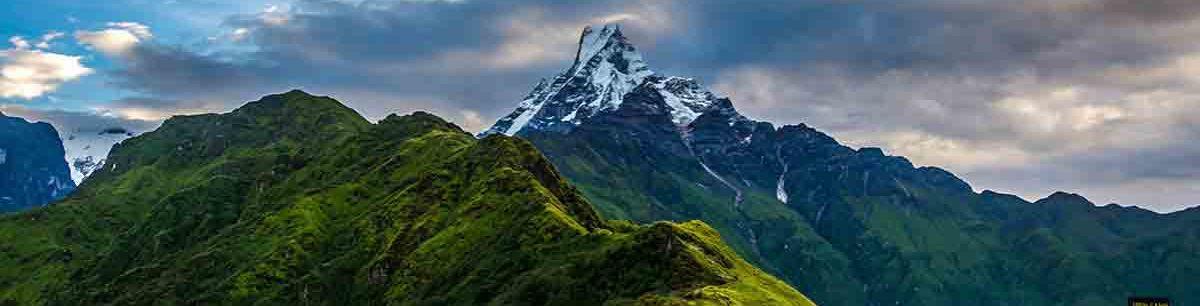
Nepal Visa on Arrival and Tourist Visa Fee : A Complete Guide for Travelers

Nepal attracts thousands of travelers every year with its breathtaking mountains, vibrant culture, and spiritual heritage. Whether you are planning a trekking adventure to Everest Base Camp or a cultural exploration in Kathmandu Valley, understanding Nepal visa on arrival and tourist visa fee is an essential part of planning your trip.

The process is designed to be traveler-friendly, allowing visitors from most countries to obtain their visa after arriving at Tribhuvan International Airport in Kathmandu or at land border entry points. However, knowing the right documents, fees, and procedures in advance can save you time and prevent unnecessary hassle.

In this detailed guide, we’ll walk you through everything you need to know about Nepal visa on arrival and tourist visa fee, including eligibility, application steps, payment details, extension procedures, and useful travel tips.


What Is Nepal Visa on Arrival?

The Nepal visa on arrival is a convenient system that allows eligible foreign nationals to obtain their tourist visa upon entering Nepal. This policy makes it easier for travelers who decide to visit on short notice or prefer not to apply for a visa at a Nepali embassy beforehand.

Visitors can receive their visa either at Tribhuvan International Airport (TIA) in Kathmandu or at official land border entry points with India and China. The visa is stamped into your passport after filling out a simple application form, submitting necessary documents, and paying the tourist visa fee.

This process usually takes between 15 and 45 minutes, depending on the queue at the immigration counter.


Who Can Get Nepal Visa on Arrival?

Most nationalities are eligible for Nepal visa on arrival, but there are some exceptions. Citizens of the following countries must obtain a visa from a Nepali embassy or consulate in advance:

  • Nigeria
  • Ghana
  • Afghanistan
  • Cameroon
  • Ethiopia
  • Iraq
  • Liberia
  • Palestine
  • Somalia
  • Swaziland
  • Zimbabwe

For citizens of other countries, Nepal visa on arrival is available without prior arrangement. Additionally, travelers from India do not require a visa to enter Nepal.


Entry Points for Nepal Visa on Arrival

You can obtain Nepal visa on arrival at the following official entry points:

Airports:

  • Tribhuvan International Airport – Kathmandu (Main entry point)

Land Borders with India:

  • Kakarbhitta (Eastern Nepal)
  • Birgunj/Raxaul (Central Nepal)
  • Belahia/Sunauli (Popular route for Lumbini)
  • Nepalgunj
  • Dhangadhi
  • Mahendranagar

Land Borders with China:

  • Rasuwagadhi (Main entry point from Tibet)

Each entry point has immigration facilities where you can complete your application, pay the tourist visa fee, and receive your visa sticker on the spot.


Required Documents for Nepal Visa on Arrival

To ensure a smooth process when applying for Nepal visa on arrival, make sure you have the following documents ready:

  • A valid passport with at least 6 months validity and a blank page for the visa sticker.
  • A recent passport-size photograph (though digital kiosks are available at the airport if you don’t have one).
  • Completed application form (can be filled online in advance or at the kiosk).
  • Sufficient cash in USD or major foreign currency to pay the tourist visa fee.
  • A return ticket or proof of onward travel may sometimes be requested.
  • Hotel booking or accommodation details for your first few nights in Nepal.

Having these documents prepared in advance speeds up the visa issuance process and minimizes waiting time.


Nepal Tourist Visa Fee Structure

Understanding the Nepal tourist visa fee is crucial before your arrival. The fee depends on the duration of your stay:

Visa DurationTourist Visa Fee
15 daysUSD 30
30 daysUSD 50
90 daysUSD 125

The Nepal tourist visa fee can be paid in major foreign currencies, typically USD, EUR, GBP, or other convertible currencies. It is advisable to carry exact cash to avoid delays, as card payments may not always be available at the immigration counters.


Step-by-Step Process for Nepal Visa on Arrival

Getting your Nepal visa on arrival is straightforward if you follow these steps carefully:

Step 1: Fill Out the Online or Kiosk Form

You can fill out the online application at http://nepalimmigration.gov.np before your trip. Print the submission receipt with the barcode and bring it with you. Alternatively, you can use the self-service kiosks at the airport to complete the form on arrival.

Step 2: Pay the Tourist Visa Fee

Proceed to the visa fee counter, where you’ll pay the tourist visa fee in cash. You’ll receive a receipt that you must keep for the next step.

Step 3: Submit Your Application to the Immigration Desk

Present your printed form, receipt, passport, and photograph to the immigration officer. They will review your documents, stamp your passport, and issue your Nepal visa on arrival based on your chosen duration.

Step 4: Collect Your Passport and Enter Nepal

After processing, collect your passport with the visa sticker. You’re now ready to explore Nepal.


Extending Your Nepal Tourist Visa

If you wish to stay longer than your initial visa duration, you can extend your Nepal tourist visa at the Department of Immigration in Kathmandu or the Immigration Office in Pokhara.

📌 Visa Extension Fees:

  • Minimum 15-day extension: USD 45
  • Each additional day after 15 days: USD 3 per day
  • Maximum extension: 150 days in a visa year (January to December)

Extensions are relatively straightforward, but it’s wise to apply a few days before your visa expires to avoid penalties.


Important Rules for Nepal Visa on Arrival and Tourist Visa Fee

Understanding the rules regarding Nepal visa on arrival and tourist visa fee can help avoid unnecessary fines or complications:

  • Overstaying your visa results in daily fines and possible travel restrictions.
  • Tourist visas are non-transferable to other visa categories.
  • You must carry your passport at all times in Nepal for identification.
  • Visa fees are non-refundable, even if you leave earlier than planned.
  • Multiple-entry visas are available if you plan to leave and re-enter Nepal during your stay.

Tips to Make Your Nepal Visa on Arrival Experience Smooth

Here are some practical tips to make your Nepal visa on arrival experience easier:

  • Apply online in advance to avoid long lines at the kiosk.
  • Carry exact cash in USD to speed up payment.
  • Avoid peak arrival times (midday and late afternoon) when queues are longest.
  • Keep digital copies of your passport and visa for safety.
  • Double-check your visa duration and entry type before leaving the counter.

Why Nepal Visa on Arrival Is Ideal for Tourists

The Nepal visa on arrival system makes the country accessible to a wider range of travelers. It’s perfect for those who decide to visit spontaneously, change plans mid-trip, or simply want to avoid embassy appointments.

Combined with a reasonable tourist visa fee and efficient processing at the airport, this system enhances Nepal’s reputation as a welcoming and traveler-friendly destination.


Conclusion: Plan Ahead for a Hassle-Free Arrival

Whether you’re coming to trek through the Himalayas, explore ancient temples, or immerse yourself in Nepal’s spiritual culture, understanding Nepal visa on arrival and tourist visa fee ensures a smooth beginning to your journey.

By preparing your documents, knowing the fees, and following the step-by-step process, you’ll breeze through immigration and start your Nepal adventure without stress.

For the latest updates, always check the Department of Immigration Nepal website before traveling, as visa policies can occasionally change.

Factors to Consider When Choosing a Trek in Nepal

Choosing the right trek in Nepal can make the difference between a memorable adventure and an uncomfortable journey. With its diverse landscapes, from lush valleys to towering Himalayan peaks, Nepal offers treks for every level of experience and interest. However, with so many options available, it’s important to carefully evaluate several factors to ensure your trekking experience matches your goals, fitness level, and expectations.

In this comprehensive guide, we will explore the key factors to consider when choosing a trek in Nepal, including difficulty levels, seasonal conditions, trekking routes, accommodation options, cultural experiences, and more. By understanding these essential points, you can select a trek that perfectly fits your needs and ensures a safe and enjoyable journey.


Understanding Trekking Difficulty: A Key Factor When Choosing a Trek in Nepal

The first and most important factor to consider when choosing a trek in Nepal is trekking difficulty. Nepal offers everything from short and easy walks through scenic villages to challenging high-altitude expeditions that demand excellent fitness and prior experience.

  • Easy Treks: Ideal for beginners and families. These treks usually last a few days and involve walking on well-marked trails at lower altitudes (below 3,000 meters). Examples include the Ghorepani Poon Hill Trek and Langtang Valley Trek.
  • Moderate Treks: Suitable for those with a good level of fitness. Moderate treks involve 5–7 hours of daily walking at altitudes up to 4,000 meters. The Annapurna Base Camp Trek and Everest View Trek are popular moderate options.
  • Strenuous Treks: Designed for experienced trekkers. These involve long walking days, steep ascents, and high altitudes, often above 5,000 meters. Treks like Everest Base Camp, Manaslu Circuit, and Three Passes Trek fall into this category.

Assess your physical fitness honestly. If you overestimate your capabilities, you may struggle with altitude sickness or fatigue. Conversely, if you choose a trek that’s too easy, you might not feel fully challenged.


Considering Trekking Seasons When Choosing a Trek in Nepal

Seasonal conditions play a huge role in determining which trek is right for you. The best time for trekking in Nepal typically depends on weather, visibility, and trail accessibility.

Spring (March to May)

Spring is one of the best times for trekking. The weather is warm and stable, with clear skies and blooming rhododendrons that make trails scenic. It’s ideal for treks like Everest Base Camp, Annapurna Circuit, and Langtang Valley.

Autumn (September to November)

Autumn is the peak trekking season in Nepal. The monsoon rains have cleared the air, offering exceptional mountain views and comfortable temperatures. This season attracts the most trekkers, so popular routes can be crowded.

Winter (December to February)

Winter brings colder temperatures, especially at higher altitudes. Lower altitude treks remain accessible, but high mountain passes may be blocked by snow. Treks like Ghorepani Poon Hill and Helambu are excellent winter options.

Monsoon (June to August)

Monsoon season brings heavy rain, landslides, and leeches on some trails. However, it’s also the least crowded season. Certain rain-shadow regions, like Upper Mustang and Dolpo, remain dry and are ideal for trekking during this period.

Choosing the right season ensures better weather, safer trails, and more enjoyable scenery — all crucial factors when choosing a trek in Nepal.


Evaluating Trek Duration and Itinerary When Choosing a Trek in Nepal

The length of the trek is another important consideration. Trek durations in Nepal range from 2-3 days to over a month. Your available time, fitness, and acclimatization needs should shape your choice.

  • Short Treks (2–7 days): Perfect for those on tight schedules or new to trekking. Treks like Nagarkot, Ghorepani Poon Hill, or Langtang Valley fit within a week.
  • Medium Treks (8–14 days): These treks offer a deeper experience and often reach famous base camps, such as Annapurna Base Camp or Everest Base Camp (short version).
  • Long Treks (15+ days): For experienced trekkers or those with more time. Treks like the Manaslu Circuit, Upper Mustang, and Everest Three Passes provide extensive adventure and cultural immersion.

Remember to include acclimatization days in your itinerary, especially for high-altitude treks, to reduce the risk of altitude sickness.


Choosing Trekking Regions and Routes in Nepal

Nepal has several distinct trekking regions, each with its unique landscapes, culture, and levels of development. When choosing a trek in Nepal, understanding the characteristics of each region helps narrow down your options.

Everest Region

The most famous trekking region, home to Mount Everest and iconic routes like the Everest Base Camp Trek. Known for breathtaking views, Sherpa culture, and well-developed infrastructure. It can be crowded during peak season.

Annapurna Region

Renowned for diverse scenery — from subtropical forests to alpine terrain. Popular treks include the Annapurna Circuit, Annapurna Base Camp, and Mardi Himal. This region offers excellent tea houses and is easily accessible from Pokhara.

Langtang Region

Closer to Kathmandu, this region offers a quieter trekking experience. The Langtang Valley Trek combines beautiful landscapes with Tamang cultural experiences. It’s less commercialized than Everest or Annapurna.

Manaslu and Restricted Areas

For experienced trekkers seeking off-the-beaten-path adventures, the Manaslu Circuit, Upper Mustang, and Dolpo provide remote, culturally rich experiences. These treks often require special permits and guided support.


Considering Altitude and Acclimatization When Choosing a Trek in Nepal

Altitude is one of the most critical factors when choosing a trek in Nepal. Many popular routes go above 3,000 meters, where the risk of Acute Mountain Sickness (AMS) increases. Understanding how altitude affects the body helps you plan better.

  • Above 3,000 m: Mild symptoms like headaches and fatigue are common.
  • Above 4,000 m: Proper acclimatization days become essential.
  • Above 5,000 m: Only experienced trekkers with good fitness should attempt these altitudes.

A well-designed itinerary with gradual ascent and rest days minimizes health risks. Don’t rush your trek — it’s better to enjoy the journey than face altitude-related emergencies.


Accommodation and Facilities: Important Factors When Choosing a Trek in Nepal

Accommodation and available facilities vary significantly between trekking regions and routes.

  • Tea House Treks: Most popular routes, like Everest and Annapurna, offer tea houses with basic but comfortable rooms, hot meals, and sometimes Wi-Fi.
  • Camping Treks: In remote regions such as Dolpo or Upper Mustang, camping treks are the only option. These require more logistics, support staff, and equipment.
  • Luxury Treks: Some areas offer upgraded lodges with private bathrooms, heating, and fine dining. Luxury Everest Base Camp treks are a good example.

Consider your comfort preferences, budget, and willingness to embrace rustic conditions when selecting your trek.


Cultural Experiences and Personal Interests When Choosing a Trek in Nepal

Trekking in Nepal is not just about mountains — it’s also about cultural immersion. Each trekking region offers unique traditions, festivals, and ways of life.

  • Everest Region: Sherpa culture, monasteries, and Buddhist festivals.
  • Annapurna Region: Gurung and Magar villages, warm hospitality, and local farming lifestyles.
  • Langtang: Tamang culture and traditional villages.
  • Upper Mustang and Dolpo: Ancient Tibetan-influenced culture, preserved monasteries, and remote desert landscapes.

If cultural experiences matter to you, choose a trek that allows you to spend time in local communities rather than just focusing on high mountain passes.


Budget and Permit Requirements When Choosing a Trek in Nepal

Your budget plays a vital role in choosing a trek. Costs depend on region, duration, accommodation type, and whether you hire guides or porters.

  • Permits: Most treks require a TIMS card (Trekkers’ Information Management System) and national park or conservation area entry permits. Restricted regions like Upper Mustang and Dolpo require special permits and can be more expensive.
  • Daily Costs: Expect $30–$60 per day for standard tea house treks, excluding flights or guide fees. Luxury treks or remote camping treks can cost significantly more.
  • Guides and Porters: Hiring a guide enhances safety and cultural understanding, while porters help reduce physical strain. Guided treks cost more but offer peace of mind.

Budgeting correctly ensures you don’t face unexpected expenses during your trek.


Safety and Logistics: Final Considerations When Choosing a Trek in Nepal

Safety should always be your top priority. Before finalizing your trek, consider:

  • Travel Insurance: Ensure it covers high-altitude trekking and helicopter evacuation.
  • Experienced Operators: Choose licensed trekking companies with good reviews.
  • Emergency Plans: Know the nearest evacuation points and communication methods.
  • Physical Preparation: Start training weeks before your trek with cardio, strength, and endurance exercises.

Proper preparation helps you handle unexpected situations confidently.


Conclusion: Choose the Right Trek in Nepal for an Unforgettable Adventure

There is no one-size-fits-all trek in Nepal. The factors to consider when choosing a trek in Nepal include difficulty level, trekking season, duration, region, altitude, cultural experiences, accommodation, budget, and safety. By carefully evaluating these elements, you can select a trek that aligns with your goals, ensuring a rewarding and unforgettable Himalayan adventure.

Whether you dream of standing at the foot of Mount Everest, exploring remote valleys, or immersing yourself in local culture, Nepal has a trek for you. Choose wisely, prepare well, and get ready to create memories that last a lifetime.

Who Are the Top Travelers Excited to Explore Nepal in 2026?

Who Are the Top Travelers Excited to Explore Nepal in 2026? is an increasingly relevant question as the country continues to attract travelers from every corner of the world. With its majestic Himalayan peaks, spiritual ambiance, cultural richness, and adventure opportunities, Nepal is emerging as one of the top travel destinations for diverse groups. In 2026, changing travel trends, improved infrastructure, and global interest in sustainable tourism are influencing the types of visitors drawn to Nepal. This article explores the key traveler segments Who Are the Top Travelers Excited to Explore Nepal in 2026? and why they find the country so captivating.


Adventure Seekers: A Key Group Who Are the Top Travelers Excited to Explore Nepal in 2026?

One of the primary groups Who Are the Top Travelers Excited to Explore Nepal in 2026? are adventure seekers. Nepal has always been a haven for thrill-seekers, but in recent years, there’s been a noticeable rise in interest due to improved trekking routes, new climbing expeditions, and better safety measures.

Trekking Enthusiasts

Trekking enthusiasts are at the heart of Nepal’s adventure tourism. Classic trails like the Everest Base Camp, Annapurna Circuit, and Langtang Valley continue to be popular, while lesser-known treks such as the Manaslu Circuit and Kori Trek are drawing those looking for quieter paths. These visitors mostly enjoy Nepal for its challenging terrains, breathtaking scenery, and authentic encounters with local communities.

Mountaineers and Climbers

In 2026, Nepal remains the world’s top mountaineering destination. Mount Everest, Lhotse, and Makalu are just some of the iconic peaks attracting climbers. Additionally, beginner-friendly peaks such as Island Peak and Mera Peak have made high-altitude climbing more accessible to international visitors. Climbers mostly enjoy visiting Nepal for the unparalleled Himalayan experience, professional guides, and the sense of accomplishment that comes with summiting these legendary mountains.

Adventure Sports Enthusiasts

Beyond trekking and climbing, adventure lovers also enjoy activities like white-water rafting on the Trishuli River, bungee jumping in Pokhara, and paragliding over Phewa Lake. With Nepal investing in infrastructure and safety standards, more thrill-seekers from around the globe are visiting in 2026.


Cultural Travelers: Those Who Are the Top Travelers Excited to Explore Nepal in 2026? for Heritage and Traditions

Another key group Who Are the Top Travelers Excited to Explore Nepal in 2026? are cultural travelers. Nepal is a mosaic of ethnicities, languages, festivals, and traditions that continue to fascinate global tourists.

Spiritual and Pilgrimage Visitors

Nepal holds immense spiritual significance, being the birthplace of Lord Buddha in Lumbini and home to countless Hindu temples, monasteries, and meditation centers. Travelers from countries like India, Sri Lanka, Japan, and Thailand mostly enjoy visiting Nepal for pilgrimage, meditation retreats, and spiritual learning. In 2026, the popularity of mindfulness tourism has further boosted this segment.

Heritage Enthusiasts

Kathmandu Valley’s UNESCO World Heritage Sites—Pashupatinath Temple, Swayambhunath Stupa, Boudhanath, and the Durbar Squares of Kathmandu, Patan, and Bhaktapur—draw heritage lovers year after year. These visitors mostly enjoy Nepal for its living history, ancient architecture, and vibrant festivals. Events like Indra Jatra, Dashain, and Tihar are becoming major attractions for cultural tourists in 2026.

Festival Tourists

Festival tourism is on the rise. Many international visitors plan their trips to coincide with unique cultural events. They mostly enjoy visiting Nepal during these vibrant times to experience the communal celebrations, traditional dances, music, and food that showcase the country’s rich identity.


Nature Lovers and Eco-Tourists: People Who Are the Top Travelers Excited to Explore Nepal in 2026? for Its Biodiversity

With increasing awareness of environmental conservation, nature lovers and eco-tourists make up another significant group Who Are the Top Travelers Excited to Explore Nepal in 2026?.

Wildlife Enthusiasts

Chitwan National Park and Bardia National Park are home to rare species like the Bengal tiger, one-horned rhinoceros, elephants, and gharials. Visitors from Europe, the USA, and Australia mostly enjoy visiting Nepal to experience responsible wildlife safaris, birdwatching tours, and nature walks in pristine ecosystems.

Eco-Tourists and Sustainable Travelers

In 2026, Nepal’s growing focus on sustainable tourism is attracting eco-conscious travelers who prefer eco-lodges, community homestays, and minimal-impact trekking. These travelers mostly enjoy Nepal because it aligns with their values of protecting nature while exploring it. Destinations like Ilam for tea gardens, Rara Lake for untouched beauty, and Upper Mustang for unique landscapes are gaining popularity.


Digital Nomads and Remote Workers: A Growing Segment Who Are the Top Travelers Excited to Explore Nepal in 2026?

A newer but rapidly expanding group Who Are the Top Travelers Excited to Explore Nepal in 2026? are digital nomads and remote workers. With the global shift toward flexible work arrangements, Nepal has started positioning itself as a peaceful, affordable, and inspiring work-travel destination.

Why Digital Nomads Enjoy Nepal

Nepal offers affordable living, breathtaking scenery, and a welcoming culture. Cities like Kathmandu and Pokhara have improved Wi-Fi infrastructure, co-working spaces, and comfortable accommodations catering to long-term stays. Digital nomads mostly enjoy visiting Nepal for the slower pace of life, opportunities for weekend adventures, and the ability to work remotely while being surrounded by nature.


Retirees and Slow Travelers: People Who Are the Top Travelers Excited to Explore Nepal in 2026? for Long Stays

Another demographic Who Are the Top Travelers Excited to Explore Nepal in 2026? includes retirees and slow travelers. This group prefers extended stays to immerse themselves in local culture, nature, and community life.

Retirees Seeking Peace and Wellness

Nepal is increasingly viewed as a peaceful retreat for retirees from countries such as Japan, Germany, and Canada. Many come for yoga retreats, meditation programs, and health-focused travel. They mostly enjoy visiting Nepal because of its serene environment, friendly communities, and low cost of living.

Slow Travelers Exploring Beyond the Usual Routes

Slow travelers prefer authentic experiences over rushed sightseeing. In 2026, many are exploring areas beyond Kathmandu and Pokhara—such as Palpa, Dolpa, or the Terai plains. These travelers mostly enjoy Nepal because they can connect with local people, learn traditional skills, and witness everyday rural life.


Students, Volunteers, and Researchers: A Meaningful Group Who Are the Top Travelers Excited to Explore Nepal in 2026?

Educational travelers, volunteers, and researchers also make up a large portion of those Who Are the Top Travelers Excited to Explore Nepal in 2026?.

Student Travelers

Students from universities around the world travel to Nepal for cultural exchange programs, language studies, and field research. They mostly enjoy visiting Nepal for its safe environment, affordability, and diverse learning opportunities.

Volunteers and NGO Workers

Many people visit Nepal to volunteer in education, health, environmental projects, or community development. They mostly enjoy Nepal because it offers a meaningful way to contribute while experiencing local life.

Academic and Scientific Researchers

Nepal’s unique geography, culture, and biodiversity make it an excellent location for research. Scientists studying glacial melt, anthropologists exploring ethnic communities, and botanists documenting Himalayan flora all mostly enjoy visiting Nepal for its rich research opportunities.


Families and Group Travelers: Who Are the Top Travelers Excited to Explore Nepal in 2026? for Shared Experiences

Family travel is another rising trend in Nepal. Families from Asia, Europe, and North America mostly enjoy visiting Nepal in 2026 for educational and bonding experiences.

Family Treks and Tours

Family-friendly treks like Ghorepani-Poon Hill and cultural tours of Kathmandu and Pokhara are ideal for travelers with children. Families mostly enjoy Nepal because the experiences are safe, enriching, and unforgettable.

Group Adventure Tours

Group tours are also becoming popular among friends and communities who want to explore together. Whether it’s a group yoga retreat, a guided trek, or a cultural festival tour, these travelers mostly enjoy visiting Nepal because of the shared sense of discovery and connection.


Why These Groups Mostly Enjoy Visiting Nepal in 2026

All these visitor segments share common reasons why they mostly enjoy visiting Nepal in 2026:

  • Affordability – Nepal remains budget-friendly compared to many destinations.
  • Authentic Cultural Experiences – Travelers experience living traditions, not staged shows.
  • Natural Beauty – The Himalayas, wildlife, and diverse landscapes appeal to a wide range of interests.
  • Warm Hospitality – Nepali people are known for their kindness and welcoming nature.
  • Adventure and Spirituality – Few countries offer both extreme adventure and deep spiritual experiences in the same trip.

Conclusion: Who Are the Top Travelers Excited to Explore Nepal in 2026?

In conclusion, Who Are the Top Travelers Excited to Explore Nepal in 2026? includes a broad spectrum of travelers—adventure seekers, cultural enthusiasts, nature lovers, digital nomads, retirees, students, volunteers, families, and groups. Each segment finds unique value in Nepal, whether it’s for trekking among the world’s highest peaks, immersing in spiritual traditions, observing rare wildlife, working remotely with stunning backdrops, or experiencing slow, meaningful travel.

Nepal’s diversity, authenticity, and evolving tourism infrastructure ensure that in 2026, it remains a top destination enjoyed by people from all walks of life. Whether you’re planning an adventure-filled trip or a peaceful retreat, Nepal offers experiences that resonate with every kind of traveler.

10 Best Yoga and Meditation Retreats in Nepal — Complete Guide

Nepal is a soulful place for rest, reflection, and deep practice. If you are searching for the Best Yoga and Meditation Retreats in Nepal, you will find a wide range of options. From Himalayan ashrams tucked into mountain valleys to peaceful centers beside Lakeside Pokhara, Nepal blends nature and tradition in a way few countries can.

This article highlights ten retreats that consistently receive praise for teaching, atmosphere, and value. It also gives practical tips on how to choose the right program, what to pack, and when to go.


How I picked the Best Yoga and Meditation Retreats in Nepal

I considered teaching quality, location, retreat length options, accommodation standards, and practitioner reviews. I looked for retreats offering clear schedules and experienced teachers. Sustainable and ethical practices matter too. Finally, I chose centers that welcome different levels — beginners, intermediate, and advanced students.


Quick comparison (what to expect)

  • Location: Himalayan valleys, lakeside towns, and hilltop sanctuaries.
  • Typical program length: 3 days to 21+ days.
  • Styles: Hatha, Vinyasa, Yin, Nidra, Vipassana, mindfulness, and integrated silent retreats.
  • Extras: Treks, local culture tours, Ayurveda, and massage.

The 10 Best Yoga and Meditation Retreats in Nepal

Below are the ten retreats, listed in alphabetical order. Each entry includes a short summary, who it suits, typical program lengths, and what makes it special.

Annapurna Yoga & Wellness Retreat (Pokhara area)

Why choose this retreat: Set near Lakeside Pokhara, this center blends scenic calm with strong teaching. Mornings often start with gentle yoga and pranayama. Evenings focus on meditation and reflection.

Who it suits: Beginners, couples, and travelers looking for a lakeside base with yoga classes.

Length & offerings: Weekend retreats to 10-day packages. Optional Ayurvedic massage and short hikes.

Standout features: Beautiful views of the Annapurnas, professional teachers, and easy access to Pokhara’s cafés and lakeside life.

Himalayan Mindfulness Ashram (Langtang or nearer Kathmandu hills)

Why choose this retreat: If you want a raw retreat experience, this ashram provides simple living and long silent sits. It leans heavily toward mindfulness and Vipassana-style meditation.

Who it suits: Serious meditators and those wanting a silent retreat.

Length & offerings: 7 to 21 days; intensive meditation, simple vegetarian meals, and communal practice.

Standout features: Close contact with senior teachers and extended silent periods. The mountain energy is tangible.

Kora Yoga Sanctuary (near Pokhara / hilltop)

Why choose this retreat: Kora offers blended programs that mix yoga, breathwork, and walking meditation. The location is peaceful and slightly off the beaten track.

Who it suits: Mid-level practitioners and those interested in combining movement with contemplative practice.

Length & offerings: 5–14 day programs. Optional guided treks and evening mantra sessions.

Standout features: Excellent balance of activity and rest. Friendly staff and small group sizes.

Lumbini Retreat Center (Lumbini — birthplace of Buddha)

Why choose this retreat: Lumbini’s spiritual history gives a strong meditative atmosphere. Retreats here often include insight meditation and teachings on Buddhist practice.

Who it suits: Students interested in Buddhist meditation, mindfulness, and contemplative history.

Length & offerings: Short retreats of 3–7 days up to longer residential courses. Often paired with local site visits.

Standout features: Unique cultural and spiritual setting. A chance to practice where Buddhism began.

Mountain Heart Yoga (Upper Mustang / Annapurna foothills)

Why choose this retreat: For dramatic desert-mountain scenery and solitude. The teaching style is grounded and practical.

Who it suits: Experienced yogis and adventurous travelers who want a retreat that includes light trekking.

Length & offerings: 7–14 days, combining asana, pranayama, and guided walks.

Standout features: Remote location, small groups, and immersive nature time.

Namaste Yoga Village (Kathmandu Valley)

Why choose this retreat: Located close to Kathmandu, this center offers urban convenience and deep practice. It is ideal for short stays or for visitors who want a retreat before or after trekking.

Who it suits: Travelers with limited time, and city visitors seeking daily practice.

Length & offerings: Weekend workshops to two-week retreats. Teacher training options often available.

Standout features: Strong teacher training programs and convenient access to cultural sites.

Poon Hill Silent Meditation Week (Ghorepani / Annapurna Circuit fringe)

Why choose this retreat: Combine classic Himalayan trekking scenery and silent meditation. This program integrates walking meditation into a short trekking route.

Who it suits: Those who love nature walks and want a silent, contemplative week.

Length & offerings: Typically 7 days. Includes Poon Hill sunrise, guided sits, and simple lodgings.

Standout features: Sunrise views, village hospitality, and a rhythm that alternates walking with sitting.

Rims Yoga & Ayurveda Sanctuary (near Pokhara)

Why choose this retreat: Rims mixes therapeutic yoga with Ayurvedic consultations. Programs are personalized and healing-focused.

Who it suits: People seeking restorative practice, healing from stress, or post-injury gentle yoga.

Length & offerings: 5–14 days, with tailored Ayurvedic plans and therapies.

Standout features: Personalized health plans, quality therapists, and calm lakeside settings.

Swami Sadhana Center (Kathmandu foothills)

Why choose this retreat: A traditional yogic environment with strong emphasis on classic practices. Teaching blends philosophy, breathwork, and asana.

Who it suits: Students of classical yoga and those who want scriptural context for their practice.

Length & offerings: 7–21 days. Options for private instruction and study groups.

Standout features: Deep dive into yoga philosophy, chanting, and disciplined schedules.

Yogi’s Nest — Forest Meditation Retreat (Chitwan hills)

Why choose this retreat: Quiet forested hills, bird song, and a gentle, slow pace. Ideal for resetting the nervous system.

Who it suits: Nature lovers, restorative seekers, and people wanting to unplug.

Length & offerings: Short resets (3–5 days) and longer retreats (7–10 days). Forest walks, guided meditations, and silence options.

Standout features: Strong focus on nature-based mindfulness and eco-friendly accommodation.


How to choose the right retreat among the Best Yoga and Meditation Retreats in Nepal

  1. Decide your goal. Are you after relaxation, skills, deep silent practice, or a teacher training certificate? Pick a retreat that matches that goal.
  2. Choose a length that fits your life. Weekends can restart your rhythm. Two weeks allow deeper change.
  3. Check teacher qualifications. Experience matters. Look for clear bios and training details.
  4. Look at reviews. Recent participant reviews tell you about authenticity and logistics.
  5. Consider location and altitude. High-altitude retreats require more acclimatization.
  6. Ask about food and dietary needs. Most retreats serve simple vegetarian food. Confirm if you need special meals.
  7. Find out what’s included. Transfers, day trips, or extra therapies may not be included in the base price.

Practical tips before you go

  • Pack light but smart: Comfortable layers, a light yoga mat (if you prefer your own), a water bottle, and sturdy walking shoes.
  • Bring a journal: Many participants find journaling useful after meditation sits.
  • Respect local customs: Especially in monastic settings. Modest dress and quiet behavior are often required.
  • Plan travel time: Roads can be slow. Factor in buffer days.
  • Get travel insurance: Include coverage for high-altitude trekking if your retreat includes walks.

Sample 7-day retreat schedule (typical)

  • Morning: Gentle asana, pranayama, and meditation.
  • Midday: Healthy vegetarian lunch and rest.
  • Afternoon: Workshop or gentle pranayama and study session.
  • Evening: Silent sit, mantra, or guided relaxation.
  • Free time: Walking, journaling, or therapy sessions.

Costs and best seasons

Costs vary widely. Expect budget options and premium packages. A basic 3-day retreat may start low. Two-week immersive programs with therapies and accommodation cost more.

Best seasons: Spring (March–May) and autumn (September–November) offer stable weather and clear mountain views. Monsoon (June–August) is quiet and green but can bring travel delays. Winter (December–February) is cold in the hills, but lower-altitude centers remain comfortable.


Safety and health

If you have health concerns, consult your doctor before booking. Be honest about injuries and chronic conditions. Inform the center about medication and dietary needs.


Conclusion — Make your practice your guide

Choosing one of the Best Yoga and Meditation Retreats in Nepal can be a life-enhancing decision. Whether you crave silent meditation in a Himalayan valley, restorative Ayurvedic care in Pokhara, or a blended yoga-and-trek experience, Nepal offers welcoming options. Use the tips in this guide to match a retreat to your goals, and plan well so you can relax into practice.

Complete Guide to Climbing Island Peak (6,189 m) in Nepal — An Honest, Practical Handbook

Island Peak, known locally as Imja Tse, rises proudly in the heart of Nepal’s Khumbu region, surrounded by the world’s most legendary mountains.). It’s one of Nepal’s most popular trekking peaks: high enough to give an authentic alpine summit experience (fixed ropes, crampons, ice-axes), but accessible enough that many fit trekkers with proper acclimatization, training and a guide can reach the top. At 6,189 meters (20,305 feet), this striking peak may not be as high as Everest or Lhotse, but it offers something uniquely appealing: a chance for trekkers and aspiring mountaineers to step into the world of Himalayan climbing without needing years of technical experience.

Many adventurers choose Island Peak as their first 6,000-meter summit, because it blends the magic of a classic Everest-region trek with the thrill of real alpine climbing. You’ll pass through Sherpa villages, Buddhist monasteries, and rhododendron forests before reaching the glaciers and snowy ridges near the summit. From the top, the reward is unforgettable — sweeping views of Ama Dablam, Makalu, Lhotse, Nuptse, and the jagged Himalayan skyline that feels like the roof of the world.

This Complete Guide to Climbing Island Peak in Nepal is written to help you understand every part of the journey — from the permits and gear you’ll need, to the training, acclimatization, and technical skills required for summit day. Unlike generic travel brochures, this guide offers a practical, honest look at both the challenges and the life-changing rewards of the climb. Whether you’re a first-time climber aiming for your first 6,000-meter summit or a seasoned trekker looking to add mountaineering skills, Island Peak gives you a Himalayan adventure you’ll never forget.


Complete Guide to Climbing Island Peak in Nepal: Why Choose This Adventure?

  • Spectacular panorama: the summit gives jaw-dropping views of Lhotse, Ama Dablam, Nuptse and Makalu, set above the blue of the Imja Glacier.
  • Great stepping stone: Island Peak blends trekking and alpine climbing — you’ll use crampons, ice-axe and fixed ropes but won’t need prolonged glacier travel experience. It’s an excellent first 6000m choice.
  • Cultural & scenic route: the approach via Lukla, Namche Bazaar, Dingboche and Chhukung is classic Everest-region trekking, so you get acclimatization and scenery along the way.

Complete Guide to Climbing Island Peak in Nepal: Best time to climb

Spring (March–May) and Autumn (September–November) are the standard windows. These months usually bring stable weather, clearer skies and warmer daytime temperatures — ideal for both trekking to base camp and summit pushes. Winter is much colder and monsoon (June–August) brings heavy snow and poor visibility.


Permits, legal requirements and costs

  • Climbing permit (NMA / Government): Island Peak requires a specific climbing permit issued through the Nepal Mountaineering Association (NMA) or Department of Tourism channels. Fees vary; check current NMA rates and confirm with your agency.
  • Sagarmatha National Park permit: As the route lies inside Sagarmatha National Park, you need a park entry permit.
  • Local (rural municipality) fees: Khumbu Pasang Lhamu rural municipality charges a small fee.

Typical total cost: A full-service Island Peak package (guides, porter(s), permits, domestic flights, accommodation, food) commonly ranges depending on operator and services from roughly $2,000 to $3,500 per person. Independent climbers who self-organize and use minimal support may pay less, but hiring a licensed operator is commonly required and strongly recommended.

Tip: Permit fees and policies can change (and Nepal has adjusted permit pricing for other peaks in recent years). Always verify permits and exact fees with NMA or a reputable operator when you book.


Typical itinerary (14–18 days — flexible)

This is a commonly used 14–16 day outline — itineraries vary by operator and whether you add Everest Base Camp (EBC).

  1. Day 1: Fly Kathmandu → Lukla (2,800 m), trek to Phakding.
  2. Day 2: Phakding → Namche Bazaar (3,440 m) — acclimatization stop.
  3. Day 3: Acclimatize/rest or short hikes around Namche.
  4. Day 4: Namche → Tengboche (3,860 m).
  5. Day 5: Tengboche → Dingboche (4,360 m).
  6. Day 6–7: Acclimatization in Dingboche (day hikes, rest).
  7. Day 8: Dingboche → Chhukung (4,730 m).
  8. Day 9: Chhukung → Island Peak Base Camp / High Camp (team sets up, gear training).
  9. Day 10: Summit practice, rope technique and crampon training; rest.
  10. Day 11: Summit attempt (usually pre-dawn start), return to Base/Chhukung.
  11. Day 12–14: Trek back to Lukla, fly to Kathmandu; buffer days for weather or flights.

Many groups insert extra acclimatization days which are worthwhile — altitude is the real challenge.


The climb: technical overview

Island Peak’s upper ridge includes snow slopes, a short rock/ice wall and sections commonly protected by fixed ropes. Expect:

  • Steep snow ramps where you’ll wear crampons and use an ice-axe.
  • Fixed rope section near the summit that may require ascending on belay or prusiking skills under guide supervision.
  • Short exposed headwall (rock/ice) that can feel technical for first-timers — guides often fix ropes here.

This is not a “walk-up” hill. If you’re comfortable with basic alpine techniques (self-arrest, front-pointing with crampons, rope travel confidence), you’ll handle Island Peak with a competent guide.


Training & preparation

  • Cardio: 6–12 weeks of progressive endurance work (running, cycling, long hikes with weight).
  • Strength: focus on legs, core and posterior chain (squats, lunges, deadlifts, stair-climbing with pack).
  • Technical practice: at least one guided ice-skills session (crampon use, ice-axe arrest, ascending/descending fixed ropes) before the expedition or built into the program at Base Camp.

Mental prep: long days, cold nights, and altitude fatigue are normal. Practice long back-to-back days on hills with a loaded pack.


Gear checklist (high-level)

Essentials you’ll likely need or rent: mountaineering boots (double or robust single boot compatible with crampons), crampons, ice-axe, harness, helmet, carabiners, belay device, sleeping bag rated to −15°C (or warmer if you sleep cold), down jacket, layered clothing, sun protection, headlamp, water-purification and personal meds. Your operator will usually provide technical rope, anchors and group safety gear.


Safety, altitude and risks

  • Acute Mountain Sickness (AMS): the top danger for most climbers. Follow conservative acclimatization, hydrate, eat, and report symptoms early. Descent is the only reliable treatment for serious AMS.
  • Weather: Spring/autumn windows minimize storm risk, but Himalayan weather can change fast — permit buffer days.
  • Objective hazards: crevasses are limited on Island Peak but the upper slopes and cornices are real; fixed ropes reduce objective risk but don’t remove it. Guides manage rope protection and route safety.

Complete Guide to Climbing Island Peak in Nepal: Guide vs. solo

  • Licensed guide (recommended/usually required): offers rope technical support, decision making, emergency management, permit guidance and local knowledge. Most operators include a trained climbing guide and Sherpa support. Climbing without a guide is possible in principle, but not advisable for safety and often non-compliant with permitting rules.

Environmental & cultural responsibility

  • Respect Sagarmatha National Park rules (waste disposal, park fees).
  • Bring reusable water bottles and a plan for human waste (operators should carry out what they carry in).
  • Tip, treat and respect your Nepali team — they are essential to your success and safety.

Common FAQs

Q: How hard is Island Peak?
A: Moderately hard — a mixture of long trekking days and short technical climbing. Technical sections involve fixed ropes, crampons and an exposed summit ridge. With training and a guide most fit trekkers can succeed.

Q: Do I need previous climbing experience?
A: Helpful but not mandatory. Experience with crampons, ice-axe and heights shortens the learning curve. Many operators include training at Base Camp.

Q: How many days do I need?
A: 14–18 days is common (includes Lukla flights and acclimatization). Add buffer days for weather.


Final checklist — before you book

  • Confirm permit costs and requirements with your operator (NMA & park permits).
  • Build 6–12 weeks of training and do a practice day with crampons if possible.
  • Pack technical and warm gear, verify what the operator supplies (ropes, group gear).
  • Budget for at least one extra day for flight/weather buffers both inbound (Lukla) and outbound.
  • Respect local culture and environment — tip and support the Nepali team.