
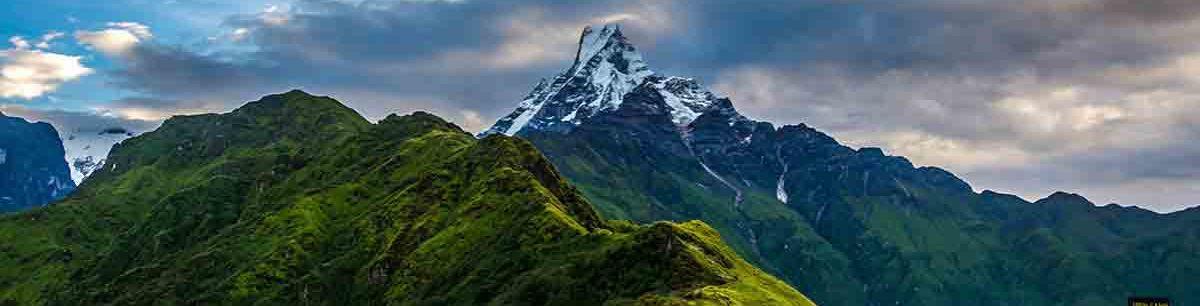

Nepal remains one of Asia’s most compelling travel destinations, attracting visitors with its Himalayan landscapes, ancient temples, vibrant cultures, and world-class trekking routes. As international travel continues to rebound, understanding Nepal visa and entry requirements for tourists in 2026 is essential for a smooth and stress-free journey.
Whether you are planning a short cultural tour in Kathmandu, a multi-day trek to Everest Base Camp, or a spiritual pilgrimage to Lumbini, Nepal’s visa process is relatively straightforward. However, entry rules, visa fees, documentation requirements, and health regulations can change from year to year.
This complete guide explains everything tourists need to know about obtaining a Nepal visa in 2026, including visa types, application procedures, costs, entry points, extensions, and common mistakes to avoid.
Understanding Nepal’s Tourist Visa System
Nepal offers one of the most flexible visa systems in South Asia. Most foreign nationals can obtain a Tourist Visa on Arrival, making Nepal accessible for travelers from around the world.
A Nepal tourist visa allows visitors to:
- Travel freely within permitted areas
- Participate in sightseeing, cultural tours, and trekking
- Enter and exit Nepal multiple times during validity (depending on visa type)
However, a tourist visa does not permit employment, volunteering without authorization, or business activities.
Who Needs a Visa to Enter Nepal?
Almost all foreign nationals require a visa to enter Nepal. However, there are a few exceptions:
Visa-Exempt Nationalities
Citizens of India do not require a visa to enter Nepal due to a bilateral agreement. Indian nationals can enter using a passport or government-issued photo ID.
Visa on Arrival Eligible Nationalities
Citizens from most countries, including:
- USA
- Canada
- United Kingdom
- Australia
- European Union nations
- Japan
- South Korea
- Most Asian and Middle Eastern countries
are eligible for a Nepal Visa on Arrival.
Countries Requiring Pre-Approval
Citizens of the following countries must obtain a visa from a Nepali embassy before arrival:
- Nigeria
- Ghana
- Zimbabwe
- Cameroon
- Swaziland
- Somalia
- Liberia
- Ethiopia
- Iraq
- Afghanistan
- Syria
- Palestine
Travelers from these countries should plan well in advance.
Types of Tourist Visas Available in Nepal (2026)
Nepal issues tourist visas based on length of stay, not purpose of travel. The main categories include:
1. 15-Day Tourist Visa
- Ideal for short vacations or stopovers
- Valid for single or multiple entry
- Most economical option for brief trips
2. 30-Day Tourist Visa
- Suitable for trekking, cultural tours, and city exploration
- Most commonly used tourist visa
- Can be extended inside Nepal
3. 90-Day Tourist Visa
- Best for long-term travelers, digital nomads, and trekkers
- Maximum stay option issued at arrival
- Also extendable
Maximum Stay Rule:
Tourists can stay in Nepal for up to 150 days per calendar year, including extensions.
Nepal Visa Fees for Tourists (2026)
Visa fees must be paid in cash (USD preferred) at the point of entry or embassy.
| Visa Duration | Fee (USD) |
| 15 Days | $30 |
| 30 Days | $50 |
| 90 Days | $125 |
Payment Tips:
- Carry clean US dollar bills
- Some entry points accept euros and other currencies, but USD is safest
- Fees are non-refundable
How to Get a Nepal Visa on Arrival (Step-by-Step)
Nepal’s Visa on Arrival process is simple and efficient, especially at Tribhuvan International Airport in Kathmandu.
Step 1: Complete the Online Application
Before arrival, fill out the Online Tourist Visa Form via Nepal’s official immigration portal. After submission:
- Print the confirmation receipt
- Or save the barcode digitally
The form is valid for 15 days from submission.
Step 2: Pay the Visa Fee
At the airport:
- Proceed to the payment counter
- Pay the applicable visa fee in cash
- Receive a payment receipt
Step 3: Immigration Processing
- Present your passport (valid for at least 6 months)
- Submit the visa form receipt
- Show proof of onward or return travel (sometimes requested)
- Immigration stamps your visa
The entire process usually takes 15–30 minutes, depending on queue size.
Entry Points Where Visa on Arrival Is Available
Tourists can obtain a Nepal visa at the following official entry points:
International Airports
- Tribhuvan International Airport (Kathmandu)
- Gautam Buddha International Airport (Bhairahawa – limited international flights)
Land Border Crossings
- Sunauli–Bhairahawa (India)
- Raxaul–Birgunj (India)
- Panitanki–Kakarbhitta (India)
- Banbasa–Mahendranagar (India)
- Kodari (China – subject to opening status)
Passport and Photo Requirements
To meet Nepal entry requirements in 2026, travelers must ensure:
- Passport validity of at least 6 months
- At least one blank page for visa stamp
- Recent passport-size photo (digital upload preferred)
Although photo booths are available at Kathmandu airport, uploading online beforehand saves time.
Nepal Visa Extension Rules and Process
Tourists wishing to stay longer can extend their visa at the Department of Immigration in Kathmandu or Pokhara.
Extension Fees
- $3 per day for most extensions
- Minimum extension period: 15 days
- Late fines apply for overstays
Required Documents
- Passport
- Completed extension application form
- Visa fee payment
- Passport photo
Extensions are usually processed within the same day.
Health and Entry Requirements for Nepal (2026)
As of 2026, Nepal has simplified health entry requirements. However, travelers should still prepare responsibly.
Recommended (Not Mandatory)
- Routine vaccinations (MMR, Tetanus, Influenza)
- Travel insurance covering medical evacuation
- Proof of insurance for trekking regions
Customs Declaration
Visitors must declare:
- Cash exceeding USD 5,000
- Professional equipment
- Drones (require special permits)
Special Rules for Trekkers and Mountaineers
If you plan to trek or climb in Nepal, additional permits are required beyond a tourist visa:
Common Trekking Permits
- TIMS Card (Trekkers’ Information Management System)
- National Park or Conservation Area permits
Restricted Area Permits
Required for regions such as:
- Upper Mustang
- Upper Dolpo
- Manaslu
- Nar Phu Valley
These permits must be arranged through a registered trekking agency.
Common Visa Mistakes Tourists Should Avoid
Many travelers face unnecessary delays due to avoidable errors. The most common mistakes include:
- Overstaying visa validity
- Assuming visa-free entry applies to all nationalities
- Not carrying cash for visa payment
- Ignoring passport validity requirements
- Confusing trekking permits with visa permissions
Planning ahead eliminates these risks.
Frequently Asked Questions About Nepal Tourist Visa
Can I work in Nepal on a tourist visa?
No. Employment and volunteering require special visas and permits.
Is the Nepal visa multiple entry?
Yes, tourist visas are generally issued as multiple entry.
Can I change my visa type inside Nepal?
In most cases, tourist visas cannot be converted into work or student visas without exiting the country.
Is travel insurance mandatory?
Not legally mandatory, but strongly recommended, especially for trekking.
Final Travel Tips for Nepal in 2026
- Apply online before arrival to save time
- Carry USD cash for visa fees
- Keep copies of passport and visa
- Track your visa validity carefully
- Respect local laws, customs, and immigration rules
Nepal welcomes travelers with warmth and hospitality, and understanding visa requirements ensures your journey begins on the right note.
Conclusion
Navigating Nepal visa and entry requirements for tourists in 2026 is straightforward when you have accurate and up-to-date information. With visa on arrival options, flexible extensions, and traveler-friendly policies, Nepal continues to rank among the easiest Himalayan destinations to enter.
Whether you are visiting for adventure, culture, spirituality, or leisure, preparing your visa documentation in advance allows you to focus on what truly matters—experiencing the magic of Nepal.
