
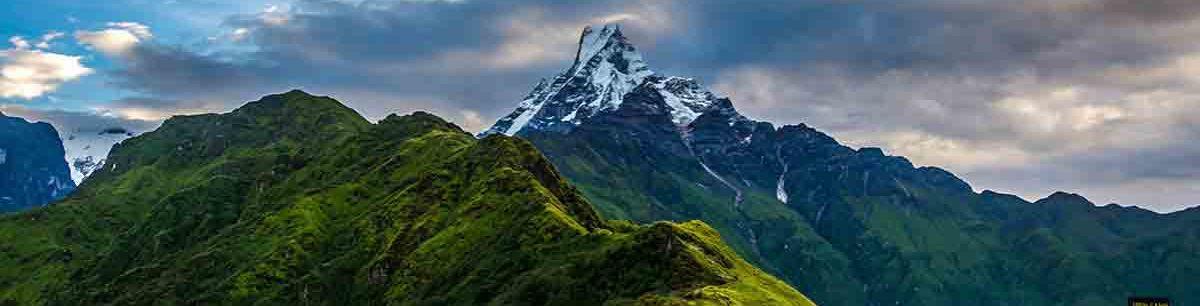

When people think of trekking in Nepal, iconic destinations like Everest Base Camp and the Annapurna Circuit usually come to mind. However, hidden deep within Nepal’s far western Himalayas lies one of the country’s most untouched trekking destinations—the Dolpo Region. Known for its dramatic landscapes, ancient Tibetan Buddhist culture, pristine alpine lakes, and remote mountain villages, Dolpo Region Trekking in Nepal offers an extraordinary experience for travelers seeking solitude and authentic Himalayan adventure.
Unlike Nepal’s more crowded trekking routes, Dolpo remains largely untouched by mass tourism. Its isolated valleys, high mountain passes, centuries-old monasteries, and breathtaking wilderness make it one of the most rewarding trekking destinations for experienced hikers and cultural explorers alike.
Whether you are planning your first remote Himalayan expedition or searching for Nepal’s hidden gems, this complete 2027 guide covers everything you need to know before embarking on a Dolpo trek.
Why Choose Dolpo Region Trekking in Nepal?
Dolpo is one of Nepal’s largest and least populated districts. Due to its remoteness, the region has preserved its ancient traditions, unique landscapes, and cultural heritage remarkably well.
Some of the biggest reasons travelers choose Dolpo include:
- Spectacular Himalayan scenery
- Crystal-clear alpine lakes
- Traditional Tibetan villages
- Ancient Buddhist monasteries
- Rare wildlife
- Challenging high mountain passes
- Minimal tourist crowds
- Authentic local culture
- Remote wilderness trekking
Unlike many commercial trekking routes, Dolpo allows visitors to experience Nepal in its purest form.
Where Is Dolpo Located?
Dolpo lies in northwestern Nepal, bordering Tibet. Much of the region falls within Shey Phoksundo National Park, Nepal’s largest national park.
Because of its geographical isolation, Dolpo remained largely inaccessible to outsiders until relatively recently. Even today, reaching the region requires multiple flights and several days of trekking.
The area’s high-altitude desert landscape closely resembles the Tibetan Plateau, making it very different from the greener trekking regions found in central Nepal.
What Makes Dolpo Special?
Shey Phoksundo Lake
One of Nepal’s most beautiful natural attractions is the stunning turquoise waters of Shey Phoksundo Lake.
Surrounded by steep cliffs and snow-capped mountains, the lake’s vivid blue color creates one of the most photographed landscapes in Nepal.
Many trekkers consider visiting the lake the highlight of their Dolpo adventure.
Ancient Tibetan Culture
Dolpo has maintained strong Tibetan cultural traditions for centuries.
Visitors encounter:
- Prayer flags fluttering in mountain winds
- Whitewashed monasteries
- Stone mani walls
- Chortens
- Yak caravans
- Traditional mud-brick villages
Many residents continue practicing Bon and Tibetan Buddhism, preserving customs that have remained unchanged for generations.
Remote Wilderness
Few trekking regions in Nepal feel as wild and untouched as Dolpo.
Days may pass without encountering other trekking groups, allowing visitors to fully immerse themselves in the Himalayan environment.
High Mountain Passes
Dolpo features several spectacular mountain passes exceeding 5,000 meters.
These challenging crossings reward trekkers with panoramic views of the Dhaulagiri range, Kanjiroba Himal, and the Tibetan Plateau.
Best Time for Dolpo Region Trekking in Nepal
One unique advantage of Dolpo is that it lies within Nepal’s rain shadow.
Unlike many trekking destinations affected by the summer monsoon, Dolpo remains relatively dry during much of the rainy season.
Spring (April–May)
Spring offers:
- Stable weather
- Comfortable temperatures
- Blooming alpine flowers
- Excellent mountain visibility
This is one of the most popular trekking seasons.
Summer (June–August)
Since Dolpo receives little rainfall, summer trekking remains possible.
Advantages include:
- Green valleys
- Fewer trekkers
- Pleasant daytime temperatures
Autumn (September–November)
Autumn provides:
- Crystal-clear skies
- Excellent photography
- Stable weather
- Comfortable trekking conditions
This is considered the best season overall.
Winter (December–March)
Heavy snowfall closes many high passes, making winter trekking difficult except in lower elevations.
Popular Dolpo Trekking Routes
Several trekking routes allow visitors to explore different parts of the Dolpo region.
Lower Dolpo Trek
Duration:
12–18 days
Highlights:
- Shey Phoksundo Lake
- Local villages
- Moderate altitude
- Beautiful forests
- River valleys
This trek is ideal for those wanting to experience Dolpo without venturing into its most remote areas.
Upper Dolpo Trek
Duration:
20–28 days
Highlights:
- Ancient monasteries
- High mountain passes
- Hidden valleys
- Tibetan culture
- Remote settlements
Upper Dolpo is one of Nepal’s most challenging and rewarding trekking adventures.
Upper Dolpo with Shey Gompa
Many experienced trekkers extend their journey to visit Shey Gompa, an important monastery surrounded by dramatic Himalayan landscapes.
Trek Difficulty
Dolpo trekking is considered challenging.
Trekkers should prepare for:
- Daily walks of 6–8 hours
- High altitude
- Remote conditions
- Limited facilities
- Basic accommodations
- Long trekking days
Previous trekking experience is highly recommended.
Maximum Altitude
Depending on the chosen route, trekkers may reach elevations above 5,300 meters.
Common high passes include:
- Kang La Pass
- Sela La Pass
- Jeng La Pass
Proper acclimatization is essential to reduce the risk of altitude sickness.
Permits Required
Because much of Dolpo is a restricted area, several permits are mandatory.
These typically include:
- Restricted Area Permit
- Shey Phoksundo National Park Entry Permit
- TIMS requirements (subject to current government regulations)
Permit rules may change, so always verify the latest requirements before traveling.
How to Reach Dolpo
Most trekking itineraries begin from Kathmandu.
A typical journey includes:
- Flight to Nepalgunj
- Flight to Juphal
- Trek begins from Juphal
Weather conditions may affect domestic flight schedules, so travelers should include extra buffer days in their itinerary.
Accommodation During the Trek
Unlike Everest or Annapurna, Dolpo has limited tourist infrastructure.
Accommodation generally consists of:
- Simple teahouses
- Basic lodges
- Homestays
- Camping during remote sections
Rooms are usually modest, but the warm hospitality of local communities adds greatly to the trekking experience.
Food on the Trail
Despite the remote setting, trekkers can enjoy nourishing meals such as:
- Dal Bhat
- Tibetan bread
- Noodles
- Rice dishes
- Potato curry
- Fried rice
- Soups
- Tea
- Coffee
Camping expeditions often include a professional cook who prepares fresh meals throughout the trek.
Wildlife in Dolpo
The region is home to remarkable Himalayan wildlife, including:
- Snow leopard (rarely seen)
- Blue sheep
- Himalayan tahr
- Musk deer
- Himalayan griffon
- Golden eagle
- Marmots
Shey Phoksundo National Park is considered one of Nepal’s most important conservation areas.
Culture and Festivals
Dolpo’s unique identity is deeply rooted in Tibetan Buddhism and the ancient Bon religion.
Visitors may witness:
- Prayer ceremonies
- Traditional dances
- Monastery festivals
- Local harvest celebrations
- Yak trading traditions
Respecting local customs, dressing modestly, and asking permission before photographing people or religious sites helps ensure a positive cultural exchange.
Suggested 18-Day Dolpo Trekking Itinerary
Although itineraries vary depending on the trekking agency and chosen route, the following outline provides a general idea of what to expect on a classic Dolpo adventure.
Day 1–2: Arrival in Kathmandu
Arrive in Kathmandu, attend a trek briefing, complete permit formalities, and make any last-minute gear purchases.
Day 3: Fly to Nepalgunj
Take a short domestic flight to Nepalgunj and prepare for the mountain flight the following morning.
Day 4: Fly to Juphal and Trek to Dunai
An early flight to Juphal marks the beginning of your trek. Walk through terraced fields and small villages before reaching Dunai.
Day 5–7: Trek Through Tarakot and Laina Odar
Follow scenic river valleys, suspension bridges, and traditional settlements while gradually gaining altitude.
Day 8–10: Reach Shey Phoksundo Lake
One of the highlights of Dolpo Region Trekking in Nepal, the turquoise waters of Shey Phoksundo Lake provide breathtaking scenery and an ideal place for acclimatization.
Day 11–15: Cross High Mountain Passes
Depending on your chosen route, you’ll cross spectacular passes above 5,000 meters, visit ancient monasteries, and explore isolated Tibetan villages.
Day 16–18: Return to Juphal and Fly Back
Complete the trek by returning to Juphal before flying to Nepalgunj and then Kathmandu.
How Much Does Dolpo Region Trekking Cost?
Dolpo is one of Nepal’s more expensive trekking destinations due to its remoteness, restricted-area permits, domestic flights, and logistics.
Estimated costs for 2027 are:
| Expense | Estimated Cost (USD) |
| Restricted Area Permits | $500–$700+ |
| National Park Entry | $30–$50 |
| Domestic Flights | $250–$450 |
| Guide and Porter | $35–$60 per day |
| Accommodation | $10–$25 per night |
| Meals | $20–$35 per day |
| Full Guided Trek Package | $2,000–$4,000+ |
Prices vary depending on the route, group size, and trekking company.
Essential Packing List
Packing wisely is crucial because supplies become limited once you enter the Dolpo region.
Clothing
- Waterproof trekking jacket
- Down jacket
- Thermal base layers
- Trekking pants
- Fleece jacket
- Waterproof trousers
- Warm gloves
- Wool hat
- Sun hat
- Hiking socks
- Comfortable trekking boots
- Camp shoes
Equipment
- Sleeping bag (-15°C or lower)
- Trekking poles
- Headlamp
- Sunglasses
- Reusable water bottles
- Water purification tablets
- Backpack
- Rain cover
- Dry bags
Personal Items
- Sunscreen
- Lip balm
- Personal medications
- First aid kit
- Power bank
- Camera
- Snacks
- Wet wipes
- Toiletries
Altitude Sickness and Safety
Because many sections of Dolpo exceed 4,000 meters, altitude sickness is a serious consideration.
Symptoms include:
- Headache
- Nausea
- Fatigue
- Loss of appetite
- Dizziness
- Difficulty sleeping
Prevention Tips
- Ascend gradually.
- Stay hydrated.
- Avoid alcohol.
- Eat nutritious meals.
- Schedule acclimatization days.
- Never ignore symptoms.
- Descend immediately if symptoms worsen.
Traveling with an experienced guide significantly improves safety in remote areas.
Physical Preparation
Preparing several months in advance will make your trek more enjoyable.
Recommended training includes:
- Long-distance hiking
- Stair climbing
- Cardio workouts
- Strength training
- Core exercises
- Practice hikes with a loaded backpack
Good fitness doesn’t eliminate altitude challenges, but it helps you recover faster and enjoy the journey.
Responsible Trekking Practices
Dolpo’s fragile ecosystems and cultural heritage deserve careful protection.
Follow these responsible trekking principles:
- Carry out all non-biodegradable waste.
- Avoid single-use plastics.
- Stay on established trails.
- Respect wildlife and maintain a safe distance.
- Support locally owned lodges and guides.
- Dress respectfully when visiting monasteries and villages.
- Ask permission before taking photographs of people.
- Use refillable water bottles instead of disposable plastic bottles.
Responsible travel helps preserve Dolpo for future generations.
Photography Tips
Dolpo offers exceptional opportunities for photographers.
Some of the best subjects include:
- Sunrise over snow-capped peaks
- Shey Phoksundo Lake
- Ancient monasteries
- Prayer flags
- Yak caravans
- Stone villages
- High mountain passes
- Traditional festivals (when available)
- Himalayan wildlife
- Star-filled night skies
Carry extra batteries, as charging facilities may be limited in remote villages.
Why Hire a Local Guide?
Hiring a licensed local guide enhances both safety and the overall trekking experience.
A knowledgeable guide can:
- Navigate remote trails
- Assist with permits and logistics
- Share local history and culture
- Communicate with village communities
- Monitor altitude-related health
- Respond effectively in emergencies
Local guides also contribute directly to the region’s economy and sustainable tourism.
Frequently Asked Questions
Is Dolpo suitable for beginners?
Dolpo is best suited to trekkers with prior multi-day hiking experience due to its high altitude, long distances, and remote conditions.
How long does a Dolpo trek take?
Most itineraries range from 12 to 28 days, depending on whether you choose Lower Dolpo, Upper Dolpo, or an extended route.
Do I need a guide?
Many restricted routes require trekking with a licensed guide and the necessary permits. Even where not mandatory, hiring a guide is strongly recommended.
Can I trek during the monsoon?
Yes. Because Dolpo lies in Nepal’s rain shadow, it receives much less rainfall than many other trekking regions, making parts of the summer season suitable for trekking.
Is there internet access?
Internet connectivity is limited and often unreliable. Mobile coverage is available only in some villages, so plan to be offline for much of the trek.
Final Thoughts
Dolpo Region Trekking in Nepal is more than just a mountain adventure—it is an opportunity to experience one of the Himalayas’ last great wildernesses. From the shimmering waters of Shey Phoksundo Lake to ancient monasteries perched on rugged hillsides, every day on the trail offers unforgettable scenery and meaningful cultural encounters.
Unlike Nepal’s busier trekking routes, Dolpo rewards travelers with solitude, authenticity, and a deep connection to nature. While the journey demands careful planning, physical preparation, and a spirit of adventure, the rewards are extraordinary. Whether you choose the scenic Lower Dolpo Trek or the more demanding Upper Dolpo expedition, you’ll discover landscapes and traditions that have remained remarkably unchanged for centuries.
If you’re looking for an off-the-beaten-path Himalayan experience in 2027, Dolpo Region Trekking in Nepal deserves a place at the top of your travel list.
