
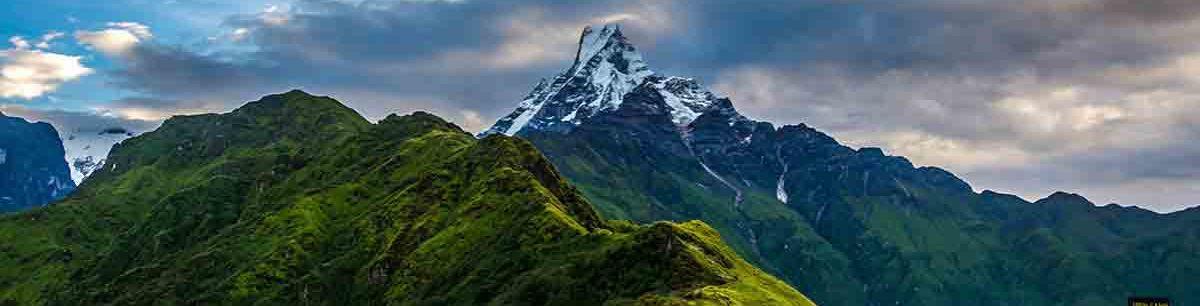

Dhami-Jhankri Shamanism in Nepal is one of the most enduring and culturally significant spiritual traditions of the Himalayas. In 2026, this living system of healing, ritual, and worldview continues to influence millions of Nepalis—especially in remote mountainous regions. Rooted in ancestral beliefs that predate organized religion, Dhami-Jhankri practices reflect a deep connection between humanity, nature, and the spirit world.
This article explores the history, beliefs, rituals, social role, and modern continuation of Dhami-Jhankri shamanism—providing a complete and authoritative guide for readers .
What Is Dhami-Jhankri Shamanism? An Overview
Dhami-Jhankri refers to spiritual practitioners found across Nepal who act as mediators between the human world and unseen spiritual realms. The tradition combines:
- Healing practices
- Spirit communication
- Ritual cleansing and protection
- Cultural performance
The term itself varies regionally:
- Dhami – often used in the mid-hills
- Jhankri – common in the foothills and highlands
- Other local terms – may exist among different ethnic groups
Together, these practitioners form the backbone of shamanic tradition in Nepal’s cultural landscape.
Historical Roots of Shamanism in Nepal
Shamanic traditions like Dhami-Jhankri are ancient—older than the formalized religious systems now practiced in Nepal.
Before the spread of Hinduism and Buddhism, Himalayan communities developed spiritual systems grounded in nature worship and ancestor reverence. Shamanism emerged as a natural extension of these beliefs.
Key Historical Influences
- Animism and Nature Worship
Early communities believed that mountains, rivers, forests, and animals possess spirits. Shamans served as interpreters between these spirits and humans. - Integration with Organized Religions
Over centuries, elements of Hindu and Buddhist cosmology blended with shamanic practice, creating unique syncretic systems. - Ethnic Diversity as a Strength
Ethnic groups such as the Gurung, Magar, Tamang, Rai, Limbu, and Sherpa each maintain versions of shamanic practice, expanding the cultural reach of Dhami-Jhankri.
Historical continuity and adaptability have ensured that Dhami-Jhankri remains locally relevant even as society changes.
Core Beliefs of Dhami-Jhankri Shamanism
At the heart of Dhami-Jhankri belief are relationships with invisible spiritual forces. While details vary regionally, common themes include:
The Spirit World Is Everywhere
Shamans believe unseen spirits inhabit landscapes, time, and even personal emotions. These spirits can:
- Be helpful (protective)
- Be indifferent
- Be harmful (disruptive)
Well-being is therefore maintained through balance with the unseen.
Illness as Spiritual Imbalance
In Dhami-Jhankri cosmology, many illnesses are understood not as biological malfunction but as spiritual disturbance. Causes may include:
- Spirit intrusion
- Loss of soul essence
- Anger of local deities
- Broken social harmony
Healing is thus both spiritual and social.
Spiritual Calling and Possession
A Dhami or Jhankri does not become one by choice alone. Many receive a spiritual calling—often initiated by illness or dream visitation by spirits. Surviving this experience and integrating its meaning is part of the shaman’s path.
Rituals and Practices in 2026
Dhami-Jhankri rituals are diverse, but many share recognizable elements that remain active in 2026:
Spirit Invocation and Communication
The shaman enters a trance state through:
- Drumming
- Chanting
- Dancing
- Use of symbolic objects
In trance, the shaman negotiates with spirits to resolve problems affecting individuals or communities.
Healing Ceremonies
A typical healing ceremony may include:
- Smoke purification
- Ritual offerings
- Prayer and chanting
- Physical touch or laying of hands
- Divination
Patients and families often spend considerable time preparing for these ceremonies.
Seasonal and Community Rituals
Seasonal rituals align with planting, harvest, and local festivals. These community ceremonies ask for:
- Protection from natural calamities
- Good health
- Prosperity
- Harmony with nature
In 2026, such community rituals remain vibrant in rural Nepal.
Influential Tools and Symbols in Practice
Dhami-Jhankri shamans work with a range of ritual implements:
| Tool | Purpose |
| Drum (Dhyangro) | Entrances trance and connects to spiritual realms |
| Bell | Clears negative energy |
| Herbs | Used in purification and medicine |
| Offerings | Made to spirits or deities |
| Sacred threads | Protection and spiritual marking |
Each tool serves symbolic and functional roles in shamanic rites.
Shamanism and Community Life
Dhami-Jhankri practitioners hold central roles in their communities. They are often called upon to:
- Diagnose and treat illnesses
- Resolve interpersonal disputes
- Bless new homes or fields
- Provide spiritual protection
- Interpret dreams and omens
In many villages, the shaman acts as healer, counselor, and cultural custodian.
The Shaman’s Path: Initiation and Training
Becoming a shaman in Nepal is not standardized. Training is often:
- Oral and experiential
- Passed from mentor to apprentice
- Grounded in direct spiritual experiences
Many dhami-jhankri apprentices undergo years of observation, learning chants, rituals, and the nuances of spirit communication.
Dhami-Jhankri in Relation to Hinduism and Buddhism
Nepal is officially secular but historically connected to both Hindu and Buddhist traditions. Dhami-Jhankri practices interact with these religions by:
- Adopting local deity names and rituals
- Sharing festival calendars
- Serving communities that identify as Hindu or Buddhist
Despite sometimes being seen as outside formal religion, shamanism complements organized practices in many ways.
Modern Challenges and Evolution
As Nepal continues to urbanize and modernize, Dhami-Jhankri shamanism faces pressures:
Healthcare Integration
Many people increasingly consult medical professionals. However, in remote areas, shamans often function as primary care providers due to access constraints.
Cultural Misunderstanding
Modern education sometimes dismisses shamanism as superstition. Yet many Nepalis still value its role in emotional, cultural, and spiritual healing.
Preservation Through Scholarship
Anthropologists and cultural organizations in 2026 are documenting Dhami-Jhankri practices—preserving oral histories and performance traditions for future generations.
Why Dhami-Jhankri Still Matters in 2026
Despite changes in society, Dhami-Jhankri shamanism persists because it addresses deep human needs:
- Meaning in suffering
- Identity within community
- Connection to ancestors
- Sense of balance with nature
These roles are not easily replaced by medicine or religion alone.
Comparison: Traditional Shamanism vs. New Age Shamanic Trends
While Dhami-Jhankri shamanism is rooted in Nepali culture, global “New Age” shamanism popular in the West differs in key ways:
| Aspect | Dhami-Jhankri (Nepal) | New Age Shamanism |
| Cultural Root | Deep local lineage | Global eclectic mix |
| Training | Mentor-based, long term | Workshops, short courses |
| Purpose | Community healing and harmony | Personal transformation |
| Cosmology | Spirit world intertwined with daily life | Symbolic and varied |
Understanding this distinction is critical for respecting the authenticity of Nepal’s tradition.
How to Respectfully Experience Dhami-Jhankri Shamanism
Visitors to Nepal in 2026 interested in shamanism should follow ethical guidelines:
- Seek permission before attending ceremonies
- Respect all cultural norms
- Avoid exploitation of rituals
- Learn from local scholars and practitioners
Cultural immersion should be grounded in humility and respect.
Frequently Asked Questions About Dhami-Jhankri Shamanism
Is Dhami-Jhankri the same as witchcraft?
No. While some outside observers may conflate the terms, Dhami-Jhankri is a structured spiritual tradition with historical roots—distinct from negative stereotypes associated with “witchcraft.”
Do Dhami-Jhankri practitioners use herbs as medicine?
Yes. Herbal knowledge is integral to practice, often combined with ritual for healing physical and spiritual ailments.
Are these practices still common in 2026?
Yes. Although urbanization influences changes, Dhami-Jhankri remain active, especially in rural and mountainous parts of Nepal.
Conclusion: The Enduring Relevance of Shamanism in Nepal
Dhami-Jhankri Shamanism in Nepal is more than a relic of the past. In 2026 it continues as a vibrant, living tradition that fulfills spiritual, social, and cultural needs across the Himalayas.
By bridging the human and spirit worlds, shamans preserve ancient wisdom while adapting to contemporary challenges. For scholars, travelers, and cultural enthusiasts, Dhami-Jhankri shamanism offers an unparalleled window into Nepal’s spiritual heart.
