
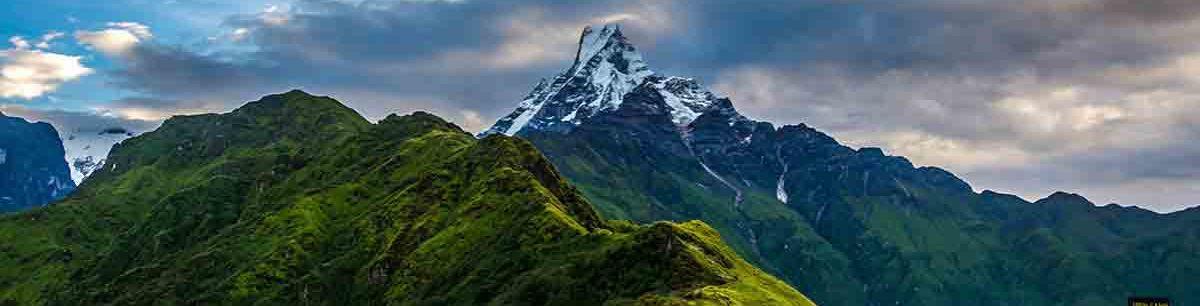

Nepal Wellness Tourism 2027 is emerging as a transformative national vision, positioning Nepal as a global hub for yoga, meditation, and natural healing. With the government prioritizing wellness tourism and announcing plans for a comprehensive strategy, the country is preparing to redefine its tourism identity beyond mountains and adventure. This ambitious initiative, combined with the declaration of “Wellness Year 2027,” signals Nepal’s commitment to integrating Eastern philosophy, holistic health, and sustainable tourism into a unified global offering.
Introduction: A New Era for Tourism in Nepal
For decades, Nepal has been synonymous with trekking in the Himalayas, spiritual journeys to Lumbini, and cultural exploration in Kathmandu. However, the global tourism landscape is evolving. Travelers today are increasingly seeking meaningful experiences that enhance physical health, mental clarity, and spiritual growth.
Recognizing this shift, the Nepalese government has placed wellness tourism at the forefront of its national development strategy. A dedicated wellness tourism framework is expected to be introduced soon, guiding investments, infrastructure, and global promotion efforts.
What Is Wellness Tourism?
Wellness tourism refers to travel aimed at promoting health and well-being through physical, psychological, and spiritual activities. It includes experiences such as:
- Yoga retreats
- Meditation programs
- Ayurveda and natural healing therapies
- Detox and spa treatments
- Spiritual pilgrimages
Globally, wellness tourism is one of the fastest-growing travel sectors, driven by increasing stress levels, lifestyle diseases, and a desire for holistic well-being.
Nepal, with its deep-rooted traditions in spirituality and natural healing, is uniquely positioned to benefit from this trend.
Why Nepal Is Ideal for Wellness Tourism
1. Birthplace of Buddha and Spiritual Heritage
Nepal is the birthplace of Gautama Buddha, making it one of the world’s most significant spiritual destinations. Sites like Lumbini attract pilgrims and seekers from across the globe who are interested in meditation and mindfulness.
2. Rich Tradition of Yoga and Meditation
Yoga and meditation have been practiced in Nepal for centuries, deeply intertwined with Hindu and Buddhist philosophies. From monasteries in the mountains to urban wellness centers, Nepal offers authentic experiences rooted in ancient traditions.
3. Natural Healing Environment
The country’s diverse geography—from the Himalayan peaks to lush jungles—provides a serene and pollution-free environment ideal for healing and rejuvenation. Clean air, fresh water, and tranquil landscapes enhance the effectiveness of wellness practices.
4. Ayurveda and Herbal Medicine
Nepal has a strong tradition of Ayurveda, using natural herbs and holistic treatments to promote health. Many wellness centers offer Ayurvedic therapies, detox programs, and personalized treatments.
Government Vision: Nepal Wellness Year 2027
The government has officially recognized wellness tourism as a key pillar of economic growth and tourism diversification. The declaration of “Nepal Wellness Year 2027” reflects a coordinated effort to:
- Promote Nepal as a global wellness destination
- Attract high-value international tourists
- Develop infrastructure for wellness retreats and healing centers
- Encourage private sector investment
This initiative is expected to involve multiple agencies working together to create a cohesive brand for Nepal’s wellness tourism sector.
Key Features of the Upcoming Wellness Strategy
1. Integrated Policy Framework
The government plans to introduce a comprehensive wellness tourism strategy within a short timeframe. This policy will outline:
- Standards for wellness centers
- Certification systems for practitioners
- Guidelines for sustainable development
2. Promotion of Eastern Philosophy
Nepal’s wellness tourism will emphasize Eastern philosophies such as:
- Mindfulness and meditation
- Spiritual healing
- Harmony between body and mind
These elements differentiate Nepal from Western wellness destinations that often focus more on luxury spa experiences.
3. Infrastructure Development
To support the growth of wellness tourism, Nepal will invest in:
- Retreat centers and eco-resorts
- Wellness spas and Ayurveda clinics
- Improved transportation and accessibility
4. Global Marketing Campaigns
Nepal will promote itself internationally as a wellness destination through digital campaigns, partnerships, and participation in global tourism events.
International Recognition: April 15 as International Wellness Day
Nepal is also taking steps to gain global recognition for wellness tourism by thanking UN member states for supporting April 15 as International Wellness Day. This move aligns Nepal with global wellness initiatives and strengthens its position on the international stage.
Such recognition will help:
- Increase global awareness
- Encourage international collaboration
- Attract wellness travelers worldwide
Popular Wellness Experiences in Nepal
Yoga Retreats in Pokhara
Pokhara is one of the top destinations for yoga retreats, offering stunning views of the Annapurna range and a peaceful lakeside environment. Many retreats combine yoga with meditation, detox programs, and nature walks.
Meditation in Buddhist Monasteries
Monasteries in regions like Mustang and Solukhumbu provide immersive meditation experiences guided by monks.
Ayurveda and Spa Treatments
Cities like Kathmandu and Pokhara host wellness centers offering traditional Ayurvedic therapies, massages, and holistic healing programs.
Nature-Based Healing
Activities such as forest bathing, trekking, and eco-retreats allow visitors to reconnect with nature and improve mental well-being.
Economic Impact of Wellness Tourism
The development of wellness tourism is expected to bring significant economic benefits to Nepal:
1. Increased Tourist Spending
Wellness tourists typically spend more than average travelers, contributing to higher revenue.
2. Job Creation
The sector will create jobs in:
- Hospitality
- Healthcare
- Wellness services
- Transportation
3. Rural Development
Many wellness retreats are located in rural areas, promoting local economies and reducing urban migration.
4. Sustainable Tourism Growth
Wellness tourism aligns with sustainable practices, minimizing environmental impact while maximizing economic benefits.
Challenges and Opportunities
Challenges
- Lack of standardized wellness services
- Limited international marketing
- Infrastructure gaps in remote areas
Opportunities
- Growing global demand for wellness travel
- Nepal’s authentic cultural and spiritual heritage
- Government support and policy initiatives
By addressing these challenges, Nepal can unlock its full potential as a leading wellness destination.
Sustainable and Responsible Wellness Tourism
Sustainability will be a core component of Nepal’s wellness tourism strategy. This includes:
- Eco-friendly accommodations
- Community-based tourism
- Conservation of natural resources
Travelers are increasingly choosing destinations that prioritize sustainability, making this approach essential for long-term success.
Future Outlook: Nepal as a Global Wellness Hub
With strong government backing, rich cultural heritage, and natural advantages, Nepal is poised to become a global leader in wellness tourism by 2027.
The integration of yoga, meditation, and natural healing into the tourism sector will not only attract international visitors but also promote a healthier lifestyle among locals.
As the world continues to prioritize well-being, Nepal’s vision aligns perfectly with global trends, offering a unique blend of spirituality, nature, and holistic health.
Conclusion
Nepal Wellness Tourism 2027 represents a bold and forward-thinking initiative to transform the country into a global hub for yoga, meditation, and natural healing. By leveraging its spiritual heritage, natural beauty, and government support, Nepal is set to redefine its tourism industry and create a sustainable, high-value sector.
From the peaceful monasteries of Mustang to the serene lakes of Pokhara, Nepal offers an unmatched environment for wellness and rejuvenation. As the country prepares to celebrate Wellness Year 2027, it invites the world to experience healing, balance, and transformation in one of the most spiritually rich destinations on Earth.
