
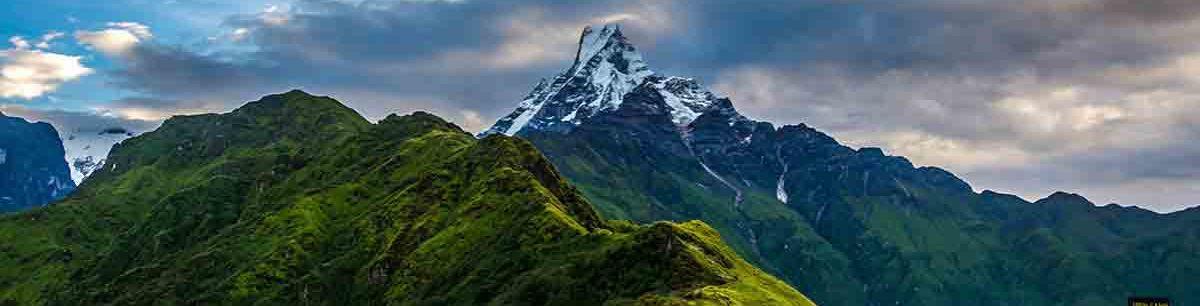

Nepal has long been regarded as the global heart of trekking and Himalayan adventure travel. From the legendary Everest Base Camp trek to the culturally rich Annapurna Circuit, the country has attracted millions of trekkers seeking natural beauty, spiritual connection, and physical challenge. However, the future of trekking in Nepal is entering a decisive phase.
Climate change is no longer a future possibility—it is an active force reshaping Nepal’s mountains, ecosystems, trekking seasons, and tourism economy. By 2035, adventure travel in Nepal will look noticeably different from what trekkers experienced even a decade ago.
This article explores in depth how climate change will influence trekking routes, weather patterns, infrastructure, safety, sustainability, and traveler behavior, while also examining how Nepal can adapt to protect its most valuable adventure asset: the Himalayas.
Understanding Climate Change in Nepal’s Himalayan Region
The Himalayas are among the most climate-sensitive regions on Earth. Scientific observations confirm that Nepal’s mountain areas are warming faster than the global average. Even small temperature increases have dramatic consequences at high altitude.
Key climate-related changes already observed include:
- Accelerated glacier retreat
- Thinning snow cover and unstable ice formations
- Increased frequency of landslides and floods
- Erratic rainfall and delayed monsoons
These changes directly affect the future of trekking in Nepal because trekking depends heavily on stable terrain, predictable seasons, and reliable water sources.
Moreover, fragile alpine ecosystems are struggling to adapt at the same pace as climate shifts, increasing long-term environmental risks.
How Trekking Seasons in Nepal Will Evolve by 2035
Traditionally, trekking in Nepal has followed a predictable seasonal calendar. Spring and autumn have long been considered the best times for trekking. However, climate change is disrupting this balance.
Shortened and Less Predictable Peak Seasons
Autumn trekking seasons are increasingly affected by late monsoons and unexpected storms. Likewise, spring seasons now experience warmer temperatures, rain instead of snow, and unstable trail conditions.
As a result, peak trekking windows may become shorter and less reliable.
Expansion of Shoulder and Winter Trekking
By 2035, winter trekking at lower altitudes and post-monsoon treks may grow in popularity. Regions below 3,500 meters may become more accessible year-round due to warmer temperatures.
However, this shift will require new safety protocols and route planning.
Increased Dependence on Real-Time Weather Forecasting
Trekkers will no longer rely solely on traditional trekking calendars. Instead, real-time forecasts, flexible itineraries, and local expertise will become essential.
Climate Change and Its Impact on Major Trekking Routes
Everest Region and Everest Base Camp Trek
The Everest region is already experiencing visible glacial retreat, especially around the Khumbu Glacier. By 2035, the future of trekking in Nepal’s most famous region will involve:
- Rerouted trails to avoid unstable ice and rock
- Increased avalanche and icefall risk
- Greater reliance on professional guides and fixed safety systems
While Everest Base Camp trekking will continue, it will become more regulated and technologically supported.
Annapurna Region: Annapurna Circuit and ABC Trek
The Annapurna region faces a combination of climate pressure and infrastructure expansion. Climate change has increased landslide risks, while irregular snowfall affects high passes like Thorong La.
Future adaptations may include:
- Alternative high routes away from erosion zones
- Stronger trail maintenance systems
- Increased focus on conservation-based trekking
Langtang, Manaslu, and Remote Trekking Regions
Less crowded regions such as Langtang, Manaslu, and Dolpo may see increased interest as trekkers seek quieter and more sustainable alternatives.
However, these areas are also vulnerable to climate hazards, including glacial lake outburst floods and landslides. Careful development will be critical.
Safety and Risk Management in the Future of Trekking in Nepal
Safety will become a defining factor in adventure travel decisions.
Rising Natural Hazards
Climate change increases the frequency and severity of:
- Landslides during prolonged rainfall
- Flash floods in narrow valleys
- Avalanches due to unstable snowpack
- Glacial lake outburst floods
These hazards make unguided trekking increasingly risky.
Decline of Independent Trekking
By 2035, independent trekking may decline significantly in high-altitude regions. Instead, licensed guides, trained in climate risk management, will play a central role.
Technology-Driven Safety Solutions
The future of trekking in Nepal will involve widespread use of:
- Satellite phones and GPS trackers
- Digital permit and monitoring systems
- Improved helicopter rescue coordination
Climate-Resilient Trekking Infrastructure
Trekking infrastructure must adapt to survive in a changing climate.
Evolution of Teahouses and Lodges
Teahouses will increasingly adopt:
- Solar and renewable energy systems
- Improved insulation for extreme temperature shifts
- Rainwater harvesting and water conservation
These upgrades will not only improve sustainability but also enhance traveler comfort.
Sustainable Trail Engineering
Future trail development will prioritize:
- Erosion-resistant construction
- Safer river crossings
- Rerouting away from landslide-prone zones
This approach ensures long-term trail viability.
Sustainability and Responsible Trekking: A Core Requirement
The future of trekking in Nepal depends heavily on responsible tourism.
Environmental Regulations and Permit Controls
By 2035, trekking permits may include:
- Visitor caps in sensitive regions
- Mandatory environmental fees
- Strict waste management enforcement
These measures aim to balance tourism growth with environmental protection.
Role of Eco-Conscious Travelers
Trekkers will be expected to:
- Minimize plastic use
- Support locally owned lodges
- Respect wildlife and fragile ecosystems
Responsible trekking will no longer be optional—it will be expected.
Impact of Climate Change on Local Mountain Communities
Mountain communities are on the front lines of climate change.
Economic Vulnerability
Shortened trekking seasons and unpredictable weather can reduce income stability for guides, porters, and lodge owners.
New Opportunities Through Adaptation
However, adaptation also creates opportunities, including:
- Climate-resilient tourism jobs
- Community-based eco-lodges
- Conservation and monitoring roles
The future of trekking in Nepal must prioritize community resilience alongside environmental protection.
How Adventure Travelers Must Prepare for Trekking in Nepal by 2035
Trekkers will need to adjust expectations and preparation.
Flexible Travel Planning
Rigid itineraries will become less practical. Travelers should allow buffer days and alternative routes.
Higher Physical and Mental Readiness
Climate-driven challenges require stronger fitness, improved acclimatization, and mental resilience.
Increased Trekking Costs
Enhanced safety, sustainability measures, and conservation efforts may increase costs. However, these investments ensure long-term trekking viability.
Is the Future of Trekking in Nepal Still Bright?
Despite these challenges, trekking in Nepal will remain one of the world’s most rewarding adventure experiences.
The future of trekking in Nepal is not about decline—it is about transformation. Trekking will become more:
- Guided and safety-focused
- Environmentally responsible
- Community-centered
Those who adapt will continue to experience the Himalayas in meaningful and sustainable ways.
Final Thoughts: Trekking in Nepal Beyond 2035
Climate change is reshaping adventure travel worldwide, and Nepal is no exception. However, with responsible policies, sustainable tourism practices, and informed travelers, Nepal can protect its trekking heritage.
By 2035, trekking in Nepal will demand awareness, respect, and adaptability. In return, it will continue to offer life-changing journeys through one of the planet’s most extraordinary landscapes.
