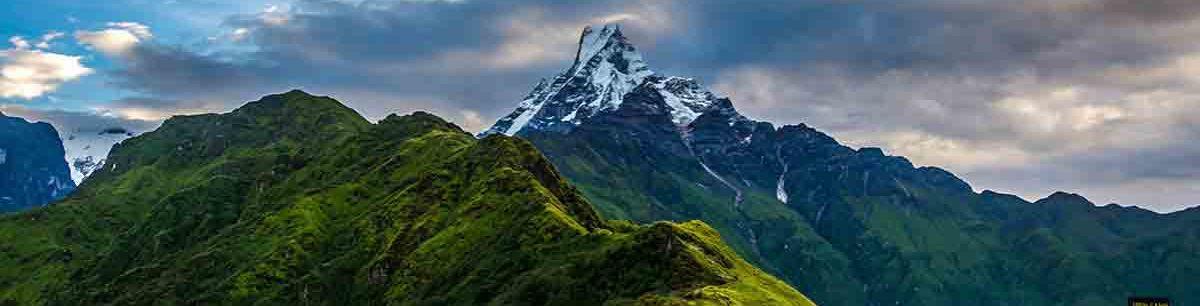
Dhampus Peak Climbing

Rating: 5 out of 5.

Thapa Peak Climbing is another name for the 6012-meter/19724-foot Dhampus Peak Climbing. It is situated between the Dhaulagiri and Annapurna mountain ranges. The majestic Dhaulagiri Himalayan Range’s Dhampus peak rises to the north-east of it, to the north-west of the lovely city of Pokhara.

Dhampus is one of the easily climbable mountains above 6000 meters that provides a stunning perspective of the entire Upper Kali Gandaki Valley and the River. You may see breathtaking vistas of more than thirty distinct peaks between the Annapurna and Dhaulagiri ranges after you reach the Dhampus peak.

During this trek, one can explore the Annapurna and Mustang region. Mountains like Mt. Dhaulagiri, Mt. Annapurna I, Mt. Annapurna II, Hiunchuli, Annapurna South, fishtail (Machapuchare), Mt. Nilgiri, Lamjung Himal, and Tukuche peak may all be seen in their breathtaking magnificence. For climbers, Dhampus is a highly fascinating peak situated in the northeast of the massive Dhaulagiri range.

The journey provides an opportunity to investigate the subalpine and temperate highlands of the Annapurna Conservation Area’s flora and fauna.

Dhampus Peak Climbing: Route

The first leg of our climbing adventure is the drive from Kathmandu to Pokhara. There are two possibilities available to us: either we follow the complete Dhaulagiri circuit trip, or we can ascend Dhampus Peak through the quick way of Jomsom. Before we arrive at the base camp for Dhampus Peak, the Dhampus Peak climbing trail through a number of traditional villages and passes through numerous passes that offer amazing views of the Himalayas.

The most important aspect is that it offers a stunning perspective of Annapurna I, II, III, and IV. The main draws in this area are the snow-covered summits Annapurna South, Nilgiri Peak, Tilicho Peak, and many others. We will have a safe day for acclimatization because we are ascending to a greater altitude. From the high camp, we ascend directly and reach the Dhampus summit by following the snow crest. We’ll fly back to Pokhara from Jomsom after making a secure return through Yak kharka.

Dhampus Peak Climbing: Difficulty

This peak may be climbed without prior climbing expertise, although adequate acclimatization as you approach it is crucial. The French Col, Dhampus Pass, Hidden Valley, and the local nomadic culture are just a few of the attractions of the Dhaulagiri Circuit Trek that are all memorable encounters. Dhampus Peak Climbing would be an exceptional adventure retreat thanks to the carefully planned schedule, the knowledgeable Sherpa Climbing guides and Sherpa cooks, and the top-notch climbing equipment.

Dhampus Peak Climbing: Cost

The estimated cost depends on the type of trek being undertaken and the spendthrift factor. However, the price often falls between US $2200 and US $3000. It also depends on how much one wants to treat themselves to various extra indulgences.

Dhampus Peak Climbing: Important Documents and Items

Below are some of the important documents and items you must carry while undergoing the Dhampus Peak Climbing:

  • Valid passport, 2extra passport size photos, airline tickets
  • Separate photocopies of passport, visa form (easily obtained at Kathmandu airport), proof of insurance
  • Dollars, pounds or Euros in cash for purchasing Nepalese visa at Kathmandu airport, for paying for restaurants and hotels, for gratuities, snacks, and to purchase your own drinks and gifts
  • Credit cards, Bank/ATM/Cash machine cards for withdrawing funds from cash machines (bring a photocopy of your cards), traveler’s checks, etc

Dhampus Peak Climbing: Preparation

It is crucial to be in good health before engaging in any form of trekking or climbing. The majority of peak climbing is appropriate for enthusiastic trekkers who can travel light and go for at least 6-7 hours per day.

The duration of the climb or walk need not be 6-7 hours per day; on occasion, it may even be 7-8 hours. Although walking at higher elevations is more physically taxing than walking at lower altitudes, if we are in good physical shape, have a positive outlook, and have a strong sense of determination, we can complete the trek successfully.

To increase our strength and stability, it’s a good idea to exercise and jog frequently. Although it would be advantageous to have prior hiking experience, no technical knowledge is necessary for this excursion. Additionally, we suggest that you speak with your doctor(s) before traveling.

Dhampus Peak Climbing: Accommodation

The lodging options for the Dhampus Peak Climb excursion are modest and do not include many opulent amenities. You might need to get used to using the shared bathrooms and enjoying the fireplace’s warmth. Similar to this, meals are provided three times daily during the designated set periods during the Dhampus Peak Climb excursion.

Dhampus Peak Climbing: Altitude Sickness

Altitude sickness is a danger associated with climbing endeavors like the Dhampus Peak Climb and is managed along the trek through various acclimatization techniques including hiking. Acute Mountain Sickness (AMS), High Altitude Pulmonary Edema (HAPE), and High Altitude Cerebral Edema are the three stages of altitude sickness that we need to be aware of. Following are some strategies for avoiding altitude sickness:

  • Hydration: It’s crucial to stay hydrated, so drink lots of water.
  • Trekking Pace: Go at your own speed while taking your time and taking it easy.
  • Eat more carbohydrates. We don’t often hear the advice to do so, but greater altitudes mean you require more calories.
  • Avoid Alcohol: Alcohol, cigarettes, and drugs like sleeping pills can exacerbate the symptoms of altitude sickness. Prevent it, then.
  • Medication– Altitude sickness can be avoided by taking acetazolamide (Diamox) two days prior to departure as well as while traveling. A drug called acetazolamide is frequently prescribed to treat glaucoma. However, it’s also employed to avoid altitude sickness.

Feel Free To Contact Us.

Naya Kanga Peak Climbing

Rating: 5 out of 5.

The Naya Kanga Peak (5844m), sometimes referred to as the Ganja La Chuli, is located in the Langtang region and is one of the most well-liked peaks to climb in Nepal. This peak draws a lot of mountain climbing enthusiasts to its summit due to its easy accessibility and overpowering delight during the ascent. A journey through the Tibetan-influenced villages in Langtang with a wide variety of species is available on the Naya Kanga Peak Climbing. The Naya Kanga Peak Climbing is a superb alternative for trekkers and mountaineers alike, with a little of Tibetan culture, a pinch of floral and faunal richness, and a whole lot of Himalayan presence.

The quickest and least expensive peak to climb in Nepal is Naya Kanga, which can be reached in just 15 days. Naya Kanga Peak is situated north of Kathmandu, inside Nepal’s second-largest national park, in the southern range of the lovely Langtang Valley. Because the Langtang Valley extends up to the Tibetan border, it is not surprising that Tibetan ancestry and proximity have had a significant impact on the local culture. Peaks around 6500 meters high frame the Langtang valley on the north, and smaller mountains between 5 and 6000 meters high frame it on the south. Naya Kanga is a range in the south. You are surrounded by innumerable magnificent mountains in Nepal and Tibet from the top of Naya Kanga Peak. Looking north, you can see practically all of the peaks of the Lantang mass, including Langtang II, 6596 meters, and Lirung, 7246 meters. Looking east, you can see the adjacent Ganja La, 5122 meters, Ganchenpo, 6387 meters, Langshisa Ri, 6370 meters, and Pemthang Karpo Ri, 6830 meters.

Naya Kanga Peak Climbing: Best Time

September, October, and November in the fall offer consistently good weather in the area. The highlight of trekking and peak climbing is the clear skies and unhindered vistas of the snow-capped mountains. In Nepal, spring is a beautiful period for peak-climbing and hiking. March, April, and May are wonderful weather and environmental months in the spring. The Himalayan mountains will be clearly visible to you, and you’ll also enjoy the picturesque pathways and hills that are red and pink from rhododendron blooms that cover them. It’s a perfect time to climb because of the clear skies and comfortable temps.

Naya Kanga Peak Climbing: Difficulty

A quick trekking peak in the Langtang region is Naya Kanga Peak. Most climbers find the approaches to Naya Kanga Peak to be simple and comfortable. You do not need any technical knowledge or expertise before ascending the Naya Kanga Peak, but there are some physically demanding high sections during the route. However, because this is a rather difficult hike and climb, climbers must have a basic level of fitness. You must traverse the rocky trails in the area to reach Naya Kanga Peak, which can be rather difficult. You will be put to the test on the gravel path’s and staircases’ continuous up and down.

Naya Kanga Peak Climbing: Meals

Holidays involve a lot of eating. You get to sample a wide variety of delicious foods, including Nepalese, Chinese, Continental, Italian, and a few regional dishes. The package includes lunch, dinner, and breakfast. Throughout your trip, your guide will recommend scrumptious, sanitary, and unique foods at each location. The owner of a mountain restaurant prefers not to place a large order and waste food because they want to feed more hikers before they become stranded. It takes porters and caravans a week or more of laborious labor to transport food to these locations. You will often eat breakfast and dinner at the same lodge while on this walk, with lunch at one of the trailside eateries along the way.

Naya Kanga Peak Climbing: Tips for the Trip

  • Regular hydration and acclimatization are crucial.
  • Make reservations for all the dining and lodging options.
  • Always use a knowledgeable guide.
  • Before setting out on the hike, check the weather forecast.
  • Walking slowly while stopping frequently to relax is advised.
  • Alcohol should be avoided because it can lead to dehydration and altitude sickness.
  • Take Diamox tablets with you on the hike to prevent altitude sickness.
  • Get the right travel insurance before your trip.
  • Bring refreshments with you for the hike, such as protein bars, granola bars, chocolate bars, and Snickers.

Naya Kanga Peak Climbing: Accommodation

Most tea houses offer private rooms, with the exception of those at high altitudes, which will only have dormitories. The lodges are quite simple. The rooms are small, with only twin beds and a few other pieces of furniture. Usually, blankets are provided. The dining room typically has solar lighting, and most teahouses now also have electricity for charging small appliances like mobile phones and cameras, though there may be a small charge for this. There is a large dining room-cum-lounge, warmed by the bukhara stove (an iron cylinder, fitted with a chimney duct, in which a log fire is lighted).

Naya Kanga Peak Climbing: Permits and Costs

$250 USD each individual throughout the springtime (March, April, May).

Autumn ($125 USD per person in September, October, and November) and summer ($70 USD per person in June, July, and August) and winter ($70 USD per person) (December, January, February).

In addition, you must deposit $500 USD as “a garbage deposit” in accordance with the guidelines of the Nepal Mountaineering Association. This deposit is refunded at the conclusion of the trip provided the requirements are met.

Naya Kanga Peak Climbing: Route

The Naya Kanga Peak Climbing trekking path crosses through numerous small towns inhabited by numerous ethnic groups, giving us the chance to meet with the locals and learn about their distinctive customs, cultures, lifestyles, and spiritual ties to the High Himalayas. Our journey is made more enjoyable by the stunning forests, rivers, streams, waterfalls, and imposing mountains. There is a great chance of seeing wild animals and lovely birds while traveling through the Langtang National Park. Because of the trail’s adventurous activities, stunning natural beauty, and kind hospitality of the inhabitants, climbing Naya Kanga will remain in your memories forever.

Feel Free To contact Us.

Chulu east and far east Peak Climbing

Rating: 5 out of 5.

One of the most captivating experiences one may go on is climbing Chulu East Peak. At 6,584 meters above sea level, the peak provides breathtaking views of the Annapurna mountain range, including Manaslu (8163 meters), Dhaulagiri (8167 meters), and Tilicho (7134 meters), among many others. Chulu East Peak climbing requires knowledge and trekking experience as well as good physical condition and stamina because the majority of the climbing will be concerned with rope walk along the route, including the glacial passage. It is a mutual combination of trekking trails around the Annapurna massif, climbing the Marshyangdi valley, and passing the Thorong La (5,416m). With the assistance of our knowledgeable, experienced guide, climbers who are physically fit and have some mountaineering experience will be able to successfully summit this peak.

Chulu East Peak Climbing: Route

Similar to the Annapurna Circuit Trekking Trail, the route to Chulu East Peak Base Camp, 5334m, begins at Besi Sahar and follows the Marsyangdi river valley through a stunning range of terrain and culture. The subtropical lower valley, with its terraced farms and Gurung-inhabited villages, is where we begin. We leave the Annapurna Circuit Trail at Pisang and enter an unpopulated area. We then follow a ridge through pine forests, yak pastures, and mani walls toward the Chulu East Base Camp, which is situated in the moraines below the col in the ridge separating the East and Far East peaks. While we acclimate for two nights in base camp, the Sherpa team sets up a high camp (Camp I). We ascend from high camp to a broad glaciated ridge by scrambling across a difficult, steep moraine and soft snow. You must descend, traverse a cracked glacier, and then ascend steep scree slopes from the col on the glaciated ridge in order to reach the relatively simple but high mountain. We make an effort to photograph the breathtaking vista from Chulu East’s top before descending to Base Camp the same day.

Chulu East Peak Climbing: Best Season

The best seasons to climb Chulu East Peak are in the springtime, from March to May, and in the fall, from September to November (Autumn). But if you are well-equipped for the cold weather, climbing is also a terrific activity in the winter. The vistas of the mountains are crystal clear in December, when it is crisp and chilly, and there are less people in the area. You can choose to make the trip longer or shorter depending on your preferences.

Chulu East Peak Climbing: Altitude Sickness

Breathlessness, among other symptoms, headaches, exhaustion, poor appetite, and poor sleep are some of the early signs. These symptoms may emerge momentarily upon arrival at high elevations (over 3000 meters), but they typically go away after 1–2 days. The frequency of altitude sickness symptoms has much more to do with how quickly people ascend to high elevations than it does with their age or level of fitness. Our programs are meticulously designed to facilitate simple acclimatization. However, it is still feasible that some expedition participants would get so severe altitude sickness that the trip will ultimately have to be canceled.

Chulu East Peak Climbing: Experience and Fitness

Although our Everest Base Camp Trek route is more difficult than our Annapurna Base Camp Trek route, trekking in Nepal for the Dhaulagiri Circuit Trek does not require prior experience. Instead, our itinerary encourages walking comfortable distances. Trekking in the Himalayas constantly exposes us to high elevations and rocky terrain, necessitating appropriate rest and acclimatization to maintain their strength. We always have both accurately listed in our schedule. However, certain exercises like running, skipping, and other exercises will undoubtedly benefit you from the inside out.

Chulu East Peak Climbing: Difficulty

Despite being a moderate trip, climbing Chulu East Peak is not without its challenges. With roughly 23 miles of adventures from Pokhara, the trek is no walk in the park. It’s challenging to move along a zigzagged track and climb steep slopes. Focusing and maintaining endurance power requires a lot of energy, and the climate above base camp is frequently unpleasant and bitterly cold. The challenging aspect of raising altitude is the unpredictable variations in temperature. Bring warm clothing because the weather at and above the base camp is bitterly cold even in the fall.

Chulu East Peak Climbing: Accommodation

We have chosen 2 or 3 star hotels in the cities for your comfort and safety. The hotels can be upgraded to more deluxe ones per your request. All of the lodging as per the schedule is included in the package price. As some villages have a limited number of lodges, during the busiest times of the year, such as in the spring and fall, you might have to share a room with another trekker. A comfortable two-man tent with a mattress and a four-season sleeping bag will be provided for the climbing days. Our crew will try to set up camp in a picturesque location. All the hotel and camping accommodations are provided.

Chulu East Peak Climbing: Permits and Cost

During the spring season (March to May), the climbing permit for Chulu East costs $400 USD per person, however it only costs $200 USD during the fall season (September, October). And throughout the winter (December-February) and summer seasons, it only costs $100 USD if you are prepared for cold and harsh conditions (June to August). Additionally, you must deposit $500 USD as part of the waste deposit, which will be reimbursed once you’ve completed the necessary steps and climbed the required heights.

You must have the following items with you when ascending Chulu East peak.

  • Synthetic insulated paint
  • Shell jacket (which you can put on top of the down jacket while climbing)
  • Insulated snow pant
  • Thick climbing shocks
  • Mountaineering boot
  • Snow goggle
  • Climbing harness
  • Crampons
  • Ice ax
  • Belay device (black diamond ATC XP which is perfect for the progressive climber, excellent braking capabilities, and durable design)
  • Climbing helmet
  • Locking carabineers*2 (D shaped)
  • Non-locking carabineers
  • Ascender
  • Gaiters
  • Mountaineering gloves

Feel Free To Contact Us.

Thorong Peak Climbing

Rating: 5 out of 5.

Mount Thorong (6,144 meters) Climbing is one of the most well-liked and fruitful adventure programs available. The Annapurna area hosts the straightforward-to-climb Thorong peak. It’s not true to claim that you require prior mountain climbing experience in order to climb Thorong Peak. For this exciting journey, you must be emotionally and physically prepared. You must be physically fit enough to climb Thorong Peak and be driven by a desire to experience some of the most breathtaking mountain views in Nepal’s Annapurna region. Along with reaching 6144 meters, you will gain first-hand knowledge of the beautiful Gurung people that live in this isolated area. They have a distinctive architectural style, live in remote settlements, practice Buddhism, and hold fervent spiritual convictions. The route will lead you past rhododendron forests that stand out sharply from the surrounding foliage with their red, white, and pink blossoms. The national flower of Nepal is the rhododendron. The location of Thorong Peak lies south of Thorong La Pass (5146m).

Your excursion starts at Bhulbhule (840m), then gradually climbs through a number of towns until you reach Thorong La Pass and Thorong Peak. At the foot of the Thorong La Pass in the Mustang District, in the holy Vishnu Muktinath Temple, which is revered by both Buddhists and Hindus, you will pay a visit. One of the tallest temples in the world, Muktinath is renowned for its 108 water fountains that are shaped like bulls. Before ending in Pokhara, the trip traverses the Kali Gandaki River Valley, passing through the towns of Jomsom (2743 meters above sea level, on the banks of the river), Marpha (1630 meters), Tukuche, and Tatopani.

Thorong Peak Climbing: Fitness and Experience

We advise engaging in physical activities like running, swimming, and some minor climbs to lower peaks that include climbs requiring the use of crampons for your own safety and success. Be competent of carrying about 30lbs/15 kg and be prepared for intense exposure and sharp drop-offs. Get some training in technical rock and mountaineering climbing if you can to get ready for your trek and ascent of Island Peak. Know how to use various climbing tools like ropes, crampons, and jumar ascenders.

Thorong Peak Climbing: Best Season

From March through May and from October through November, you can go Thorong Peak Climbing. The two seasons represented by these months are spring and autumn. These months are the busiest for trekking because of the consistent weather, moderate climate, and clear skies. On the trail, you will come across a lot of other hikers. The climbers need to be mindful of the technical difficulties that may arise. And prior to the excursion, they must be properly outfitted with the necessary climbing equipment. Additionally, in order to improve your safety and happiness, it is crucial to select a seasoned expedition organizing business that can offer you a qualified climbing guide who is authorized by the government.

Thorong Peak Climbing: Difficulty

It is somewhat difficult to climb Thorong Peak since you not only require previous hiking or climbing experience, but you also need to be in excellent physical condition. Numerous steep sections of the trail may be found from Thorong High Camp to Thorong Base Camp and beyond. You must also navigate some tough sections, and your guide will need to help you well to get to the peak. The terrain is challenging, so you’ll need good health, endurance, and resolve.

Thorong Peak Climbing: Accommodation

In the villages, teahouses will serve as the primary lodging, whereas you spend the night in camp when climbing. Locals run teahouses, which support them financially. The teahouse has very modest amenities, making it appear more like sharing a room in a local’s home than a hotel. You must share a bed with another trekker since the accommodations feature twin beds. Most of the time, restrooms may be present. We will bring all the tents and supplies you need to live throughout a time of climbing.

Thorong Peak Climbing: Required Permits and Cost

The cost of a permit can change depending on the time of year. The permit can become a little pricey as spring approaches, Nepal’s busiest climbing season. The list of fees for climbing Thorong Peak is below:

  • Spring (March to May) – USD 250
  • Autumn (September to November) – USD 125
  • Winter (December to February) – USD 70
  • Summer (June to August) – USD 70

Thorong Peak Climbing: Required Gears

Climbing Gears (Personal)

  • Ice axe
  • Crampons
  • Harness
  • Tape Slings (2)
  • Screwgate Karabiners (2 lock, 2 unlock)
  • Descender/Abseil Device
  • Plastic Mountaineering Boots
  • Ascender
  • Helmet (optional)

Climbing Gears (Group)

  • Snow bar
  • Rope
  • Ice Hammer
  • Ice Screw

Clothing (Head)

  • Sun hat or scarf
  • Light balaclava or warm fleece hat
  • Sunglasses with UV protection

Clothing (Lower Body)

  • Under Garments
  • Hiking shorts
  • Lightweight cotton long pants
  • Light and expedition weight thermal bottoms
  • Fleece or wool pants (seasonal)
  • Waterproof (preferably breathable fabric) shell pants

Feet

  • Thin, lightweight inner socks
  • Thick, warm wool hiking socks
  • Hiking boots with spare laces
  • Camp shoes (sneakers and/or sandals) Gaiters for hiking in winter to the base camp
  • Gaiters

Upper Body

  • T-shirts
  • Light and expedition weight thermal tops
  • Fleece jacket or pullover
  • Fleece Wind-Stopper jacket (optional)
  • Waterproof (preferably breathable fabric) shell jacket
  • Down vest and/or jacket

Hands

  • Lightweight gloves
  • Heavyweight gloves or mittens with a waterproof shell outer (seasonal)

Accessories

  • Sleeping bag rated to -30 degree centigrade and below (depends on season)
  • Headlamp (e.g. Petzl Zoom) with spare bulbs and batteries
  • Trekking Bags/Duffel bag *
  • Basic First Aid Kit
  • Large plastic bags – for keeping items dry inside trek bag
  • Day pack (approximately 2500 to 3000 cubic inches)
  • Trekking Poles
  • Water bottle (2) or camel bag
  • Toiletries (Small wash towel, Toilet papers etc)
  • Ear Plug (who know some people on group are snoring)

Toiletries

  • 1 medium sized quick drying towel
  • Tooth brush/paste (preferably biodegradable)
  • Multipurpose soap (preferably biodegradable)
  • Deodorants
  • Nail clippers
  • Face and body moisturizer
  • Feminine hygiene products
  • Small mirror

Personal Hygiene

  • Wet wipes (baby wipes)
  • Tissue /toilet roll
  • Anti-bacterial hands wash

Feel free To Contact Us.

Cholatse Peak Climbing in Nepal

Rating: 5 out of 5.

A stunning peak with high soaring lines on every aspect, Cholatse (6,440 m), also known as Jobo Lhaptshan, is nestled between the Khumbu and Gokyo Valleys in Nepal’s Everest region. It is one of the Everest region’s challenging trekking peaks. The Nepali Mountaineering Association designated it as a peak of the group A climbing classification. Climbers who are planning a technical challenge between 6000 and 64000 meters above sea level should join this adventure. Route for grades WI2+ M3-4 A1-2. You can consider yourself qualified for the Cholatse trip if you have scaled Ama Dablam or other technical peaks throughout the globe at D+/-, 5.9/5.10 grade levels. This adventure is intended for experienced climbers, not beginners.

Although hikers and climbers prefer the Khumbu region, this area around the Gokyo region receives the fewest visits, and at the location of Cholatse/Taboche peak, there are hardly any people to be seen. Consider climbing this a secret gem in the Khumbu region. Flights from Kathmandu to Lukla, Phakding, Namche Bazaar, Dole, Machhermo, and Gokyo—one of the highest communities in Nepal and the world—mark the beginning of your expedition. In order to speed up the process, we will spend a day at Gokyo acclimatizing before ascending Gokyo Ri (4750m). After reaching Thangna (4650 meters), Cholatse Base Camp (5355 meters), and taking another day to recuperate and acclimate, we continue on to Camp I and finally Camp II. The big day has arrived, when we will climb to the top and then descend to Camp 1 or Base Camp. (In the unlikely event that the weather is unsuitable for climbing, we have a day to spare.) After leaving Base Camp, we go to Photse before returning to Namche Bazaar (3446 meters), where we catch a picturesque flight back to Kathmandu.

Cholatse Peak Climbing: Required Equipment

You will share some of the cluster’s equipment while carrying all of your own. It’s crucial to keep your pack light, so pick lightweight gear and clothing. Make sure you have a variety of weather-appropriate gear on hand. Layering your clothes may be necessary if the weather changes suddenly. Your needs can be met by three layers. Avoid cotton and materials that lose heat in cold weather. Comfortable, long-lasting wool (or other tested textiles) that breathe and wick away perspiration makes for an even more enjoyable experience! ‘ Free water and a windproof duffle will be provided, and porters will carry it on the journey for you. Once the trek is over, you can retain the duffel. You can leave your bag and other non-trekking necessities at our office in Katmandu and pick them up when you arrive back.

Cholatse Peak Climbing: Accommodation

The accomodation for the Cholatse Peak Climbing Trek will be in simple tea houses for boarding and lodging. The most popular way to trek to Cholatse Peak (6,440 m) Climbing is to simply walk from one teahouse to another. In rural villages, teahouses are essentially small hotels that serve both home-cooked meals and a place to sleep. Usually, there are 2 trekkers sharing a room. In the Cholatse Peak Climbing Trek, bathrooms are also communal, and the lodges typically have running cold water and western-style toilets. Additionally, a hot shower is provided, although it requires an additional fee. There may be an additional fee to get a private accommodation in some of the trek’s communities.

Cholatse Peak Climbing: Best Season

The two climbing seasons are the optimum times to climb Cholatse (6,440 m). Autumn and Spring (Late March through May) (September – November). There aren’t as many climbers on Everest during either season as there are on other summits. Climbers should prepare for a small number of climbers. Winter climbing is still an option for skilled climbers, but there are many risks involved. i.e. unsteady circumstances, tea houses may not be open or even those that are may not be well-stocked. Pre-arrangements must be made; however, the amount of climbers will also impact this.

Cholatse Peak Climbing: Cost

The number of the group, the standard of the hotel, and the amenities you want on the mountain will all have an impact on how much the trip will cost. For your initial ascent, you must pay Cholatse Expeditions $8399. All ground transportation, meals, hotel, round-trip flights from Kathmandu to Lukla, sleeping bags, down jackets, climbing permits for Cholatse Peak, and the majority of the climbing gear, including boots, helmets, crampons, harnesses, and ascenders, are included. Before attempting to climb Cholatse Peak, we strongly encourage you to finish your studies because it is no joke and your life cannot be measured in money. Never economize by taking short cuts.

The schedule may be changed after agreement between the agency and the client. The client may decide to add or remove additional activities before processing the trip. Price reductions for fewer activities may be conceivable, and with everyone’s cooperation, new activities may be added.

How challenging is the climb to the Cholatse expedition?

Extreme fitness is expected of climbers. The true expedition starts the day climbers move from base camp to high camps. High altitudes often make breathing difficult, but with the right pre-trip acclimatization, good nutrition, and adequate hydration, your body should adjust and recover. The first significant challenge is after negotiating the icefall and tackling a steep 45–60-degree headwall on the mountain’s west col. We established camp 1 in the constrained spaces of the granite slab just above the ice headwall. From camp 1 to camp 2, the most challenging part of the entire journey, is located. Numerous various climbing techniques on vulnerable, exposed, loose rocky parts. Once you have passed the rocky stage of the climb, you will have another 500 meters of vertical ascent up the knife-edge ridge, which involves navigating crevasses, ice walls, and uneven terrain. Before arriving to Camp1, there is no suitable spot to rest. On this day, you can anticipate a protracted, tiresome ascent. Depending on your climbing skills, you can expect to climb for 8+ hours to reach camp 2. Although the distance from Camp 2 to the summit is just approximately 250 meters, it requires intense concentration to ascend along a ridge with a 1000 meter drop on either side. On this day, you should plan to climb for at least 10 hours because you must reach the top before returning to camp 1. You will get through this final day with the help of all your prior physical preparation, willpower, mental toughness, and tenacity for true adventure.

Feel Free To Contact Us.