Things to do in Chitwan National Park This Winter

Rating: 1 out of 5.

Chitwan National Park is regarded as one of the best national parks in South Asia for wildlife viewing and is a spectacular example of biological evolution with a distinctive assortment of native plants and animals and little human interference.

The country’s diverse natural ecosystem, which supports some of the rarest wild animals and birds in the world, can be learned about by visiting its oldest national park. Deep inside the jungle, it’s possible to view endangered creatures like the Royal Bengal tiger and one-horned Asiatic rhinoceros foraging for food and going for regular walks. Chitwan National Park (CNP), one of the greatest tourist sites in Nepal, is known for its diverse fauna.

Contact Us For Nepal Tour Package

You can enjoy a variety of things that are distinct from mountain climbing excursions when you visit Chitwan National Park. The One-Horned Rhino and Bengal Tiger, two distinct animals that are the last of their kind to exist on Earth and are dispersed throughout this particular large area.

One of its unique qualities is its intriguing culture, which is unmatched on the entire earth. Many tourists find that visiting Chitwan National Park is calming, therefore you shouldn’t skip it when in Nepal. In Chitwan National Park, there are lots of well-liked things to do. Elephant-back safaris, elephant baths, kayaking, jungle walks, visits to elephant breeding centers, village walks, bird watching, cultural programs for the Tharus, and watching the sun set from the banks of rivers are some of the park’s most well-liked activities.

Contact Us For Nepal Tour Package

  • Jeep Safari:

One of the safer ways to watch wildlife in Chitwan National Park is to go on a Jeep Safari. The advantage of a Jeep safari is that it will carry you farther than an elephant-back safari would (932 sq. km.). The entire journey is jam-packed with breathtaking views of a wide variety of exotic flowers, including orchids, eupatorium, philodendron, etc.

You get a sense of the wild in this location, which is abundant with African wildlife safaris, thanks to the tall Elephant grasses that beautify it. In addition, a variety of unusual creatures, including the infamous one-horned rhino, enormous hornbills, Bengal tigers, Gharials, and others, are encountered during your excursion.

  • Nature Walking:

A thrilling activity to partake in while visiting Chitwan National Park is a jungle or nature walk. The walk gives you the chance to see wild creatures up close in the best setting, and it also makes you feel adventurous as you explore through the wilderness, which is home to many violent wild animals.

The one-horned rhinoceros, Royal Bengal Tiger, many varieties of leopard, wild boar, forest deer, and other uncommon animal species may be encountered during your jungle expedition. Wild rhinos and elephants are frequently encountered. During the forest walk, there is frequently a possibility of unforeseen encounters with wild creatures. Therefore, enlisting the help of knowledgeable guides is always a sensible choice.

  • Elephant Bathing:

Elephants protect their bodies from flies and mosquito bites by applying mud and dust as lotion. While taking a bath with the powerful elephants, tourists can play and leap into the river from the back of an elephant. The elephant’s trunk shower is a favorite among those riding on its back.

In Chitwan, taking an elephant bath is a fun jungle activity. In the deep water of the Rapti rivers, where you have the option to dip and dive as you choose, you can enjoy the company of playful elephants.

Contact Us For Nepal Tour Package

  • Bird Watching:

You have the option of going bird viewing in Chitwan National Park. It is one of the more tranquil activities you may enjoy in the park. The enthralling vistas of heavenly birds like Eagles, Giant Hornbills, Grey Crown Prinia, Wood Peckers, Grey Headed Fish Eagles, Rocky Tail Drangos, Serpent Eagles, Hoopies, Honey Buzzards, and others abound in Chitwan National Park. You have the choice of dedicating an entire day to bird watching, which can take up to three days, or you can schedule your entire trip around it.

  • Rent Bikes and Ride to The 20,000 Lake:

In Chitwan, renting a bike is also very affordable. A nice pastime is to pack a picnic and bike to the 20,000 Lake. I would go early in the morning to avoid the afternoon heat; the trip is probably only about 30 to 40 minutes long. This is unquestionably among the nicest things to do in Chitwan, and if you want, it may be really romantic! If you want to stop for lunch, there are a couple hotels that have restaurants in them up that way. Chitwan may perhaps have some temples for you to explore.

  • Tharu Village Walk:

One of the main draws of Chitwan is the Tharus, a distinctive indigenous tribe of Nepal, and their genuine, traditional way of life. Although Tharus can be found throughout the Terai plain, Chitwan National Park is the best place to get a sense of their culture. They’ve been residing outside the park for many years, holding on to their age-old traditions and practices. They live in one-room houses made of mud and clay with thatched roofs, ochre-colored cottages, and no windows or chimneys. In addition to their ethnic language and cuisine, the Tharu culture incorporates hunting, fishing, gathering, and gardening as a way of life. The Tharu settlement in Chitwan National Park can be explored on foot or by oxcart.

Contact Us For Nepal Tour Package

  • Elephant Breeding Center:

The breeding facility was founded in 1985 to conserve the dwindling population of elephants. There are only two elephant breeding centers in the entire world, both of which are in Chitwan. It is one of the most popular tourist destinations in Chitwan. Visitors have the chance to learn about the eating habits, behavior, and pregnancy of elephants. Over at the breeding facility, people are drawn in by the baby elephants. The elephants mating with the wild elephants may also be visible to tourists.

  • Canoe Ride:

The most enjoyable and exciting activity to take part in in the Chitwan National Park is canoeing along the Rapti River. The adrenaline rush you experienced during your jungle safari will instantly subside as you float through the river’s currents while taking in every second. With the view of thick trees on one side of the river and a long length of plain paddy fields on the other side of the bank, the 30-minute ride is absolutely hypnotic. If you’re lucky, you might see a few Gharial tigers lazing in the sun on the river’s banks in addition to a variety of rare birds.

Feel Free To Contact Us.

New Trekking Routes in Nepal

Rating: 5 out of 5.

Nepal offers a wide range of hiking and trekking adventures because it is home to eight of the fourteen tallest peaks and has a vast variety of geographical features. Nepal is the ideal location for outdoor enthusiasts because of its unusual altitude contrast and diverse topography. There is still more to learn, taste, and experience in Nepal than you could ever see in a lifetime of travel. Alpha Adventure Treks & Expeditions (AAT) has created and investigated some of the best new hidden trekking routes in Nepal when popular trekking routes are so crowded and if anyone is looking for quiet and calm trekking routes, less trafficked or completely off the beaten trekking track. These new hiking paths are serene, gorgeous, and magnificent.

The majority of the newly opened trekking routes in Nepal pass via isolated settlements. The expedition therefore mostly relies on “camping,” necessitating your independence in terms of food and camping supplies. However, for interested visitors, picking a new trekking area will be a great enthralling journey whether they are trekking, exploring, studying geography and botany, or for other reasons.

  • Panch Pokhari Trekking:

A brand-new hiking trail in Nepal is called the Panch Pokhari. Northeast of Kathmandu, at the foot of the Jugal Himal, is Panch Pokhari (4,100 m). This location also has cultural, religious, and ecological significance. As a result, the five ponds (Panch Pokhari) in this area are revered. The environment, which is rather diverse and substantial, is located at the foot of the Jugal Himal. It’s kind of a cultural trip in Nepal since you pass through Sherpa and Tamang communities. You will get the opportunity to encounter both traditional Tamang and Sherpa culture on the trip. This camping excursion is also perfect for tourists searching for a serene, spiritual, and lovely trip.

  • WalunchungGola and Lumba / Sumba Pass trekking:

The secret town of WalchungGola is reached after a few days of walking on the same path that leads further north through a beautiful forest of rhododendron, pines, and oaks that is located away from and beyond the major hiking paths of North Kanchenjunga base camp. The Sherpa and Bhotia mountain tribes inhabit this village, which is located along the historic Trans-Himalayan Salt Trade and Caravan Route between Nepal and Tibet. The return journey brings you to the high Lumba-Sumba-La Pass, which is above 5,160m high and offers breathtaking views of Kanchenjunga, Makalu peaks as far as Everest in the west, after spending some time exploring WalunchungGola. The trek is ultimately finished in low, mild farmlands and the town of Tumlingtar, which is located on the Salpa Pass route to Makalu and Everest. 

  • Ghale kharka Siklis Trek:

Gole kharka Siklis Trek takes you to isolated, off-the-beaten-path settlements. The Ghale kharka-Sikles region is referred as the ecological walk. You will travel to the Gurung Ethnic Group’s traditional villages, enjoy the cuisine, and perhaps get to watch some traditional dance acts like the “Ghato” from Sikles. There are also stunning views of the Annapurna and Lamjung Himal. The nature and cultural heritage of this recently opened area are being carefully protected under the supervision of ACAP (Annapurna Conservation Area Project).

  • Tamang Heritage Langtang Gosaikunda:

The closest Himalayan trekking area to the Kathmandu Valley is Tamang Heritage, Langtang Gosaikunda Trek. This trek is a magnificent journey that encompasses the Gosaikunda Trek, the Langtang Valley Trek, and the Tamang Heritage Trek. Following the Trishuli River north of Kathmandu, we ride via Trishuli Bazaar and Dhunche to Syabrubesi, a Tamang village on the outskirts of the Langtang National Park. Then, as we ascend through the lower, gorge-like portion of the Langtang Valley, we make a bend to the east and enter. On the journey to the Tamang settlement of Langtang, we go through oak and rhododendron forests and even traverse a glacier moraine. As is customary, we take a bus from Kathmandu to Syabrubeshi to begin our trip.

  • Mundum Trekking:

The beginning of the Mundum trekking trail is in the Diktel (1650m) district of Khotang village, which is located in the extreme east of Nepal past Haleshi Mahadev. The route then turns south into a valley in the direction of Tamkel Danda. As you make your way north-east up rocky Himalayan slopes to Salpa Pokhari (3348m), you’ll stay in teahouses and get a rare chance to experience Rai culture and go camping (Organize). The Mundum trekking track heads south to Hans Pokhari (2962m) and then on to Bhojpur(1600m)., providing breathtaking views of the Himalayas along the way

  • Khayer Lake / Khopra Danda Trek:

Between the Jomsom hiking trail and the traditional Annapurna Base Camp, the Khayer Lake Trek is a brand-new trekking route in the Annapurna region. It is a recently promoted magnificent trekking path with a mixture of Gurung and Magar culture with spectacular mountain views from Khopra Ridge and Poon Hill across the various Himalayas, including Mt. Dhaulagiri, Annapurna, and Nilgiri. The most beautiful and pristine short walk in the Annapurna Himalayas is the Khopra danda and Khair Lake trip. The journey departs from the beaten path and provides stunning mountain views, untamed terrain, and a traditional Himalayan hiking adventure. Even though the track deviates from the main Annapurna routes, simple community-run teahouses make the journey affordable and more moral by having trekkers pay directly to the community.

Is the new trail safe for solo trekkers?

If you take the right measures and prepare properly, you can trek alone in Nepal. On the Nepalese trekking trails, a lot of hikers go it alone. However, for safety and recognized courses, it is preferable to walk with a native guide on Nepal’s new trekking routes. There may be a number of concerns when hiking on recently opened, less traveled trails. For this reason, trekking with a local guide is usually advised for a secure and stress-free journey. Additionally, it would be beneficial if you could go on your journey with a local guide who has more knowledge of the hiking trails, so you wouldn’t have to worry about the routes or accommodations.

Feel Free To Contact Us.

Jomolhari Base Camp Trek

Rating: 5 out of 5.

Bhutan’s most popular trek. The lowest and highest points of the route, which have altitude differences of 2,500 meters and about 5,000 meters, respectively, offer a diverse range of flora, animals, and terrain. The Jomolhari Trek is the most popular option for hikers who go trekking in Bhutan. It is a trek of a good level, with days that aren’t too long but long enough to make it reasonably cheap, both in terms of physical effort and financial level. The breathtaking view of Mount Jomolhari from Jomolhari Basecamp, Jangothang, is the trek’s high point. A tiny portion of the Jigme Singye National Park is traversed by nearly the entire walk, passing a few Yak herder settlements and the most remote area of Lingshi.

Contact Us For Trekking Package

Most of Bhutan is made up of breathtaking, largely unspoiled natural beauty. permanent white peaks, yak pastures, sporadic traditional settlements in the distance, fauna, and unusual vegetation. From hikes through the secluded solitude of the highlands to excursions that bring you closer to a more cultural side, through villages and monasteries, there are durations and landscapes to suit all interests.

Partial round journeys are also conceivable since most routes may be taken in both directions. The so-called “last Shangri-la” on earth is defined by lush forests and towering Himalayan peaks to the north. The breathtaking environment is barely disrupted by the few roads that are present, and pleasant and calm inhabitants welcome the traveler.

What distinguishes the Jomolhari Base Camp Trek from the Jomolhari Loop Trek and the Jomolhari Trek?

The Jomolhari Loop Trek and the Jomolhari Base Camp Trek are the other two of the three distinct treks that have Jomolhari as their primary destination. The loop trek is the shortest journey that includes Mount Jomolhari and is significantly shorter than the main Jomolhari Trek.

It is a nine-day trip that loops from Gunitsawa Village to Jomolhari and then back through Soi Yaktsa and Thombu Shong. For those who wish to skip the high passes and high elevations, it may also be done straight there and back. Similar to the main trip, the base camp trek is also shorter, requiring just six days to complete from Drukgyel Dzong in the Paro Valley to the base camp and back using the same outbound route. The trip is perfect for beginners.

Contact Us For Trekking Package

Jomolhari Base Camp Trek: Route Overview

The Drukgyel Dzong, a well-known fortress on the list of Bhutanese tourist attractions, serves as the starting point of the Jomolhari trek, much like it does for the Snowman Trek. The trail initially traverses farms along the valley of the Paro Chu river. Later, these mountains become stupefyingly dense woods. The Jomolhari route is a moderate hike that takes you through rice fields and lush meadows while beneath big, beautiful skies.

You will eventually arrive at the picturesque Jangothang basecamp after passing through the campgrounds of the villages of Sharna Zampa and Soi Thangkha. You will feel rejuvenated to begin the difficult journey towards Lingshi the following day after acclimatizing and exploring the base camp’s dazzling landscape.

The Jomolhari Trek Bhutan’s Lingshi settlement is the highest. You will hike a sizable height during your Basecamp exploration as an acclimatization hike. The magnificent Blue Poppy, Bhutan’s national flower, might be seen along the way. Don’t pass up the chance to see magnificent birds like the Griffon vulture, Blue sheep, Rhubarb, and Golden eagle.

Additionally, Jangothang offers views of two summits, Tshering Gang (6989 m) and Mt. Jichu Drake (6989 m), that are covered in snow (6789 m). The path regularly follows a frequent uphill and downhill terrain starting from Lingshi. It will be a tougher climb after a few higher passes, with tremendously nerve-wracking descents as a result.

You can run down while competing in a race with your trip companions for some adventure boost! You will arrive at the Jomolhari Loop trek’s highest pass after crossing the Chorten (stupa) to Mo Chu valley. Yelela pass is the name of this 4820-meter pass. Peak views are better from the Yelela pass than from Basecamp. From this pass on the Jomolhari trip, you can see a number of peaks, including Gangchen Ta, Tshering Gang, and Masang Gang. You will descend after passing the Shodu village campsite to arrive at the banks of the raging Thimphu river.

The walk also eventually makes it to the tree line route at the same time. You must pass Barshong Dzong in order to go to Domshisha. This crumbling dzong (fortress) functioned as a rest stop for Buddhist monks traveling between Linghshi and Thimphu, particularly in the winter.

Contact Us For Trekking Package

Jomolhari Base Camp Trek: Best Time/ Season

While practically any time of year can be used to do most treks in Bhutan, including the Jomolhari trek, the optimum times to complete this journey are during Bhutan’s primary trekking seasons. The finest periods to hike to Jangothang and back are from April to June and from late September to the end of November, when heights reach approximately 5,000 meters above sea level. The skies are clear for the best views during these times, and the weather is clear and bright with no ongoing severe rainfall or dense clouds.

Contact Us For Trekking Package

Jomolhari Base Camp Trek: Accommodation and Meal

The government of Bhutan has certified and rated hotels in Bhutan as grades A, B, and C. These hotels have received official approval and are comparable to 3–4 star accommodations abroad. We will be lodged in A-grade hotels in Paro and Thimpu and B-grade hotels in Punakha, Wangdue, and Bumthang, depending on availability at the time of booking. Every lodging is a twin-sharing arrangement. On request, a single supplement will be provided.

During your visit to Bhutan, all meals (breakfast, lunch, and supper) are provided. Most hotels provide a range of cuisines, with Indian, Chinese, and more traditional continental cuisine being the most popular choices. Pork, beef, chicken, and fish are frequently found in Bhutan’s non-vegetarian cuisine. The greatest recommendation is to ask the hotel and restaurant what is currently in season and fresh.

Feel Free To Contact Us.

Hot Air Ballooning in Pokhara Nepal

Rating: 5 out of 5.

One adventure sport in Pokhara that might make you feel like a bird flying in the vast sky is hot air ballooning. A visitor might take a hot air balloon ride as an added adventure trip to enjoy their holiday with loved ones, family, and friends. In Nepal, ballooning gives stunning views of the rising sun, the Himalayan peaks, and the captivating lake in Pokhara.

Only Pokhara, the city of lakes and caves, hosts the event. Purchase a hot air balloon birthday package to celebrate your birthday in the sky at a very affordable hot air balloon pricing.

Watch as your family and friends celebrate your birthday in the Himalayan range that surrounds Nepal! You would adore it without a doubt since you could tell your descendants about it when you’re elderly.

In order to make your relationship truly extraordinary, you may also take advantage of hot air balloon engagement and anniversary packages.

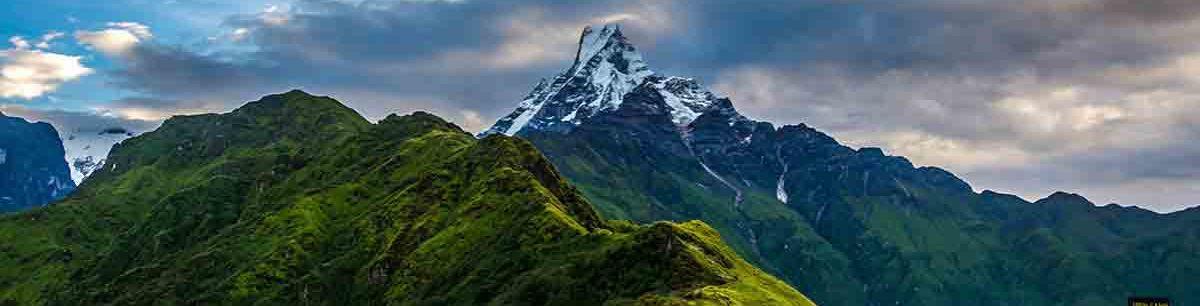
Every morning before dawn, Nepal Hot Air Balloon Rides depart from three locations depending on the weather: Dhampus Village, Pame, and Landruk. After an hour-long amazing journey above the snow-capped mountains, they will descend near the banks of Mardi Khola, Lake Side, and Hemja, respectively. It will soar 1,000 meters above Pokhara, offering a breathtaking view of the valley and mountains including the Annapurna range, Fishtail (Machhapuchhre), Dhaulagiri, Hiunchuli, Lamjung Himal, lakes, and forests. Except during monsoon, the journey will consist of two flights, one early in the morning and another in the afternoon (June, July, August three month). For the most breathtaking mountain sunrise view, travel early in the day.

Hot Air Ballooning: Best Season

With the exception of the months during monsoon season (June, July, August), the best months for a hot air balloon flight are September, October, November, December, January, February, March, and April.

During these months, flights are conducted every day, although they also depend on the wind and its direction of flow (eastward or westward across the valley). Different mountain flights and aircraft movements are recommended, but hot air ballooning is by far the most appealing because you will be in the basket and able to take in the beauty of the natural world as it sways in the air.

Hot Air Ballooning: Cost

Domestic and foreign tourists pay Rs. 9,000 and 120 USD per person, respectively, for a 25 to 30-minute flight, for hot air ballooning. For Nepalese and foreigners, a 50 to 60-minute hot air balloon flight costs Rs. 11,000 and US$150 per person, respectively.

Other packages are available, including hot air ballooning for an engagement ($8000 per flight), an anniversary ($8000 per flight), and a birthday ($8000 per flight). ride in a tethered balloon (Lift and fly large group of people all age at certain location tide more than two balloons). The tethered balloon trip will soar 500 meters over the lovely city of Pokhara and offer breathtaking views of the Himalayan range and the lake city.

The cost includes below:

  • Pick Up and Return service inside Pokhara
  • Pre-Flight Refreshment and site seeing
  • Balloon Flight certificate
  • Insurance (if anything happens during the flight)

Hot Air Ballooning: Passenger Requirements

There is no upper age limit for taking trips. But some level of athleticism is needed because it’s possible that after landing, we’ll have to go across paddocks. Since there are no seats in the basket, standing for the entire flight, which lasts for roughly an hour, is unavoidable. Small children should not be brought, per our recommendation.

The other passengers’ comfort and happiness is the primary factor, but there are many other factors at play. The baskets are fairly small, and young kids frequently become restless in small spaces. The second justification is more useful. Small children would struggle to look over the four-foot-high walls of the baskets unless they were carried by an adult (an arduous task for a one-hour fight). We do require that minors (those under the age of 12) be accompanied by an adult.

What are the best Hot Air Balloon Rides in Nepal?

According to visitors visiting Viator, the top hot air balloon rides in Nepal are:

  • Day trip from Katmandu to Everest Base Camp by Helicopter with Hotel Pickup/Drop-Off
  • Pokhara Hot Air Balloon Magical Flight
  • Pokhara hot air balloon ride: thirty-minute flight
  • Eagle-Eye Flight in a Hot Air Balloon in Pokhara

What to pack for a balloon flight?

Every three months, the temperature in Pokhara (827m) would fluctuate. Around 29°C (84°F) is the average temperature for the entire year. May and June are the hottest months before the monsoon season; winter is the coolest (mid-December to mid-February). The balloon launch site in Dhampus (1,650m), however, is colder than Pokhara.

Also keep in mind that the air gets colder as you fly higher. I’m certain that it depends on the individual’s packing preferences. But as a quick reminder, the following is a list of items you might wish to bring on your hot air balloon trip over the Himalayas: Consider a down jacket for winter if you need a windproof garment, comfy and warm pants, shoes and socks, Warm hat or headgear daytime bag, Sunglasses, a scarf, lip balm, suntan lotion, and windproof gloves (during winter), water container, additional batteries and camera equipment.

Is it possible for someone to travel on this tour who has hyponatremia, asthma, or physical limitations?

The response is YES! Without additional oxygen, someone with hyponatremia or asthma can still participate in this excursion. Depending on how severe their impairment is, people with physical disabilities may also be able to travel. Please talk to the balloon business about this. In general, everybody can have a lifetime experience via hot air ballooning. Therefore, there are no restrictions for senior citizens in reasonably good health if you want to bring your elderly relatives or friends.

Feel Free To Contact Us.

Mountain Flight in Nepal- A Complete Guide

Rating: 5 out of 5.

You might have never seen something like the mountain flight in Nepal, thus it goes beyond the realms of imagination. You would love to go there every day to treat your mind to this magnificent view, if only you were in the air. Because everyone gets to sit next to the window, you can get a close-up view of some of the tallest mountains in the world, like Mt. Everest and Mt. Annapurna, and you’ll go home with beautiful images. Take a mountain flight in Nepal for a mesmerizing view of the tallest peaks on the planet. The flight leaves Kathmandu and flies above the Himalayas, giving you a close-up view of the mountains’ snow-capped peaks before returning to the city in less than an hour.

Contact Us For Mountain Flight

The best mountain flight experience in Nepal

Nepal is a popular destination for tourists from around the world because of its breathtaking mountains. Furthermore, the mountain flight is the only opportunity to see nearby mountains without having to travel very far. It’s also among the most captivating sensations there are to have. People travel from all over the world to Nepal to experience thrilling mountain flights. In Nepal, mountain flights give passengers a stunning panoramic view of the mountain ranges up to five nautical miles away. The other mountains are also highlighted during the trip, in addition to Mount Everest.

Contact Us For Mountain Flight

Reason for Mountain Flight experience in Nepal

Adventure a once-in-a-lifetime experience in Nepal by combining an Everest Experience flight with a stroll on a trek. The greatest substitute for a helicopter journey to Everest base camp is a mountain fly. Since we can take an hour-long flight in a plane to inspect the Mighty Himalayas in the North, we can fly over the Himalayas. There is only one trip each day to Everest Base Camp, which involves a helicopter landing. However, the price will be significantly higher than the flight to the Everest Mountain. For the best Everest experience flight in a short amount of time, the Mt. Everest flight tour is the ideal option.

Contact Us For Mountain Flight

Mountain Flight by Shree Airlines

Passengers may fly with confidence and enjoy a turbojet experience in Nepal with The Shree Airlines. Fly with Shree Airlines to Everest. The Himalayan range, which includes Mount Everest as its tallest peak, offers one of the most breathtaking views on earth. Shree Airlines is well aware that every Nepali and nearly every foreign visitor dreams of climbing Mount Everest.

Contact Us For Mountain Flight

Mountain Flight by Yeti Airlines

Because Yeti Airlines’ SAAB-340 flies at an ideal height of between 20,000 and 25,000 feet and gives passengers a first-ever view of the Himalayan Range, its mountain flights are more stunning than those offered by any other Nepali airline. For the best possible viewing experience, the mountains are at eye level. The Dornier-228 virtually flies into Everest’s lap to show you Mount Everest (Khumbu Valley). This is the closest glimpse of Mount Everest you’ll ever see unless you decide to take up mountaineering. The non-tinted windows of both the SAAB and the Dornier give you a great opportunity to take pictures of the mountain and preserve your memories for all time, unlike in other airliner.

Contact Us For Mountain Flight

Mountain Flight by Buddha Air

For Mountain Flights, Buddha Air operates SAAB-340 and Dornier-228 aircraft. The Great Himalayan Range may be seen magnificently from both aircraft’s big, clear windows. Daily regular flights leave Kathmandu for the Himalayan Mountains to the east and north of the city. Usually beginning in the morning, the flight lasts an entire hour. The non-tinted windows of both the SAAB and the Dornier give you a great opportunity to take pictures of the mountain and preserve your memories for all time, unlike in other types of aircraft.

Mountain Flight Fare:

  • For Nepalese NPR 15000.00 Per person
  • For Indian Nationality INR 9375.00 Per Person
  • Other Nationality US$ 230.00 Per Person

Annapurna Mountain flight

The trip over the Annapurna Mountains is another thrilling mountain flight from which to view the mountains visible from the Pokhara Valley. Flights over the Annapurna Mountains often depart from Kathmandu in the early morning between 6:00 and 8:00, and they last for around 30 minutes. Naturally, Mount Annapurna, glaciers, lakes, and the Pokhara valley will be some of the main sights to see throughout the trip. The following mountains, in order, will be visible to you during the flight: Mt. Dhaulagiri (8172 meters), Mt. Annapurna I, II, III, and IV (8091 meters, 7939 meters, 7555 meters, and 7525 meters, respectively), Mt. Machhapuchhre (6993 meters), Mt. Lamjung (8172 meters), and Mt. Manaslu (8172 meters)

Contact Us For Mountain Flight

How do I schedule a mountain flight in Nepal?

In Nepal, taking a mountain flight is a simple and quick process. If you reserve or purchase a ticket, you will be taken on an hour-long journey that soars above some Himalayan peaks as you gaze down on pristine glaciers and stunning high-altitude lakes. Eight of the world’s tallest peaks are located in Nepal, and the only way to see them all is by flying over them. Even seasoned mountaineers can’t encounter them up close for the entire day. The captain asks each passenger to the cockpit to take shots of the spectacular Himalayan range from their wide windscreen as the hostess categorizes the distinct peaks. The two main locations to enjoy aerial experiences in Nepal are Everest and Annapurna.

Contact Us For Mountain Flight

Best time of year for mountain flights in Nepal

Mountain peaks are most beautiful in the early hours of the morning. March, April, May, October, November, and December are the top months. If you want to see the tallest mountains and the most picturesque slopes, use a helicopter or a heli charter. One of the best ways to experience Nepal’s mountains is by mountain flight.

Contact Us For Mountain Flight

Schedule and Cancellation for A Mountain Flight

The plan is straightforward because a mountain flight may be finished in 30 minutes for Annapurna or 1 hour for Everest. One of the firm employees will pick you up from your hotel early in the morning and take you to the local airport. By going to the airline desk, you can confirm your reservation and check into your mountain flight. Once you have a boarding pass and have gone through security, you can board the bus shuttle that will take you to the plane. Set out on a grand adventure, take in the breathtaking mountain landscape, then return to your accommodation. I’m done now. You will receive a refund if your flight is canceled due to inclement weather or another factor.

Feel free To Contact Us.